A federal grand jury has indicted Monica Witt, a former U.S. Air Force counterintelligence officer, with spying for the government of Iran and assisting Iranian intelligence services in leading a cyber campaign against her former colleagues.
Details: The Iranian operation sought to deploy malware through fake social media accounts in 2014 and 2015 in order to gain access to the targets' computers and networks. Witt allegedly revealed to the Iranian regime a "highly classified intelligence program" and the identity of a former fellow intelligence officer, actions that Air Force Special Agent Terry Phillips called "a betrayal of our nation’s security, our military, and the American people." Witt remains at large as one of the FBI’s "most wanted" criminals.
Johnson & Johnson is buying Auris Health, a venture-backed maker of surgical robots for lung cancer procedures, for $3.4 billion in cash. Auris could receive another $2.35 billion if the company hits certain unnamed milestones.
The big picture: Frederic Moll founded Auris as well as Intuitive Surgical, the world's predominant maker of surgical robot machines. However, research shows robotic surgery costs a lot more than conventional surgery, but "does not result in statistically better treatment outcomes."
Twitter CEO Jack Dorsey gives himself a "C" grade for taking "responsibility," which was one of the most specific answers he gave during a live Twitter Q&A with journalist Kara Swisher on Tuesday.
Why it matters: Twitter remains an obsession for many journalists and one resident of 1600 Pennsylvania Ave., but many users have grown deeply unhappy with the prevalence of harassment and abuse in many conversations, along with the company's seemingly inconsistent enforcement of its own community rules.
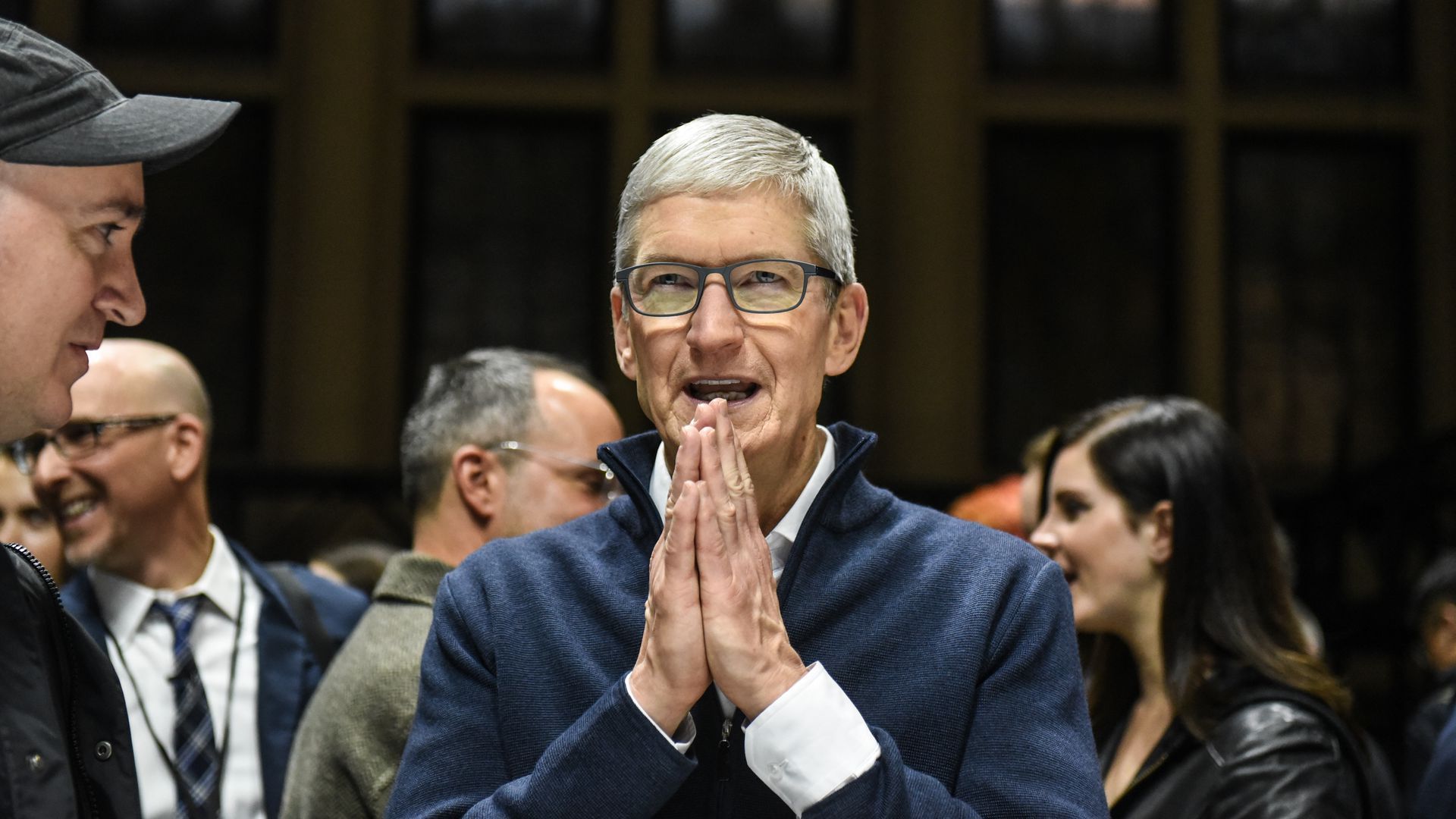
Apple is set to debut a news subscription business at a March 25 media event, according to BuzzFeed News. But there's a hitch: A number of key publishers are balking at the terms Apple is offering, per the Wall Street Journal, objecting to Apple's reported take of almost half the revenue and limits on their access to customer data.
The big picture: The news industry is already reeling from the massive shift of ad dollars to the two digital advertising giants, Google and Facebook. Now it looks to publishers as if Apple wants a cut of their subscription cash, too.
TuSimple, a Tucson, Ariz.-based self-driving truck startup, raised $95 million in Series D funding at a pre-money valuation of $1 billion led by China's Sina Corp.
Why it matters: Because the widespread adoption of autonomous trucks could move significantly faster than that of autonomous cars (even ride-hail), due to the high costs and human safety requirements (read: sleep) of long-haul trucking.
Two promising AV startups recently received eye-popping funding, but don't assume 2017's frothy hype is back.
The big picture: Blitzscaling, or investing to achieve massive growth before competitors do, doesn't work in the capital-intensive AV business. And with self-driving cars still a long way off, many contenders could start to fade in the face of massive demands for funding and talent.
Researchers at the University of Michigan are studying human body language to teach self-driving cars to recognize and predict pedestrian movements with greater precision than current technologies.
Why it matters: People don't always pay attention when crossing the street, so AVs need to be on the lookout for distracted pedestrians, not just other cars on the road.
The tax breaks extended to Amazon for its New York office expansion will be an economic "multiplier" but the company must be held accountable for bringing that to bear, Rep. Yvette Clarke (D-NY) said Wednesday at an Axios event.
Why it matters: The deal has drawn intense criticism from New York policymakers who say the billions in tax breaks Amazon will get to come to a Queens community aren't warranted.
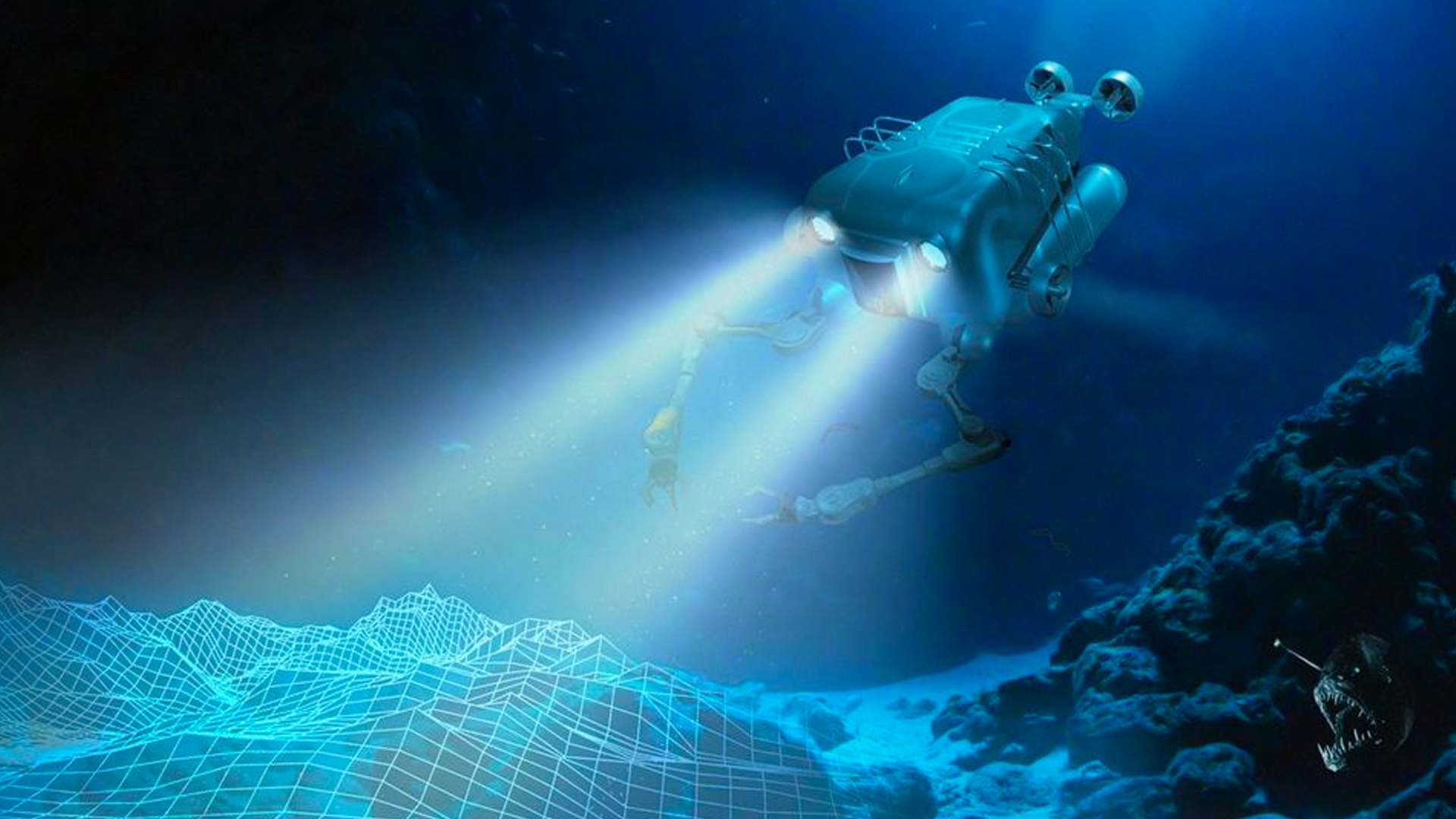
Partially autonomous and remotely operated underwater vehicles are used to map oceans, observe sea life and pollution, clear underwater unexploded ordinance, and monitor oil and gas pipelines — jobs that are dangerous or impossible for divers.
What's next: Advanced communication technology, better batteries, and other breakthroughs could result in vehicles with more autonomy, capable of more complex missions.
The Government Accountability Office, which gives nonpartisan advice to Congress, said in a report released Wednesday that "this is an appropriate time for Congress to consider comprehensive internet privacy legislation."
Why it matters: The finding adds fuel to calls for a national privacy law, as state and foreign regulators crack down on data-hungry companies like Google and Facebook.
In the fall of 2017, Amazon made itself a fêted hero to towns and cities across the United States, celebrated for promising to create 50,000 new jobs paying some $100,000 a year in a lucky place that would host the company's second headquarters.
Why it matters: Amazon may be forced to give up at least some of the $3 billion in concessions it was granted in November to create some 25,000 jobs in New York City — or build its HQ2 somewhere else.
On the heels of a sweeping new U.S. plan to retain dominance in artificial intelligence, the Pentagon has cast Chinese development of intelligent weapons as an existential threat to the international order.
A day after the release of an executive order by President Trump that omits naming China, the Defense Department, in a new AI strategy document, speaks in stark terms of a "destabilizing" Chinese threat.










/2019/02/13/1550068696378.gif?w=3840)






/2019/02/11/1549912414361.gif?w=3840)