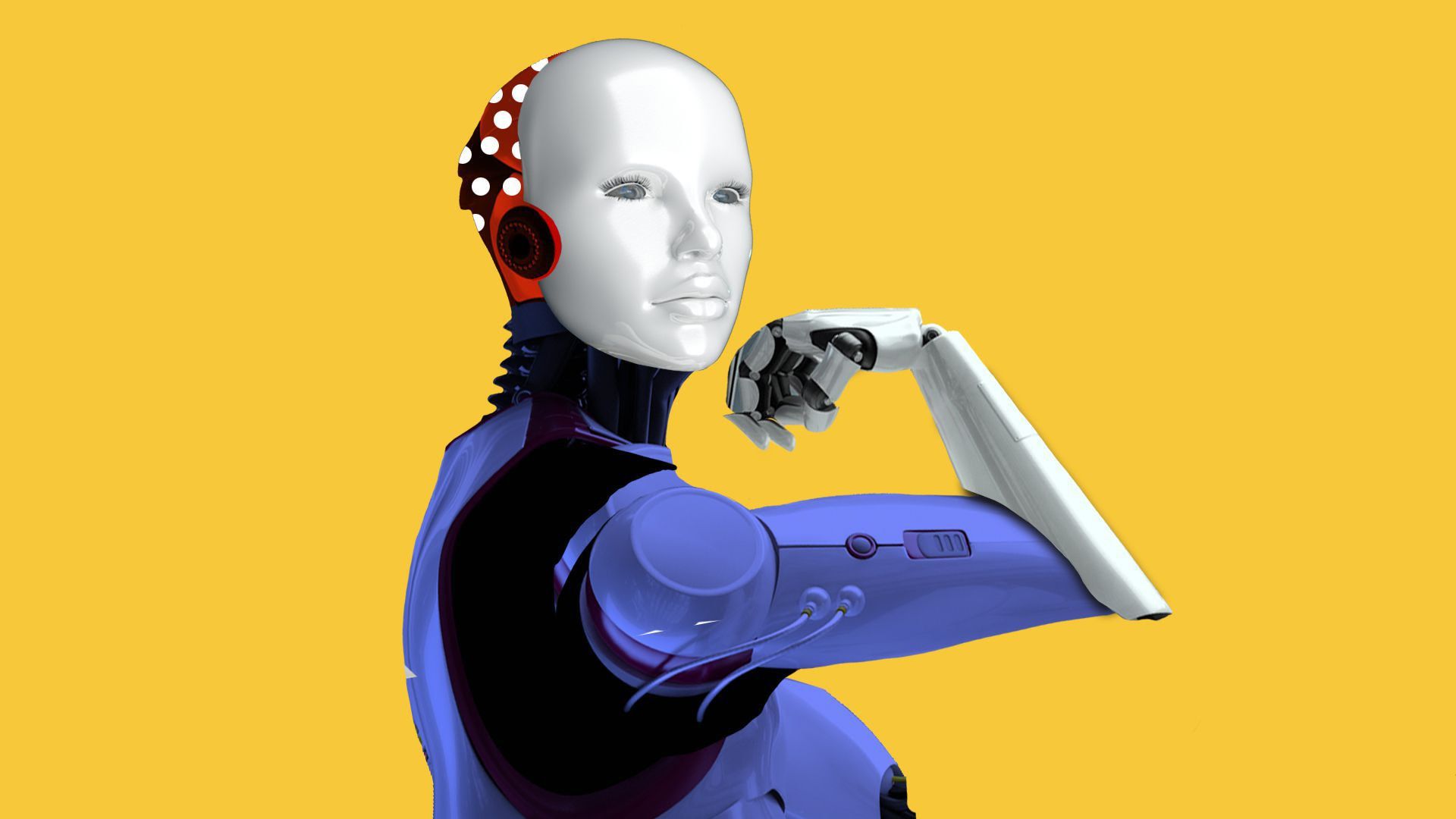
We're entering a new, robot-fueled tech boom that is already disrupting the world's balance of power, and is changing how we fight wars, stay alive, drive, work, shop and do chores.
The future is now: We keep talking about what's coming, but we're already on the leading edge of a profound global change that will create tremendous opportunity for new power and wealth.
Truck drivers will be some of the first people to lose jobs as automation technology spreads.
A push by companies like Uber to automate heavy trucks through a combination of artificial intelligence and robotics raises questions for millions of drivers brought into the profession by the promise of a steady job. Will they be employed behind the wheel five years from now? Or will robots be doing it instead?
And if you think this is a niche problem, think again. The impact of self-driving trucks would be felt in communities around the country — especially Trump country.
Even before the technologies of the future come to fruition, they're igniting ethical, economic and political debates at the Capitol and around the country. A quick look at the debates ahead:
Universal basic income: This would provide a guaranteed cash benefit to the millions who could be put out of work by automation. "Silicon Valley is in the midst of a love affair with it, arguing that when robots come to take all of our jobs, we’re going to need stronger redistributive policies to help keep families afloat," Annie Lowrey, who has a book on the subject coming July 10, wrote in New York magazine.
Google is no longer allowing Run For Something — a group that recruits and trains progressive candidates for office — to hold a political fundraiser at its D.C. campus on June 6. Google did not respond to requests for comment about why it changed its mind.
The big picture: It's not unusual for companies to allow outside groups to use their office space for events, and Google hosts more than 400 politically affiliated events each year, per a person familiar, including an event with the conservative website Newsmax and Commerce Sec. Wilbur Ross last October.
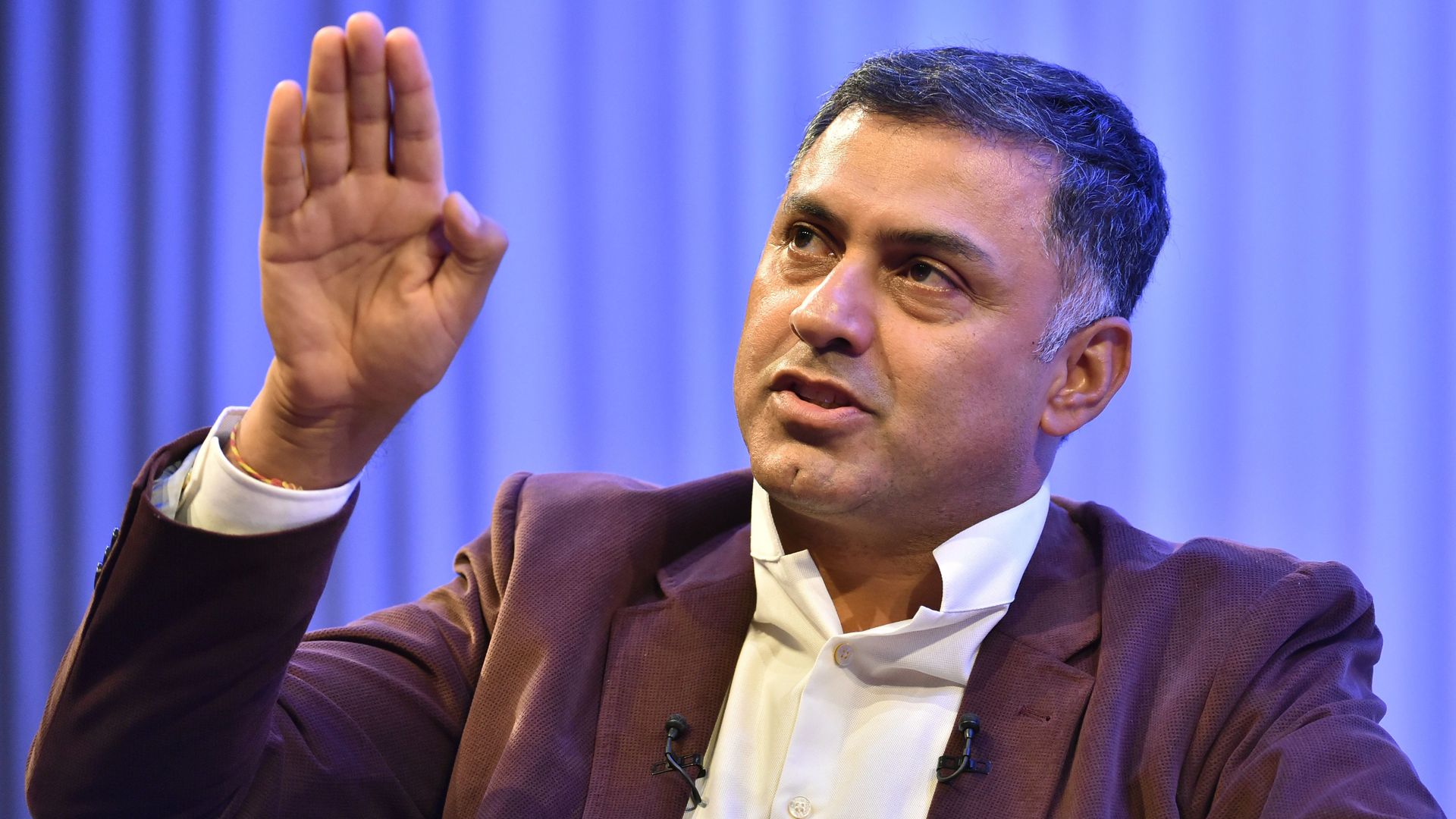
Nikesh Arora, a former head of Google's business who also did a high-profile two-year stint as number two at Softbank, is taking over as CEO of cybersecurity firm Palo Alto Networks. Recode first reported the news.
Why it matters: The company has been unveiling a new platform intended to support an ecosystem of security vendors and integrate their products. Arora is a tech veteran with no background in Palo Alto's specialty. His predecessor, Mark McLaughlin, will stay on as the company's vice chairman.
Two of the biggest tech companies are repositioning themselves — one to get rid of troublesome baggage, the other to expand into new territory.
What's happening: Facebook is getting rid of the "Trending" news section that has caused it so many headaches. Instead, it says it's trying other things, like "breaking news" labels for posts from publishers and a news video section in Facebook Watch. Meanwhile, Apple is trying to move into the digital ad business.
Google has reportedly decided not to renew its contract, which expires in 2019, to work on Project Maven, a controversial drone imaging program for the Department of Defense, according to Gizmodo.
Backstory: There's been mounting criticism from employees of the company's work on the project that provides artificial intelligence technology. A number of employees have even resigned in protest.
Spotify is reversing course on its three-week-old policy governing musical artists' conduct, which resulted in a few musicians, including R. Kelly, being removed from the company's promotional playlists (though their music was still available for users to stream).
Why it matters: After facing immediate criticism from artists and labels, Spotify now says that its policy was poorly explained and implemented and that it doesn't want to judge artists' behaviors. The company will keep its policy barring "hate content" on its service.
Misconfigured Google Groups may accidentally be spewing private conversations over the internet.
Why it matters: A study conducted by Kenna Security published Friday found that, out of 9,600 public Google Groups it found by researching domains held by some of largest web sites, around a third leaked email sent through the platform.
Facebook is doing away with the controversial "Trending" news section next week, the company announced on Friday.
Why it matters: The section, which it introduced in 2014, was meant to help users get an easy view of the top news during the day, but Facebook says that it ultimately drove less than 1.5% of clicks to publishers on average. The feature has also come under fire more than once — most heavily in 2016, when Gizmodo reported on the human curators' practices and raised charges that the social network suppressed conservative news.
When Apple speaks to developers next week at its Worldwide Developer Conference, pay close attention to what the company says about two key areas: augmented reality and digital health.
The bottom line: As Axios first reported in January, Apple has delayed some features originally planned for this year's iOS and Mac OS updates to focus on improving the reliability of its software. Still, the areas where Apple is investing are key to its future success.
"Tech’s Titans Tiptoe Toward Monopoly: Amazon, Facebook and Google may be repeating the history of steel, utility, rail and telegraph empires past — while Apple appears vulnerable," writes Wall Street Journal tech columnist Christopher Mims,(subscription).
The state of play: "Together, Google and Facebook take in 73% of U.S. digital advertising."
Teenagers aged 13 to 17 are losing interest in Facebook, with only 51% using the social media platform — a drop of 20 percentage points since 2015, according to a new study released Thursday by Pew Research Center.
The winner: YouTube is now said to be teens' most popular platform, with 85% saying they use it.






/2018/06/01/1527886661370.gif?w=3840)