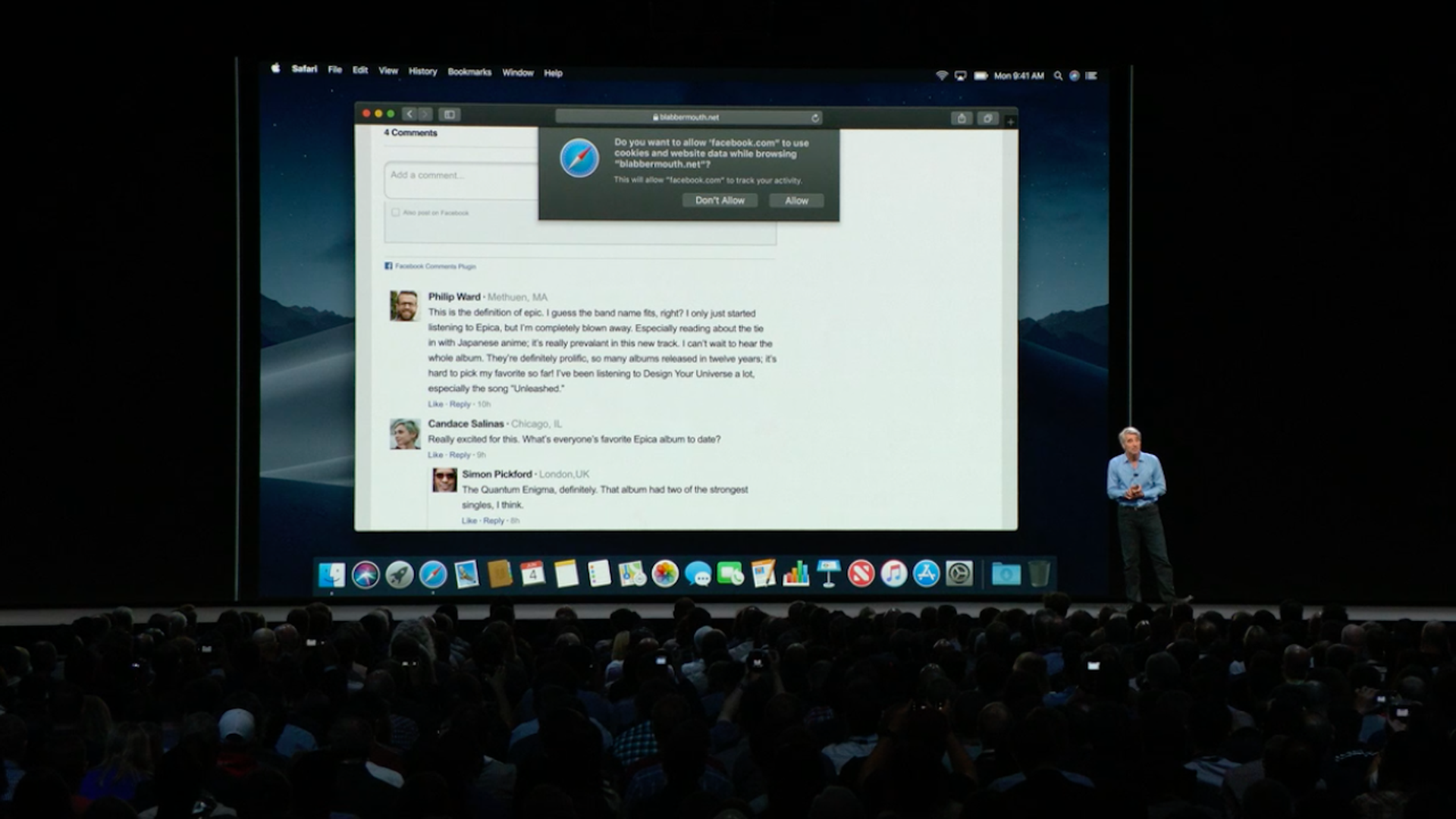
As Facebook continues to be beset with data-sharing controversies, Apple once again aimed to contrast itself with the social network by spotlighting its privacy-focused features Monday at its annual developer conference in San Jose.
Why it matters: The iPhone maker has long presented itself as an advocate of user privacy and an opponent of invasive advertising models, and Facebook's recent trials have given it more opportunities to parade those positions.
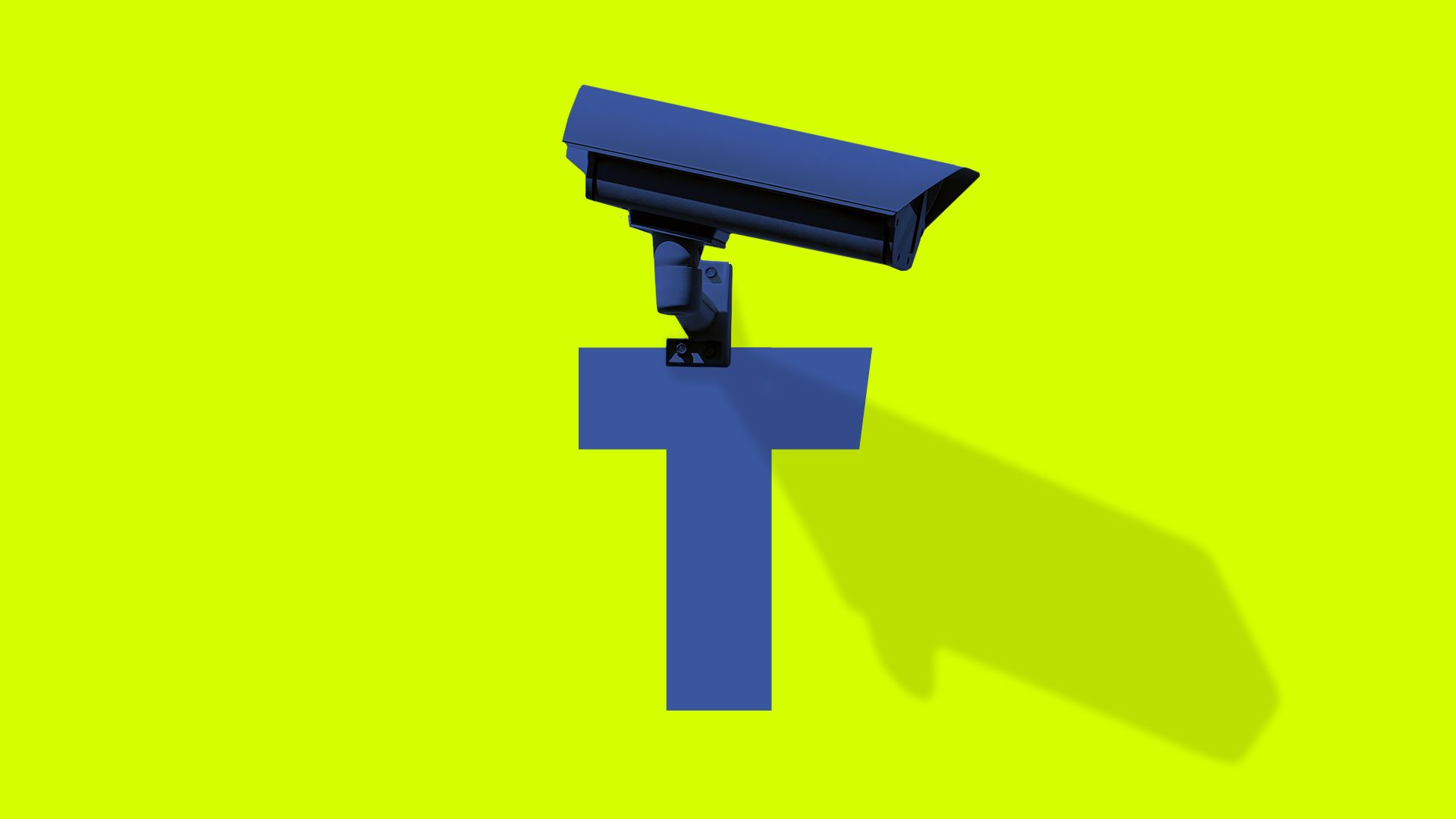
Facebook faces a raft of new criticisms in the wake of a New York Times story about the social network's program of sharing user data with smartphone makers.
Why it matters: Critics of the company in Congress and the media are piling on Facebook and framing this story as "Cambridge Analytica II." But industry insiders are questioning the import of the new revelations, since device makers are a unique and trusted class of "third party" data users — and also since there's no evidence of actual misuse of data this time around.
In addition to showing new versions of iOS and macOS at its Worldwide Developers Conference Monday, Apple offered a sneak peek at an effort to let iPhone apps run on the Mac.
It's a multiyear effort, though, Apple said: Developers won't have a chance to bring their iOS apps to the Mac until next year. This year, Apple is working on bringing over some of its own apps, including Stocks and Voice Memos.
Why it matters: Adding iOS apps would vastly increase the options available on the Mac, which has gotten less attention from software developers amid the explosion of smartphones. But Apple stressed that it's not merging macOS and iOS: "No," said Craig Federighi, Apple's senior vice president of software engineering. "Of course not."
While the new iPhones won't show up until the fall, the software that powers them is debuting at Apple's annual WWDC developer event in San Jose, Calif.
The bottom line: FaceTime will have group video chat with up to 32 participants, new settings in iOS 12 will help manage notifications and help people manage “screen time” and Apple says apps will launch 40% faster, with better keyboard and camera performance. The next version of macOS, "Mojave" includes Apple News, a dark mode and tighter iPhone integration.
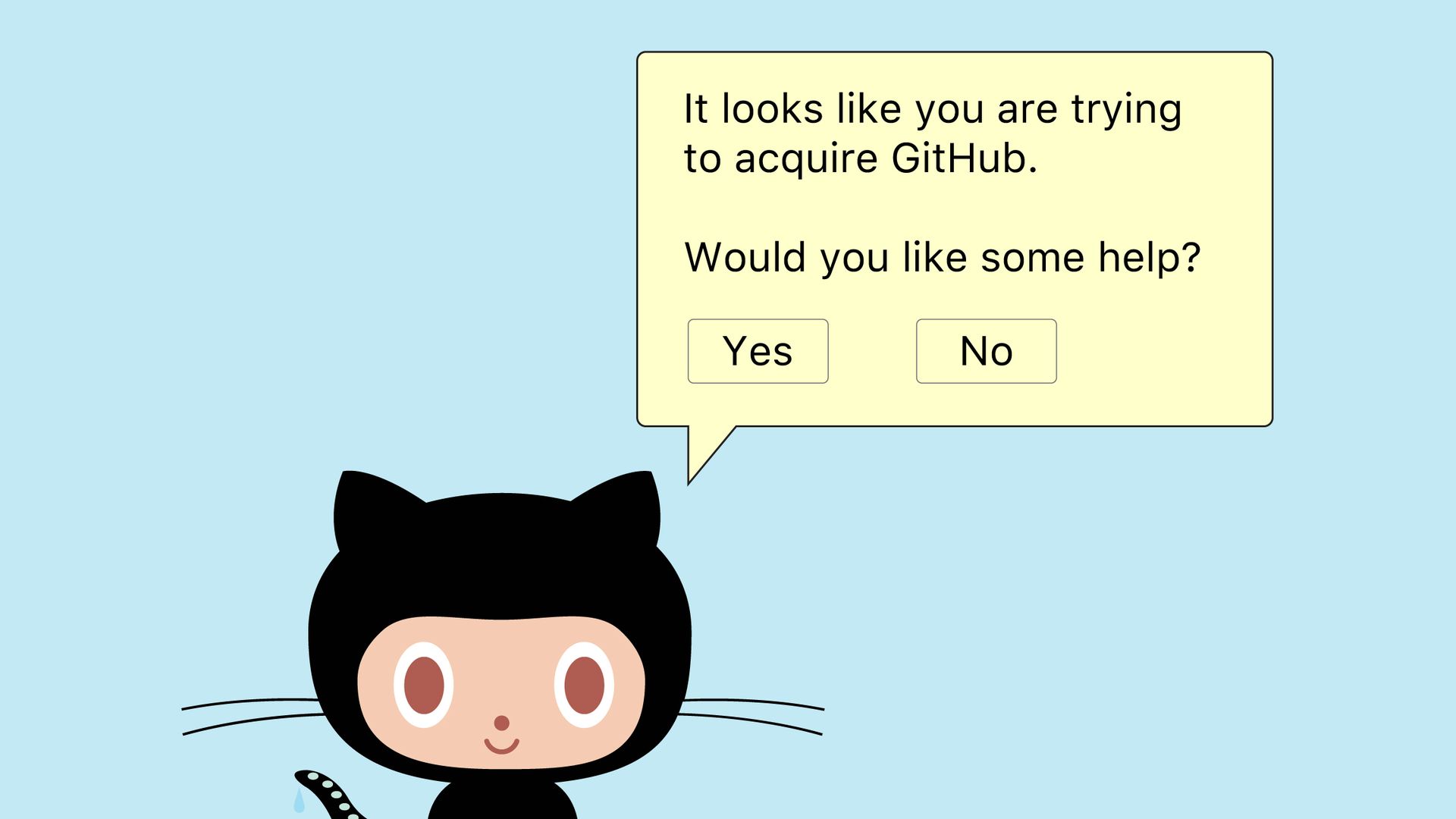
Microsoft announced this morning it is acquiring GitHub, the social network for coders as well as home to millions of different software projects, for $7.5 billion.
Why it matters: This further highlights the turnaround Microsoft has already made in its stance toward open source software.
"Facebook Gave Device Makers Deep Access to Data on Users and Friends: The company formed data-sharing partnerships with Apple, Samsung and dozens of other device makers, raising new concerns about its privacy protections" — N.Y. Times' Gabriel J.X. Dance, Nicholas Confessore and Michael LaForgia.
Why it matters: "Facebook allowed the device companies access to the data of users’ friends without their explicit consent, even after declaring that it would no longer share such information with outsiders. Some device makers could retrieve personal information even from users’ friends who believed they had barred any sharing."
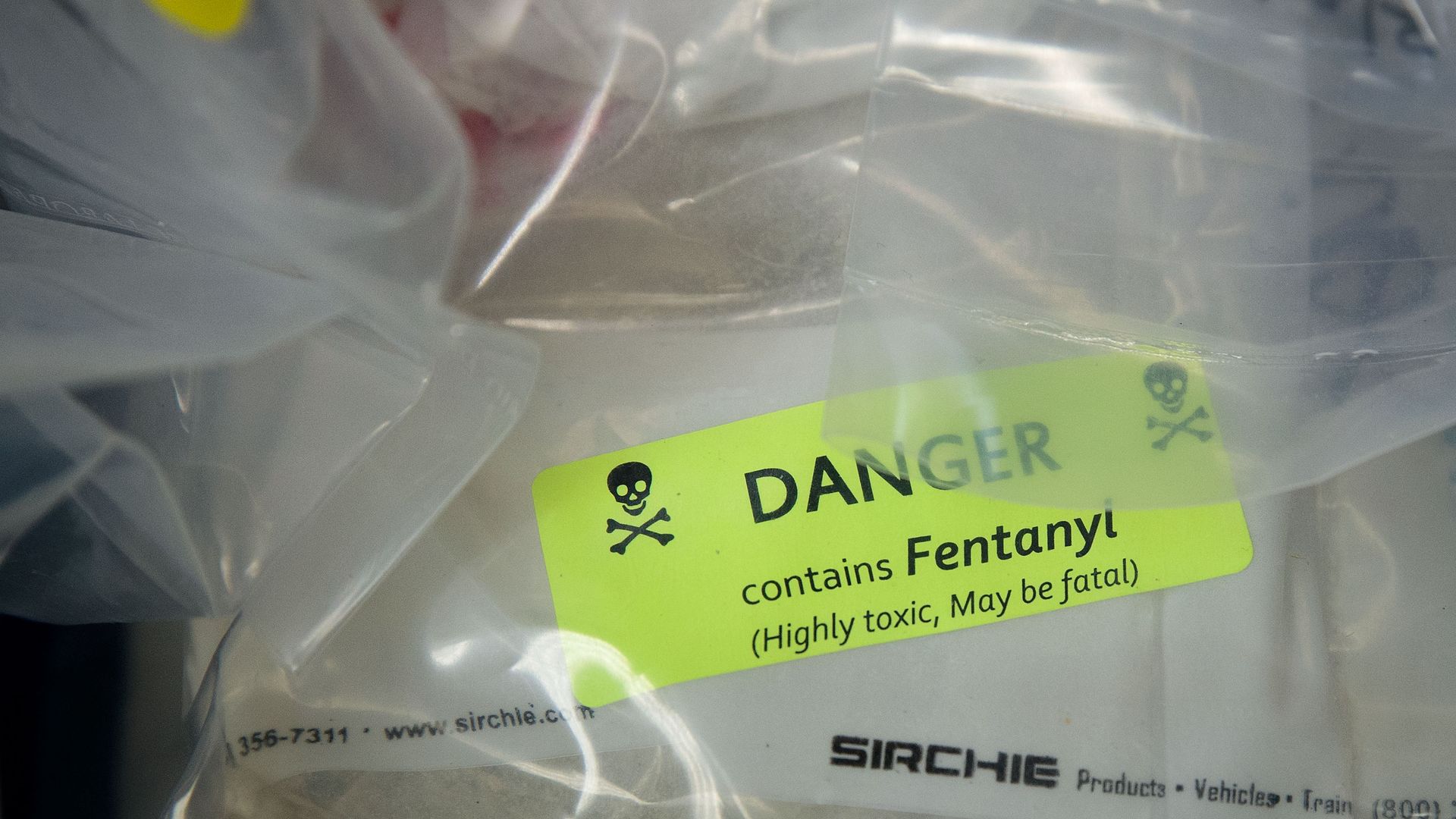
Despite pressure from Congress and the Food and Drug Administration, and various efforts to try to crack down, tech companies still have a big problem with illicit pharmacies. BuzzFeed News documents just how easy it is to find drugs online — everything from Adderall to fentanyl.
How it works: The companies say they have tools in place to scan for illegal pharmacies, but those tools are easily thwarted. For example, Facebook’s main search feature filters out a lot of illegal pharmacies — but searching for photos and events turns up plenty of them.
A lot of Americans are fearful of autonomous cars, but 33% are at least somewhat likely to buy one once they are available, according to a new Axios/SurveyMonkey poll.
Why it matters: To the degree the survey is accurate and reflects a broad global trend, everything from the world's sprawling car industry, to roads and cities themselves, could be on the cusp of a fundamental transformation.
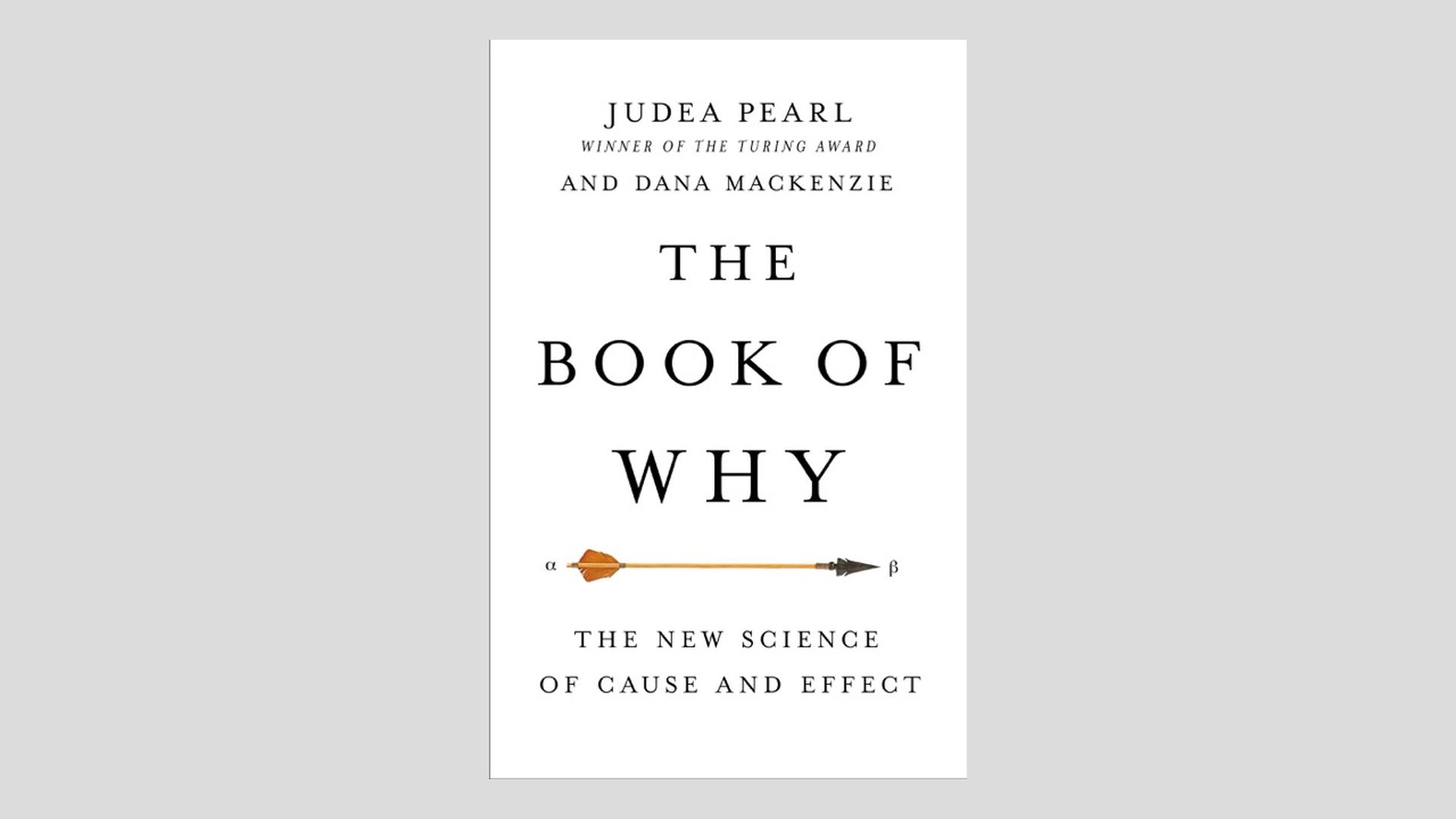
A lot of artificial intelligence researchers have put a pause on their quest for a super-intelligent machine, frustrated by the lack of recent progress. But among those still in the hunt are Judea Pearl, winner of the Turing Award, the highest prize in computer science, and author of "The Book of Why," in which he proposes a new map to intelligent machines.
Artificial intelligence researchers, who have seen little recent progress toward the creation of a machine that thinks like a human, have largely halted such work in favor of applying what's been discovered so far, says a leading AI expert.
What's going on: Andrew Moore, dean of computer science at Carnegie-Mellon University, tells Axios that while current AI displays impressive capability in visualization, speech, and difficult games, it still contains "no magic."
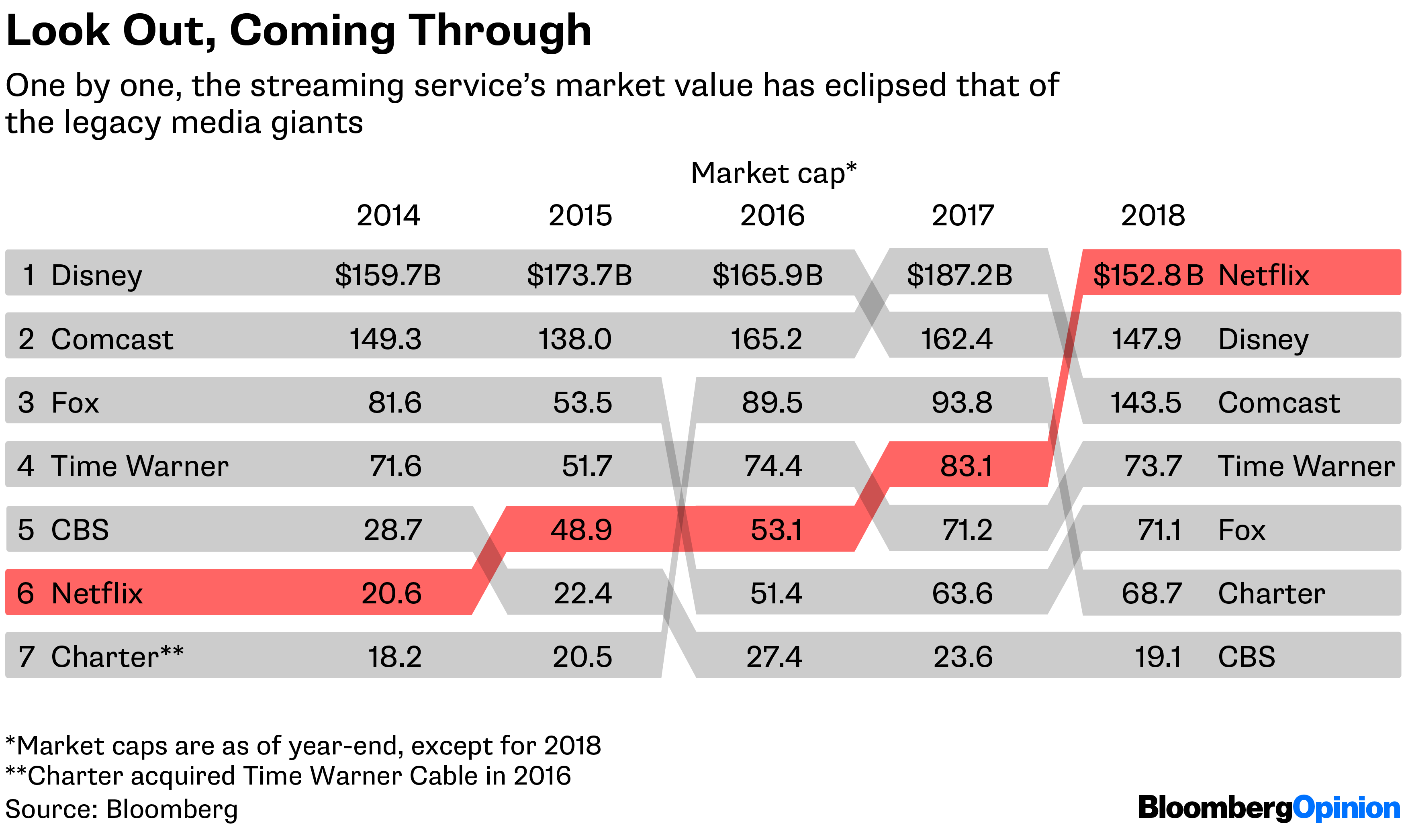
Netflix Inc. has "firmly established itself as the world’s most valuable media company," deals columnist Tara Lachapelle writes for Bloomberg Opinion: "An 11-year-old app that charges $11 a month is worth more to investors than the legacy conglomerates that earn billions more from TV advertising, box-office hits and cable and internet packages."
Why this graphic matters: "Netflix leapfrogged at least one traditional media giant in market value each year since 2015, when it became twice the size of ... CBS."
An Uber driver in Denver shot and killed a passenger Friday morning, claiming he fired shots in self defense, reports the Washington Post — it is being investigated as a first-degree murder.
The backdrop: This comes amid concerns about the ride-sharing company’s ability to properly screen its drivers, as well as allegations of sexual assault and rape involving Uber drivers. The company prohibits drivers and passengers from bringing firearms into vehicles while using the app. A company spokesperson told the Post they're working with authorities during the investigation. She declined to say when last the company did a background check on the driver, Michael Hancock.
Following pressure from taxi drivers in Istanbul calling for Uber to be banned in Turkey, Turkish President Recep Tayyip Erdogan said the “Uber business is finished. That does not exist anymore,” per Reuters.
The politics: Erdogan is likely making a last-minute appeal to his constituents — he is running for reelection in a few weeks, and Istanbul's taxi-drivers have taken Uber to court in the past, accusing it of hurting their business.






/2018/06/03/1528042700111.gif?w=3840)