A lot of Americans are fearful of autonomous cars, but 33% are at least somewhat likely to buy one once they are available, according to a new Axios/SurveyMonkey poll.
Why it matters: To the degree the survey is accurate and reflects a broad global trend, everything from the world's sprawling car industry, to roads and cities themselves, could be on the cusp of a fundamental transformation.
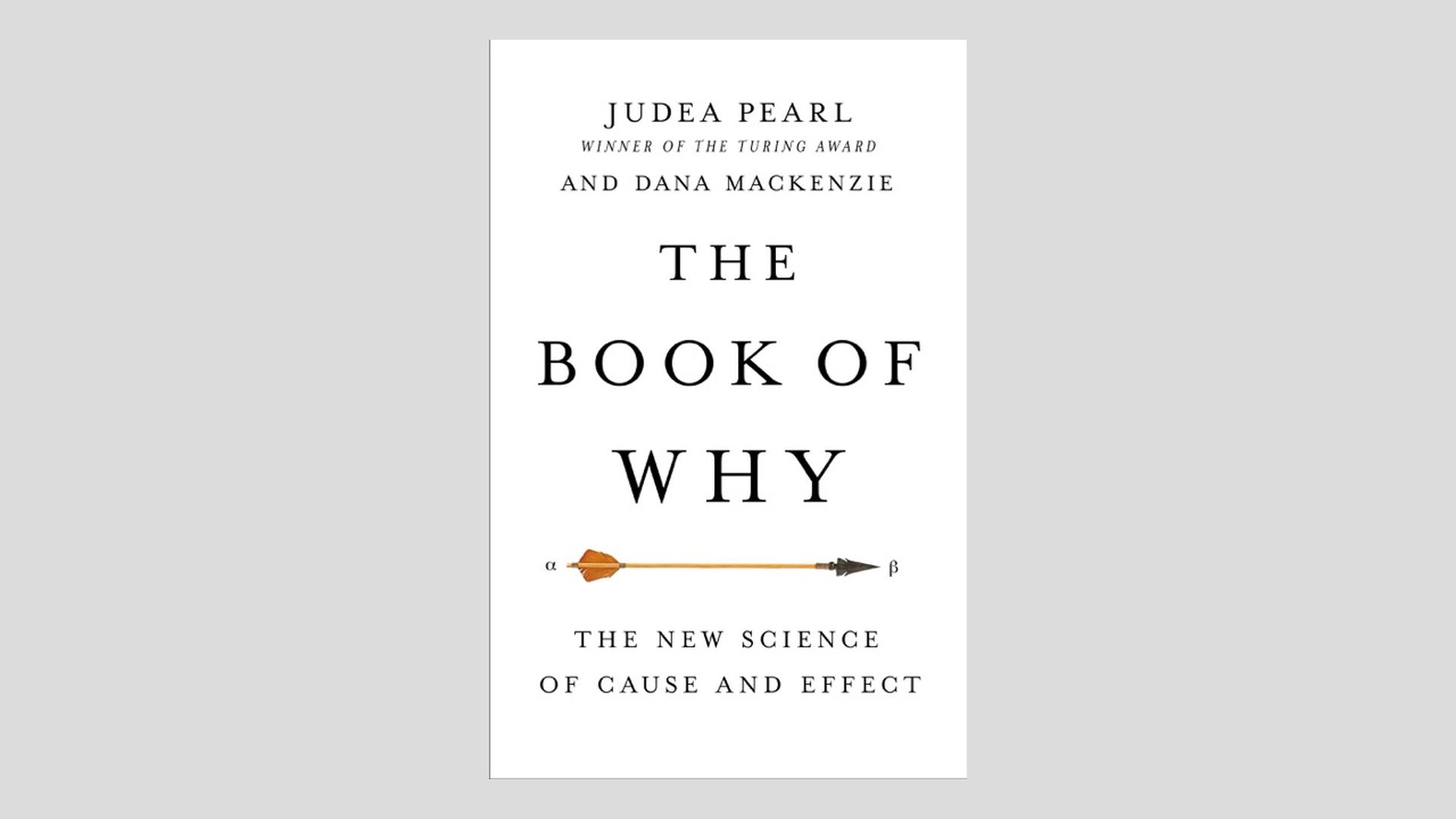
A lot of artificial intelligence researchers have put a pause on their quest for a super-intelligent machine, frustrated by the lack of recent progress. But among those still in the hunt are Judea Pearl, winner of the Turing Award, the highest prize in computer science, and author of "The Book of Why," in which he proposes a new map to intelligent machines.
Artificial intelligence researchers, who have seen little recent progress toward the creation of a machine that thinks like a human, have largely halted such work in favor of applying what's been discovered so far, says a leading AI expert.
What's going on: Andrew Moore, dean of computer science at Carnegie-Mellon University, tells Axios that while current AI displays impressive capability in visualization, speech, and difficult games, it still contains "no magic."
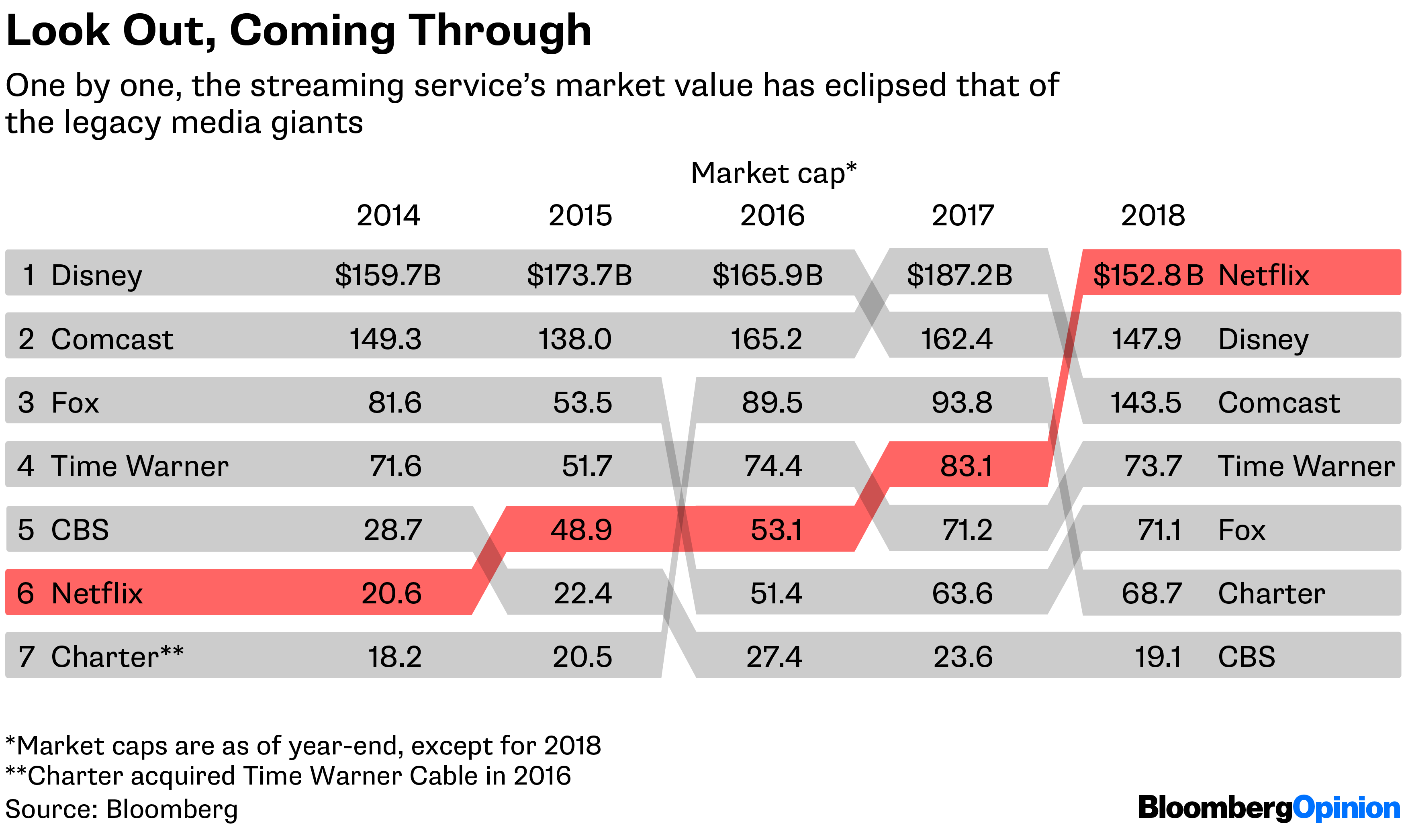
Netflix Inc. has "firmly established itself as the world’s most valuable media company," deals columnist Tara Lachapelle writes for Bloomberg Opinion: "An 11-year-old app that charges $11 a month is worth more to investors than the legacy conglomerates that earn billions more from TV advertising, box-office hits and cable and internet packages."
Why this graphic matters: "Netflix leapfrogged at least one traditional media giant in market value each year since 2015, when it became twice the size of ... CBS."
An Uber driver in Denver shot and killed a passenger Friday morning, claiming he fired shots in self defense, reports the Washington Post — it is being investigated as a first-degree murder.
The backdrop: This comes amid concerns about the ride-sharing company’s ability to properly screen its drivers, as well as allegations of sexual assault and rape involving Uber drivers. The company prohibits drivers and passengers from bringing firearms into vehicles while using the app. A company spokesperson told the Post they're working with authorities during the investigation. She declined to say when last the company did a background check on the driver, Michael Hancock.
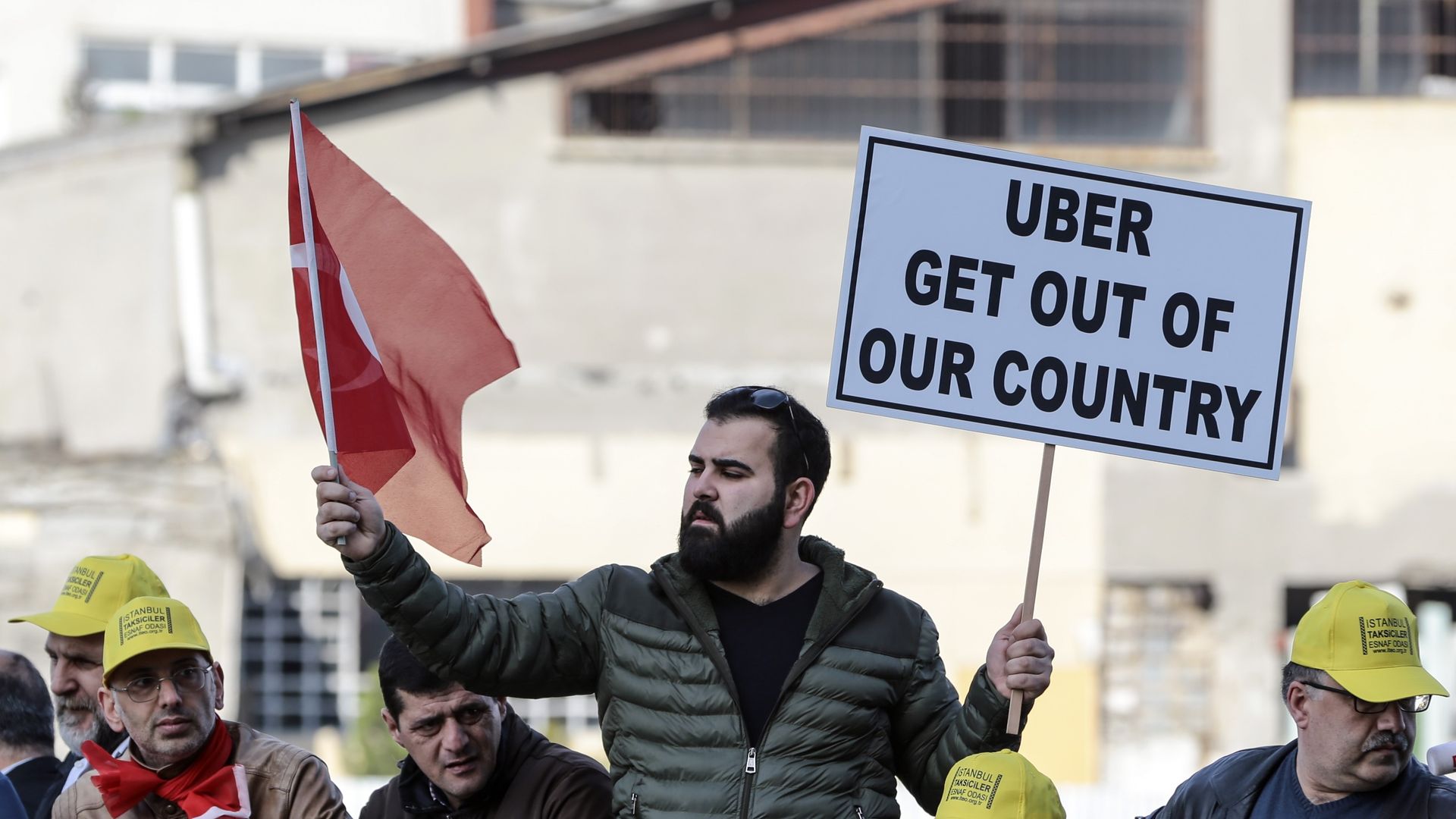
Following pressure from taxi drivers in Istanbul calling for Uber to be banned in Turkey, Turkish President Recep Tayyip Erdogan said the “Uber business is finished. That does not exist anymore,” per Reuters.
The politics: Erdogan is likely making a last-minute appeal to his constituents — he is running for reelection in a few weeks, and Istanbul's taxi-drivers have taken Uber to court in the past, accusing it of hurting their business.
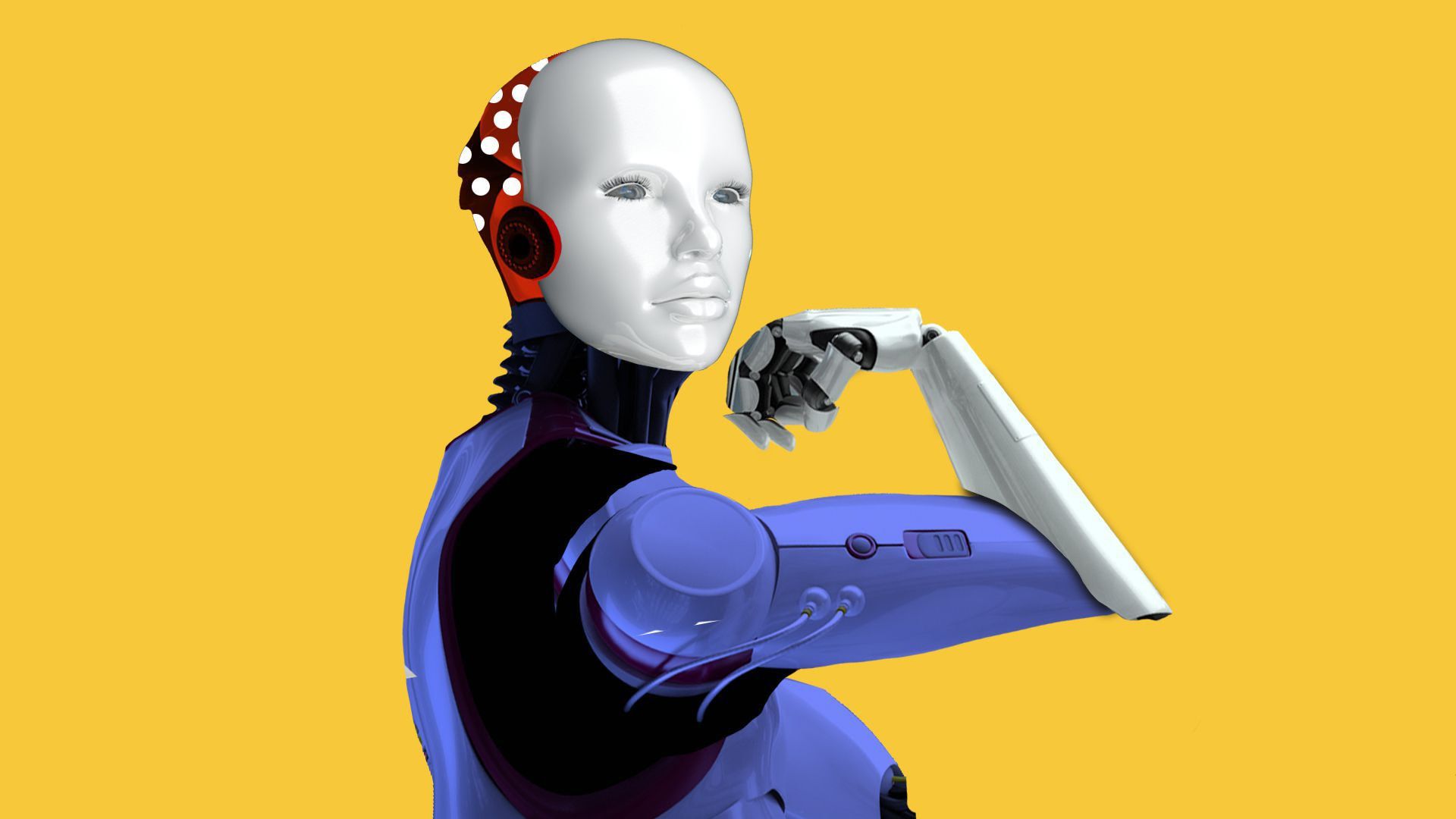
We're entering a new, robot-fueled tech boom that is already disrupting the world's balance of power, and is changing how we fight wars, stay alive, drive, work, shop and do chores.
The future is now: We keep talking about what's coming, but we're already on the leading edge of a profound global change that will create tremendous opportunity for new power and wealth.
Truck drivers will be some of the first people to lose jobs as automation technology spreads.
A push by companies like Uber to automate heavy trucks through a combination of artificial intelligence and robotics raises questions for millions of drivers brought into the profession by the promise of a steady job. Will they be employed behind the wheel five years from now? Or will robots be doing it instead?
And if you think this is a niche problem, think again. The impact of self-driving trucks would be felt in communities around the country — especially Trump country.
Even before the technologies of the future come to fruition, they're igniting ethical, economic and political debates at the Capitol and around the country. A quick look at the debates ahead:
Universal basic income: This would provide a guaranteed cash benefit to the millions who could be put out of work by automation. "Silicon Valley is in the midst of a love affair with it, arguing that when robots come to take all of our jobs, we’re going to need stronger redistributive policies to help keep families afloat," Annie Lowrey, who has a book on the subject coming July 10, wrote in New York magazine.
Google is no longer allowing Run For Something — a group that recruits and trains progressive candidates for office — to hold a political fundraiser at its D.C. campus on June 6. Google did not respond to requests for comment about why it changed its mind.
The big picture: It's not unusual for companies to allow outside groups to use their office space for events, and Google hosts more than 400 politically affiliated events each year, per a person familiar, including an event with the conservative website Newsmax and Commerce Sec. Wilbur Ross last October.
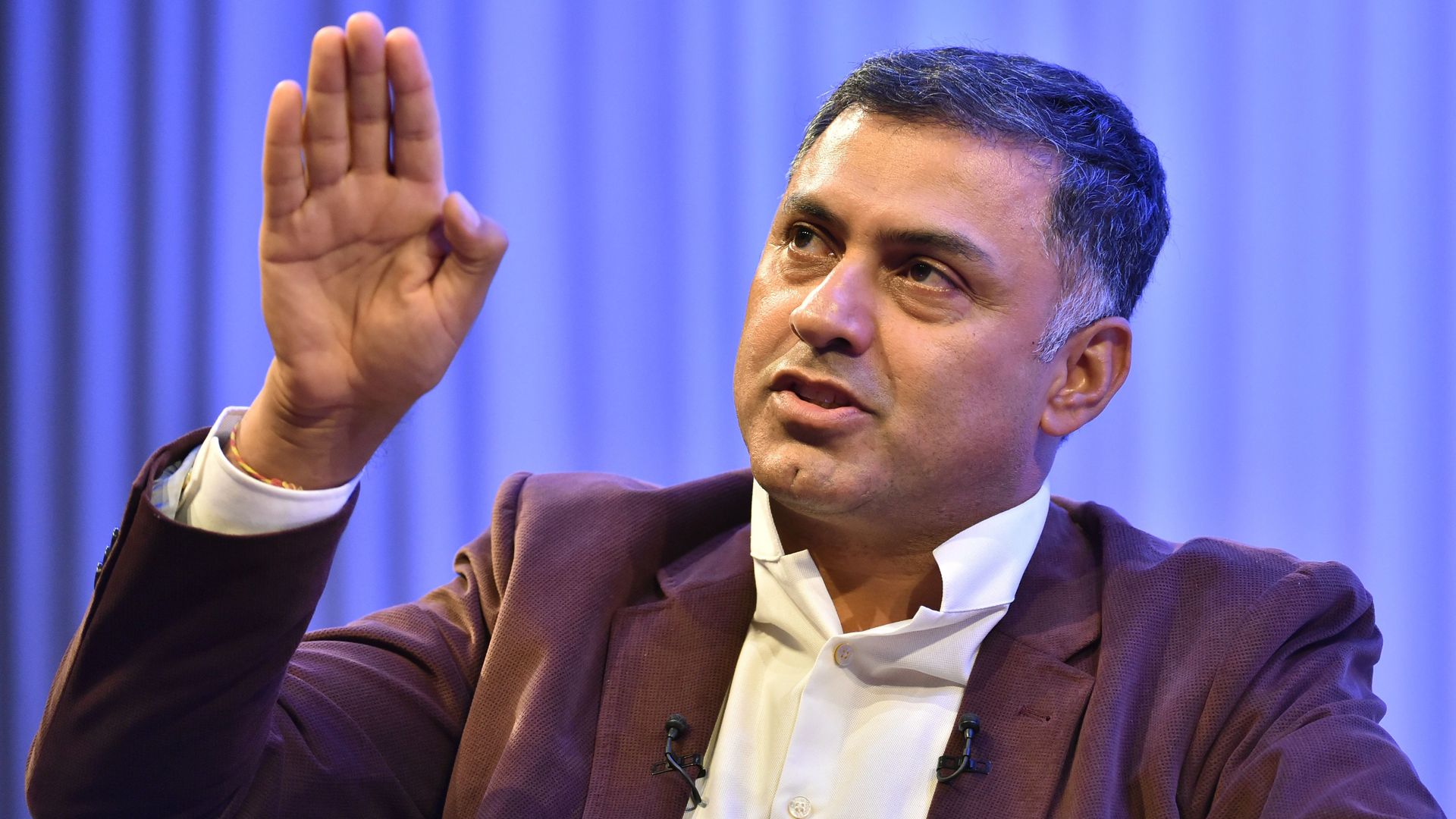
Nikesh Arora, a former head of Google's business who also did a high-profile two-year stint as number two at Softbank, is taking over as CEO of cybersecurity firm Palo Alto Networks. Recode first reported the news.
Why it matters: The company has been unveiling a new platform intended to support an ecosystem of security vendors and integrate their products. Arora is a tech veteran with no background in Palo Alto's specialty. His predecessor, Mark McLaughlin, will stay on as the company's vice chairman.