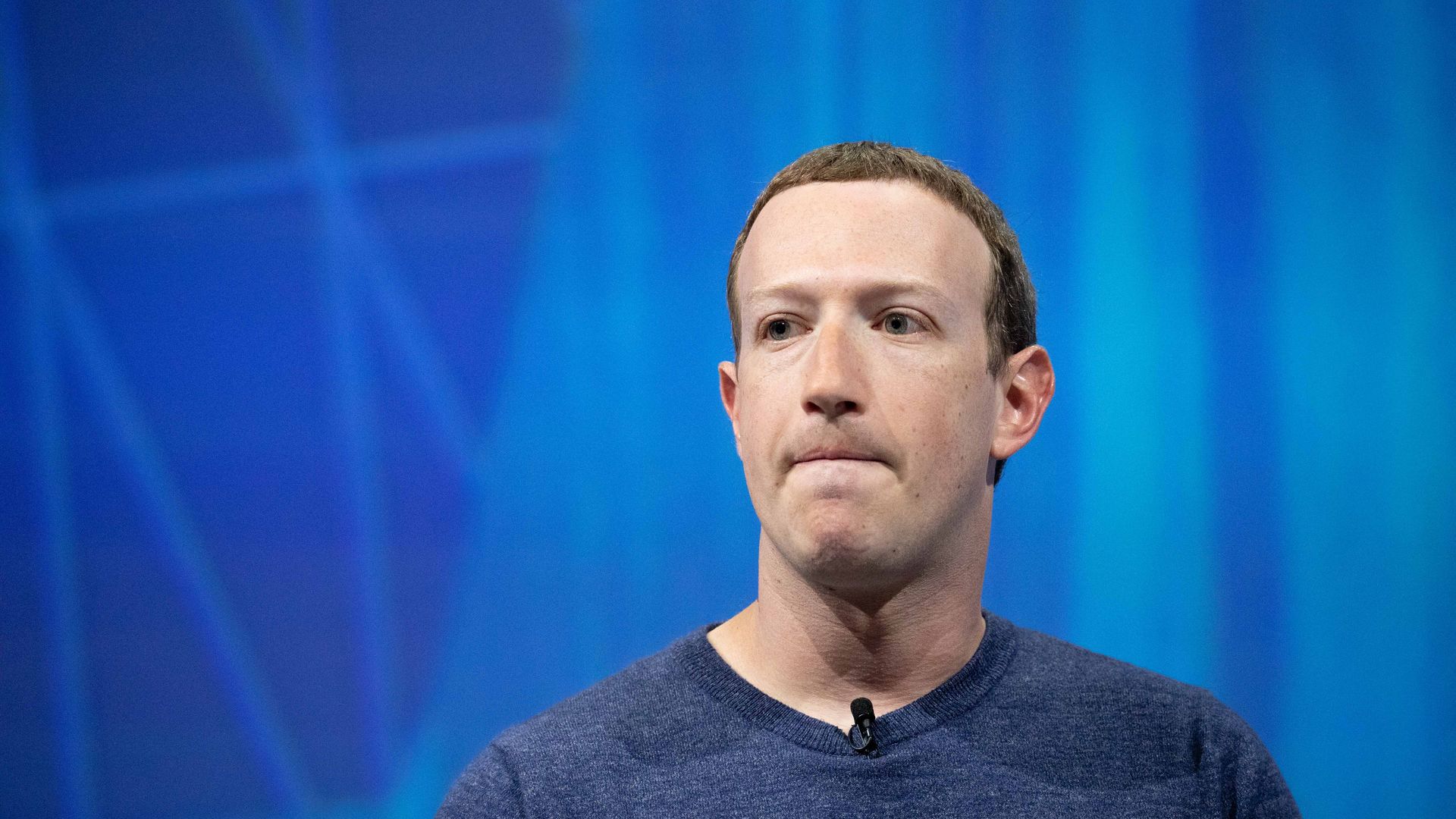
Facebook on Wednesday confirmed four Chinese device makers were among those that had broad access to customer data under a program spotlighted in a New York Times story last weekend. Among them was Huawei, which has close ties to the Chinese government and has been cited by U.S. officials as a national security threat.
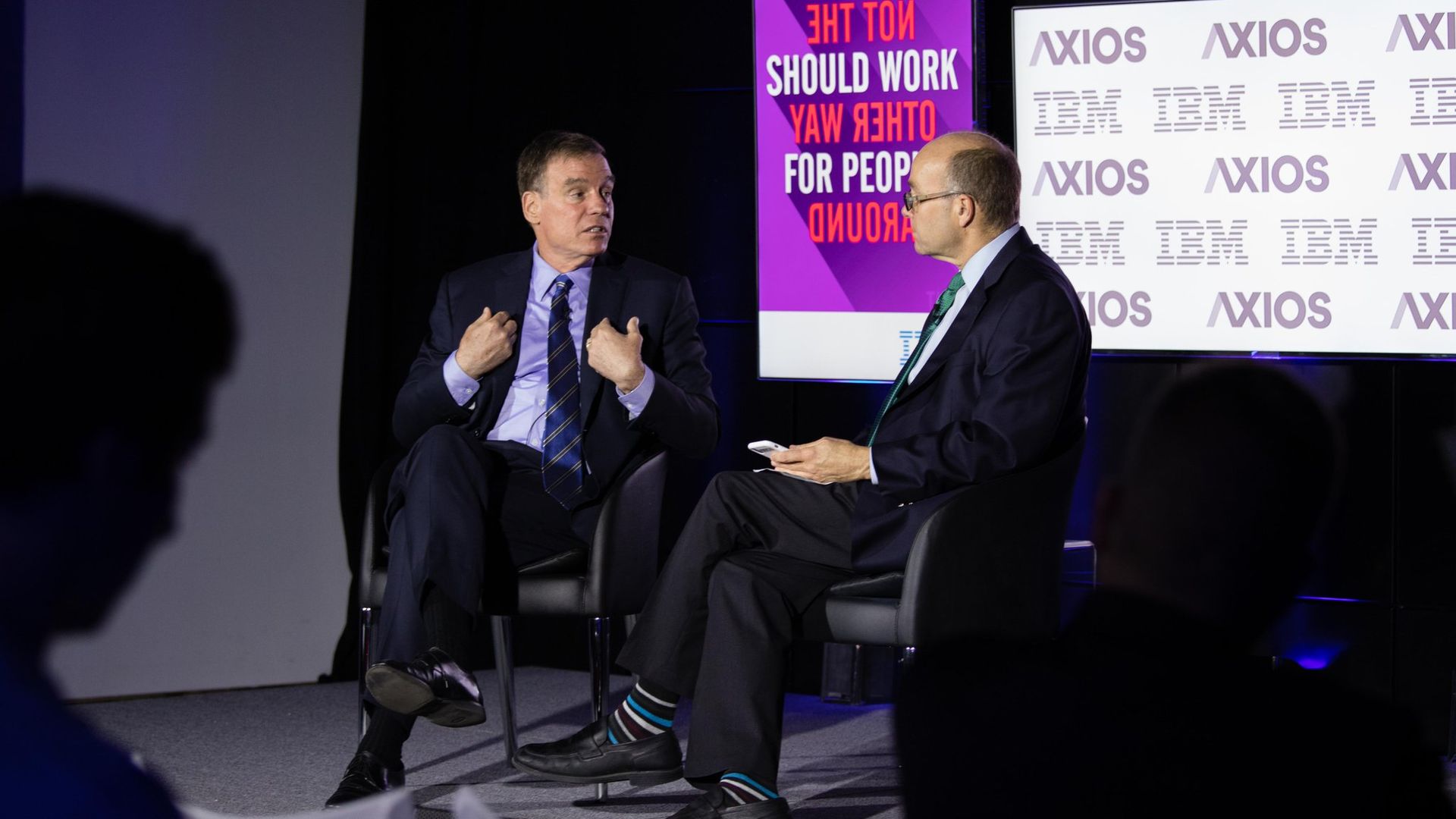
Why it matters: The news is sure to rankle some in Washington. On Tuesday morning, top Senate Intelligence Committee Democrat Mark Warner raised worries at an Axios event that Facebook could have shared data with Chinese device makers.
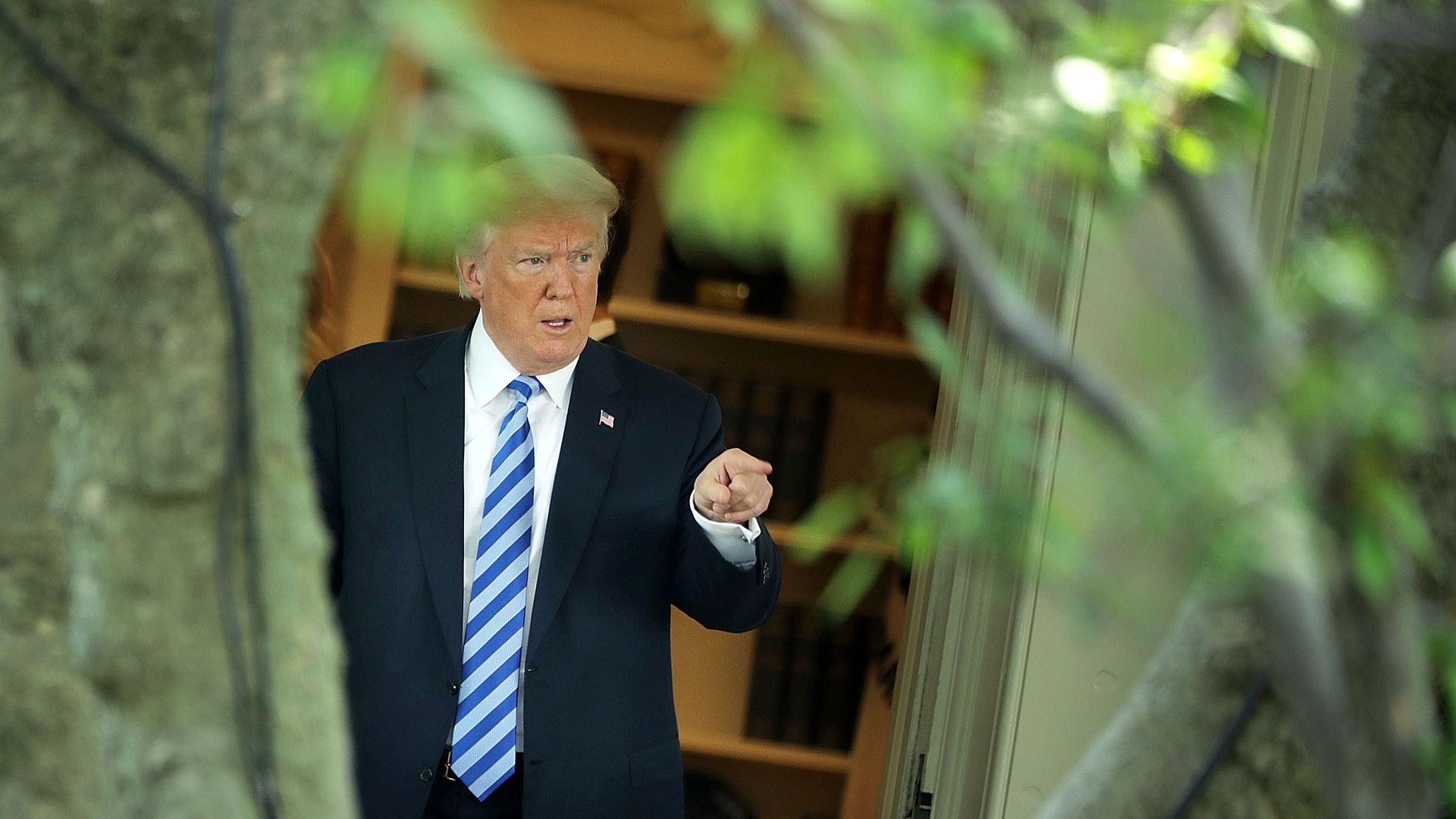
President Trump is appealing a judge’s ruling that said he violated some of his critics’ First Amendment rights when he blocked them on Twitter.
The details: The appeal notice came even though the White House has unblocked the accounts of seven users who sued the president. The judge had stopped short of ordering the White House to unblock the users. The Knight First Amendment Institute at Columbia University, which is representing the plaintiffs, said it looks "forward to defending the ruling in the Second Circuit” Court of Appeals in New York.
Uber is winning in multiple markets across the globe, but it isn't doing so without stiff competition. Didi Chuxing, a China-based ride-hail service with international reach, is right on Uber's heels after Uber sold its resources in Southeast Asia, reports Recode.
The big picture: Despite Didi being an investor in Uber, the two are increasingly facing off around the world as Didi expands its reach in new markets.
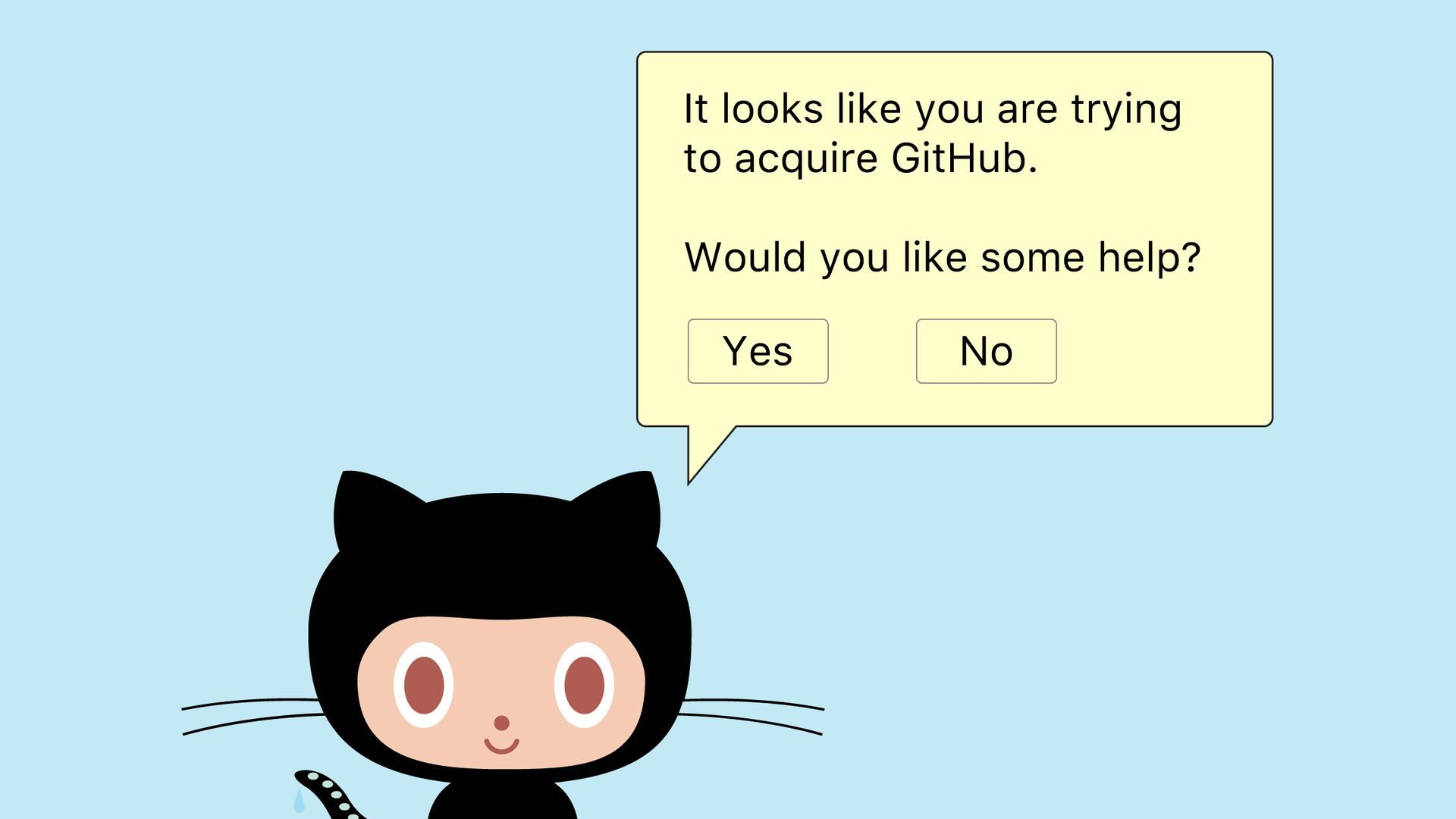
Much of the conversation around Microsoft's purchase of computer code repository GitHub revolves around the potential culture clash — a corporate giant buying the keys to a scrappy open source community. But there are some potential consequences in security worth taking a gander at, too.
Why it matters: GitHub is so big in the coding world that no nation with a software industry could ever block it. Some freedom fighters have weaponized that indispensability.
The departures of Brian Acton and Jan Koum, the creators of WhatsApp, from Facebook followed disagreements over how to squeeze more revenue out of the messaging platform using user data — costing them about $1.3 billion, the WSJ's Kirsten Grind and Deepa Seetharaman scoop.
Why it matters: The disagreement stems from WhatsApp's hesitance to monetize using targeted ads — Acton and Koum have notably advocated for user privacy — as Facebook attempts to leverage the service's vast user base to justify its $22 billion acquisition in 2014.
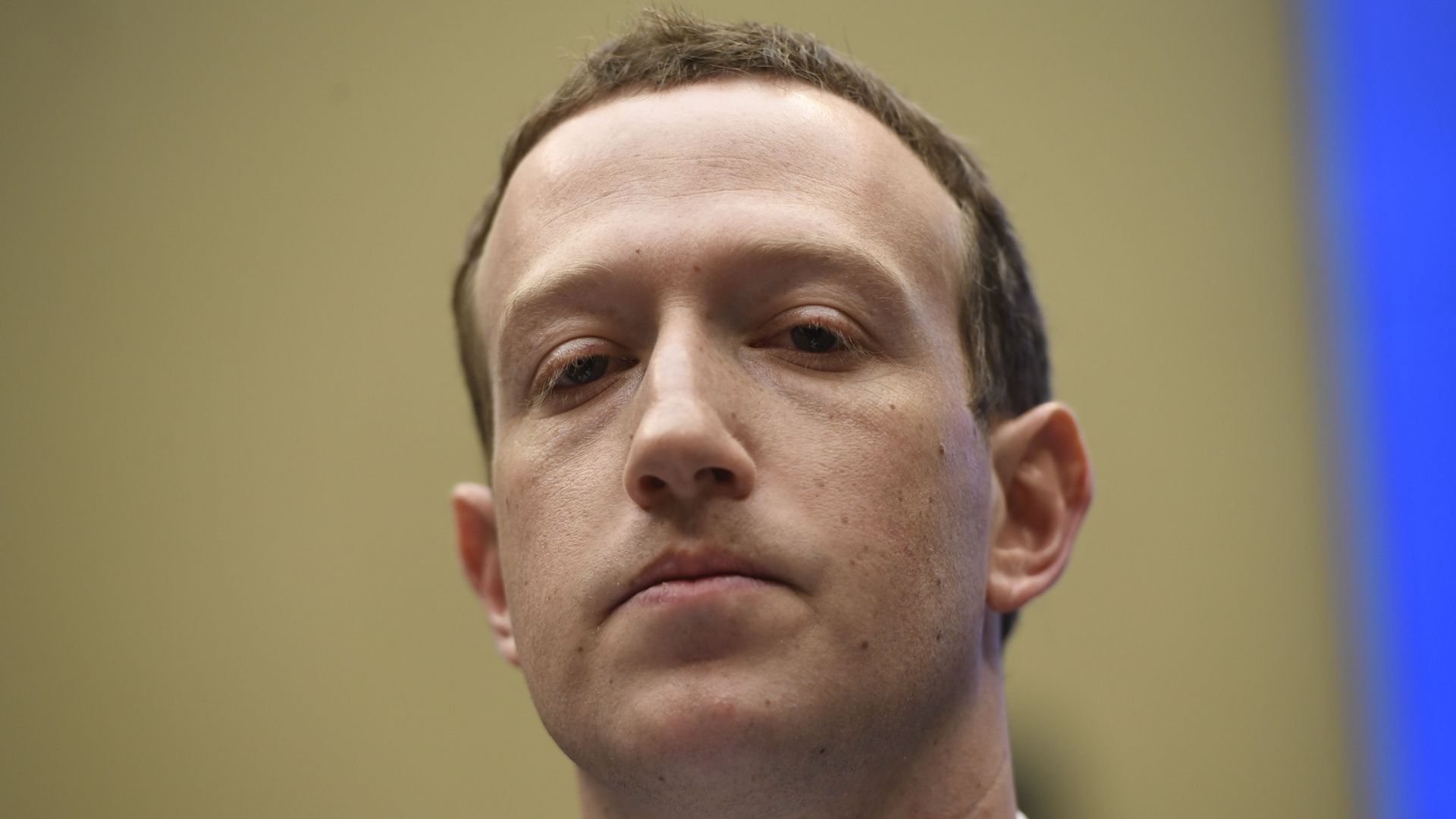
Capitol Hill is concerned about the recent revelation that Facebook shared user data with device manufacturers like Apple and Samsung.
Why it matters: Facebook has been trying to move on from the Cambridge Analytica data scandal, but the latest story puts the social giant's privacy issues back in the spotlight and Congress' crosshairs.
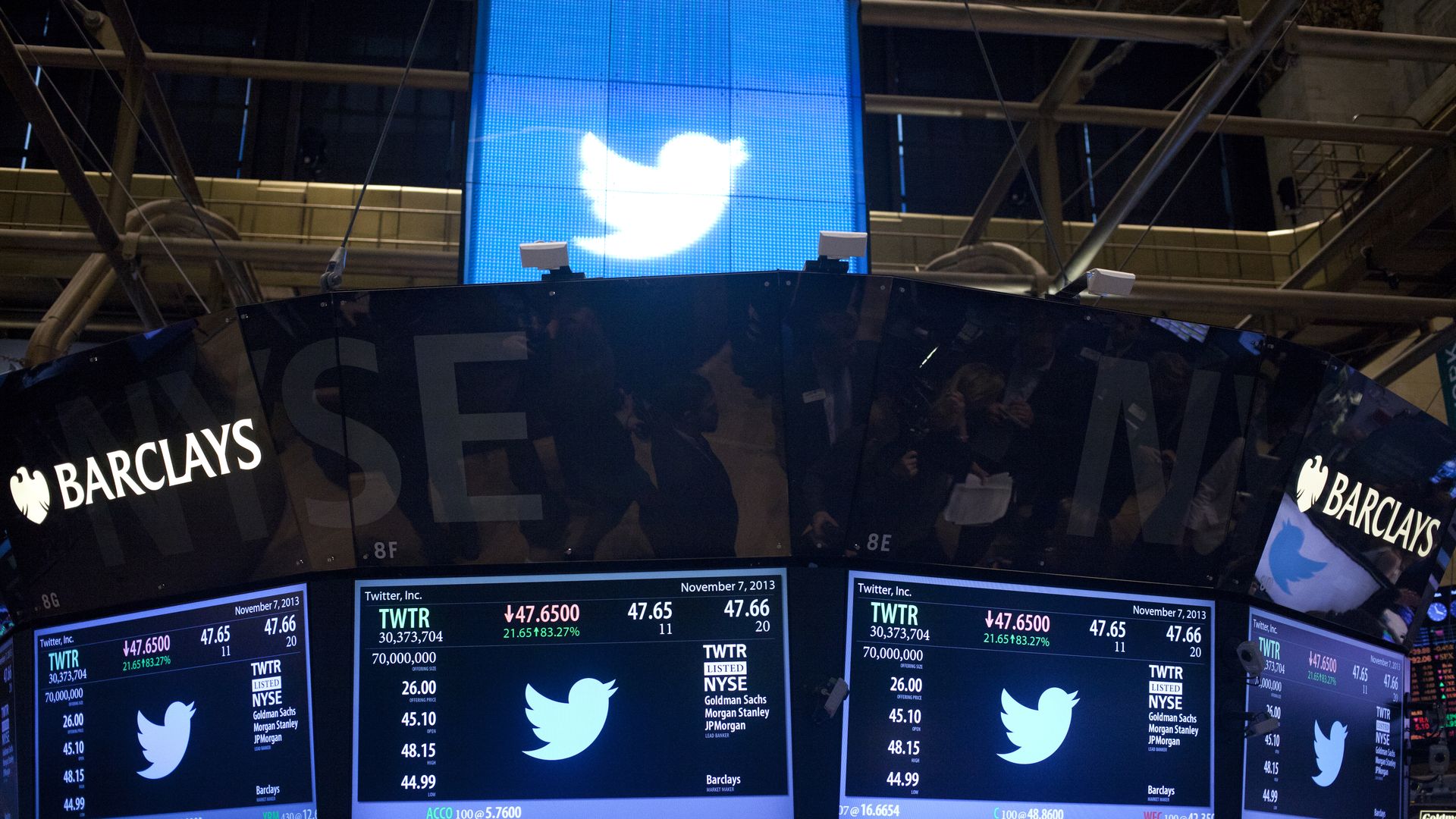
Twitter shares climbed over 5% in Tuesday morning trading, as word came that it is being added to the S&P 500 index. Year-to-date, Twitter stock is up more than 60%.
What happened: The S&P 500 needed to replace Monsanto, which is being acquired later this week by Germany's Bayer.
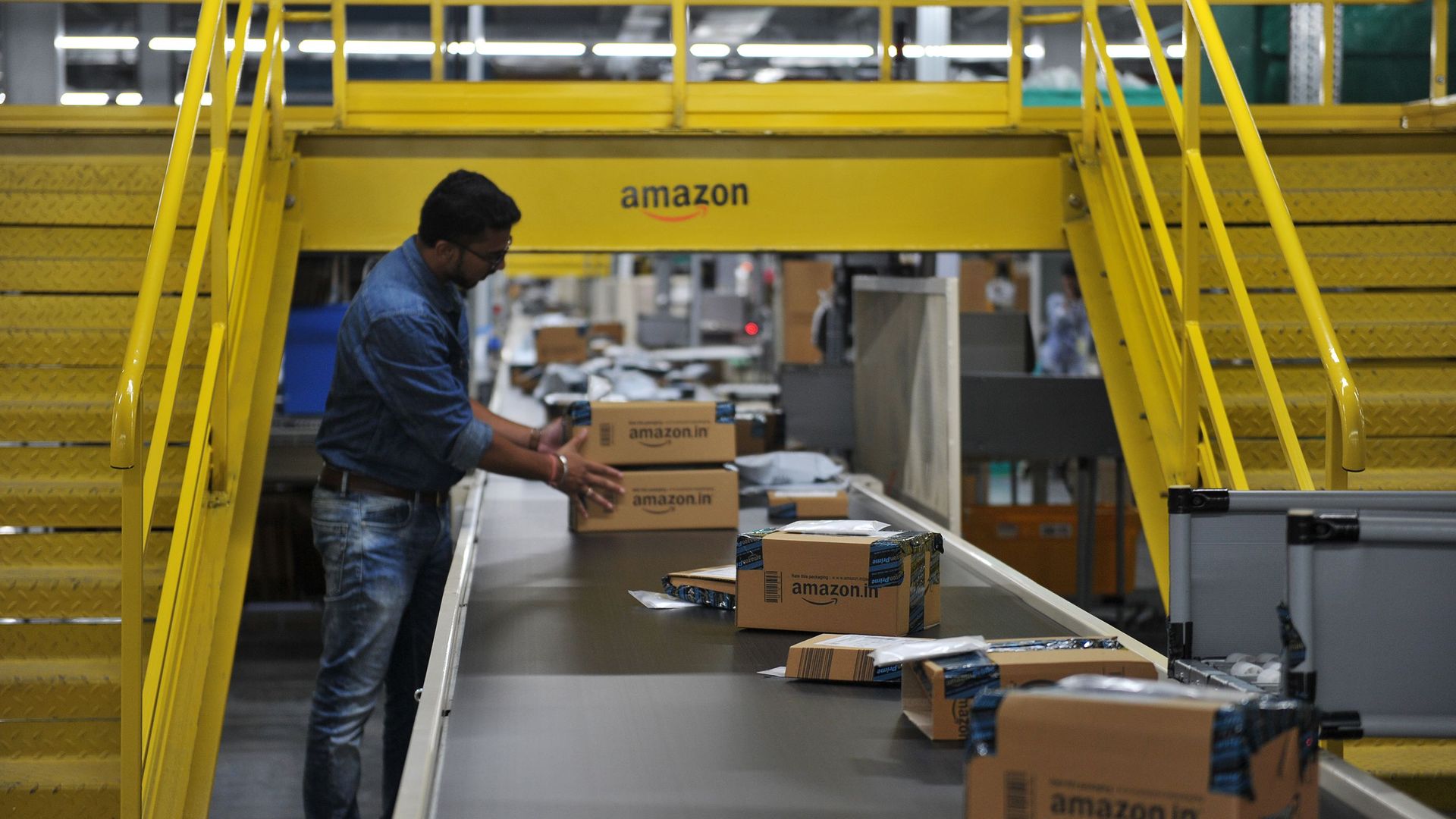
Amazon is getting back in the game in India, reportedly investing $2 billion in the market, after it lost the acquisition of key local competitor Flipkart to Walmart in May. CNBC's Indian affiliate broke the news.
Why it matters: Amazon and Walmart are fighting for the upper hand in India, which is the fastest-growing e-commerce market in the world. Walmart took a big step when it out-bid Amazon for a majority stake in Flipkart, but Amazon's new investment — in addition to the $5 billion the company has already committed to India — tightens the race.
Sen. Mark Warner, the top Democrat on the Senate Intelligence Committee, criticized Facebook during a Tuesday morning Axios event after a New York Times report yesterday indicated that the company had shared user data with major telecom device companies.
“Well, unfortunately with Facebook, it is a great company, but we’re seeing this pattern repeat itself.”
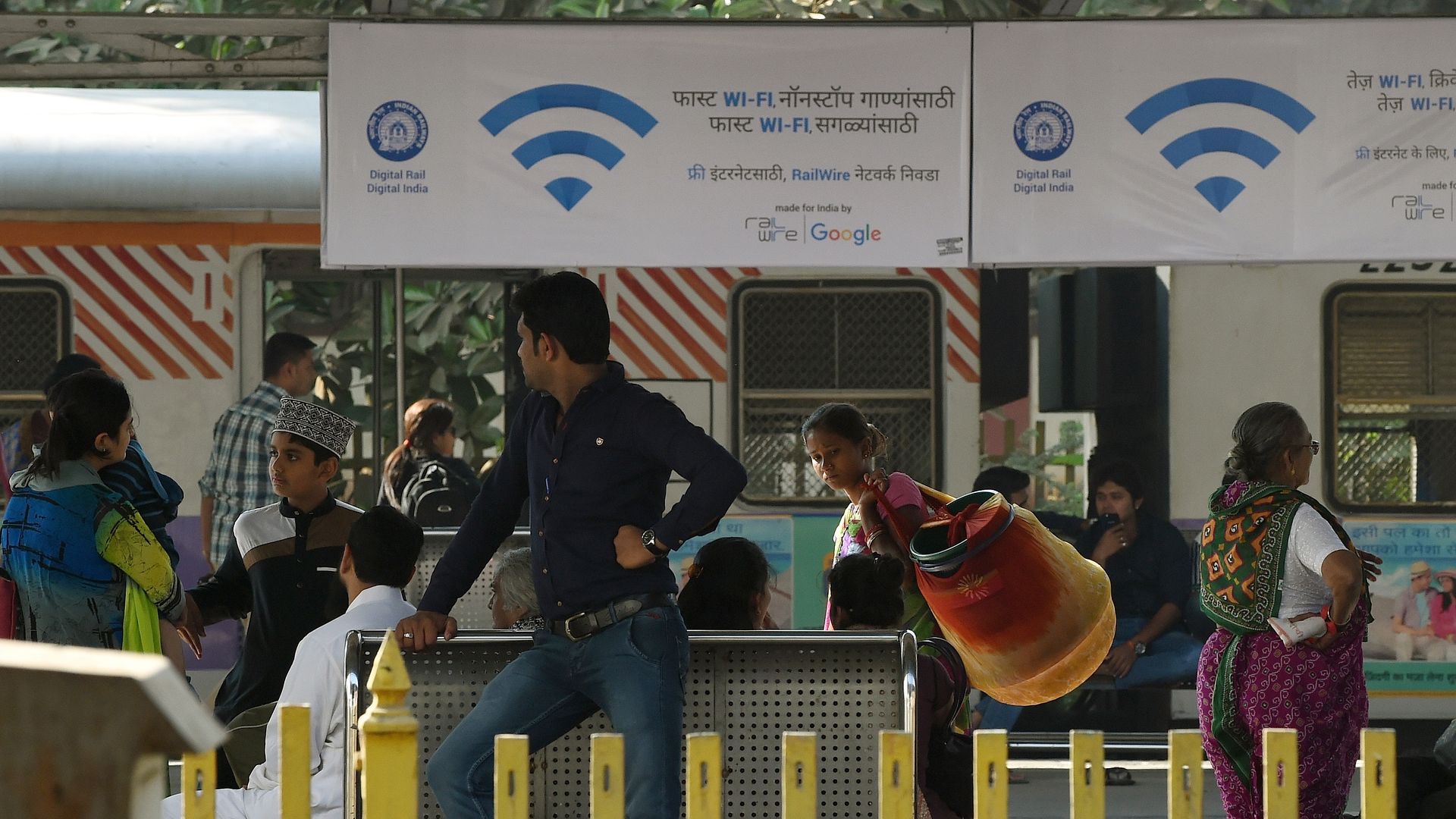
Ruckus Networks, which makes wireless hardware and software, said on Tuesday that it was providing equipment for a Google effort aimed at expanding wifi access in Mexico, India and Indonesia.
Why it matters: Big companies in Silicon Valley recognize that to continue to grow, they need to bring customers online who didn't have access before. That's led to sometimes controversial efforts aimed at emerging markets.