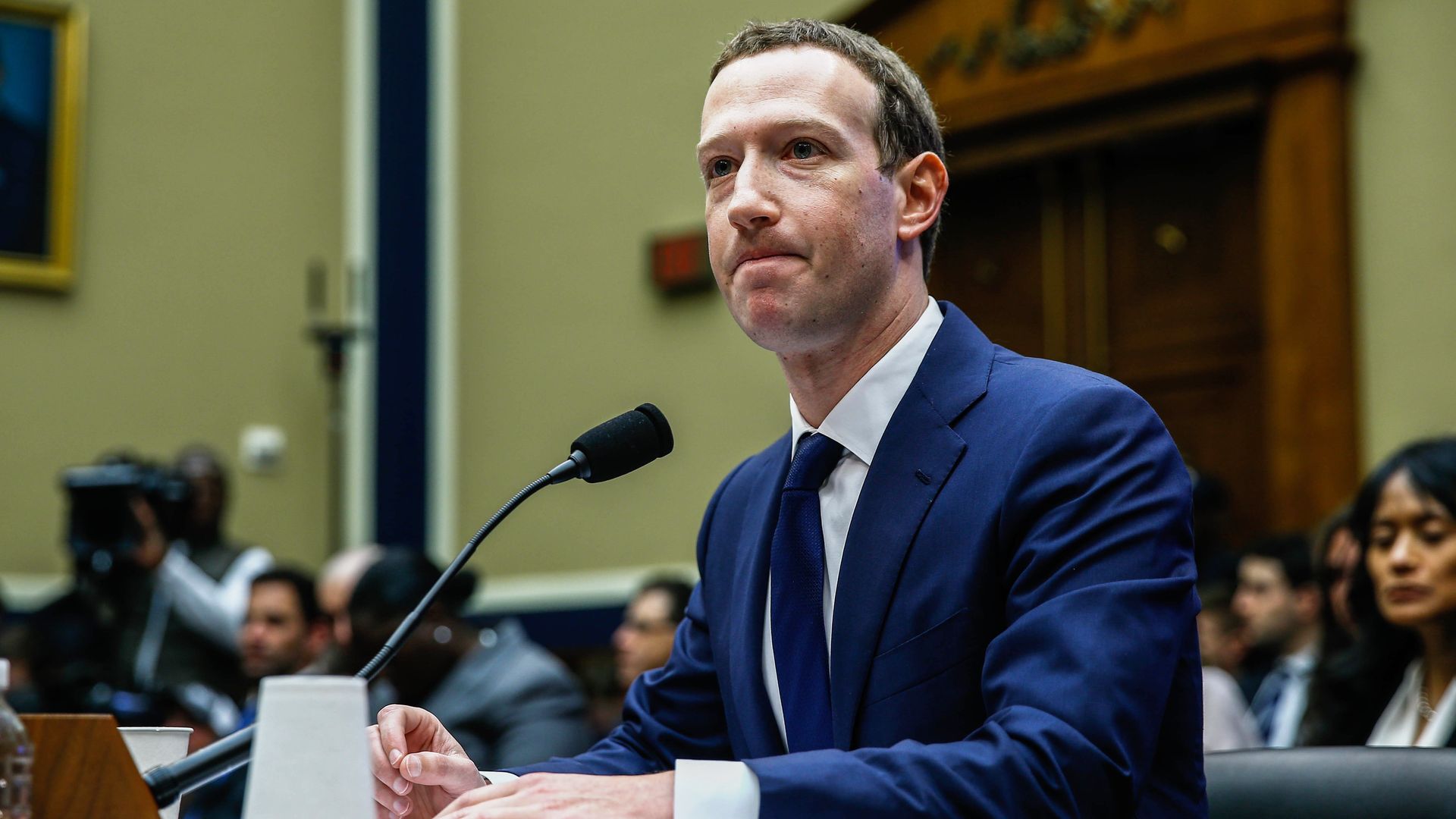
During several days in May when Facebook was testing a new feature, it reset the accounts of 14 million users to share posts publicly by default, CNN reports.
Why it matters: Facebook is already in the crosshairs of legislators and regulators for mishandling user data, and many users already think the social network does a bad job of protecting their privacy. Every new incident adds to the problem — although 14 million is a relatively small number for Facebook, it's a huge one for everyone else.
Another EU antitrust fine for Google is coming down the pipeline in mid-July over allegations Google has used its Android mobile operating system to beat out rivals, Reuters reports. The European Commission has been investigating the case since 2015.
Why it matters: It's another example of how the EU takes anti-competition violations far more seriously than the U.S. In June of last year, the EU slapped Google with a record $2.8 billion fine for anti-trust practices around its search product, which they said unfairly pushed consumers to use Google's Shopping platform. Sources told Reuters they expect this new fine to top that record.
Apple has applied for a U.S. patent on a new type of small blood pressure cuff that could connect to a portable device. The patent application, made public late Wednesday, is for a device that could either be part of a portable electronic device or communicate wirelessly with one.
Why it matters: While never a sure indication of any forthcoming products, patent filings can show where the interest of companies lie, and this one supports the idea that Apple is putting a lot of energy into the health arena.
A startup called Panda today is debuting a video chat app with voice-activated lenses and filters, and tells Axios it has raised $850,000 from Social Capital, Afore Capital, and Cyan Banister, among others.
Bottom line: Investors are still enthusiastic about funding nascent social apps despite the potential competition from big companies like Snap and Facebook.
Over a year ago, Twitter announced new features to curb harassment on its platform, such as hiding abusive replies to tweets, and offering a filter for inappropriate content, among a handful of others.
The big picture: Harassment on Twitter still hasn't stopped, despite the company's promises to combat the problem head-on.
Instragram is gearing up to debut a new section in its app for long-form videos to rival Snapchat's Discover, according to TechCrunch. Instagram declined to comment.
Why it matters: Instagram (and Facebook more broadly) has not been shy about copying Snapchat's popular features. The new section could also help Instagram better compete with YouTube and Snapchat for professional video content from creators.
When thinkers predict misery and danger as the new wave of automation unfolds, their evidence is often the jobs chaos, flat wages, and hellbent industrialization of the 19th century. Last year, Alibaba CEO Jack Ma said that technological revolution, after all, "caused World War I."
Quick take: Joel Mokyr, a foremost 19th century scholar at Northwestern University, suggests that the Industrial Revolution and World War I are less of a window into what’s coming from our tech revolution than people presume.
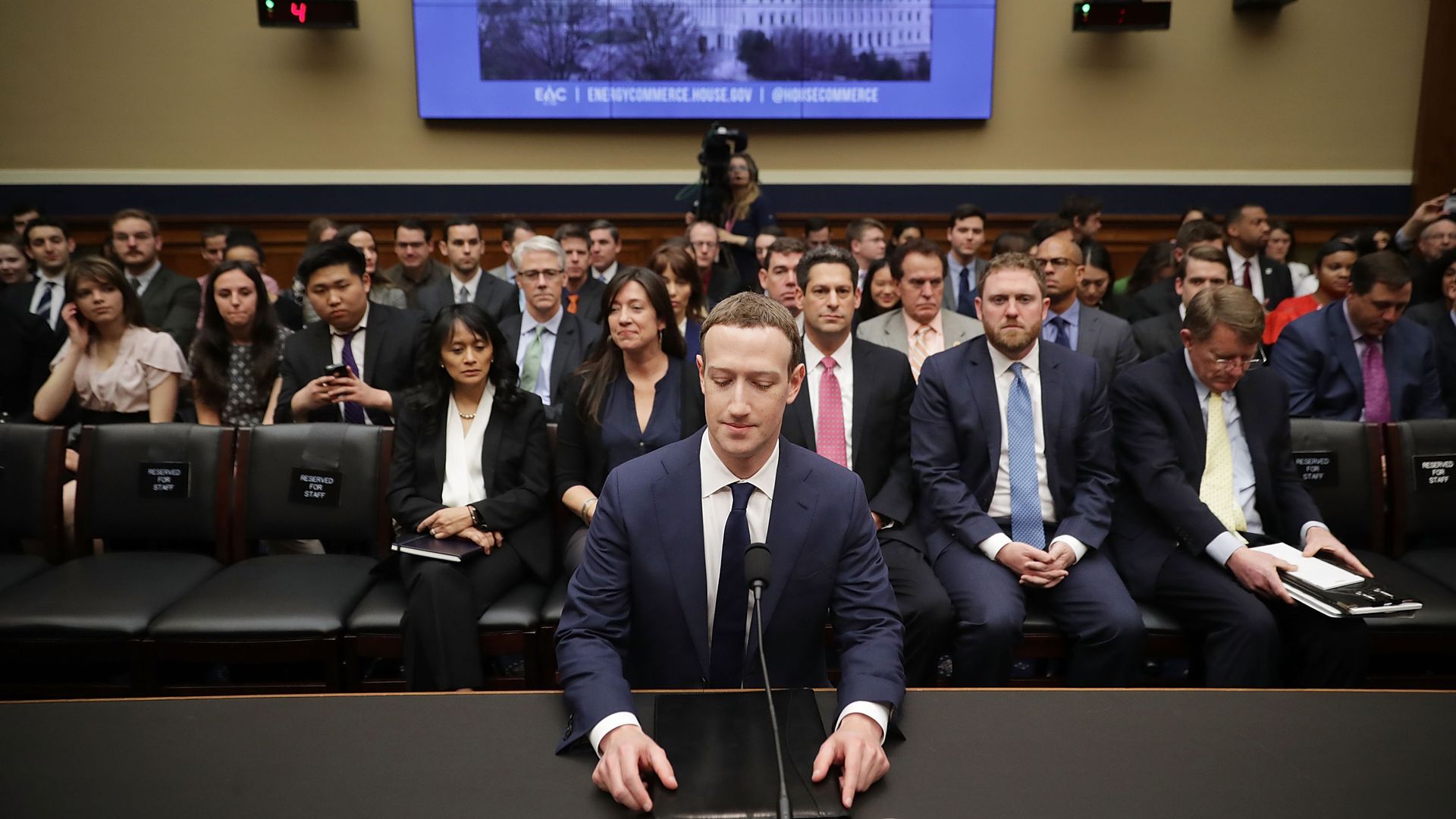
Multiple lawmakers say they believe Facebook CEO Mark Zuckerberg withheld important information about its data sharing agreements with device makers when he testified before several congressional committees in April.
Why it matters: Facebook has been trying to earn the trust of skeptical policymakers for months. This doesn't help.
General Motors president Dan Ammann is leaving Lyft's board of directors.
Why it matters: This is the latest sign that the two companies' relationship has deteriorated since GM invested $500 million into Lyft in January 2016.
Democratic Sen. Ed Markey called Wednesday for the Senate Foreign Relations Committee to hold a hearing with Mark Zuckerberg on Facebook's sharing of user data with Chinese tech manufacturers that include Huawei, a powerhouse that lawmakers worry is too close to China's government.
The big picture: Markey is a longtime critic of companies that monetize user data, but this issue is also raising concerns among policymakers with more of a national security focus.
Facebook is officially launching a dedicated news video section on its video platform, called “Watch,” this summer with the hope of creating a high-quality news destination to point users to during breaking and everyday news.
Why it matters: Facebook has grappled with the best way to elevate a diverse set of accurate news sources for years, with the problem coming to a head during the 2016 election when the platform saw a spike in fake news.
Mark Zuckerberg survived questions about Russia's election-meddling largely unscathed. But the N.Y. Times' revelation that Facebook knowingly granted four Chinese electronics companies (including Huawei, which U.S. intelligence officials see as a potential national security threat) access to Americans’ data — and didn't bother to tell Congress about it — has Washington fuming again.
Why it matters: Facebook's business depends on trust — both from users, who give up their data, and from Washington, with Big Tech hoping for a light touch on regulation. The new discoveries pose a risk to both.
One of Facebook’s loudest Capitol Hill critics, Sen. Mark Warner (D-Va.), isn’t ready to sign on to calls for breaking up the social networking giant and other large internet companies.
The bottom line: It’s growing more common among the industry’s critics on the left to call for the breakup of Big Tech — not unlike how AT&T was handled decades ago — but that's still far from a mainstream prescription among policymakers.
Uber is expanding its Jump bike-sharing service to Berlin this summer, CEO Dara Khosrowshahi said on Wednesday at a conference in Germany, reports Reuters.
Why it matters: So-called "last-mile" transportation services like bike and scooter-sharing are the latest craze, with a number of companies cropping up in China and the U.S.
Amazon’s new Magic Word feature rewards kids who are polite to Alexa. There's a good reason to teach them manners, CEO of Savvy Apps Ken Yarmosh tells Axios: when kids bark orders at digital assistants, that behavior could easily transfer to real human relationships.
Why it matters: Digital assistants, while useful, also raise big ethical questions about what role they should play in our current and future homes, especially for the nearly 40 million Americans who already use smart speakers.
If the latest scandal over Facebook and data sharing shows anything, it's just how little Facebook and Washington, D.C. still understand about the way the other works.
The issue: Facebook had deals with device makers that gave them broad access to create their own Facebook-powered experiences within their devices. Facebook confirmed on Tuesday that among the device makers were four Chinese firms including Huawei, which has been accused of sharing information with the Chinese government.