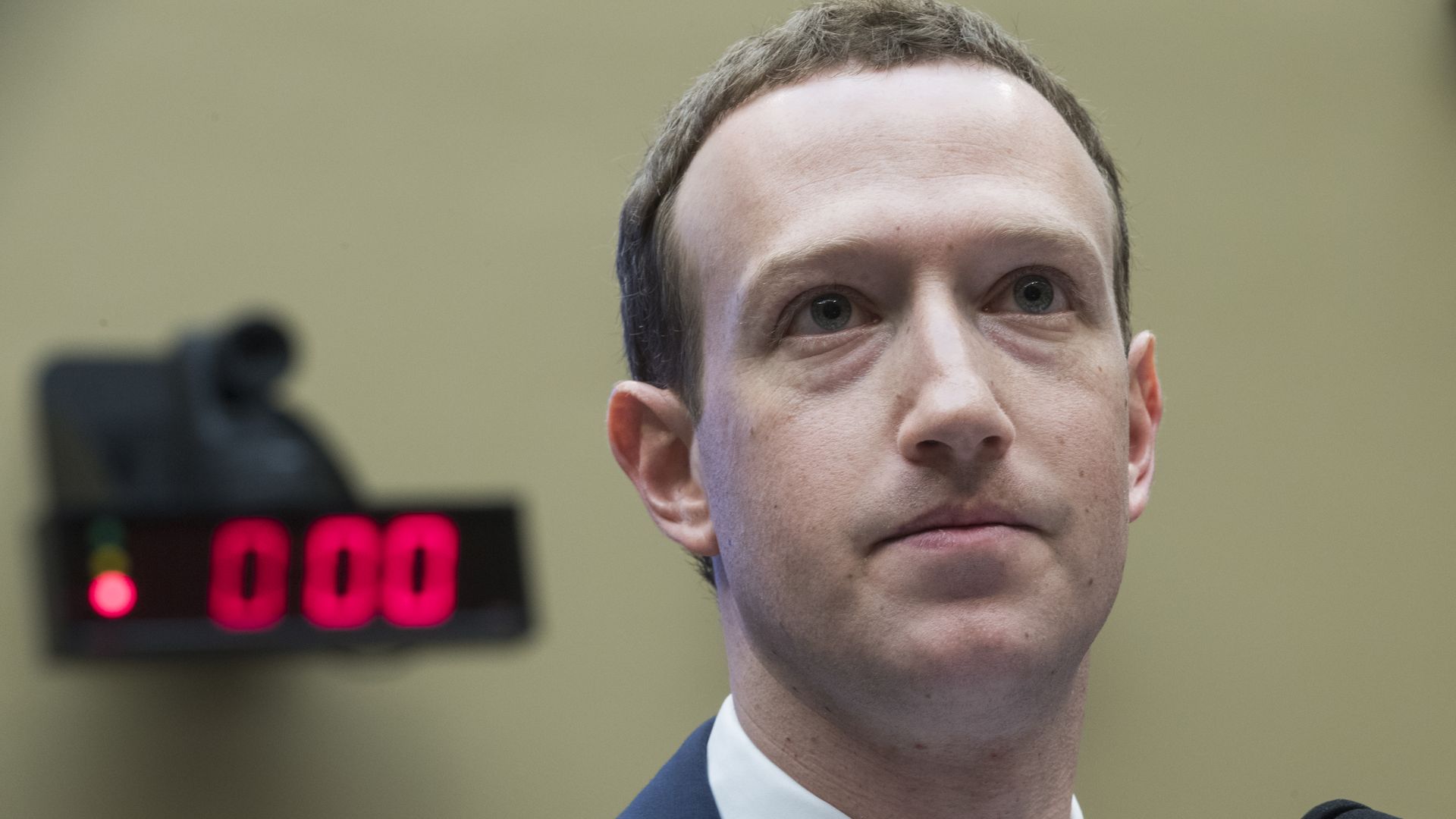
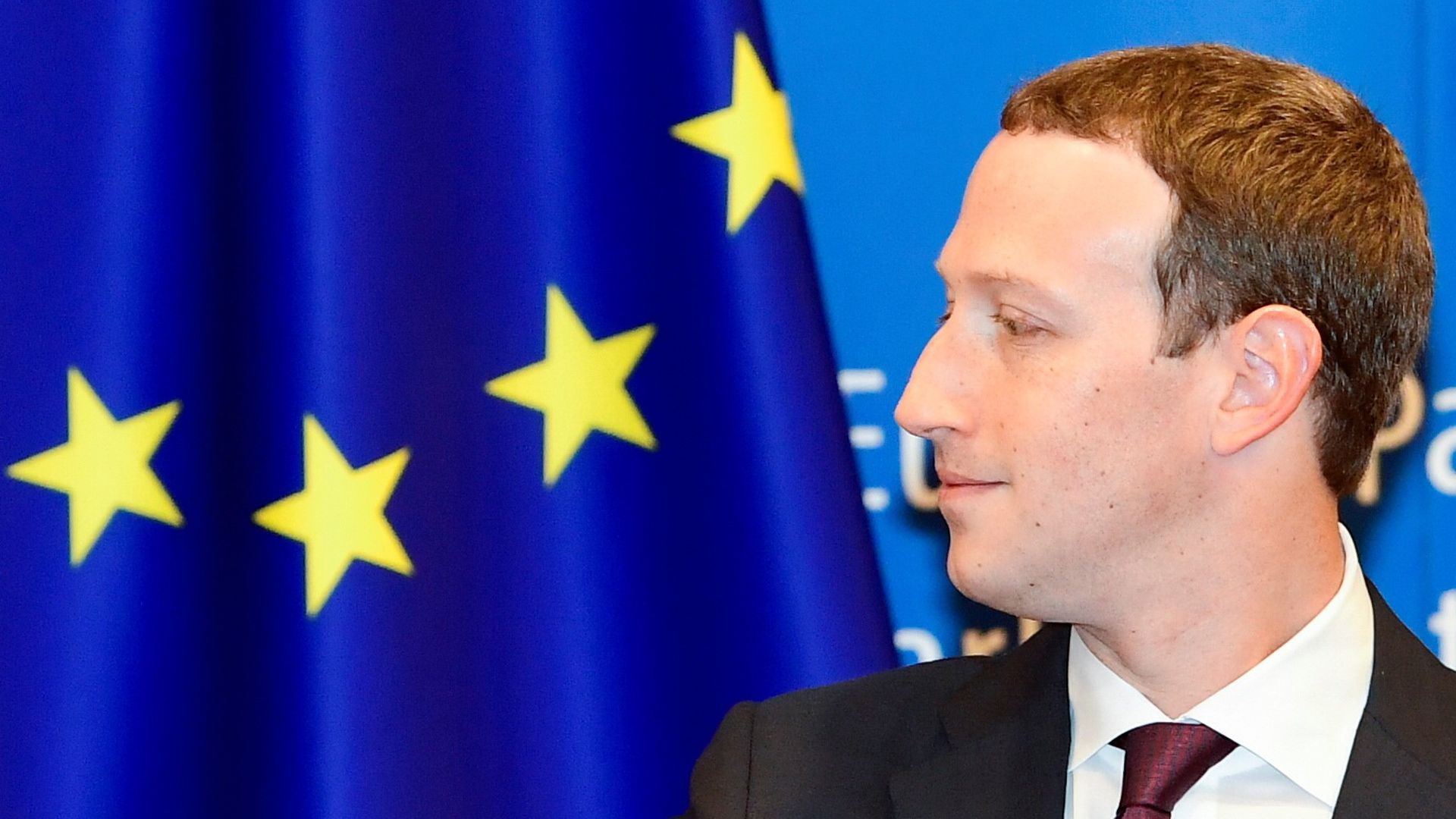
Facebook's troubles in Washington have accumulated over the past year not as the result of a single scandal but through a pileup of missteps large and small.
Why it matters: The controversies — and Facebook’s sometimes-halting response — have painted a picture for policymakers of a company unable to be totally forthcoming about its past mistakes.
Some third parties were able to access data about Facebook users' friends even after most third-party developers and their apps were barred from doing so in 2015, according to the Wall Street Journal.
Why it matters: The social network cited its decision to cut off access to this data throughout the Cambridge Analytica scandal, but did not reveal that a select group of companies — referred to internally as "whitelist deals" — still had access to the information.
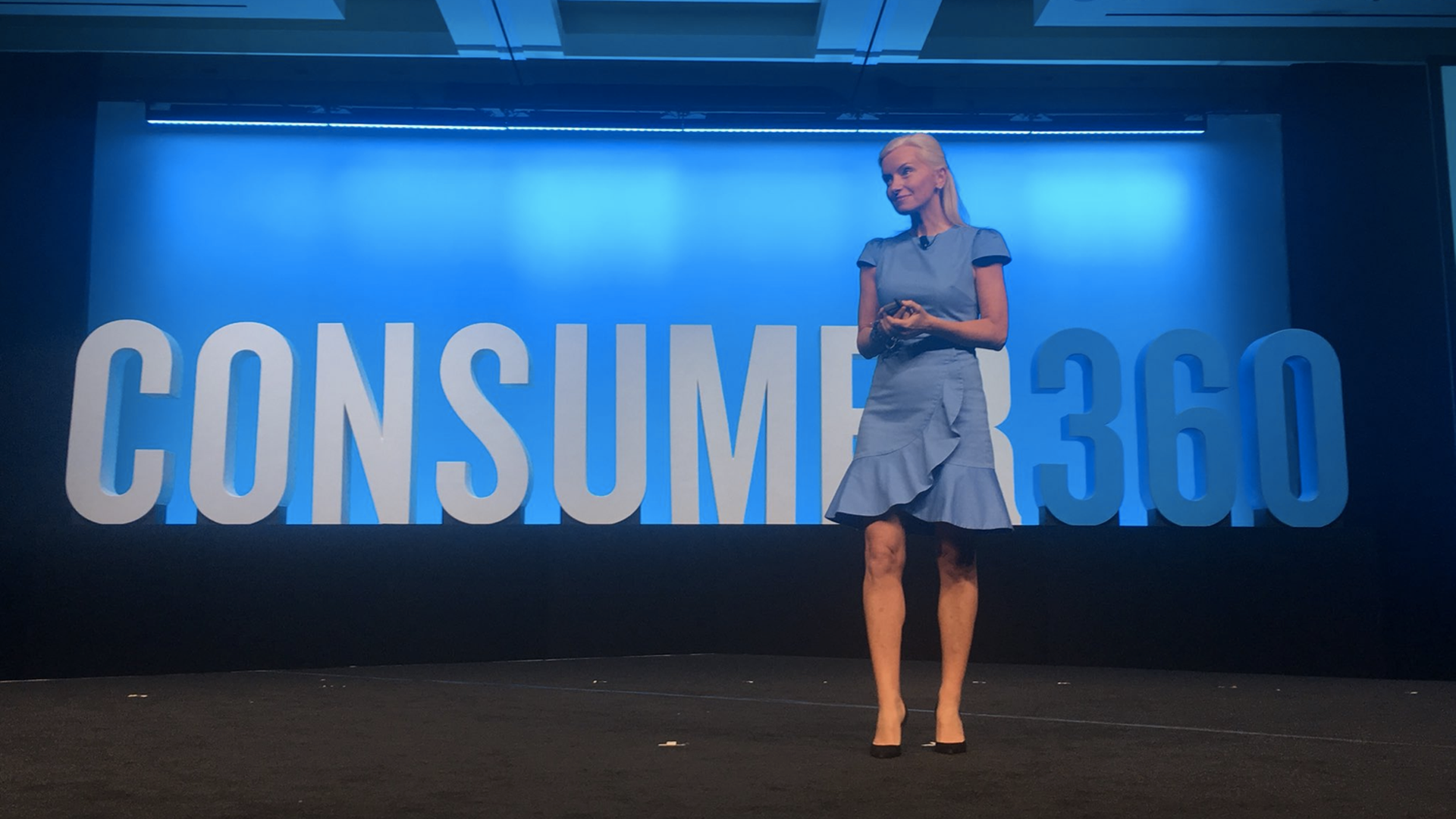
Speaking to marketers at Nielsen's annual Consumer 360 event, Facebook's VP of Global Marketing Solutions Carolyn Everson said marketers need to invest in the new storytelling formats that consumers have become accustomed to.
Why it matters: Marketers can sometimes be slow adopters of new technologies because the business structures in place don't always offer them enough incentive to move quickly, something Deanie Elsner, President of U.S. Snacks at the Kellogg Company explained prior to Everson on stage.
Yahoo Messenger will be end its service after July 17, Variety reports, 20 years after the first version of the messaging service, Yahoo Pager, was released. Per Variety, users have six months to download chat history.
“We know we have many loyal fans who have used Yahoo Messenger since its beginning as one of the first chat apps of its kind. As the communications landscape continues to change over, we’re focusing on building and introducing new, exciting communications tools that better fit consumer needs.”
— Message from Oath, the Verizon branch that runs Yahoo
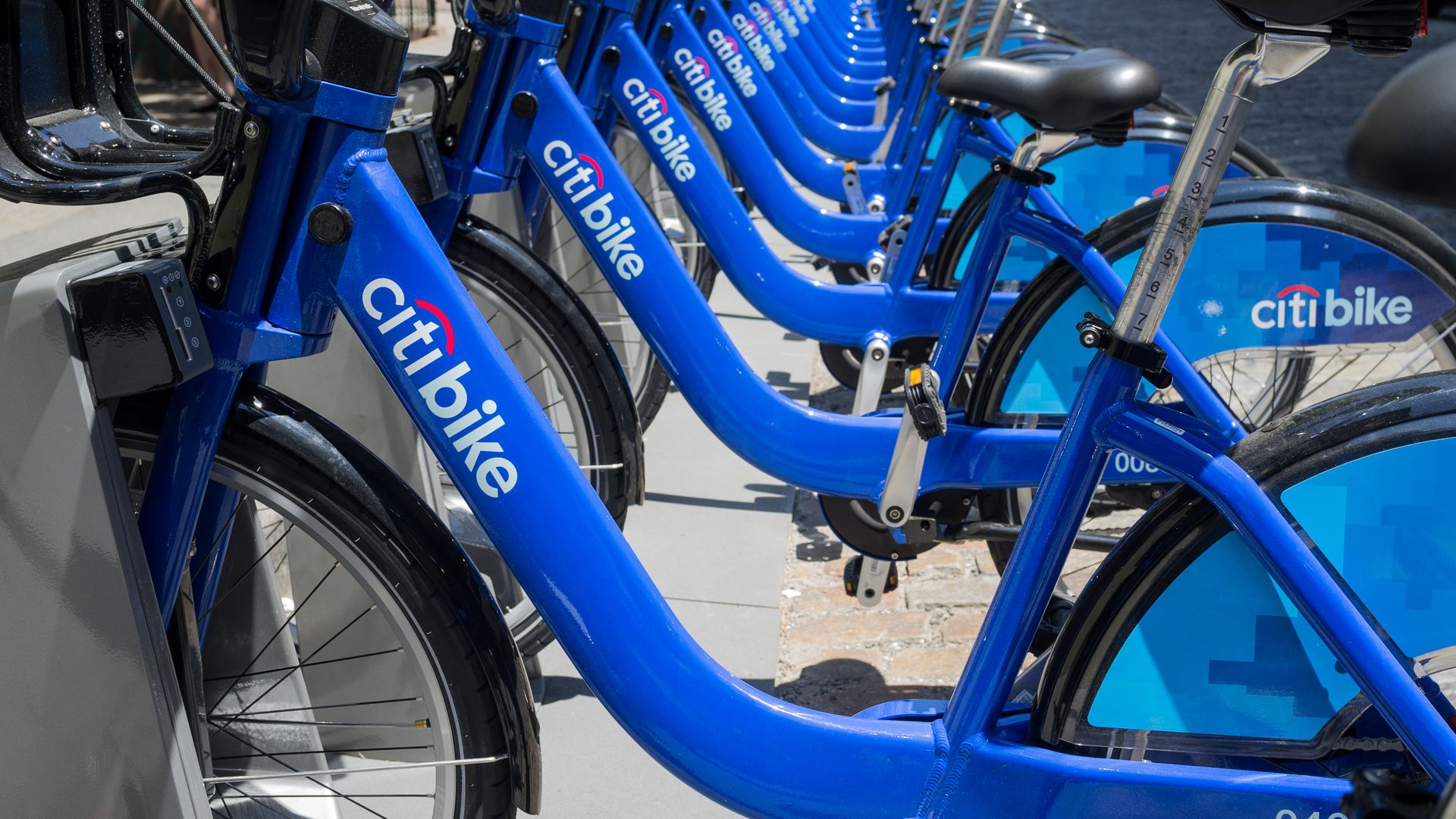
Uber is considering a takeover offer for Motivate, the bike-share company behind such programs as CitiBike in New York and Ford GoBike in San Francisco, Axios has learned. This comes on the heels of a report that Lyft has made its own bid for Motivate, valued at $250 million of more.
Bottom line: Ride-hail companies are seeking to expand their urban offerings, whether that be via bikes, flying taxis or scooters.
Artificial intelligence will help marketers figure out which measures of success actually work, AI experts agreed at Nielsen's Consumer 360 annual event Friday.
Why it matters: For decades, dated metrics of marketing success, like click-through rates, have been used to justify ad spending and other marketing investments. Now, AI will help marketers understand what motivates someone to buy or take action on something, and that may not always be a click.
Facebook is launching an updated Government and Politics portal in July that any candidate or campaign around the world can use.
Why it matters: Election transparency efforts in the U.S. came as a result of election meddling and fake news spreading during the 2016 election. But this type of nefarious activities happens globally, so Facebook also has to address the problem outside the U.S.
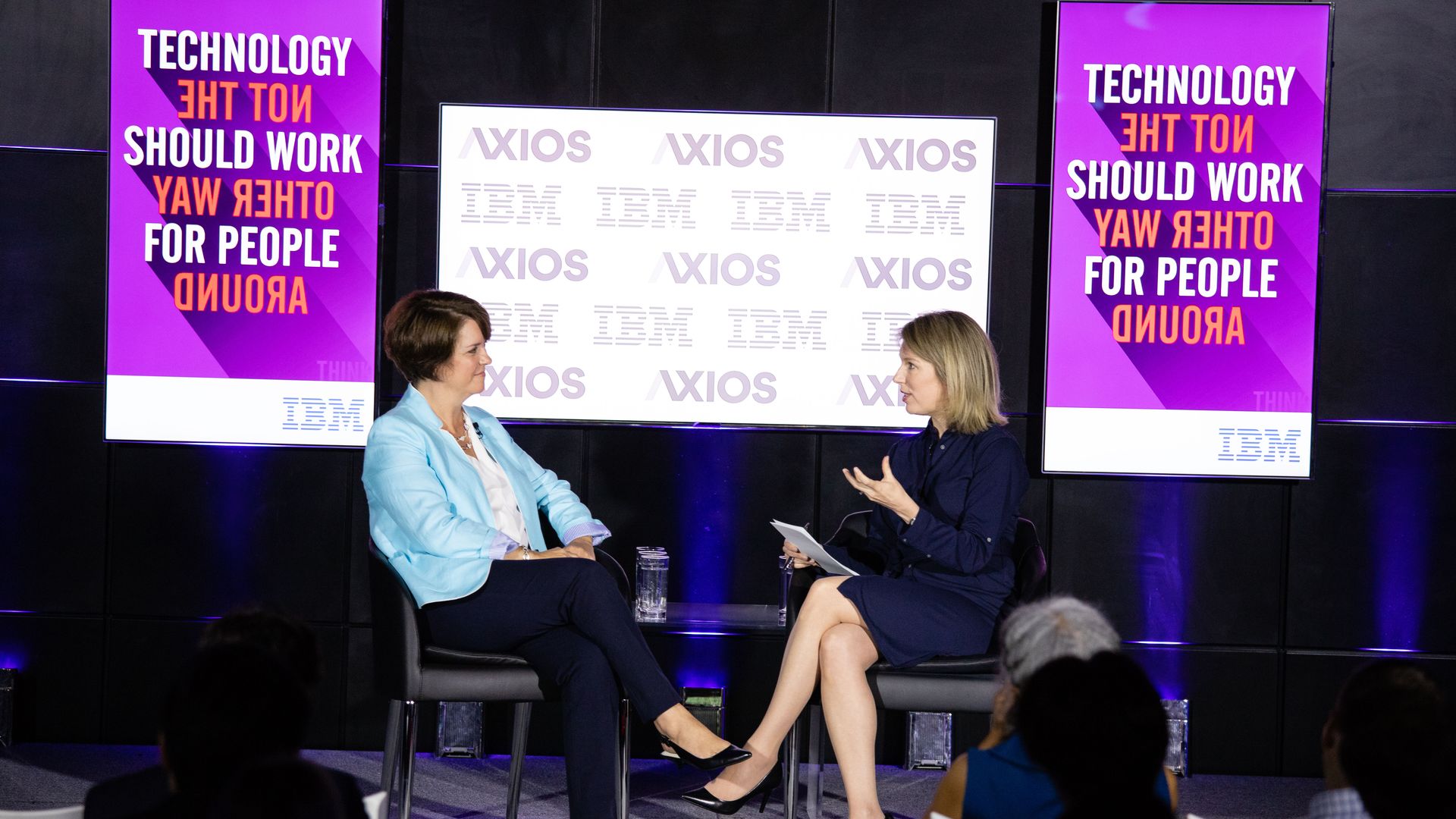
Axios' Kim Hart and Mike Allen hosted a conversation Tuesday on responsible innovation as the techlash continues to unfold. To hear from both the private and public sector perspective, they spoke to:
The Honorable Mark Warner, Senator (VA), United States Senate
Ms. Megan Smith, Chief Executive Officer, Shift7 & Third Chief Technology Officer, United States
Ms. Ginger Armbruster, Chief Privacy Officer, City of Seattle
With computer algorithms being called on to make more and bigger decisions, a growing field has emerged to help ensure the models are fair and free of bias. Among the latest efforts is a new "fairness tool" that consulting giant Accenture is detailing at an AI conference next week.
Why it matters: AI is being used to make an increasing array of decisions from who gets parole to whether someone is offered a loan or job. But without rooting out bias in both training data and models, these algorithms risk simply codifying existing human misperceptions.
To train 1 million people and small businesses owners by 2020, Facebook says it will expand its in-person training programs, like Community Boost, create more local partnerships, and build more eLearning resources.
Why it matters: Facebook says it's trying to close the skills gap. Small businesses are also an important part of its advertising community and platform. Facebook's main app has roughly 6 million advertisers and Instagram has over 2 million.
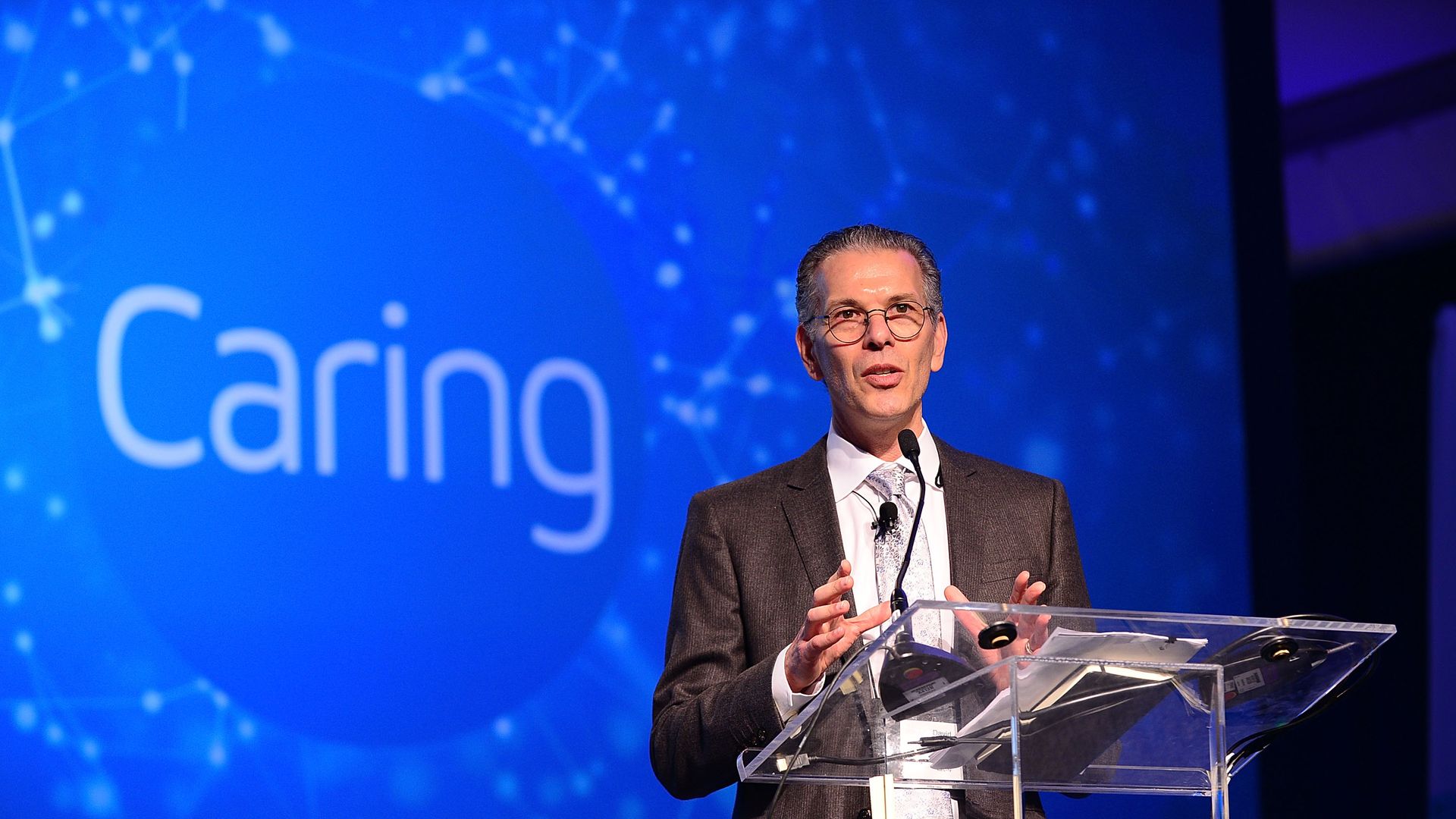
David Feinberg, CEO of Geisinger, is the top candidate to lead a buzzy new health care initiative from Amazon, Berkshire Hathaway and J.P. Morgan, according to CNBC. He has not yet accepted the job.
Bottom line: Feinberg is a highly regarded physician and executive. But he’s also running a hospital system that recently said it’s content with the status quo, making it unclear what he’d do to enact major change through this venture.
Update: Feinberg says in a statement that he is "100% committed to Geisinger and I am staying at Geisinger because I love Geisinger." A spokesman confirms that this means he wouldn't accept the other CEO role if asked.