Two of the biggest tech companies are repositioning themselves — one to get rid of troublesome baggage, the other to expand into new territory.
What's happening: Facebook is getting rid of the "Trending" news section that has caused it so many headaches. Instead, it says it's trying other things, like "breaking news" labels for posts from publishers and a news video section in Facebook Watch. Meanwhile, Apple is trying to move into the digital ad business.
Google has reportedly decided not to renew its contract, which expires in 2019, to work on Project Maven, a controversial drone imaging program for the Department of Defense, according to Gizmodo.
Backstory: There's been mounting criticism from employees of the company's work on the project that provides artificial intelligence technology. A number of employees have even resigned in protest.
Spotify is reversing course on its three-week-old policy governing musical artists' conduct, which resulted in a few musicians, including R. Kelly, being removed from the company's promotional playlists (though their music was still available for users to stream).
Why it matters: After facing immediate criticism from artists and labels, Spotify now says that its policy was poorly explained and implemented and that it doesn't want to judge artists' behaviors. The company will keep its policy barring "hate content" on its service.
Misconfigured Google Groups may accidentally be spewing private conversations over the internet.
Why it matters: A study conducted by Kenna Security published Friday found that, out of 9,600 public Google Groups it found by researching domains held by some of largest web sites, around a third leaked email sent through the platform.
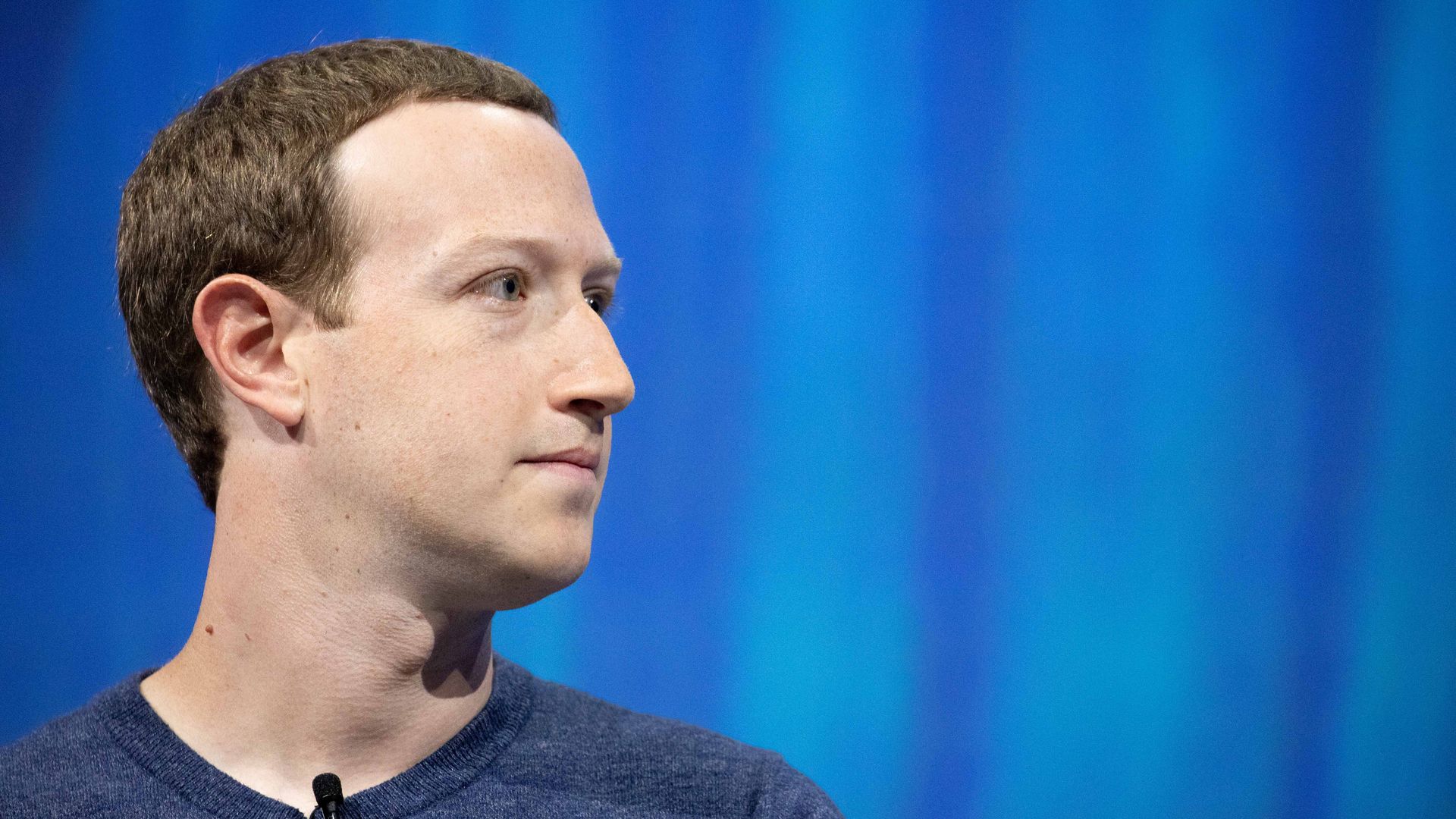
Facebook is doing away with the controversial "Trending" news section next week, the company announced on Friday.
Why it matters: The section, which it introduced in 2014, was meant to help users get an easy view of the top news during the day, but Facebook says that it ultimately drove less than 1.5% of clicks to publishers on average. The feature has also come under fire more than once — most heavily in 2016, when Gizmodo reported on the human curators' practices and raised charges that the social network suppressed conservative news.
When Apple speaks to developers next week at its Worldwide Developer Conference, pay close attention to what the company says about two key areas: augmented reality and digital health.
The bottom line: As Axios first reported in January, Apple has delayed some features originally planned for this year's iOS and Mac OS updates to focus on improving the reliability of its software. Still, the areas where Apple is investing are key to its future success.
"Tech’s Titans Tiptoe Toward Monopoly: Amazon, Facebook and Google may be repeating the history of steel, utility, rail and telegraph empires past — while Apple appears vulnerable," writes Wall Street Journal tech columnist Christopher Mims,(subscription).
The state of play: "Together, Google and Facebook take in 73% of U.S. digital advertising."
Teenagers aged 13 to 17 are losing interest in Facebook, with only 51% using the social media platform — a drop of 20 percentage points since 2015, according to a new study released Thursday by Pew Research Center.
The winner: YouTube is now said to be teens' most popular platform, with 85% saying they use it.
An IBM spokesperson has confirmed the technology giant has laid off people in its Watson Health division, saying in a statement the layoffs represent a "small percentage" of Watson Health's 7,000-plus employees without disclosing exact figures. IBM said earlier media reports of "massive" layoffs are exaggerated.
Why it matters: IBM has spent billions the past few years acquiring varioushealth carecompanies, so cutting jobs may have been inevitable. But Watson Health, a unit focused on using artificial intelligence in health care, has faced criticism for expensive technology and overhyped claims.
Using UberX and UberPool lowers weekly commuting costs for customers, compared to owning a car, in 4 of the 5 largest U.S. cities, according to Kleiner Perkins partner Mary Meeker's latest presentation on internet trends.
Why it matters: Ride-hailing companies' lofty claims about their impact on transportation have often been met with skepticism.
Facebook shareholders attending the company’s annual meeting Thursday will be the targets of a campaign urging them to replace CEO Mark Zuckerberg, who also chairs the company's board, with an independent chair.
Why it matters: It’s the first move in a progressive coalition’s efforts to target Facebook with a political-style campaign focused on calls for regulators to break up the social media empire.
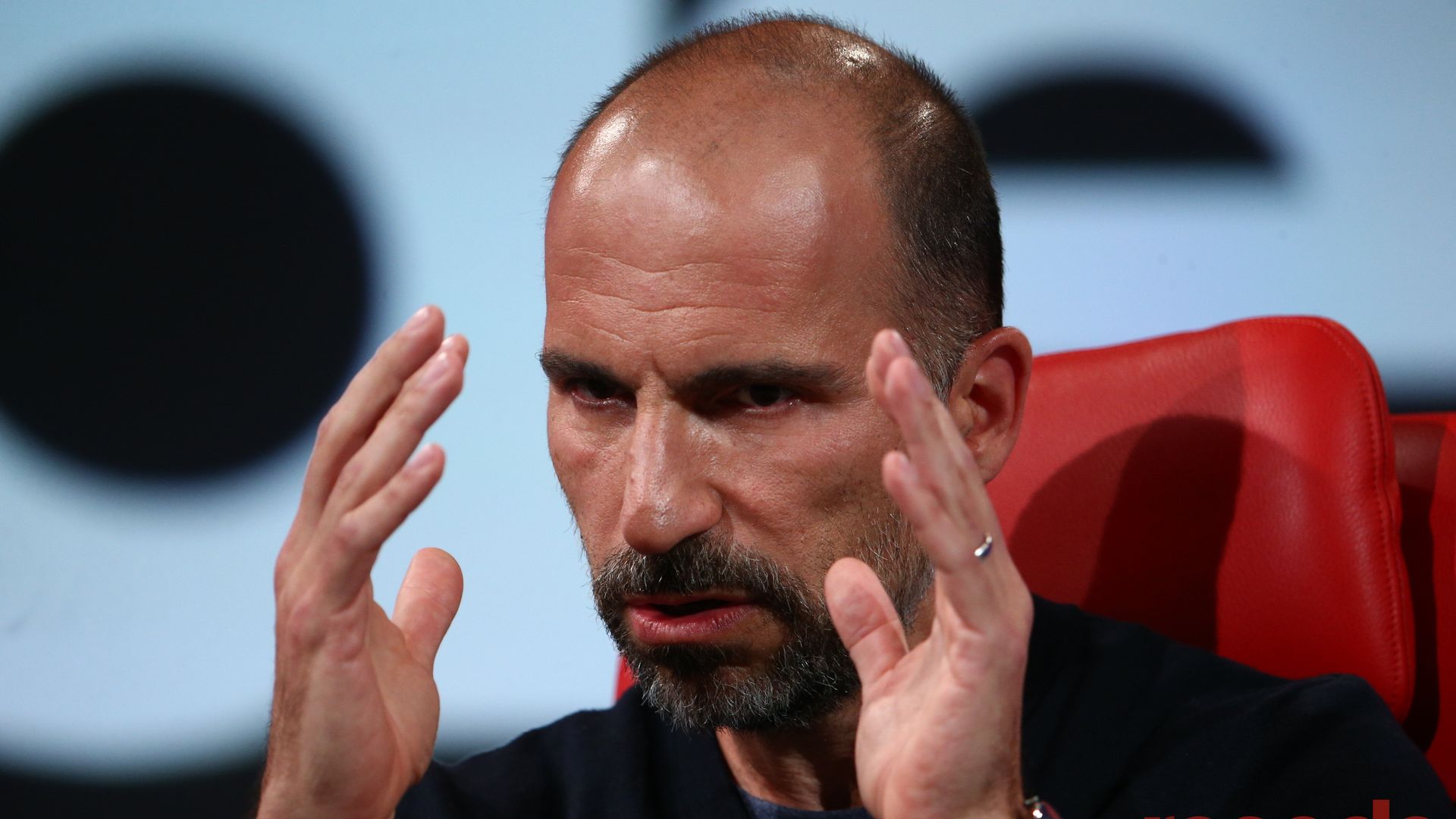
With the bitter legal fight over self-driving cars behind them, Uber and Waymo are now slowly but surely "having discussions" about bringing Waymo's autonomous vehicles onto the Uber network, according to Uber CEO Dara Khosrowshahi.
Speaking Wednesday at the Code Conference in Rancho Palos Verde, Calif., Khosrowshahi said his company's network "economics" are the main incentive he sees for Waymo to agree to a partnership.
Why it matters: Waymo and its corporate parent, Alphabet, now own equity in Uber, so despite their courtroom battle, both companies could be winners in a partnership.

/2018/06/01/1527886661370.gif?w=3840)