An IBM spokesperson has confirmed the technology giant has laid off people in its Watson Health division, saying in a statement the layoffs represent a "small percentage" of Watson Health's 7,000-plus employees without disclosing exact figures. IBM said earlier media reports of "massive" layoffs are exaggerated.
Why it matters: IBM has spent billions the past few years acquiring varioushealth carecompanies, so cutting jobs may have been inevitable. But Watson Health, a unit focused on using artificial intelligence in health care, has faced criticism for expensive technology and overhyped claims.
Using UberX and UberPool lowers weekly commuting costs for customers, compared to owning a car, in 4 of the 5 largest U.S. cities, according to Kleiner Perkins partner Mary Meeker's latest presentation on internet trends.
Why it matters: Ride-hailing companies' lofty claims about their impact on transportation have often been met with skepticism.
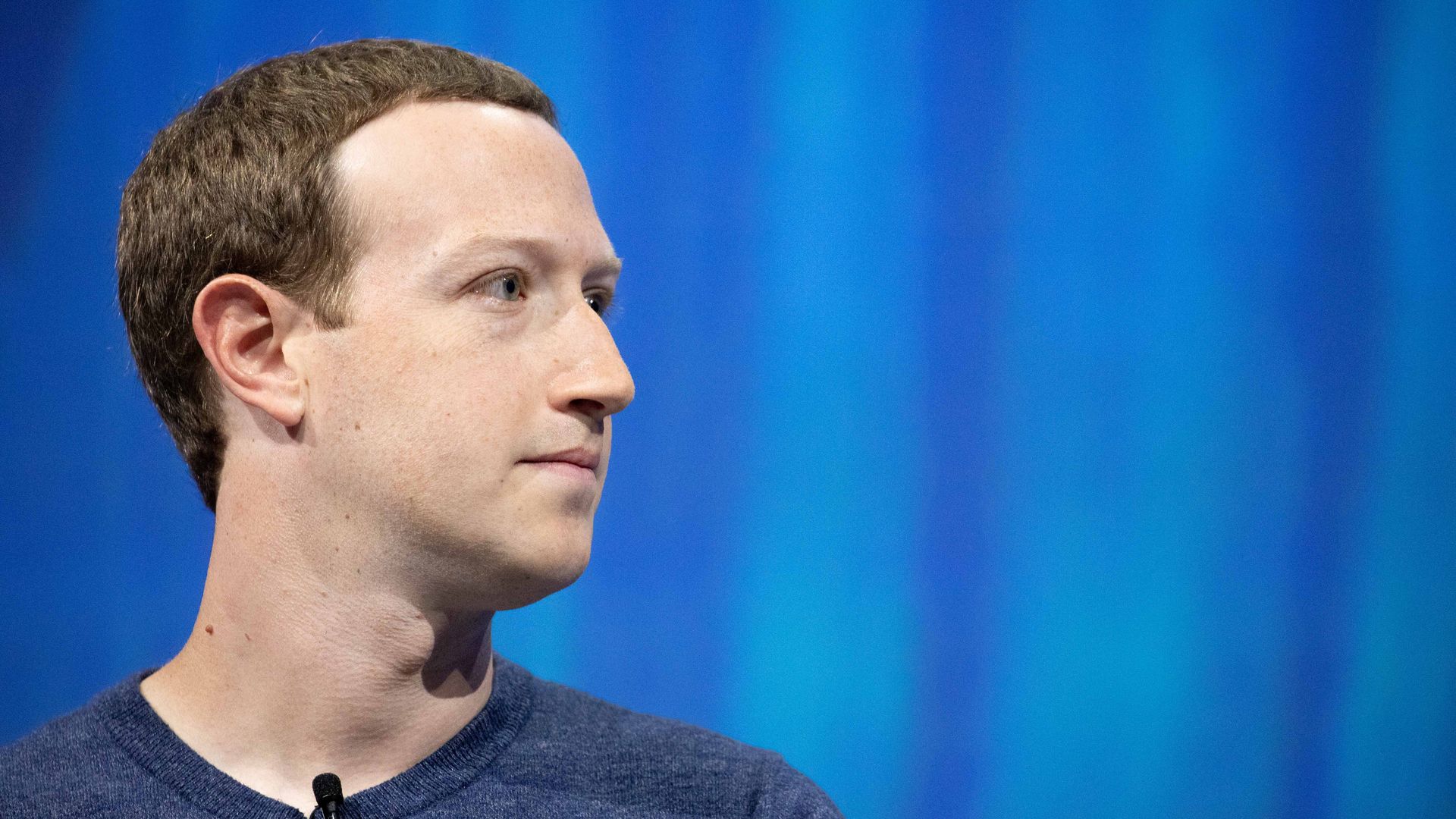
Facebook shareholders attending the company’s annual meeting Thursday will be the targets of a campaign urging them to replace CEO Mark Zuckerberg, who also chairs the company's board, with an independent chair.
Why it matters: It’s the first move in a progressive coalition’s efforts to target Facebook with a political-style campaign focused on calls for regulators to break up the social media empire.
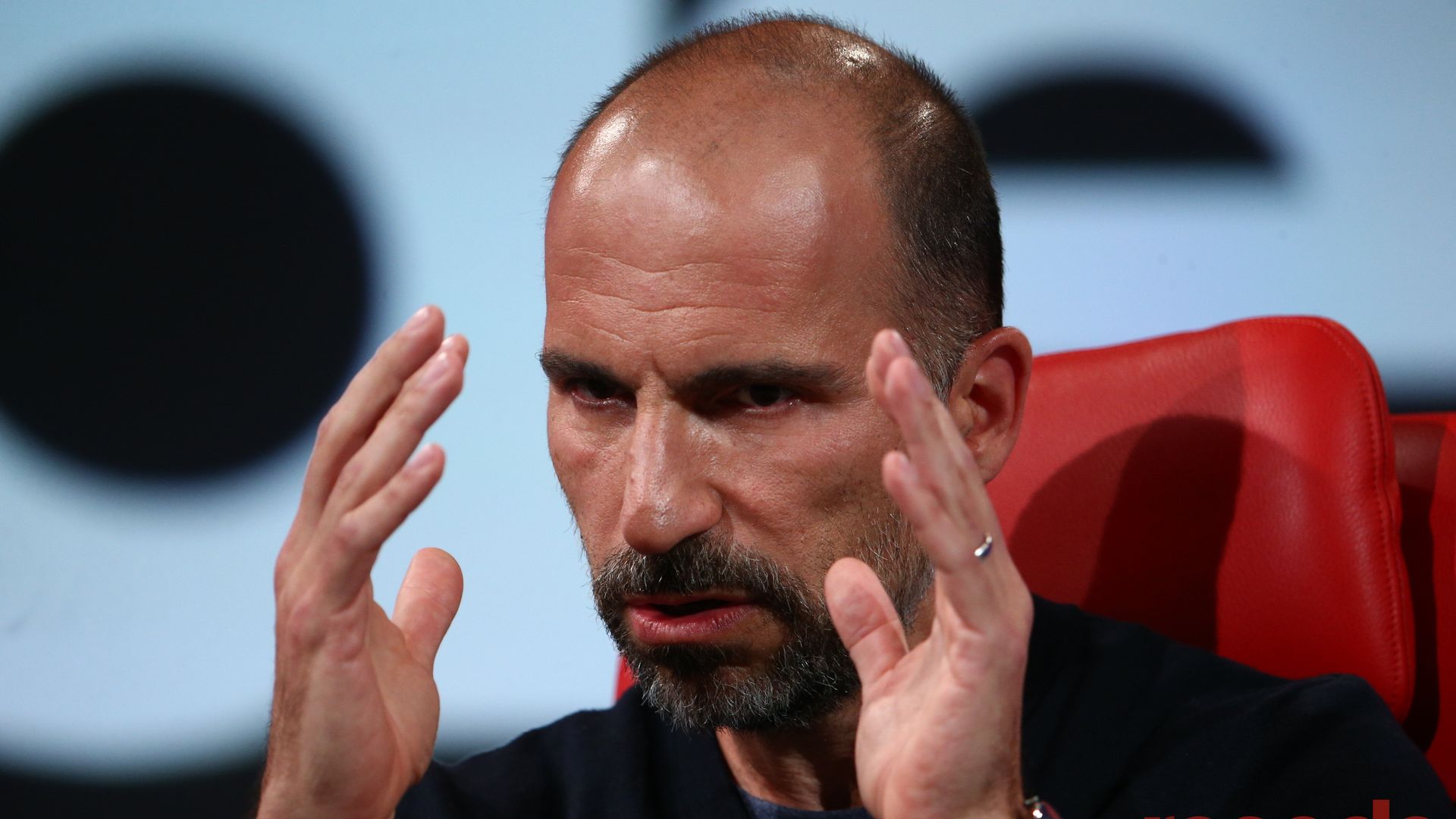
With the bitter legal fight over self-driving cars behind them, Uber and Waymo are now slowly but surely "having discussions" about bringing Waymo's autonomous vehicles onto the Uber network, according to Uber CEO Dara Khosrowshahi.
Speaking Wednesday at the Code Conference in Rancho Palos Verde, Calif., Khosrowshahi said his company's network "economics" are the main incentive he sees for Waymo to agree to a partnership.
Why it matters: Waymo and its corporate parent, Alphabet, now own equity in Uber, so despite their courtroom battle, both companies could be winners in a partnership.
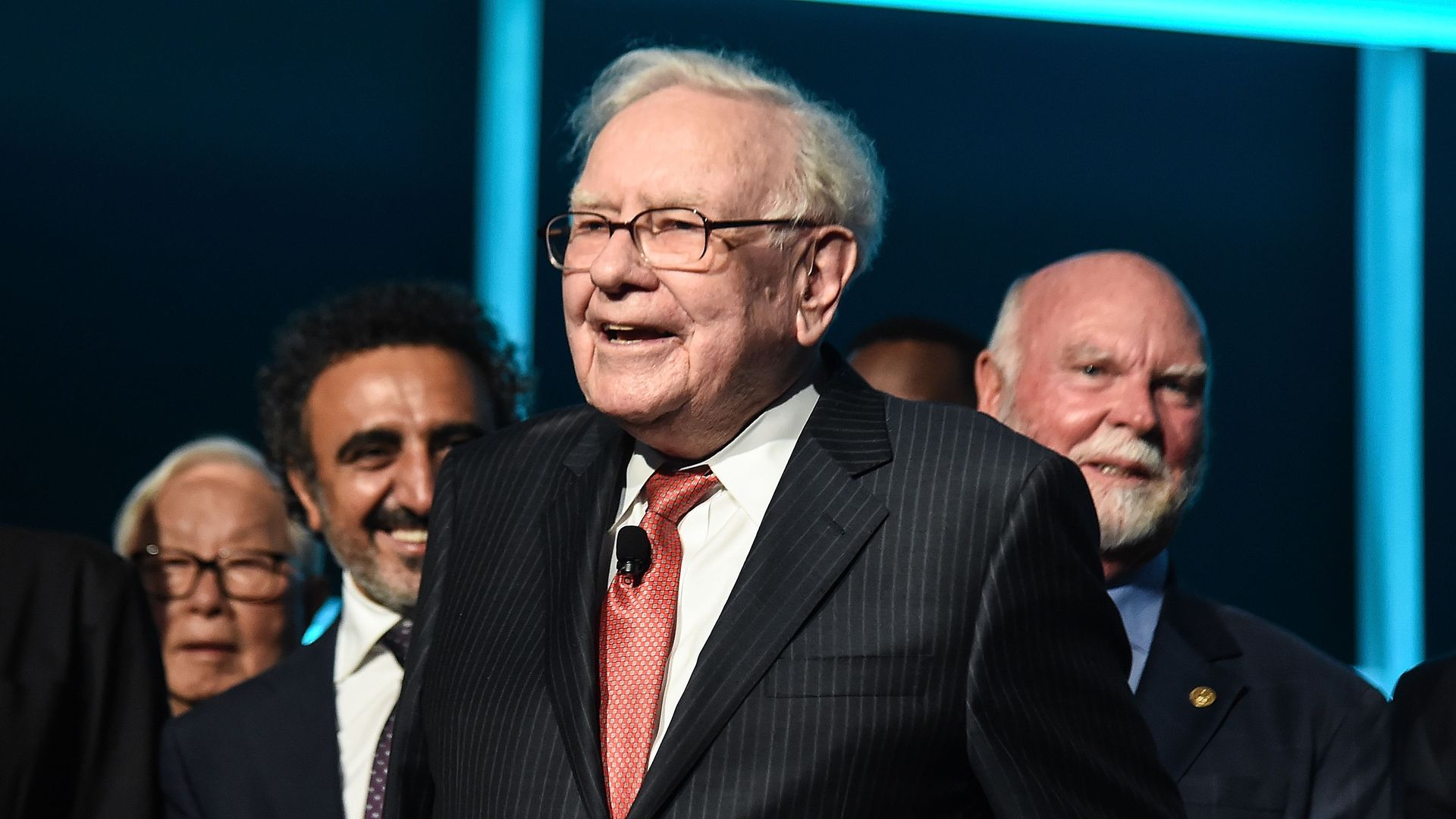
Warren Buffett discussed making a $3 billion investment into Uber, but talks broke down over deal terms, according to Bloomberg.
Bottom line: Backing Uber would have been surprising given Buffett's known devotion to business moats, but he also has a history of backing big brands in crisis.
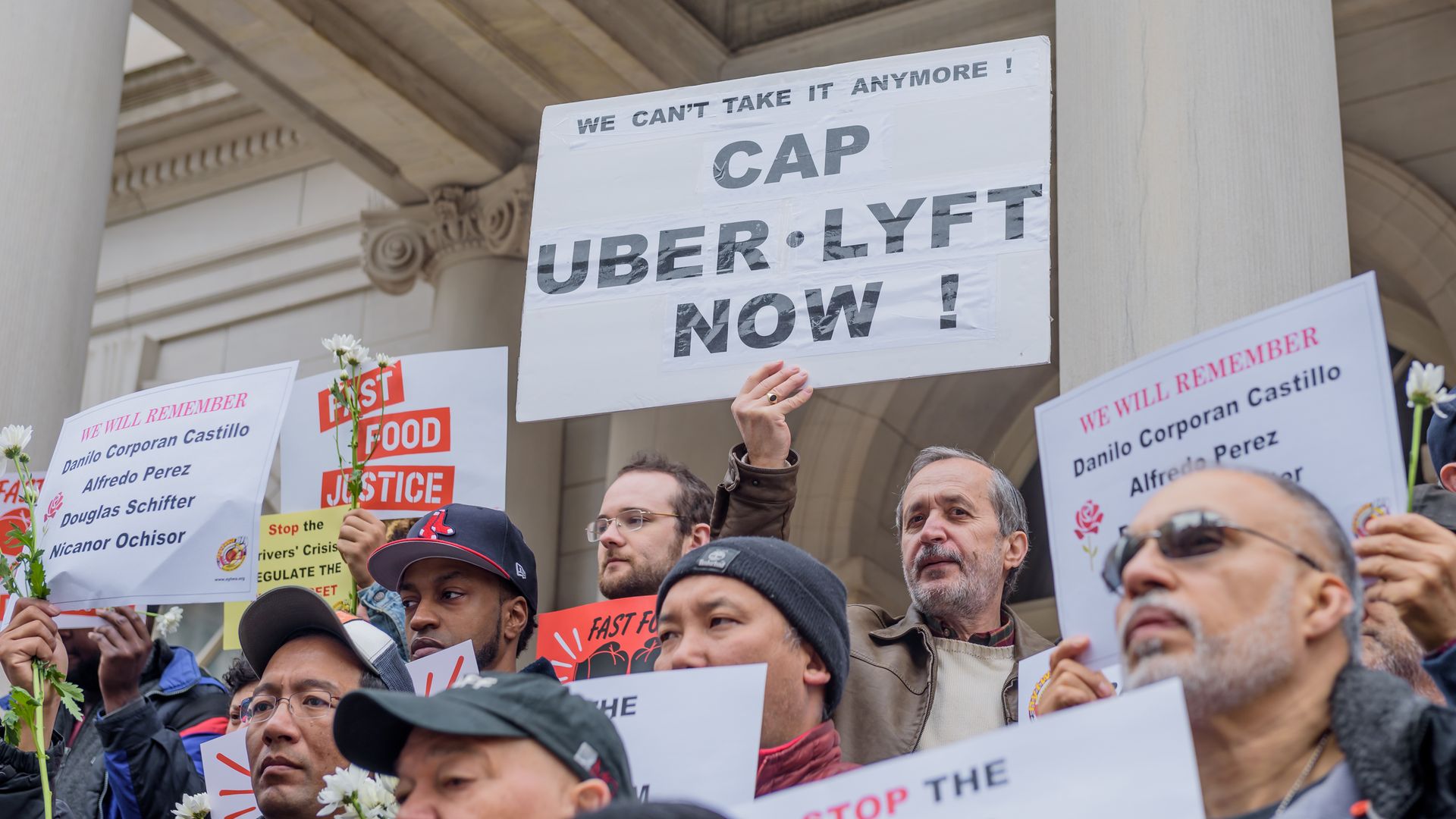
New York taxi drivers, emboldened by five suicides in their ranks and desperate financial straits, are pressing for laws to protect them against ride-hailing companies.
Why it matters: Like cabbies around the world, New York drivers have suffered a plunge in income since the rise of Uber — and other ride hailing services — and city leaders say they are considering laws to help them, including a cap on ride-hailing vehicles in the city.
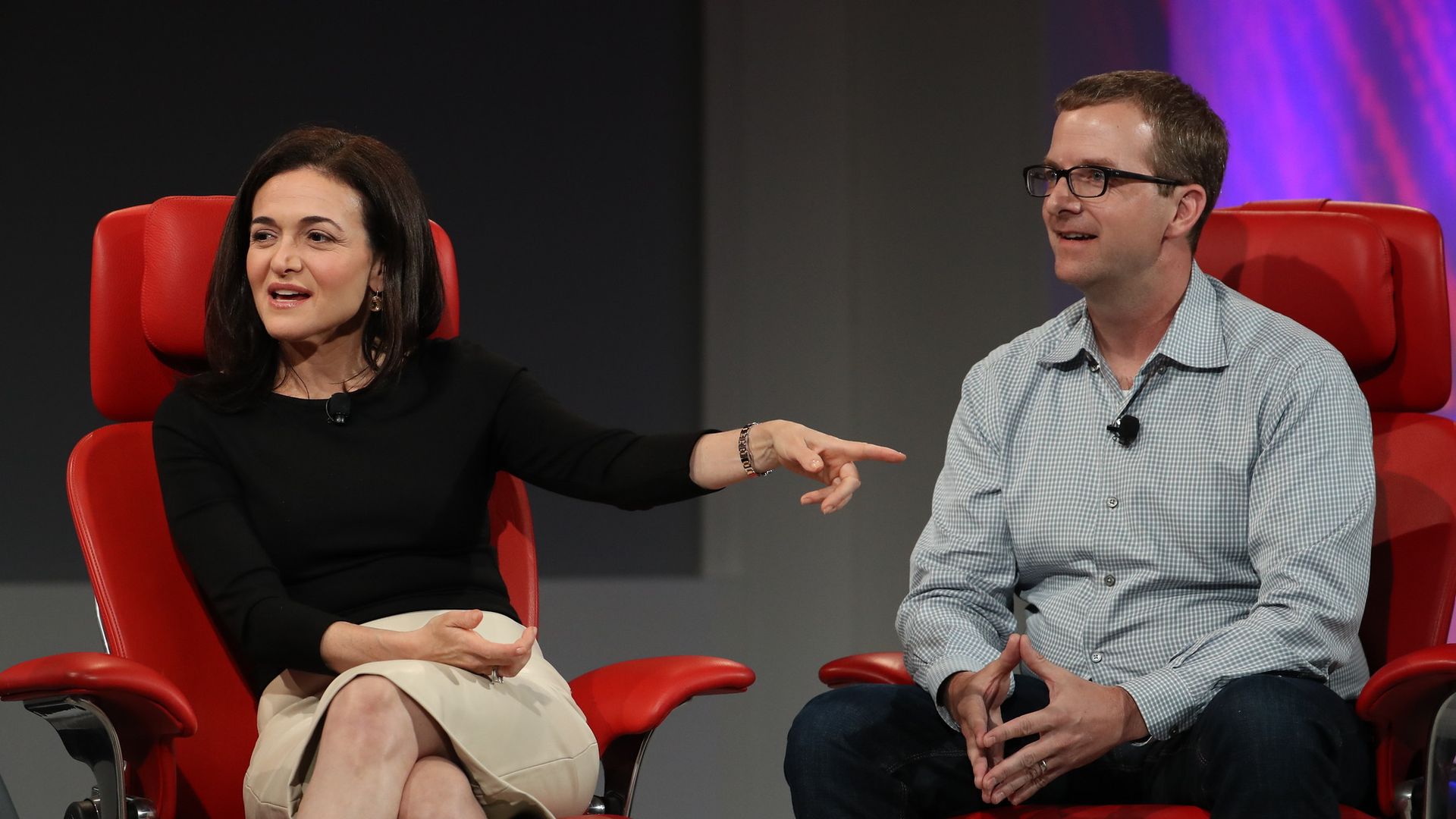
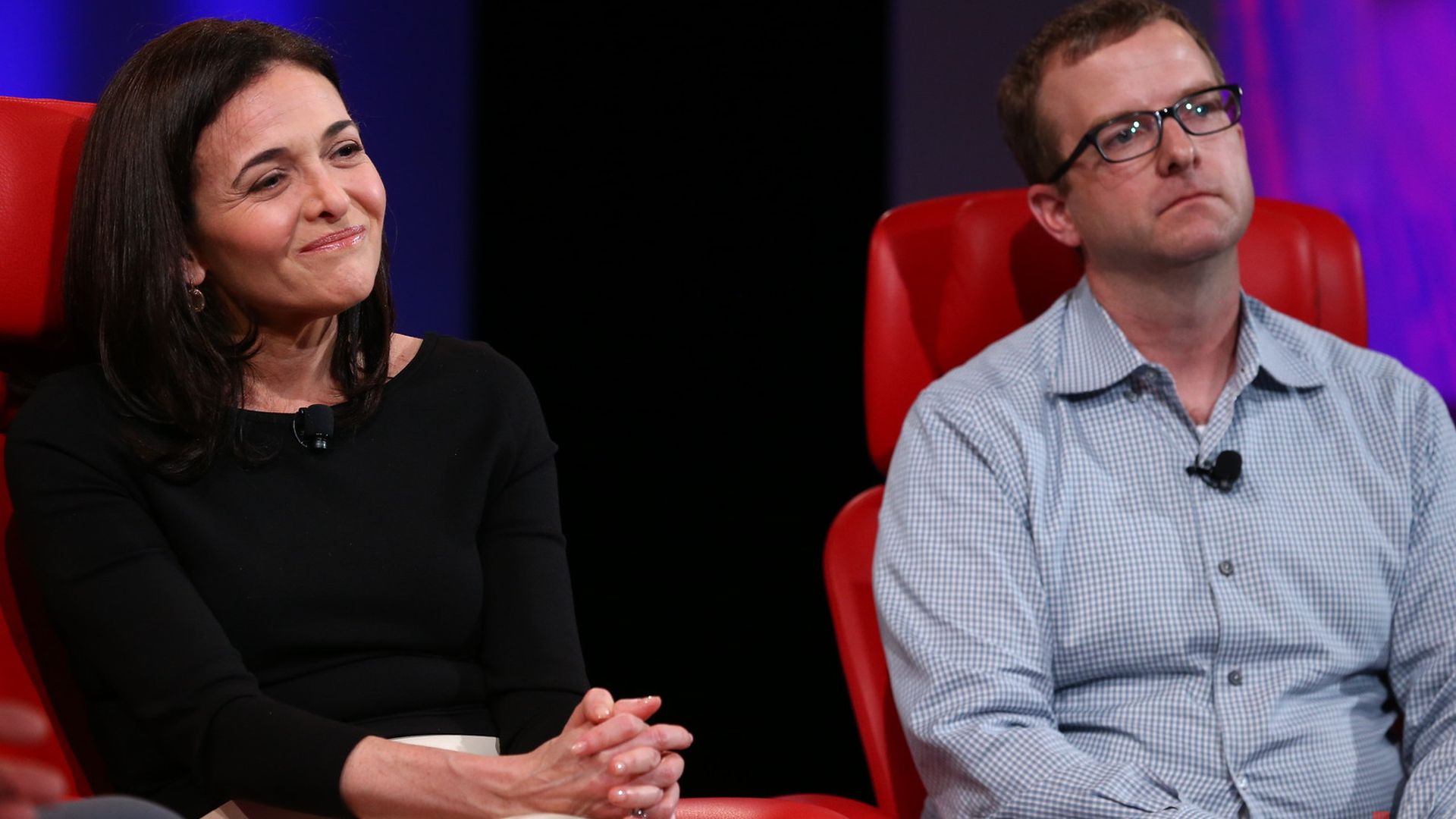
The Code Conference gave Facebook an opportunity to show that it is tackling its many problems head on — but the executives who preceded Facebook COO Sheryl Sandberg and CTO Mike Schroepfer on stage also had some valuable insights for the embattled tech giant.
Why it matters: A lot of people on and off Capitol Hill still believe that Cambridge Analytica-style data hijacking is exactly what Facebook is optimized for. Facebook has learned how to take an effectively humble tone — but it has yet to persuade a skeptical world it's got integrity.
A rift has opened between Democrats over a proposal to address consumer data privacy concerns — as a freshman congressman from Silicon Valley barrels ahead with the idea while some of his colleagues want him to slow down.
Why wasn’t anyone at Facebook fired over the situation with Cambridge Analytica?
Facebook's Sheryl Sandberg took that first question on stage at the Code Conference Tuesday and replied, "We do fire people at Facebook. We don’t trot them out and make examples of them."
Buck stops with Zuck: Ultimately, Sandberg said, these problems lie on the shoulders of the company's founder and CEO: "Mark [Zuckerberg] has said very clearly on Cambridge Analytica, he designed the platform and he designed the policies and he holds himself responsible."
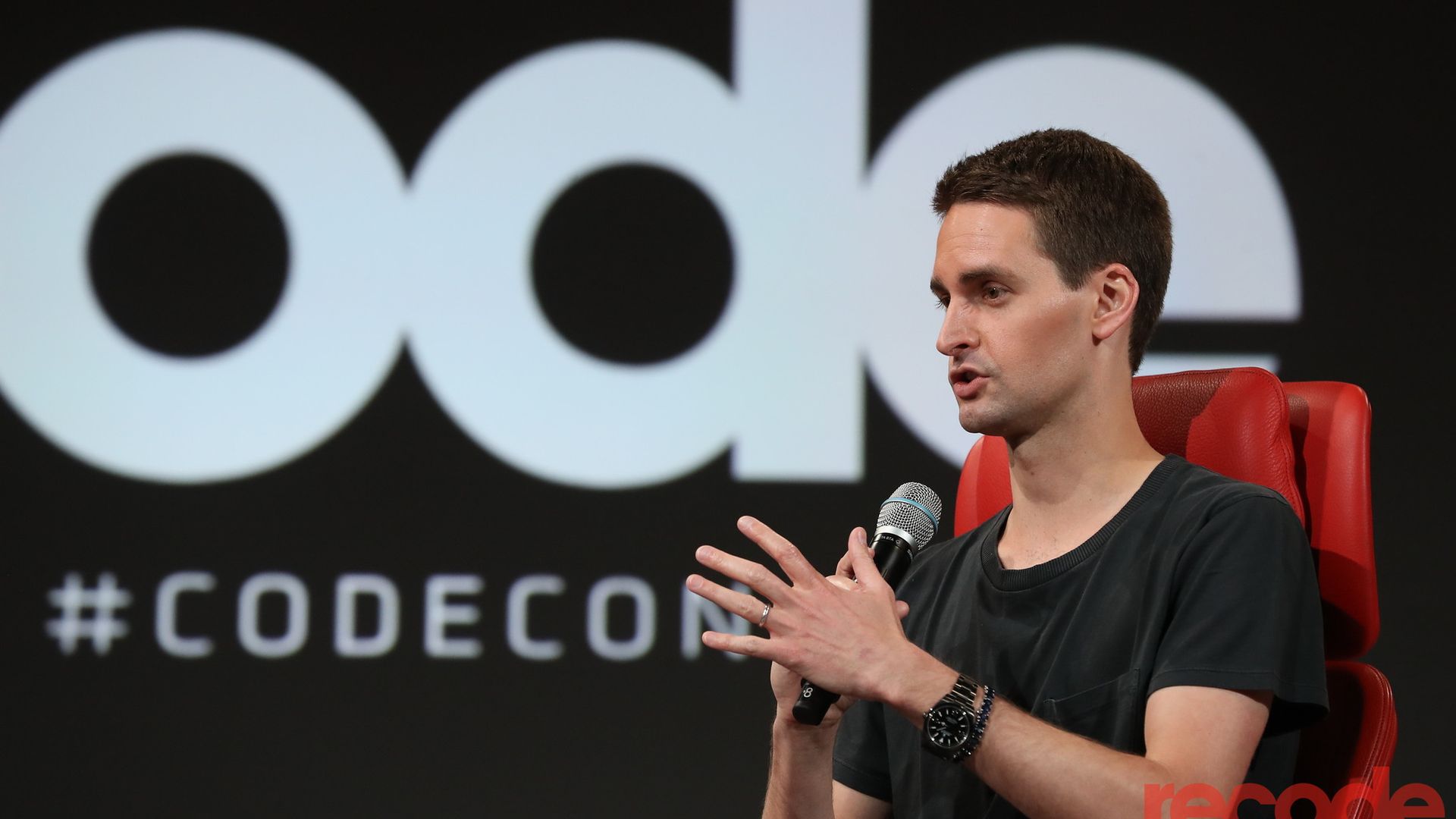
Snapchat's CEO, Evan Spiegel, told an industry crowd that he doesn't obsess over Facebook's habit of adapting his social network's ideas.
“I think it bothers my wife more than it bothers me," Spiegel said at the Code Conference Tuesday evening. "Fundamentally, it is important to understand that Snapchat is not just a bunch of features.”
The context: Facebook has borrowed liberally from Snapchat's most successful features, including Stories, which are now popular across Facebook, Instagram and WhatsApp.
Snap is gearing up to debut tools for third-party developers including a login button and camera features, dubbed SnapKit, according to TechCrunch.
Why it matters: Snap has long been reluctant to open itself up to outside apps, but it's choosing an interesting time to do so — fresh on the heels of Facebook's Cambridge Analytica scandal, which forced the social media giant to pull back on its platform. Snap's app, however, doesn't collect as much user data as other social apps, so its tools will likely be used a bit differently. In March, Mashable noticed a "Connected Apps" tab in a beta version of the Snapchat app, presumably part of the same effort. Snap declined to comment.