The company posted $12.97 billion in revenue and $2.21 earnings per share (before factoring a deduction from the tax bill), compared to $12.55 billion in revenue and $1.95 earnings per share expected, per Yahoo Finance. User growth slowed, but was still up 14% year-over-year.
Why it matters: The tech giant grew its revenue to nearly $13 billion — an all-time-high — despite slowed ad load due News Feed saturation and election meddling drama last quarter. Facebook's profit was affected by tax changes, which likely caused initial unrest on Wall Street. Facebook stock was down briefly before the company's earnings call.
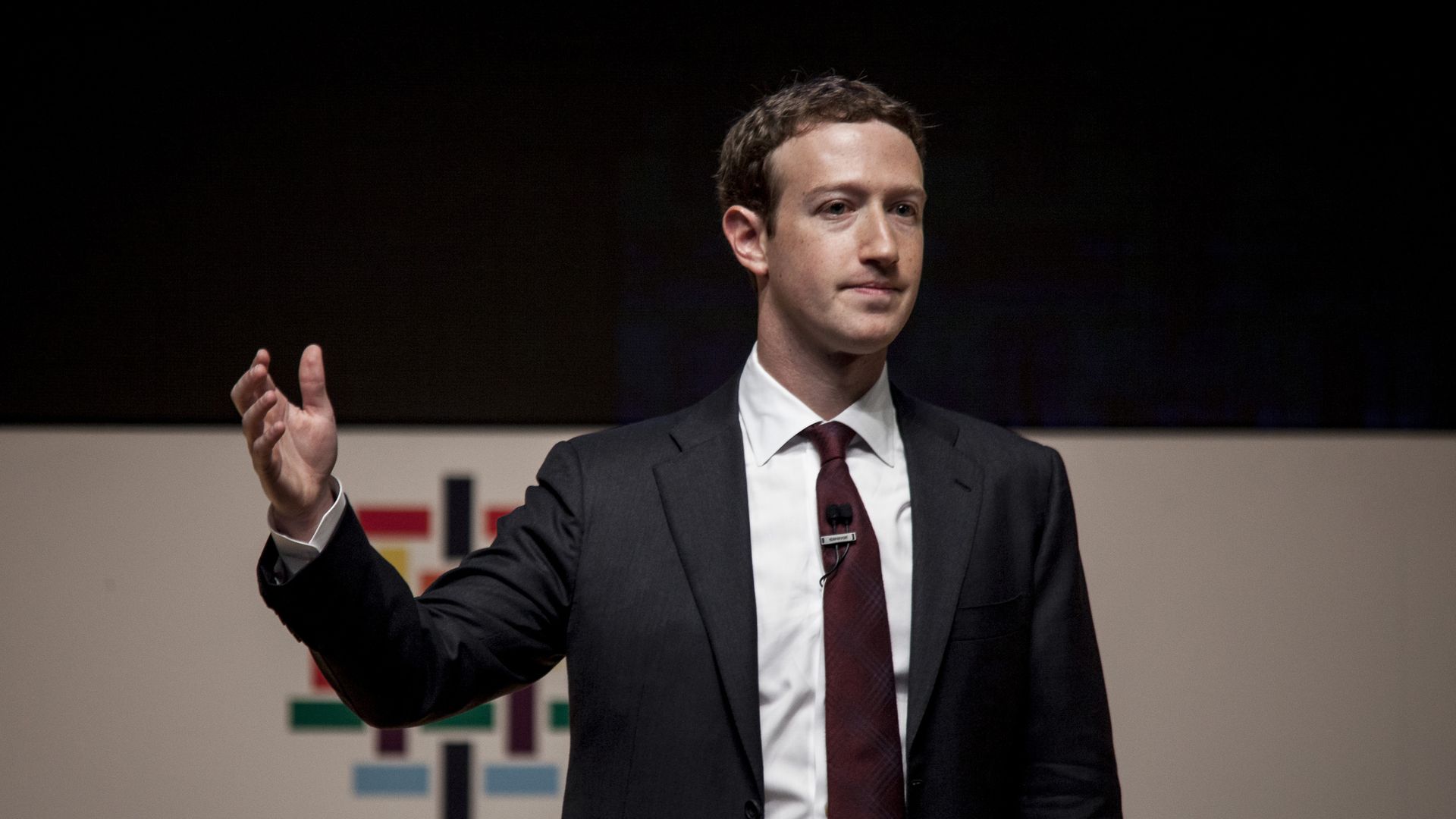
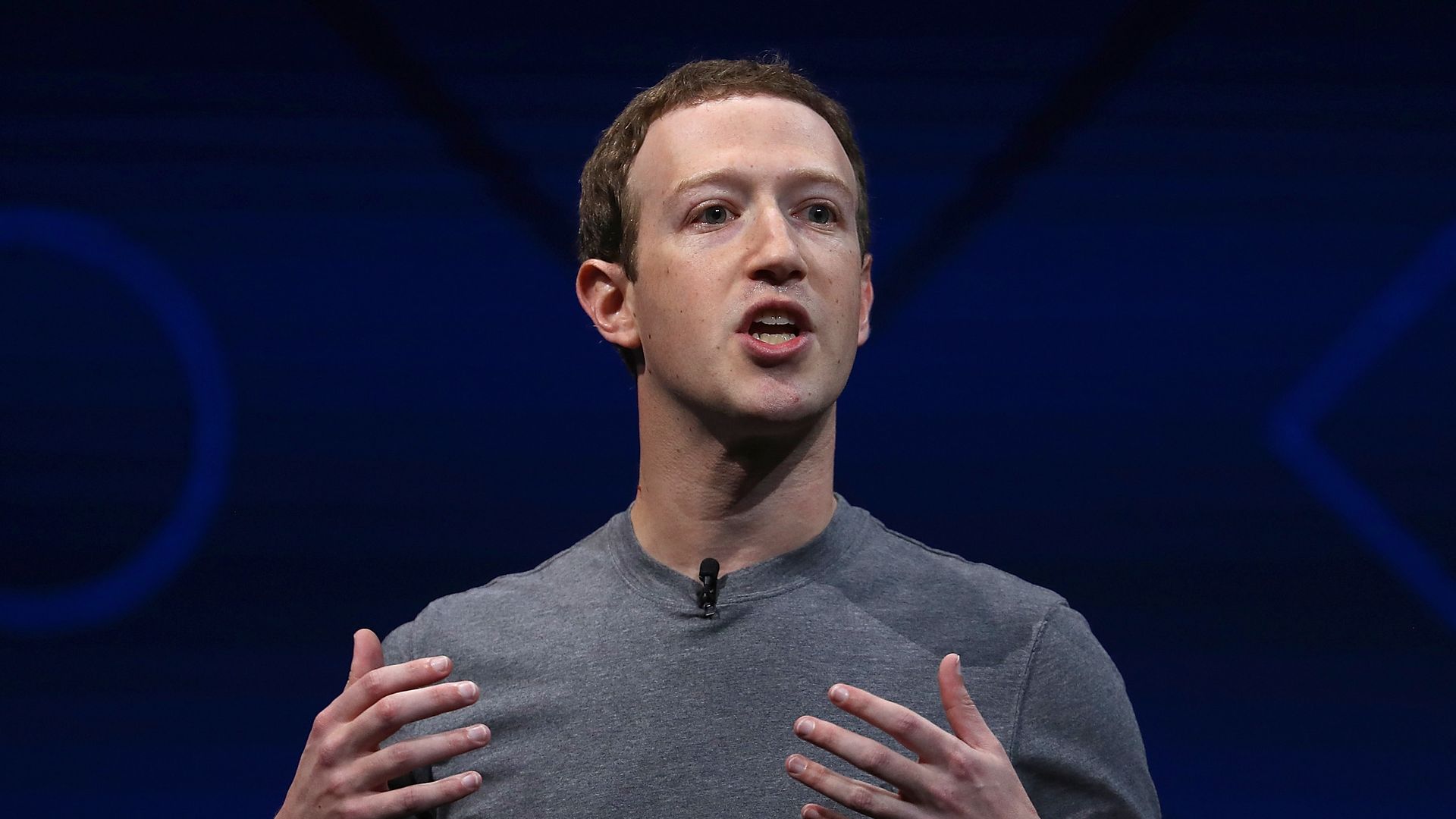
Facebook's recent shifts away from viral content, news, and video are already having an impact, said CEO Mark Zuckerberg as part of the company's latest quarterly report.
Why it matters: It's been a year of reckoning for the social network, which has had to deal with its influence over people's news diet and sharp criticism over its ability to exploit human psychology for attention. These forces led Facebook to change the newsfeed algorithm to focus more on content posted by friends rather than publishers.
Qualcomm reported a dip in quarterly earnings as it continues to grapple with regulatory issues and customer disputes. However, profits were ahead of what the company had said to expect.
Separately, the company said it had reached new deals with Samsung, one of its largest customers.
Why it matters: The chipmaker is in the midst of a hostile takeover bid from Broadcom, was just fined by European antitrust regulators and remains in a bitter legal battle with Apple.
AI hands are beginning to fear that, if leaders and ordinary people are certain that robots and automation will push humans out of work, no one will try to forestall what they regard as the inevitable. That is, intelligent machines really will take over, as the most apocalyptic forecasts suggest.
The bottom line: Experts debate much about the future impact of artificial intelligence, but there is no dispute that the world is headed for — or already in — a massive economic disruption in which whole categories of jobs will be wiped out. An increasing consensus is that the main answer is a massive reskilling effort to move endangered workers into entirely new careers.
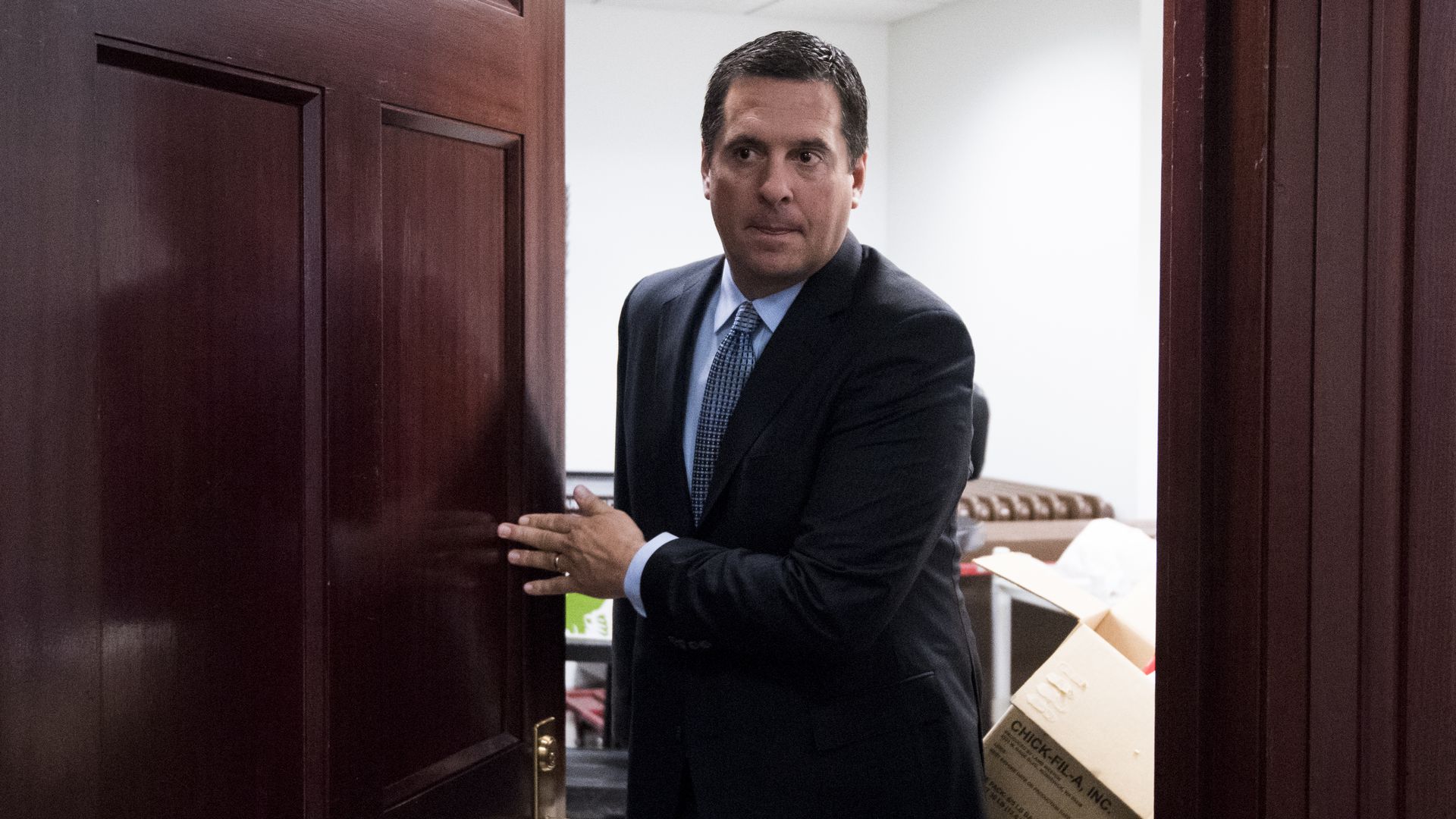
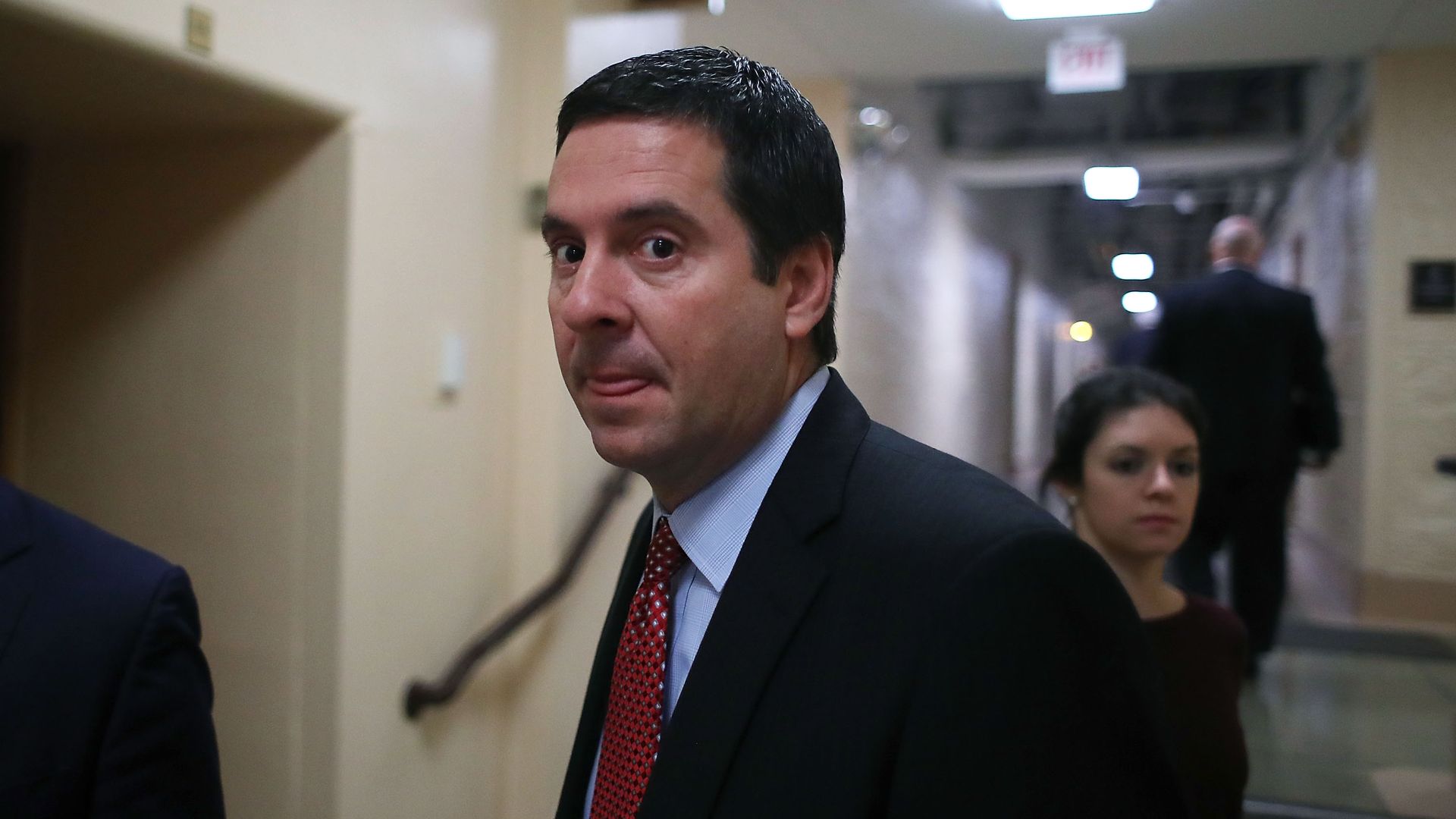
House Intelligence Committee Chair Devin Nunes, who wrote the controversial memo detailing alleged FISA abuses, has responded to the FBI's statement urging the White House not to release the classified document:
[I]t’s no surprise to see the FBI and DOJ issue spurious objections to allowing the American people to see information related to surveillance abuses at these agencies.
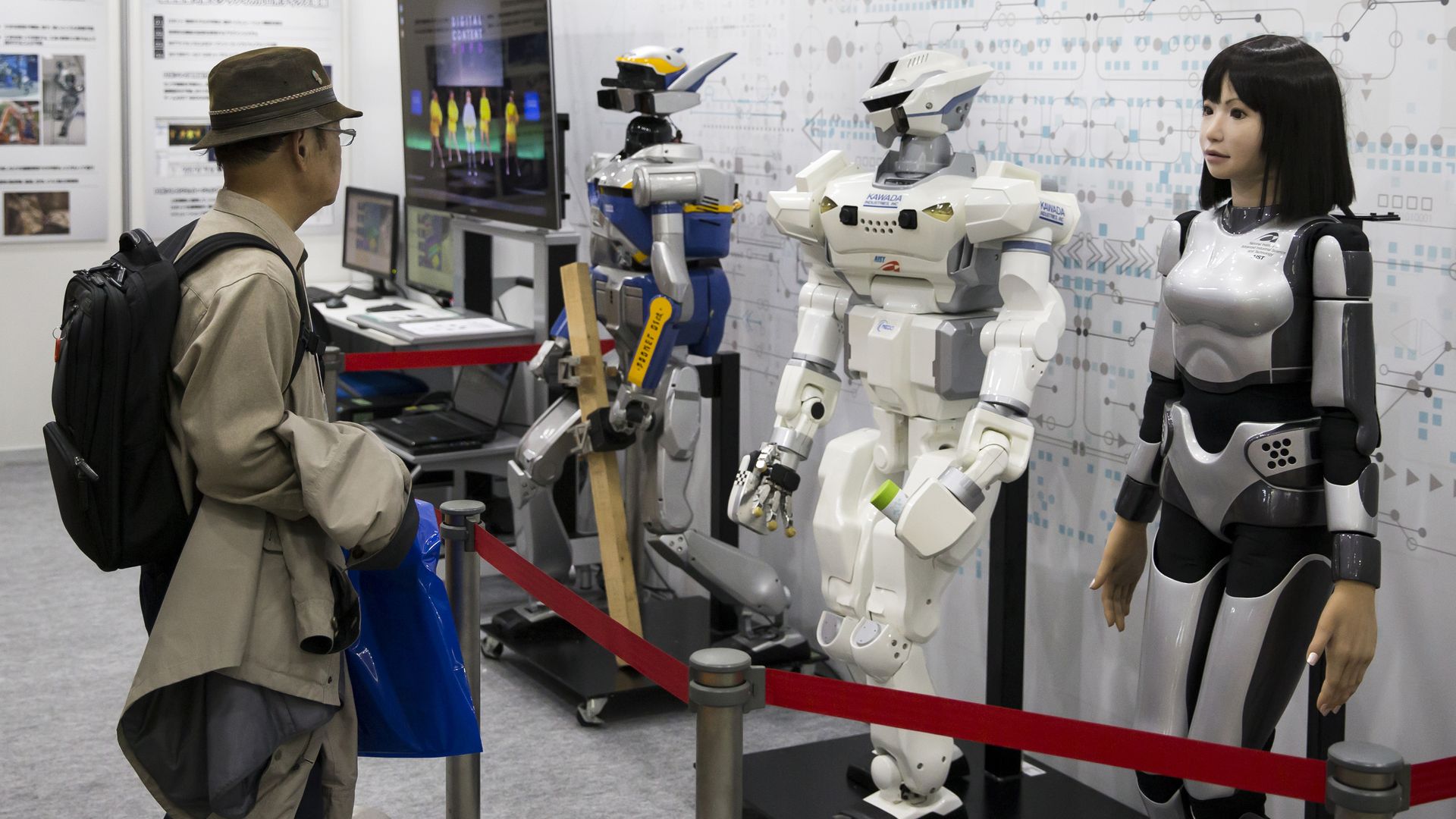
The current apex of useful commercial robots is a vacuum cleaner, and much work is left before machines can assume a more central role, from creating new basic materials to adopting ethical rules for their use, suggests a paper published today.
What's new: Guang-Zhong Yang, a professor at Imperial College London, led a global survey to ferret out the major remaining hurdles facing the field of robotics. The result is a list of 10 challenges (below).
Following a massive New York Times investigation into the business of buying and selling fake Twitter accounts, "more than a million followers have disappeared from the accounts of dozens of prominent Twitter users," per the Times.
Why it matters: Tech giants like Twitter and Facebook have been in hot water for several months over their involvement in Russia's election interference. Twitter didn't comment on whether or not they were "purging fake accounts," NYT reports, but many high-profile people have lost a "substantial number of followers."
Why it matters: Schiff serves as ranking member on the House Intelligence Committee, which voted Monday to release a controversial FISA memo written by chairman Devin Nunes. Last night after the State of the Union address, TV cameras caught President Trump telling Rep. Jeff Duncan that he "100 percent" supports releasing the memo.
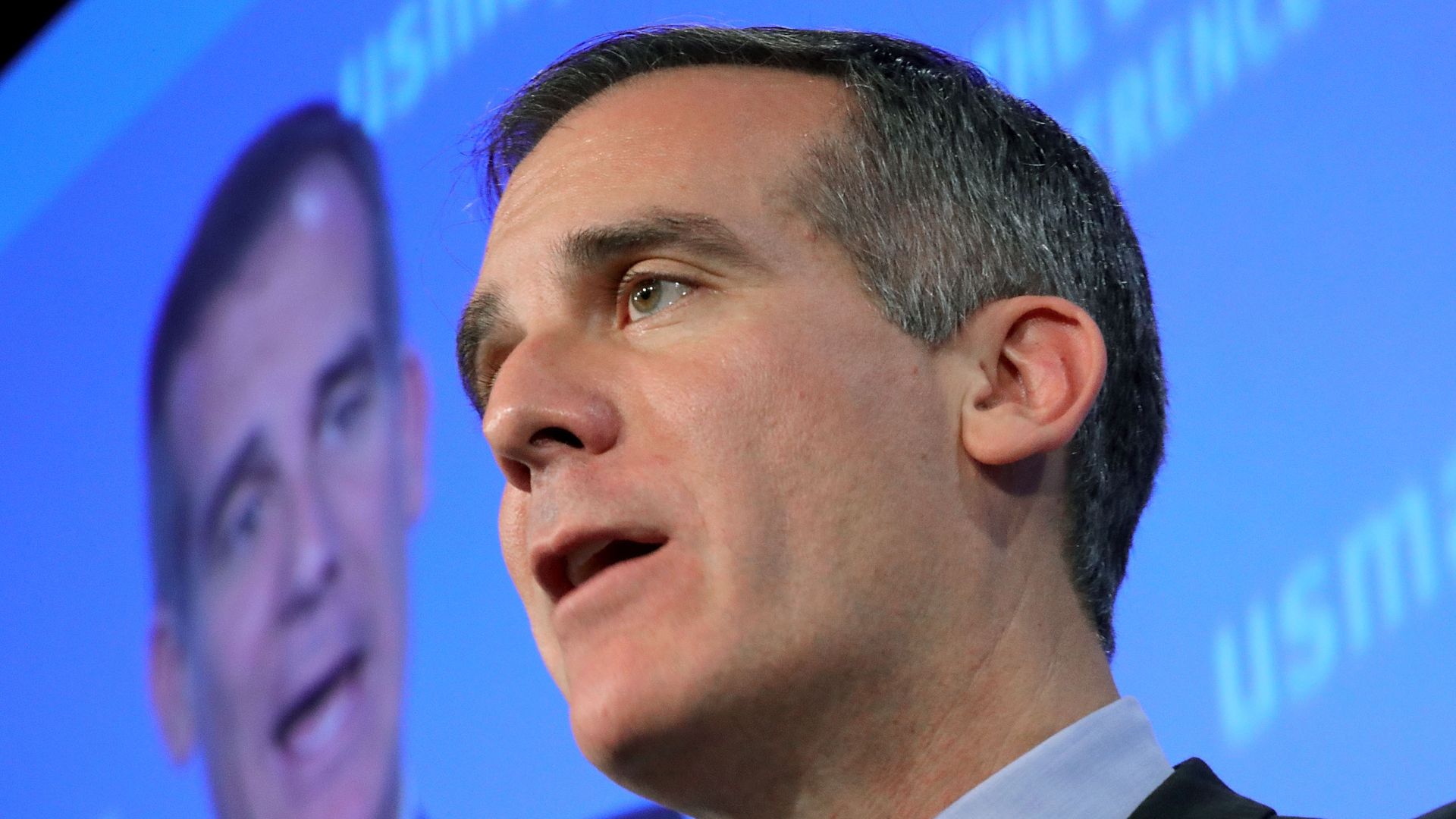
Los Angeles Mayor Eric Garcetti said it was "idiotic" for the FCC to roll back net neutrality rules, and that he hopes the administration reverses course.
Why it matters: Some local elected officials are taking a stand against the FCC's net neutrality decision. Garcetti said at the Upfront Summit in LA on Wednesday that it's another area where local governments can take a leadership position.
The FBI has issued a rare public statement opposing the release of a memo on alleged FISA abuses authored by House Intel Chair Devin Nunes. From the FBI statement on the memo, which the White House plans to make public soon: "we have grave concerns about material omissions of fact that fundamentally impact the memo's accuracy."
Why it matters: It's notably strong language in the first on-the-record statement about the memo from the FBI, highlighting concerns about perceived political bias and the rushed declassification of material related to the Russia investigation via an arcane House rule.
Next week, Uber will debut a test program to let San Francisco users book dockless electric bikes via a partnership with JUMP, the only such company currently with a permit to operate in the city.
Hot trend: Bike-sharing is booming, with companies in both the U.S. and Asia cropping up and raising shockingamounts of funding. Some are even hailing it as "the next ride-hailing," referring to the transportation model's global takeover in the last few years.
Uber is not the first ride-hailing company to dip into bike-share — earlier this month, Chinese giant Didi Chuxing debuted a bike-share platform that integrates Ofo, Bluegogo, and others.
Apple’s push for performance and security improvements over new features will also apply to this year’s Mac software, but one key feature remains on the roadmap for 2018: The ability for Macs to run iPad apps.
The bottom line: Apple is trying to shift more energy to improving the quality, performance and reliability of its software, while introducing enough new features to satisfy its customer base.
Apple on Monday said it has responded to inquires from U.S. agencies over the handling over older iPhone batteries and how it communicated changes to customers. Bloomberg reported earlier Tuesday that the U.S. Department of Justice and Securities and Exchange Commission had launched inquires into the matter.
Be Smart: While this issue sometimes gets reported under headlines like "Apple slowing down older iPhones," that's really not what's going on. Apple only slows down phones in a specific condition: when an older battery can’t deliver the power required to run faster.