Friday's technology stories

Facebook's plan to combat revenge porn
In a move that prompted a fair amount of head-scratching, Facebook's plan to combat revenge porn involves people sending their nude pictures directly to Facebook. On Thursday, Facebook offered more details on how that process will work, at least in Australia, where it is being tested.
Our thought bubble: This still seems like it could backfire, but it isn't as crazy as it first sounded.

Lemnos co-founder is leaving to start his own hardware startup
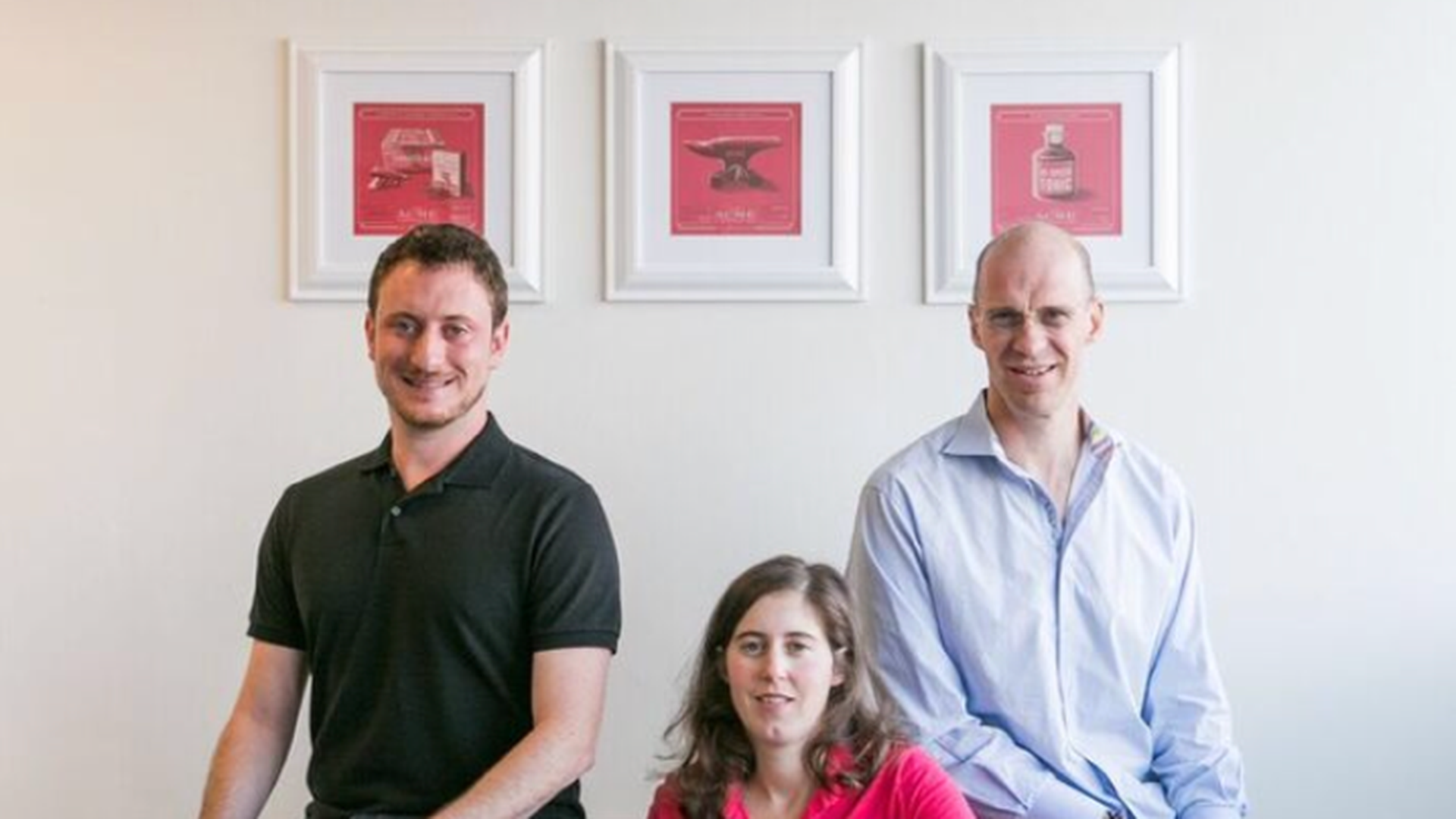
Jeremy Conrad, co-founder of hardware-focused VC firm Lemnos, is stepping down as general partner to launch a robotics company with a former Apple iPad engineer. He will remain a venture partner with the San Francisco-based firm, which also plans to invest in Conrad's startup.
Robotics renaissance: "There's no better time to start a robotics company," explains Conrad, citing cheaper sensor prices and wider Internet connectivity.
Snip.it founder raising $75 million VC fund
Ramy Adeeb, most recently known for founding digital bookmarking service Snip.it, is quietly raising a $75 million venture capital fund called 1984 Ventures, according to an SEC filing.
Background: Adeeb founded Snip.it, which lets users collect news articles, photos, videos and other links into online collections in 2011. After raising money from firms like True Ventures and Khosla Ventures, he sold the company to Yahoo for $10 million in 2013 as part of the tech giant's acqui-hire spree. Prior to that, Adeeb spent seven years at TellMe Networks before a stint at Khosla Ventures as a principal.

Zuck hits the heartland
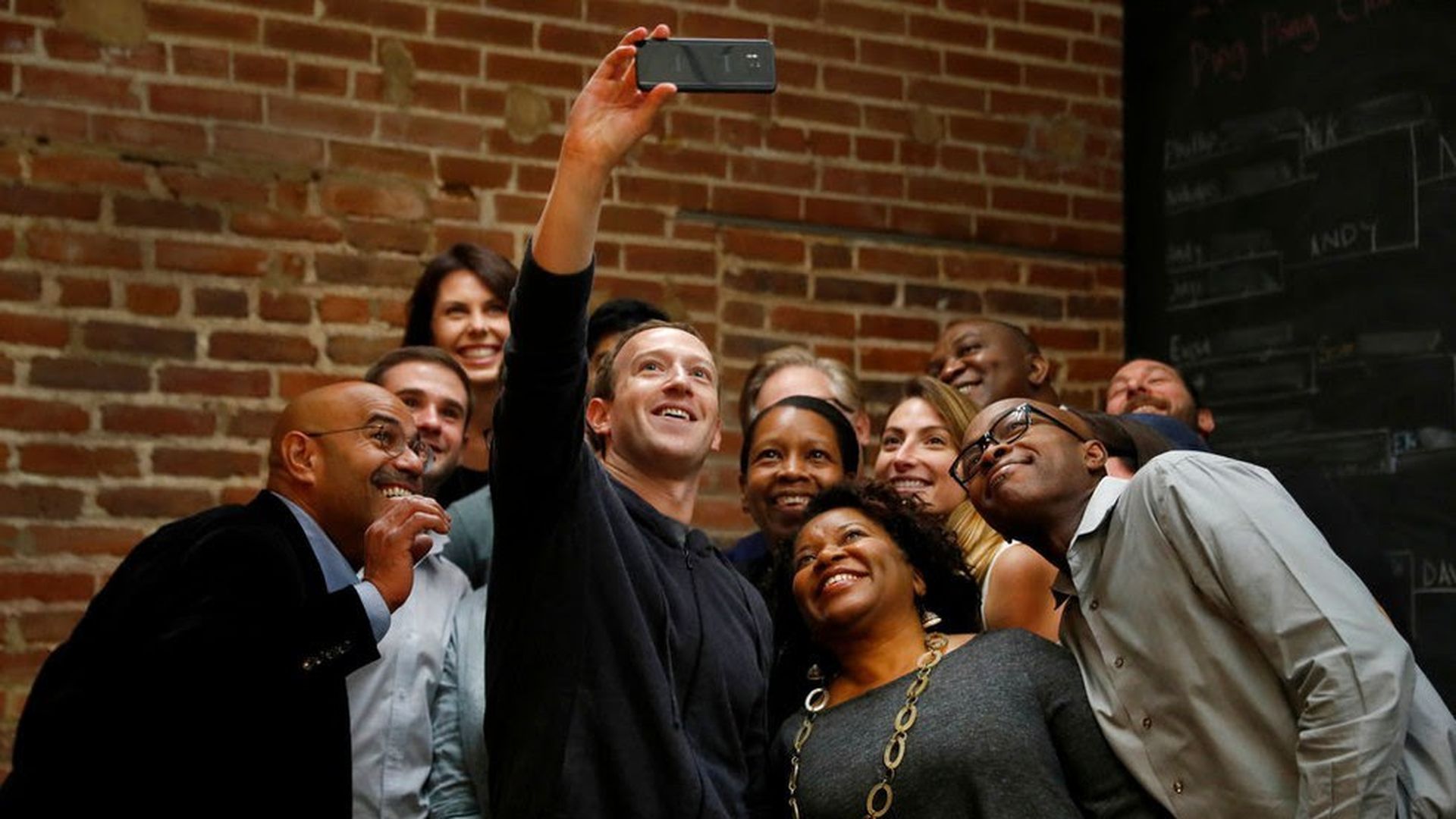
"Zuckerberg nears end of US tour, wants to boost small biz," by AP Tech Writer Barbara Ortutay. "Facebook says more than 70 million small businesses use its service. Only 6 million of them advertise."
What's next: After a pilot in Detroit, Zuckerberg announced a new program, Community Boost, to help small businesses and "bolster individual technical skills both on and off Facebook" The group "will visit 30 U.S. cities next year and offer ... free training on a range of digital skills ... coding, building websites and ... using Facebook for their business." (Axios' Sara Fischer has more on the announcement here.)

Silicon Valley's guilty conscience
We all know that people have become addicted to their smart phones — and now Silicon Valley insiders say this is exactly what the tech giants wanted. Founding Facebook president Sean Parker told Mike Allen yesterday that he has become "something of a conscientious objector" to social media, joining the small group of insider voices exposing and criticizing Silicon Valley's operations.
The big picture: The shiny newness and mystery of Silicon Valley is wearing off. Inner operations of the most powerful tech giants are being exposed — Facebook pitches partisan data to help election advertisers, foreign actors can easily manipulate Twitter, and now developers have always intentionally designed apps to keep our brains addicted. The insiders who are speaking up are turning on the tech world they helped create — as if they're trying to clear their guilty consciences.

UK Home Secretary: Terrorism and tech now in "an online arms race"

UK Home Secretary Amber Rudd said that even as ISIS and its terror cells suffer military and territorial defeats in the Middle East, "their ability to upload and re-upload" propaganda "has remained consistent."
Why it matters: Rudd, who has criticized tech companies in the past for not doing enough to collaborate with governments to access encrypted material in the wake of terrorism events, said tech companies can and should play a role in helping governments around the world to police terrorist content. That includes helping to identify that content and take it down in time to help thwart attacks on our soil. "What we have now is an online arms race. And we need our best technical experts to step up to the challenge."
Apple says it has eliminated the gender pay gap globally

Apple said Thursday that it has eliminated any gender pay gaps globally and has also continued to increase the number of women and underrepresented minorities in its workforce over the past year. Half of all new hires are from underrepresented groups, according to a newly updated diversity Web site.
The bottom line: White and Asian men still make up the majority of Apple's workforce, but the company has increased its diversity each of the last four years, both across the company and among its technical workers and leadership.

Facebook launches program to promote small businesses
The purpose of the "Community Boost" program is to help provide more people with the digital skills they need to compete in the modern economy.
Why it matters: The investment in small businesses is part of broader push in communities across the board since Mark Zuckerberg released a new mission for the company earlier this year to build a more global community.

Sean Parker unloads on Facebook: “God only knows what it's doing to our children's brains”
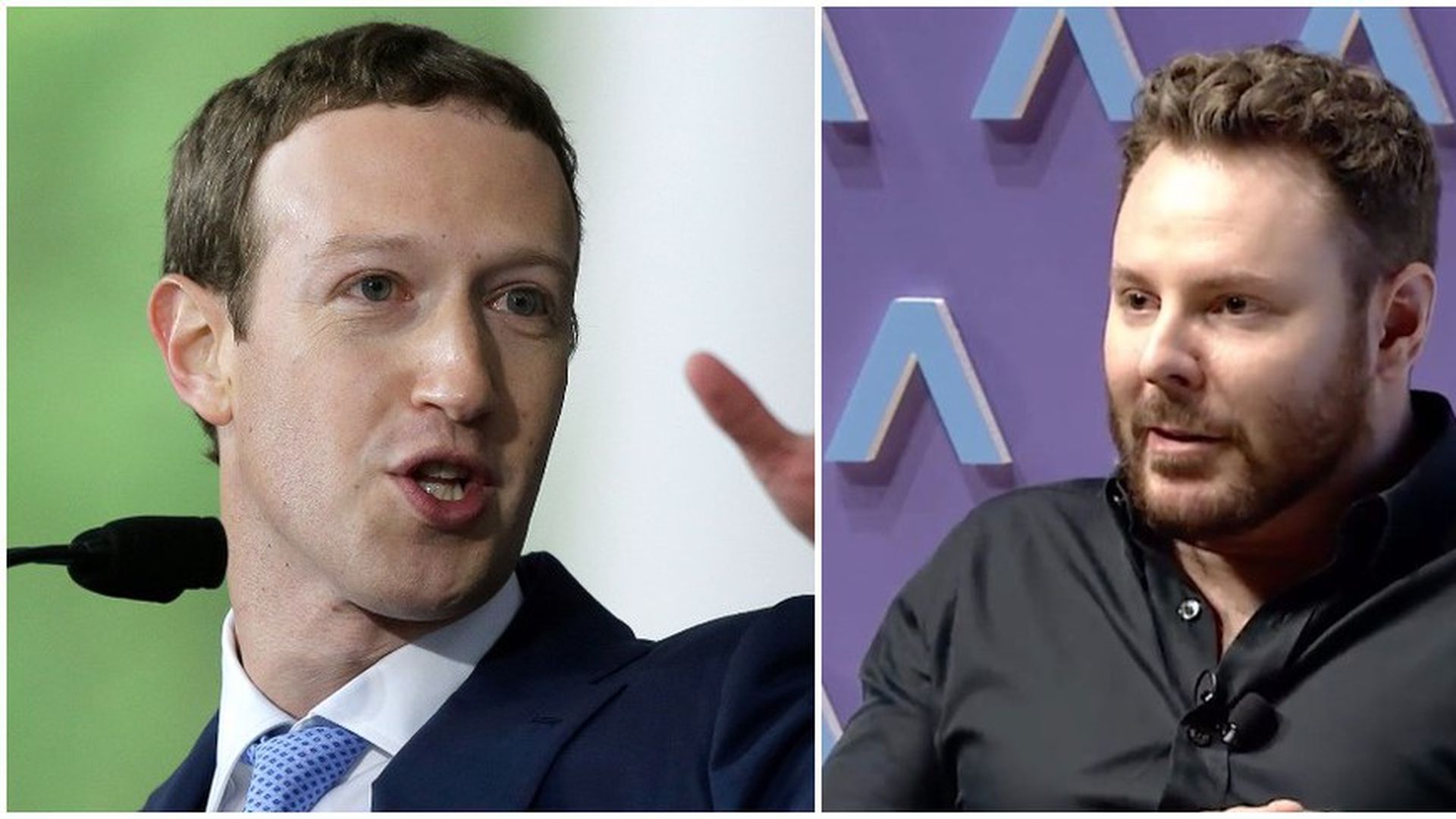
Sean Parker, the founding president of Facebook, gave me a candid insider's look at how social networks purposely hook and potentially hurt our brains.
Be smart: Parker's I-was-there account provides priceless perspective in the rising debate about the power and effects of the social networks, which now have scale and reach unknown in human history. He's worried enough that he's sounding the alarm. Parker, 38, now founder and chair of the Parker Institute for Cancer Immunotherapy, spoke yesterday at an Axios event at the National Constitution Center in Philadelphia, about accelerating cancer innovation. In the green room, Parker mentioned that he has become "something of a conscientious objector" on social media. By the time he left the stage, he jokingly said Mark Zuckerberg will probably block his account after reading this:
"When Facebook was getting going, I had these people who would come up to me and they would say, 'I'm not on social media.' And I would say, 'OK. You know, you will be.' And then they would say, 'No, no, no. I value my real-life interactions. I value the moment. I value presence. I value intimacy.' And I would say, ... 'We'll get you eventually.'""I don't know if I really understood the consequences of what I was saying, because [of] the unintended consequences of a network when it grows to a billion or 2 billion people and ... it literally changes your relationship with society, with each other ... It probably interferes with productivity in weird ways. God only knows what it's doing to our children's brains." "The thought process that went into building these applications, Facebook being the first of them, ... was all about: 'How do we consume as much of your time and conscious attention as possible?'" "And that means that we need to sort of give you a little dopamine hit every once in a while, because someone liked or commented on a photo or a post or whatever. And that's going to get you to contribute more content, and that's going to get you ... more likes and comments." "It's a social-validation feedback loop ... exactly the kind of thing that a hacker like myself would come up with, because you're exploiting a vulnerability in human psychology.""The inventors, creators — it's me, it's Mark [Zuckerberg], it's Kevin Systrom on Instagram, it's all of these people — understood this consciously. And we did it anyway." P.S. Parker, on life science allowing us to "live much longer, more productive lives": "Because I'm a billionaire, I'm going to have access to better health care so ... I'm going to be like 160 and I'm going to be part of this, like, class of immortal overlords. [Laughter] Because, you know the [Warren Buffett] expression about compound interest. ... [G]ive us billionaires an extra hundred years and you'll know what ... wealth disparity looks like."Go deeper: See the video of Parker's comments.
Go deeper: Joe Biden rips Trump's "phony nationalism".
Sign up for Axios newsletters to get our Smart Brevity delivered to your inbox every morning.

Sean Parker: Facebook was designed to exploit human "vulnerability"
Sean Parker, the founder of Napster and former president of Facebook, said the thought process behind building the social media giant was: "How do we consume as much of your time and conscious attention as possible?" Parker was interviewed by Axios' Mike Allen Wednesday:
"That means that we needed to sort of give you a little dopamine hit every once in a while because someone liked or commented on a photo or a post or whatever ... It's a social validation feedback loop ... You're exploiting a vulnerability in human psychology ... [The inventors] understood this, consciously, and we did it anyway."
Sign up for Axios newsletters to get our Smart Brevity delivered to your inbox every morning.
Self-driving shuttle's first day ends with an accident
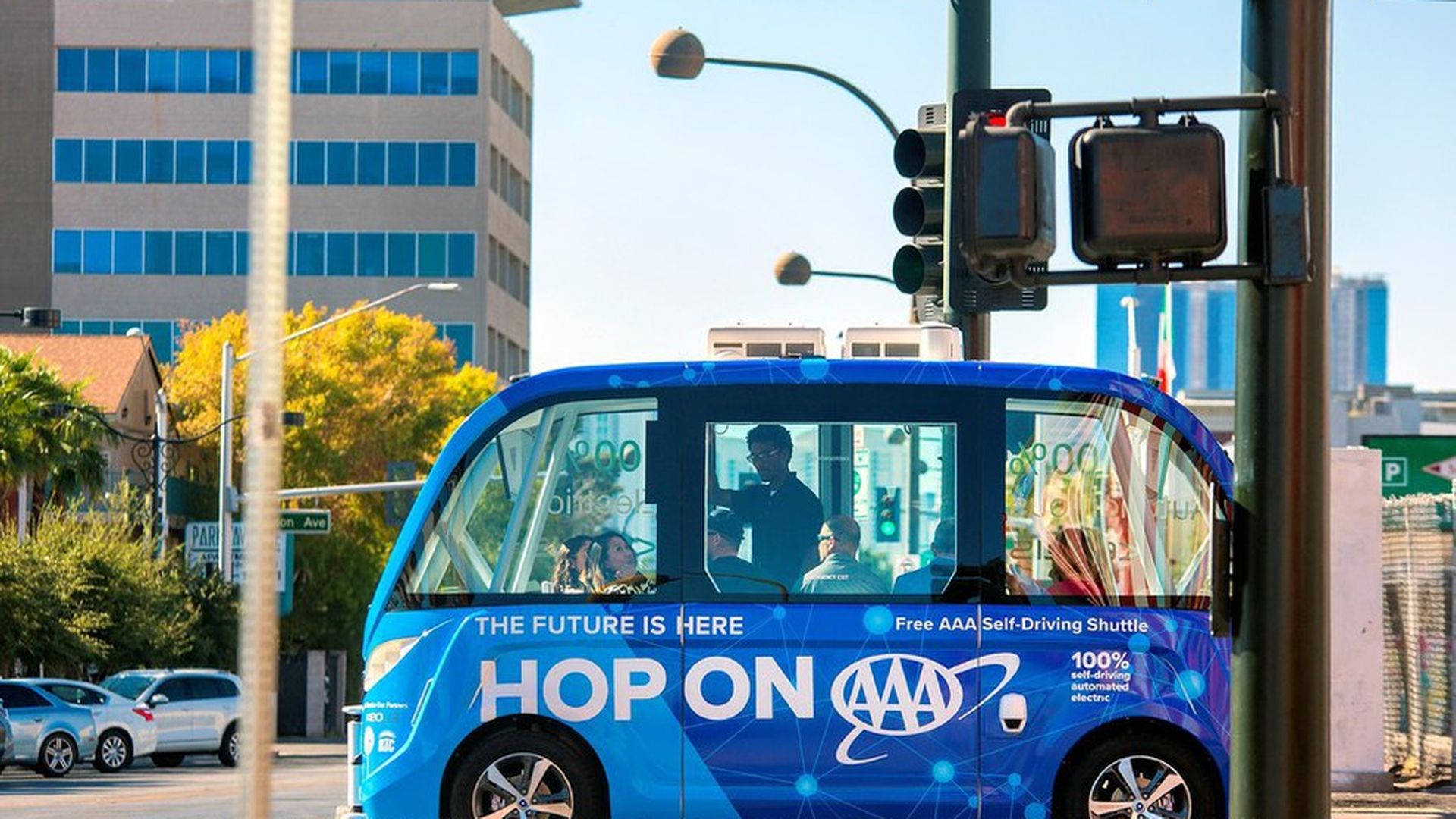
On Wednesday, AAA and transportation company Keolis debuted a 12-month test in Las Vegas for a self-driving shuttle designed by French startup Navya—but the vehicle's first day was cut short when it was hit by a semi-truck. The truck's driver was determined to be at fault, according to the city of Las Vegas, and was cited by local police.
Common thread: This incident is the latest to show that humans tend to make more driving errors than self-driving software. In a recent review of accident data from the California DMV, Axios found a similar pattern. Police said the shuttle "did what it was supposed to do" to avoid a crash and "had the truck had the same sensing equipment... the accident would have been avoided."