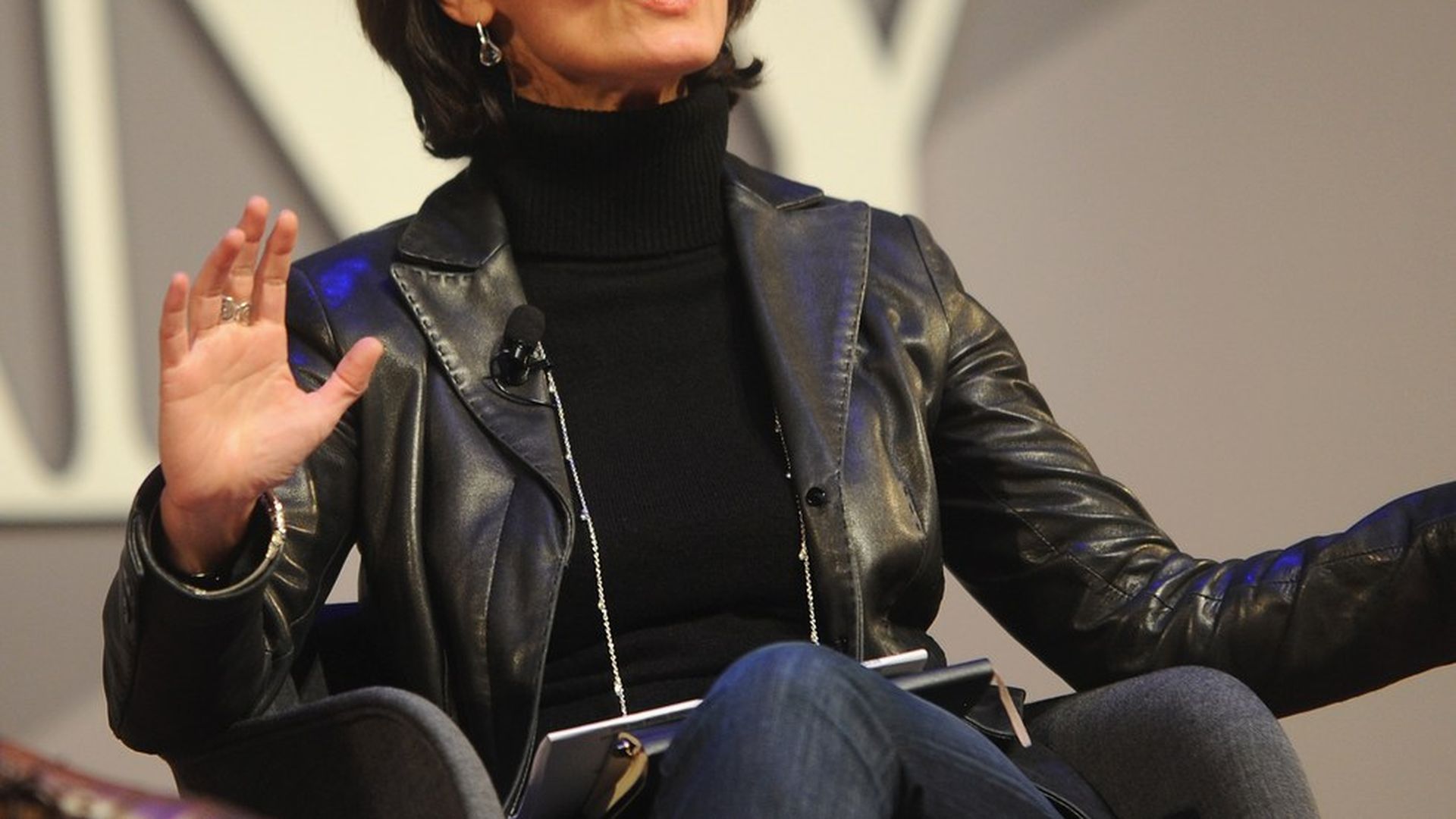
The head of Facebook's skunkworks division Building 8 will leave the company. Regina Dugan said in a statement given to Recode that there's "is a tidal shift going on in Silicon Valley, and those of us in this industry have greater responsibilities than ever before" and that the "time feels right" to be "thoughtful about new ways to contribute in times of disruption." She said in a different post that she will be in charge of a "new endeavour."
Why it matters: Dugan arrived at Facebook last year to lead a division tasked with projects like building a way to type with your mind. Her departure comes as the company faces enormous pressure over its role in an increasingly unequal and divided society.
Magic Leap, the secretive "mixed reality" startup, announced on Tuesday that it has raised $502 million in new venture capital funding led by Singapore sovereign wealth fund Temasek. This is the same round that Axios discussed last week, based on a Delaware regulatory filing (which authorized up to $1 billion in new shares at an increased valuation). The post-money valuation appears to be around $5 billion.
Bottom line: Investors clearly keep seeing something they like in Magic Leap, but consumers are still waiting for the Florida-based company's first product to debut.
Cruise, General Motors' self-driving car unit, says it plans to test a fleet of autonomous Bolt vehicles in a section of Manhattan in early 2018. The company will be the first to test fully autonomous cars in the state. Cruise has already been testing its vehicles in its hometown, San Francisco, as well as in Arizona and Michigan.
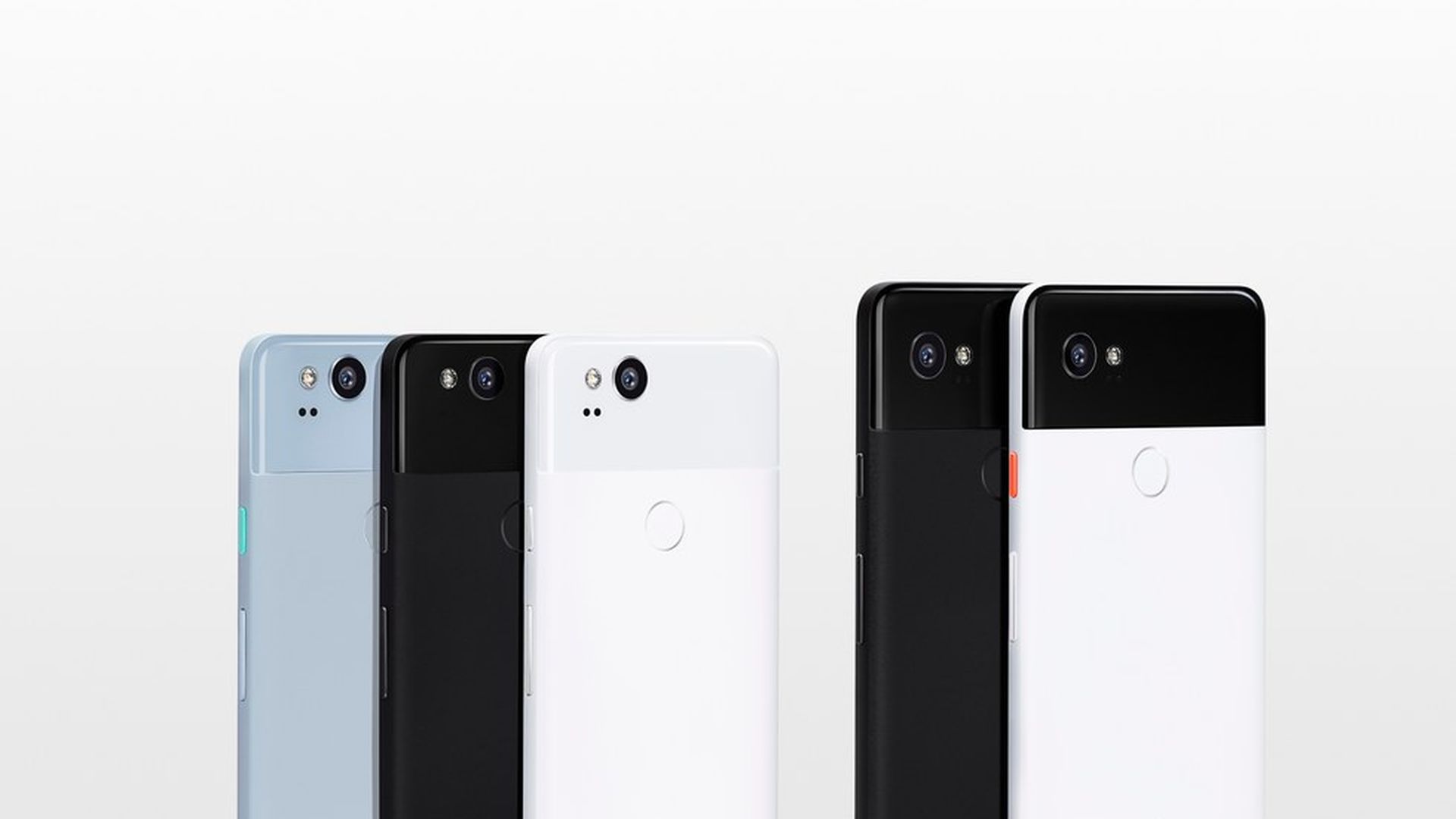
From the leaked images and rumored specifications, I fully expected Google's Pixel 2 to underwhelm. To be sure, it doesn't have the sexy curves or edge-to-edge screen of the Samsung Galaxy S8, LG V30 or Apple's iPhone X.
But in using the phone, I found it to be one of the most comfortable, powerful and no-hassle Android phones I've used.
Our Take: Google's second Pixel improves on the strengths of the first model by replacing a great camera with an even better one, making the device waterproof and adding several improvements on the software side. It offers a comfortable, if not dazzling design at a price that won't break the bank.
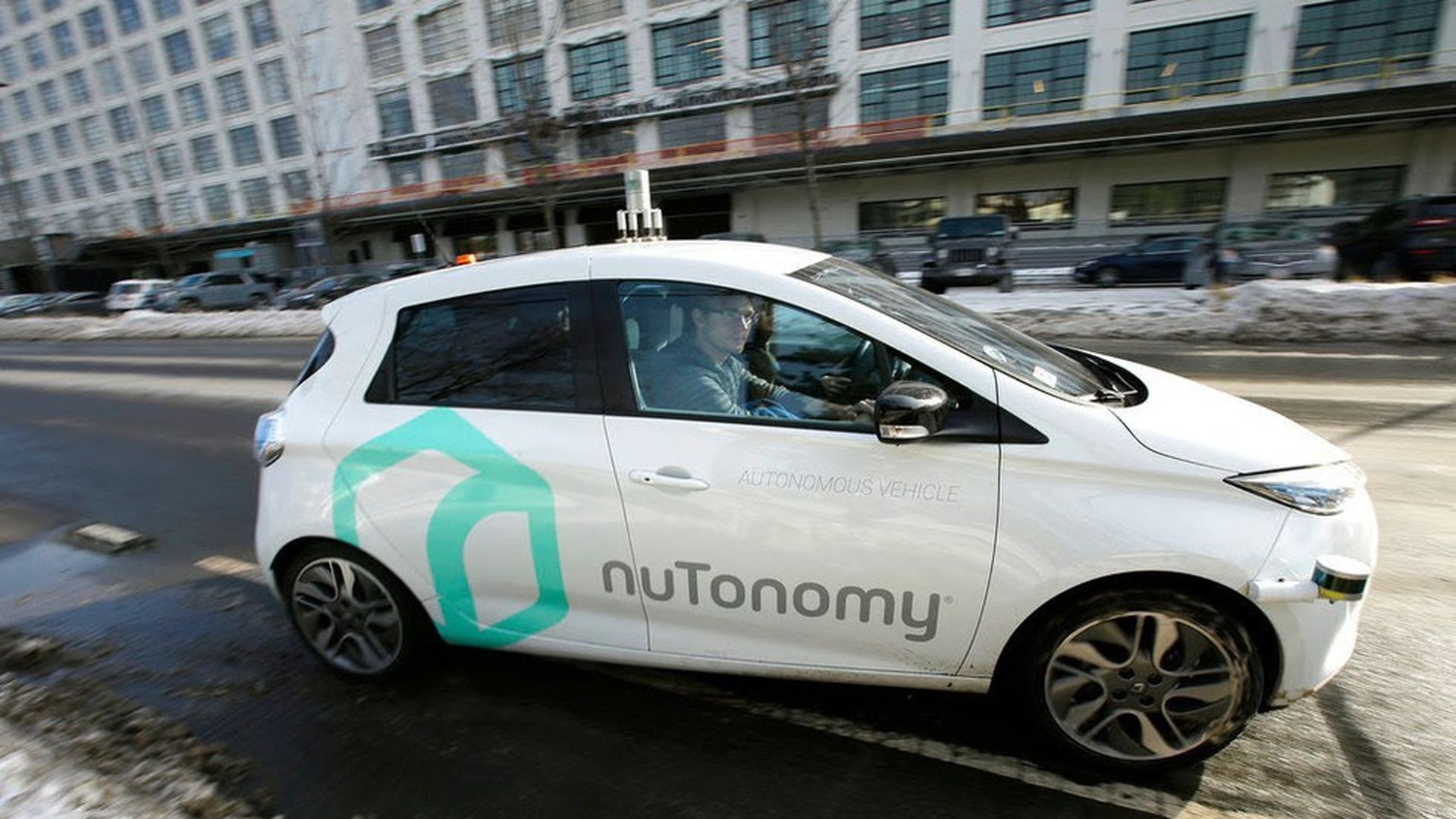
Self-driving cars could ease traffic but increase urban sprawl because commutes are less painful, AP reports. Computer simulations, released today by the Boston Consulting Group and the World Economic Forum, find the technology "would likely add vehicles to roads while simultaneously reducing traffic time."
But the view that autonomous vehicles will create "super-commutes" and "a new class of exurbs" is disputed, in part because younger generations prefer walkability and urban accessibility, and therefore might not choose to endure longer commutes.
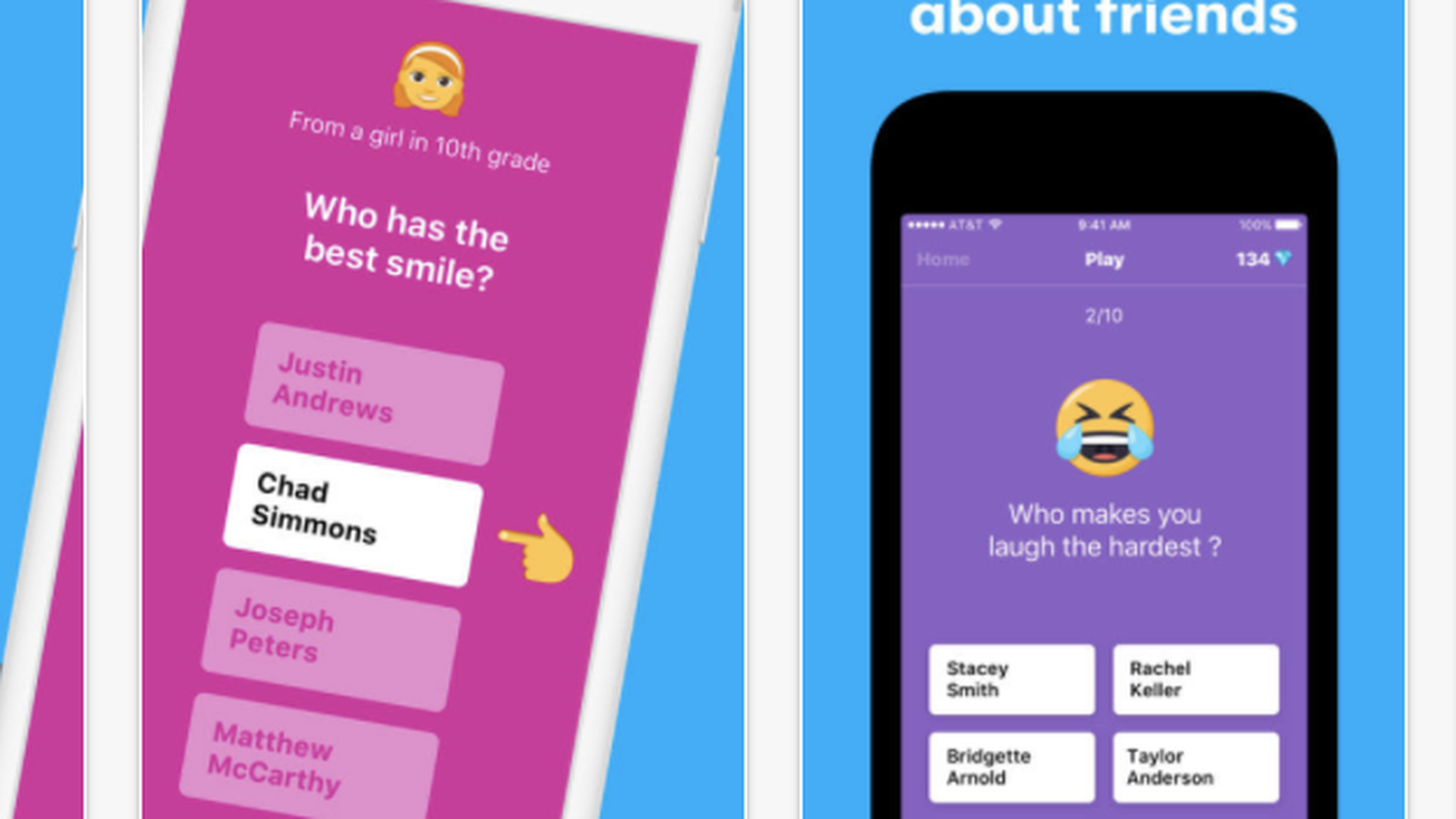
Facebook has acquired tbh, a mobile app for making polls and sending compliments to other users, according to the app maker's website. The app will continue to operate independently, though the team will move to Facebook's headquarters in Menlo Park.
Why it matters: Given the app's quick rise in popularity among teens, it's not surprising that Facebook quickly wrote a check to the startup and snapped up its app. Facebook's obsession with capturing the eyeballs of teens and young adults has been well documented (a few years ago, it offered to buy Snapchat for $3 billion).
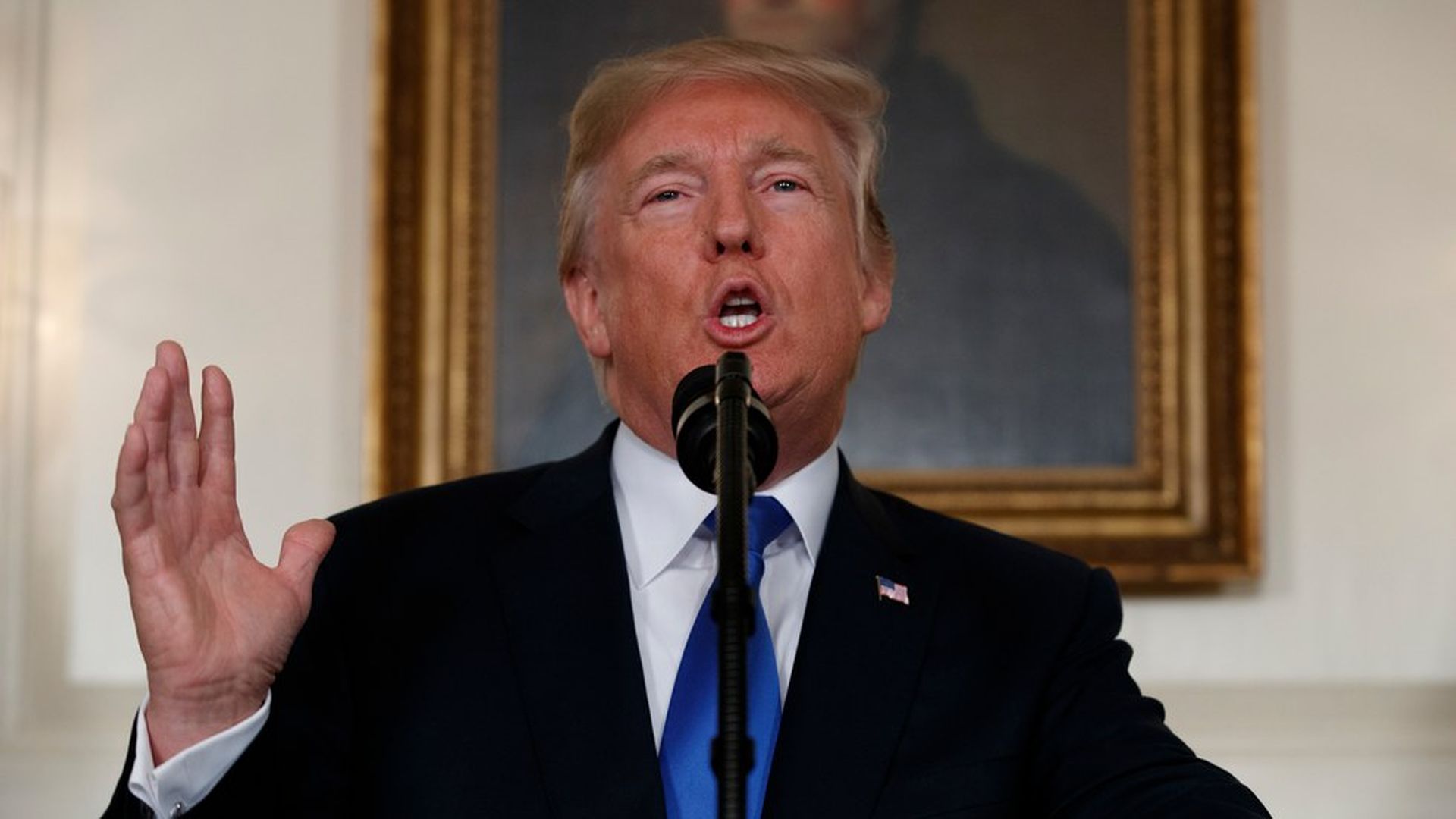
President Trump had a busy morning on Twitter, blasting everyone from the Democrats and their position on his tax reform plans, to Chuck Schumer's changing attitudes on the Iran deal.
Nod to 2020: Trump, who filed the paperwork for his re-election campaign on the day of his inauguration, also took aim at "Crooked" Hillary Clinton, tweeting that he hopes she'll run against him again.
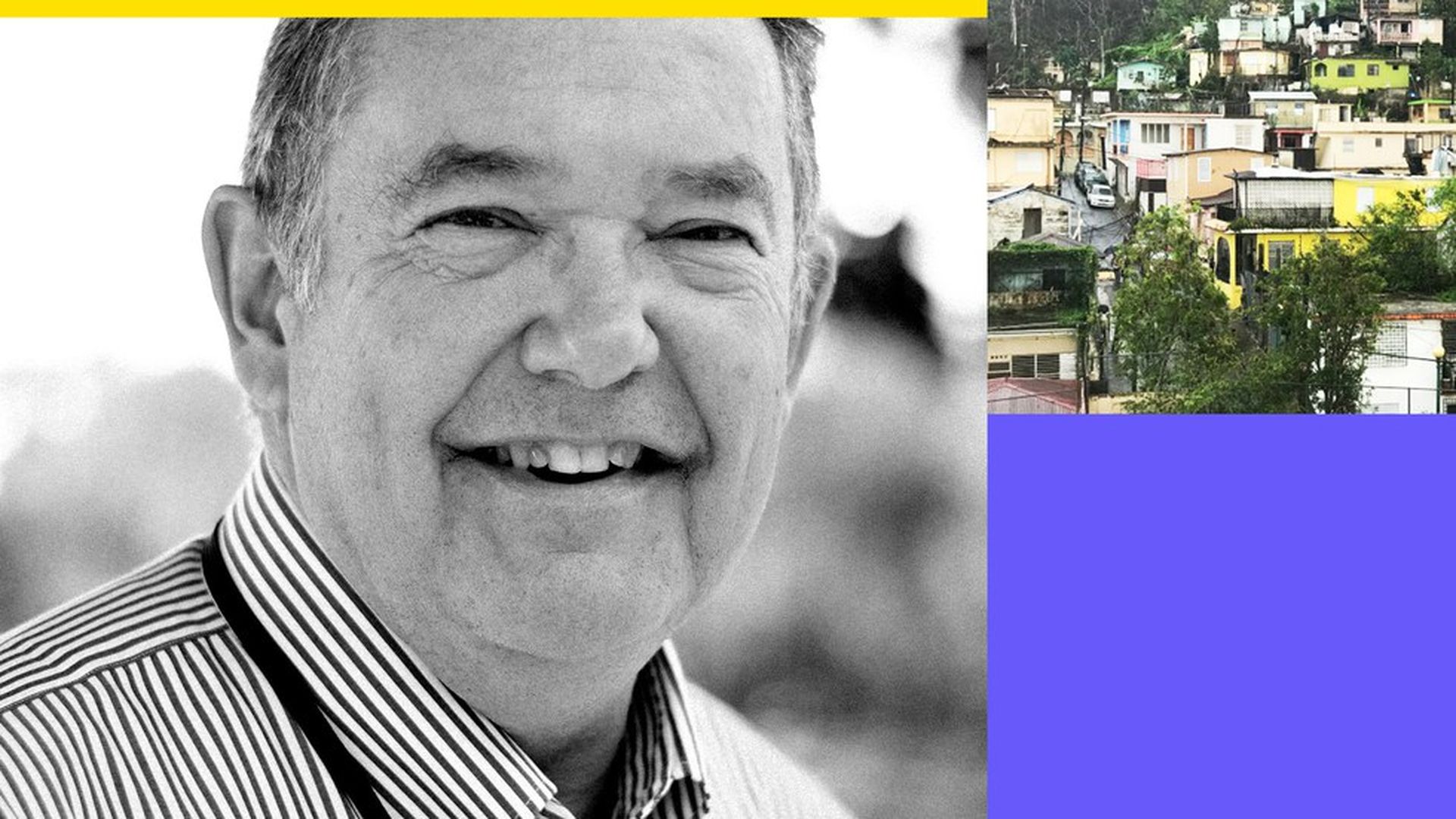
Few people have heard of NetHope, but lots of people have benefited from its work. The group acts as the tech arm for a consortium of 53 major global charities, working with tech giants to restore communications in the wake of natural disasters. These days, of course, NetHope is focused on Puerto Rico and other places devastated by recent hurricanes.
"You can't really get food, water, shelter where it needs to go if you can't communicate, certainly not at scale," NetHope global programs head Frank Schott told Axios. The group has dozens of people on the ground, including volunteers from some of the biggest companies in tech.
The bottom line: The extensive devastation of the electric grid is making things especially challenging, though the U.S. government and big companies are pitching in on efforts to restore cell service and internet connectivity.
U.S. investigators are probing whether Russia relied on clandestine American help to identify political soft spots and pressure points in its campaign to disrupt the 2016 election. But experts say that, even without local assistance, Russia's own history of exploiting animosities and jealousies across its empire gave it unusual know-how to stir up existing American tensions.
Be smart: Russia's divide-and-rule advantages do not mean it had no local help. But they may better explain how, given the raw data and tools, it managed to so skillfully execute its efforts on social media and elsewhere.