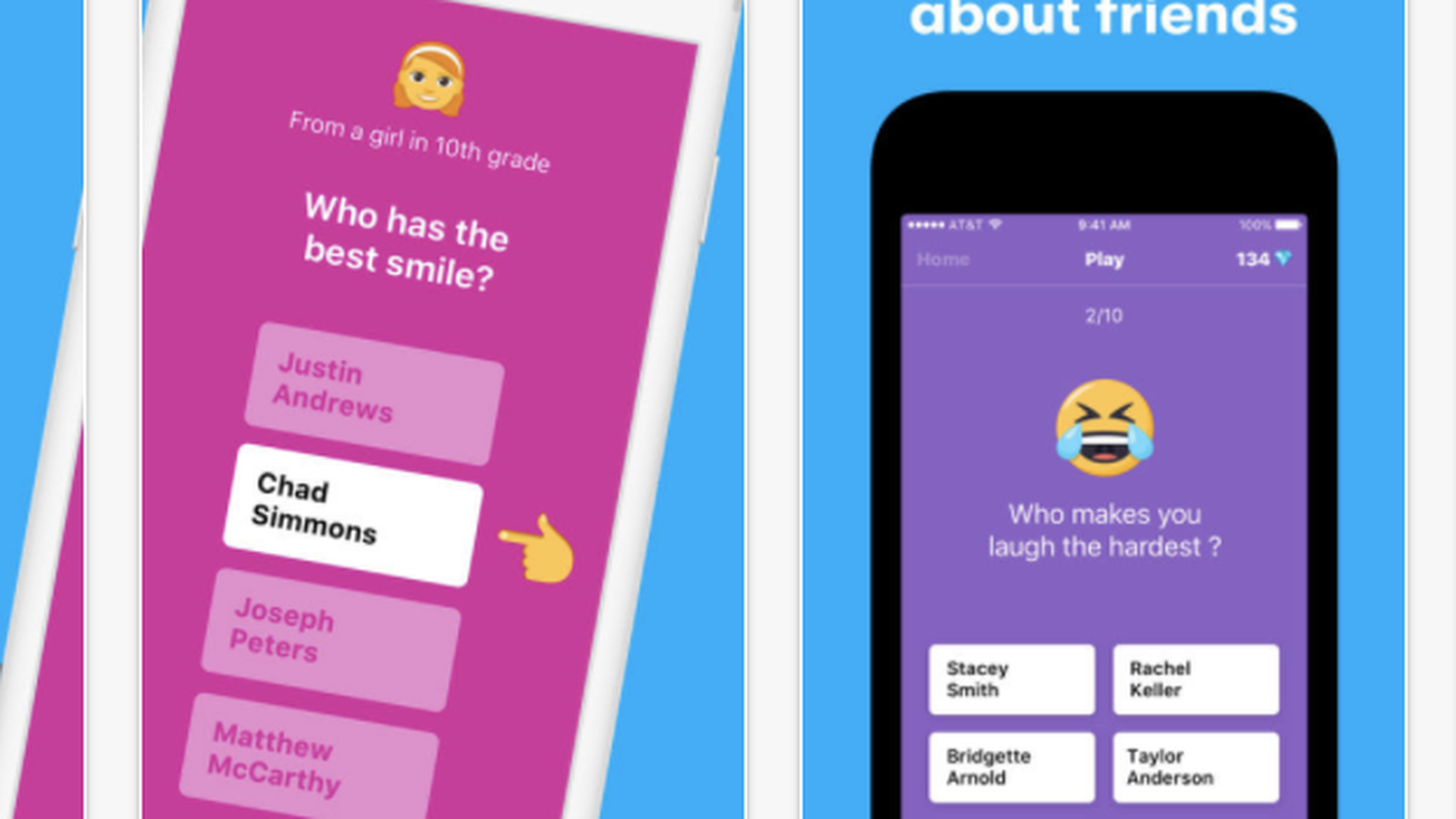
Facebook has acquired tbh, a mobile app for making polls and sending compliments to other users, according to the app maker's website. The app will continue to operate independently, though the team will move to Facebook's headquarters in Menlo Park.
Why it matters: Given the app's quick rise in popularity among teens, it's not surprising that Facebook quickly wrote a check to the startup and snapped up its app. Facebook's obsession with capturing the eyeballs of teens and young adults has been well documented (a few years ago, it offered to buy Snapchat for $3 billion).
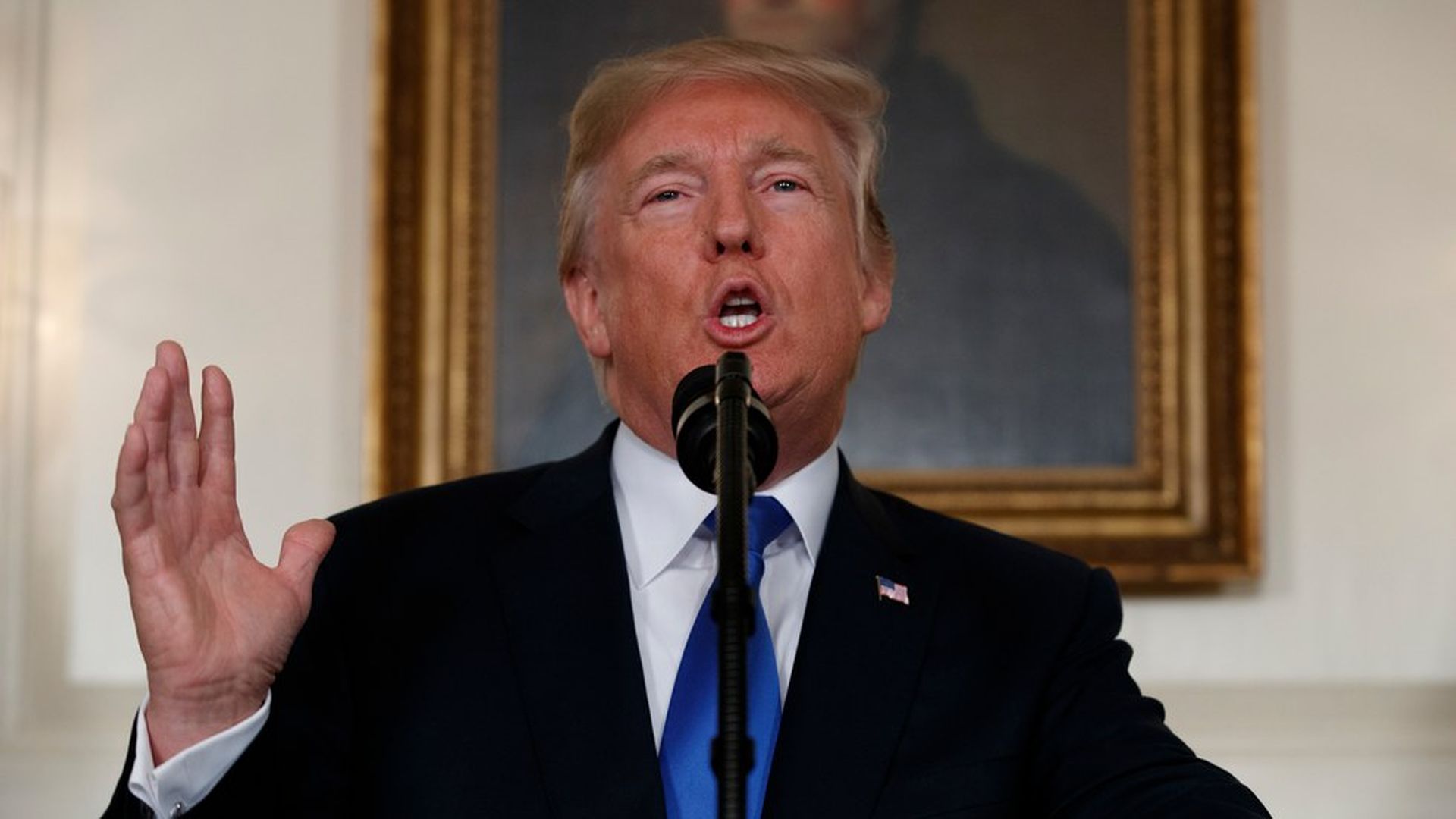
President Trump had a busy morning on Twitter, blasting everyone from the Democrats and their position on his tax reform plans, to Chuck Schumer's changing attitudes on the Iran deal.
Nod to 2020: Trump, who filed the paperwork for his re-election campaign on the day of his inauguration, also took aim at "Crooked" Hillary Clinton, tweeting that he hopes she'll run against him again.
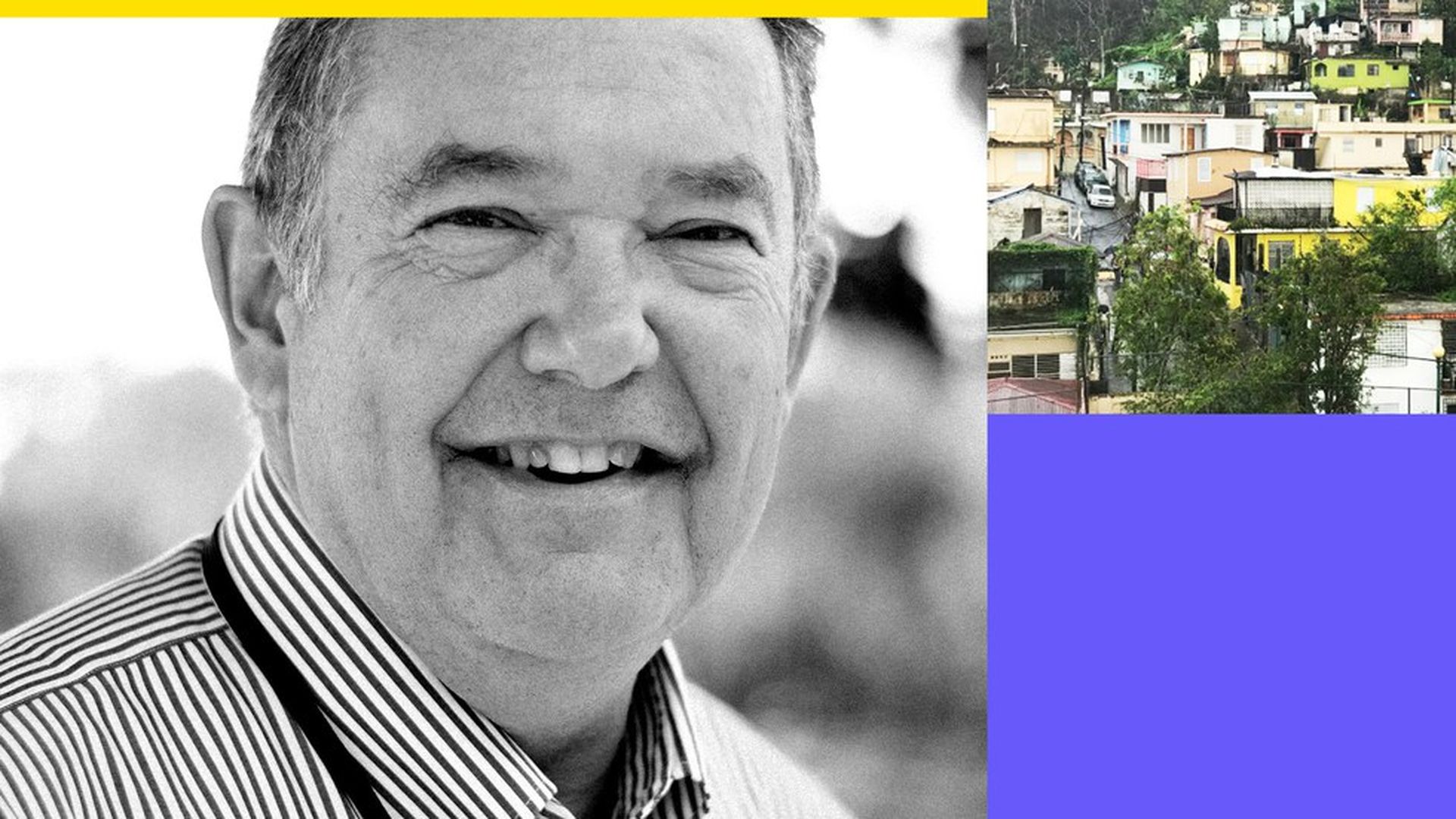
Few people have heard of NetHope, but lots of people have benefited from its work. The group acts as the tech arm for a consortium of 53 major global charities, working with tech giants to restore communications in the wake of natural disasters. These days, of course, NetHope is focused on Puerto Rico and other places devastated by recent hurricanes.
"You can't really get food, water, shelter where it needs to go if you can't communicate, certainly not at scale," NetHope global programs head Frank Schott told Axios. The group has dozens of people on the ground, including volunteers from some of the biggest companies in tech.
The bottom line: The extensive devastation of the electric grid is making things especially challenging, though the U.S. government and big companies are pitching in on efforts to restore cell service and internet connectivity.
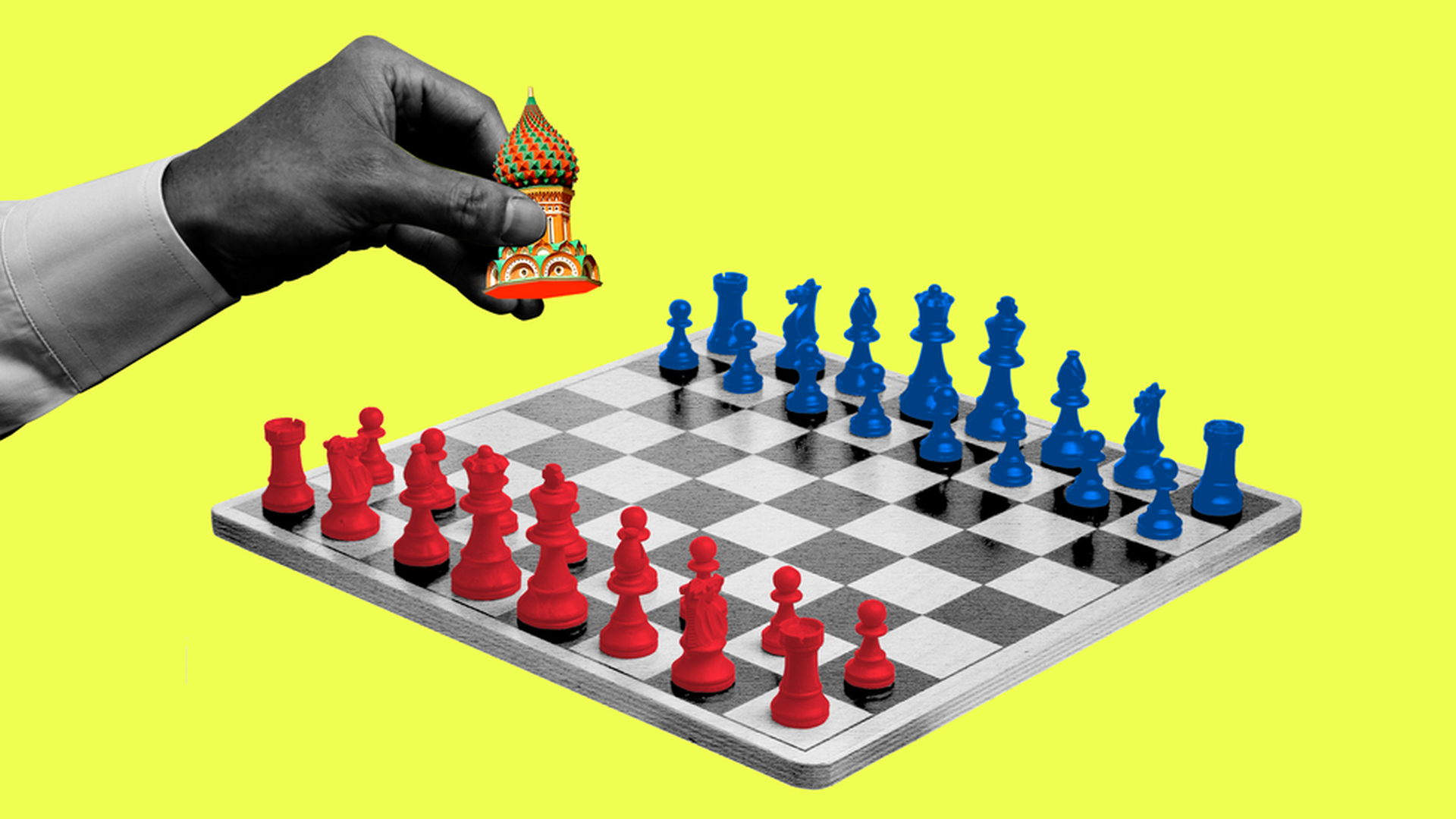
U.S. investigators are probing whether Russia relied on clandestine American help to identify political soft spots and pressure points in its campaign to disrupt the 2016 election. But experts say that, even without local assistance, Russia's own history of exploiting animosities and jealousies across its empire gave it unusual know-how to stir up existing American tensions.
Be smart: Russia's divide-and-rule advantages do not mean it had no local help. But they may better explain how, given the raw data and tools, it managed to so skillfully execute its efforts on social media and elsewhere.