Opening arguments kicked off in a landmark child safety and privacy case against Meta over allegations that Facebook and Instagram were designed in ways that harm children.
Why it matters: It's been called social media's "big tobacco moment," with plaintiffs seeking hundreds of billions of dollars in financial penalties — and changes to the design features at the core of Meta's products.
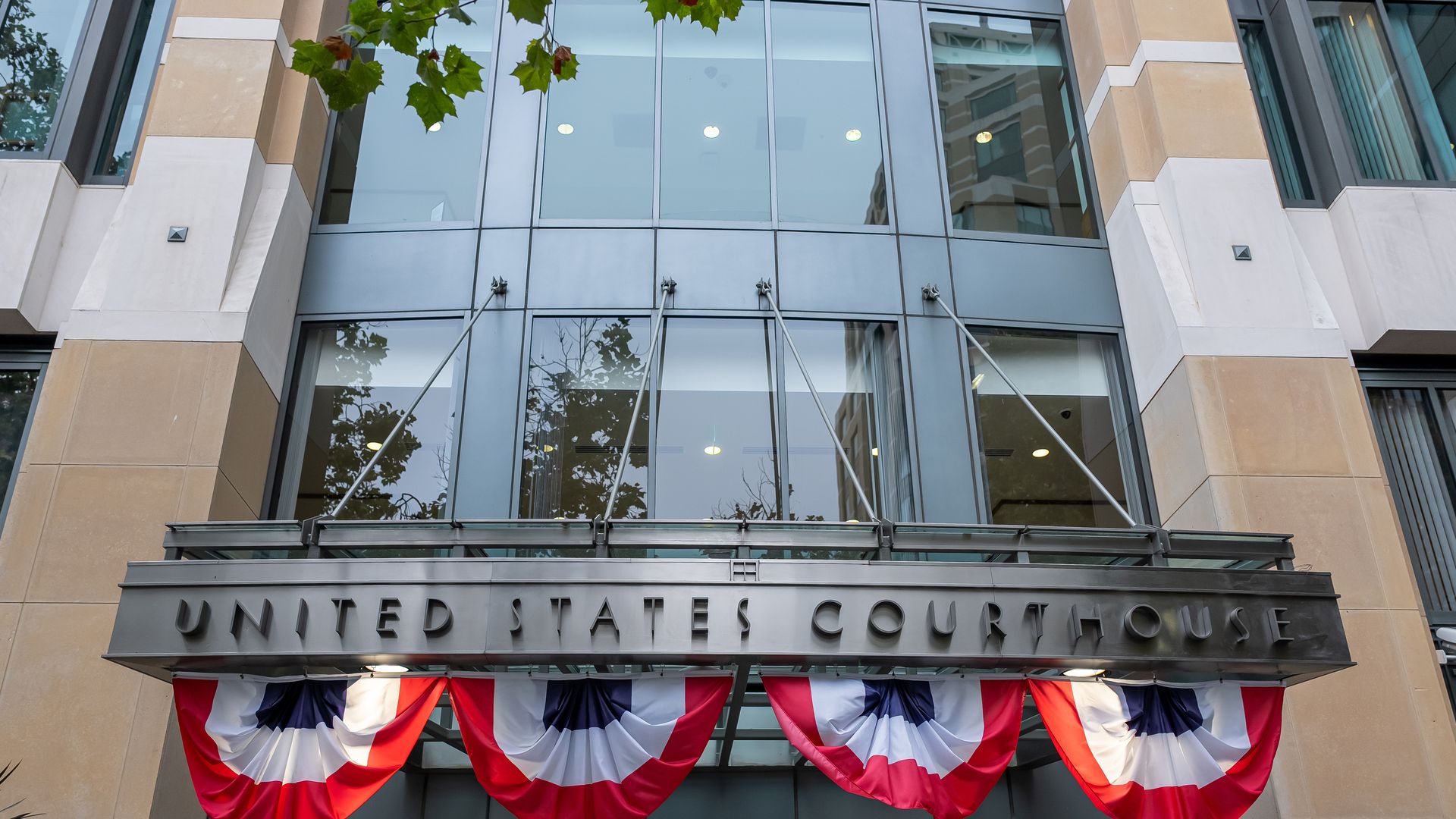
Media-related lawsuits involving President Trump along with a broader set of Trump-related defamation cases have surged over the past two years compared with the decade prior, according to an Axios analysis.
Why it matters: Trump's efforts to target government-funded broadcasters and broadcasters regulated by the Federal Communications Commission have prompted many of those cases.
The Trump administration has moved to end Temporary Protected Status for an estimated million-plus people —with expiration dates looming for thousands of others.
The big picture: Tens of thousandswho have lost their status or are bracing to lose it have lived in the country legally for upward of a decade, meaning communities could lose longtime members and employers could lose skilled workers.
ABC on Tuesday filed a lawsuit against the Federal Communications Commission, arguing the agency has violated its First Amendment rights by retaliating against the broadcaster for its editorial decisions.
Why it matters: It's a major escalation of ABC's fight with the FCC, which it argues is motivated by broader efforts to silence a free and independent press.
A majority of U.S. adults under 30 are now more concerned than excited about AI's growing use in daily life, according to a Pew Research Center report published Tuesday.
Why it matters:AI excitement has dropped off across all age groups since 2021, as concerns about the technology's impact on job availability and society have grown.
Governments around the world are entering a new era of higher borrowing costs already deeply indebted. More revenue will go toward interest payments as old debt gets refinanced at today's higher rates.
America is already watching that dynamic play out: Annualized interest costs have reached $1.2 trillion, exceeding defense spending.
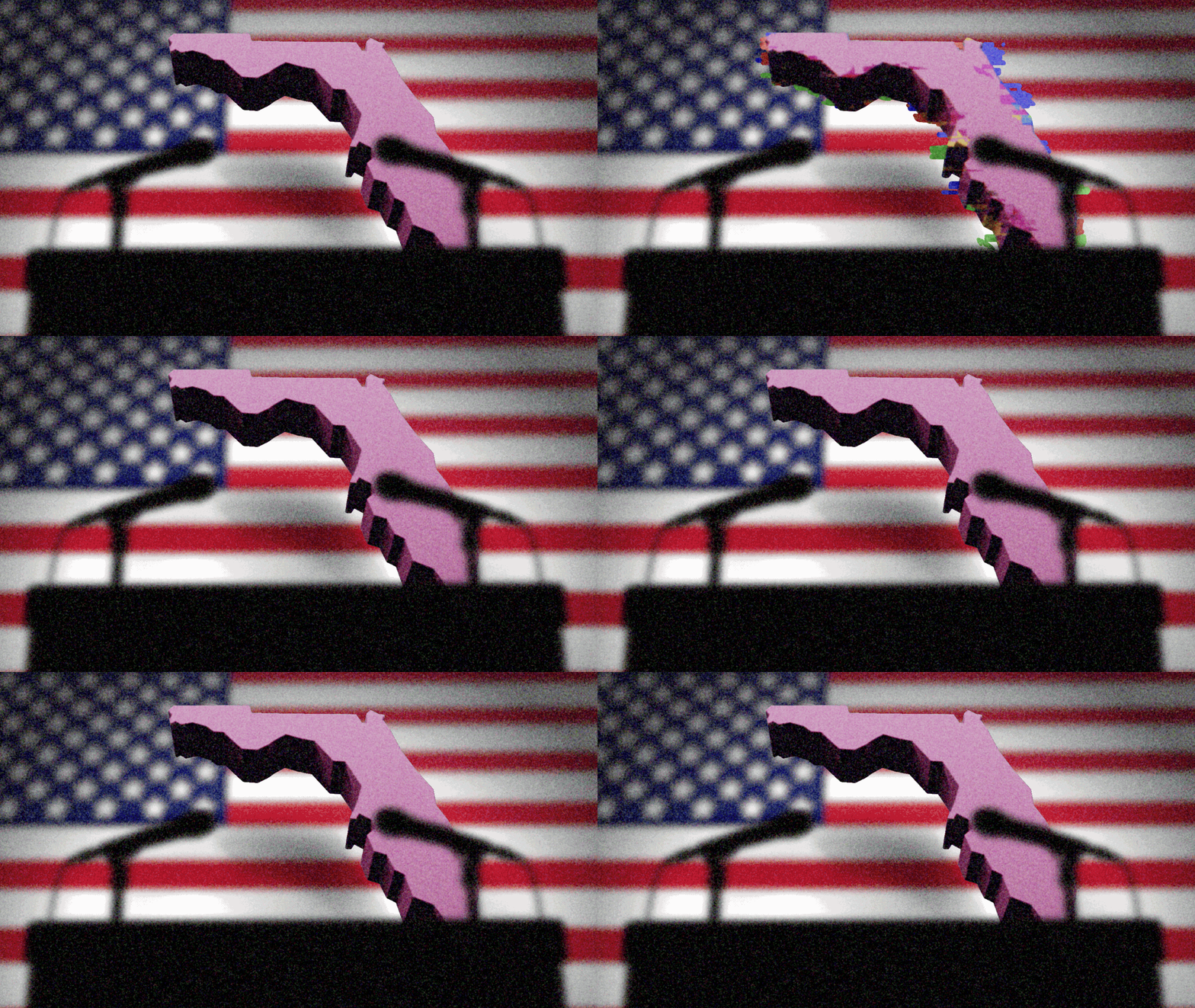
Tuesday is the Florida Man primary. "It's really weird," one political pro said.
Why it matters: Florida, MAGA's beating heart, is President Trump's home and was a top, successful target of his redistricting push to add more GOP-leaning congressional seats.
The U.S. violent crime rate plunged 9.7% last year — the largest annual drop since the FBI's national estimates began in 1936 — according to the bureau's data released Friday and reviewed by Axios.
Why it matters: The FBI's 2025 report indicated that the post-pandemic declines in violent crime accelerated sharply last year in communities of all sizes across the U.S. (That drop appeared to continue during the first half of this year, a separate Axios analysis of big cities' violent crime data found last week.)
Among the declines cited by the FBI:
Murder and nonnegligent manslaughter dropped 18.1%.
Robbery fell 18.5%, rape 7.6% and aggravated assault 7.2%.
Meanwhile, the U.S. murder rate decreased 18.5% to 4.1 per 100,000 residents, tying 1955 and 1956 for the lowest rate since FBI national estimates began.
Property crime declined 12.4%, led by drops in motor vehicle theft (22.7%), burglary (15.8%) and larceny-theft (9.8%).
Zoom in: The decline in crime was unusually broad, touching every population group in the FBI's violent-crime data — from the largest cities to small cities, suburbs and rural counties, an Axios analysis found.
Cities with 500,000 to 999,999 people had the biggest decrease, 15.3%, including drops of 27.4% in murder, 22.8% in robbery and 12.6% in aggravated assault.
The report is the FBI's final one for 2025 crime, but the national figures remain statistical estimates. The FBI estimates missing data to produce nationally representative figures.
17,075 law enforcement agencies submitted 2025 data, covering more than 96% of the U.S. population. Every city agency serving at least 1 million residents submitted a full 12 months.
Between the lines: The breadth and timing of the overall decline in crime decline make it difficult to credit any single president, policing strategy or local policy.
The decline in homicides began in 2022 under President Biden, continued through 2025 and has extended into the second year of President Trump's second term.
Trump came into office casting America as being overrun by crime at time when the numbers already were falling dramatically.
As that decline has continued Trump has taken credit for it, often linking it to his administration's National Guard and federal interventions in cities such as Washington, D.C., and Memphis, to declines in violent crime.
The 2026 midterms are becoming a watershed election for primary meddling, mysterious super PACs, alleged straw candidates and all other manner of political shenanigans.
Why it matters: With the number of battleground House districts diminished by redistricting and the fight for the Senate extremely tight, each one of these schemes could have an outsized impact on control of Congress.