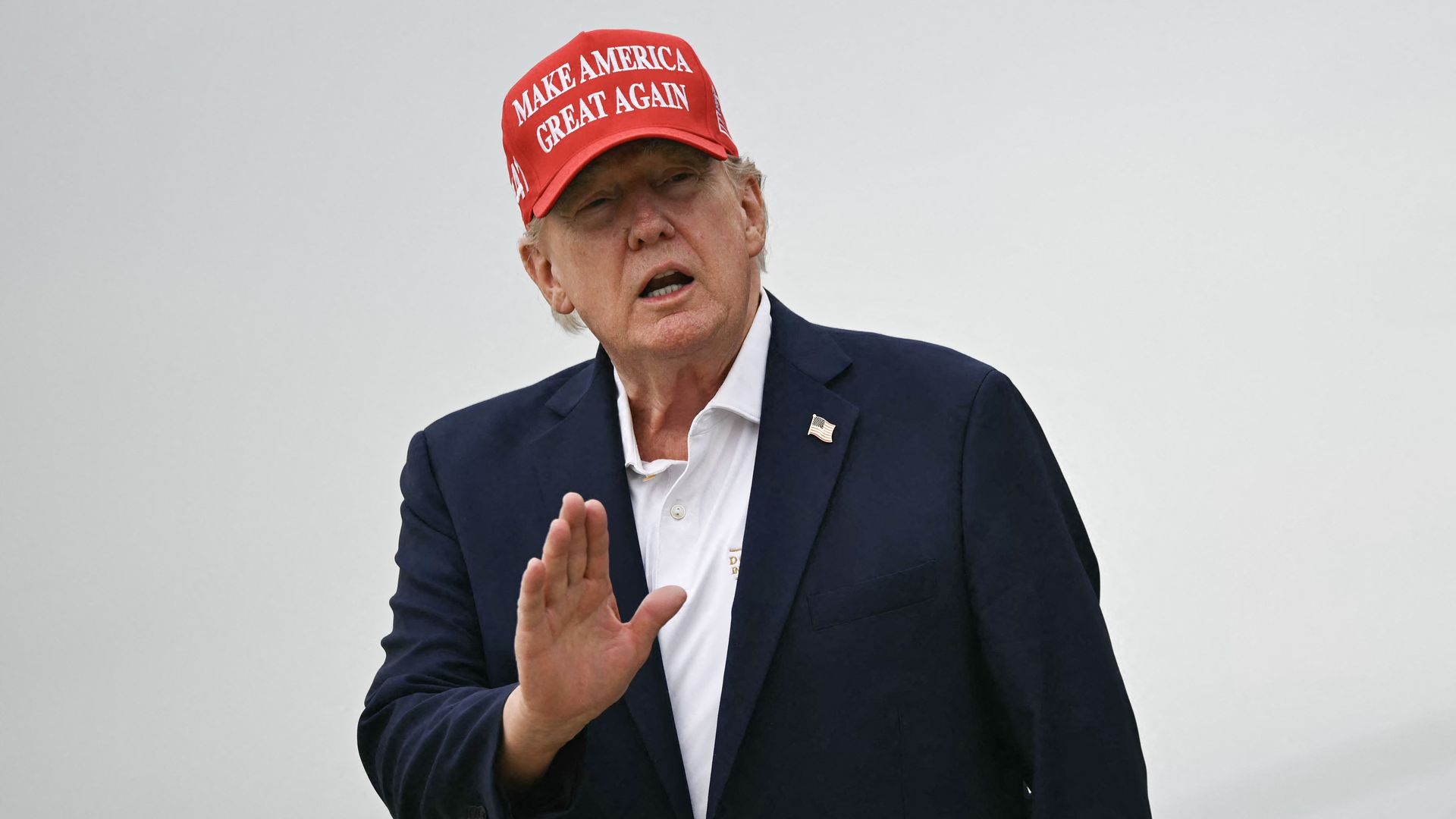
President Trump said Sunday he instructed Defense Secretary Pete Hegseth to "substantially reduce" U.S. military exercises with South Korea.
The big picture: Trump cited his "very good relationship" with North Korean leader Kim Jong-un for condemning the drills — and also noted on Truth Social that South Korea declined his request to help the U.S. denuclearize Iran.
New York Rep. Alexandria Ocasio-Cortez is laughing off "Woke 1." But she's carrying baggage from the 2020 era of cultural progressivism that some Democrats say is an obstacle to a future presidential run.
Why it matters: AOC's pivot to the cultural center — which she began to roll out last week in a high-profile ABC interview by saying, "Woke 1 was crazy" — is potential damage control for her past remarks about law enforcement, immigration and a range of social issues.
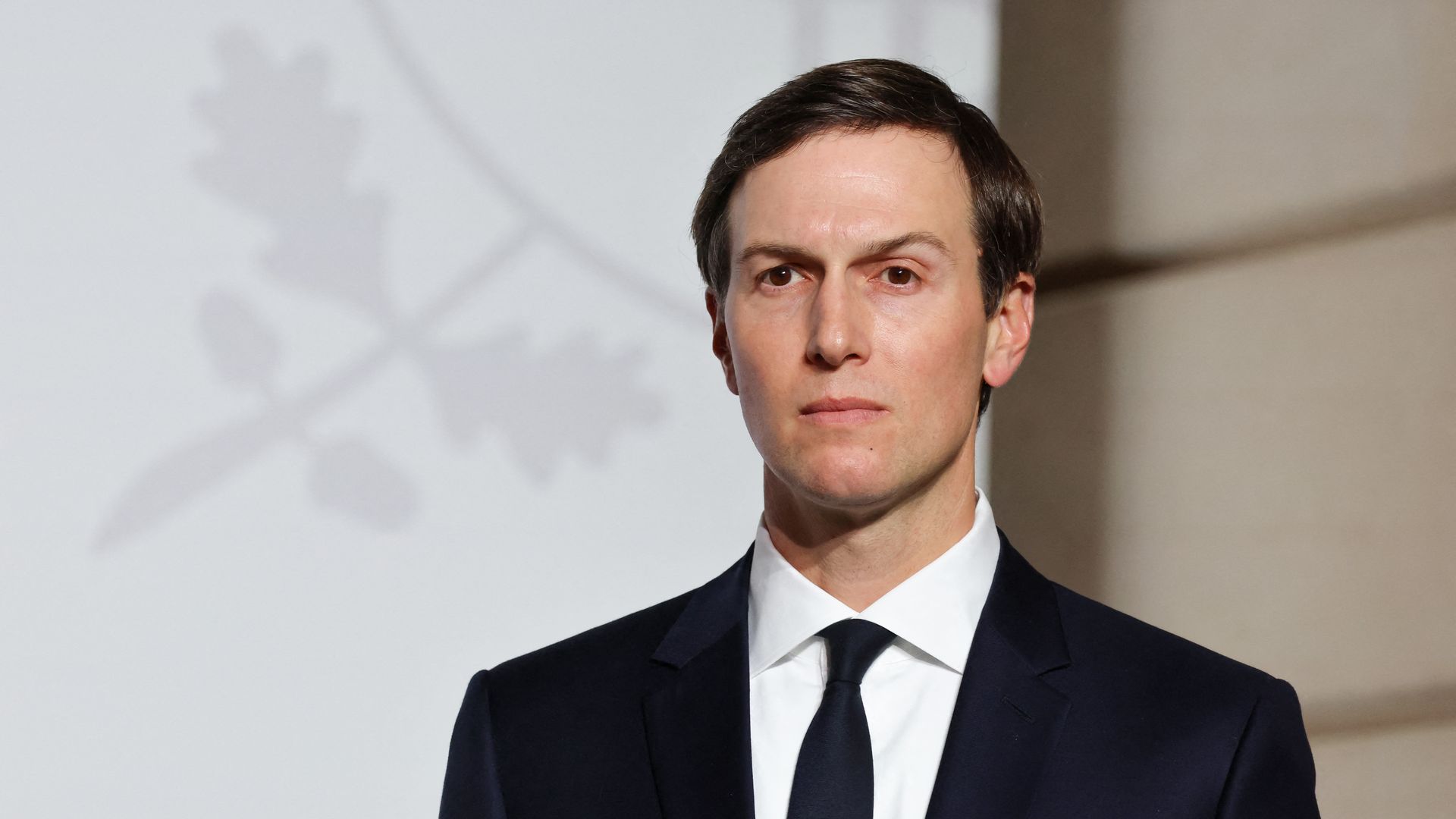
Hamas leaders reaffirmed their commitment to disarm and demilitarize Gaza in a meeting with President Trump's adviser Jared Kushner in Egypt on Sunday, according to a source with direct knowledge.
Why it matters: Kushner used the rare direct meeting to press Hamas for tangible steps on disarmament, warning that Israel doesn't trust the group to follow through.
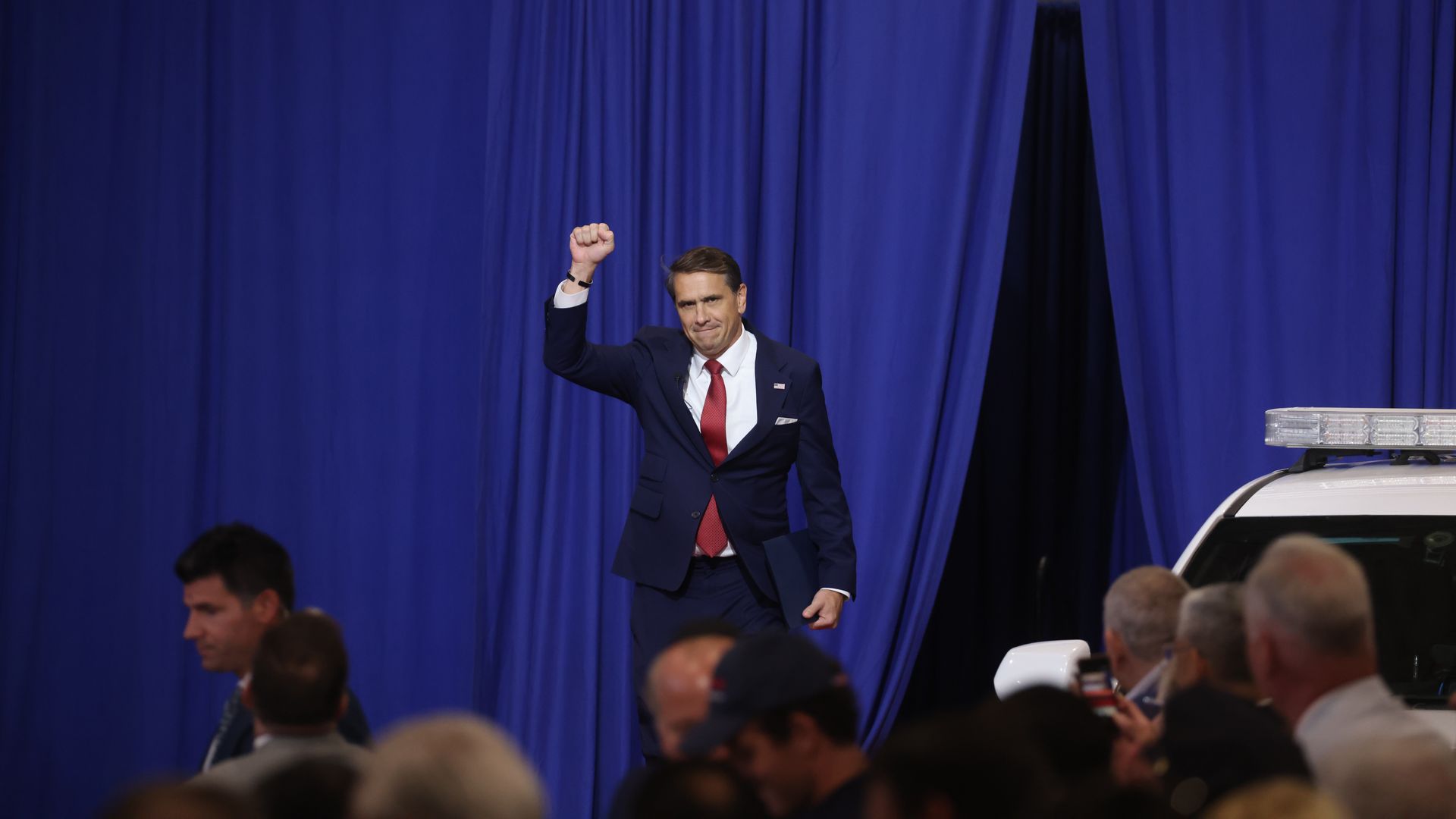
Attorney General Todd Blanche refused Sunday to pledge the Justice Department's independence from the White House, saying he would consider President Trump's views on individual prosecutions.
My wife, Autumn, has spent nearly a quarter of the past four years in ERs and hospitals, untangling and battling three chronic conditions — and a shamefully broken U.S. medical system.
We live in Washington, D.C., with top-rated hospitals in our backyard. Yet her experience has been eye-opening and often horrifying, especially for a nation that spends twice as much on medical care as our rivals.
What it's like: ERs so hauntingly jammed she's often stacked like cargo in hallways, on a stretcher, waiting double-digit hours for care.
In mid-May, U.S. negotiators trying to reach a deal with Iran to end the war ran into a problem: They couldn't tell if the people across the table actually spoke for the country's powerful Islamic Revolutionary Guard Corps (IRGC).
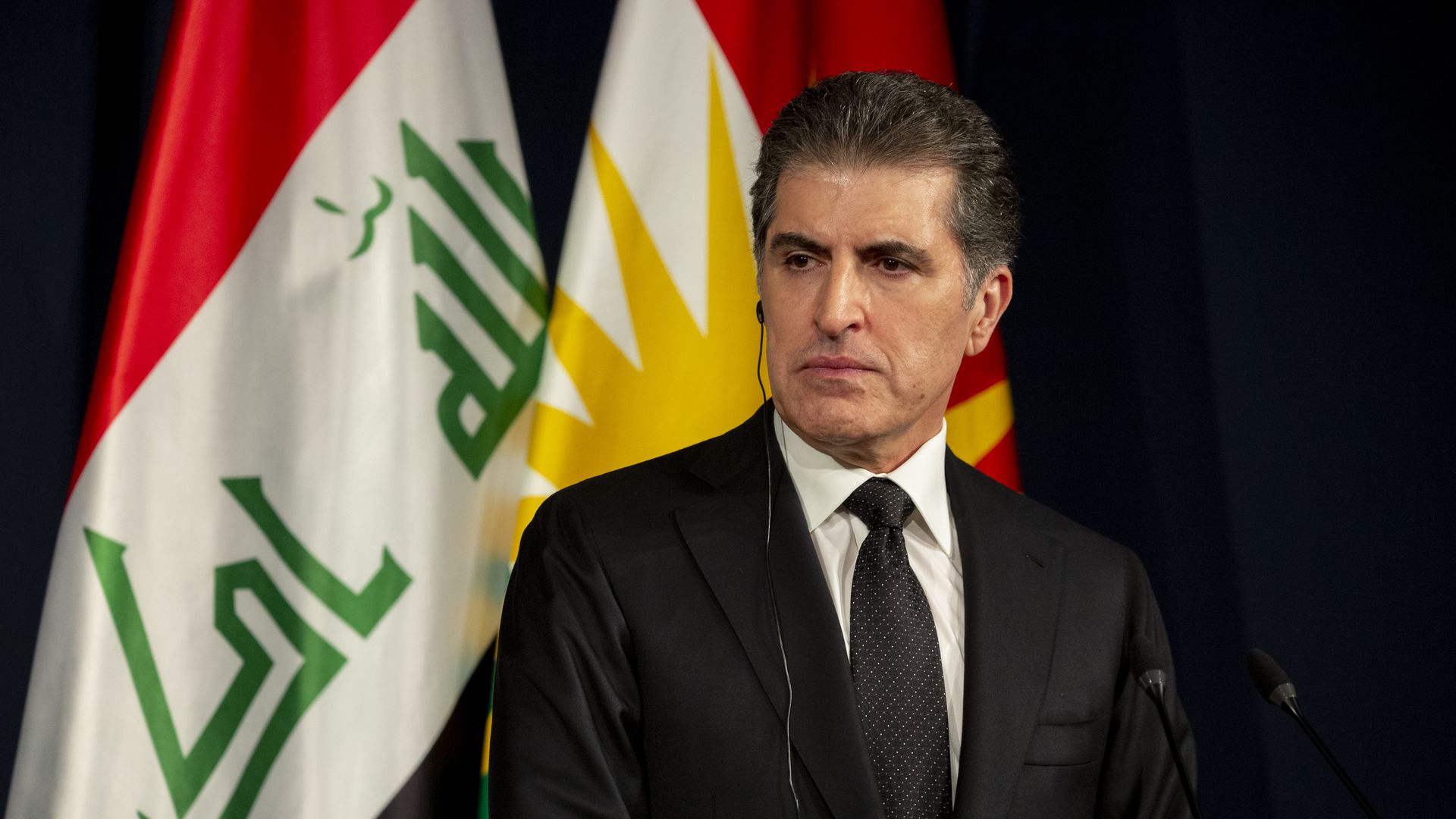
So Trump administration officials did something unconventional — they went around Iran's negotiators and reached out directly to IRGC leadership. The person they tapped for the backchannel was Nechirvan Barzani, the president of the Kurdistan region in Iraq, who had something very few others do: the trust of both U.S. and IRGC leaders.
Why it matters: The episode, which was detailed by three sources with direct knowledge and has not been previously reported, shows how tricky it's been for the U.S. to negotiate with a country where Washington isn't sure who exactly is in charge. The U.S. and Iran did reach a memorandum of understanding, but it quickly collapsed.
America is losing its grip on one of its quietest superpowers: its ability to attract the world's most ambitious students.
Why it matters: As international enrollment drops, colleges face a financial hit. Foreign students typically pay full tuition, acting as a crucial revenue stream that subsidizes campus operations and eases the cost burden for American taxpayers.