Political dirty tricks upend midterm races across the country


Add Axios as your preferred source to
see more of our stories on Google.
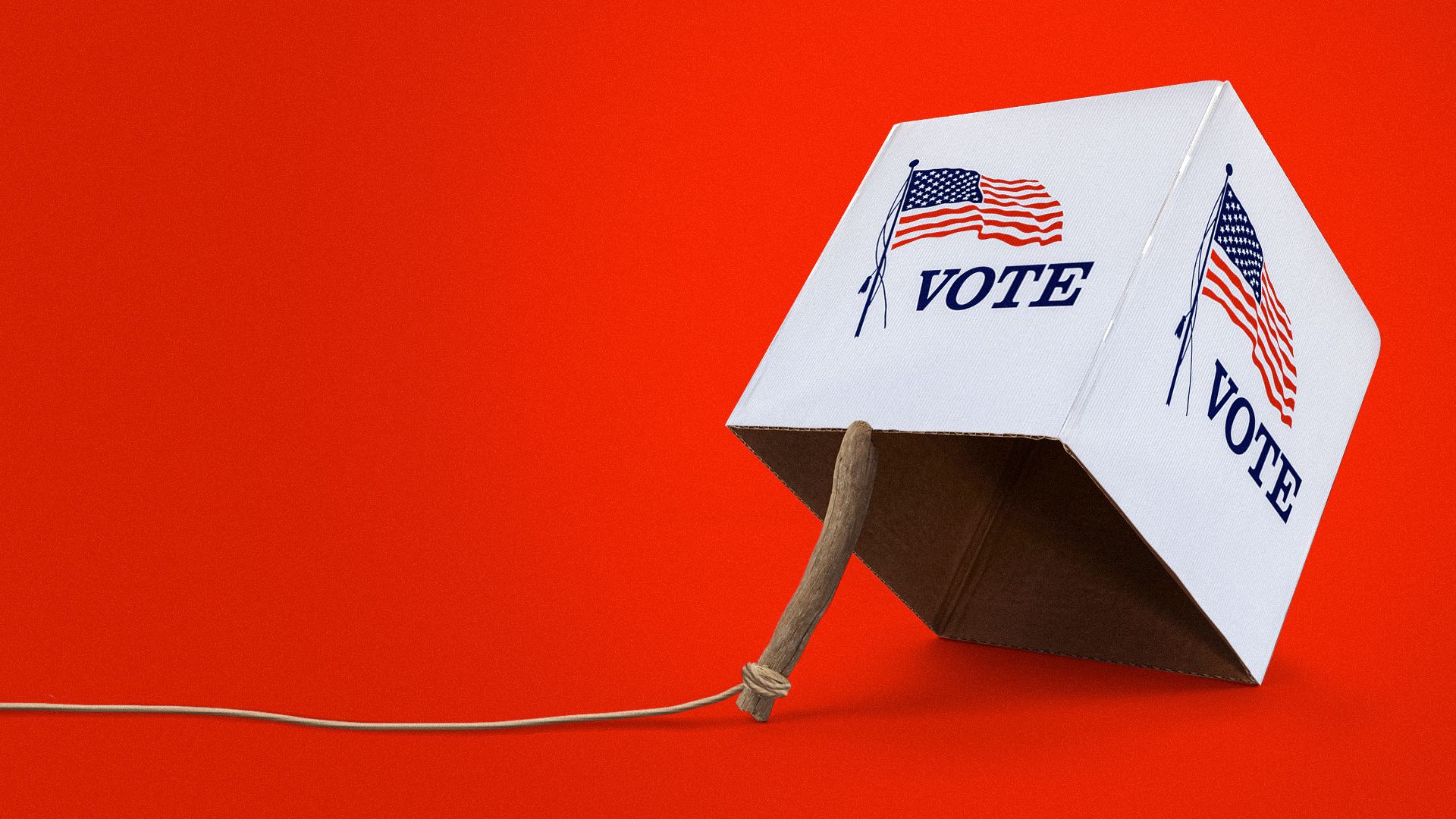
Illustration: Aïda Amer/Axios. Stock: Getty Images
The 2026 midterms are becoming a watershed election for primary meddling, mysterious super PACs, alleged straw candidates and all other manner of political shenanigans.
Why it matters: With the number of battleground House districts diminished by redistricting and the fight for the Senate extremely tight, each one of these schemes could have an outsized impact on control of Congress.
Green Party spoilers: Democrats are accusing the Green Party nominee in Pennsylvania's 7th District of trying to aid Rep. Ryan Mackenzie (R-Pa.) by siphoning progressive votes from Democrat Bob Brooks.
- The Pennsylvania Green Party and a group of 7th District voters are both suing to get the third-party candidate, Andrew Tupone, off the ballot.
- The lawsuits allege Tupone was a registered Republican until this February and had help from Republicans getting on the ballot, with the Green Party saying he is "not endorsed or nominated by the Green Party."
- Tupone has insisted his candidacy is genuine, telling a local outlet he is "running for universal healthcare, ending the genocide in Gaza and standing up to the establishment parties."
Seeing double: In Alaska's primary Tuesday, there will be two Dan Sullivans on the ballot — Sen. Dan S. Sullivan (R-Alaska) and former school teacher Dan J. Sullivan.
- Republicans tried to have Dan J. Sullivan removed from the ballot and have accused Democrats of being behind the campaign, attempting to confuse voters.
- Courts ultimately ruled that Dan J.'s name would remain on the ballot.
Democratic dropouts: Senate Democratic candidates in Nebraska, Idaho, and South Dakota have dropped out at the last minute in an effort to bolster the chances of independent candidates to oust Republicans.
- Legal challenges are ongoing, however.
- There have been rumors that Montana Democratic candidate Alani Bankhead would bow out to clear the way for Independent Seth Bodnar, though she has made clear she intends to run.
11th-hour switcheroos: Rep. Chuy García (D-Ill.) and Sen. Steve Daines (R-Mont.) both drew criticism for dropping their reelection bids just before the deadline to file to run for their seats to ensure their chosen successors would not face primary opposition.
- García's machine-style maneuvering to help his chief of staff, Patty Garcia, be the sole Democratic candidate in his heavily Democratic district led the House to rebuke him in a bipartisan vote in November.
- Daines announced his retirement in March five minutes after U.S. attorney for Montana Kurt Alme filed to run for the seat — and three minutes before the filing window closed.
Primary meddling: Federal Election Commission filings in June revealed that Republicans were behind a series of "pop-up" super PACs with names like "Lead Left PAC," "Real Change PAC" and "Progressive Champions PAC."
- The groups spent on ads boosting left-wing or scandal-tarnished Democratic primary candidates in key battleground districts across the country — with mixed results.
- Playing in the other party's primaries is not a new tactic, but it is becoming far more common.
AIPAC: The pro-Israel group AIPAC, whose brand has become reviled by Democratic primary voters, also tried to boost candidates through obscure super PACs.
- In Illinois, AIPAC boosted its preferred House candidate through groups called "Chicago Progressive Partnership," "Elect Chicago Women" and "Affordable Chicago Now."
- They have also used PACs affiliated with House Democratic groups such as the Democratic Women's Caucus and Congressional Hispanic Caucus as conduits in other races.
