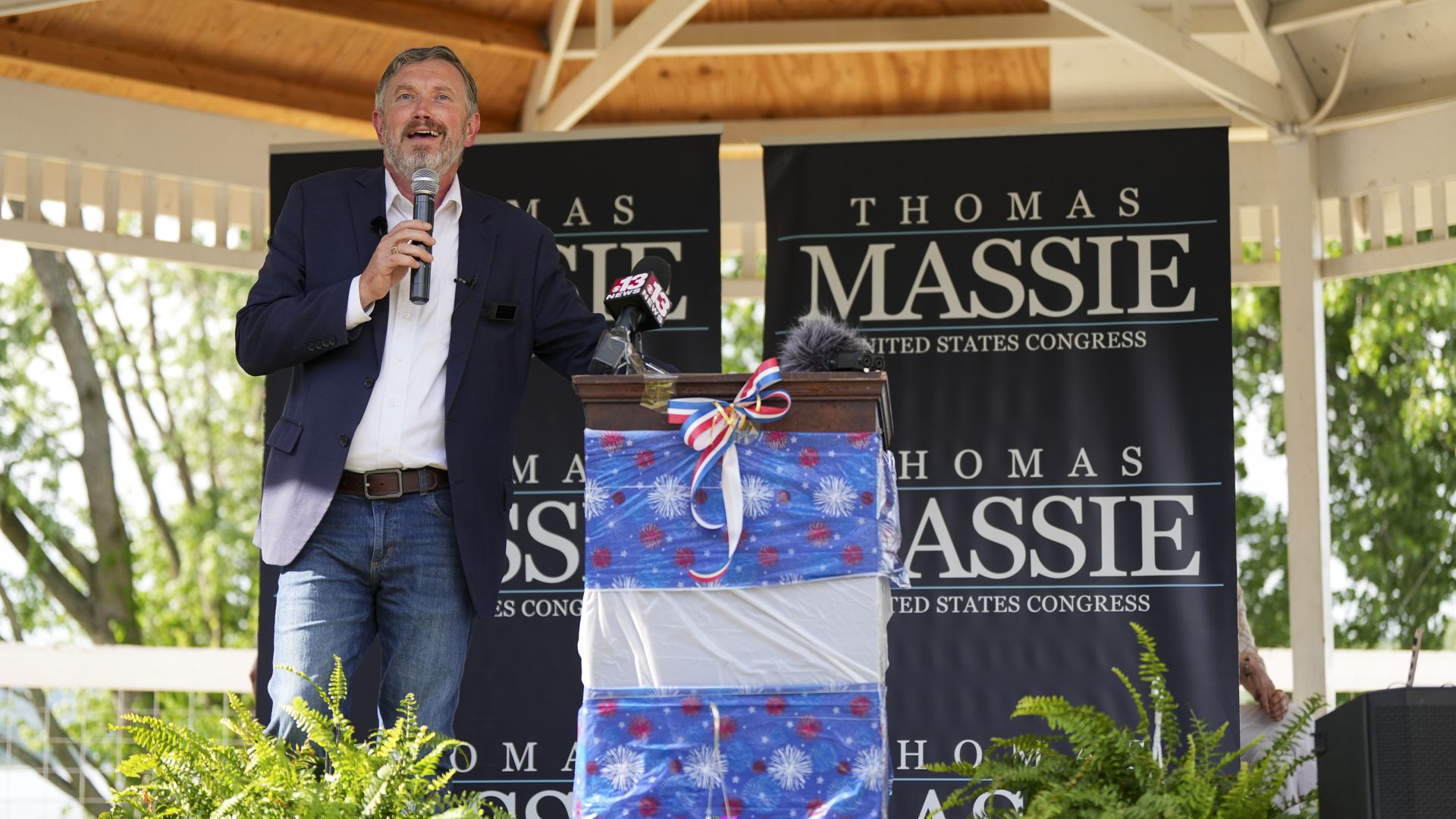
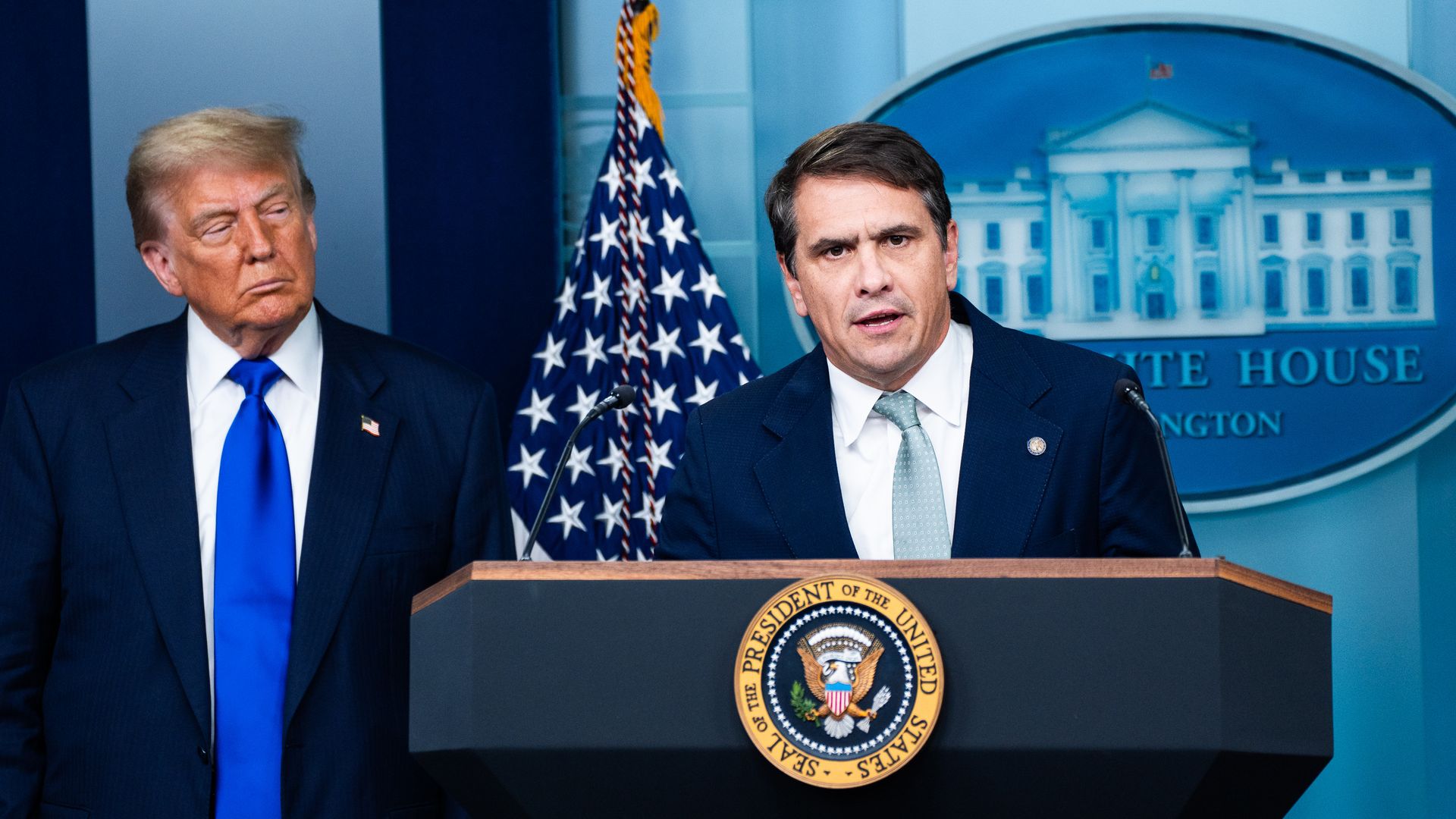
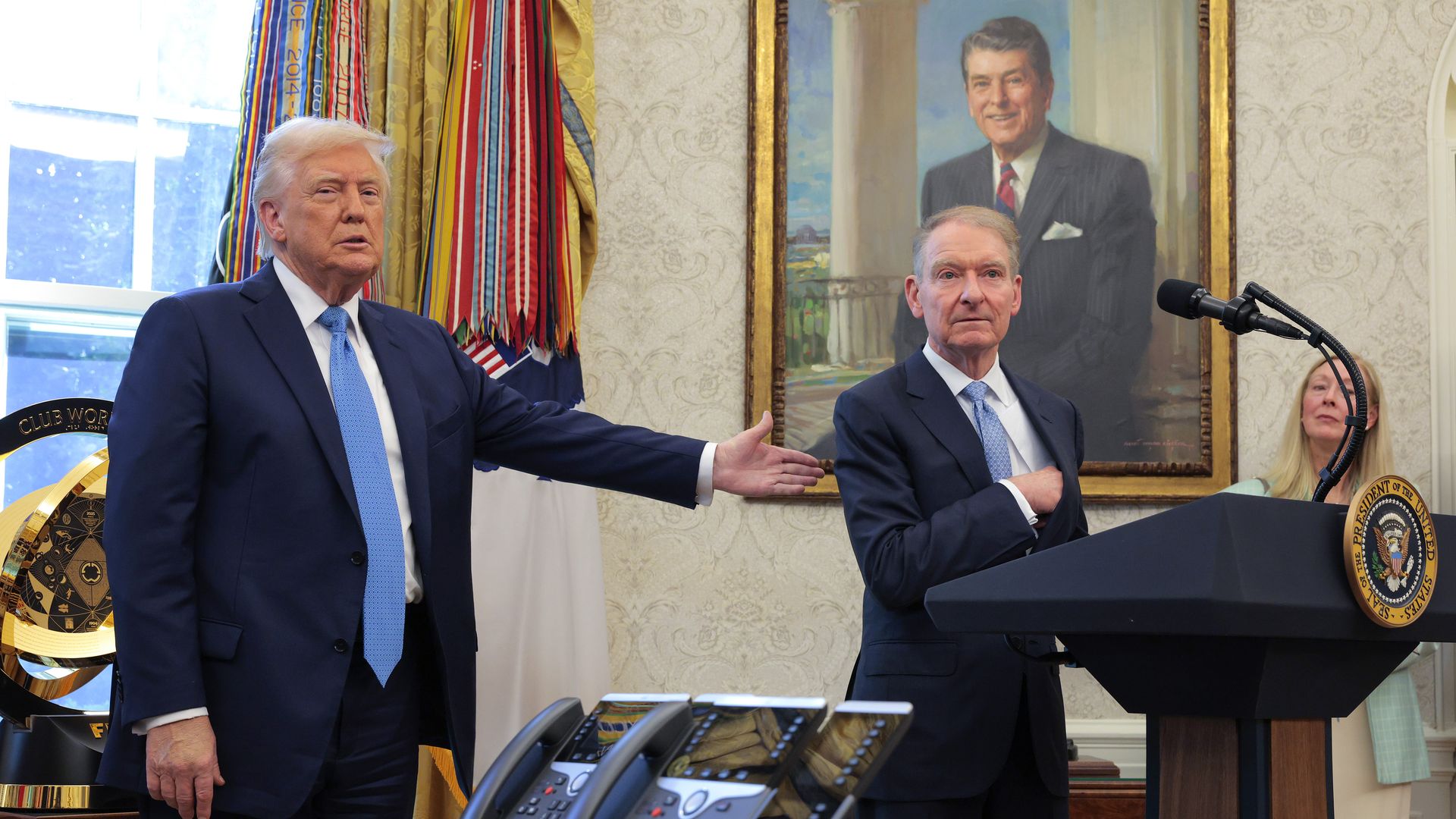
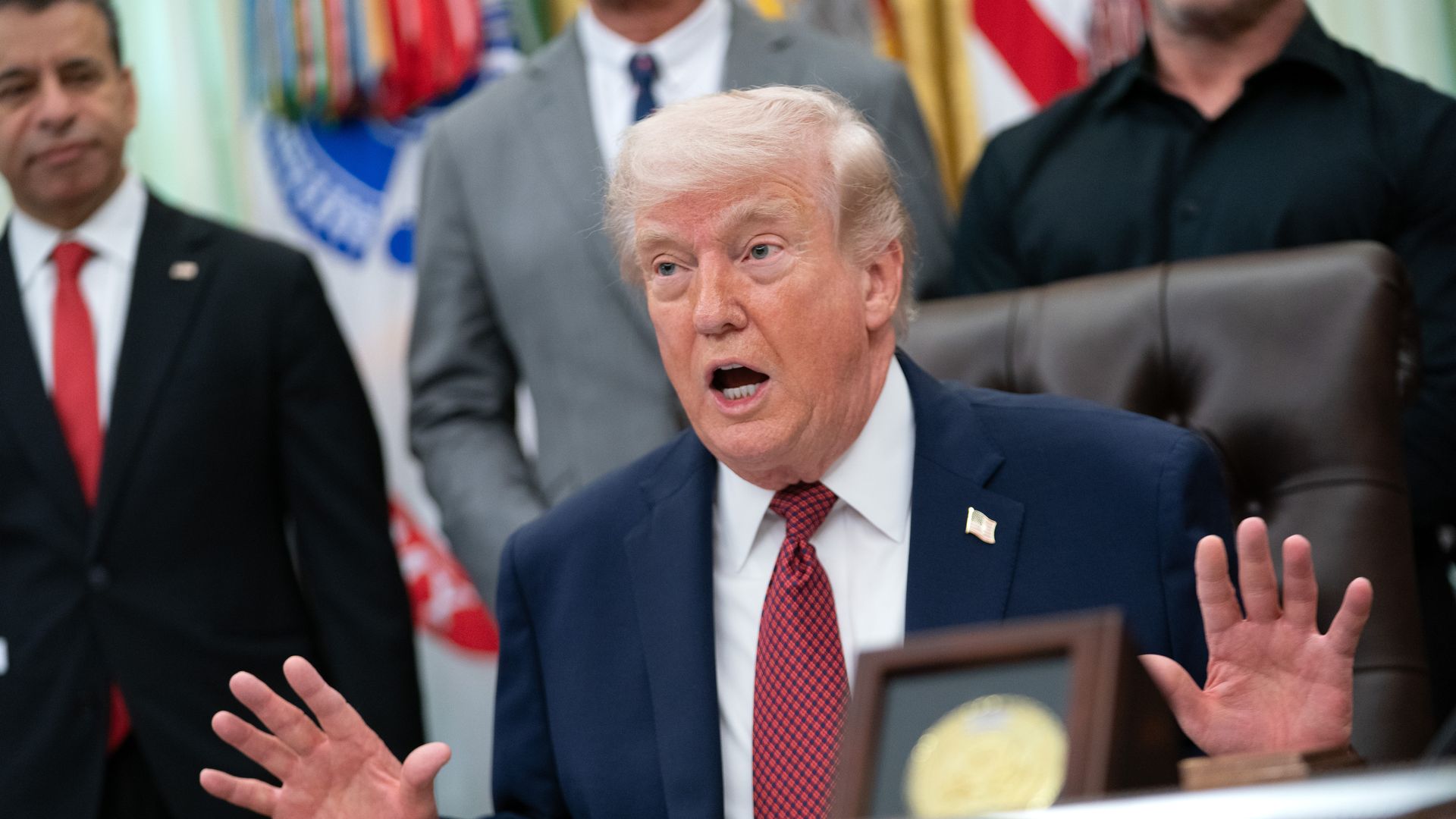
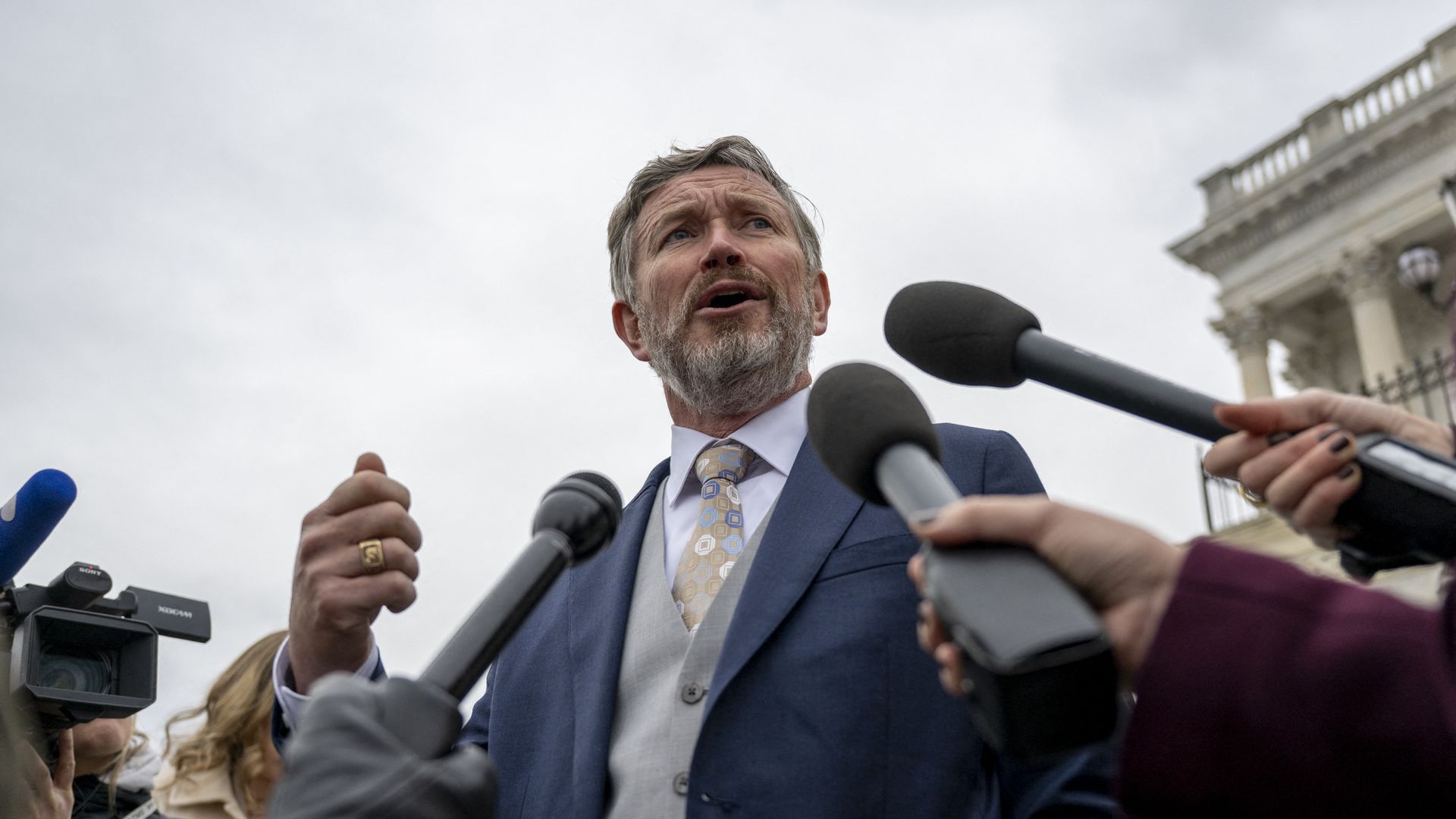
Rep. Thomas Massie lost his primary Tuesday against Ed Gallrein, a huge win for President Trump's unprecedented campaign to oust the Kentucky Republican.
Why it matters: Massie's loss sends another warning to Republicans about the dangers of crossing Trump, and shows that the president's broader political problems haven't diminished his power with the base.
A settlement between President Trump and the IRS that created a $1.8 billion "anti-weaponization" fund was expanded Tuesday to bar investigations into him, his family and his businesses' previously filed tax returns.
Why it matters: The expanded waiver intensifies scrutiny of a controversial settlement involving agencies that Trump effectively oversees.
The Securities and Exchange Commission on Tuesday proposed two new rules that the agency says will make it easier for companies to go public.
Why it matters: It's the largest overhaul of the IPO rules in 20 years, the agency says, and part of SEC chairman Paul Atkins' push to "make IPOs great again."
As artificial intelligence forces students to rethink their majors and reshapes the job market, it's clear that graduates don't want to hear about the technology on their big day.
The big picture: Several commencement ceremonies have been interrupted by boos and jeers when speakers have brought up AI, an indicator that while the tech is easing into many parts of life, not everyone is on board.
The three victims in Monday's shooting at the Islamic Center of San Diego were all beloved members of the Muslim community and acted heroically to save other lives, according to community leaders and San Diego police.
Security guard Amin Abdullah, as well as community members Mansour Kaziha and Nader Awad, were shot outside the center's entrance and are being lauded for preventing violence from reaching children attending school inside.
President Trump endorsed Texas Attorney General Ken Paxton in the Texas Republican Senate primary runoff on Tuesday, a day after the start of early voting.
Why it matters: Senate Republicans spent months pleading with Trump to endorse incumbent U.S. Sen. John Cornyn over Paxton.
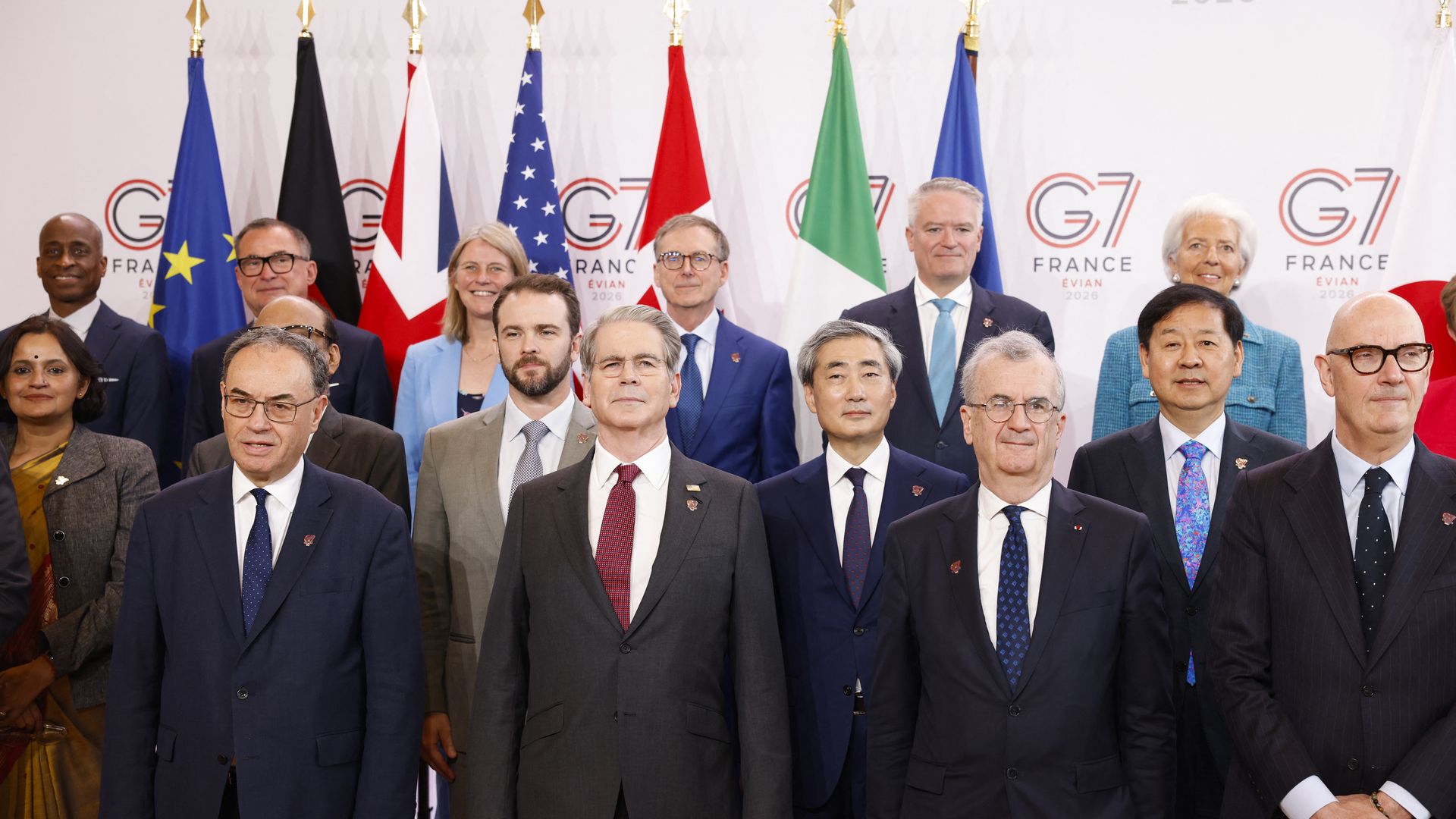
Leading finance ministers and central bankers concluded a two-day summit in Paris on Tuesday, and the kinds of global strains that former top International Monetary Fund official Gita Gopinath described on Monday were top of mind.
Driving the news: In a communiqué, G7 finance leaders jointly said they would aim for policies "promoting balanced growth and macroeconomic stability" in their respective nations.
"Countries with large and persistent external deficits should undertake policies that include supporting domestic savings and fiscal consolidation."
State of play: That language is pretty much boilerplate. But it takes on additional meaning at a moment when the bond market is growing skittish amid surging inflation and massive public borrowing.
The Japanese 30-year yield, for example, rose to a multidecade high of 4.17% on Tuesday, from 3.72% as recently as May 7. One factor: The Japanese prime minister announced fiscal measures to try to bolster the country's economy amid the energy shock caused by the Iran war.
Similarly, yields on longer-term U.K. gilts have surged amid uncertainty about the future of Prime Minister Keir Starmer's government and what fiscal direction may follow if it falls.
Between the lines: Throughout the 2010s, finance ministers in rich countries enjoyed a free lunch, with inflation persistently low and demand for safe assets seemingly insatiable.
Now, they are facing a world where one supply disruption after another is keeping inflation elevated, and bond investors are wary of political risk in a time of already massive public debts.
What they're saying: "The way the global economy has been developing for the past 10 years or so is clearly unsustainable," French finance minister Roland Lescure told reporters, per Reuters.
"We are no longer in a period where public debt is not a subject," he said.
The Trump administration defended its designation of Anthropic as a supply chain risk in oral arguments in federal court Tuesday, even as it actively tries to figure out how it can adopt its most powerful model yet, Mythos, to combat cyber threats.
Why it matters: Treating a U.S. company as a national security threat while looking to use its technology to combat foreign adversaries is an awkward needle to thread.
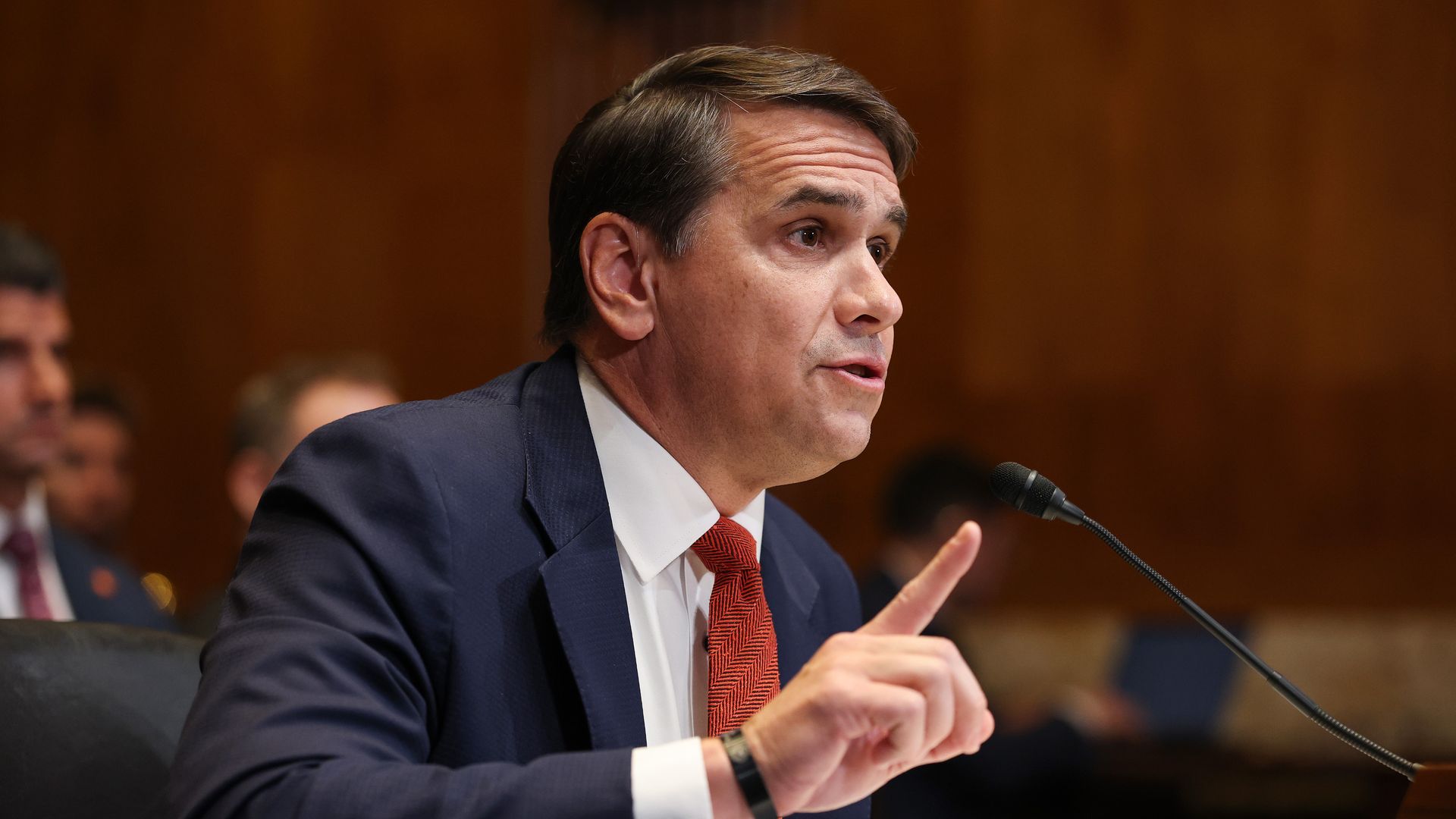
Acting Attorney General Todd Blanche told senators Tuesday that he will not recommend a pardon for Ghislaine Maxwell, the convicted sex trafficker who aided Jeffrey Epstein's abuse of underage girls.
Why it matters: Blanche personally interviewed Maxwell last year as part of the Justice Department's Epstein investigation, fueling speculation the administration might offer clemency in exchange for cooperation.
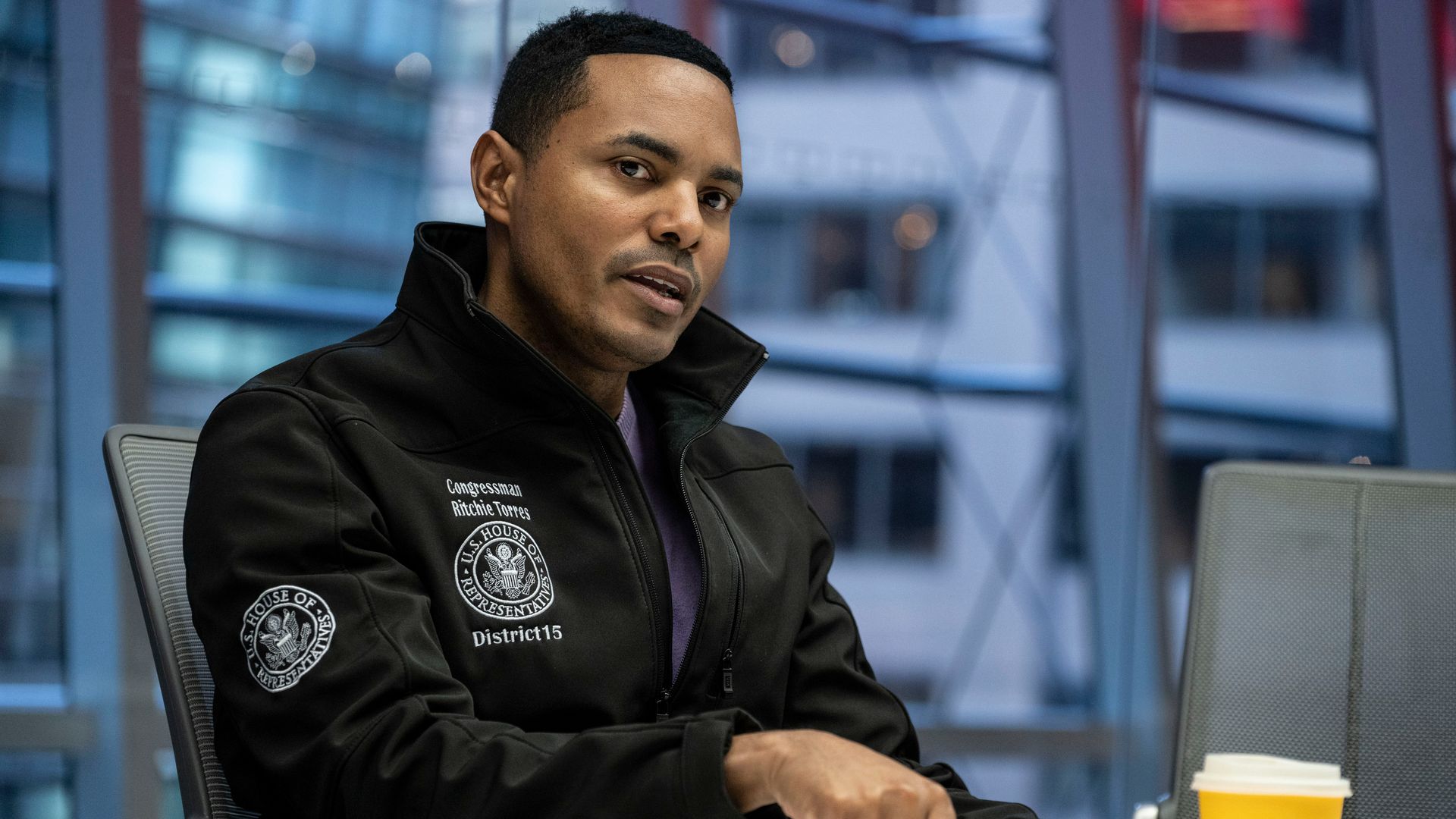
A group of congressional Democrats wants to stop private equity from investing in youth sports, arguing that a ban would bring down costs and be a political winner with beleaguered parents.
Driving the news: Sen. Chris Murphy (D-Conn.) and others recently introduced the Let Kids Play Act (full text here).
Private equity firms would be prevented from investing in youth sports — including leagues, facilities, tournaments and targeted tech platforms — and forced to divest existing holdings within two years.
It would also require firms to reimburse parents for previously collected "junk fees," eliminate debts and make PE investors personally liable for any infractions that occur under their ownership.
The Food and Drug Administration is easing restrictions on unauthorized vapes and scrapping a proposed ban on minors using tanning beds, reflecting a tumultuous shift in priorities during the MAHA era.
The big picture: The moves risk weakening federal efforts to protect teens from unhealthy habits and emboldening industries that market addictive or high-risk products, public health experts warn.
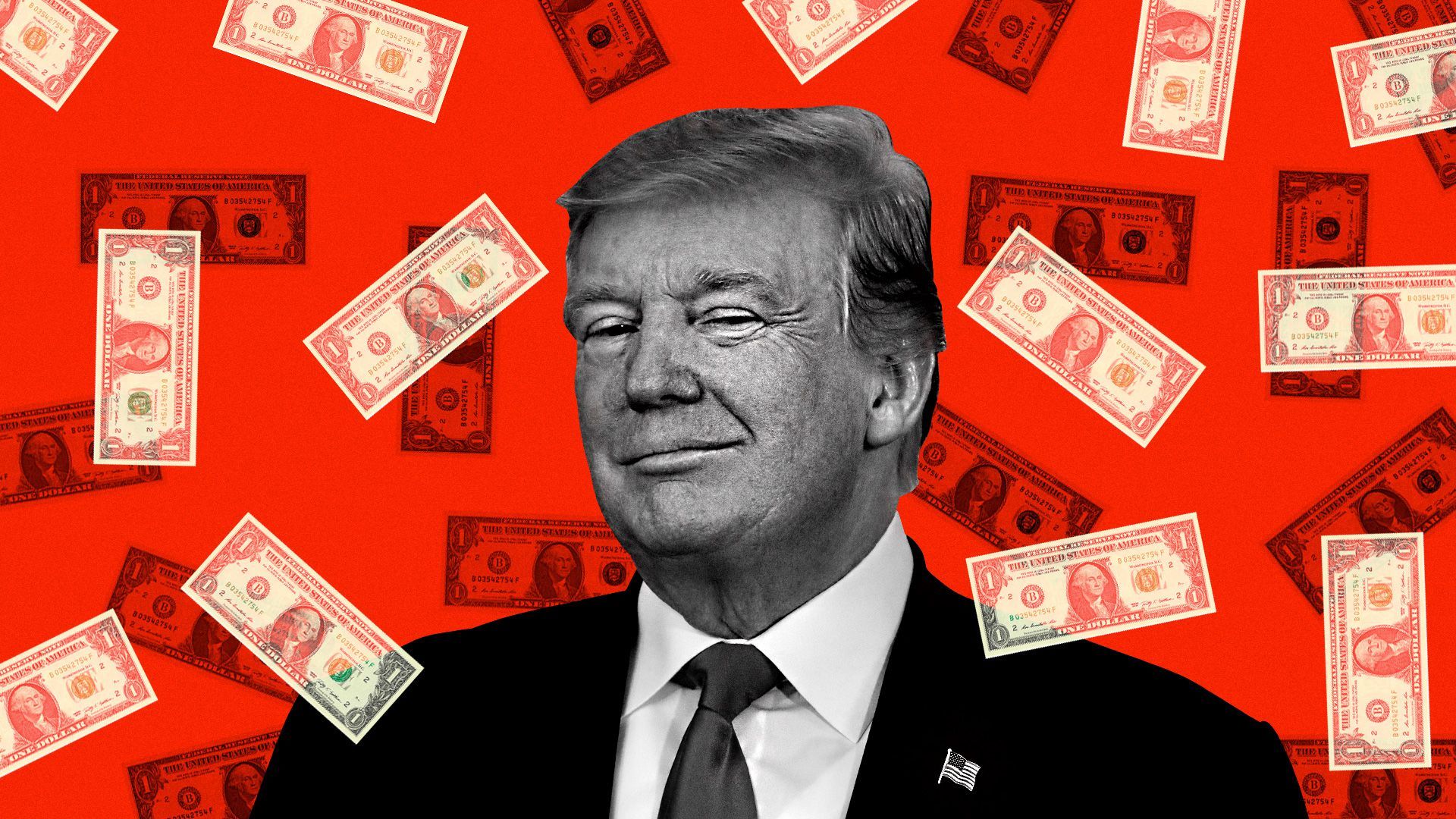
In a government filing late last week, President Trump disclosed more than 3,500 stock trades on his behalf in the first quarter — at least $1 million each was purchased in shares of Nvidia, Oracle, Microsoft, Boeing and more.
The trading included sales of holdings in Meta, Amazon and Walt Disney, among others.
All told, there were hundreds of millions of dollars worth of transactions, per the Financial Times, although it is not known how much money the president earned (or lost) as a result.
Why it matters: In modern history, no president has had an active investment portfolio quite like this.
"We've never seen a president trading actively in the stock market before," says Richard Painter, who served as the chief White House ethics counsel under former President George W. Bush and is a critic of Trump.
The Trump Organization says the president's accounts are independently managed by third-party financial institutions without his input.
Theo Baker, a Stanford history major who'll graduate 26 days from now, is out today with a vivid, dishy exposé of the sometimes comical, at times seemingly corrupt, efforts by tech funders to seduce undergraduates who smell like future moguls and geniuses, and vice versa.
"I've had more one-on-ones with billionaires than I've been on formal dates," Baker writes in "How to Rule the World," which takes its title from an unofficial, exclusive seminar at Stanford run by a Silicon Valley CEO. "I've encountered genius and misdeed at every stage, from wide-eyed freshman wannabes to accomplished masters of the universe."
The drug industry struck out at the Supreme Court on Monday in its ongoing efforts to scuttle Medicare drug price negotiations.
Why it matters: It's the latest rebuff to industry arguments that the talks with the government violate free speech protections and due process rights, among other complaints.
The negotiated prices that took effect this year are expected to generate $1.5 billion in savings to patients and $6 billion to Medicare.
Members of Congress are rushing to institute new regulatory guardrails around online prediction markets following a series of alleged insider trading scandals.
Why it matters: As with cryptocurrency and artificial intelligence, this is proving to be yet another emerging tech policy area in which Congress finds itself struggling to stay ahead of the curve.
Today's Kentucky primary is President Trump's biggest test yet of whether his iron grip on the Republican base can hold even as war and inflation batter his national standing.
Why it matters: Trump is trying to take out longtime antagonist Thomas Massie in the most expensive House primary in history — a contest that will show whether his iconoclastic brand of libertarian politics still has a place in the GOP.
Democrats erupted Monday over President Trump's $1.8 billion "anti-weaponization" fund for MAGA allies who claim political persecution, vowing to investigate what they called textbook corruption.
Why it matters: With each passing month, Trump is weaving the financial interests of his family, his allies and his political movement more tightly than ever into the fabric of the American presidency.
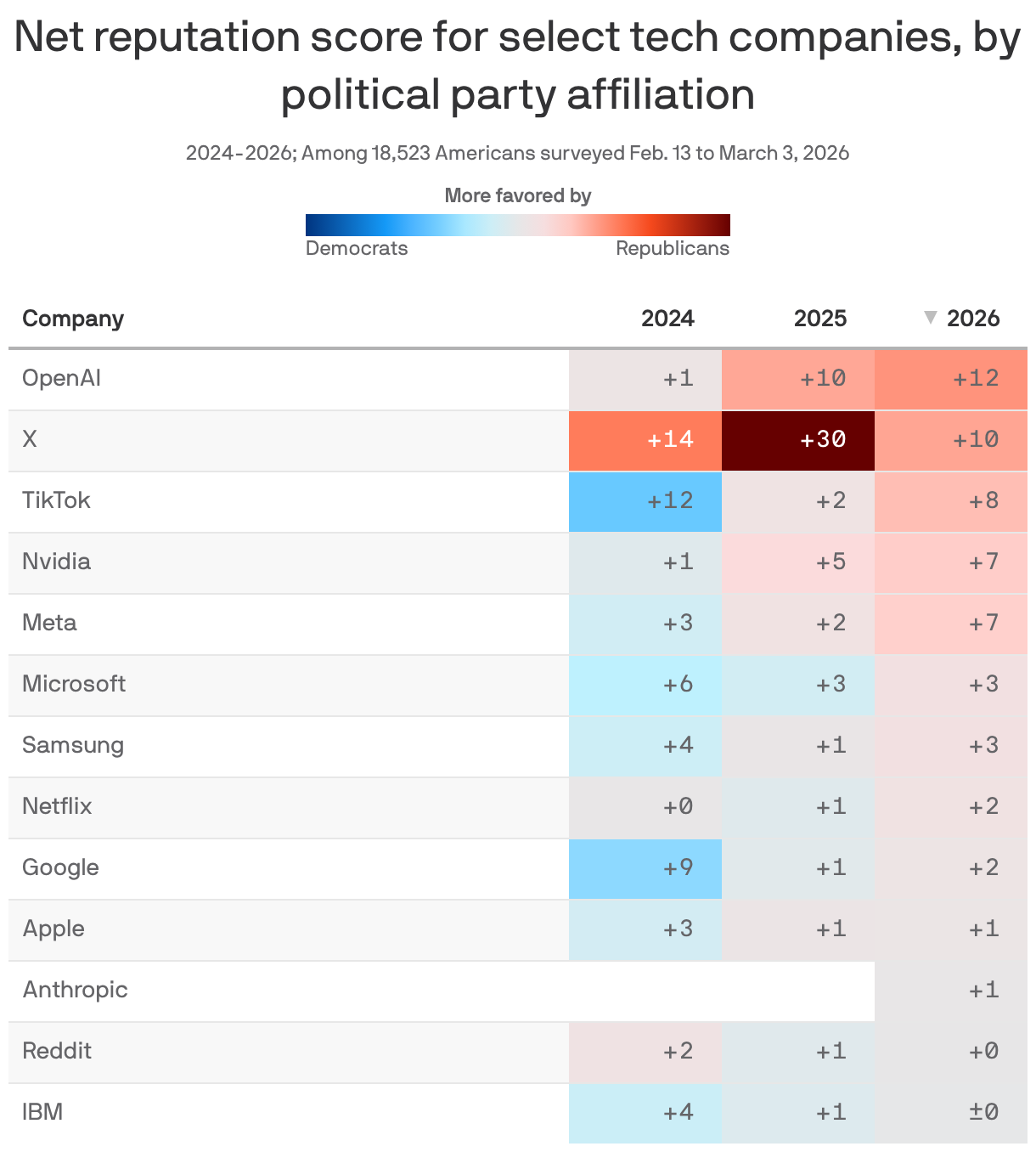
Democrats have become more skeptical of AI technology and the industry behind it, while Republicans are significantly more likely to trust most AI companies, according to this year's Axios Harris Poll 100 rankings.
Why it matters: This represents a significant shift in just two years, since the White House changed hands and AI advancements accelerated.
The demographic landscape of the U.S. is undergoing a dramatic outward shift as growth shifts from cities to exurban communities, according to new U.S. Census estimates.
Why it matters: The places that will define the next generation may not yet have a Starbucks, a working freeway interchange at rush hour or a school that isn't overcrowded. But they have people — and they're getting more every year.