Senate votes to appoint Paul Atkins to SEC

Add Axios as your preferred source to
see more of our stories on Google.
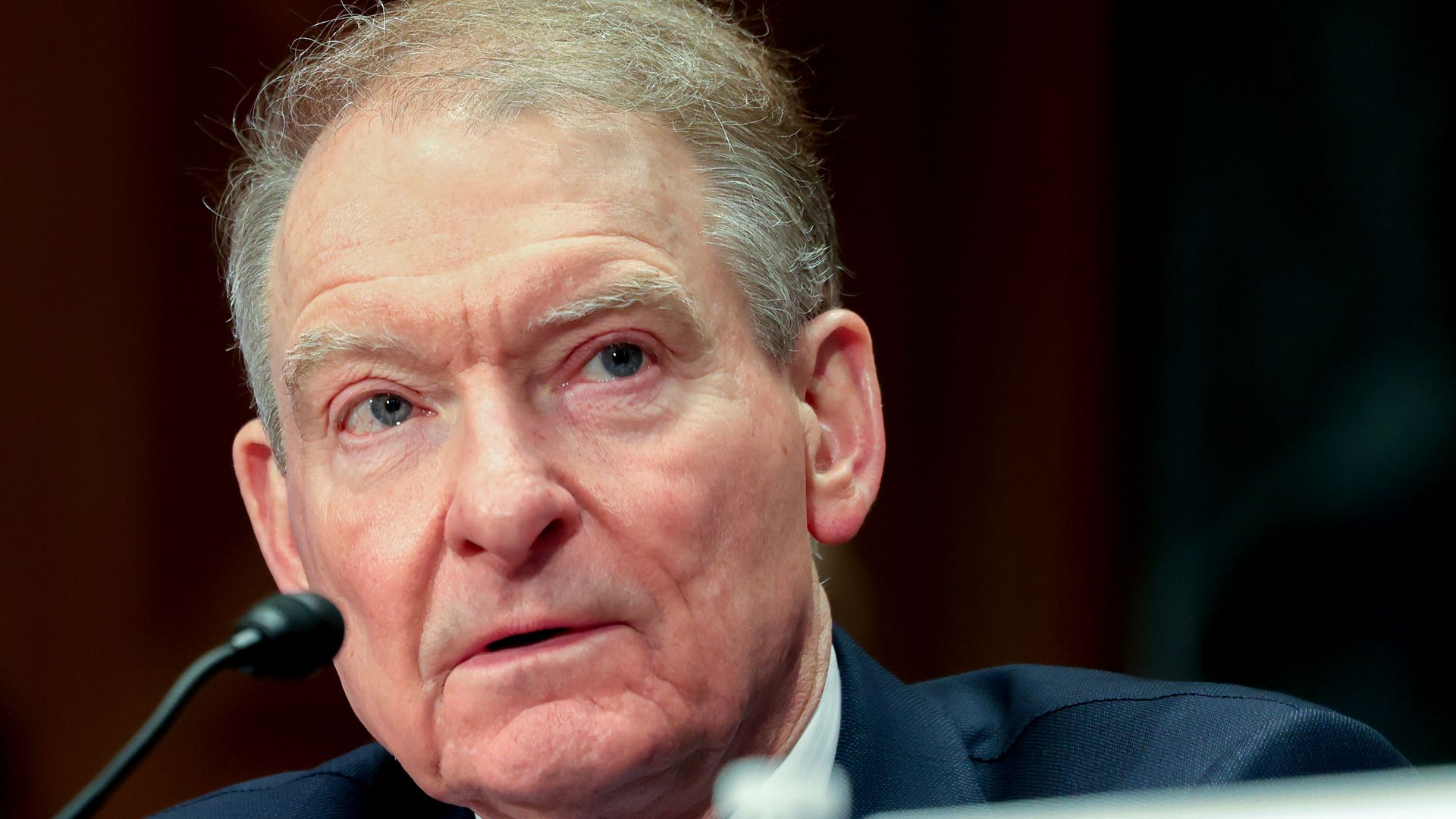
Paul Atkins at his Senate Banking confirmation hearing in March. Photo: Tierney L. Cross/Getty Images
The Senate has voted 52-44 to confirm former Securities and Exchange Commission member, Paul Atkins, to return to the body as its chair, through June 5, 2026.
Why it matters: Atkins is seen as in line with the Republican Party's philosophy of market regulation, particularly with regard to digital asset policy (an area in which his predecessor became a flashpoint).
What they're saying: He contrast himself with his predecessor at his nomination hearing by saying, in his written testimony, "I have seen how ambiguous and non-existent regulations for digital assets create uncertainty in the market and inhibit innovation."
- The SEC, however, has not been waiting. It shed several cases initiated by the prior leadership (with a couple more serious ones only on pause) and divested itself of an obligation to monitor meme coins.
- Since then, it has begun a series of public forums to discuss how to approach crypto specific regulation.
Flashback: Atkins left the agency in 2008, as one of its five commissioners.
- Since then, he ran Patomak Global Partners, a prominent consultancy for banks and big financial firms.
- He was also an advocate for the crypto industry, particularly with the the Digital Chamber.
Friction point: The SEC has lost a lot of staff through buyouts and retirements in recent days, which could make it difficult for the new chief to move as nimbly as he might like.
💭 Brady's thought bubble: A little appreciated reality is that there are no SEC regulations specific to decentralized digital assets.
- Indeed, Coinbase sued the agency to compel it to write such regulations.
- It's generally understood that crypto companies' attempts to register their efforts with the SEC failed (Robinhood's attempt is a case in point), and nearly all of the handful of tokens that were able to register had their underlying operations destroyed in the process.
The bottom line: Crypto critics may not like the forthcoming rules, but there will finally be some kind of rules before long.
