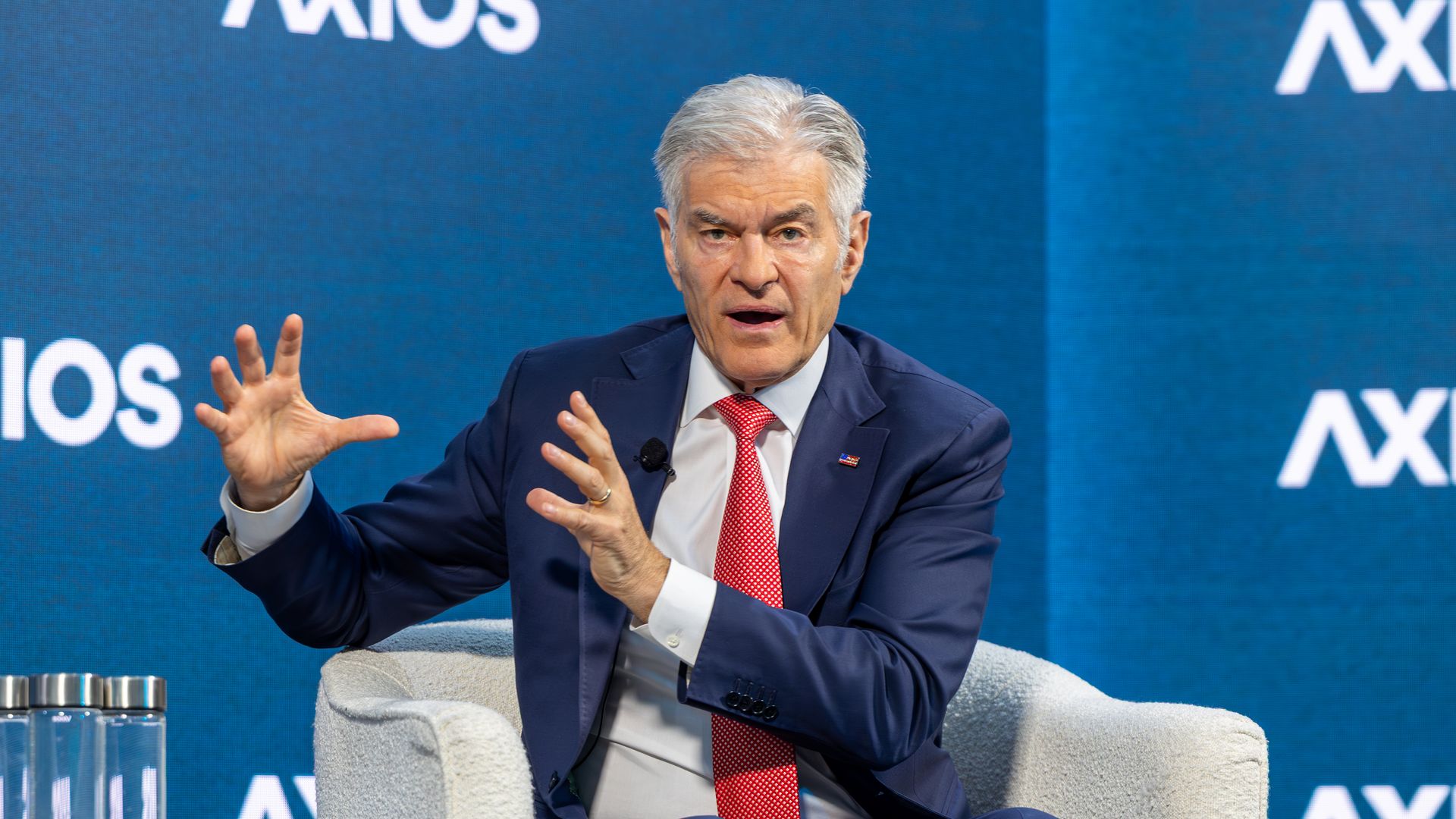
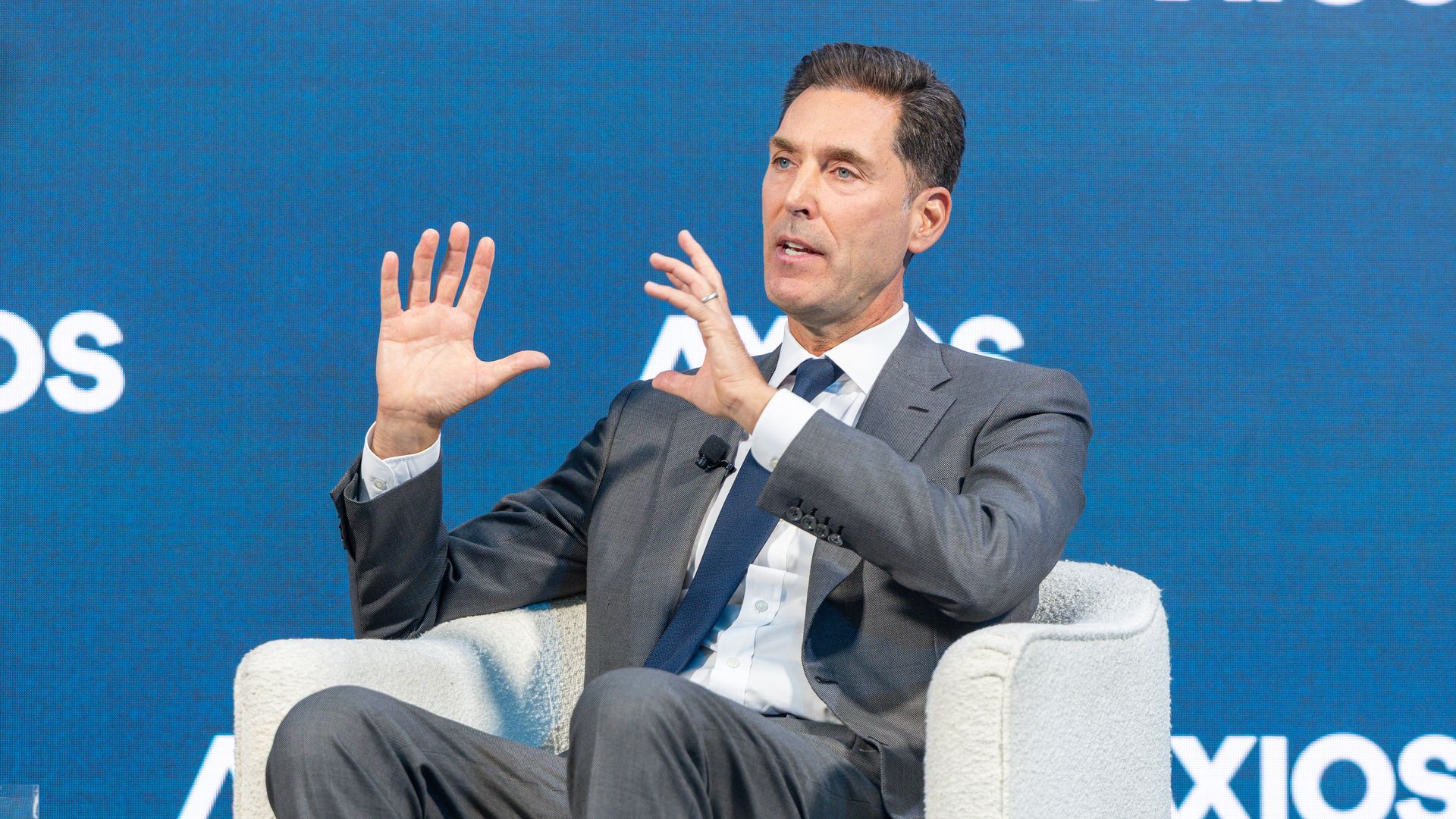
A coalition of 29 major health care players is coming together to simplify the prior authorization process for medical treatments, Mehmet Oz, the administrator of the Centers for Medicare and Medicaid Services, announced at Axios' Future of Health Summit Wednesday.
The big picture: Last summer, several top health insurers voluntary pledged to streamline and improve the prior authorization process across all health insurance markets.
Congress is urging the White House to respond to a growing AI cybersecurity threat: advanced models that can uncover software vulnerabilities faster than companies and governments can patch them.
Why it matters: A bipartisan letter, shared first with Axios, marks an escalation in pressure on the Trump administration to confront the risks posed by frontier AI cyber models like Anthropic's Mythos.
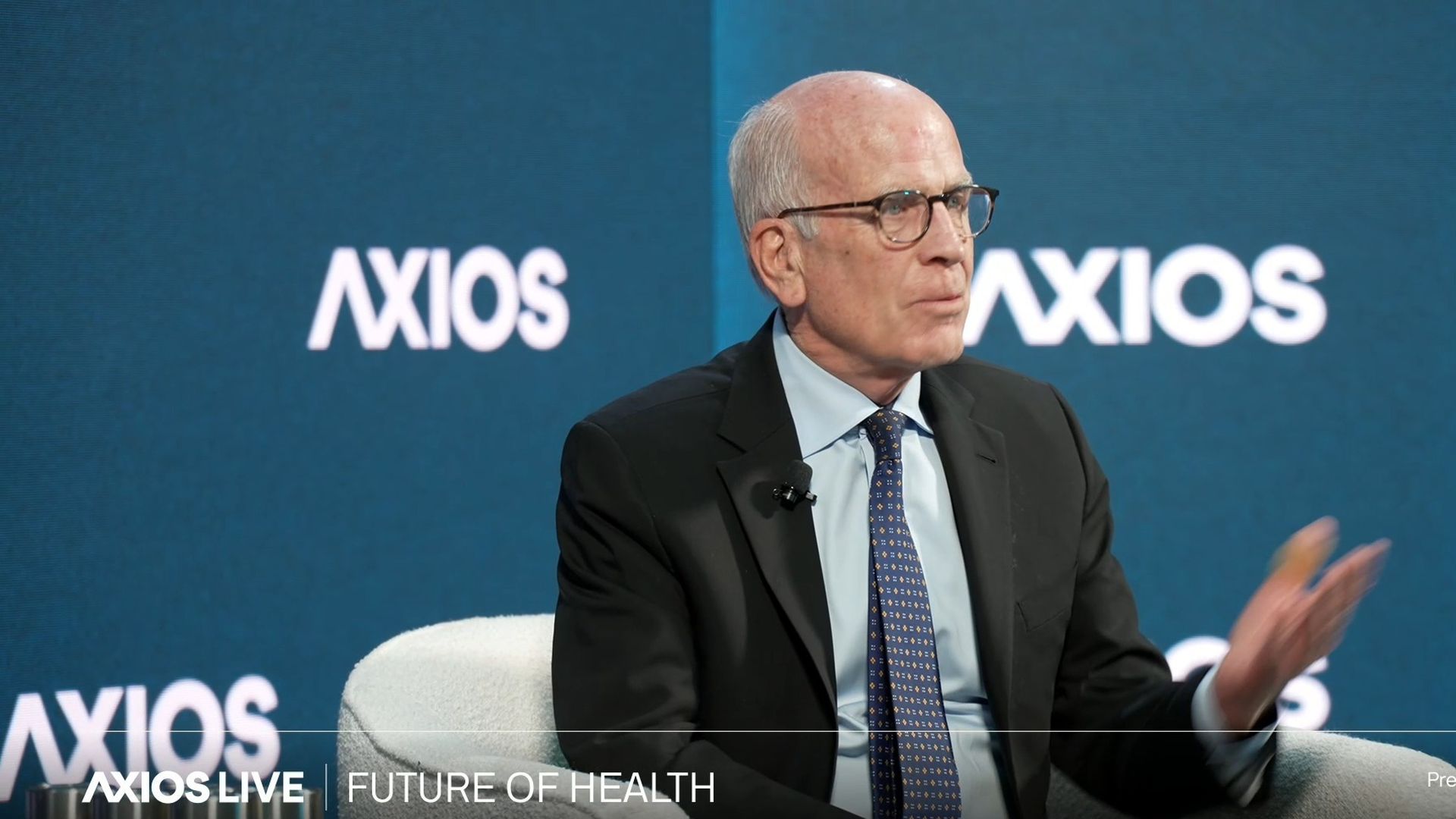
Sen. Peter Welch (D-Vt.) said Wednesday he'd back President Trump's push to pursue a "most-favored-nation" drug policy at Axios Future of Health summit.
Why it matters: Bipartisan support will be necessary for Congress to codify Trump's plan into law at a time when a majority of Americans are at least somewhat worried about being able to afford prescription drugs.
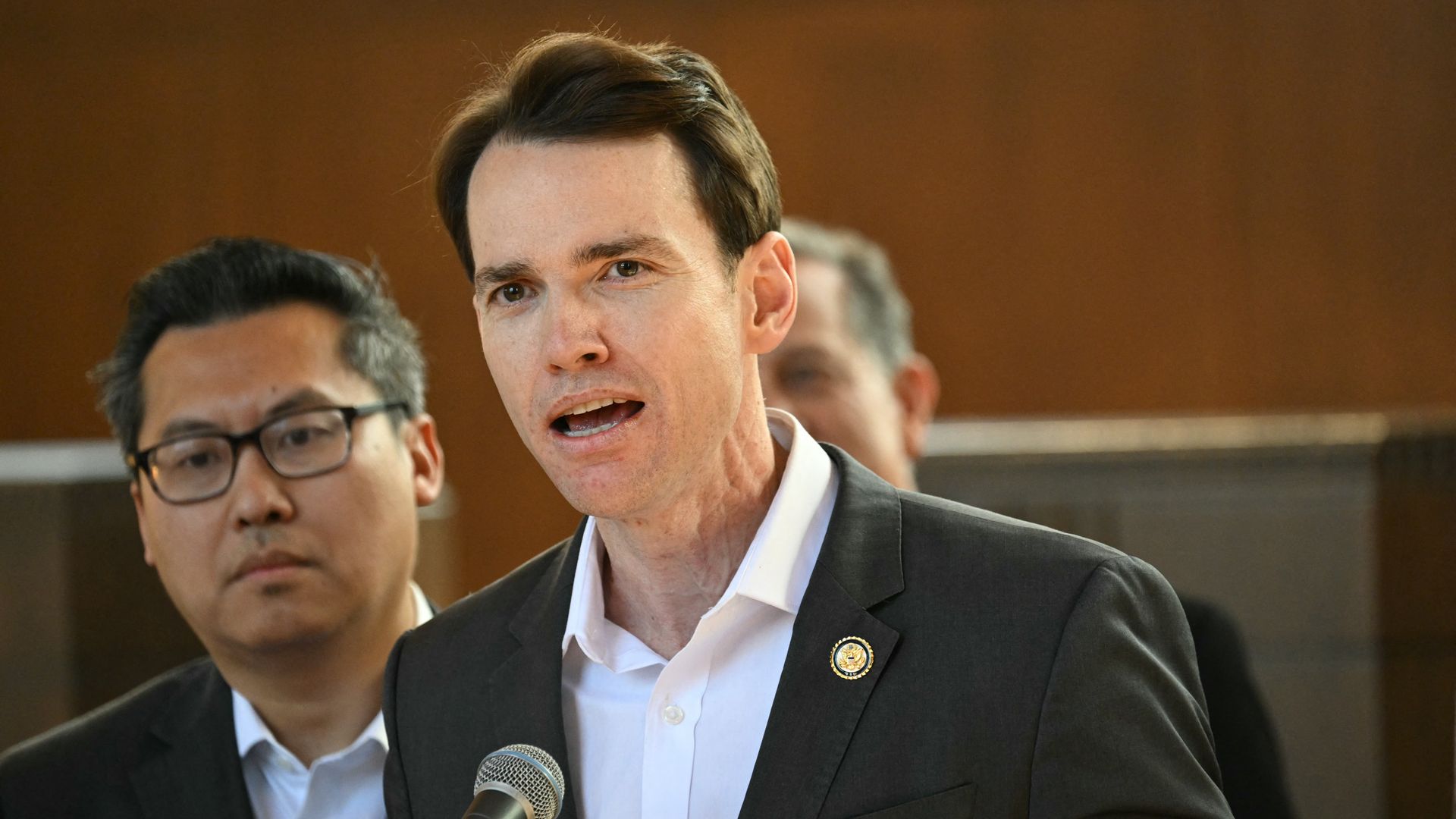
Rep. Kevin Kiley (I-Calif.) introduced a discharge petition Tuesday to force a House vote on his bill banning midcycle redistricting, Axios has learned.
Why it matters:Discharge petitions are one of the few tools rank-and-file lawmakers can use to bypass House leadership and force legislation onto the floor. Six petitions have reached the required threshold in this Congress.
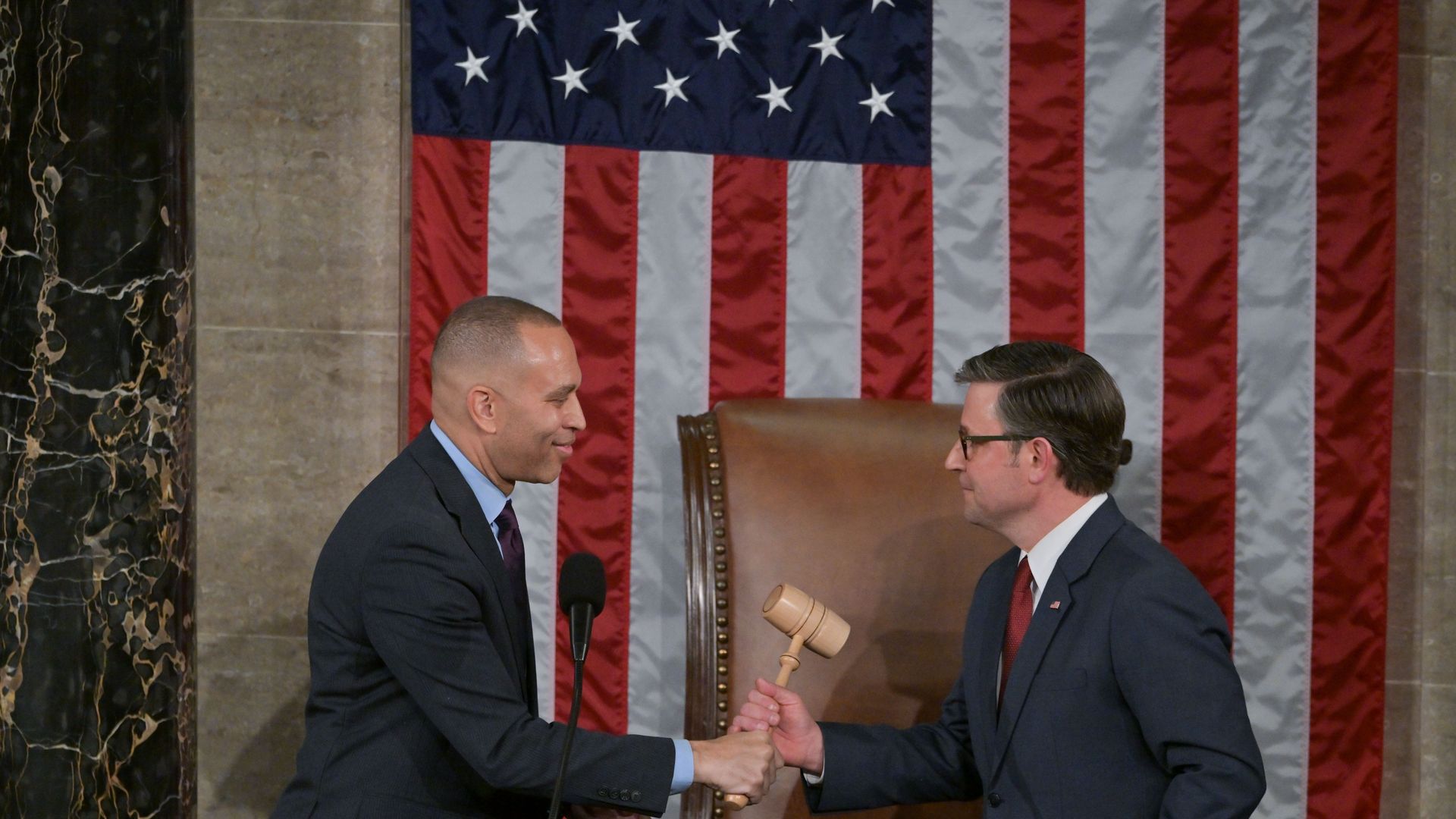
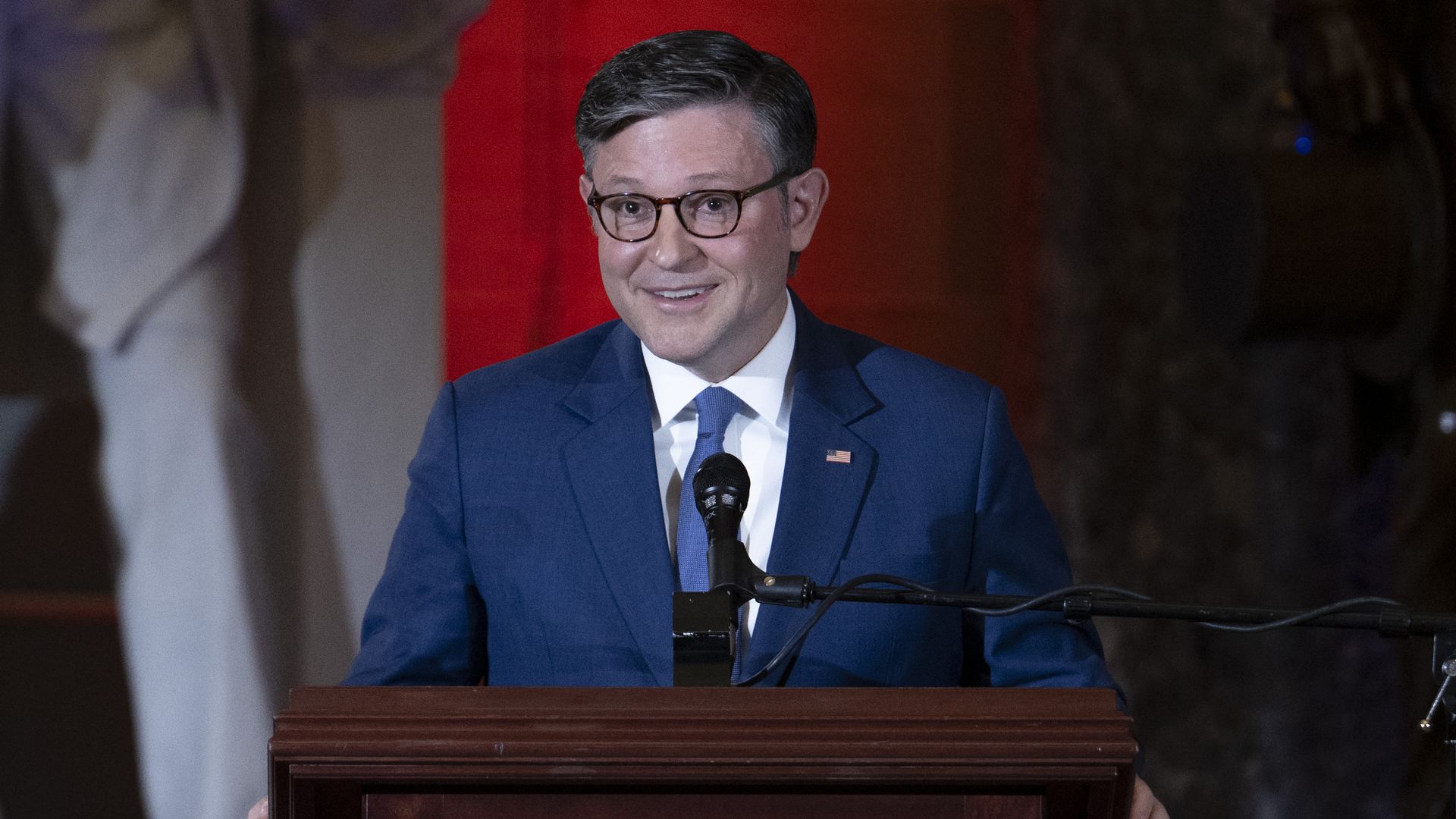
House Speaker Mike Johnson (R-La.) and Minority Leader Hakeem Jeffries (D-N.Y.) are forming a bipartisan "partnership" between the Republican and Democratic women's caucuses to combat sexual misconduct in Congress.
Why it matters: Congress is going through its biggest reckoning over workplace culture and sexual misconduct since the #MeToo movement rocked Capitol Hill in 2017 and 2018.
The CEO of the main pharmaceutical company trade group on Wednesday called for the next Food and Drug Administration commissioner to "calm the waters" and ensure stability as drug companies develop new treatments.
Why it matters: The FDA has faced a tumultuous several months leading up to commissioner Marty Makary's resignation Tuesday, with staff layoffs and top leaders heading out the door.
Kevin Warsh has been confirmed as the 17th leader of the Federal Reserve, becoming America's economist-in-chief at a moment of resurgent inflation, public discontent with the economy and unprecedented attacks on the Fed's independence.
Driving the news: Warsh was confirmed to a four-year term as Fed chair Wednesday by a 54-45 Senate vote. He received unanimous support from Republicans but only one "aye" vote from a Democrat, John Fetterman of Pennsylvania.
Warsh takes the helm of the central bank after Jerome Powell's term ends Friday.
House Democrats on Wednesday secured the necessary signatures to bypass Speaker Mike Johnson (R-La.) and force a vote on a package of Russia sanctions and billions of dollars in Ukraine aid.
Why it matters: This is the eighth time in the last three years that a discharge petition has been used by some combination of Democrats and Republicans to do an end-run around GOP leadership.
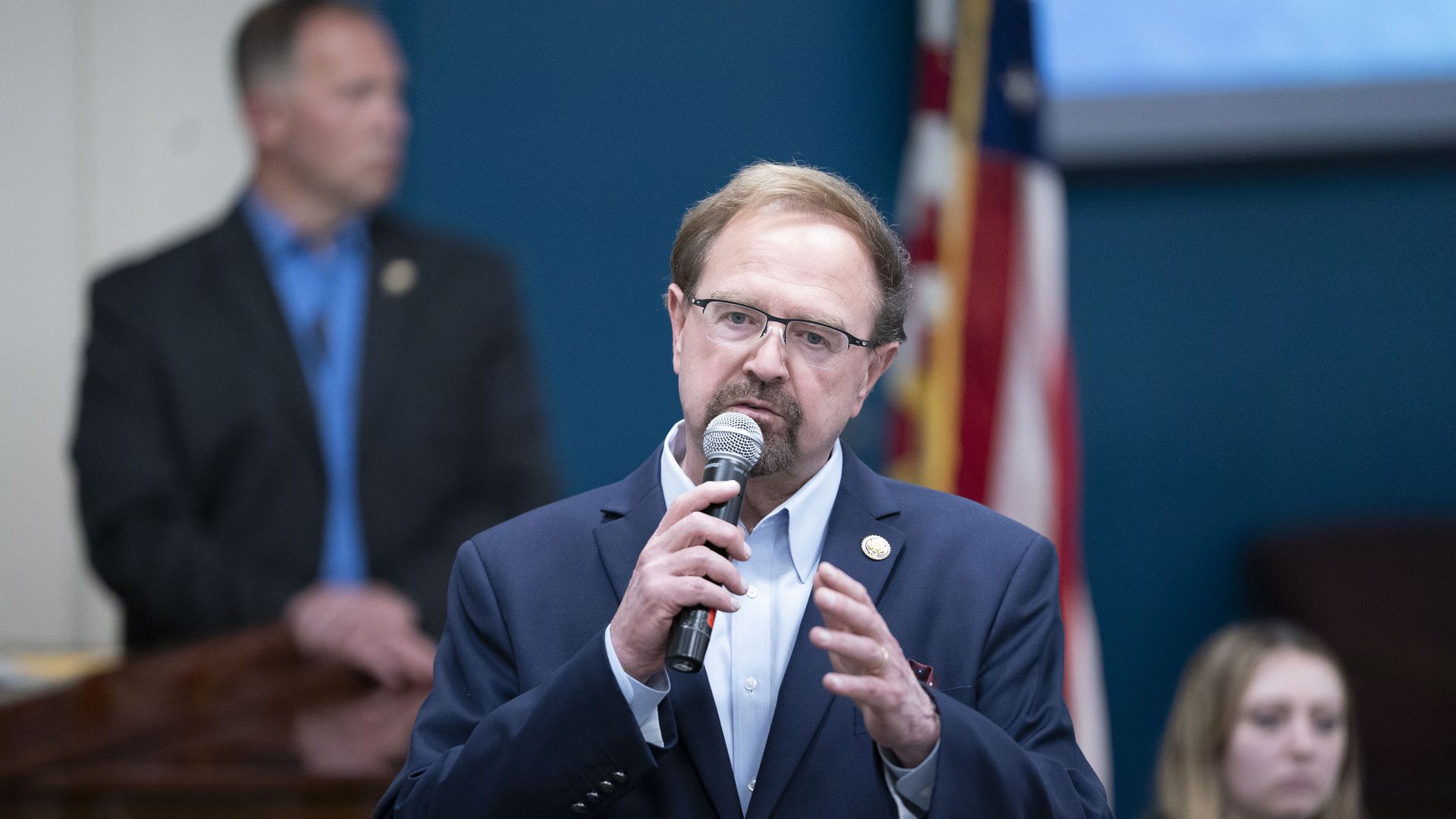
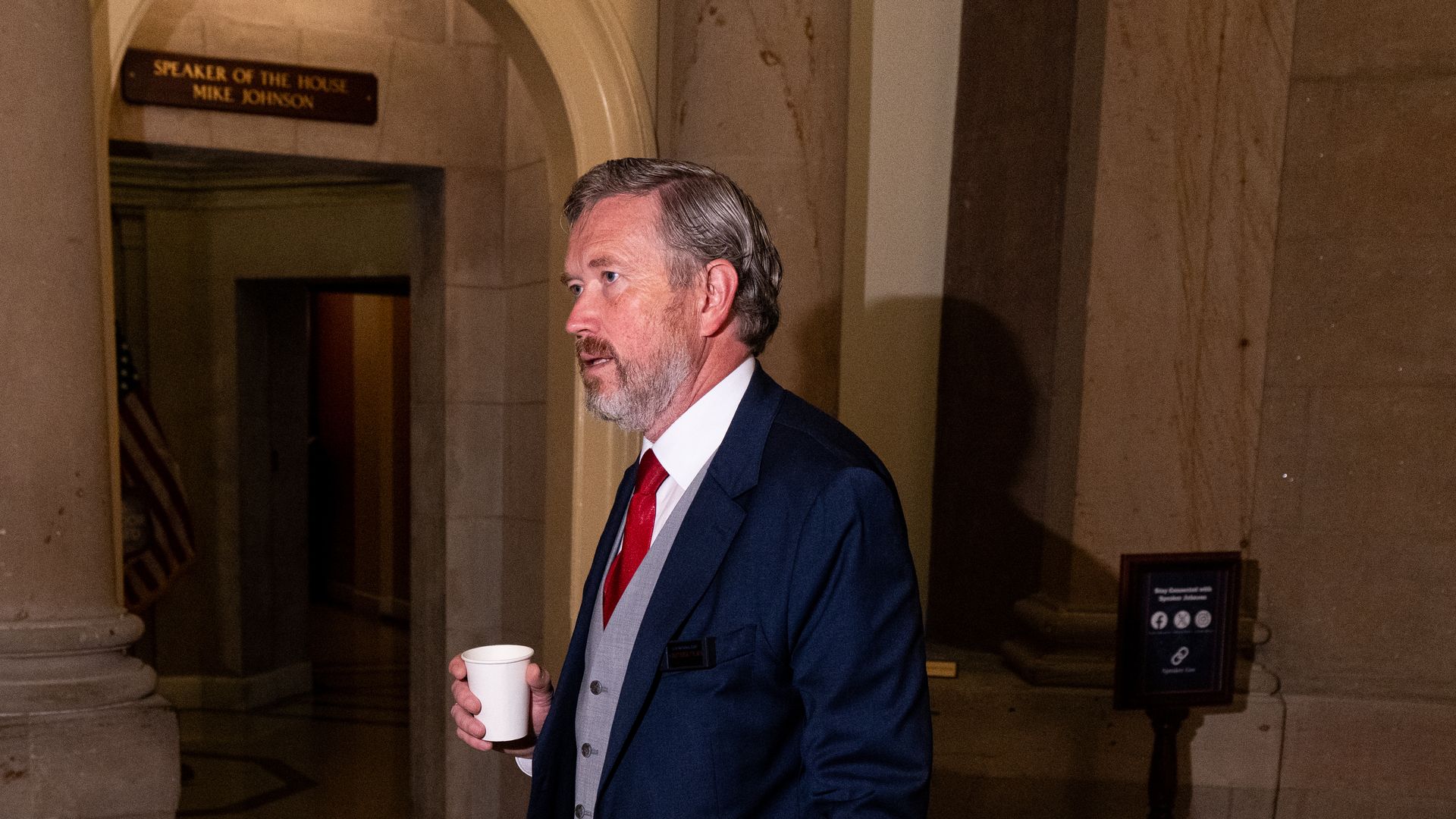
Rep. Chuck Edwards told a 20-something female staffer it was "disappointing to feel something that used to be easy has gotten complicated" after she did not want to have dinner with him in May 2025, according to a text exchange reviewed by Axios.
Why it matters: The female staffer complained about Edwards' behavior and was worried about retaliation from the congressman. In addition to text messages, Axios reviewed photographs and interviewed four sources familiar with the interactions. The sources requested anonymity to protect against retaliation.
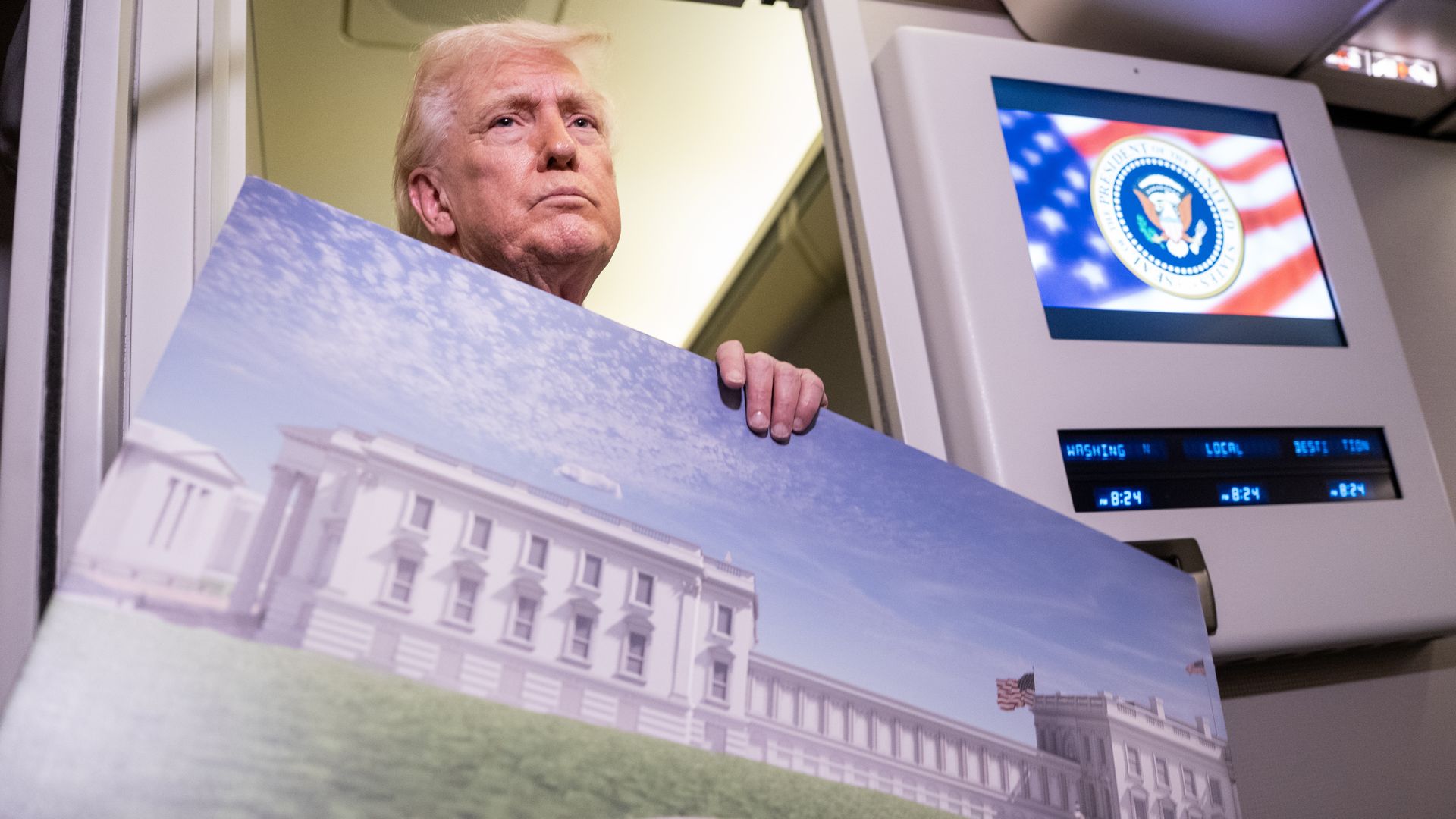
Why it matters: Senate Republicans are struggling to get comfortable with providing $220 million to "harden" security at the White House complex — including President Trump's East Wing ballroom.
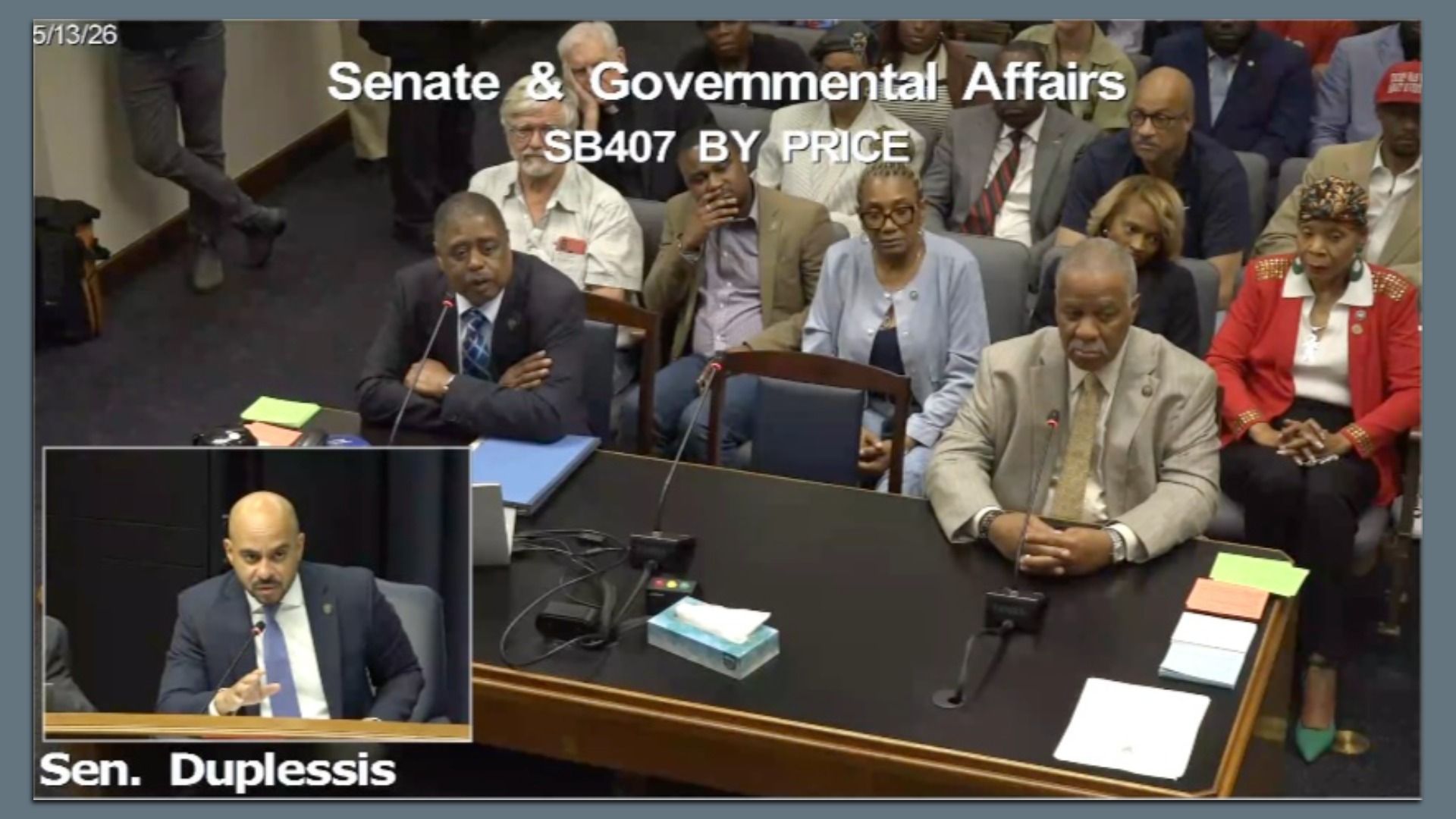
Louisiana senators votedearly Wednesday to advance a congressional map that eliminates one of the state's majority-Black districts.
Why it matters: The proposed map pits U.S. Rep. Troy Carter against U.S. Rep. Cleo Fields for their seats, which are currently in two different districts, writes Piper Hutchinson of the Louisiana Illuminator.
Semiconductors, or chips, are again turning out to be the It Girl of the global economy.
Why it matters: Chips are essential to the AI build-out, and that's driving a huge burst of demand, creating supply shortages, pushing up prices and creating an investment frenzy.
The U.S. Air Force wants to buy 206 upgraded electronic-warfare packages for the F-16 over the next few years, budget documents show.
Why it matters: The Lockheed Martin-made warplanes could be outfitted with Northrop Grumman's Integrated Viper Electronic Warfare Suite as soon as early 2028.
"This is, essentially, putting sixth-generation electronic warfare into a fourth-generation platform," Mark Sandor, Northrop's director of strategy and mission solutions, told Axios.
General Dynamics Information Technology and NightDragonhave teamed up and are on Wednesday making public their plans to accelerate U.S. government adoption of commercial and emerging tech.
Why it matters: Trump 2.0 is seeking new suppliers for the Pentagon and rewriting how the military does business.
Symbiotic relationships between traditional primes and smaller, venture-backed startups are emerging — and appear to be bearing fruit.
Reveal Technology is eyeingU.S. Army and Marine Corps biometrics programs as it rolls out its handheld Identifi system to hundreds of special operators.
Why it matters: Military biometrics is ripe for disruption, according to CEO Garrett Smith.
"When I started in the Marine Corps, there was a technology that we deployed with to Afghanistan," he said. "That is, essentially, the same technology that's been in place for like 20 years."
Chris Lehane, OpenAI's chief global affairs officer, fears the rising risk of unpopular AI and told us the solution might be a reorg of government and business. He offered two megapoints in a conversation Tuesday at OpenAI's new office in Washington:
The AI companies and government are so interdependent — the companies need light regs, contracts; government needs AI systems — that it might require a new public-private hybrid to manage them.
The AI companies could get crushed by bad politics if they don't find ways to share any wealth they create, much like Alaska shares oil & gas revenue with its residents. "People need to feel like they're gonna have a piece of this and participate in it," Lehane said. "You can't talk beyond people or above people. You need to talk with people and involve them in the conversation."
The first half of Mayis foreshadowing the future of Indo-Pacific security.
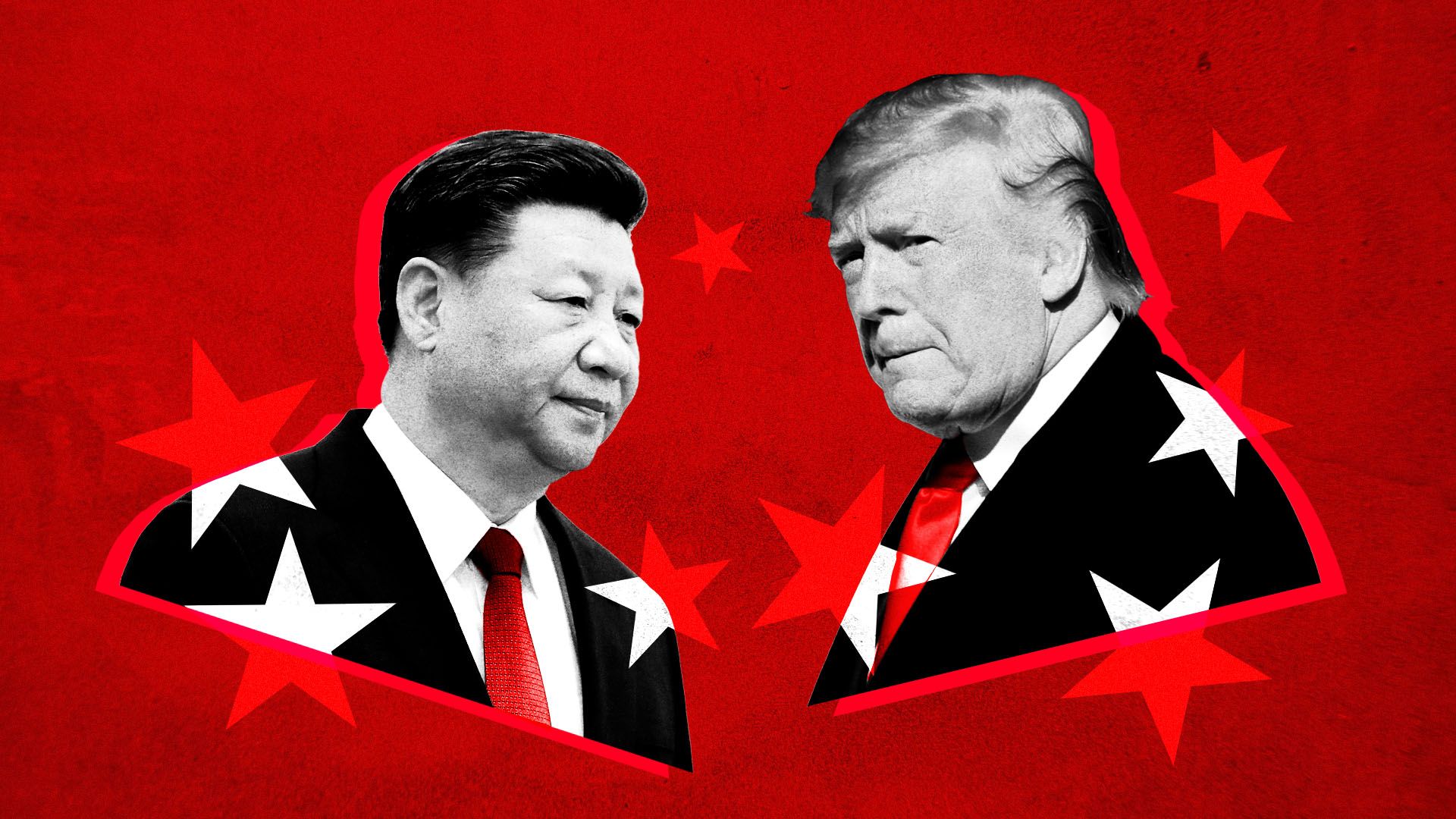
Why it matters: Long-term competition between the U.S., China and their friends — on AI, chips, cybersecurity, freedom of navigation, narrative influence, supply chains and more — is reshaping the world.
Marty Makary's departure from the Food and Drug Administration may remove one of the Trump administration's lightning rods for controversy.
But it won't solve the organizational upheaval and political jockeying that marked much of his 13-month tenure.
Why it matters: There's lots of uncertainty around how the Senate will find the bandwidth to confirm another FDA commissioner while it considers President Trump's nominees for Centers for Disease Control and Prevention director and surgeon general.
Disagreement among administration officials and a time crunch with President Trump's China summit are holding up efforts to launch a federal response to the next frontier of AI.
Why it matters: There's not yet any new federal AI regulation weeks after Mythos — Anthropic's most advanced model yet — threw Washington for a loop.
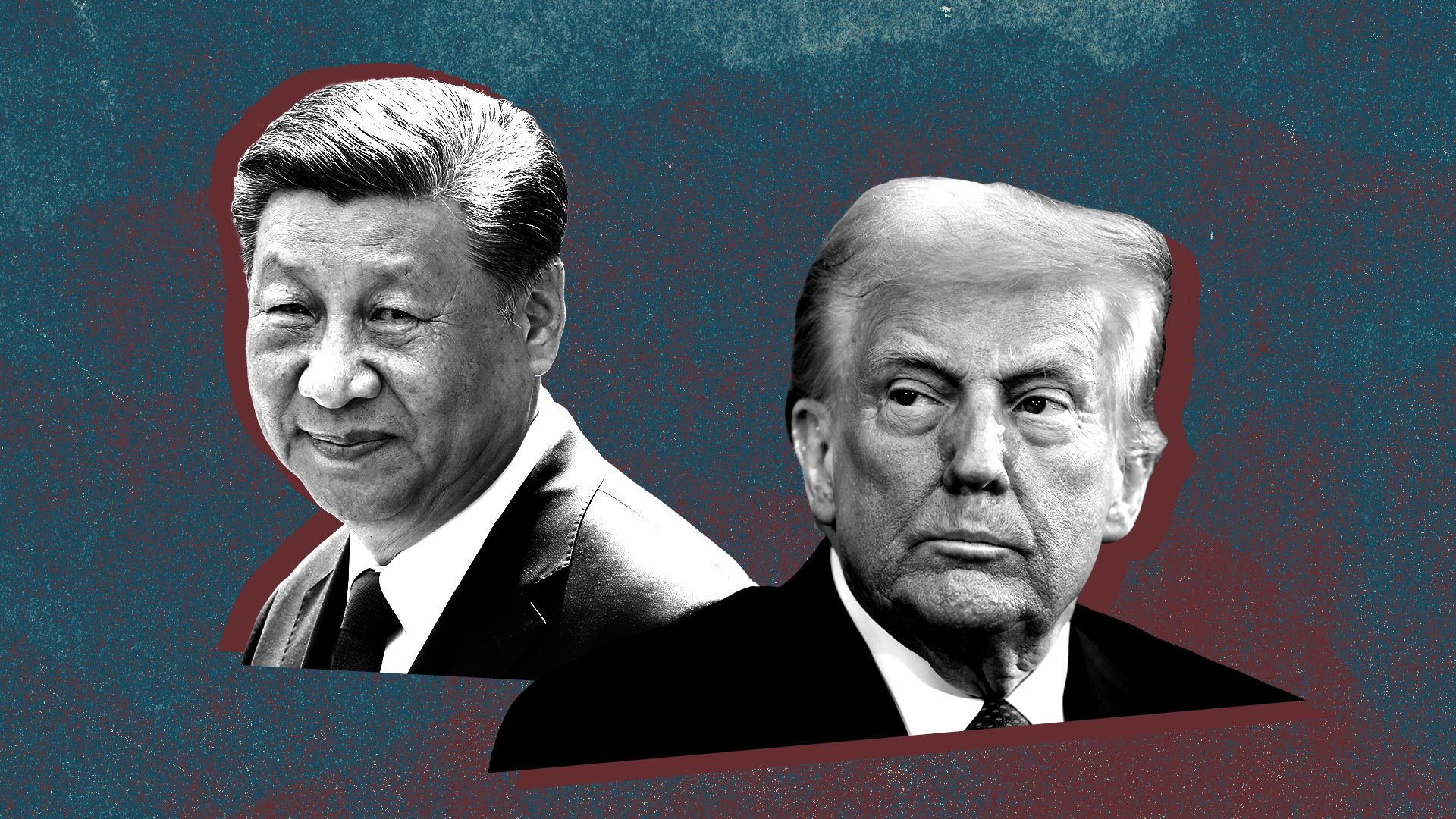
President Trump flew to Beijing on Tuesday under some of the darkest economic clouds of his political career, leaving behind a country reeling from the cost of everyday life.
Why it matters: The bottom is falling out on Trump's economic credibility — the central promise of his return to power. The inflation crisis that doomed his predecessor suggests he may not recover.
Business leadersand lawmakers are closely watching whether President Trump returns from Beijing with a splashy Chinese investment commitment.
Why it matters: Such a deal would go further than the agricultural and aircraft purchases that have so far anchored U.S.-China negotiations.
Trump has made big-dollar investment pledges a trademark of his second term, giving him numbers to tout back home, even as earlier commitments from the likes of Japan and Europe have yet to fully materialize.
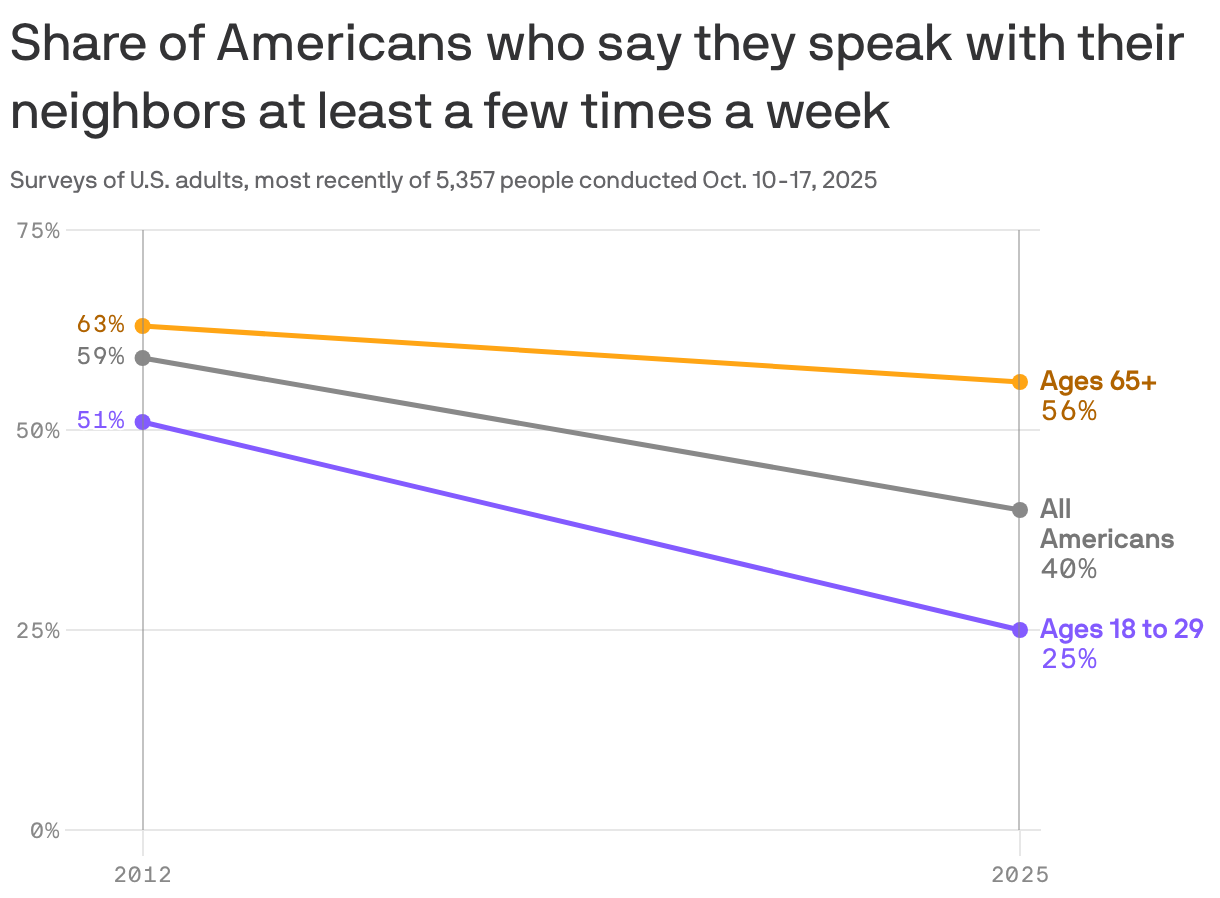
Americans are spending more time at home, yet many have become strangers to their neighbors — especially young Americans, who are increasingly unlikely to socialize with those living feet away.
Why it matters: Without casual conversations with neighbors — who are often from other races, or have different religions and political ideologies — people risk becoming more isolated and more dependent on superficial, algorithm-driven digital communities.
A former girlfriend of Rep. Thomas Massie accused him this week of offering her $5,000 to drop a wrongful termination complaint against his close ally, Rep. Victoria Spartz.
Why it matters: Cynthia West's accusation surfaced a week before Massie's May 19 primary.
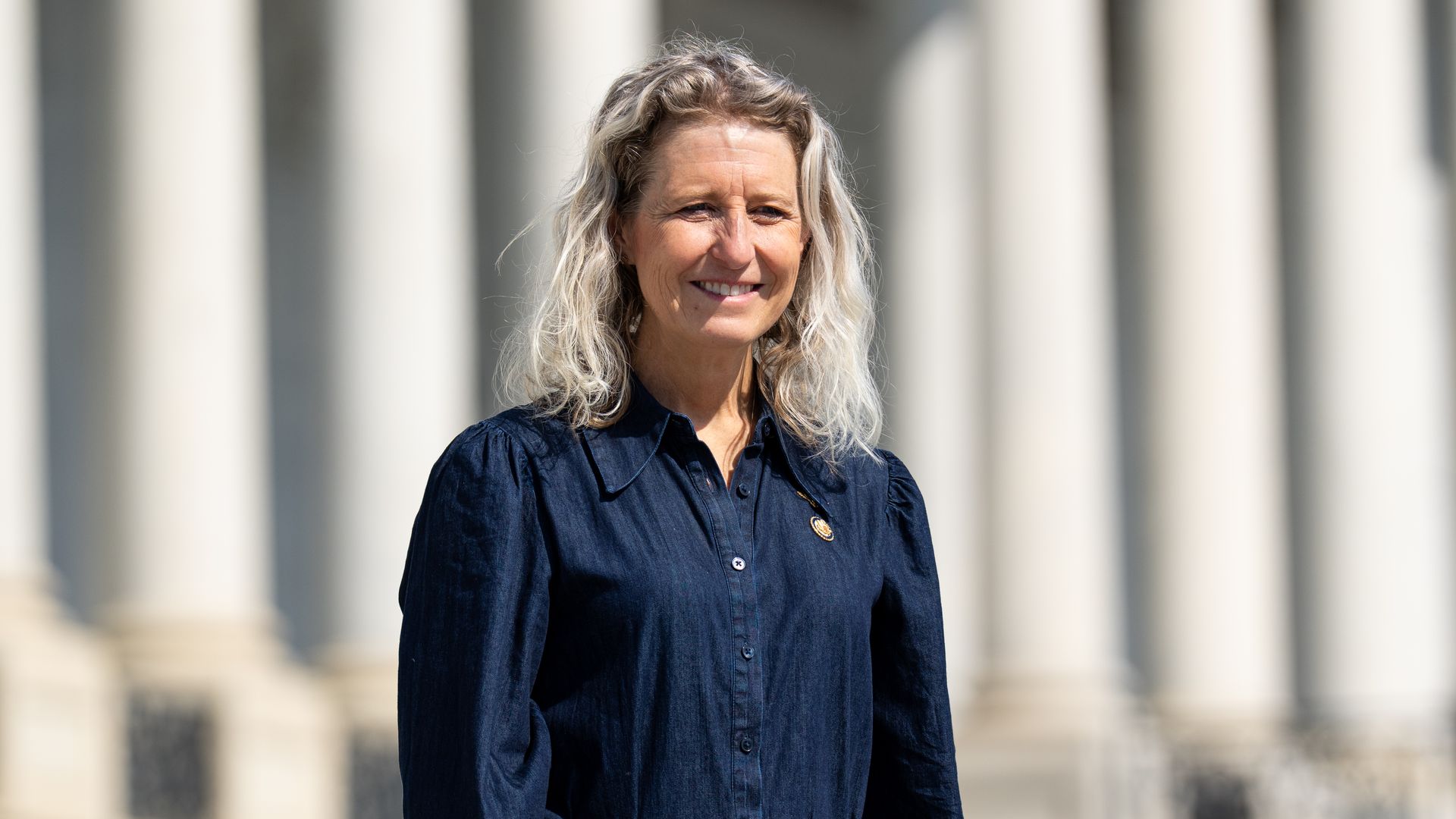
U.S. Rep. Jen Kiggans (R-Va.) is facing growing calls from Democrats to resign over what they say is her agreement with a radio host's derogatory comments about House Minority Leader Hakeem Jeffries (D-N.Y.).
Why it matters: The firestorm comes as Kiggans, who has denied any wrongdoing, is running for reelection in one of the most hotly contested battleground districts in the country.