Exclusive: Sen. Welch would back Trump's most-favored-nation drug policy plan

Add Axios as your preferred source to
see more of our stories on Google.
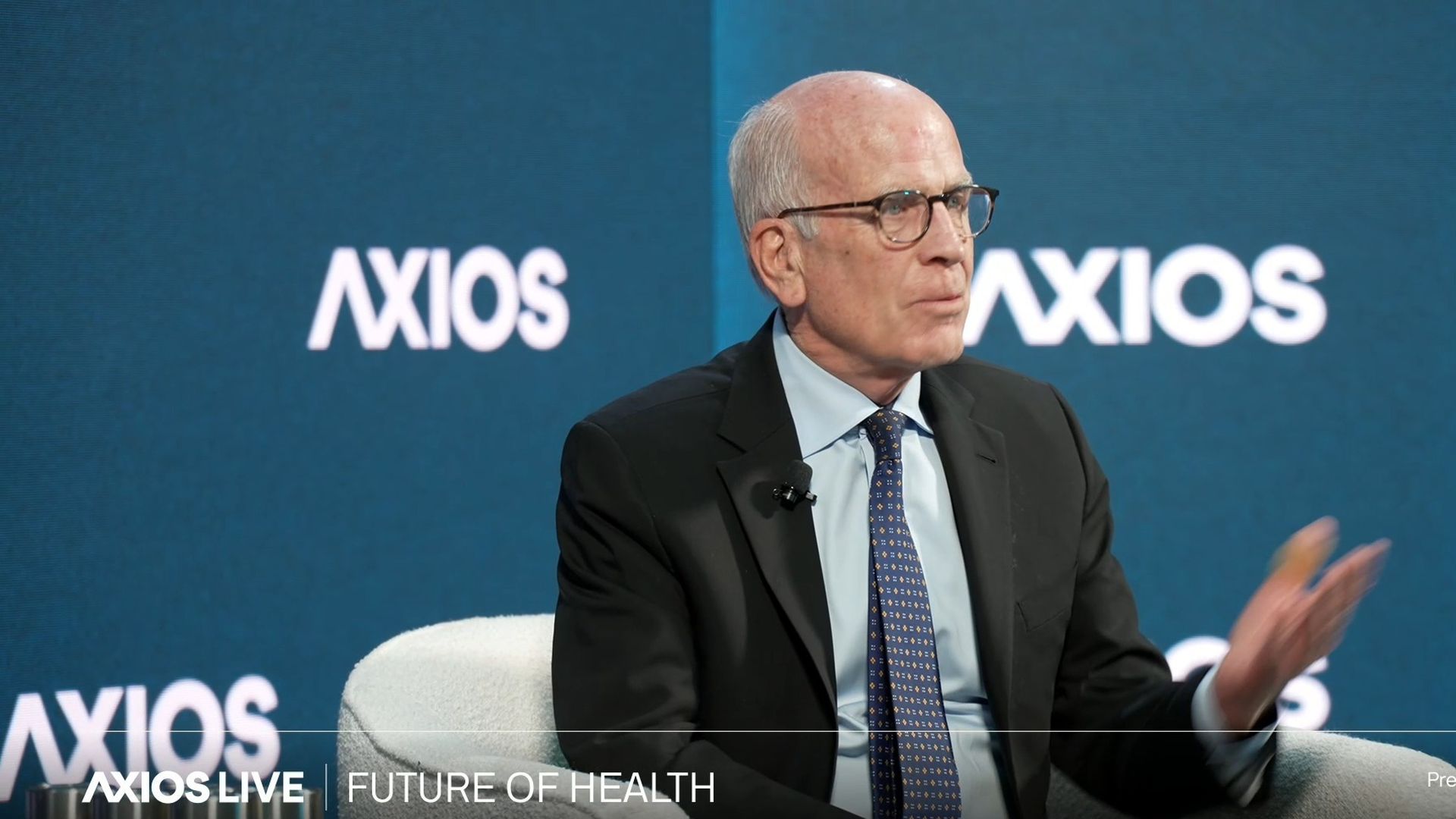
Sen. Welch. Photo: Axios Live screenshot
Sen. Peter Welch (D-Vt.) said Wednesday he'd back President Trump's push to pursue a "most-favored-nation" drug policy at Axios Future of Health summit.
Why it matters: Bipartisan support will be necessary for Congress to codify Trump's plan into law at a time when a majority of Americans are at least somewhat worried about being able to afford prescription drugs.
- Trump's proposal would bring America's drug prices more in line with what other developed nations pay.
What they're saying: Asked by Axios' Peter Sullivan if he'd vote for Trump's plan, Welch said he would "not only vote for it, I would work actively and aggressively to make it happen."
- He noted that Trump hasn't introduced any legislation yet and he'd like the president to "do it, not just talk about it."
Catch up quick: The most-favored-nation deals Trump has made with at least 16 pharmaceutical companies are designed to lower costs, but the terms of the deals are not public, leading some Democrats to allege they may benefit big pharma more than Americans.
- More voters say they trust Democrats over Republicans to address high drug costs, according to KFF health researchers, though over a quarter of Americans don't trust either party.
The intrigue: Welch and Sen. Josh Hawley (R-Mo.) are already working together on a bipartisan bill that would bar drugmakers from charging Americans more than the international average price.
- When Welch unveiled the plan in early May, he said the bill offers the Trump administration a congressional "template" to make that goal a reality.
Zoom in: Welch also said that if Democrats take back the Senate in November, the party's top priorities would be to "stabilize things."
- He noted many rural health care clinics are closing in anticipation of Trump's signature tax law's cuts to Medicaid.
- Welch added that Dems need to extend the Affordable Care Act tax credits that help people purchase health care.
Zoom out: He noted that his daughter, who lives in France, recently had a baby and had no bill because of the country's universal healthcare policy.
- "Just think of the anxiety they don't have," he said.
- "I'm giving that as an example to suggest that ... we don't have to have a big imagination. There's examples of how there are systems that are affordable and sustainable."
Go deeper: New clinic closings reignite fears about rural care
Editor's note: This story was updated with additional information throughout.
