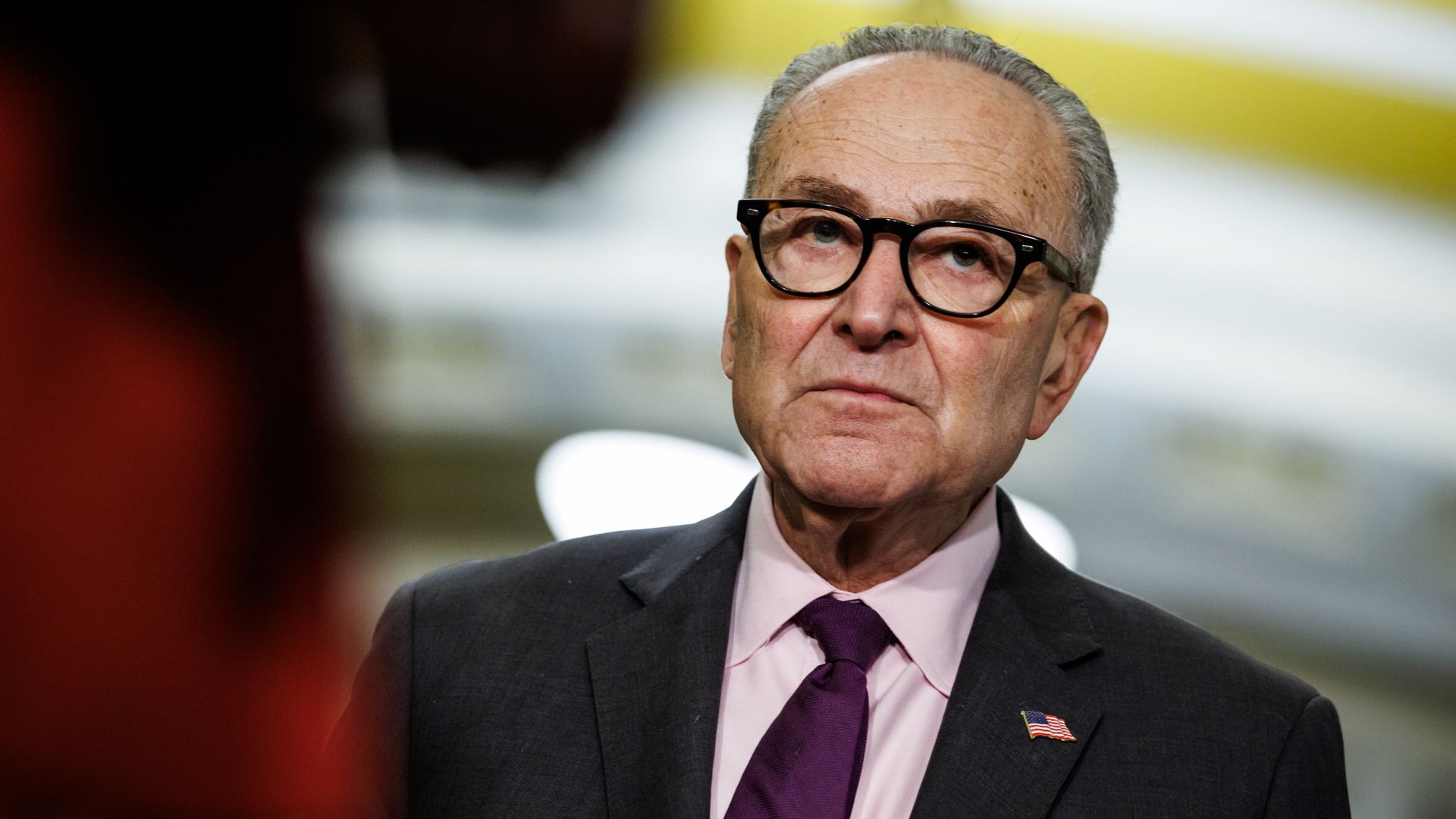
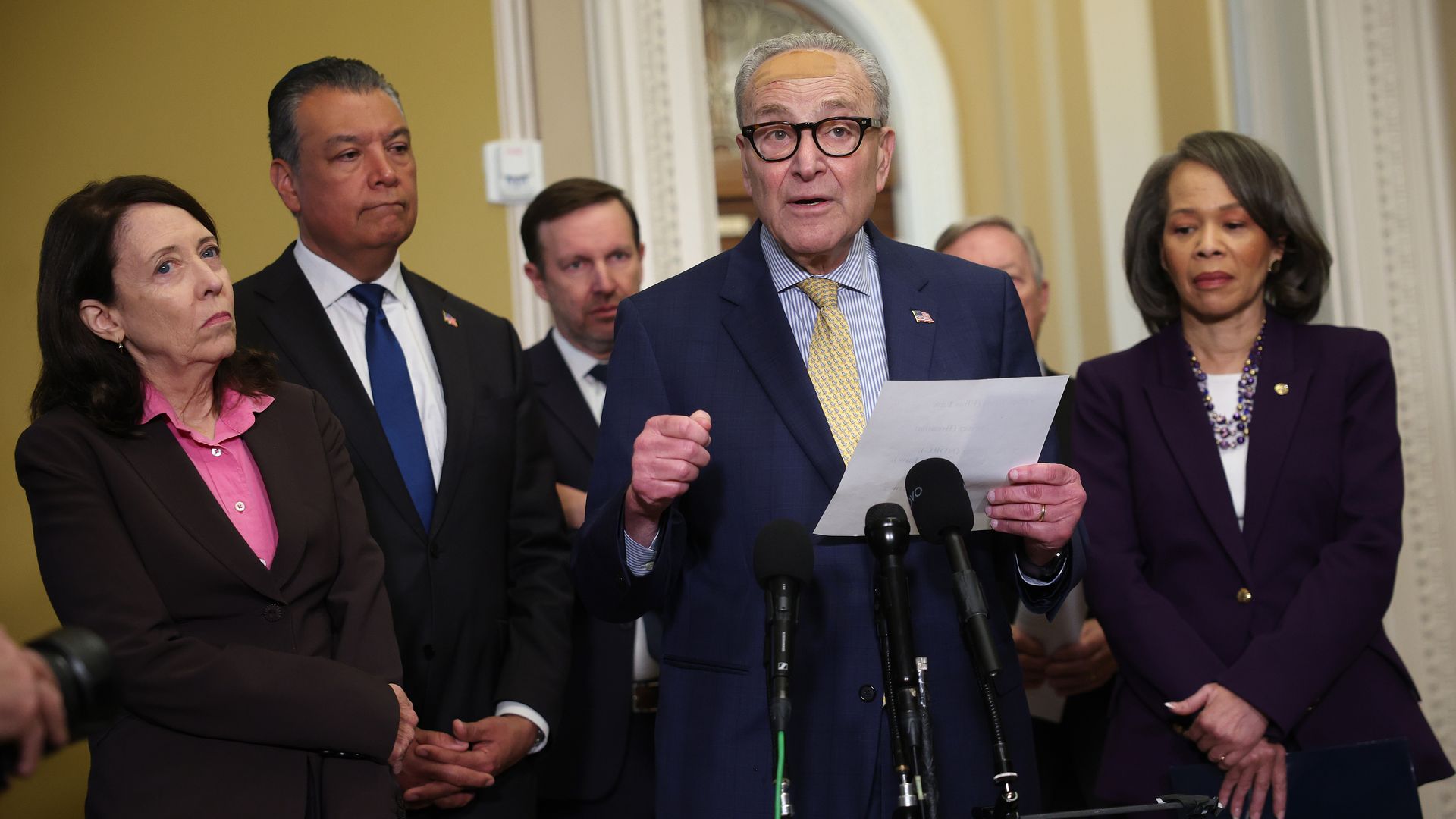
Chuck Schumer's headaches may only just be getting started after the Senate minority leader's handpicked candidate to take down Sen. Susan Collins was forced to drop out early in Maine's Democratic primary.
Why it matters: Progressive candidates are mounting serious, well-funded campaigns against more traditional Democrats in Senate primaries across the country.
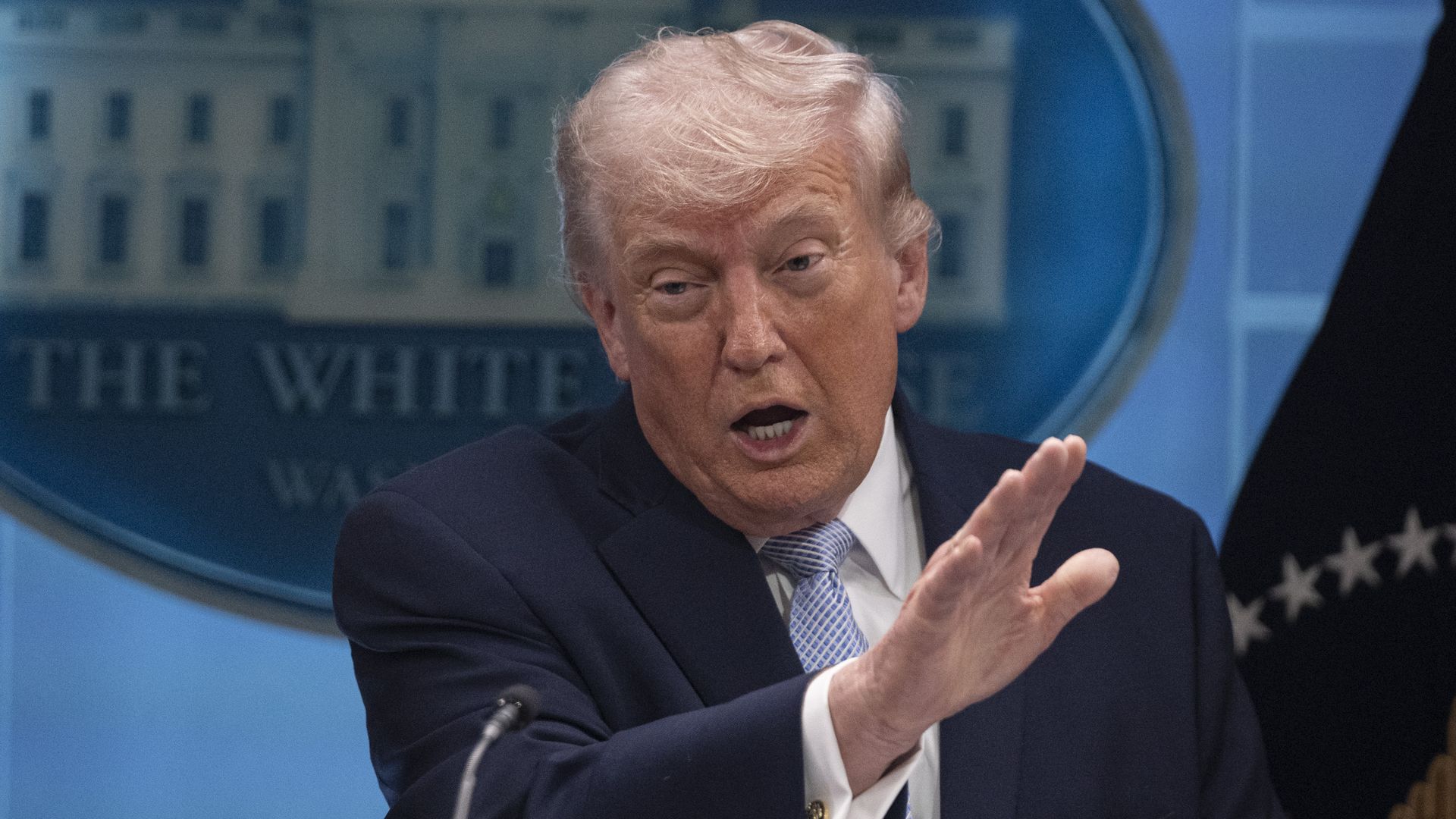
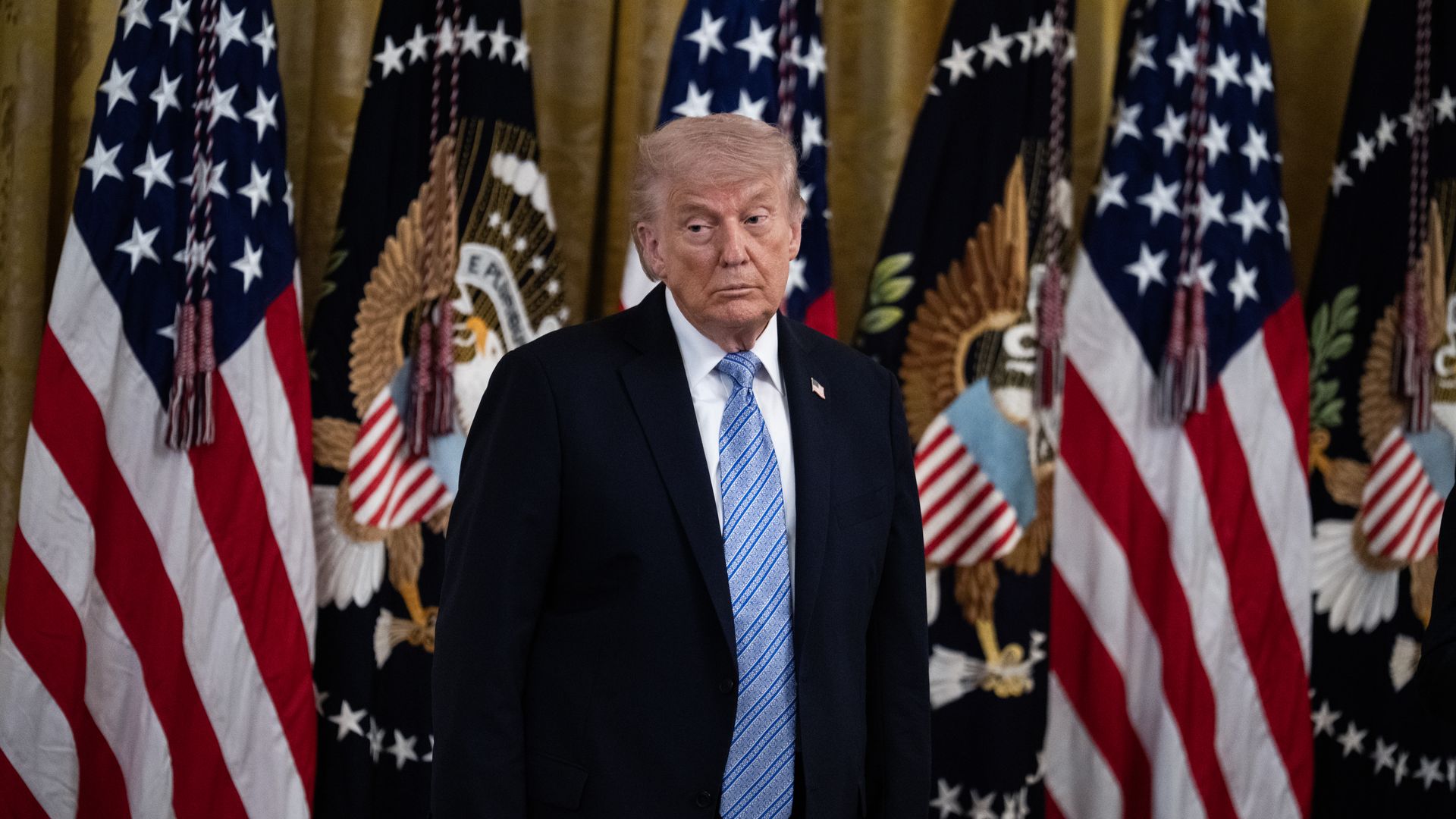
President Trump's declaration that hostilities with Iran are "terminated" has thrown Democrats' strategy around congressional war powers into turmoil, Axios has learned.
Why it matters: House Democrats, led by the Congressional Progressive Caucus, had been planning to force a war powers vote every day. It is now unclear whether that will — or even can — happen.
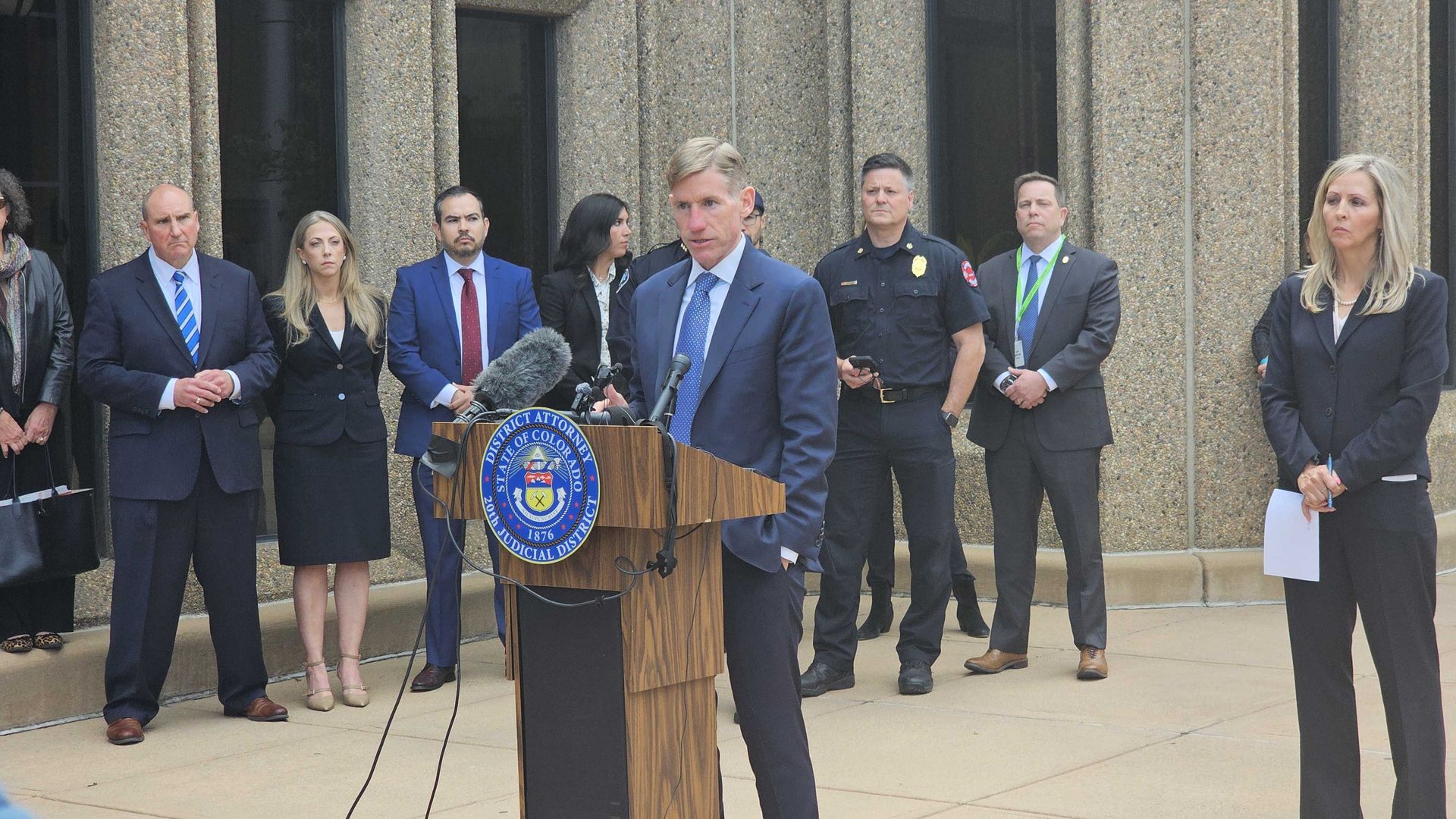
State of play: The plea means Soliman will spend the rest of his life in prison without parole, even as a federal hate crime case against him remains pending.
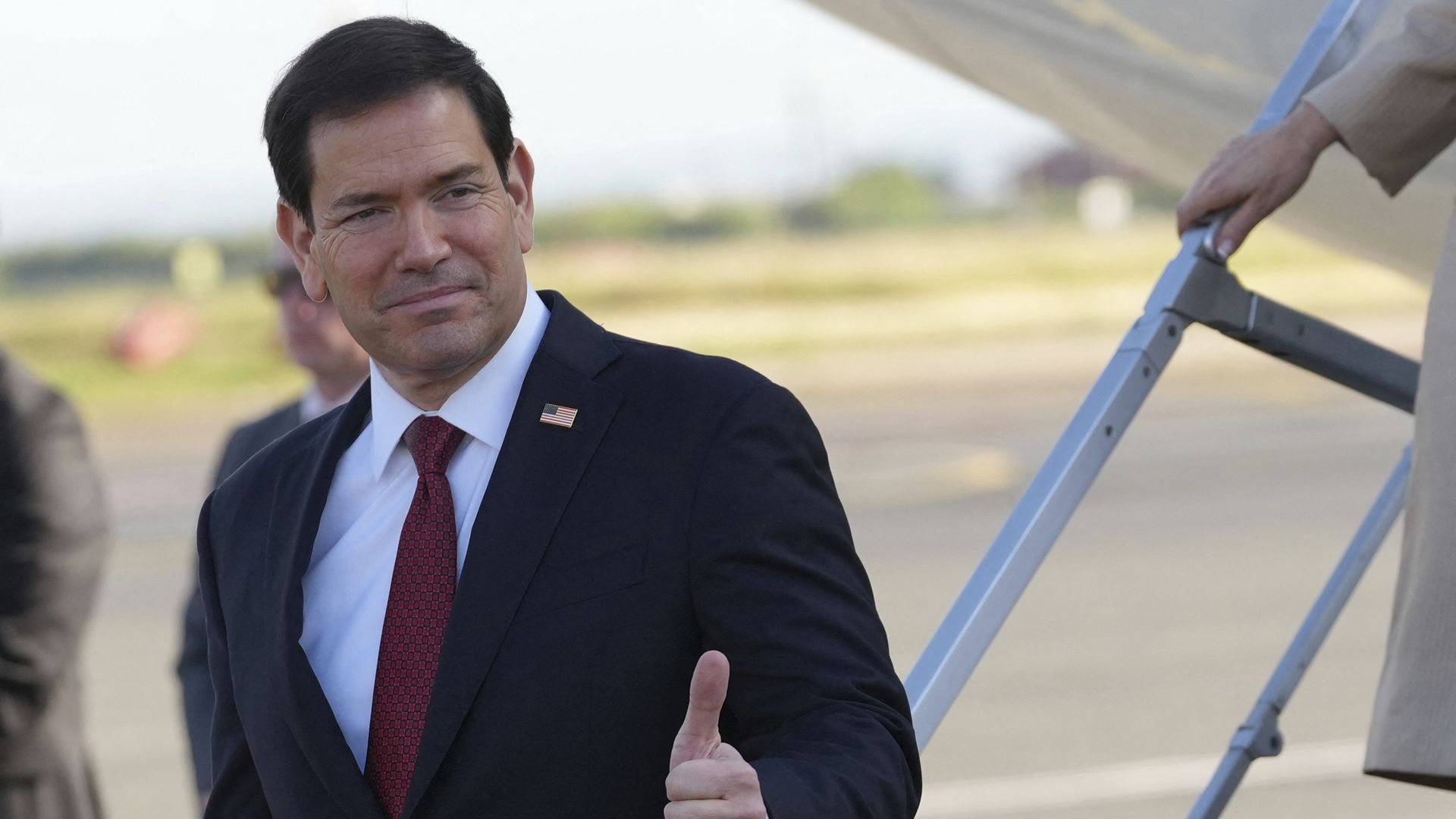
Secretary of State Marco Rubio announced new sanctions Thursday on Cuba's military-industrial enterprise, its leader and a state-owned natural resources company.
Why it matters: The new sanctions show the Trump administration is pushing forward for regime change in Cuba, a long-held goal of Rubio and President Trump.
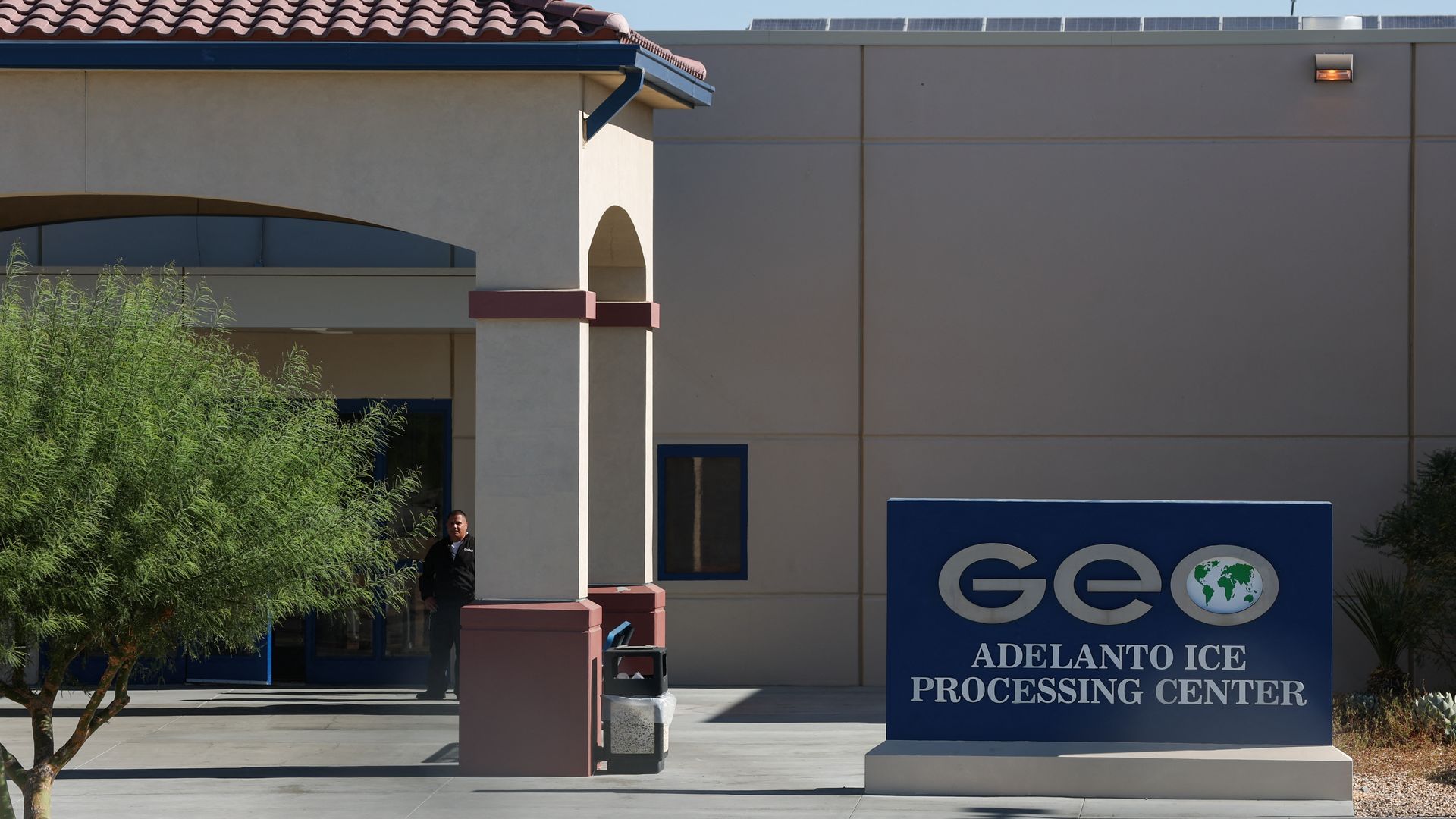
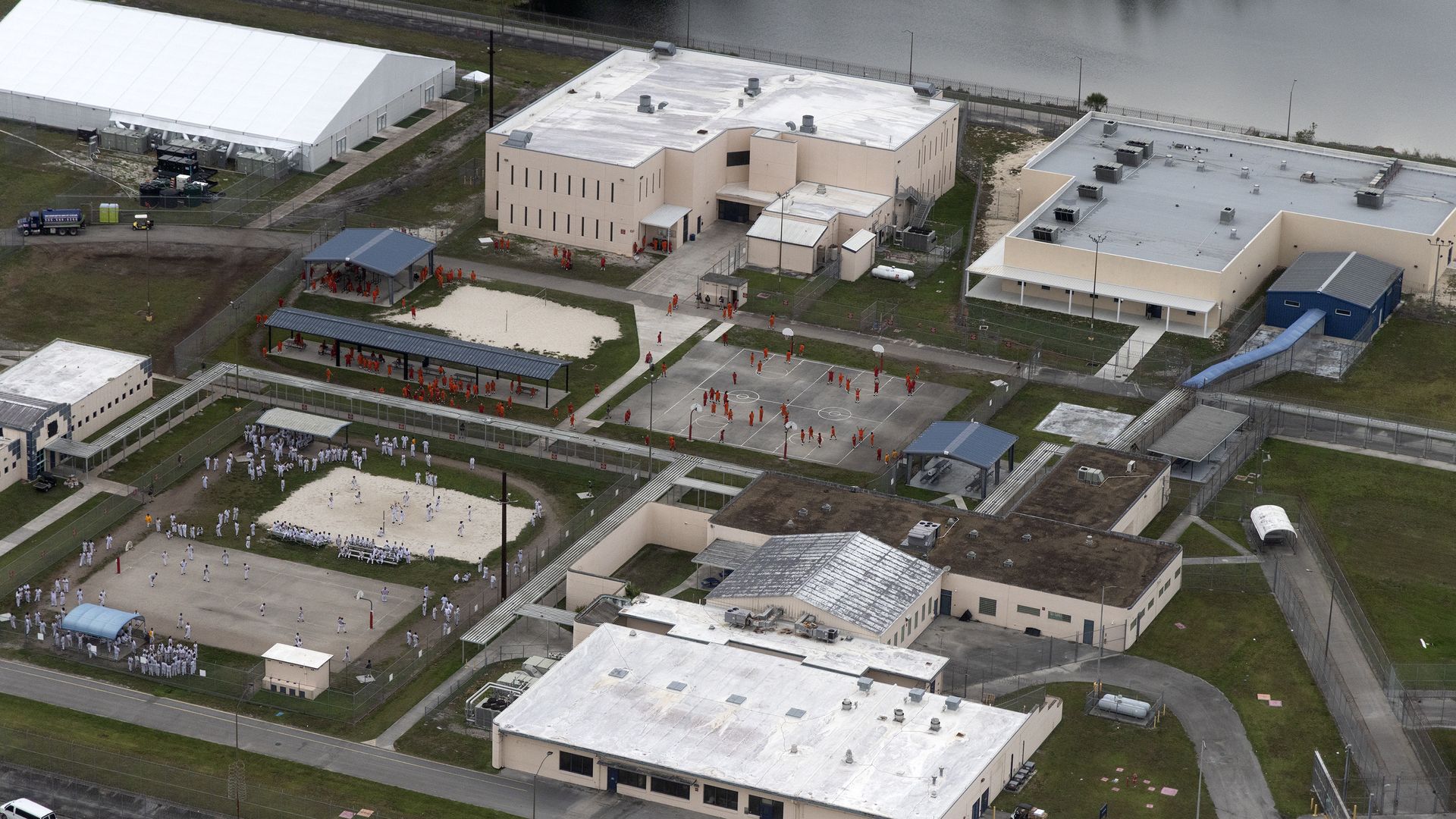
ICE is in talks to buy turnkey immigration detention facilities from its biggest vendors as local backlash derails its plan to rapidly renovate warehouses into large-scale detention spaces .
Why it matters: The Department of Homeland Security wants to own its detention spaces, a pivot from the mostly leased network of beds that held a peak a population of more than 70,000 detainees earlier this year.
Anthropic, the AI lab whose identity is wrapped around warning the world about AI risk, is claiming "early signs" of AI not just coding its own products but building itself.
Why it matters: Anthropic co-founder Jack Clark predicted this week that there's a 60%+ chance of an AI model fully training its successor by the end of 2028. "What I'm looking at is a technological trend where, if anything, the speed will accelerate further," Clark told us.
In the new research agenda for The Anthropic Institute — first shared with us, and out Thursday — the company says it's seeing signs of "AI contributing to speeding up the research and development of AI itself," a process known as recursive self-improvement. And Anthropic researchers think the world should know.
If a U.S.-Iran peace deal actually happens this time — and that's still a big if — consumers have a long road ahead before filling up returns all the way to the good old days of early 2026.
Why it matters: Even if the Strait of Hormuz opened right away, pump prices will likely remain higher — maybe a lot higher — than pre-war levels at least through the midterm elections.
President Trump's revenge tour didn't just draw blood in Indiana. It put Republican holdouts across the South on notice.
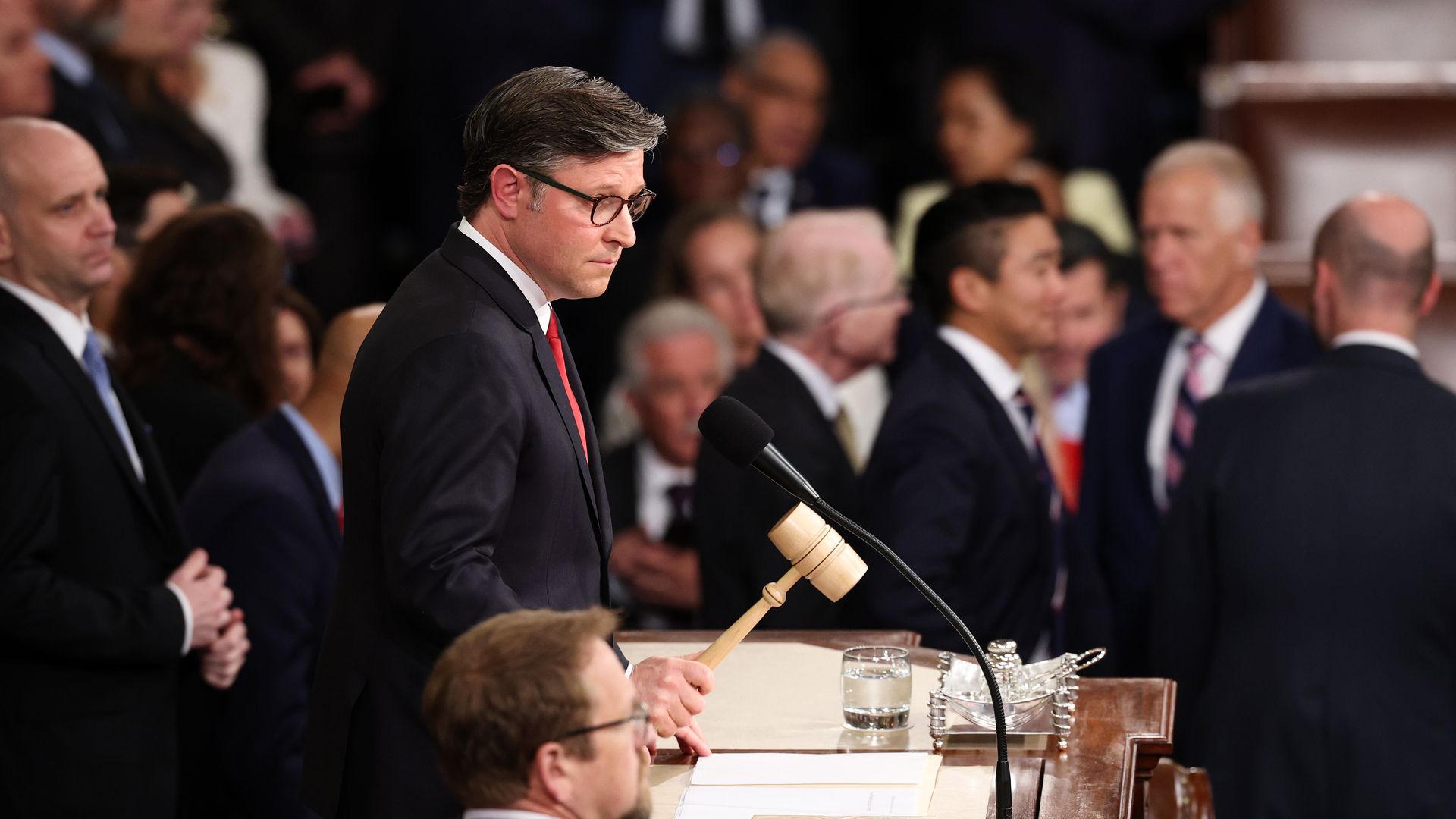
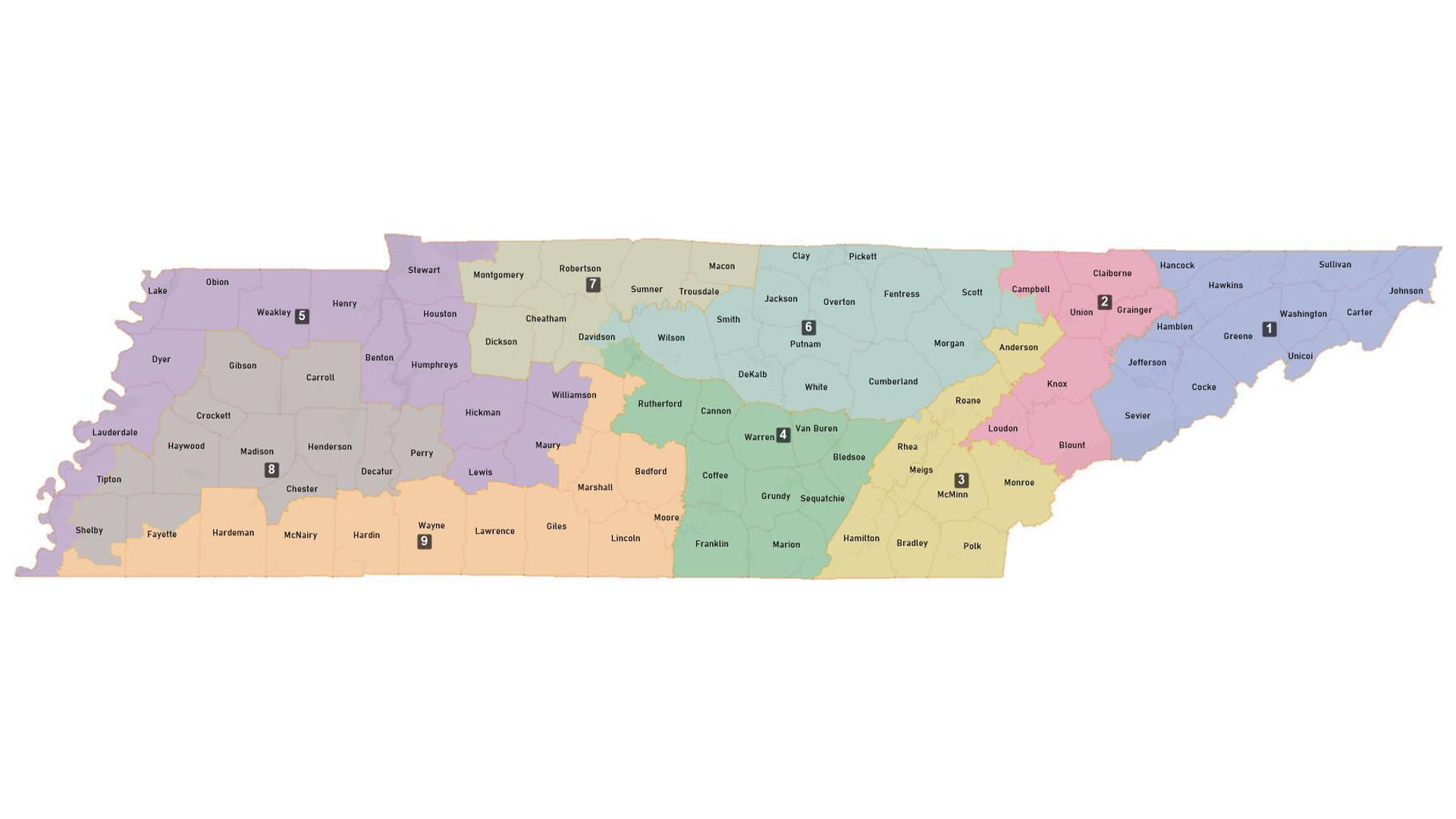
Why it matters: Republicans are being squeezed to approve last-minute new maps that give House Speaker Mike Johnson (R-La.) a shot at saving his majority in November.
A federal appeals court struck down the Trump administration's mandatory detention policy on Wednesday.
Why it matters: The Miami, Florida-based 11th Circuit ruling is the latest case to weigh the administration's controversial policy to hold people in immigration detention with the possibility for bond.
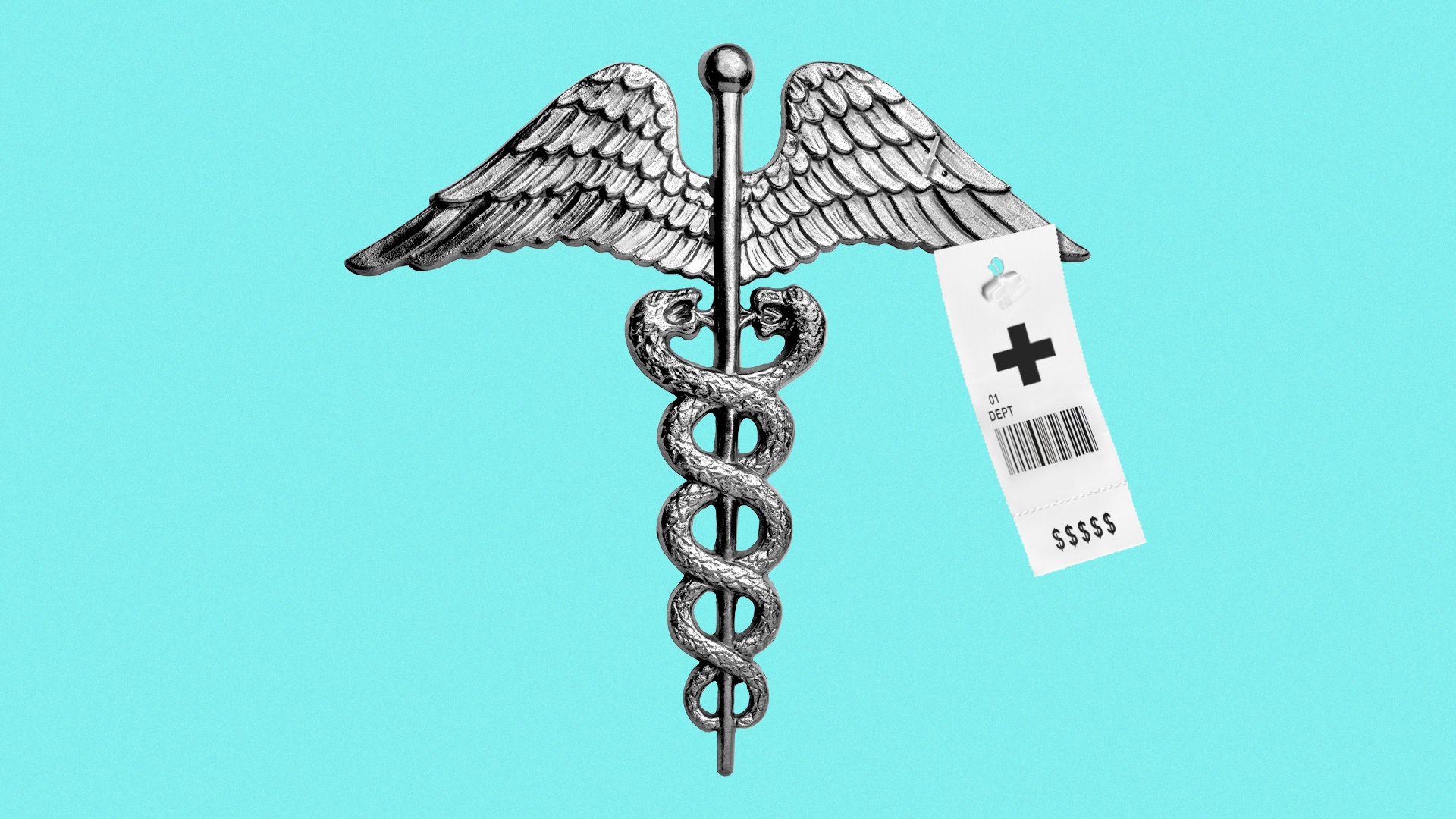
The Trump administration's new federal student loan limits could force aspiring health care workers to abandon their degrees or turn to private lenders.
Why it matters: America's aging population means the nation needs more health care workers, but the borrowing cap could exacerbate the industry's worker shortage, which is already marked by medical care deserts and longer wait times.
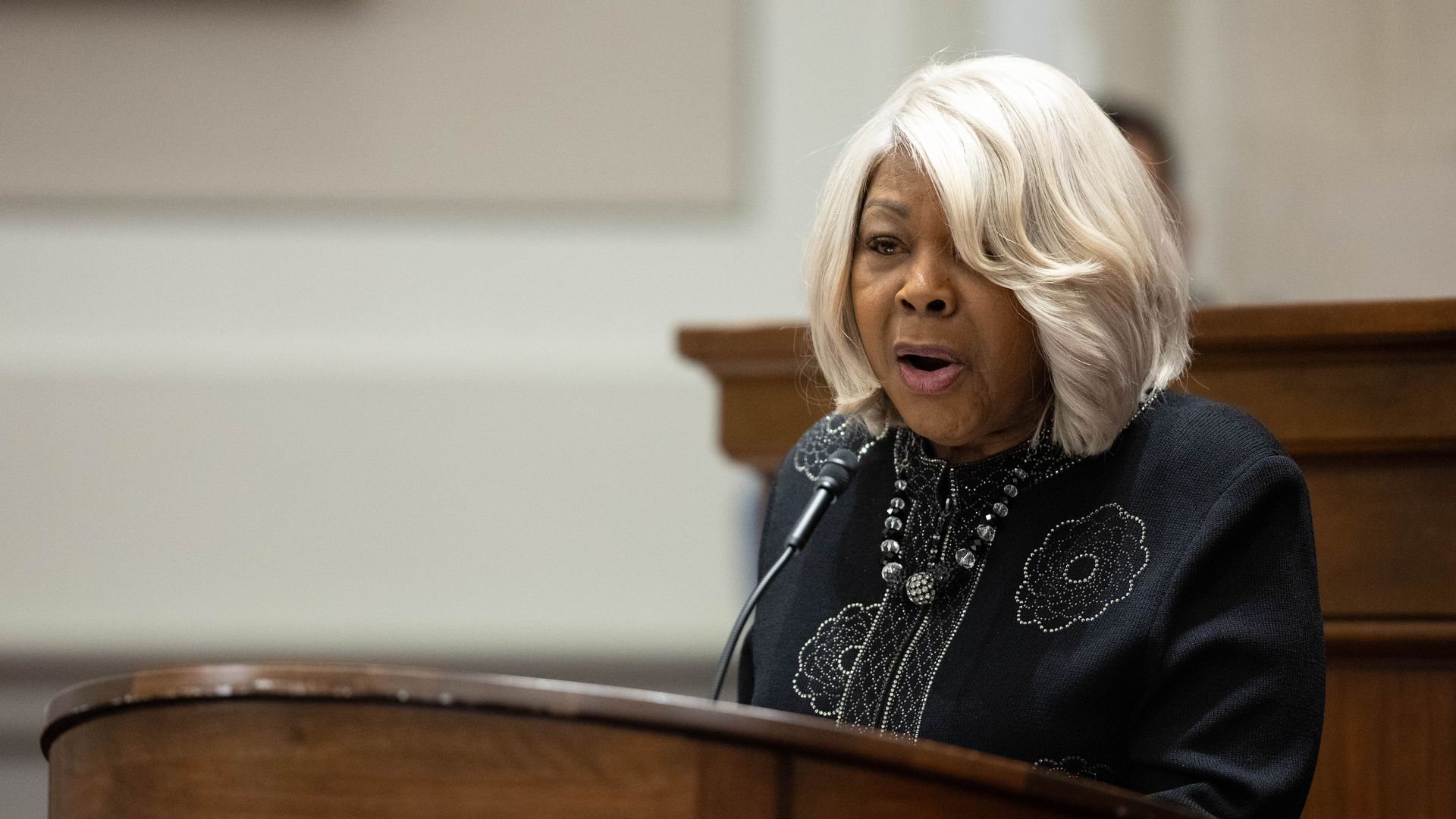
The FBI searched the Portsmouth office of Virginia Senate President pro tempore Louise Lucas on Wednesday.
Why it matters: The raid puts one of the state's most powerful lawmakers — who emerged nationallyas a Democratic power broker during Virginia's redistricting fight — at the center of a federal investigation.
President Trump said Wednesday that the U.S. and Iran have had "good talks over the last 24 hours," and expressed confidence that a deal is possible in the coming days.
Why it matters: The White House is waiting for Iran's response to a one-page memorandum of understanding (MOU) to end the war and set a framework for more detailed nuclear negotiations, as Axios first reported.
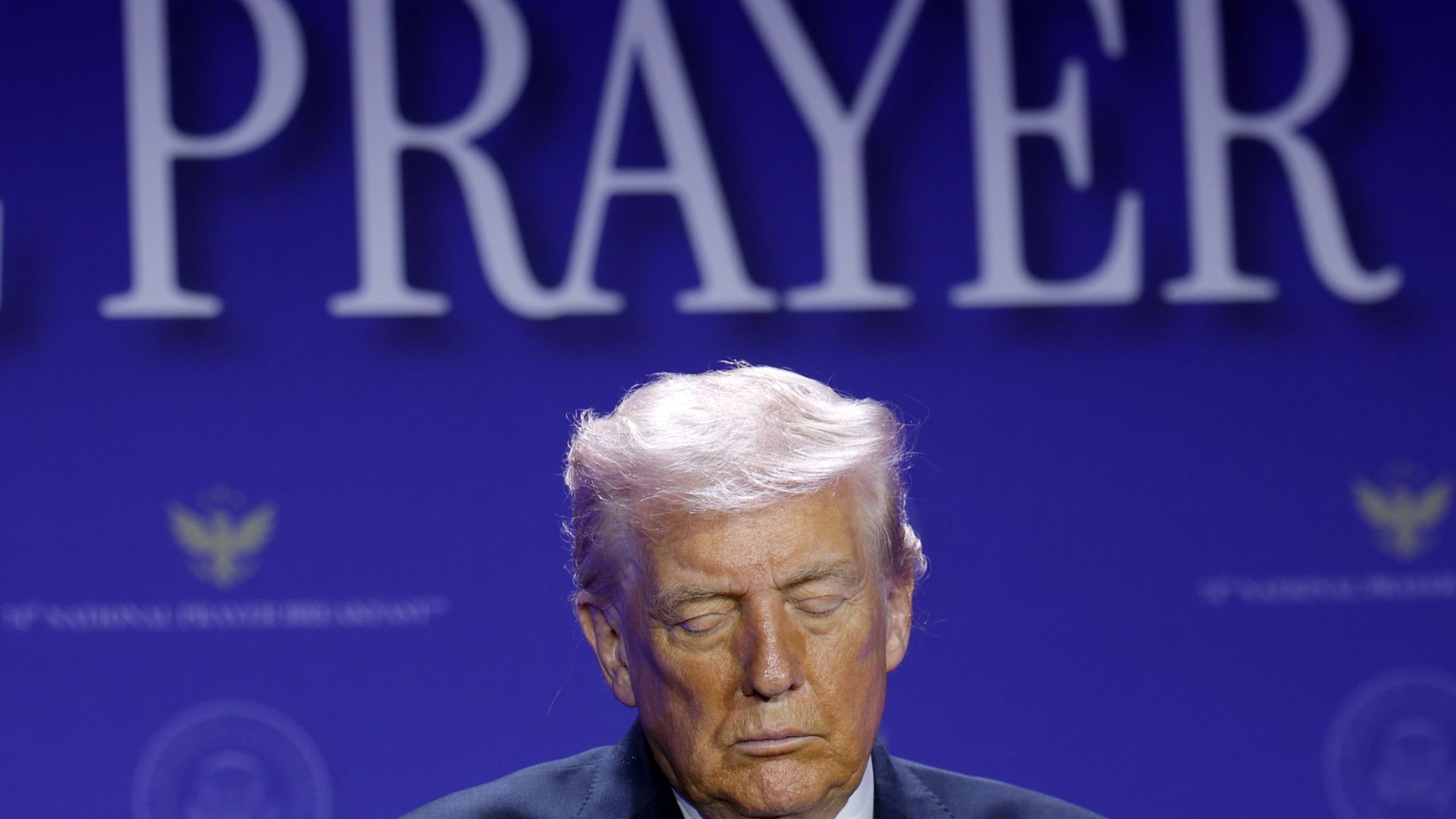
President Trump's own voters overwhelmingly rejected his social media post depicting himself as Jesus — a rare break in today's tribal politics, a new poll finds.
Why it matters: The backlash underscores limits to how far culture-war politics can stretch inside his own coalition.
The director of the Pentagon'sEconomic Defense Unit has heard your "Deal Team Six" jokes. He thinks the nickname is both fun and fitting.
"Economic warfare has been a part of all successful nations for thousands of years," George Kollitides, who's months into the job, told Axios at the Milken Institute Global Conference in California.
The big picture: Dealmaking is synonymous with national security. There is no missile production, no shipbuilding, no crazy venture valuations, no European rearmament and no American reindustrialization without it.
Health Secretary Robert F. Kennedy Jr. and his MAHA movement are out for payback, setting their sights on unseating a fierce adversary — Republican Sen. Bill Cassidy — in next week's Louisiana primary.
Why it matters: Kennedy and his supporters view the physician-turned-senator as an avatar for the medical establishment they're determined to upend.
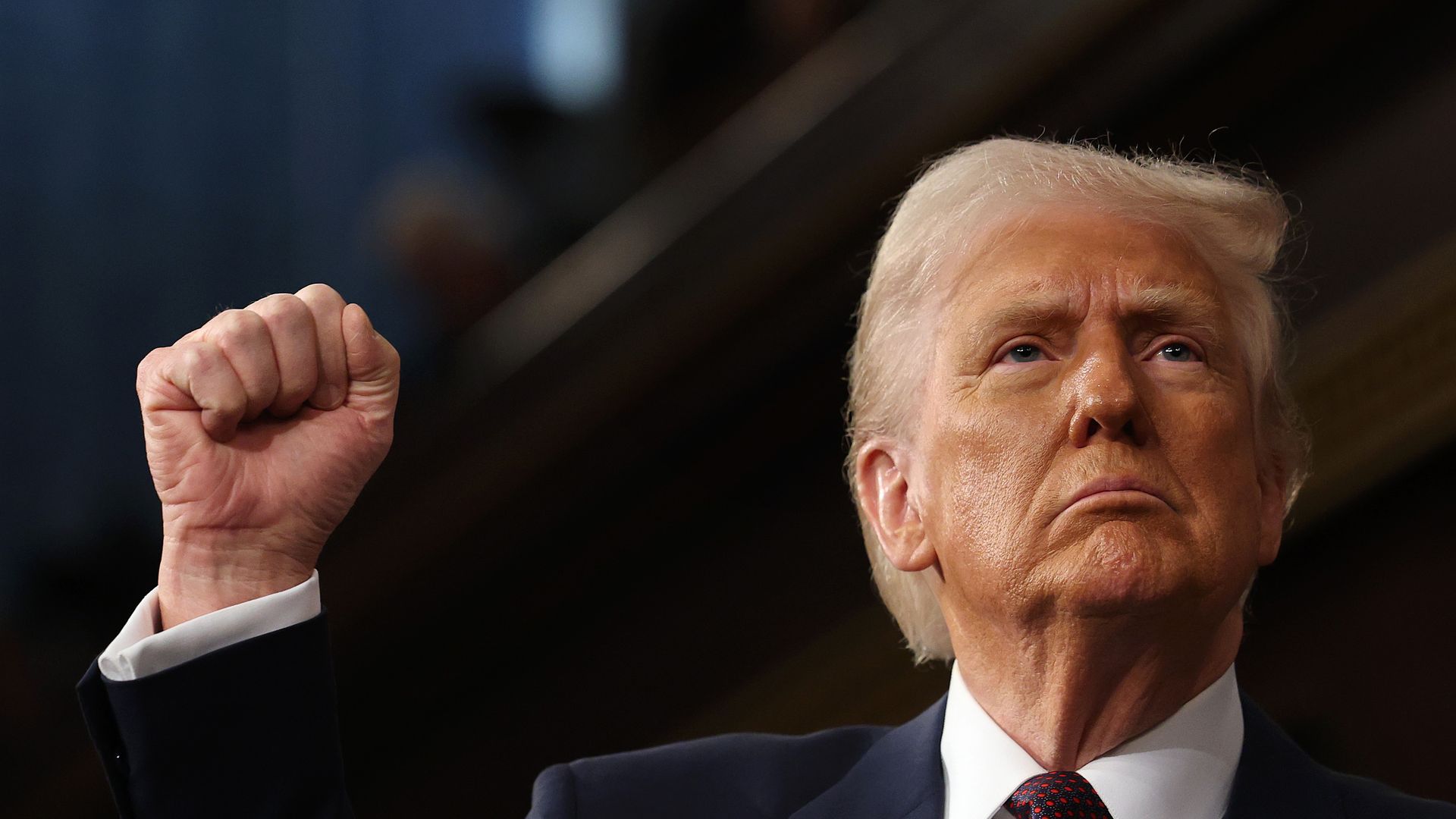
President Trump exacted retribution Tuesday on a group of Indiana Republican state legislators who blocked his push to redraw the state's congressional map.
Trump's political operation targeted eight GOP state senators for defeat in their primaries.
By late Tuesday, six of those legislators were defeated, one survived and one was locked in a race that was too close to call.
Why it matters: The outcome represented a major win for Trump's political team, which is aggressively going after Republicans who defy the president.
Senate Democratsare salivating at the chance to force every Republican to vote on $1 billion for security upgrades tied to President Trump's new White House ballroom.
Why it matters: A billion-dollar, Trump-branded gilded ballroom — which the president insisted would be privately funded — is the kind of affordability contrast Democrats have dreamed about for the 2026 midterms.