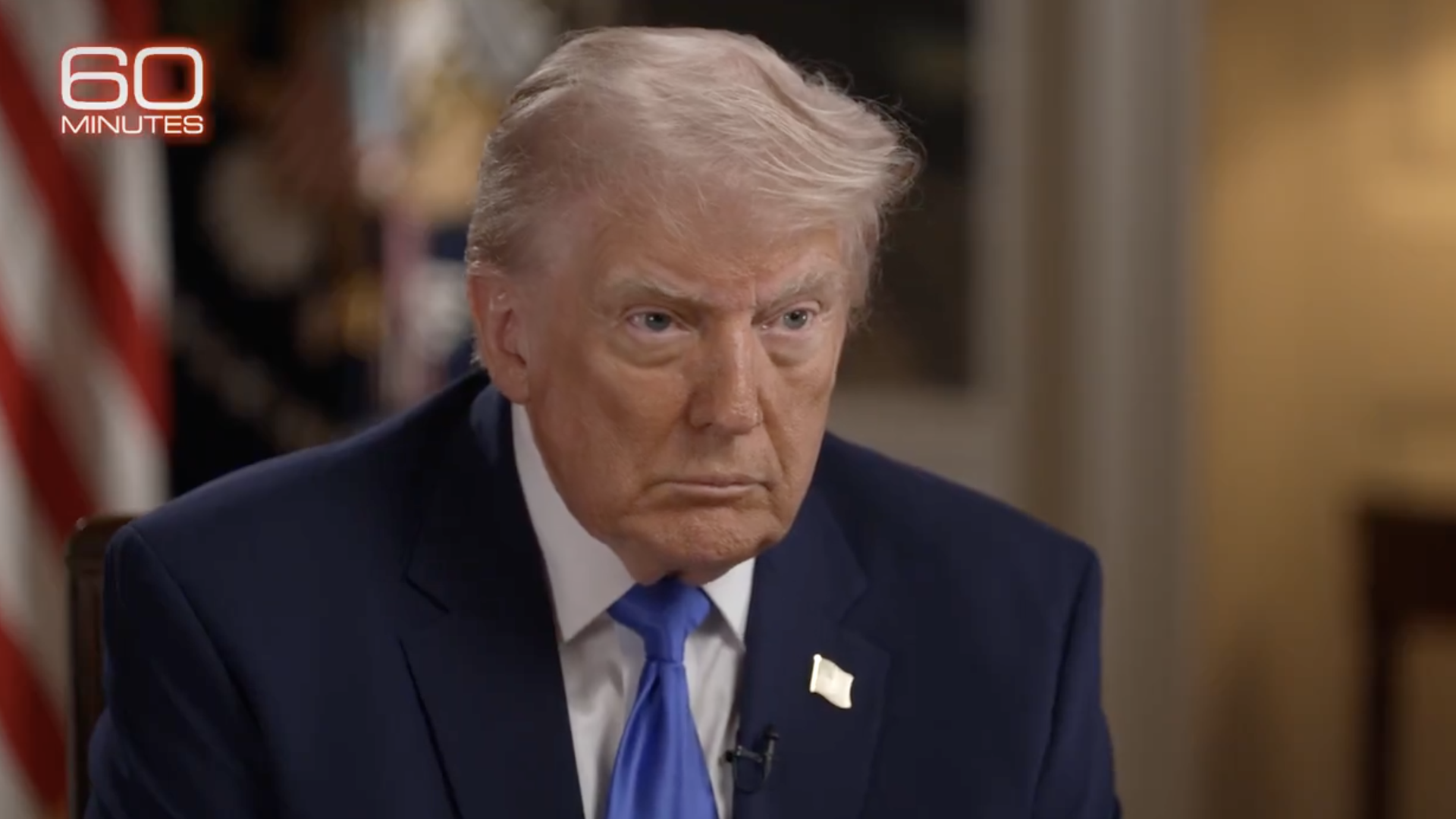
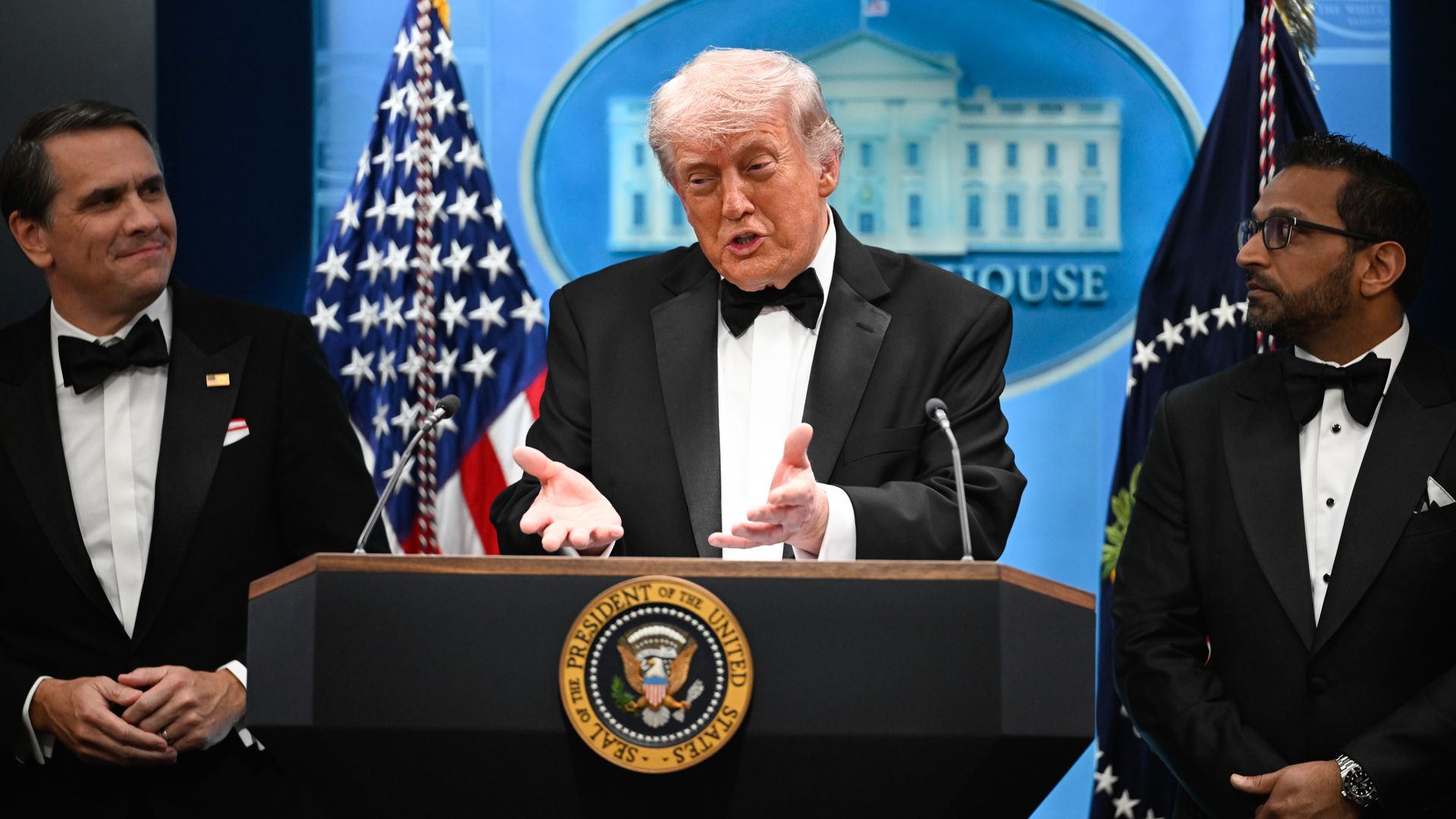
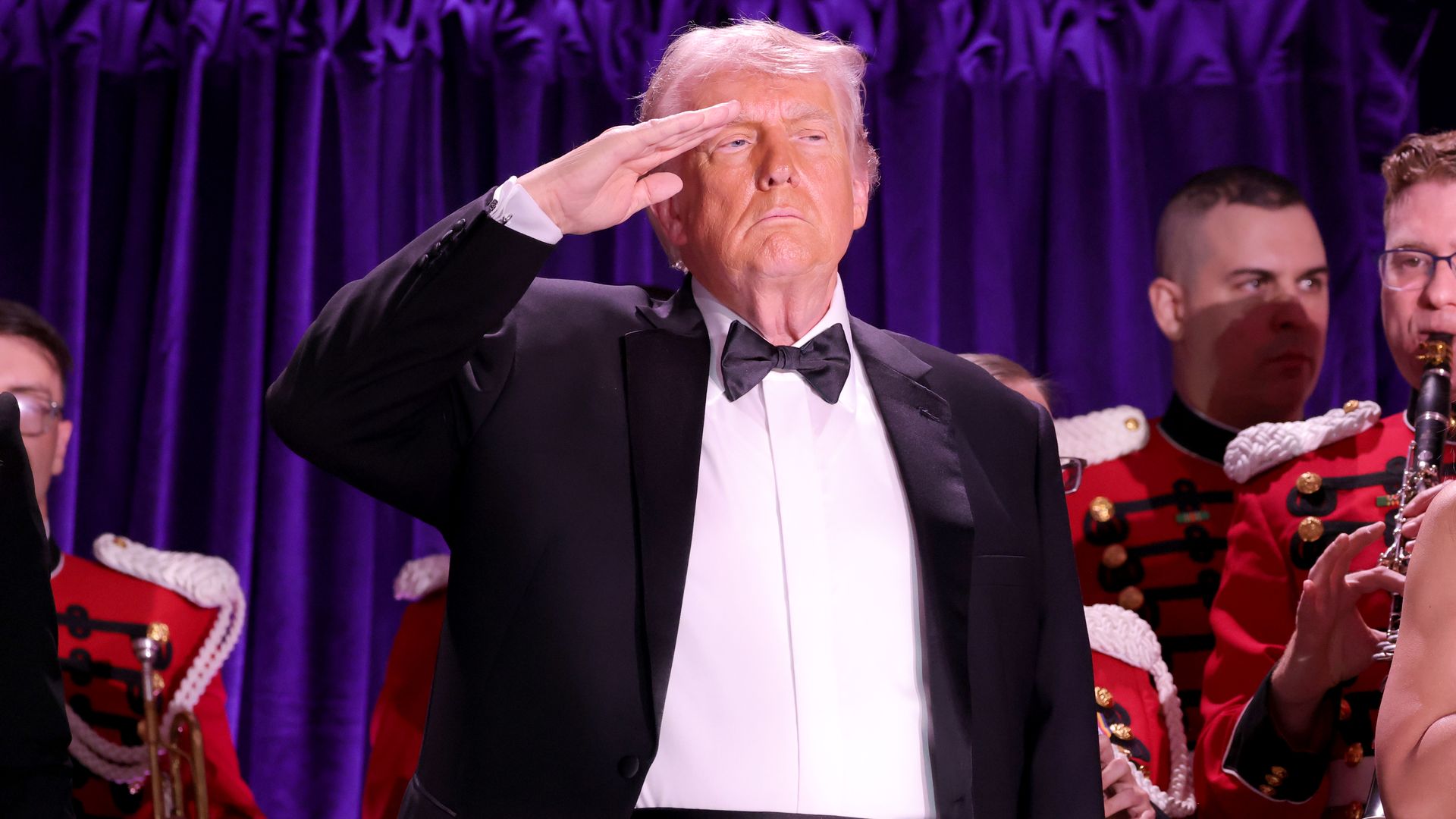
President Trump called CBS' Norah O'Donnell "disgraceful" during a "60 Minutes" interview Sunday after she raised comments the gunman from the White House Correspondents' Association dinner allegedly made about him in a manifesto.
The big picture: O'Donnell asked Trump for his reaction to the manifesto and allegations the suspect appeared to make about him, prompting the president to say: "I was waiting for you to read that because I knew you would because you're horrible people. ... Yeah, he did write that. I'm not a rapist. I didn't rape anybody."
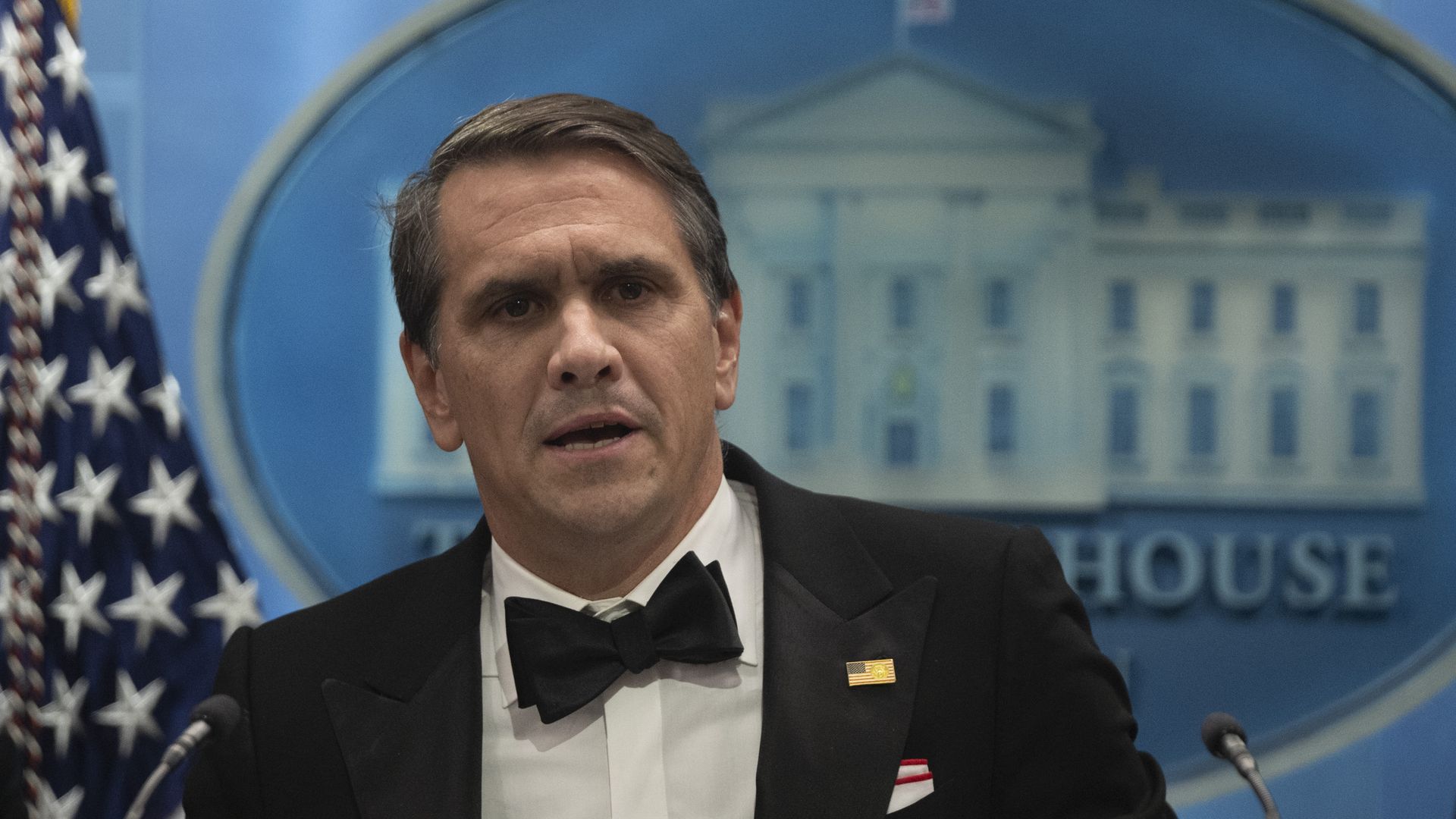
The 31-year-old gunman who derailed the White House Correspondents' Association dinner is believed to have been targeting members of the Trump administration, acting Attorney General Todd Blanche told multiple news outlets Sunday.
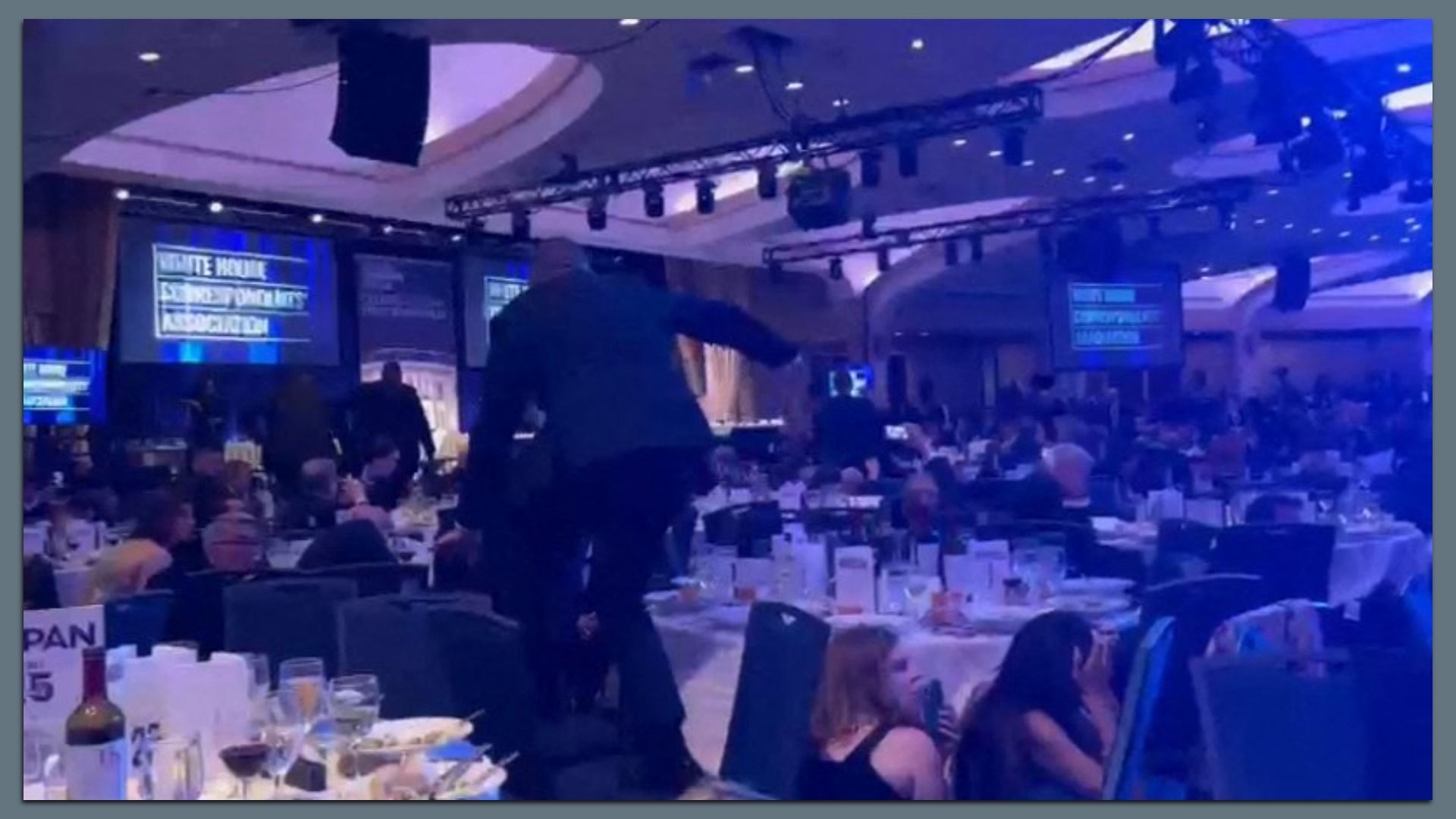
The big picture: The shots fired outside the hotel ballroom triggered a chaotic scene inside, with President Trump hastily evacuated. While he was not in immediate danger, the sobering moment adds to a list of close calls no modern president has faced.
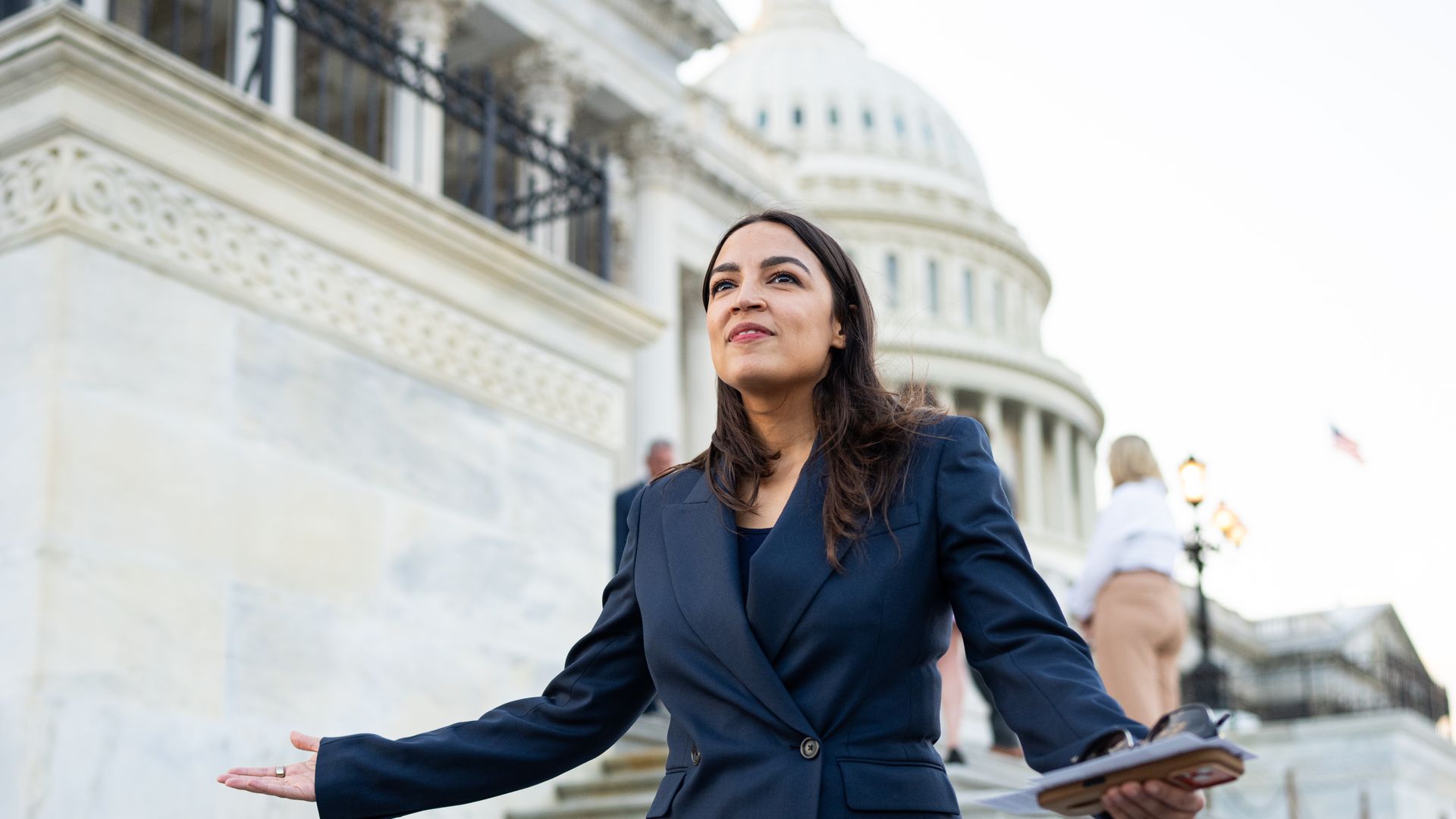
The progressive lawmaker has sat for just three interviews with national media this year — a fraction of what other potential 2028 candidates for president have done.
When she is interviewed it's usually with an ideologically sympathetic outlet or reporter, or is focused on a topic that's politically safe.
Why it matters: This distinct approach to the media suggests three things about Ocasio-Cortez and her team's approach as she weighs a run for the White House:
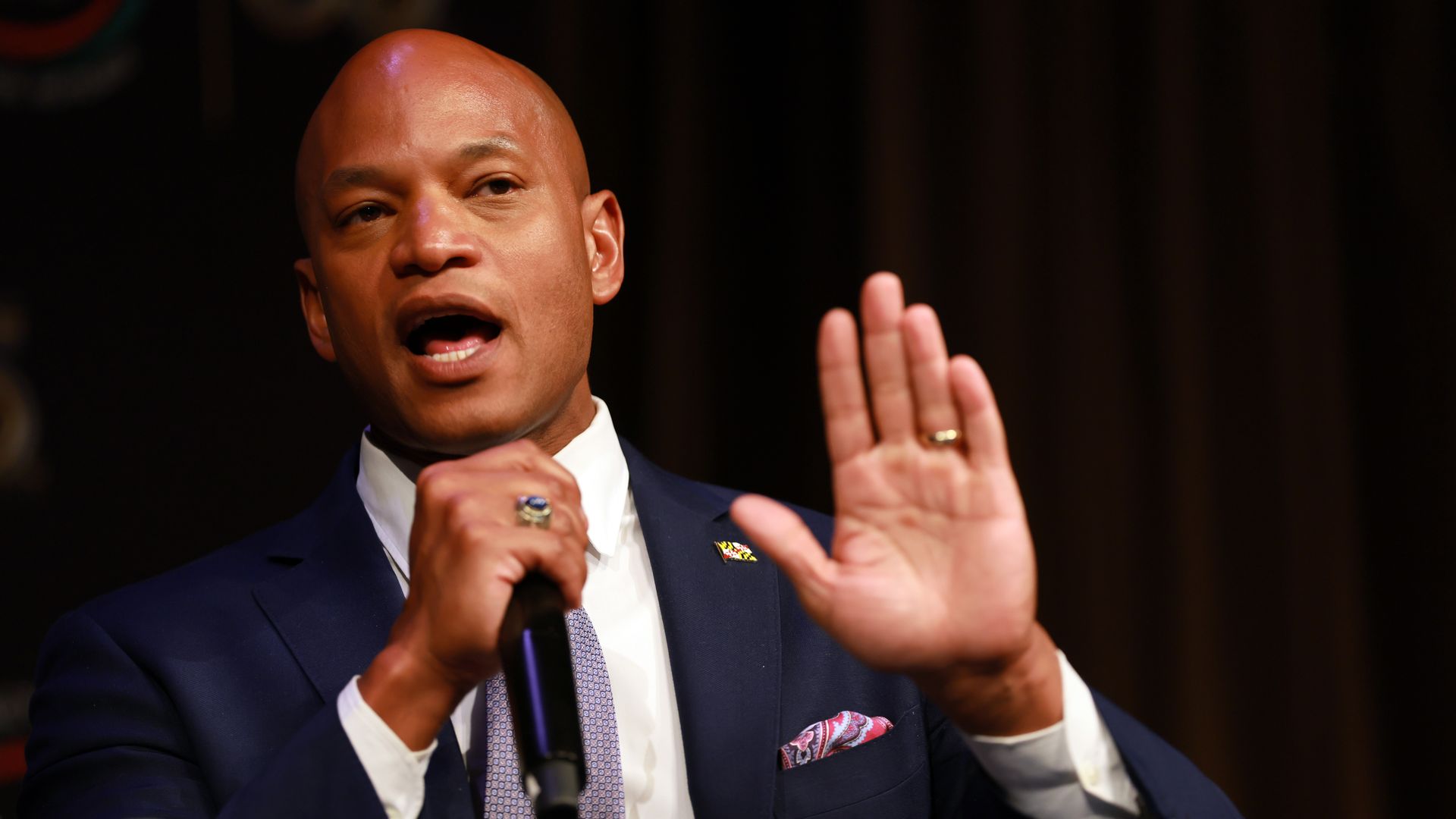
Maryland Gov. Wes Moore is ducking questions about his work at Citigroup during the Great Recession, including whether he got a bonus after the bank received a massive government bailout in the 2008 financial crisis.
Why it matters: Wall Street has divided the centrist and liberal factions of the Democratic Party since the financial meltdown, and some operatives see Moore's time in banking as a vulnerability in a potential 2028 White House run.
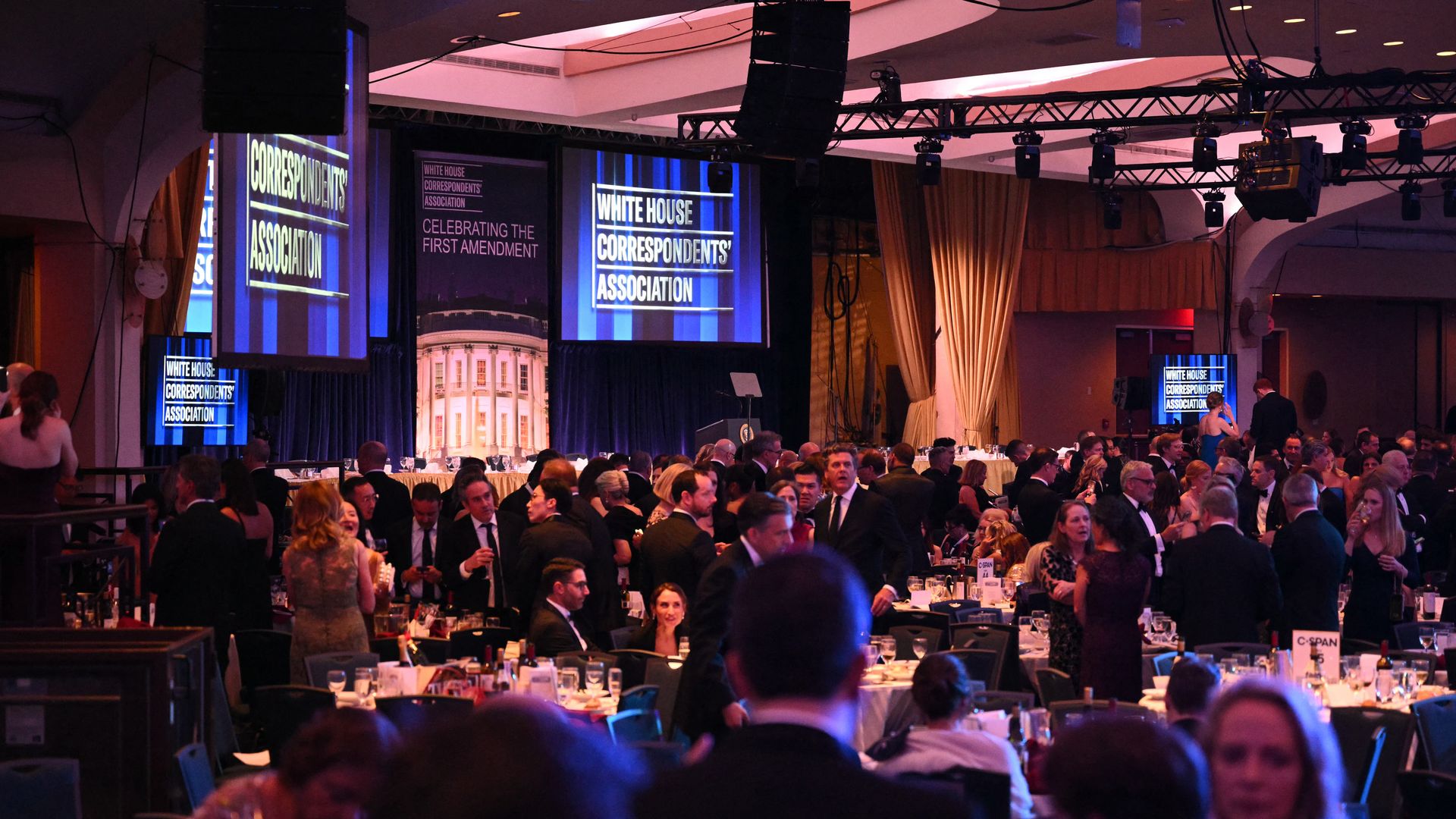
White House Correspondents' Dinner weekend has always been a reflection of the changing news ecosystem, but this year's event shows just how fast the media industry is being disrupted.
Why it matters: Washington's traditional media powerbrokers are being challenged by independent journalists and upstarts with a less complicated political history.
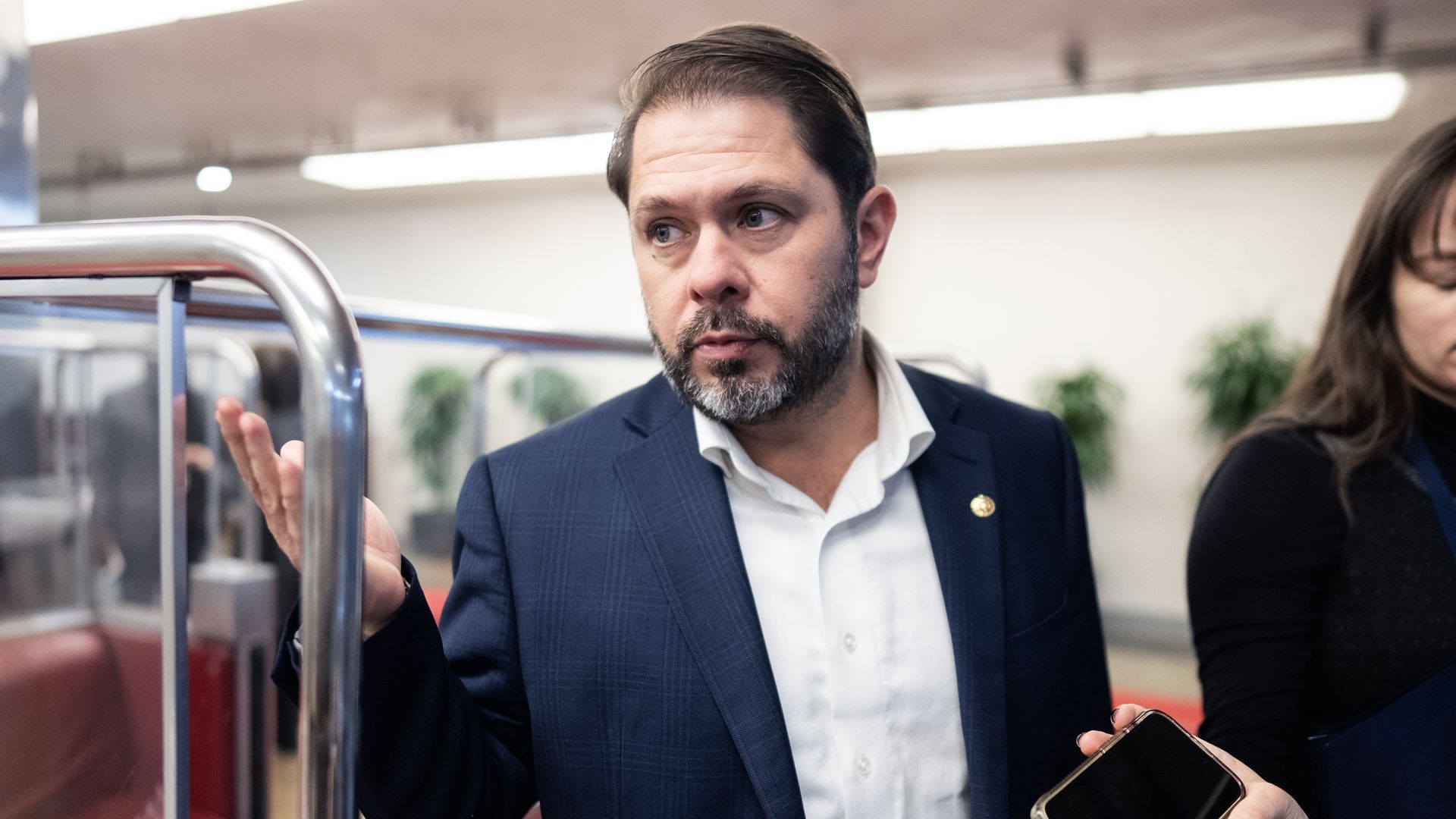
Arizona Sen. Ruben Gallego wrote in a 2021 book about "drinking a lot" and "taking nonprescription painkillers like candy" as he was coping with post-traumatic stress disorder and injuries after serving in combat in the Iraq war.
Why it matters: The passages shed light on Gallego's history of heavy drinking and partying — a rough-and-tumble past that top Democrats now think could be a liability as he moves toward a 2028 presidential bid.
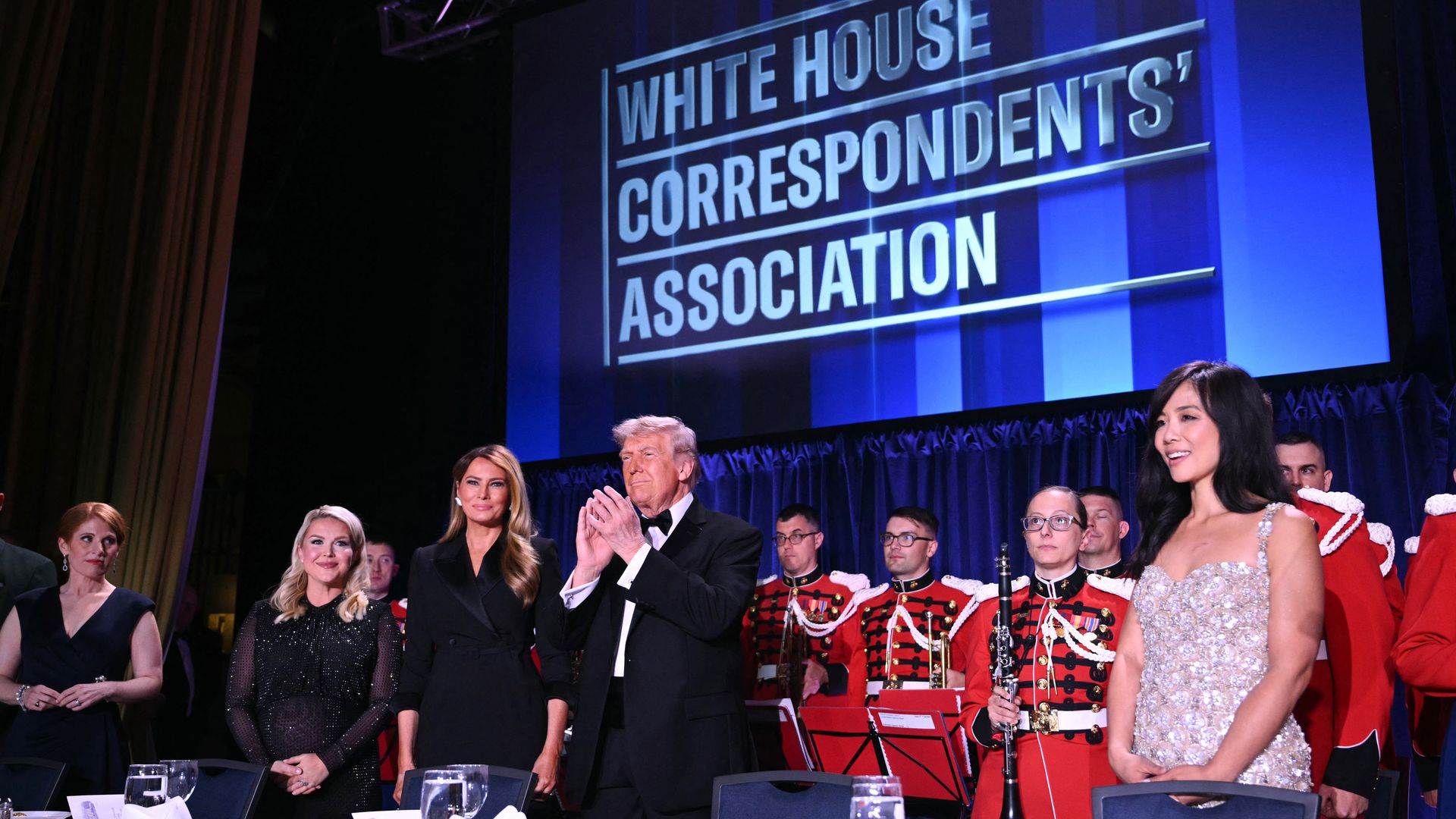
For decades, the White House Correspondents' Dinner has been a treasured tradition, uniting the press and politicians under one roof at the storied Washington Hilton. Now, the future of that ritual is in question.
Why it matters: The intruder at Saturday's dinner will force security officials and the White House Correspondents' Association to reconsider whether it's safe to host the dinner again in that venue, and how the event may need to evolve.
The alleged gunman who opened fire on the White House Correspondents' Dinner Saturday was immediately subdued, acting Attorney General Todd Blanche said, praising law enforcement's quick response.
The big picture: The suspect "barely breached the perimeter" of the event before being taken into custody, said Blanche. He called it "a massive security success story" during a Sunday appearance on CNN's State of the Union.
Sen. Thom Tillis (R-N.C.) on Sunday said that he would no longer block Kevin Warsh's Federal Reserve chair confirmation, removing a key hurdle for President Trump's pick to lead the central bank.
Why it matters: The Department of Justice said last week that it was dropping its investigation into current Fed chair Jerome Powell, satisfying the key Republican's conditions for supporting Warsh.
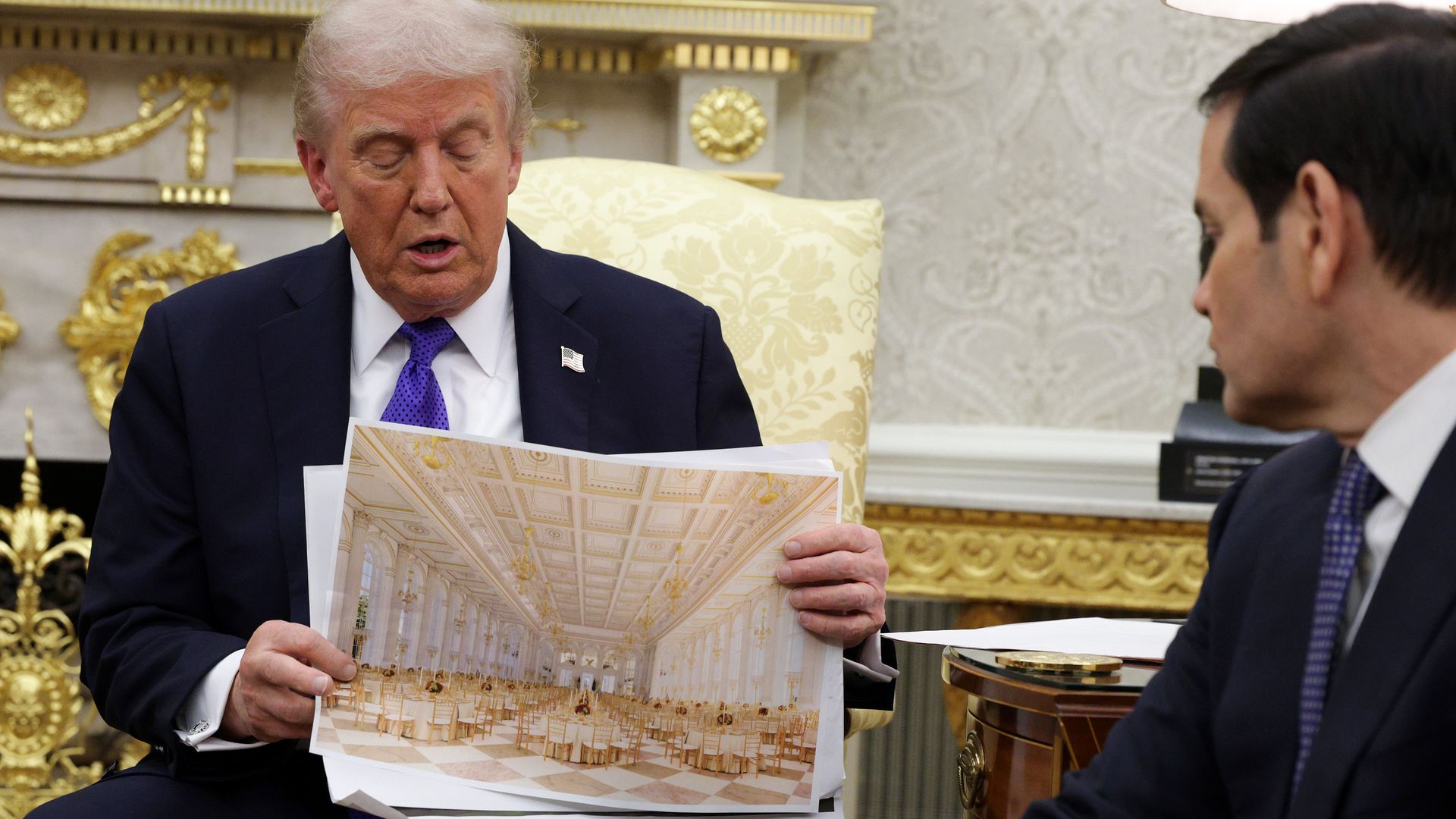
Saturday's shooting at the White House Correspondents' Association dinner has pushed Republicans to coalesce around President Trump's proposal for a new White House ballroom with a subterranean bunker.
Why it matters: The $400 million ballroom would significantly alter the complex's structure and has drawn condemnation by preservationists and some Democrats, who call it a vanity project backed by secretive donors seeking favor with the president.
Tightening gun laws isn't the right response to Saturday night's shooting at the White House Correspondents' Dinner, acting Attorney General Todd Blanche said on Sunday.
Why it matters: Blanche's firm position stands in stark contrast to three months ago, when Republican officials suggested restricting gun rights in the wake of a deadly ICE shooting in Minneapolis.
Gen Z isn't one generation: Research suggests it's two, split by the pandemic, and the younger half won't sit still. After lurching right, the youngest voters are souring on the administration, per a recent Yale poll.
Why it matters: The generation raised on lightning-fast cultural and tech shifts has become a sought-after — and perhaps, predictable — swing group. Politicians and institutions treating them as a monolith risk misreading the country's young people.
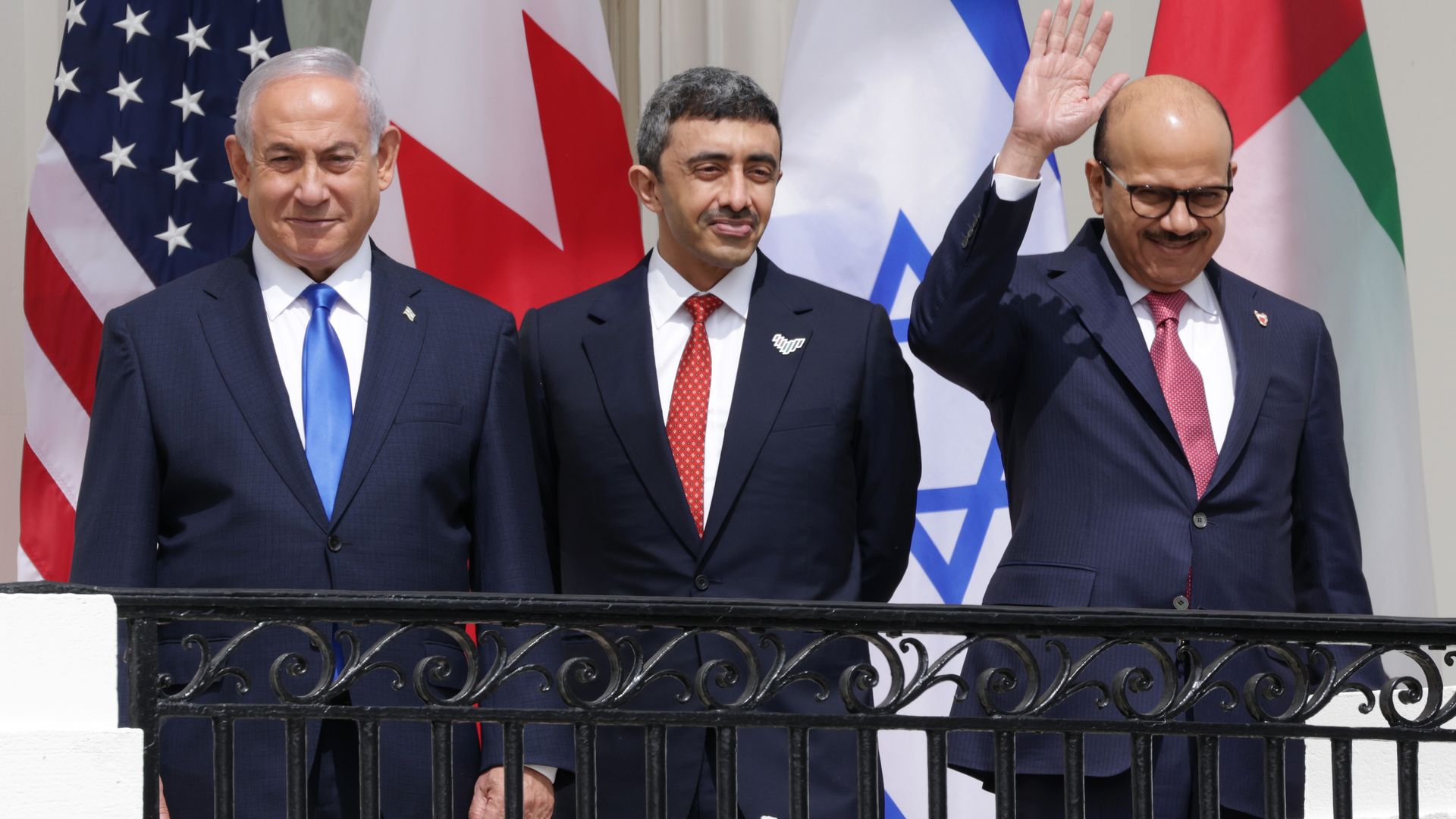
Israel sent the United Arab Emirates an Iron Dome air defense system with troops to operate it early in the war with Iran, two Israeli officials and one U.S. official tell Axios.
Why it matters: The military, security and intelligence cooperation between Israel and the UAE has reached new heights during the war. The unprecedented deployment of the Iron Dome system during the war was not previously made public.
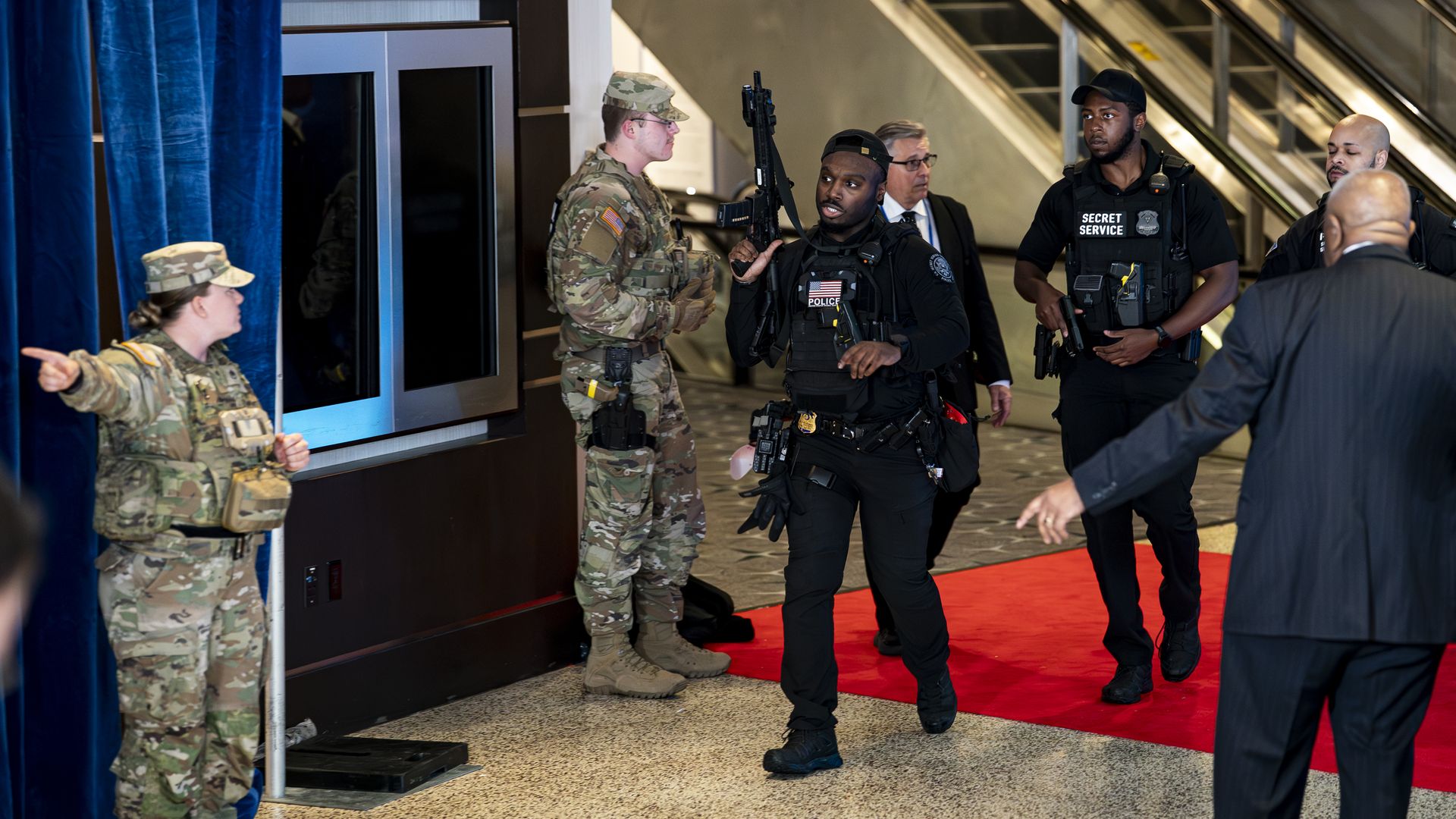
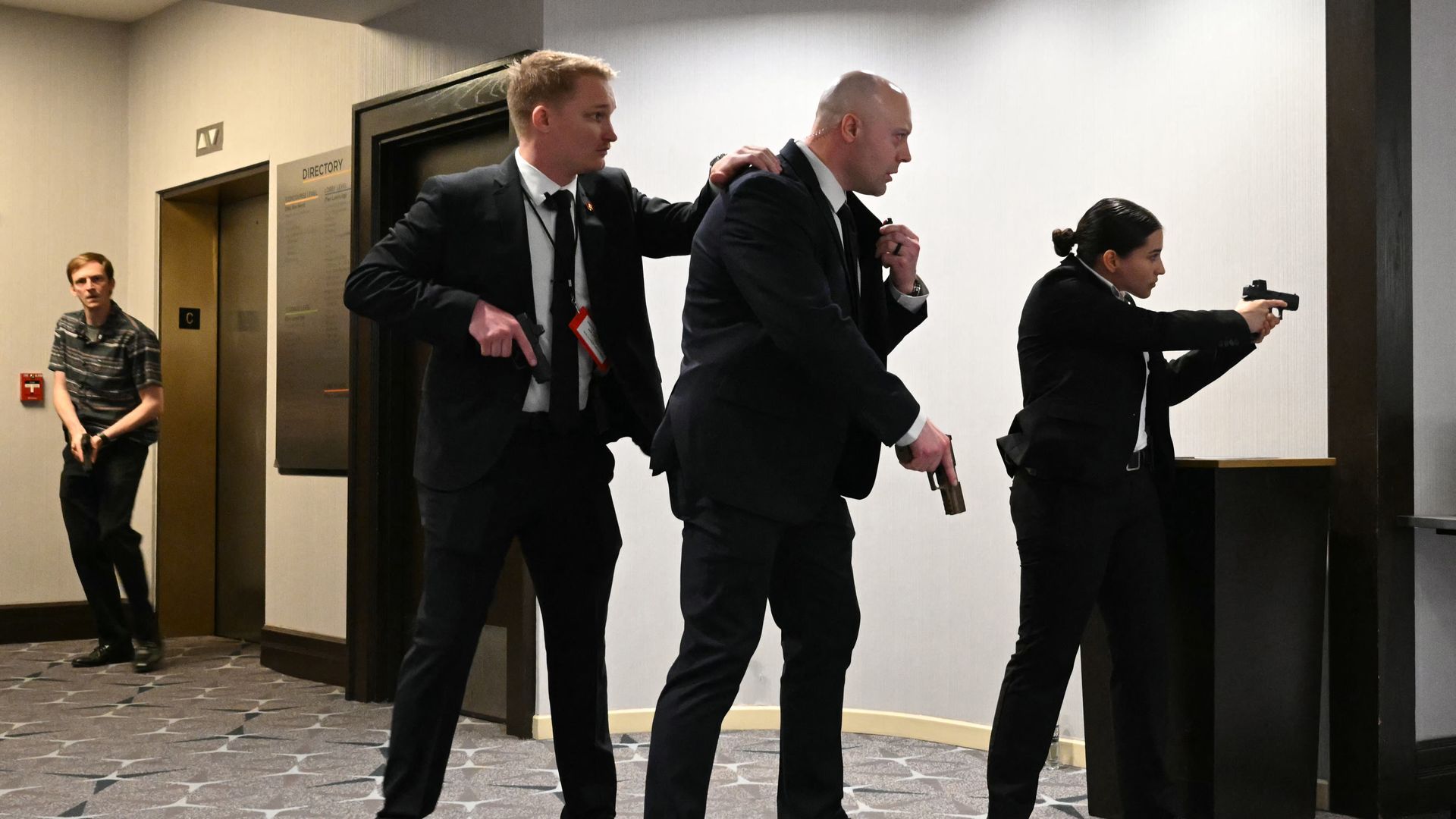
President Trump was hastily evacuated from the White House Correspondents' Dinner on Saturday night after a suspected gunman tried to breach security and was shot by Secret Service, federal law enforcement officials tell Axios.
Driving the news: A suspect fired at Secret Service personnel at the event at the Washington Hilton hotel and is now in custody, a law enforcement source tells Axios.
Members of Congress and other political figures who were present at the White House Correspondents' Dinner on Saturday night were left deeply unsettled by a shooting that took place outside the event.
The big picture: "It's a horrible, horrible moment for our country to see somebody want to attack or disrupt the event," Rep. Brian Jack (R-Ga.) told Axios while exiting the dinner, which was postponed due to the incident.
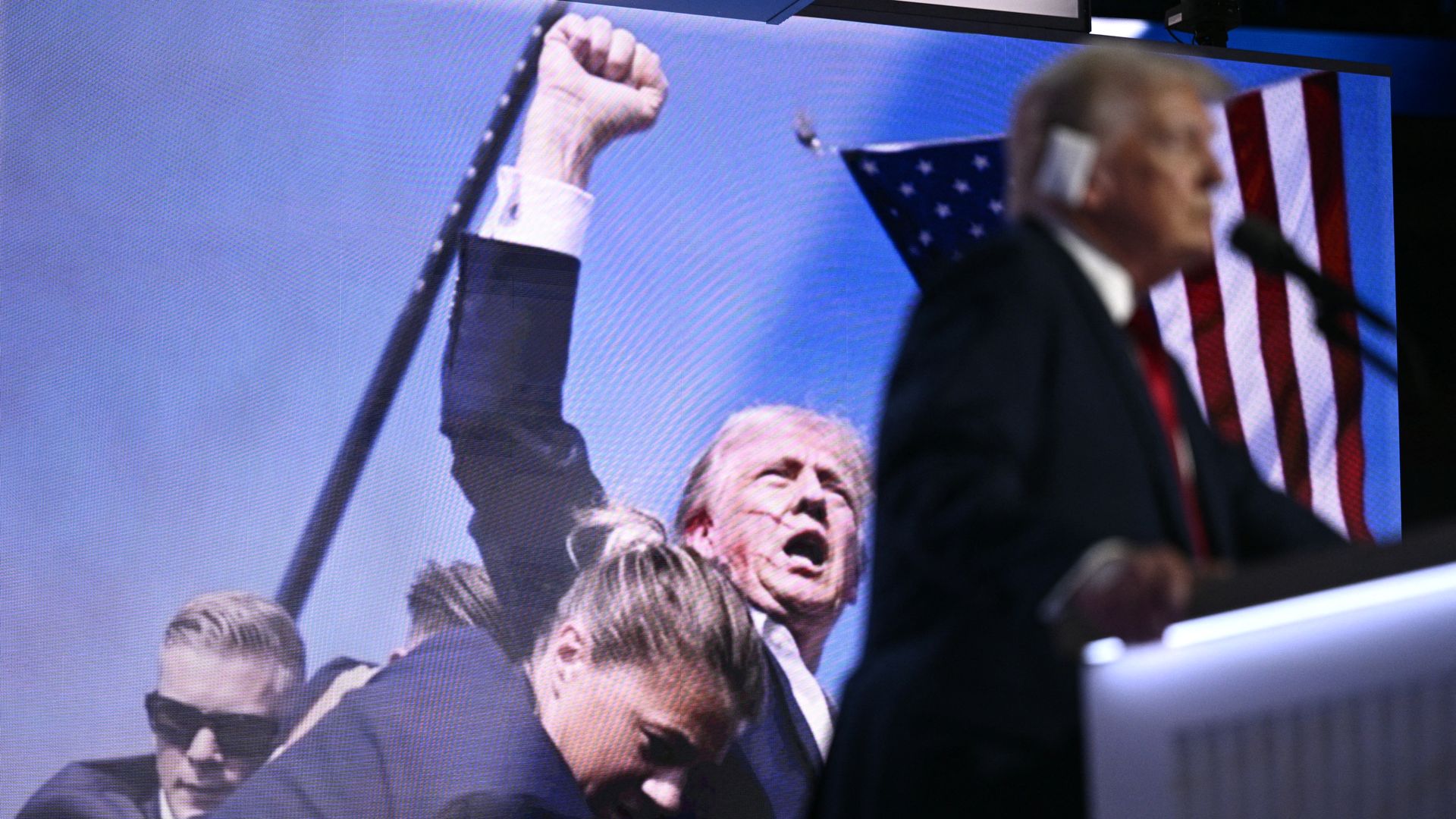
The big picture: Saturday's threat is the latest in a documented pattern dating back to Trump's first presidential campaign. The record spans lone gunmen at his rallies, Iranian state-backed murder-for-hire plots and repeated security breaches.
President Trump condemned the shooting at the White House Correspondents' Dinner Saturday night, but he said that demonstrates the need to renovate security facilities underneath his planned White House ballroom.
The big picture: Trump was rushed from the dinner after a suspect armed with a shotgun attempted to breach security and was taken into custody after firing several shots.
President Trump has called for the White House Correspondents' Dinner to be rescheduled for a date within the next month after a security incident during Saturday's dinner, WHCA chair Weijia Jiang said.
The big picture: Trump intended to return to the dinner after being evacuated, two sources told Axios, but Jiang said law enforcement had insisted everyone leave the premises.