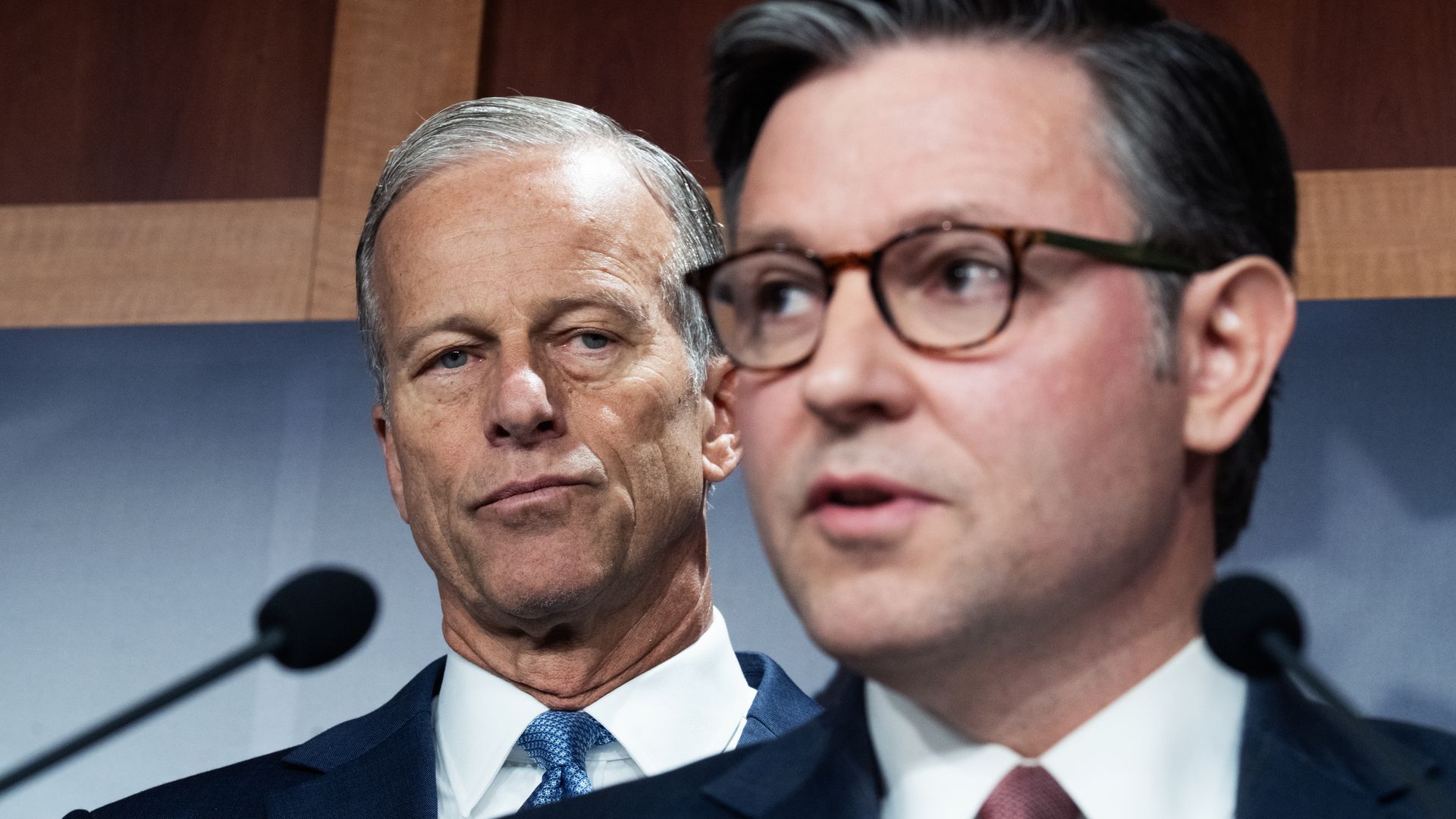
House Speaker Mike Johnson and Senate Majority Leader John Thune are openly clashing over Homeland Security funding, complicating Republicans' path out of the 72-day shutdown.
Why it matters: Thune is unlikely to say it publicly, but frustration is running high among Senate Republicans over Johnson's failure to pass a DHS appropriations bill that cleared the Senate — twice.
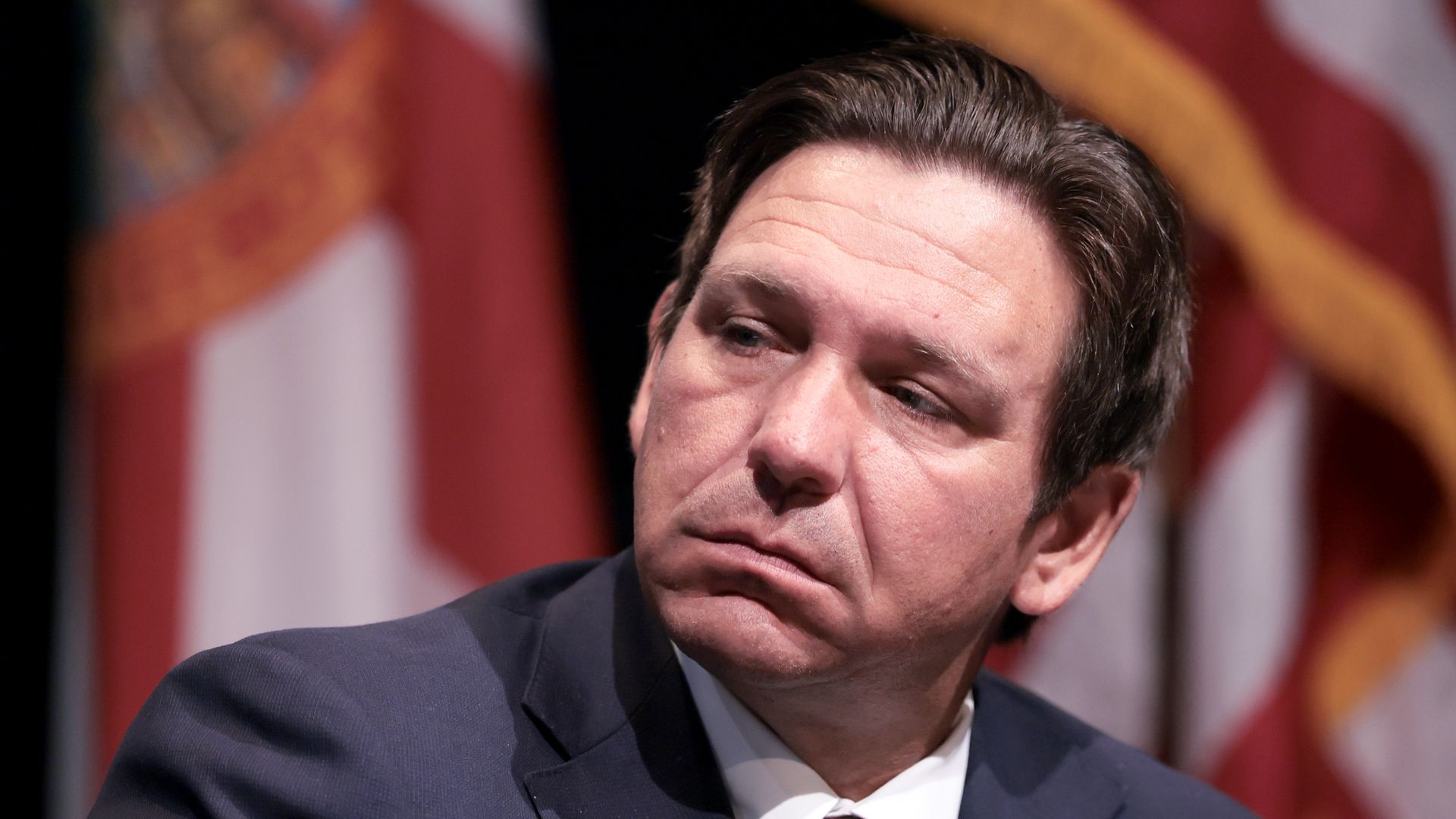
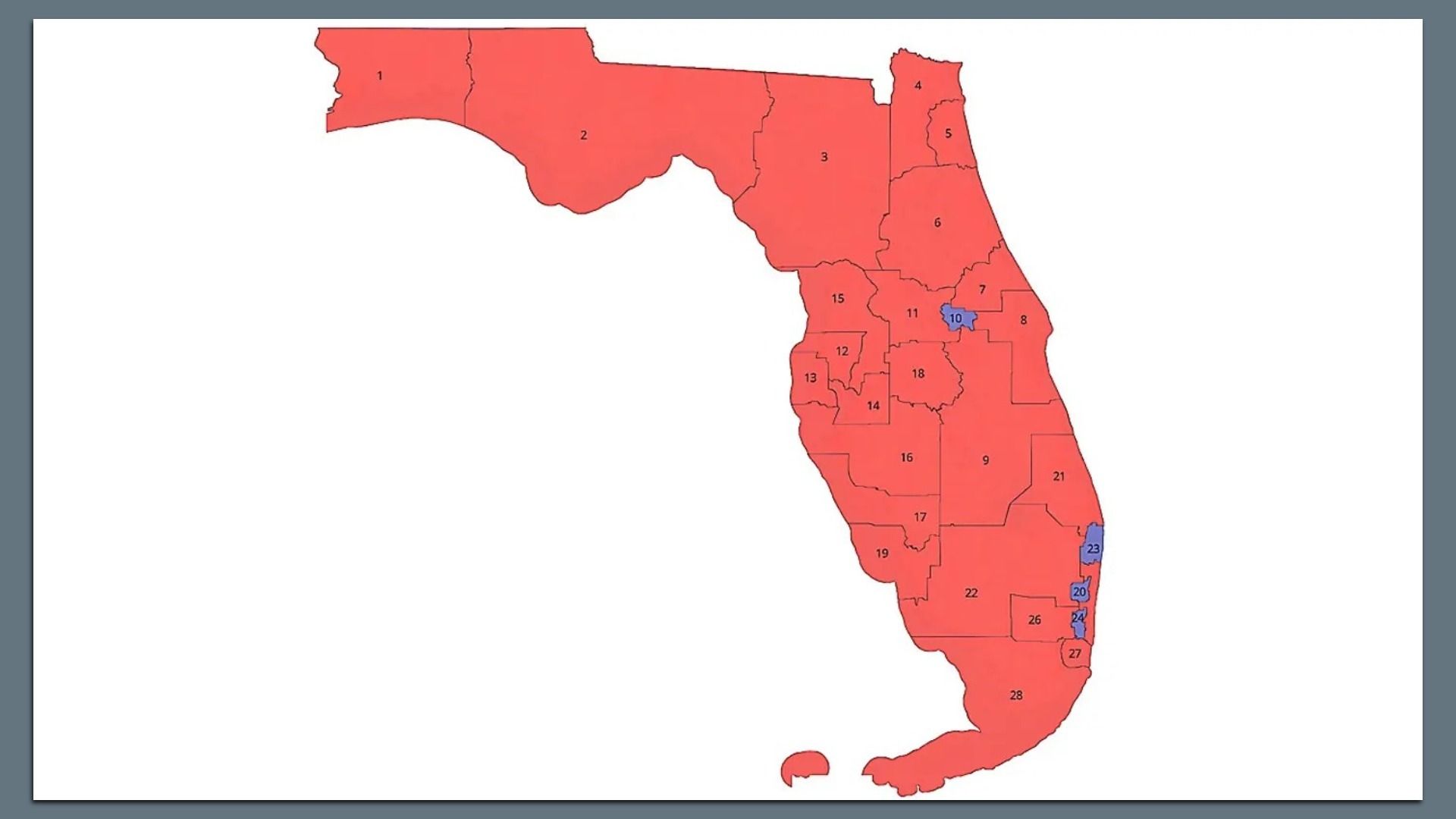
Democrats unleashed fury on Florida Gov. Ron DeSantis and Republican state legislators on Monday over a newly unveiled congressional map aimed at drawing out as many as four Democratic House members.
Why it matters: Party leadership is bullish that Republicans have overextended themselves and created an opening for Democrats to make gains in Florida if they perform strongly enough in November.
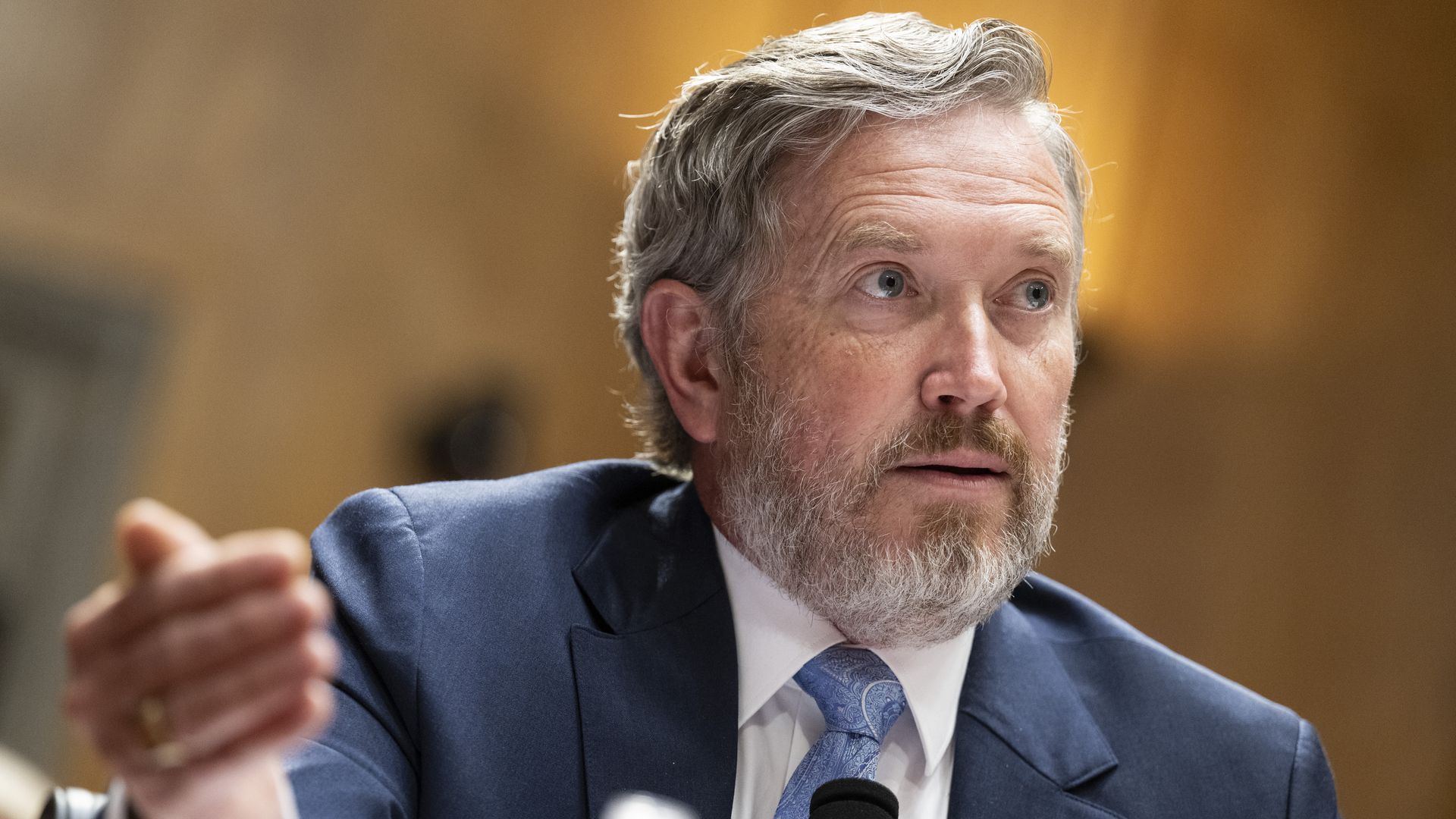
Rep. Thomas Massie has stopped counting on help from Elon Musk, despite a vow of support last year from the world's richest man.
Why it matters: Musk has cut huge checks to Republicans and GOP super PACs this cycle. But with the primary just three weeks away, he's yet to lift a finger for Massie against Navy SEAL veteran Ed Gallrein, who was recruited by President Trump.
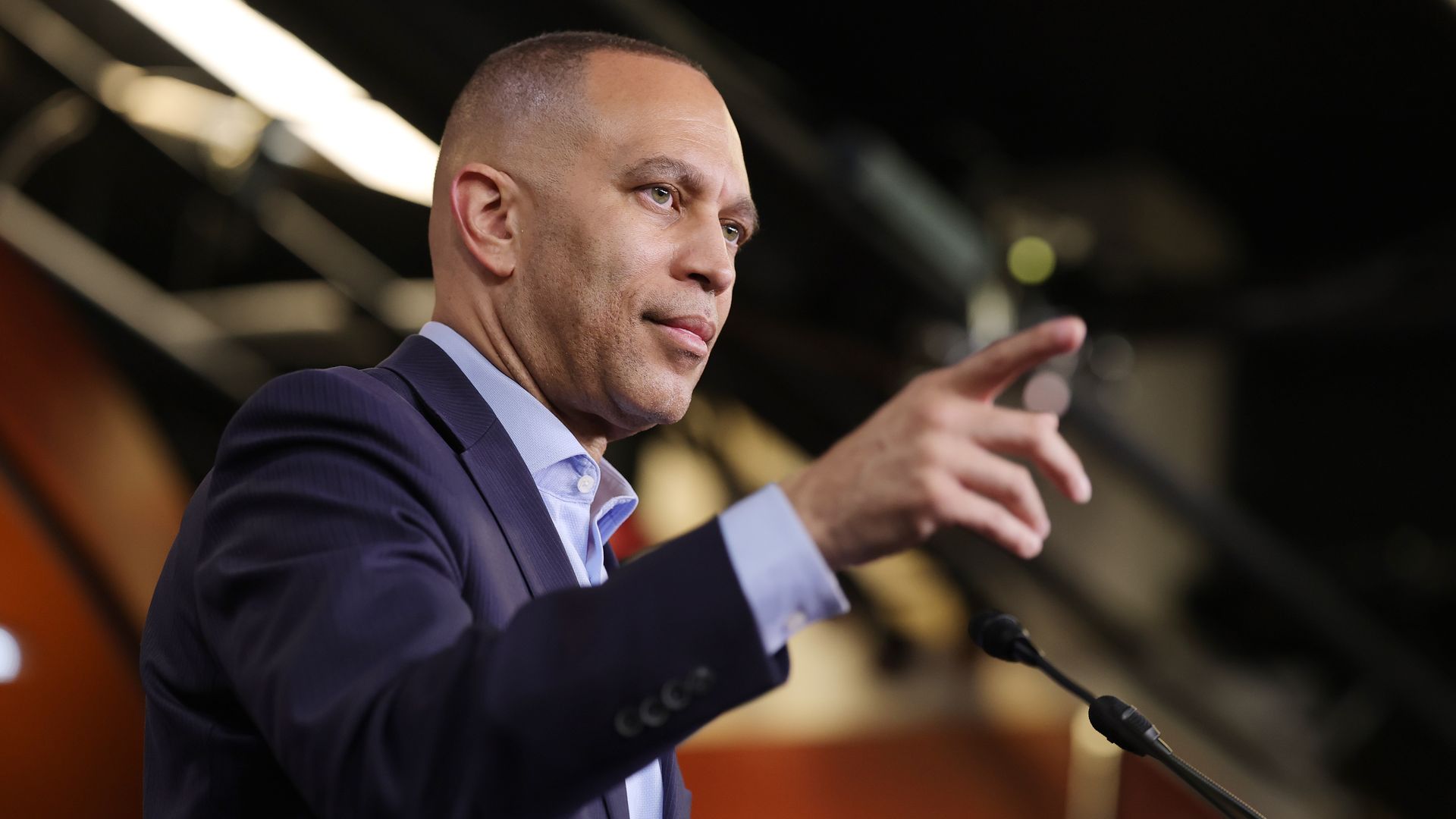
House Minority Leader Hakeem Jeffries (D-N.Y.) on Monday fiercely defended his use of the phrase "maximum warfare" to describe Democrats' redistricting efforts.
Why it matters: Republicans have characterized the remark as an example of the type of inflammatory rhetoric that can spark political violence following the White House Correspondents' Dinner shooting.
The suspect in Saturday's shooting at the White House Correspondents' Association dinner was charged with attempting to assassinate President Trump on Monday, alongside two federal gun charges.
Why it matters: Prosecutors signaled the charges could be just the start, with additional charges added as the investigation develops.
Florida Gov. Ron DeSantis' office came close to admitting he wanted state lawmakers to intentionally create new Republican congressional seats by sending reporters a new House map that color-coded districts by party.
Why it matters: Florida's constitution bans intentionally drawing maps to benefit either party, but President Trump has pushed red states to redraw their districts to improve Republicans' chance of holding Congress in November.
This is shaping up to be a momentous week for the Federal Reserve. What comes next for the Fed's leadership has come into clearer focus in the last three days, but one big question hangs over the institution.
The big picture: On Wednesday, the Senate Banking Committee is set to advance Kevin Warsh's nomination to lead the Fed, after Sen. Thom Tillis (R-N.C.) indicated his satisfaction with the Justice Department backing down from its investigation of chair Jerome Powell.
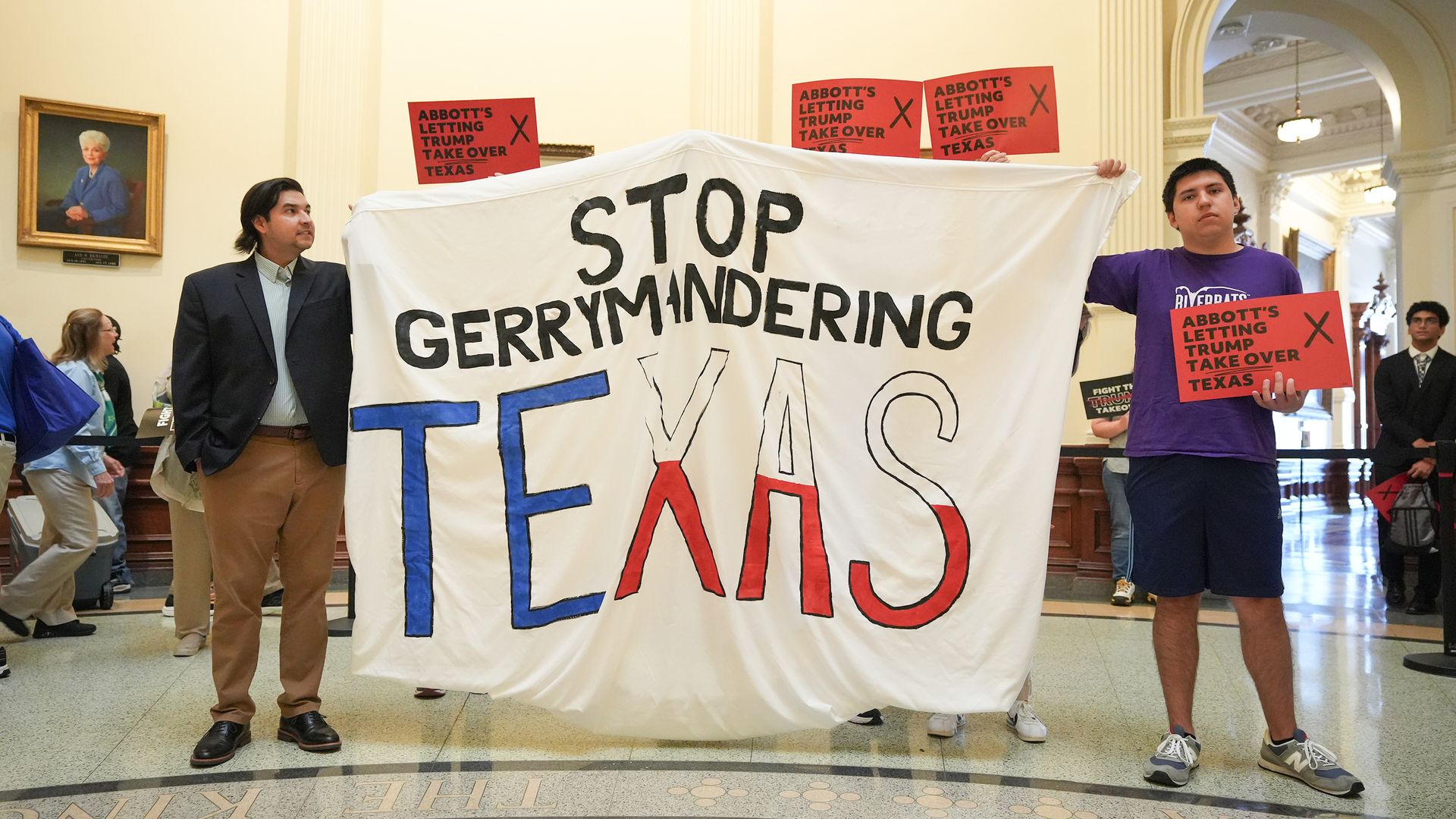
The U.S. Supreme Court on Monday struck down a lower court rulingthat blocked Texas from using its new congressional map favoring Republicans, with the high court cementing the new map that was already in use.
Why it matters: The ruling ends a lawsuit over the new map in Texas, the first state to begin what turned into a nationwide redistricting battle.
"Make America Healthy Again" activists are converging on the Supreme Court Monday as justices hear arguments in a high-stakes case over health warnings on pesticide labels.
Why it matters: The Trump administration is backing Bayer's efforts to limit lawsuits claiming that its weedkiller Roundup causes cancer.
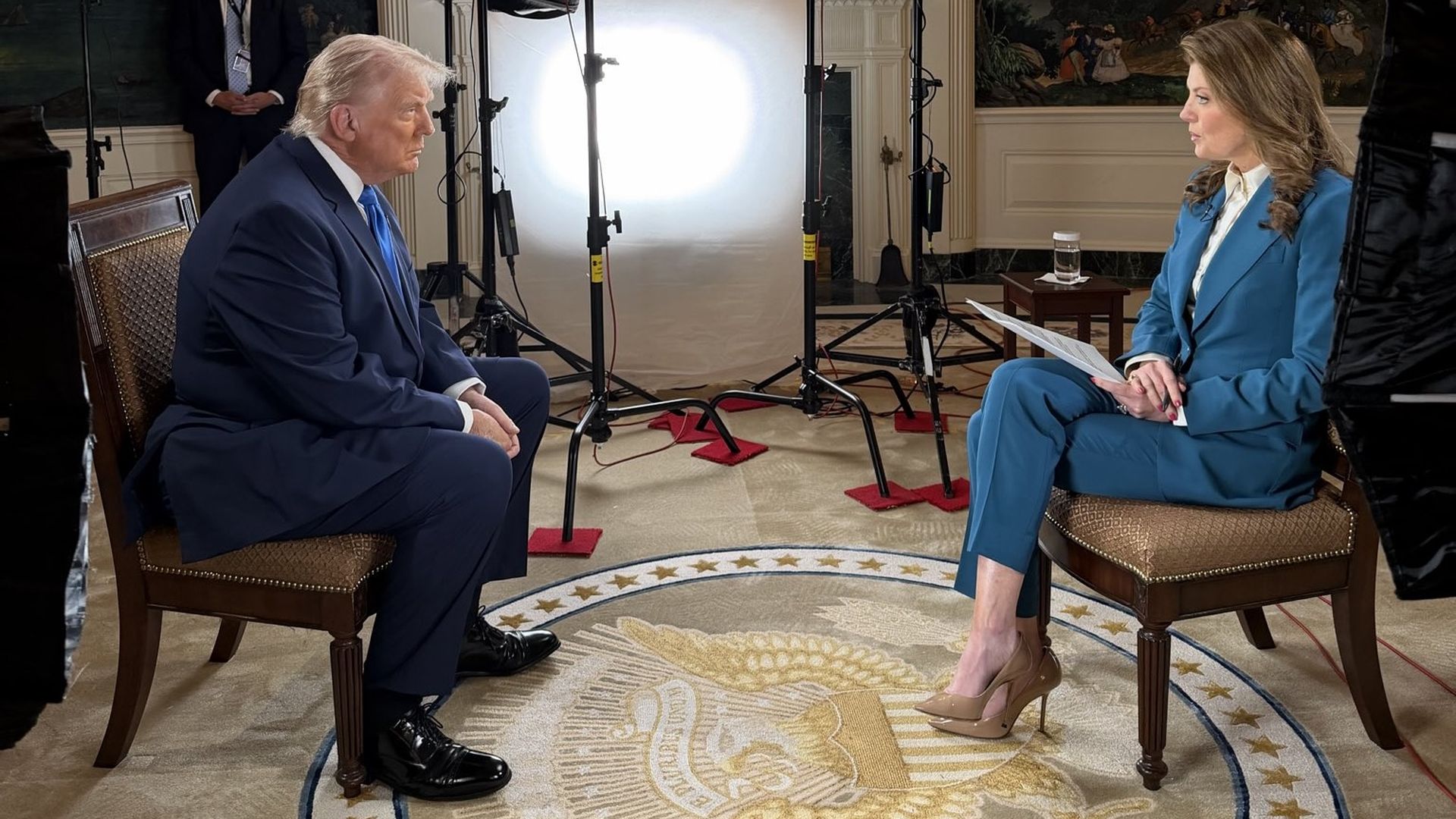
One uncomfortable question was all it took for President Trump to resume hostilities with the Washington press, less than 24 hours after their shared brush with death.
Why it matters: In just a few years, the president, the press and the country have metabolized an entire generation's worth of political violence. Trump, more than anyone, has stopped treating these moments as extraordinary.
The carbon removal industry is reframing its pitch to win support in the Trump era, by focusing on energy dominance over climate change.
Why it matters: Billions of dollars have already flowed into a sector built to fight global warming, and its future may depend on how well it fits President Trump's priorities.
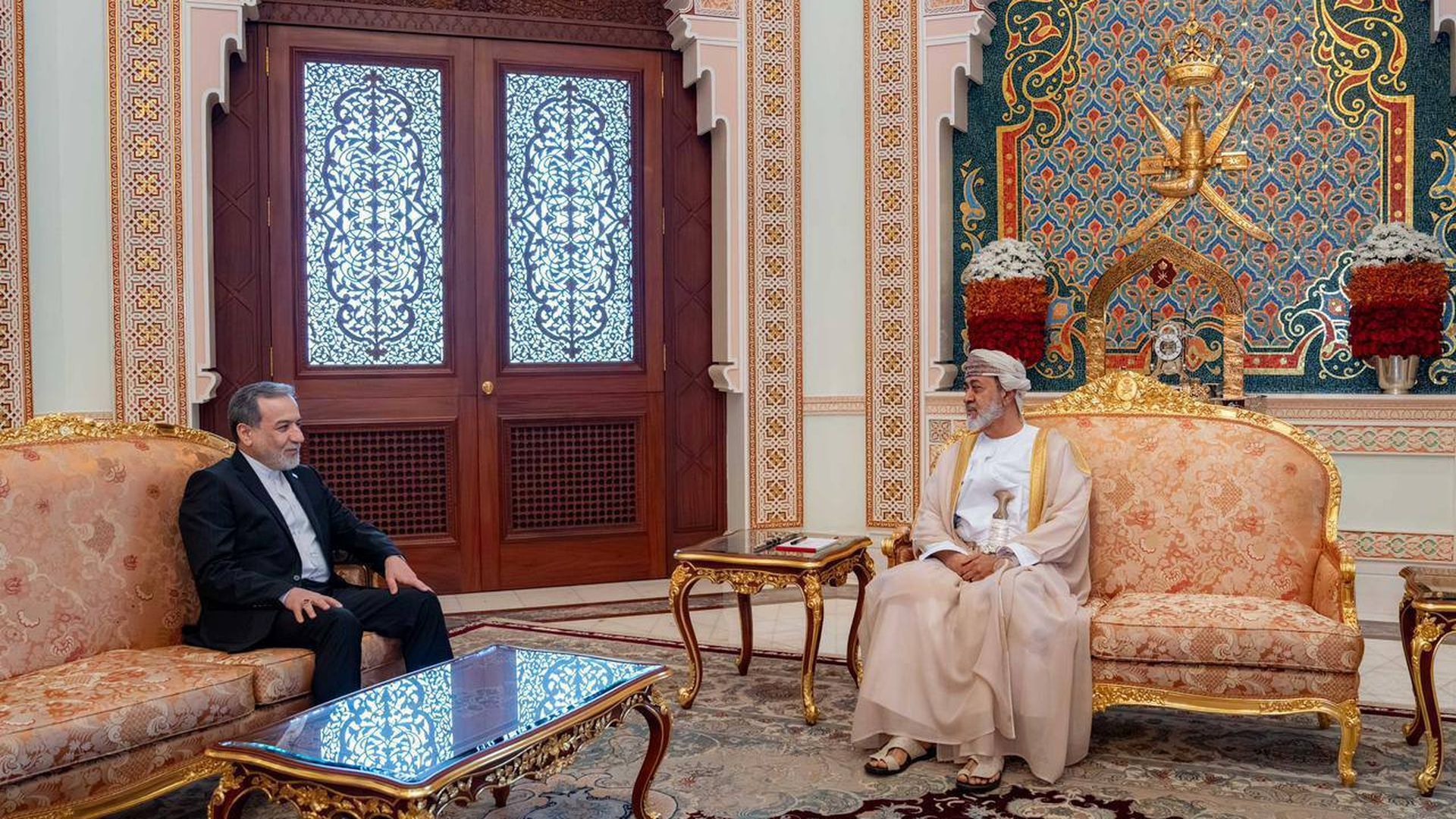
Iran gave the U.S. a new proposal to reopen the Strait of Hormuz and end the war, with nuclear negotiations postponed for a later stage, according to a U.S. official and two sources with knowledge.
Why it matters: The diplomacy is in a stalemate, and the Iranian leadership is divided about what nuclear concessions should be on the table. The Iranian proposal would bypass that issue en route to a faster deal.