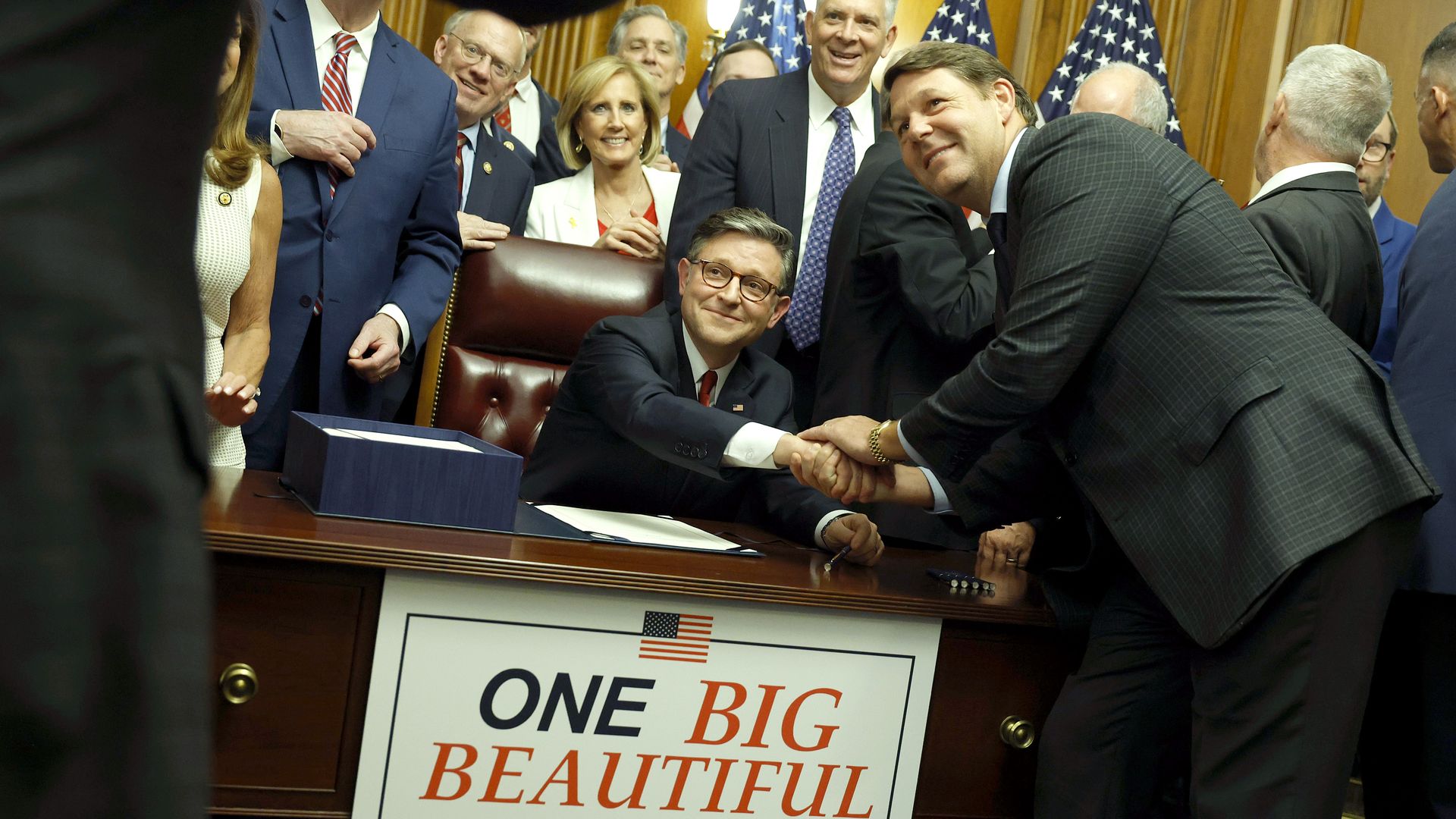
House Budget Chair Jodey Arrington is in informal talks with Senate Budget Chair Lindsey Graham about a second reconciliation bill to fund the Pentagon — and potentially DHS.
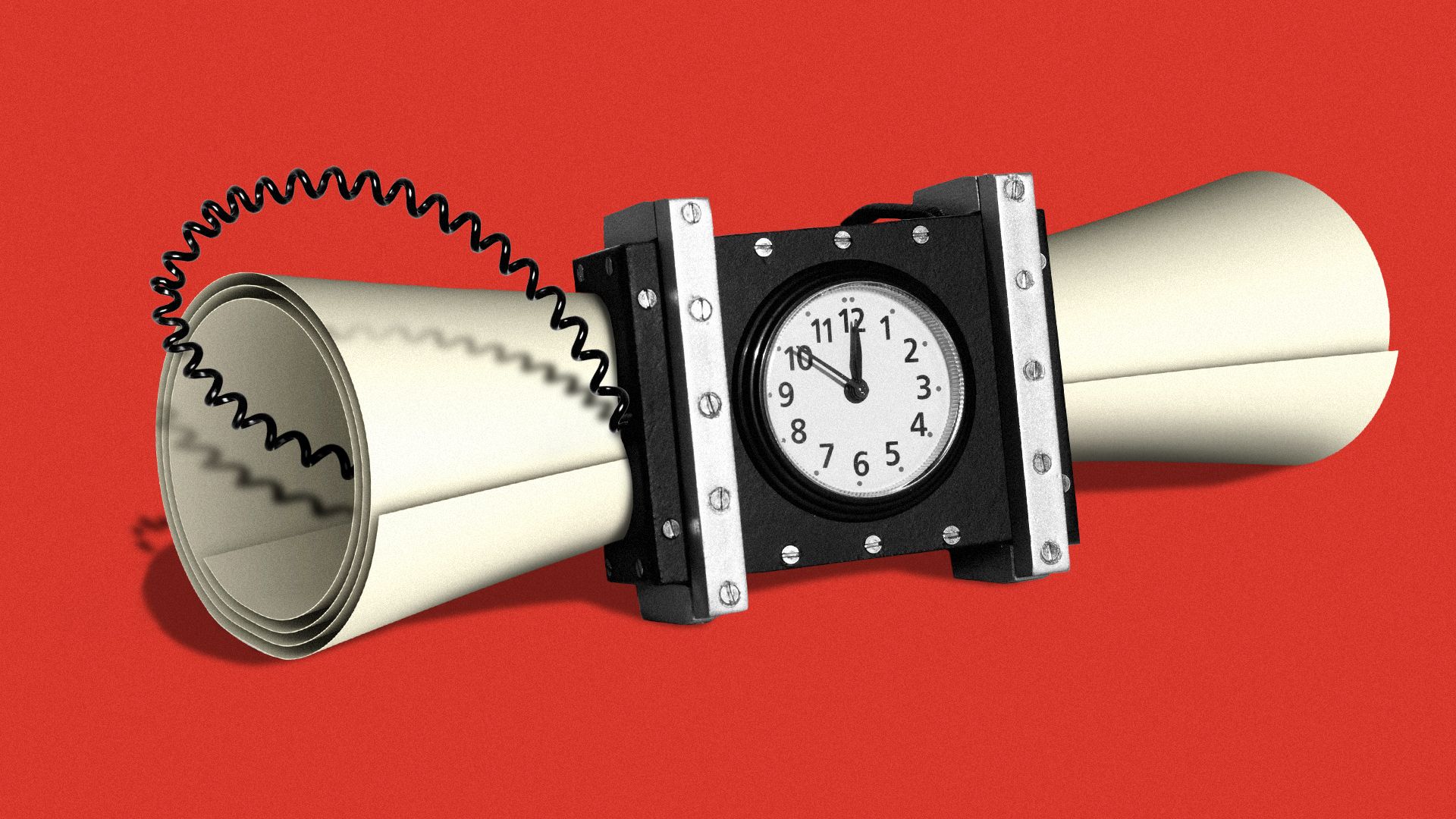
Why it matters: With DHS talks stalled and a defense supplemental in limbo, reconciliation may be Republicans' only path forward.
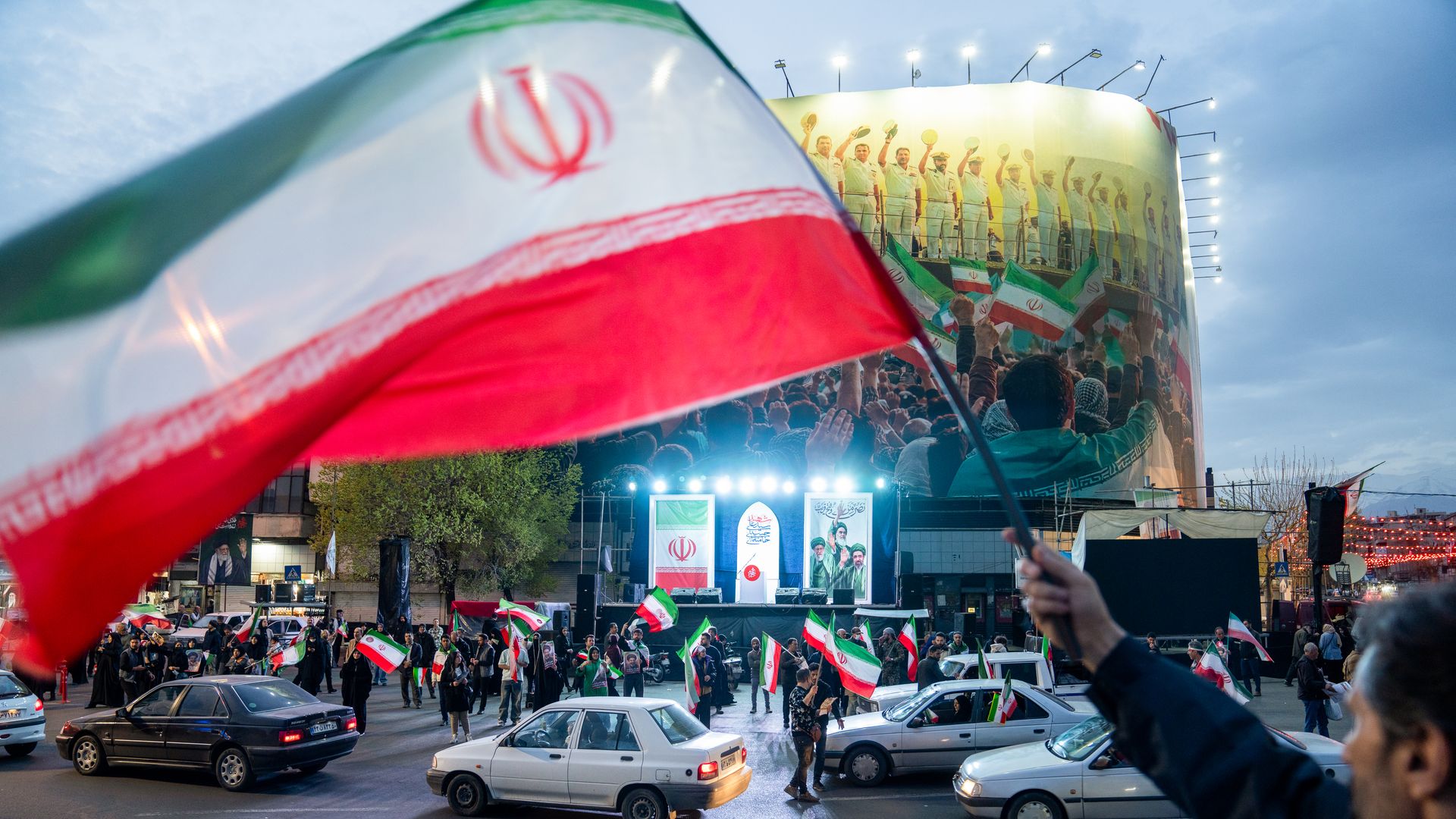
The latest global fallout from the Iran war: skyrocketing borrowing costs in the U.K.
Why it matters: Yields on its benchmark government bond hit the highest level since 2008 — an uncomfortable surge for the nation that has seen a historic backlash from bond investors over its fiscal backdrop in recent years.
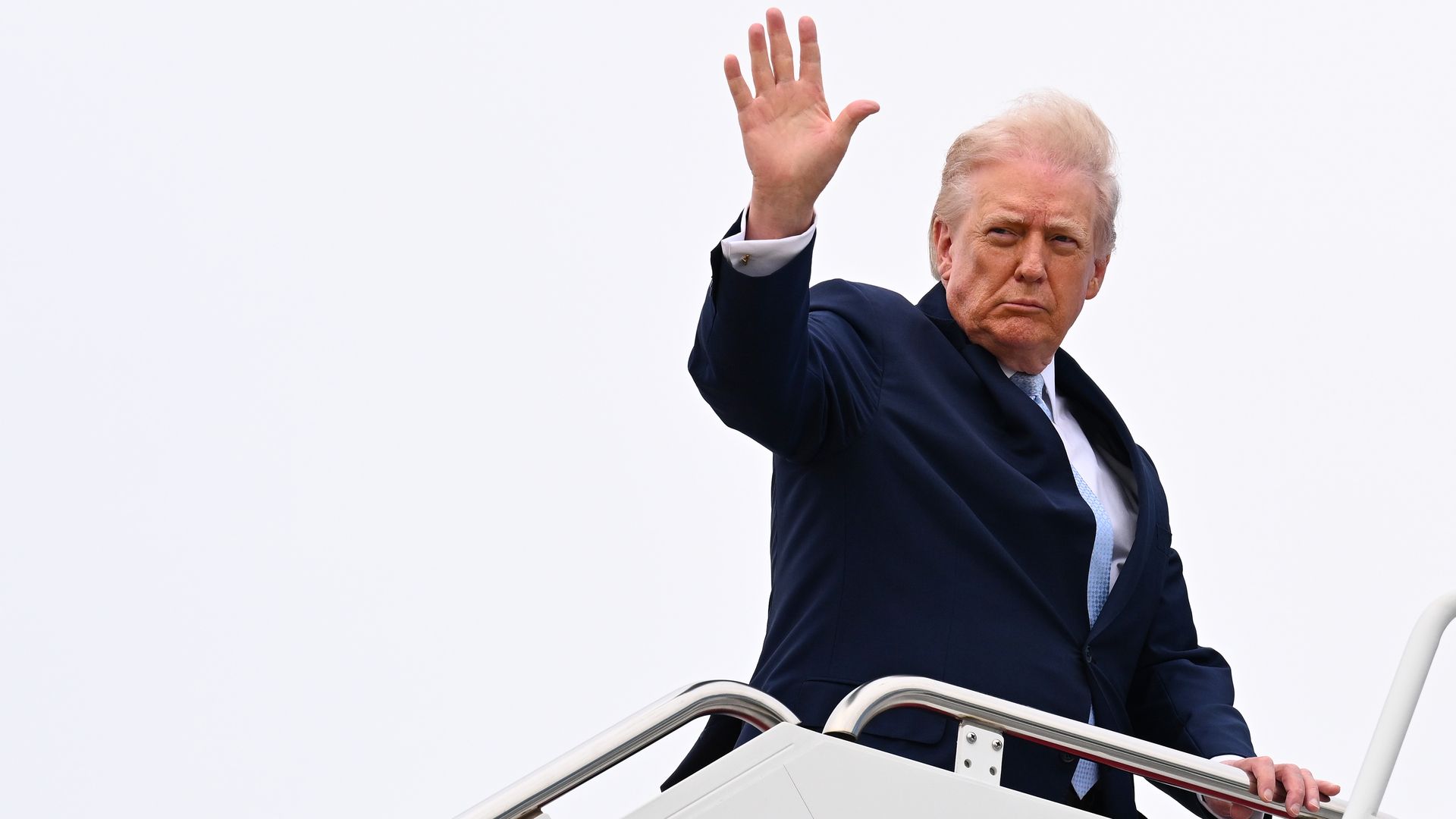
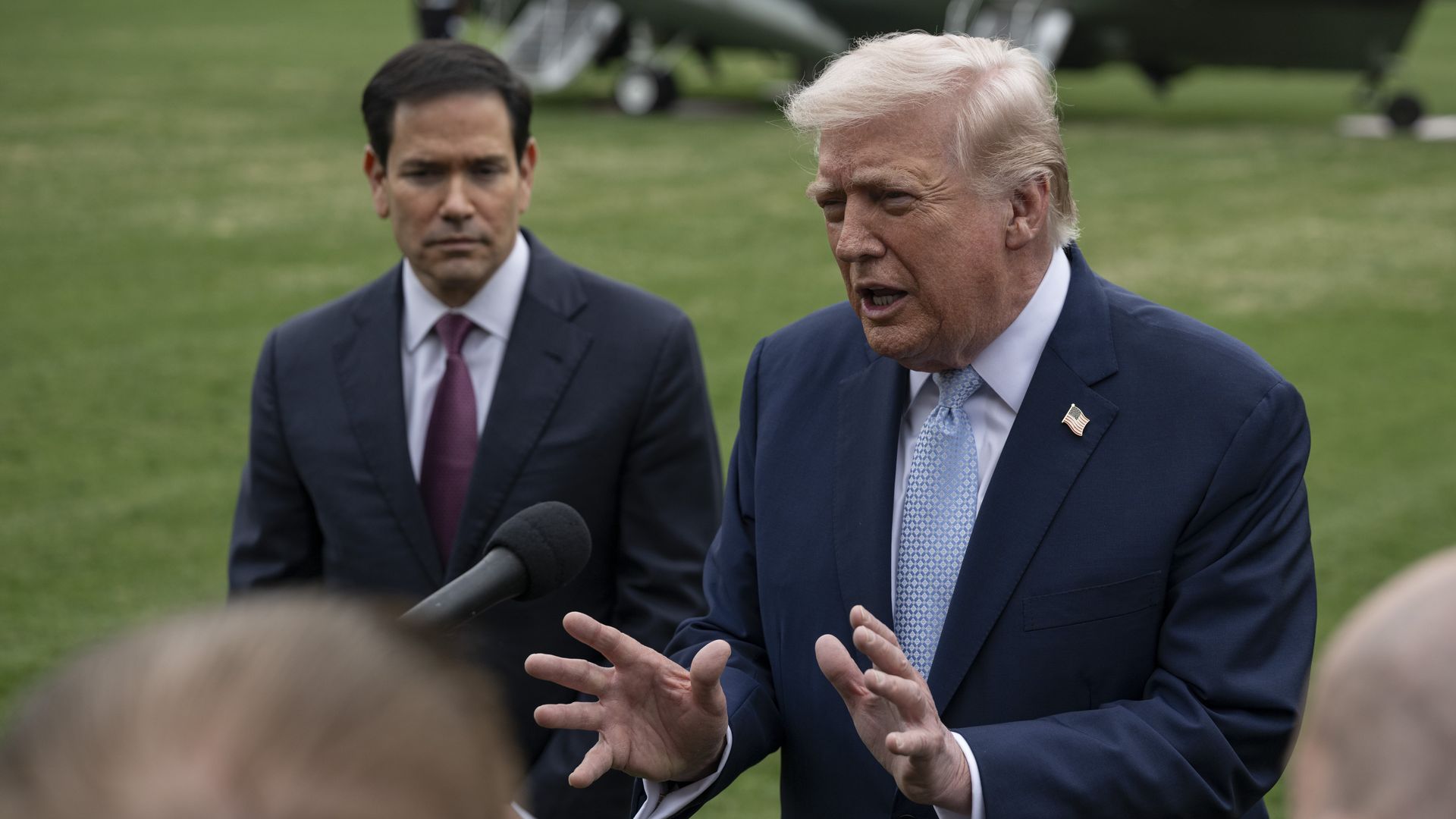
President Trump teased Monday that he's moving closer a deal with Iran to end the war — but he stopped short of saying who the U.S. is negotiating with.
Why it matters: Since Israel's assassinations of top Iranian leaders at the start of the war, there's been uncertainty about who is running the country day to day and which officials might actually be empowered to cut a deal with the U.S.
Prediction market Kalshi plans to block athletes, coaches and officials from betting on their sports and to block political candidates from trading on their campaigns, Axios has learned.
A federal judge in Silicon Valley on Monday will hear arguments on if the U.S. Justice Department improperly approved an antitrust settlement that allowed Hewlett Packard Enterprise (NYSE: HPE) to acquire Juniper Networks last summer for $14 billion.
Why it matters: This case is at the heart of allegations that corporate lobbyists have gone around DOJ antitrust staff to get desired outcomes on pending mergers.
President Trump told reporters his envoys had been negotiating with a senior Iranian official and claimed the parties agreed on many points.
Why it matters: Regional leaders and global markets were bracing for major escalation on Monday, but Trump walked back his threat to strike Iran's power plants, citing productive negotiations.
TORRANCE, Calif. —A cruise-missile airframe is being 3D-printed before my eyes. The AI-driven system, the size of a shipping container, hums as it stacks layer on layer of aluminum and proprietary advanced metals.
Why it matters: This white-floored factory at Divergent Technologies, just outside L.A., is a window into the American arsenal of the future.
Each of Divergent's printers, engineered and manufactured in the U.S., can produce hundreds of these missile airframes each year. They're part of a new generation of "low-cost" missiles that are roughly one-tenth the cost of a legacy system.
The finished missiles, including parts from other contractors, run $200,000 to $500,000. Legacy standard missiles range from $2 million to $6 million each.
Oil prices remained well north of $100 per barrel after markets opened Sunday, with the Iran war moving into its fourth week.
Why it matters: The price suggests that traders don't see a near-term end to the conflict, or risks to oil transit in the Strait of Hormuz that's throttling supplies on an unprecedented scale.
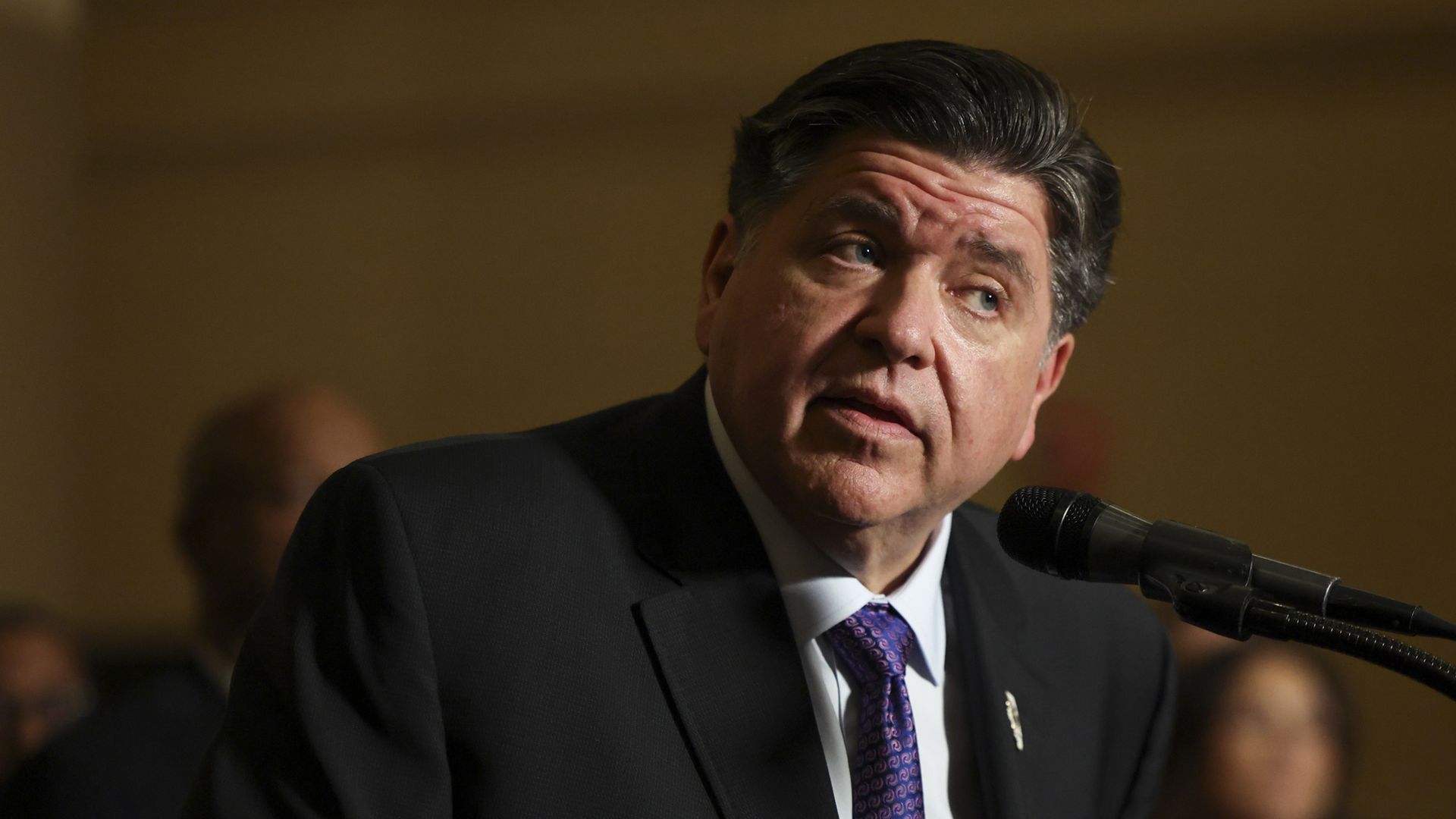
Illinois Gov. JB Pritzker is dodging questions about his past donations to the American Israel Public Affairs Committee (AIPAC), a lobbying group that has come under heavy criticism from many liberal Democrats.
Why it matters: Pritzker is among several likely Democratic presidential candidates who've distanced themselves from AIPAC as the group has become a U.S. political surrogate for support of Israel's actions in Gaza.
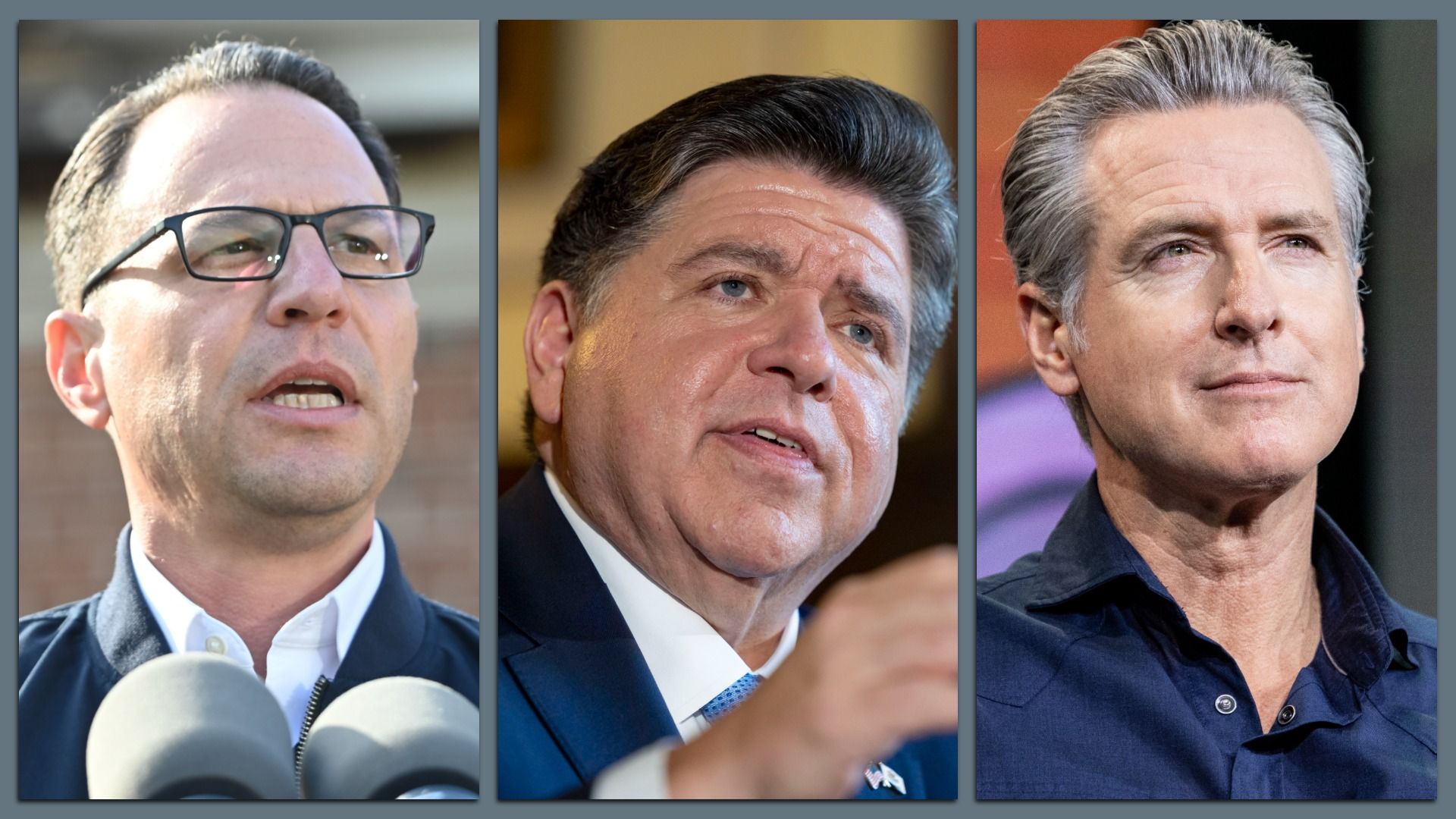
Some potential 2028 Democratic presidential candidates are introducing themselves to voters in a striking way: by documenting their childhood resentments, family chaos and fights with their parents.
Why it matters: Many presidential hopefuls carry painful memories from complicated childhoods. But few have discussed them as openly as Pennsylvania Gov. Josh Shapiro, California Gov. Gavin Newsom and Illinois Gov. JB Pritzker.
President Trump said Sunday he will send ICE agents to U.S. airports starting Monday to assist TSA officers who have been working without pay for more than five weeks during a partial Homeland Security shutdown.
Why it matters: The move thrusts the very agency that sparked the shutdown with its conduct in Minnesota into the nation's airports to deal with the consequences.
The United States faces a dire and unsustainable fiscal outlook. You'd never know it from the action in Washington.
Across parties and policy areas, you'd never guess that the U.S. faces fiscal constraints created by its high-and-rising public debt, ballooning deficits without precedent in times of prosperity, and a looming entitlement spending crisis when the Social Security trust fund runs out.
President Trump on Saturday night gave Iran a 48-hour deadline to reopen the Strait of Hormuz or else the U.S. will start destroying Iranian power plants.
Why it matters: The threat marks a dramatic reversal from just a day earlier when Trump floated ending the war without reopening the strait, signaling the Hormuz crisis has become the issue he can't walk away from, even as he looks for an exit.