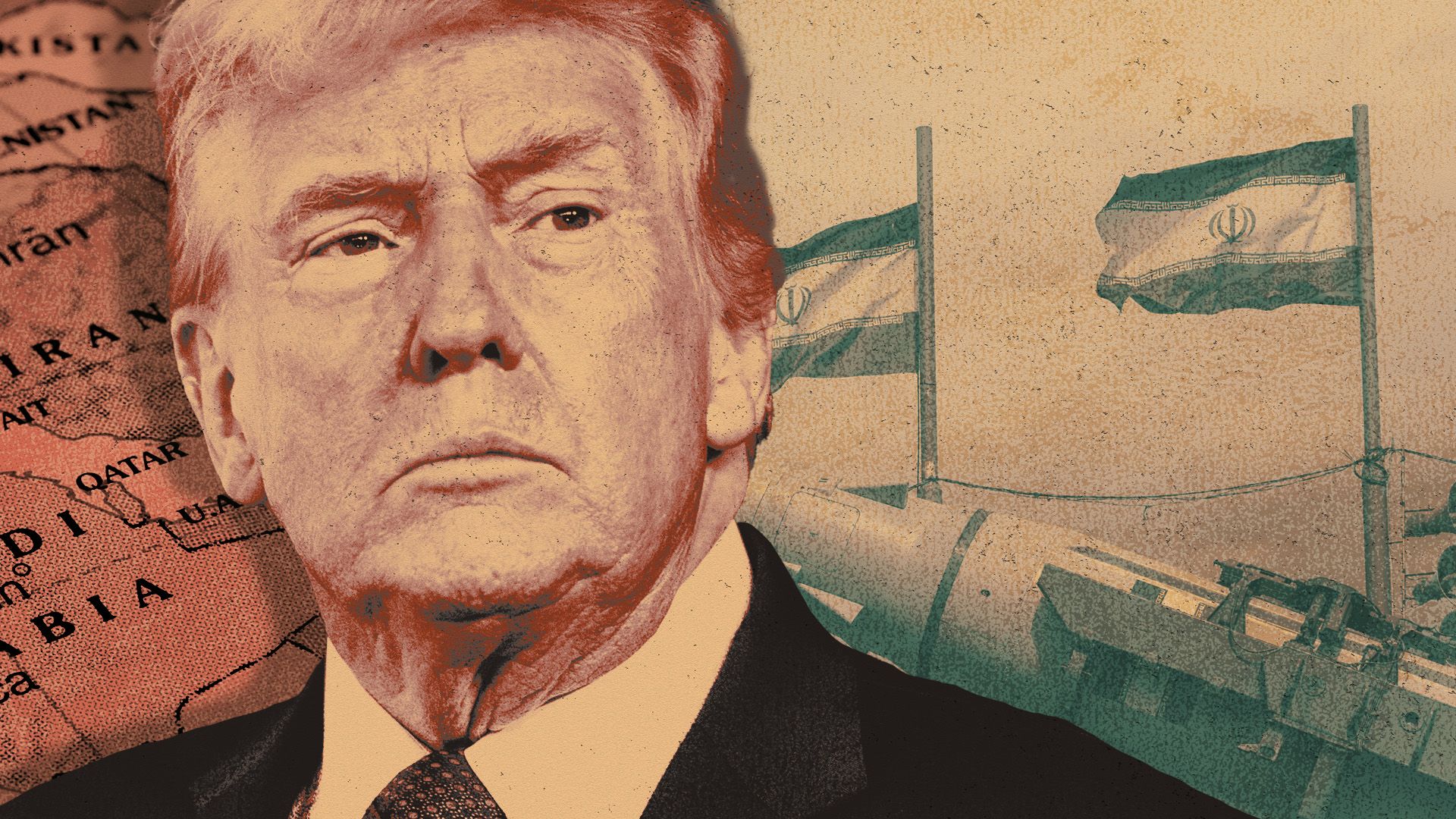
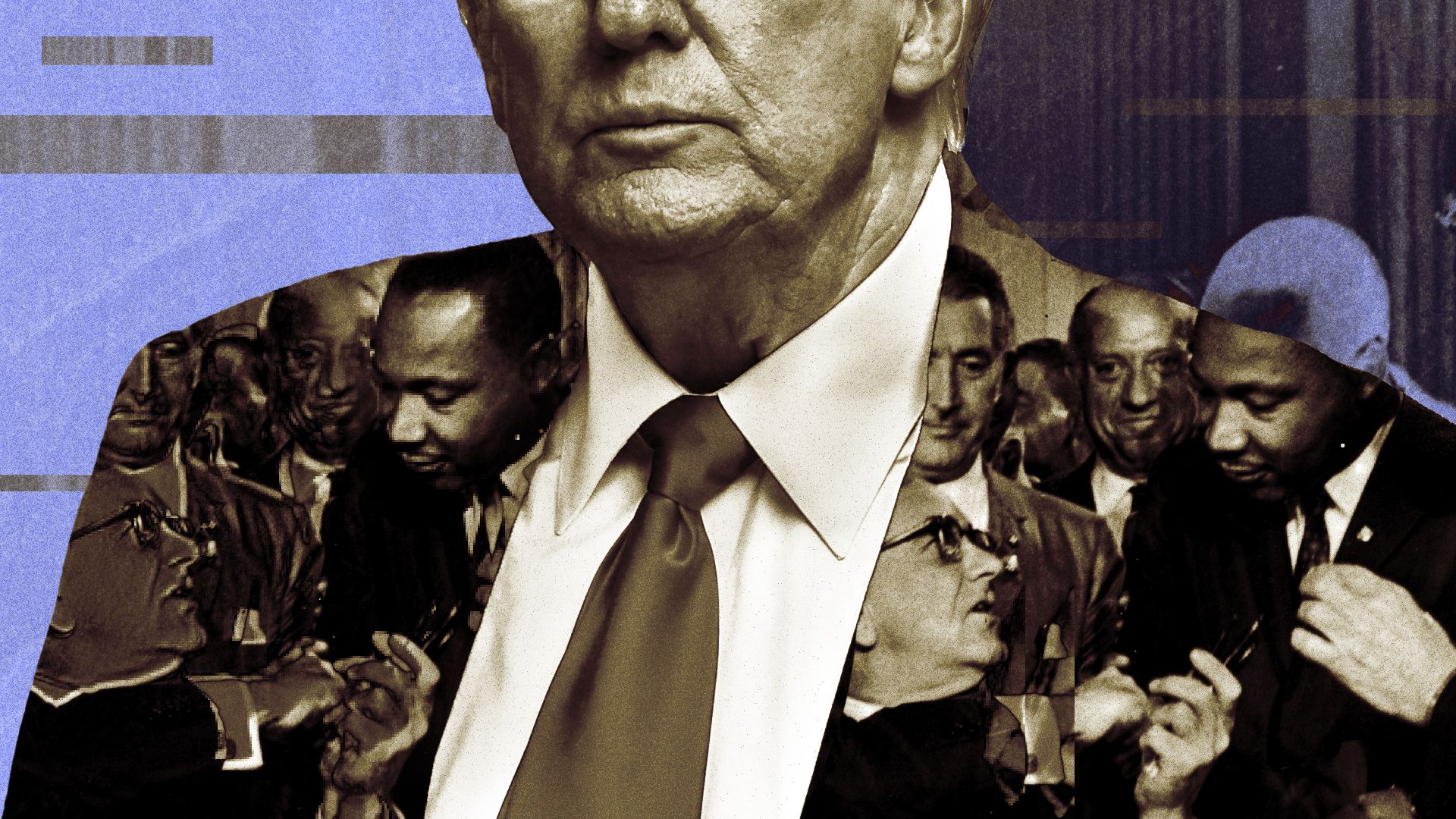
President Trump's bid to topple Iran's regime marks a sharp break from two decades of U.S. intervention playbooks across multiple presidencies.
The big picture: Trump's weekend strikes on Iran — and his explicit call for an uprising — diverge from how the U.S. approached regime pressure in Iraq and Venezuela, historians tell Axios. The gamble signals a more unpredictable stretch of his foreign policy ahead as he openly threatens force elsewhere.
The America First wing of the MAGA coalition wants swift results from Saturday's Iran strikes, often invoking the late Charlie Kirk's opposition to foreign wars.
The big picture: President Trump's invasion of Venezuela to capture Nicolás Maduro exposed a rift with some in his base, and a prolonged skirmish in the Middle East could exacerbate those tensions ahead of a difficult midterm election for Republicans.
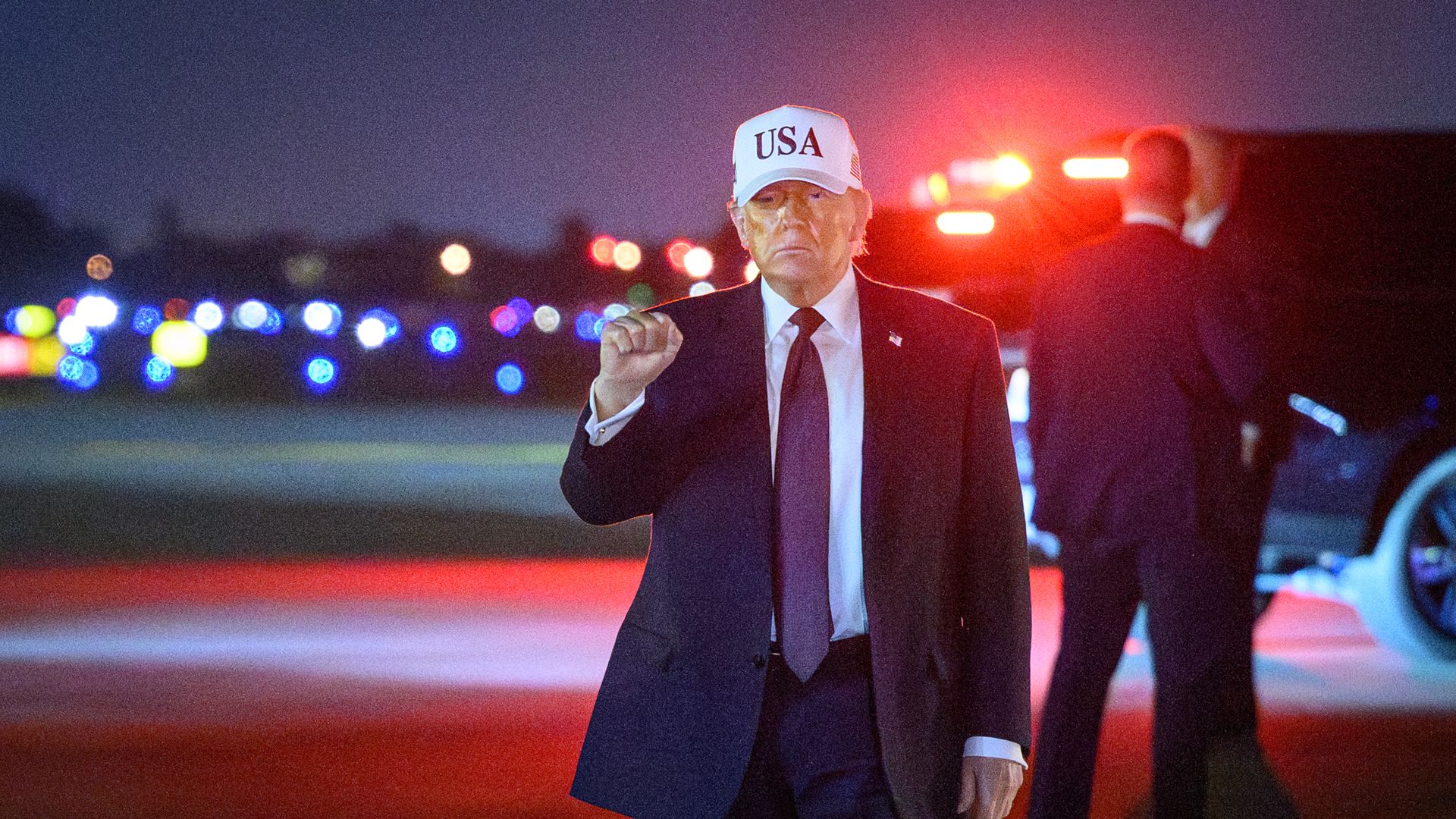
President Trump told Axios on Saturday that he has several "off ramps" from Operation Epic Fury, the extraordinary U.S. military campaign against Iran that he launched early Saturday morning.
What they're saying: "I can go long and take over the whole thing, or end it in two or three days and tell the Iranians: 'See you again in a few years if you start rebuilding [your nuclear and missile programs]," Trump said in a five-minute phone interview from Mar-a-Lago.
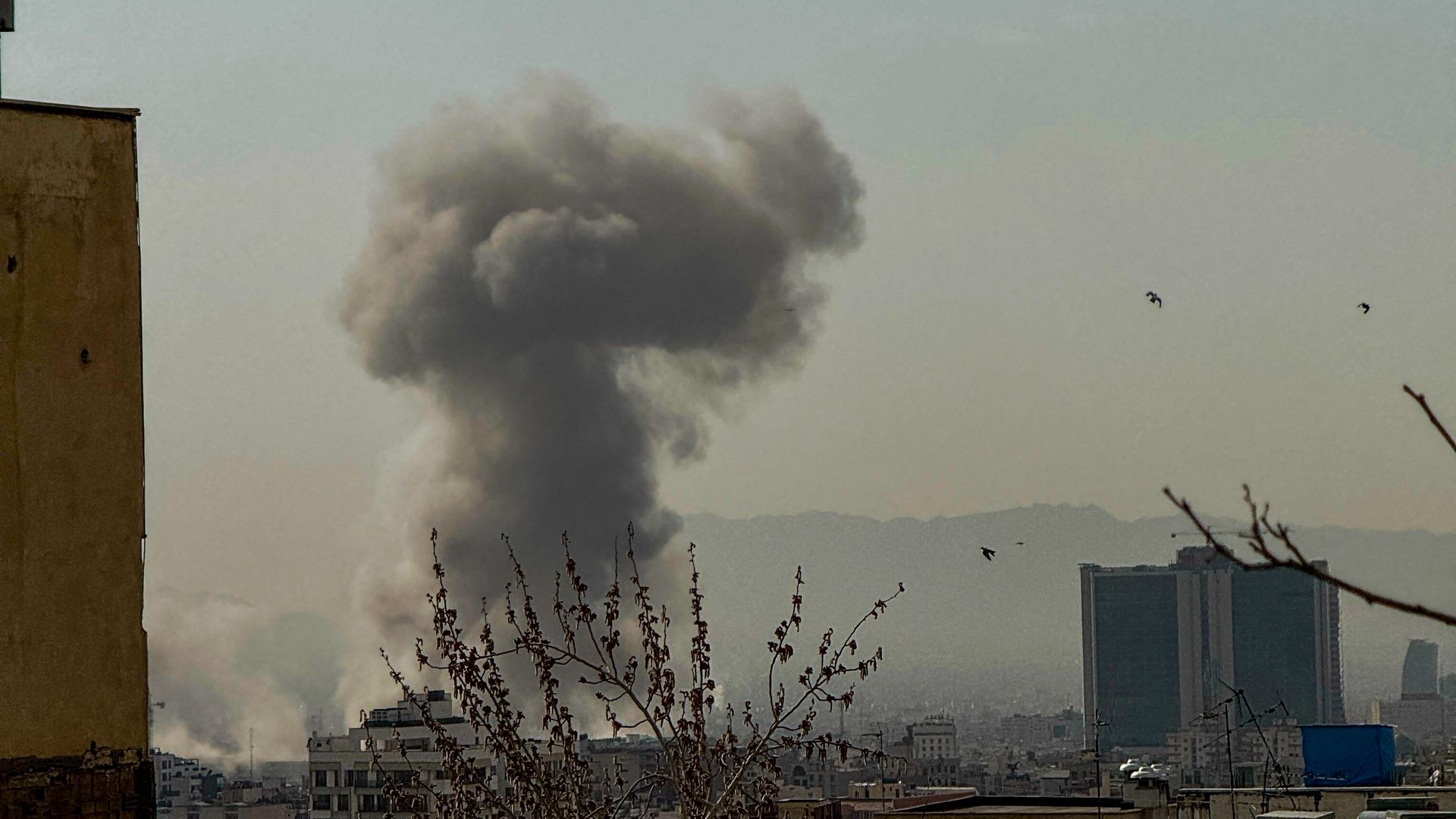
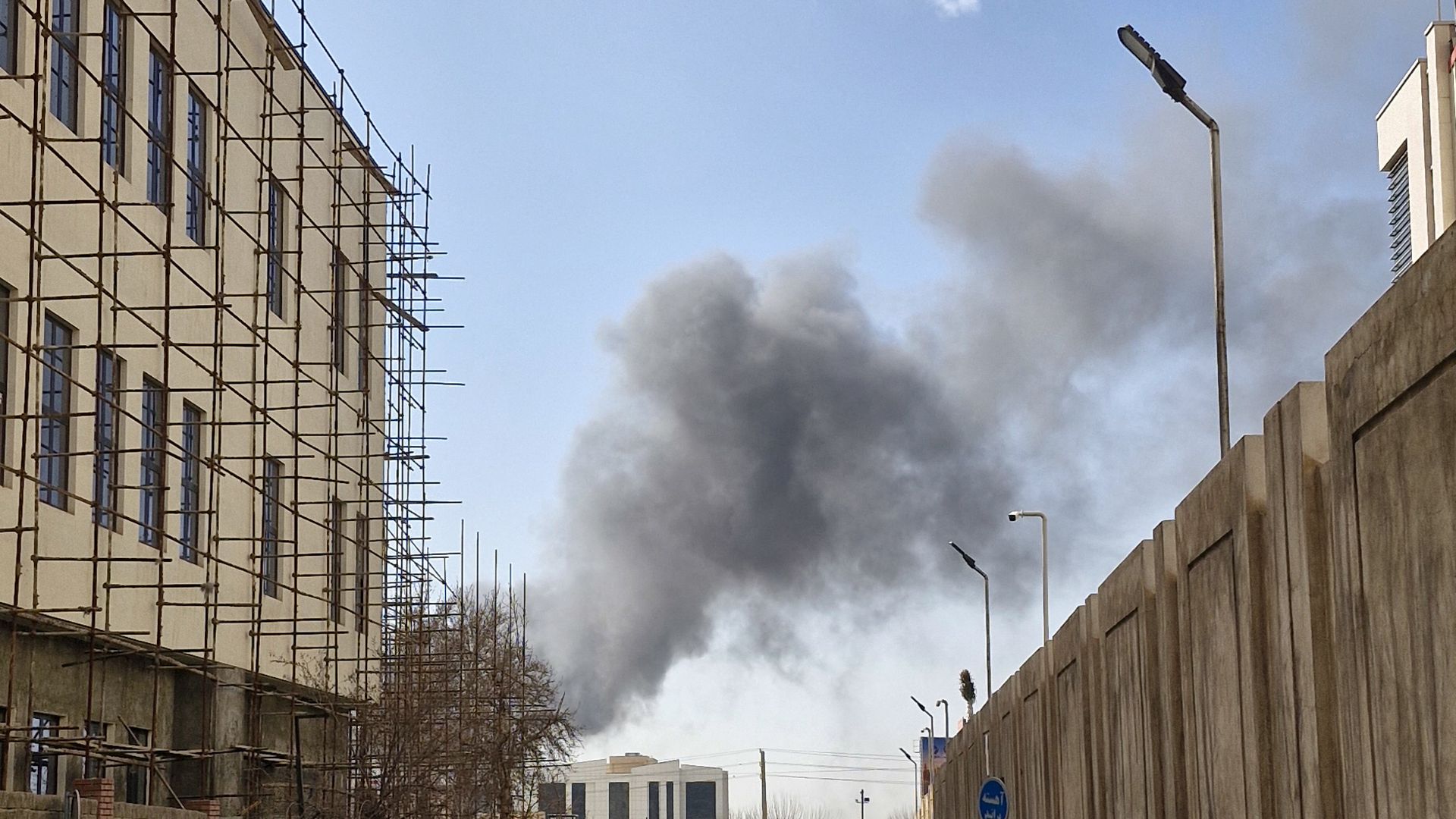
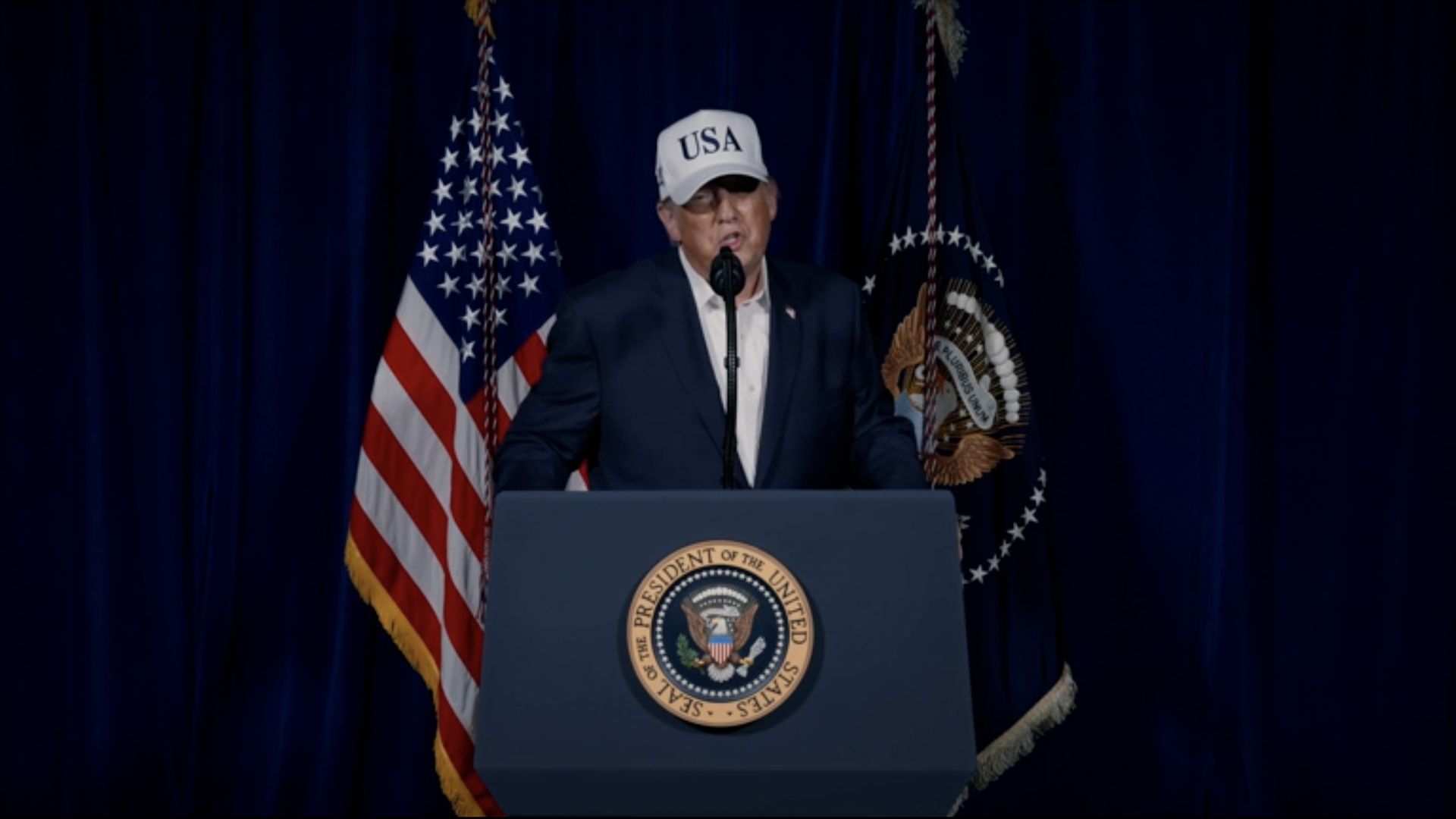
The U.S. and Israel began "major combat operations" in Iran overnight with the aim of destroying the country's military capabilities and fostering regime change, President Trump announced in an overnight video statement.
The latest: Israel's Air Force conducted strikes against Iranian senior commanders and political leaders, including Supreme Leader Ali Khamenei, in an effort to destabilize the regime, according to U.S. and Israeli officials.
The big picture: European leaders largely called for restraint and diplomacy to avoid further escalation, while U.S. adversaries condemned President Trump's decision to pursue military action.
Millions of dollars were poured into prediction markets centered on global war and an Iran regime change following the U.S. strikes against Iran Saturday morning.
Why it matters: Major world events — as seen through the Iran strikes and the capture of Venezuelan leader Nicolás Maduro in January — have created new get-rich-quick moments.
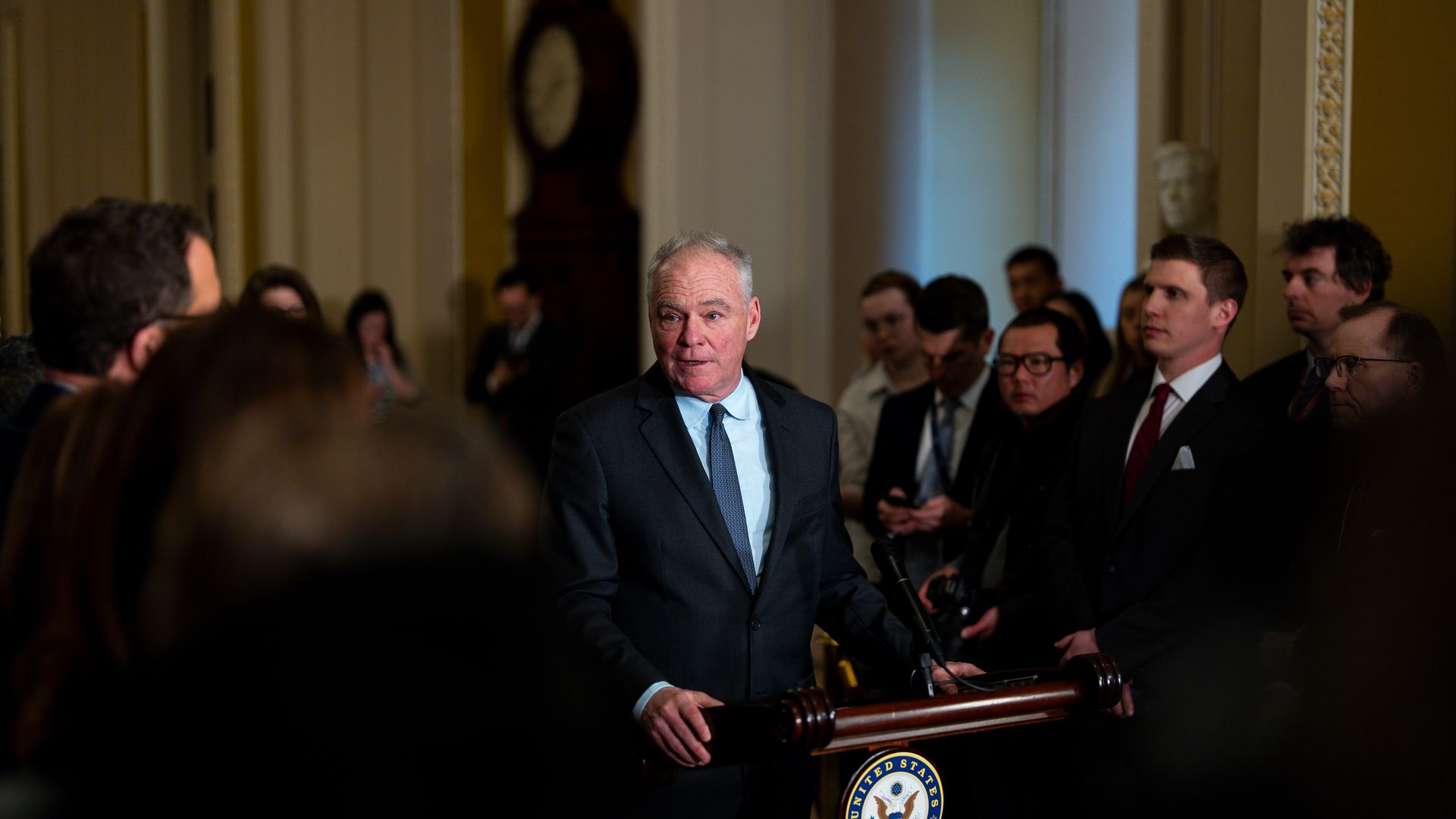
Democratic divisions on Middle East policy roared back to the surface on Saturday after the U.S. and Israel launched what President Trump described as "major combat operations" in Iran.
Editor's note: Iranian Supreme Leader was killed in an Israeli strike as part of a joint military operation between the U.S. and Israel on Feb. 28, according to Israeli and American officials.
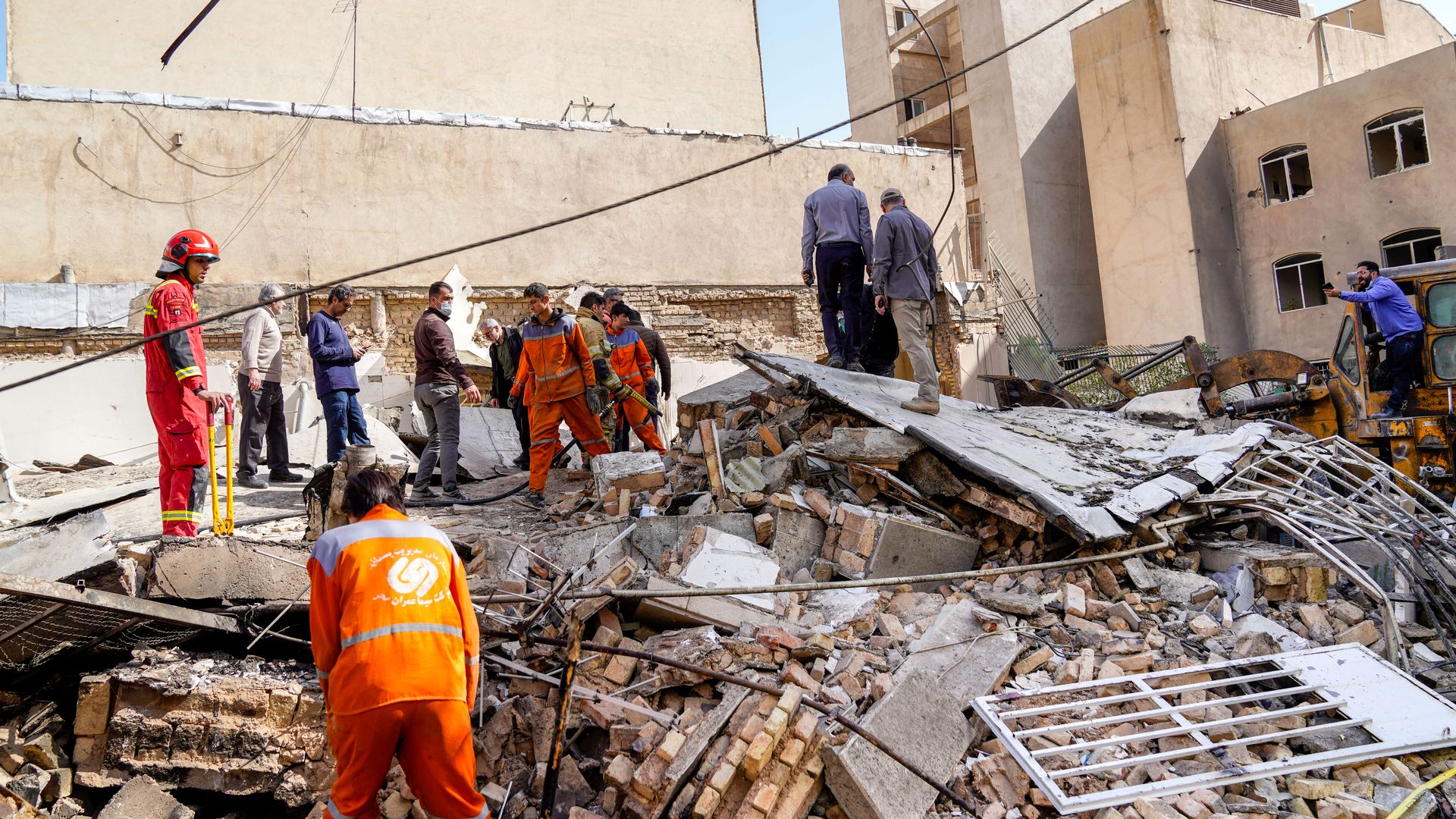
The Israeli Air Force conducted numerous strikes across Iran Saturday morning in an attempt to assassinate Supreme Leader Ali Khamenei and other senior political and military leaders, Israeli and U.S. officials told Axios.
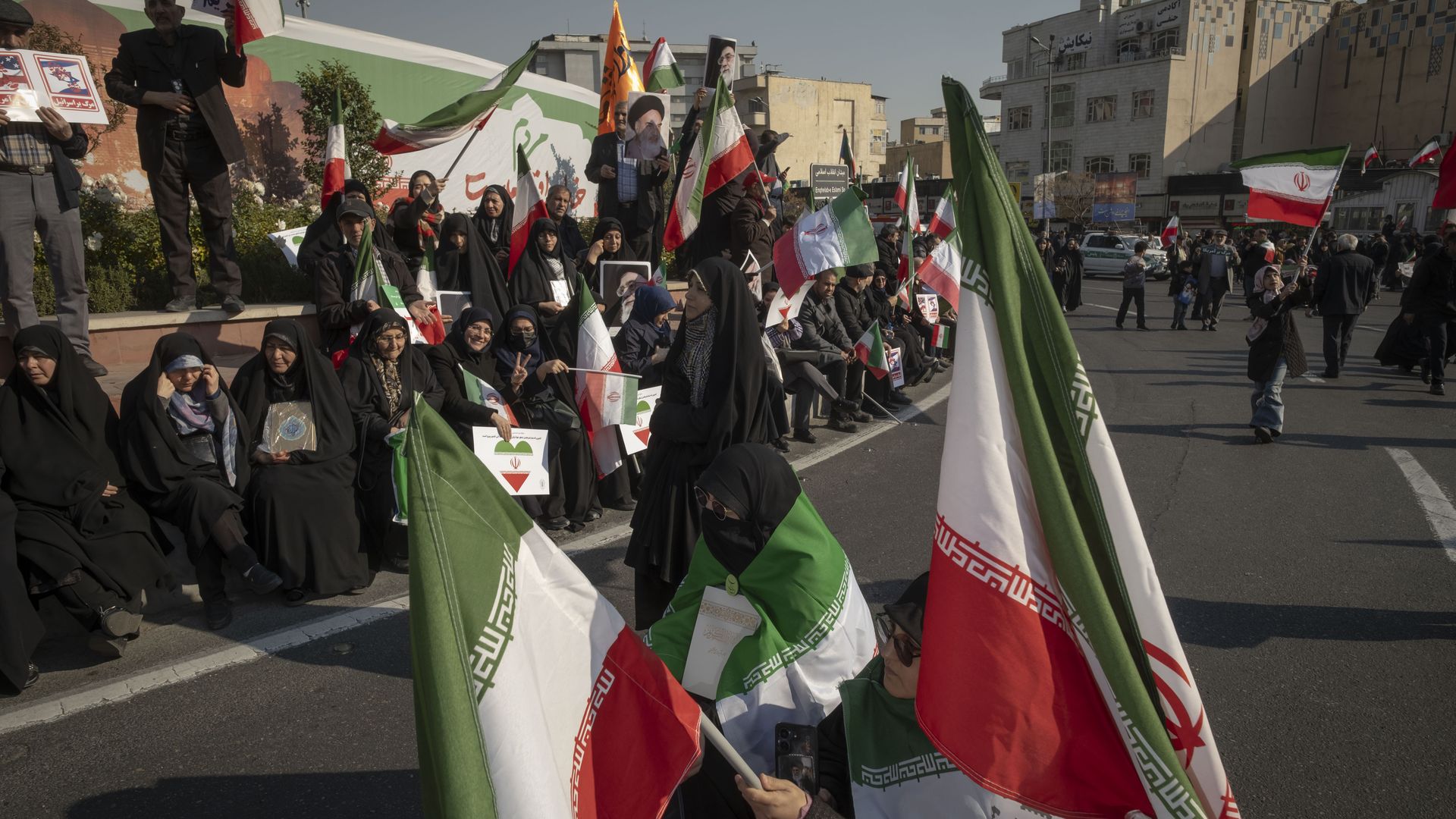
Why it matters: The U.S. and Israel have launched a massive joint military operation in an effort to destabilize the Iranian regime, which has been in power since the 1979 Islamic Revolution.
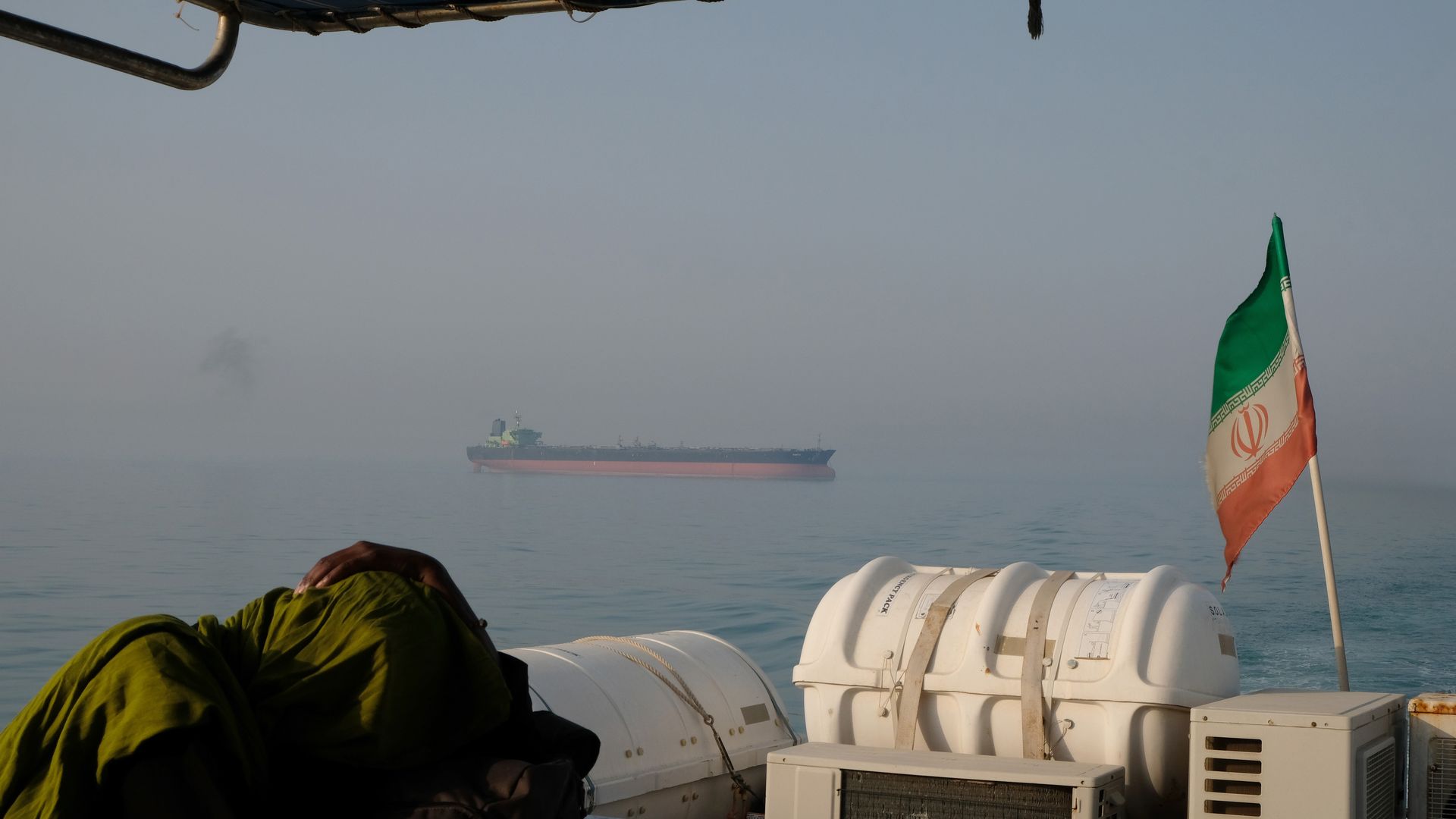
The overnight military strikes on Iran will likely push up oil prices by creating new risks to supplies from the region that's home to a large chunk of global output and transit.
Why it matters: Americans are about to feel the impact of the joint military operation by the U.S. and Israel.
The U.S. struck Iran overnight in the latest example of a president bypassing Congress to order military action.
Why it matters: The Constitution says only Congress can declare war — but Democratic and Republican presidents alike have ordered military force without authorization for more than 75 years.
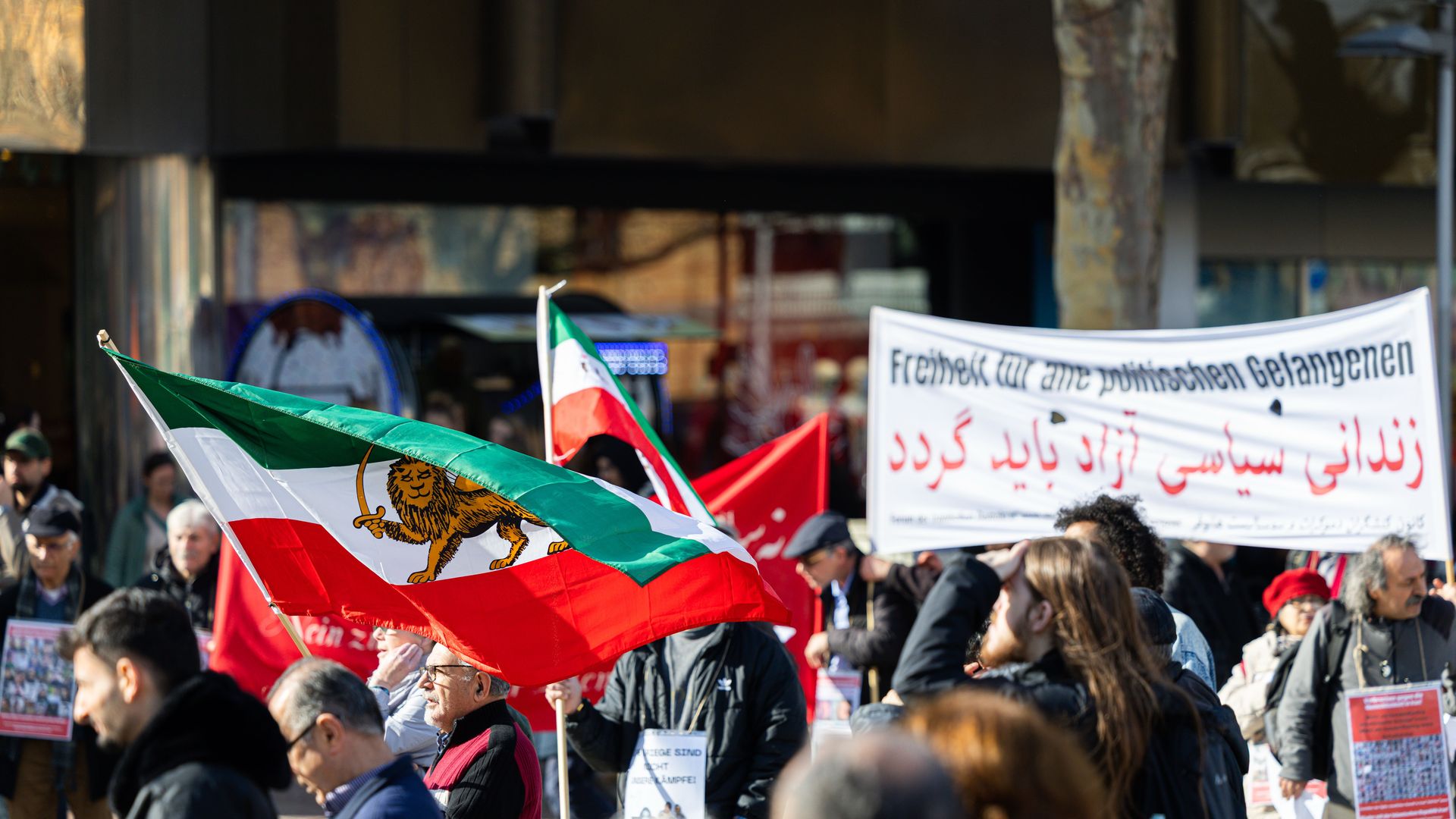
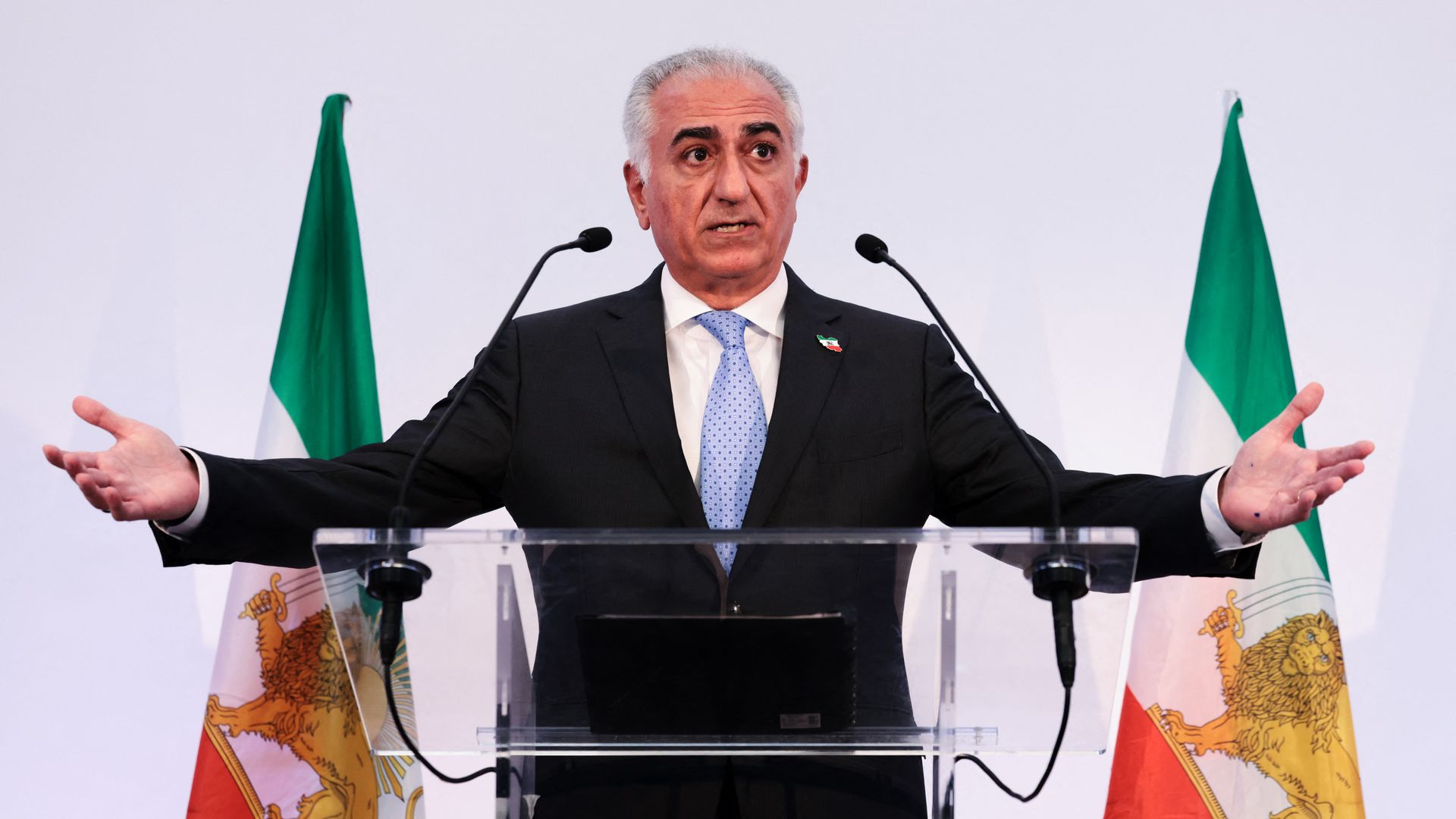
Reza Pahlavi, the exiled former crown prince of Iran, is positioning himself as the "transitional" leader if the Islamic Republic collapses.
The big picture: Pahlavi has voiced confidence in President Trump and previously met with administration officials to address unrest inside Iran — relationships that could bolster his standing after the U.S.-Israel strike on Iran on Saturday.
President Trump touted to raucous Republican applause during his State of the Union address this week that "We ended DEI in America."
A year into Trump's crusade to eradicate "anti-white racism," some of the administration's most ambitious diversity, equity and inclusion rollbacks are stalled in court.
Why it matters: With Congress aligned with the White House, the judiciary has become the primary check for civil rights advocates who argue the administration is distorting long-standing equity laws.
Homeland Security Secretary Kristi Noem's plan to use borderfunds for an almost $300 million luxury jet fleet has horrified top Trump officials, Axios has learned.
Why it matters: Until last year, DHS owned zero luxury jets. Soon it could have three.
Editor's note: Iranian Supreme Leader was killed in an Israeli strike as part of a joint military operation between the U.S. and Israel on Feb. 28, according to Israeli and American officials.
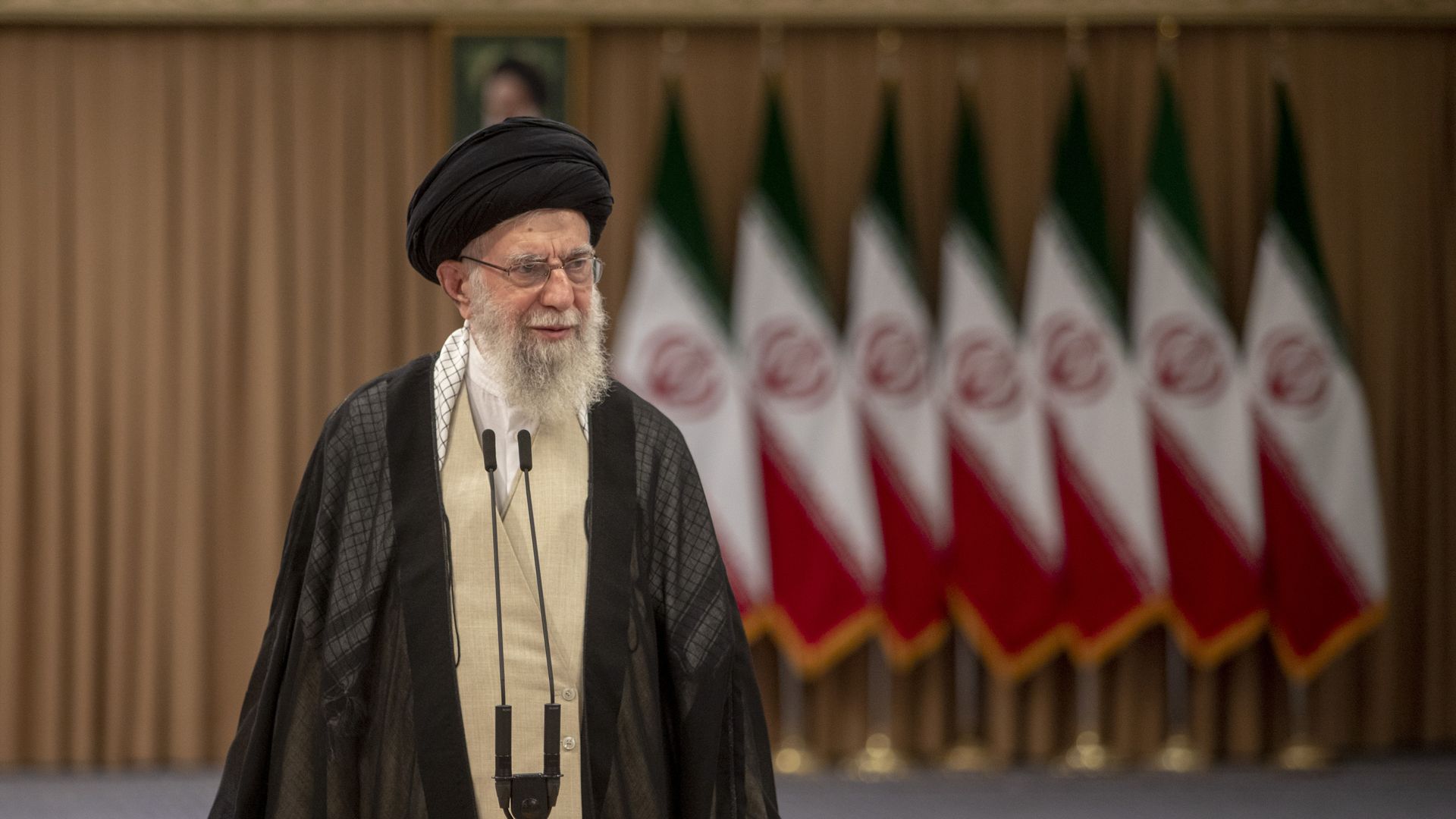
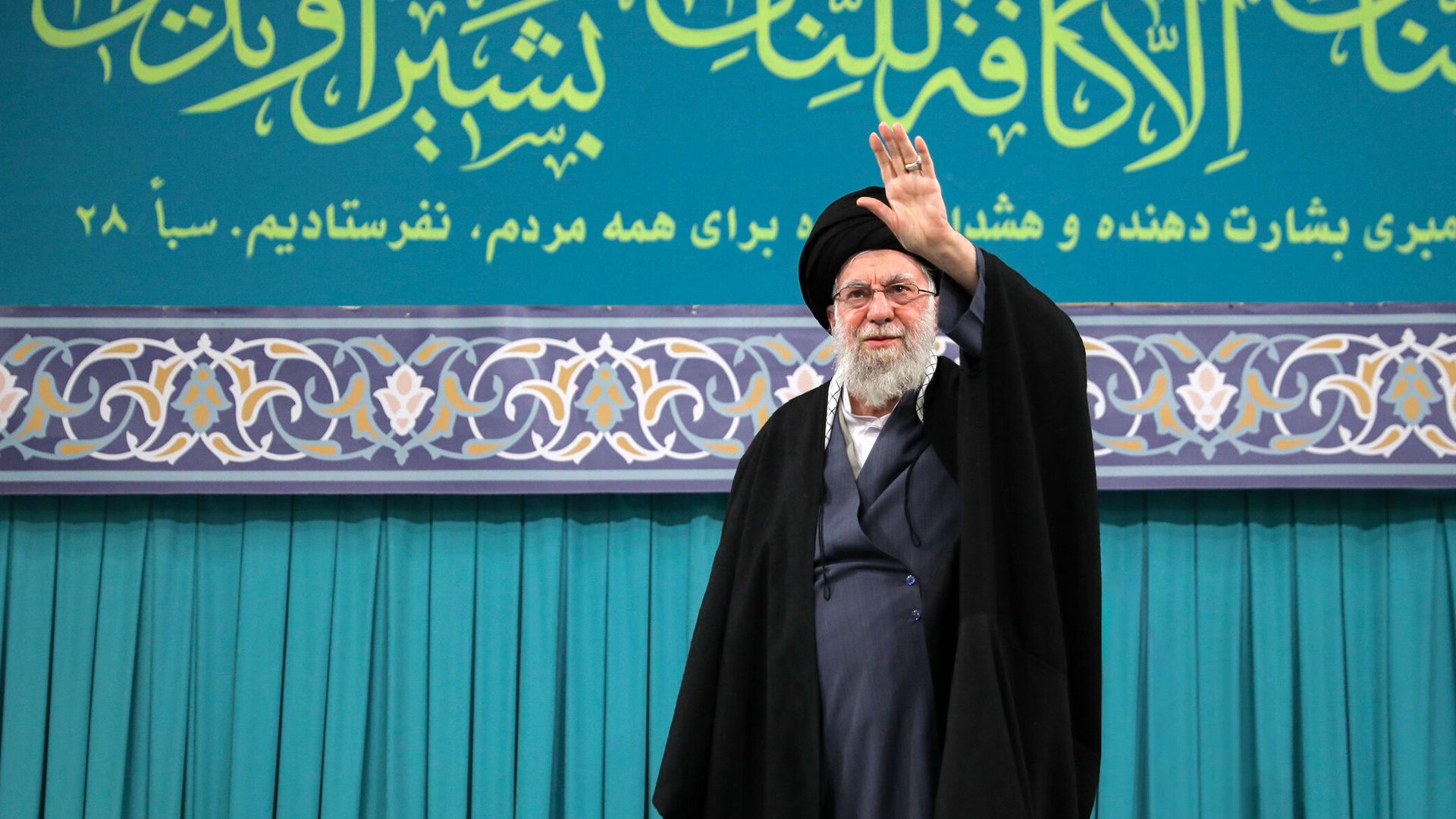
Iranian Supreme Leader Ali Khamenei is the Middle East's longest-serving autocrat, consolidating near-absolute control in his roughly 37-year reign.
Why it matters: President Trump opted for military strikes in Iran after failing to reach a nuclear deal with Tehran,raising the risk that the administration will push for regime change. The first strike landed near Khamenei's office, per AP.
Anthropic vowed to challenge the Pentagon in court over its blacklisting of the company for refusing to lift all safeguards on the military's use of its model, Claude — adding it's "deeply saddened" by the escalating dispute.
Why it matters: The frontier AI company is doing what few other companies have done since Trump's second term began — directly and publicly challenging the administration.