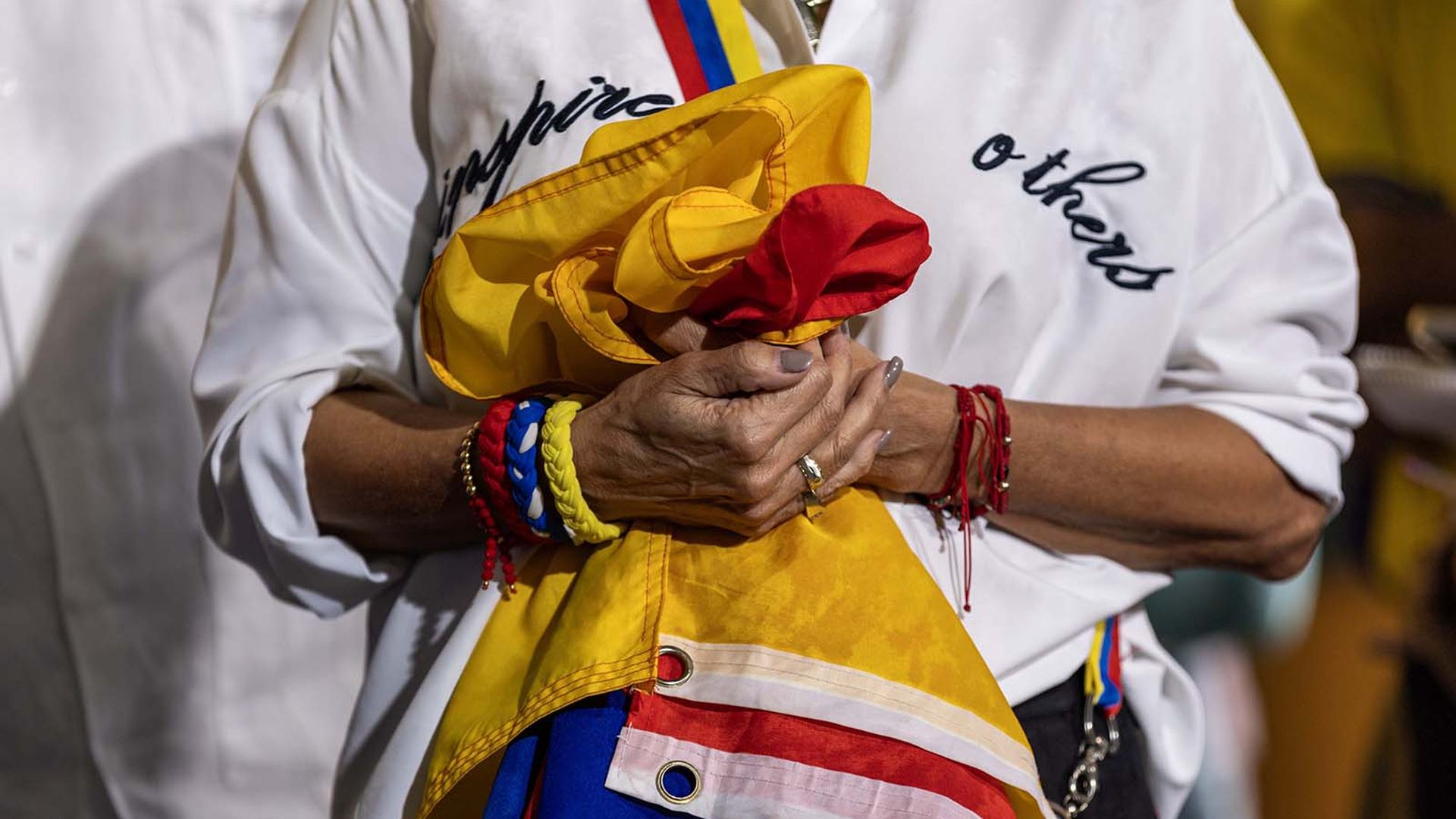
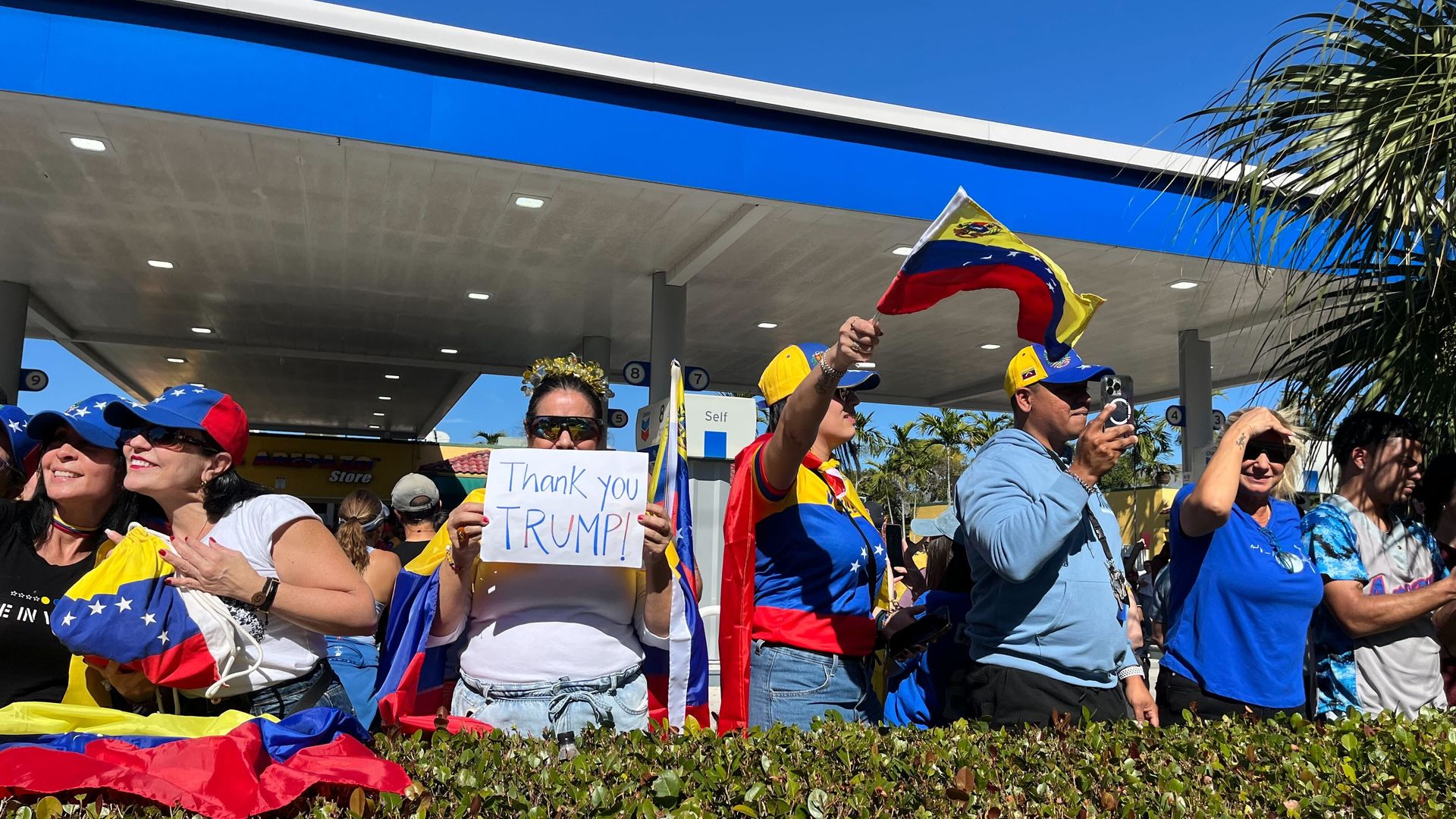
Why it matters: Roughly 600,000 Venezuelans living legally in the U.S. under TPS face potential deportation to a nation whose future government remains deeply uncertain.
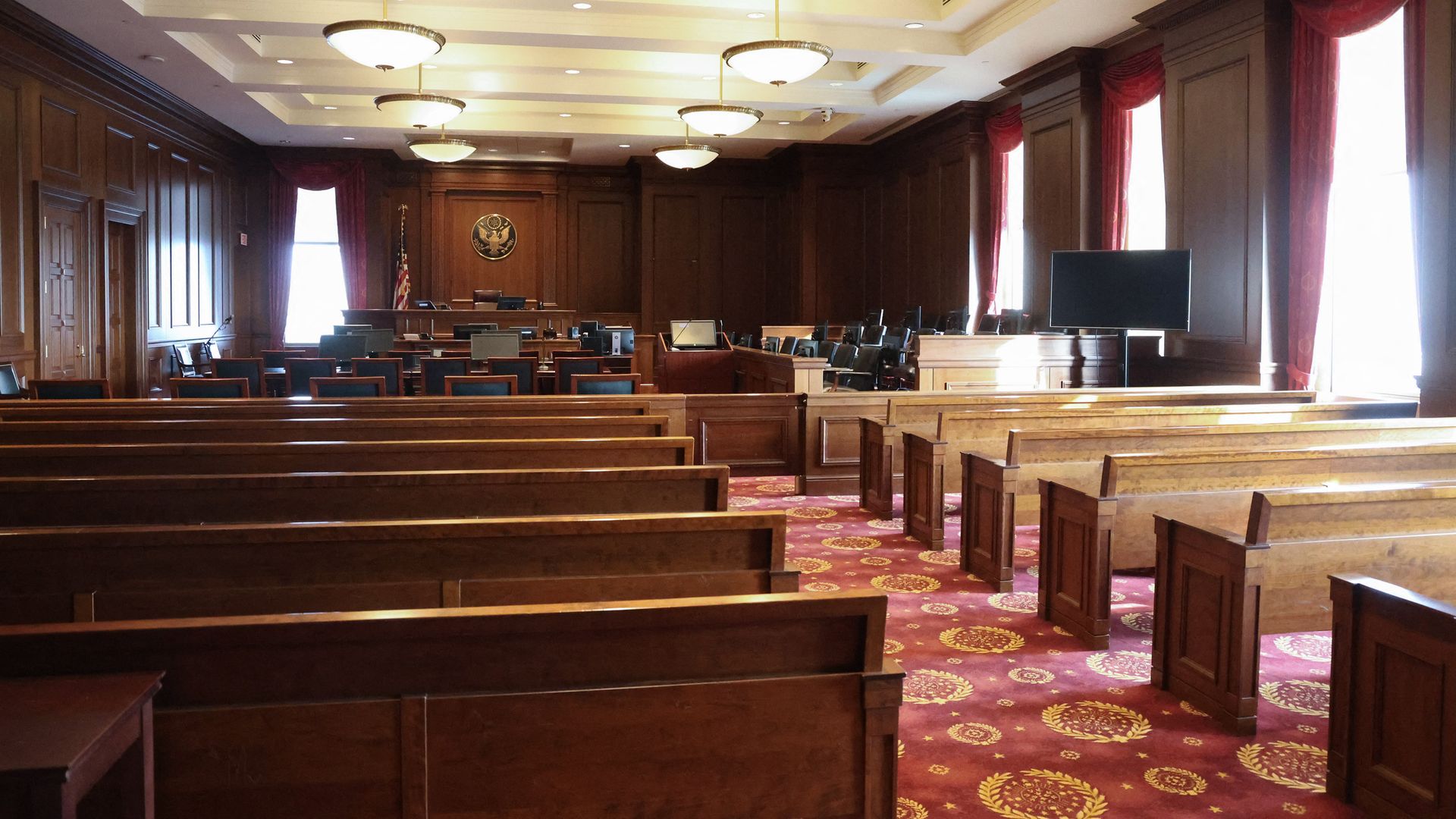
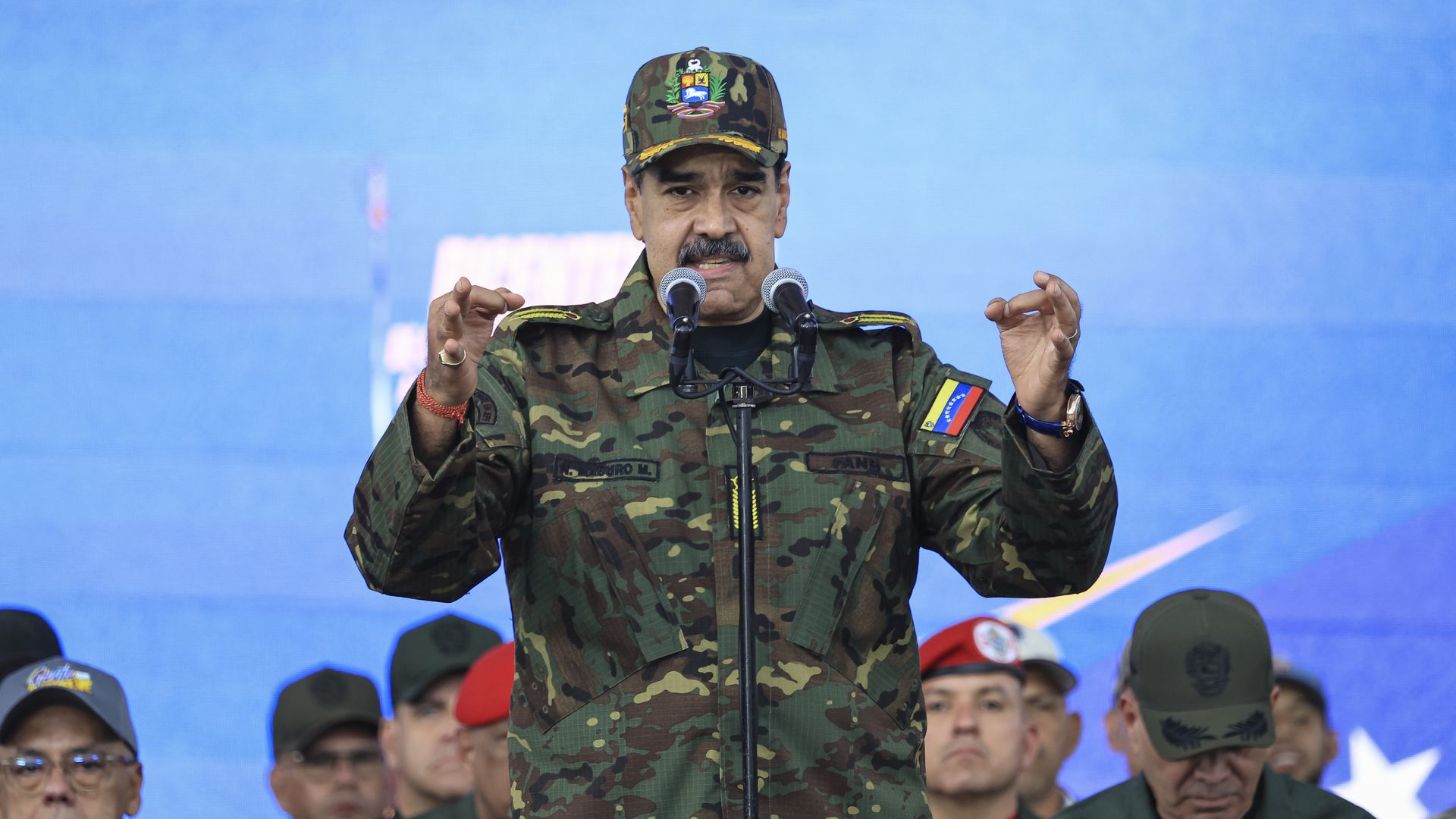
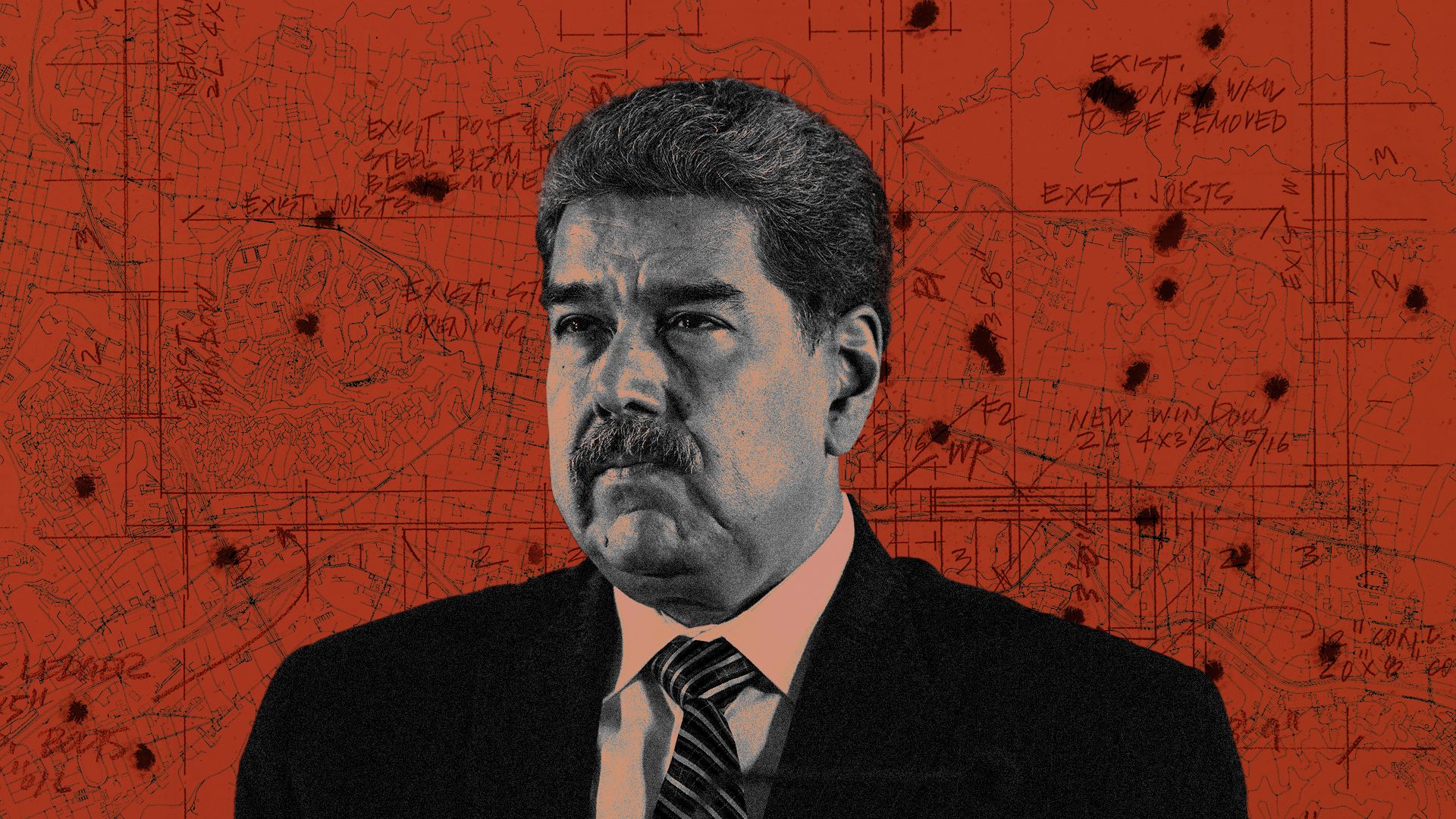
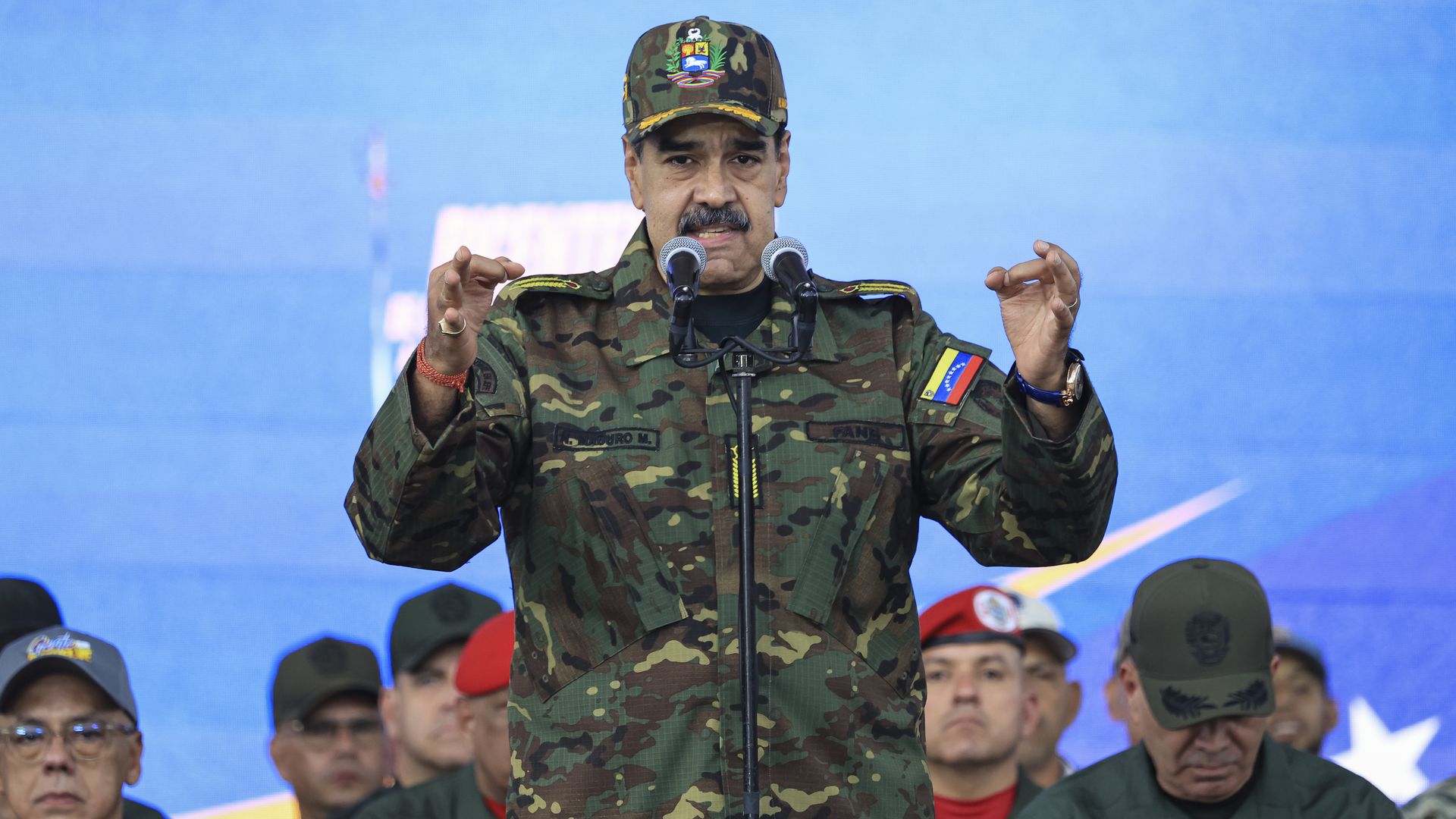
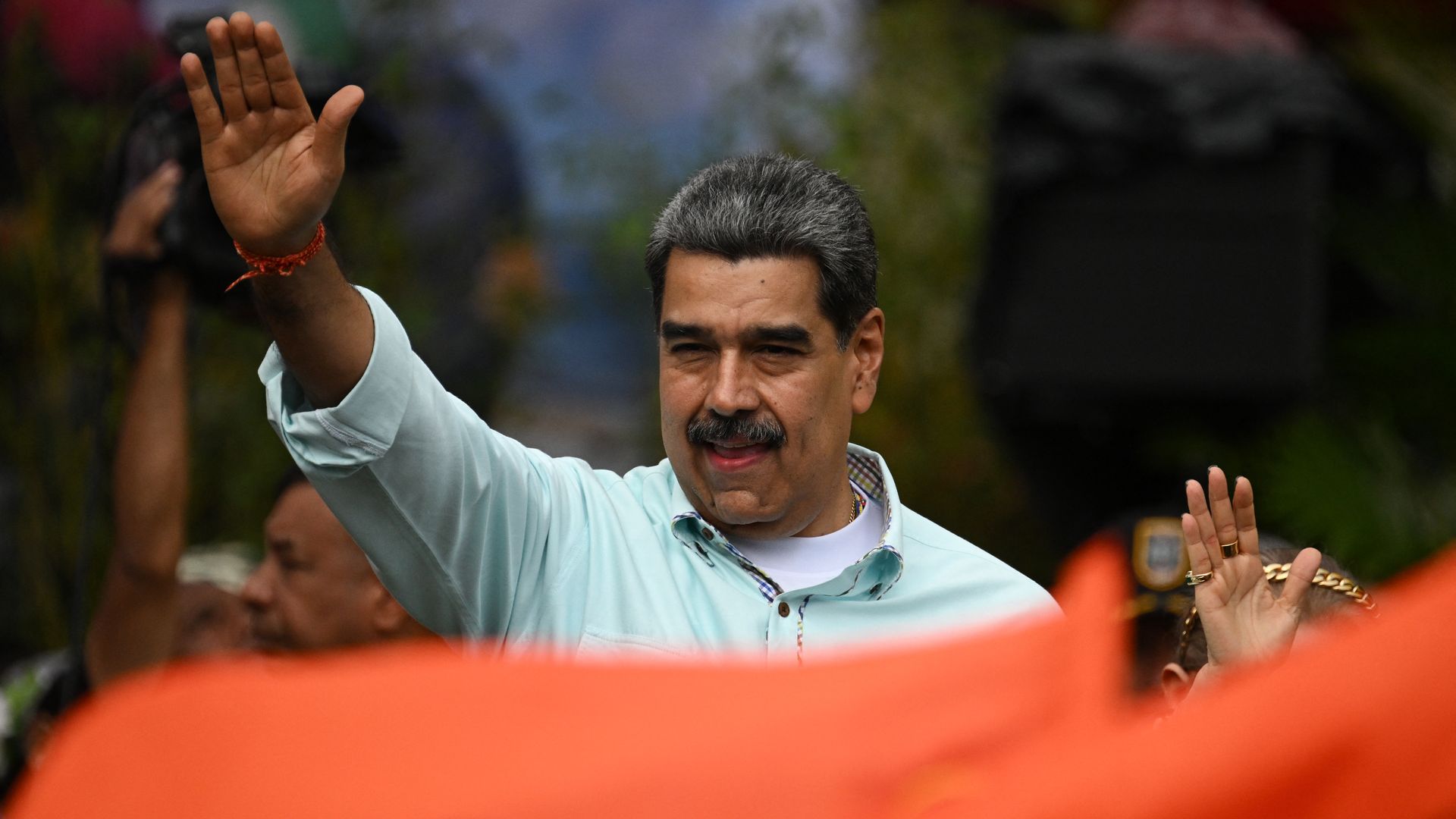
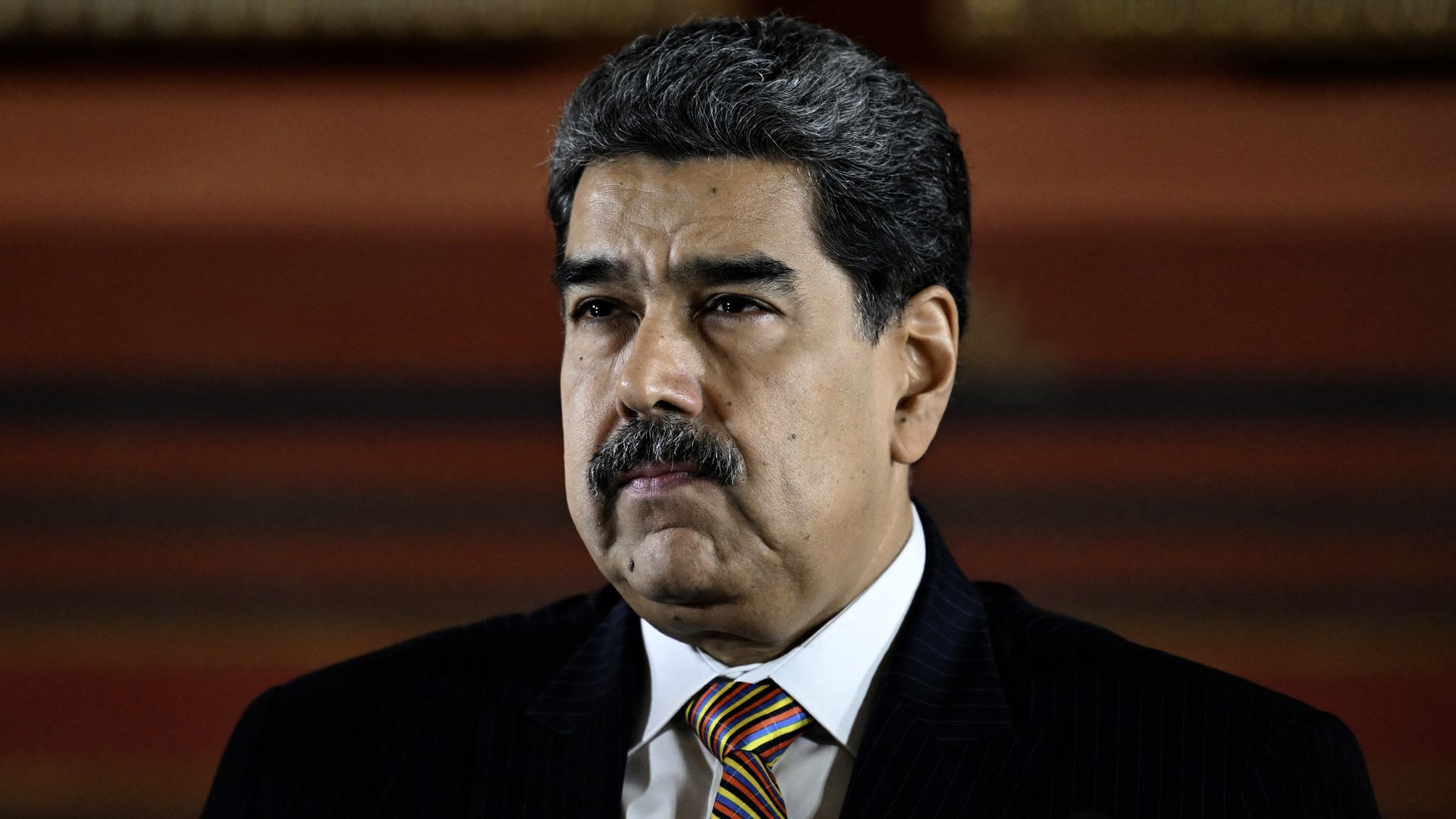
Captured Venezuelan leader Nicolás Maduro is scheduled to make his first appearance in federal court Monday, two days after U.S. forces seized the strongman and his wife.
The big picture: Monday's appearance will be largely procedural, but it kicks off what will likely be a protracted legal battle.
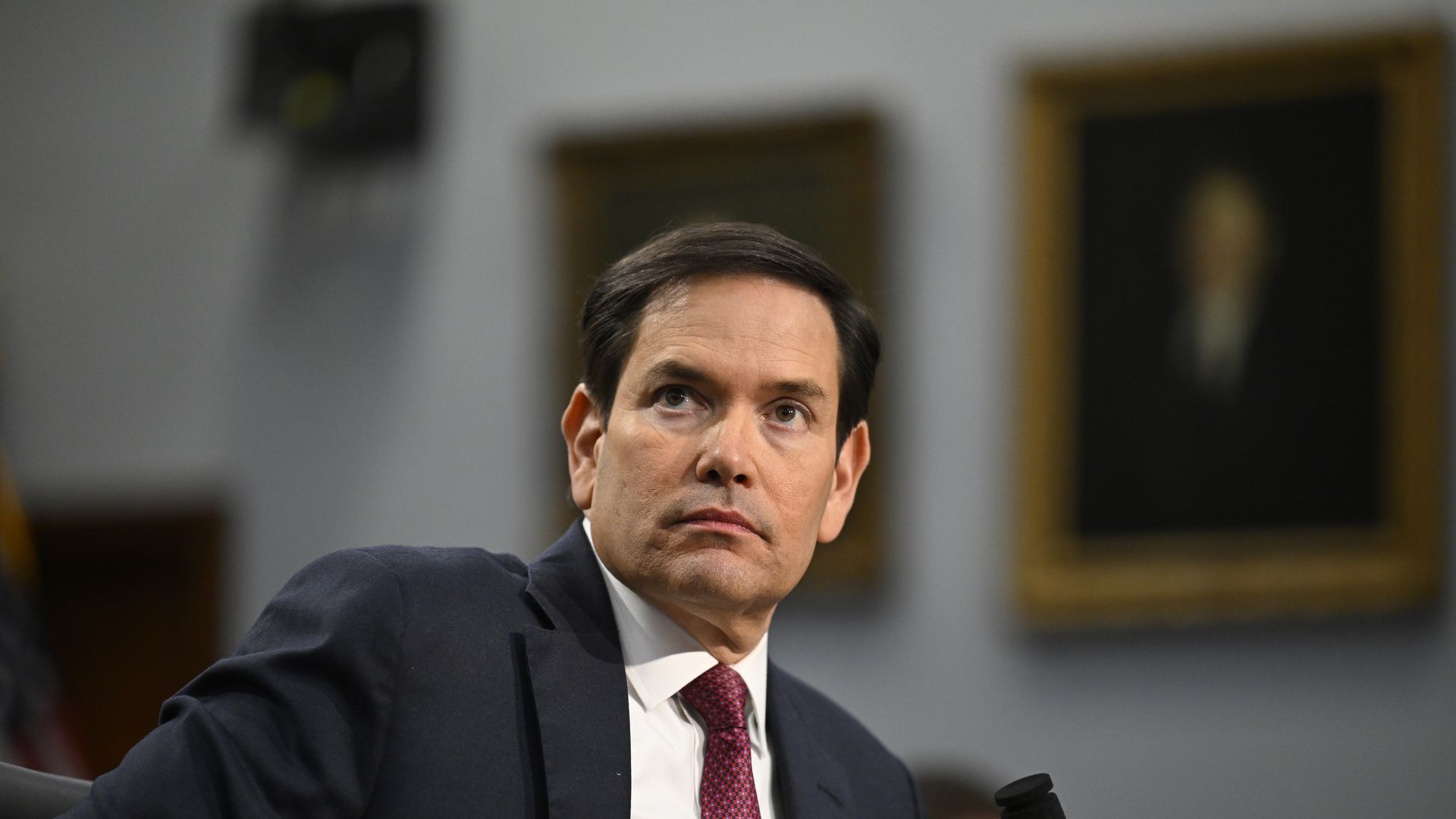
Secretary of State Marco Rubio on Sunday touted what he called a unique U.S. capability to refine Venezuela's abundance of crude oil,a linchpin of the Trump administration's takeover strategy for the country.
The big picture: Refineries in the Gulf of America (renamed from Gulf of Mexico) are generally better designed to handle Venezuela's "heavy" crude than the lighter grades from shale produced from fracking.
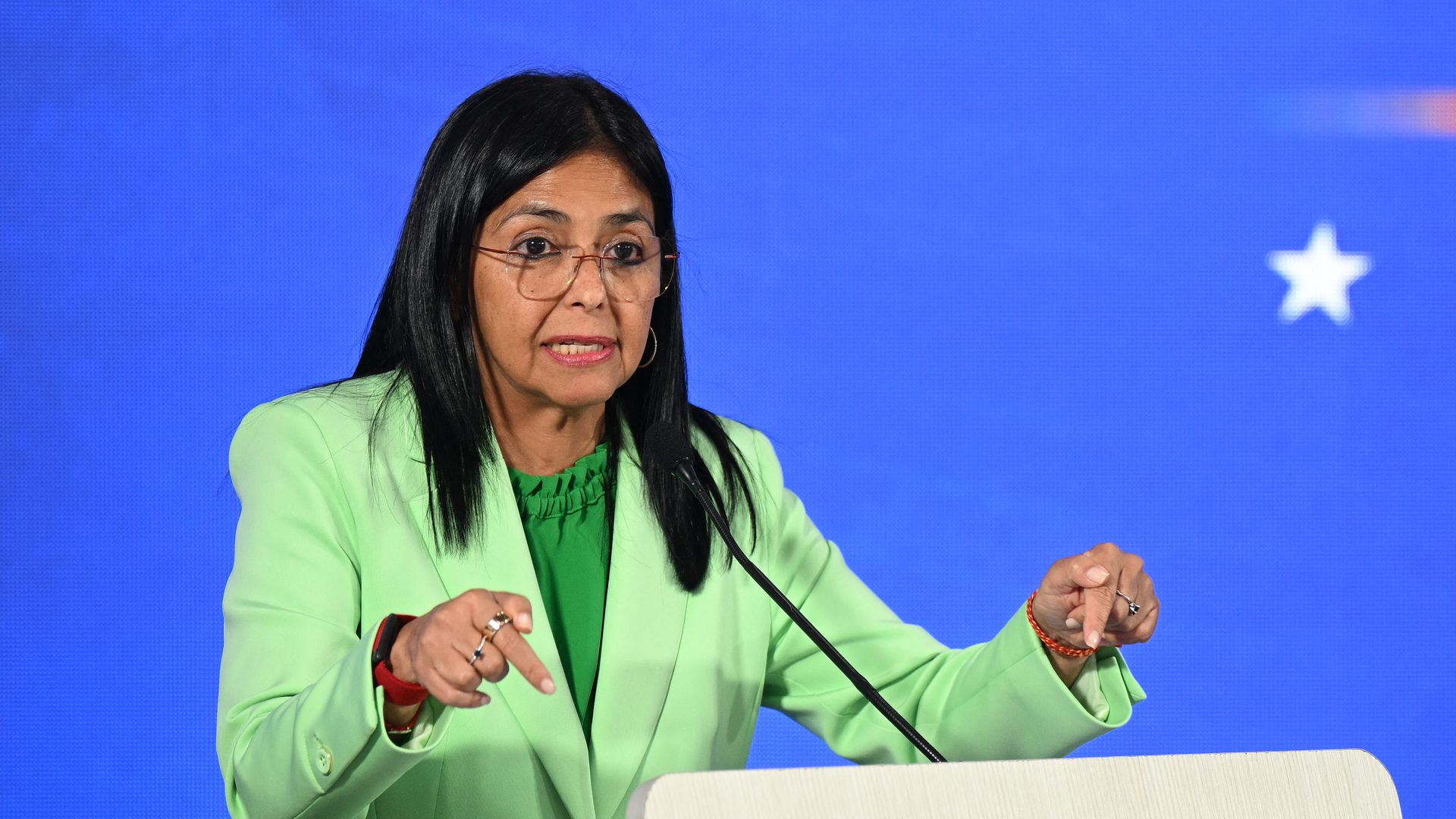
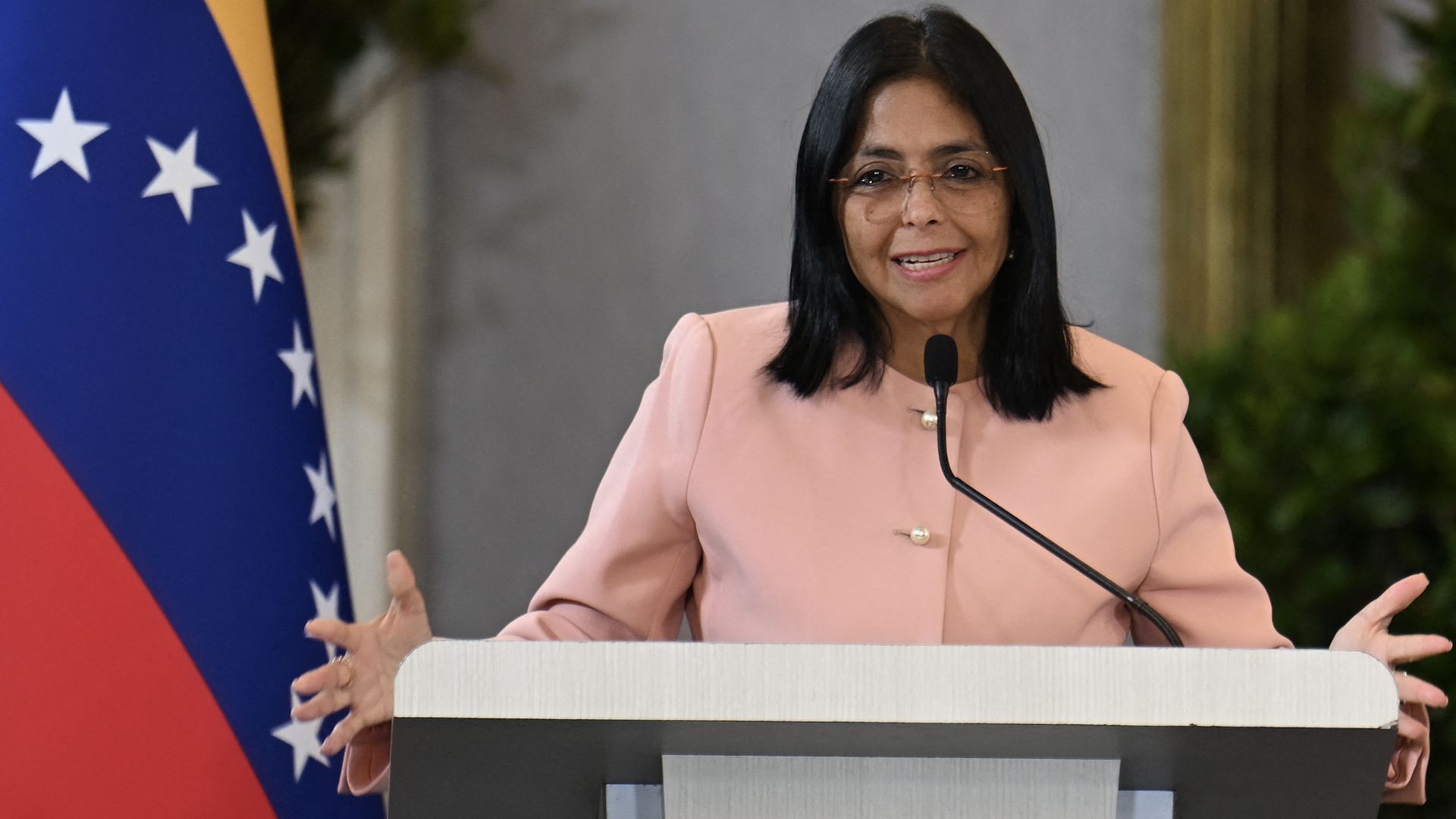
Venezuela's futurewith the U.S. after the stunning capture of Nicolás Maduro largely hinges on Delcy Rodríguez, the vice president turned de-facto leader.
The big picture: President Trump said the U.S. will run Venezuela and claimed Rodríguez, who also serves as the nation's oil minister, seemed cooperative, but her public address tells a different story.
Some Democrats are grumbling at their party's largely oppositional stance to President Trump's raid to capture Venezuelan President Nicolás Maduro, saying privately that their colleagues should be celebrating.
Why it matters: These lawmakers argue it could be a major political miscalculation if the party fails to applaud the downfall of a brutal dictator with sufficient volume, even given grave concerns about the operation's legality and longer-term ramifications.
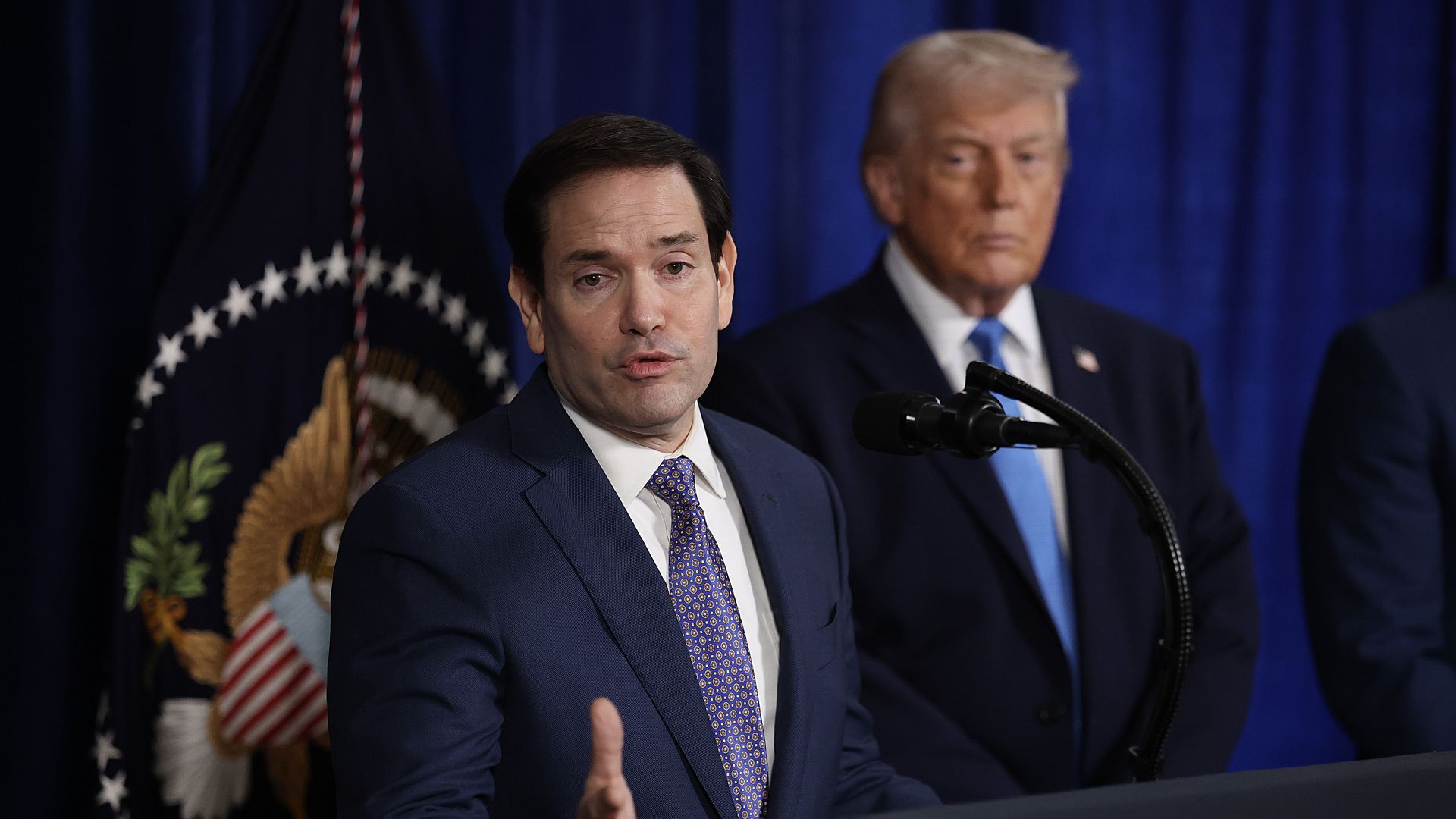
Marco Rubio is suddenly facing his most daunting puzzle in his 28 years in politics.
The U.S. secretary of state didn't just help mastermind the ouster of Venezuela's dictator on Saturday. Rubio is now in charge of making sure President Trump's risky move against Nicolás Maduro doesn't descend into chaos.
Why it matters: The U.S. is now effectively laying claim to the country with the globe's largest proven oil reserves — a move that could threaten global stability and complicate U.S. relations with China, a major buyer of Venezuelan crude.
Amid Democrats' fury over the Trump administration's unilateral strike on Venezuela and capture of President Nicolás Maduro, some lawmakers went so far as to call for President Trump's removal from office.
Why it matters: The Venezuela strike has escalated already-boiling tensions between Trump and congressional Democrats, who are furious about Congress being left in the dark.
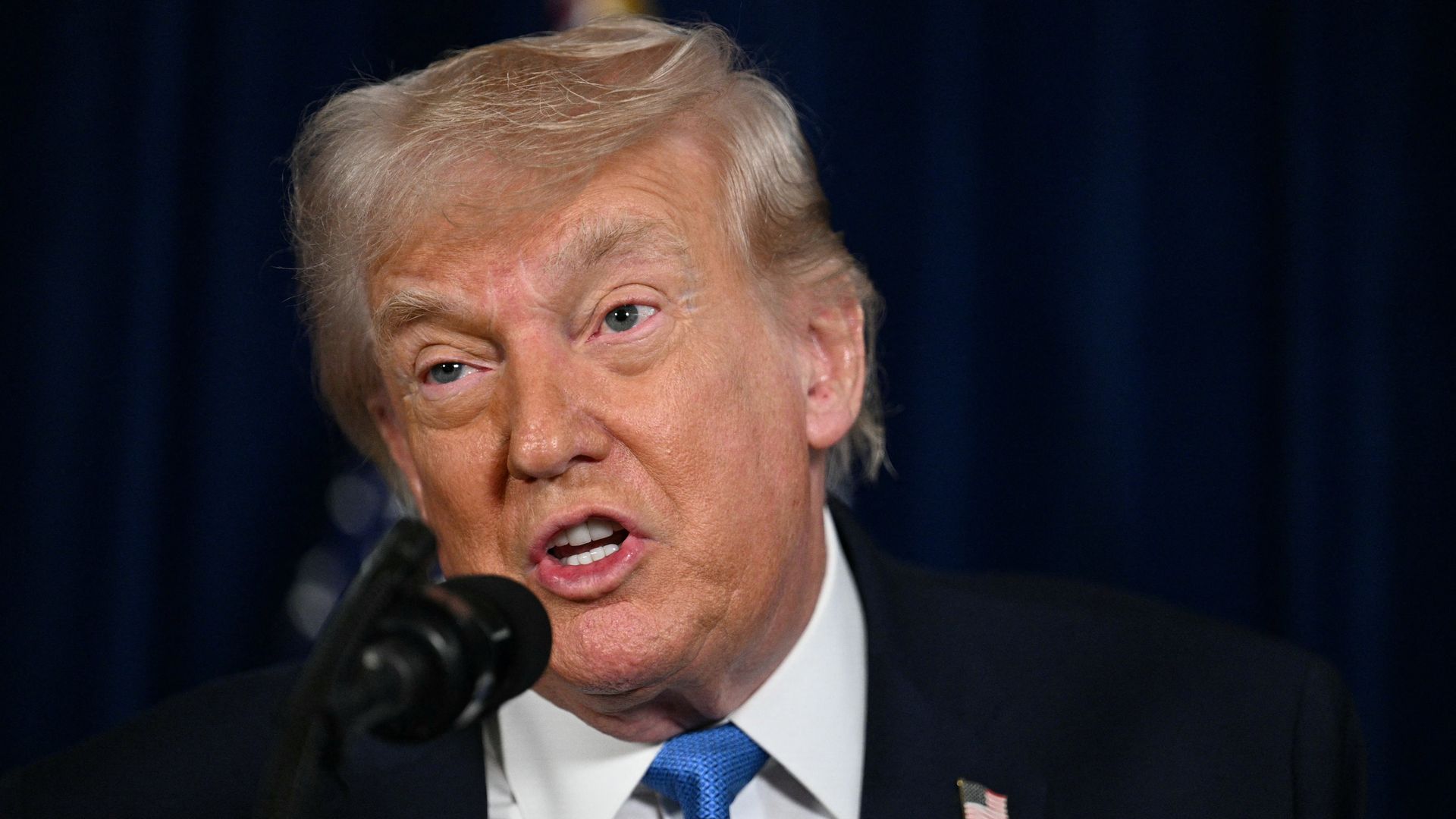
Hours after capturing Venezuelan President Nicolás Maduro, President Trump announced the U.S. will "run the country" — acting on a threat he's maintained for years, even as he denounced nation building elsewhere.
Why it matters: Trump built his foreign policy brand on rejecting intervention, repeatedly vowing America would stop toppling regimes and rebuilding nations.
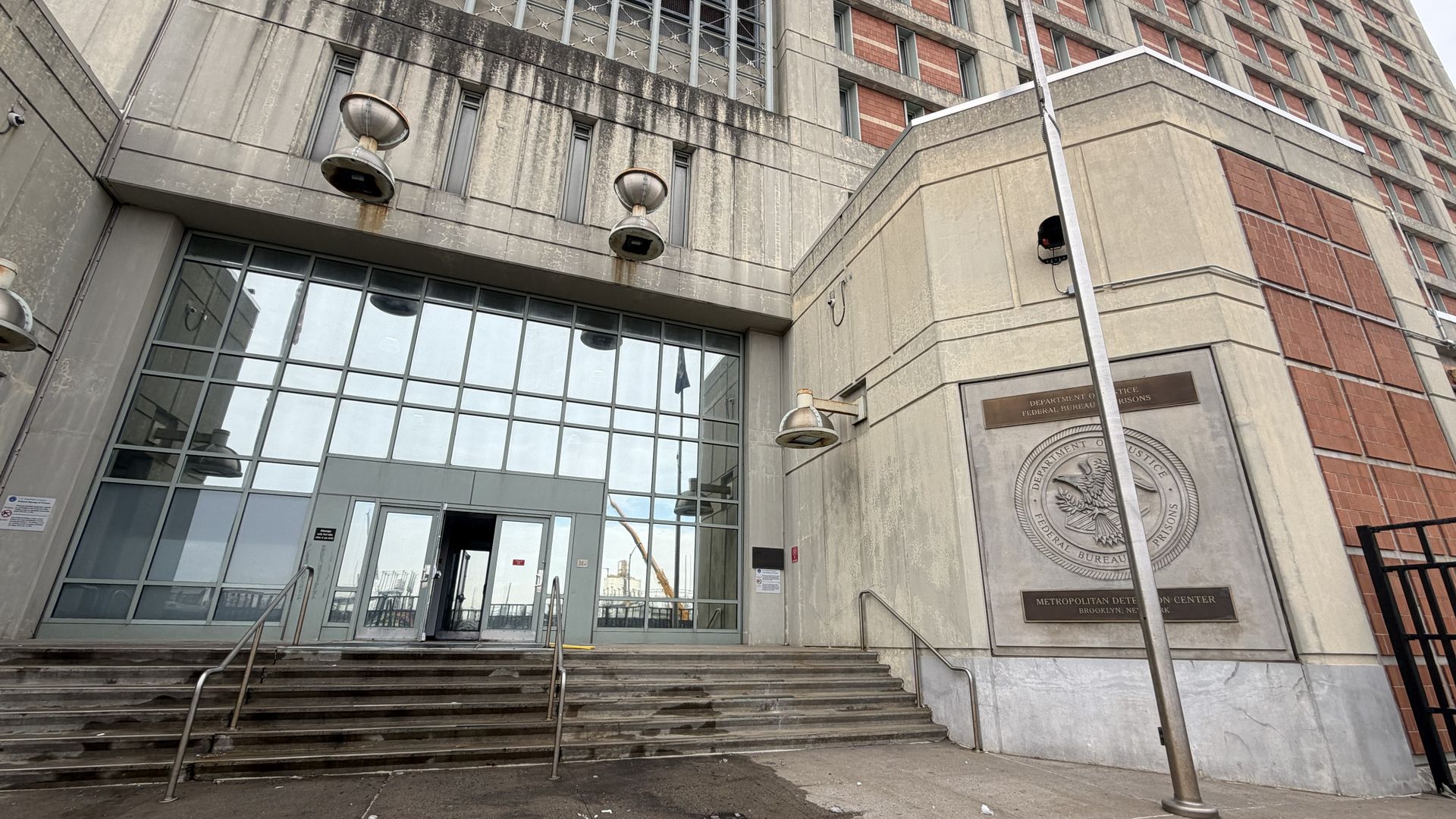
Venezuelan President Nicolás Maduro and his wife are reportedly being taken to Metropolitan Detention Center (MDC), a federal jail in Brooklyn, after the Trump administration "captured" the couple in a stunning operation Saturday morning.
Venezuela's Vice President Delcy Rodríguez condemned the U.S. attack and capture of President Nicolás Maduro on Saturday, saying in a televised address the nation "will never return to being the colony of another empire."
Why it matters: Rodríguez's words are the first indicator the transition from Maduro's regime won't go as smoothly as President Trump hoped.
Hours after the U.S. invaded Venezuela to seize President Nicolás Maduro, President Trump sent a warning to the governments of Mexico, Cuba and Colombia that their countries could be next.
Why it matters: The stunning attack on Caracas follows Trump's recent assertion of his own version of the Monroe Doctrine, and the president's comments that the U.S is not afraid to put "boots on the ground" in the country suggest that the administration won't hesitate to have an ongoing presence in the region.
The U.S. employed more than 150 aircraft, including high-end bombers, helicopters and drones, in a dramatic overnight raid in Caracas, Venezuela, according to President Trump and Joint Chiefs Chairman Gen. Dan Caine.
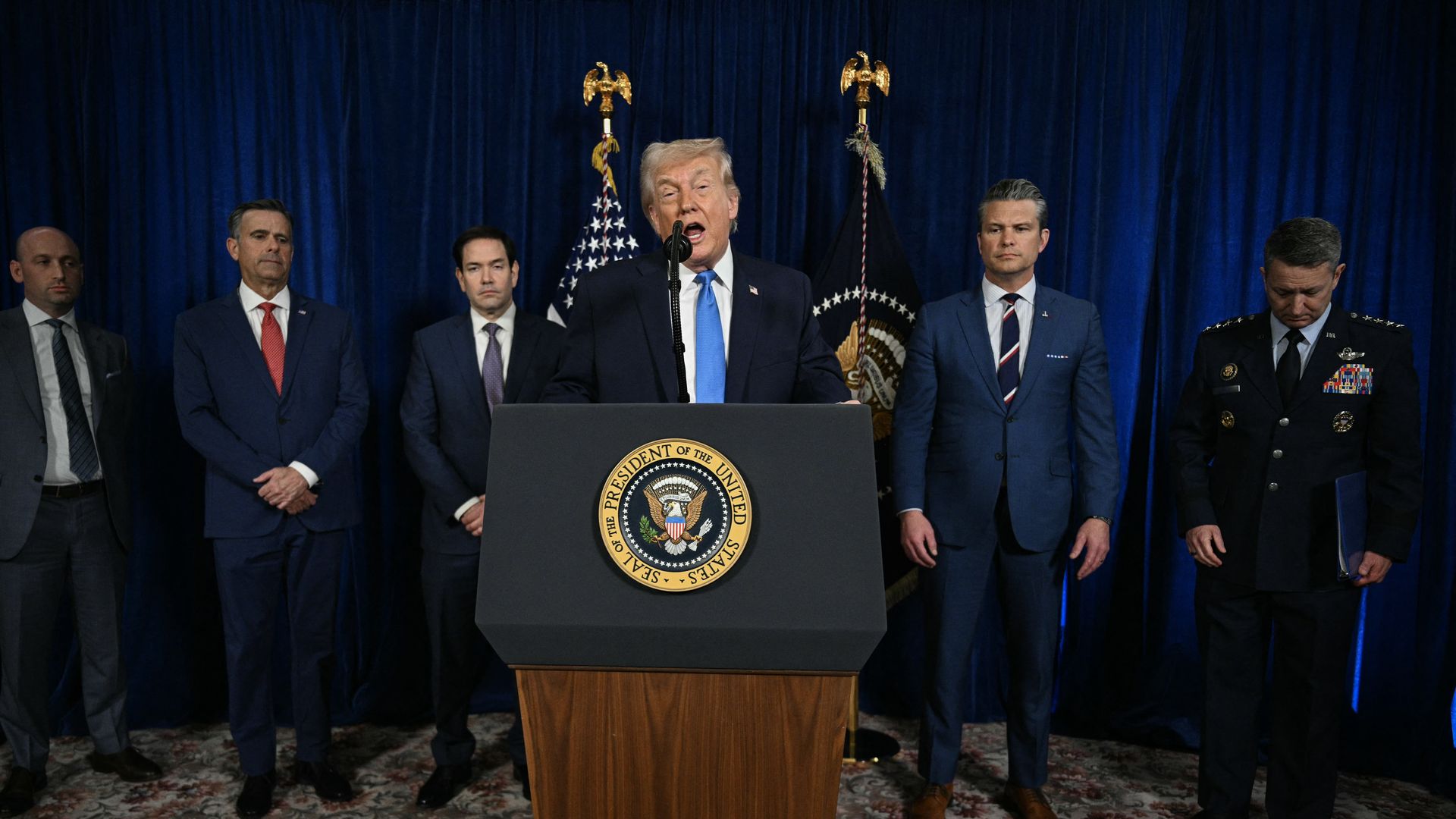
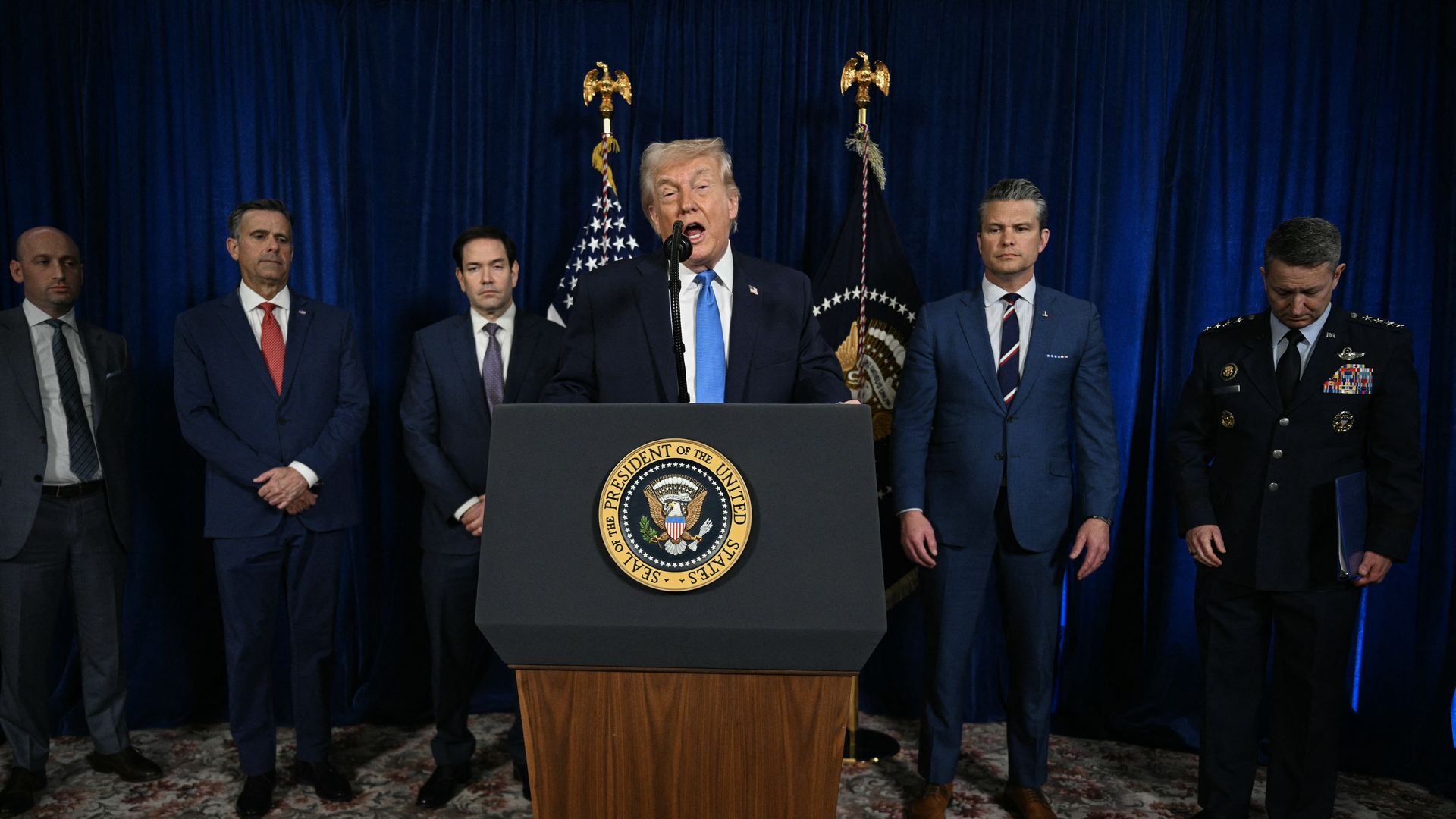
Why it matters: The hourslong operation — criticized by American lawmakers and foreign countries alike — was "audacious" and required the "utmost precision and integration," Caine said at a Mar-a-Lago briefing on Jan. 3.
The United States' astonishing overnight raid to capture Venezuelan President Nicolás Maduro followed an intense monthslong pressure campaign, jump-started by a $50 million bounty put on Maduro's head in August.
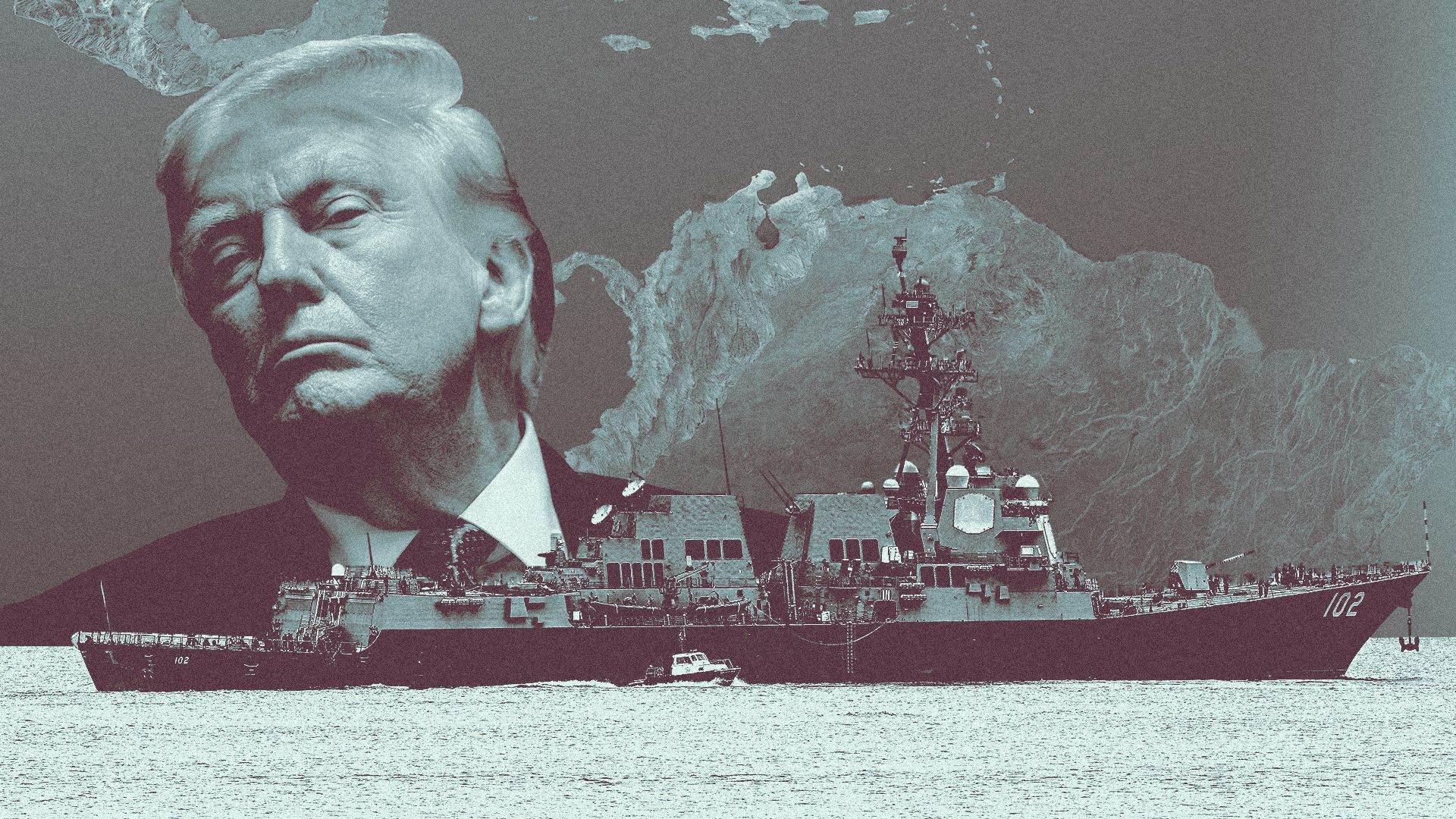
Why it matters: Publicly, the U.S. justified its boat strikes and massive military presence off the coast of Venezuela in the name of fighting narco-terrorism.
President Trump is being blasted by congressional Democrats for ordering strikes on military targets in Caracas, as part of an overnight operation that resulted in the capture of Venezuelan President Nicolás Maduro.
Why it matters: The lawmakers say the president blatantly overstepped his authority by not seeking congressional authorization for the operation beforehand.
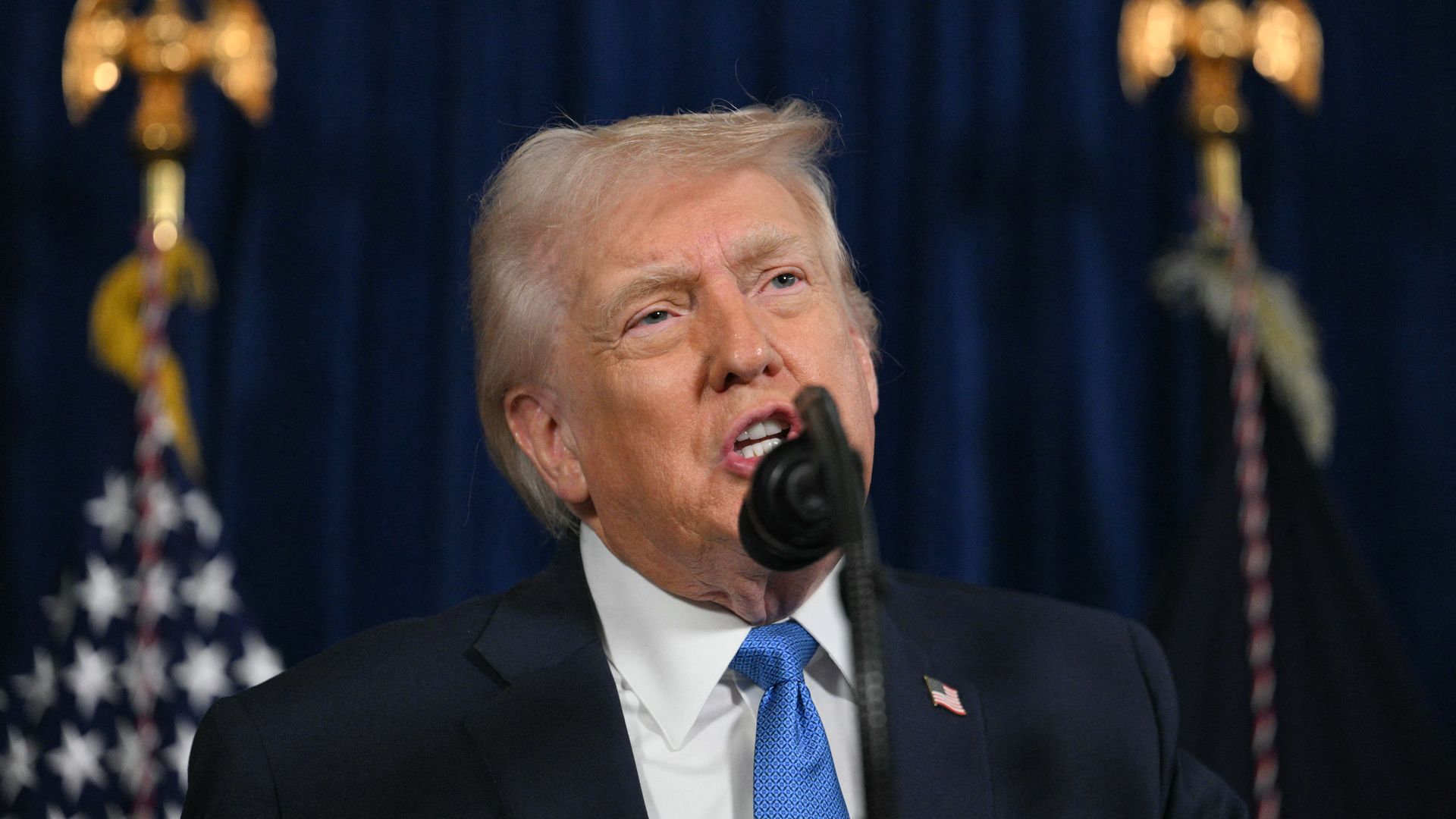
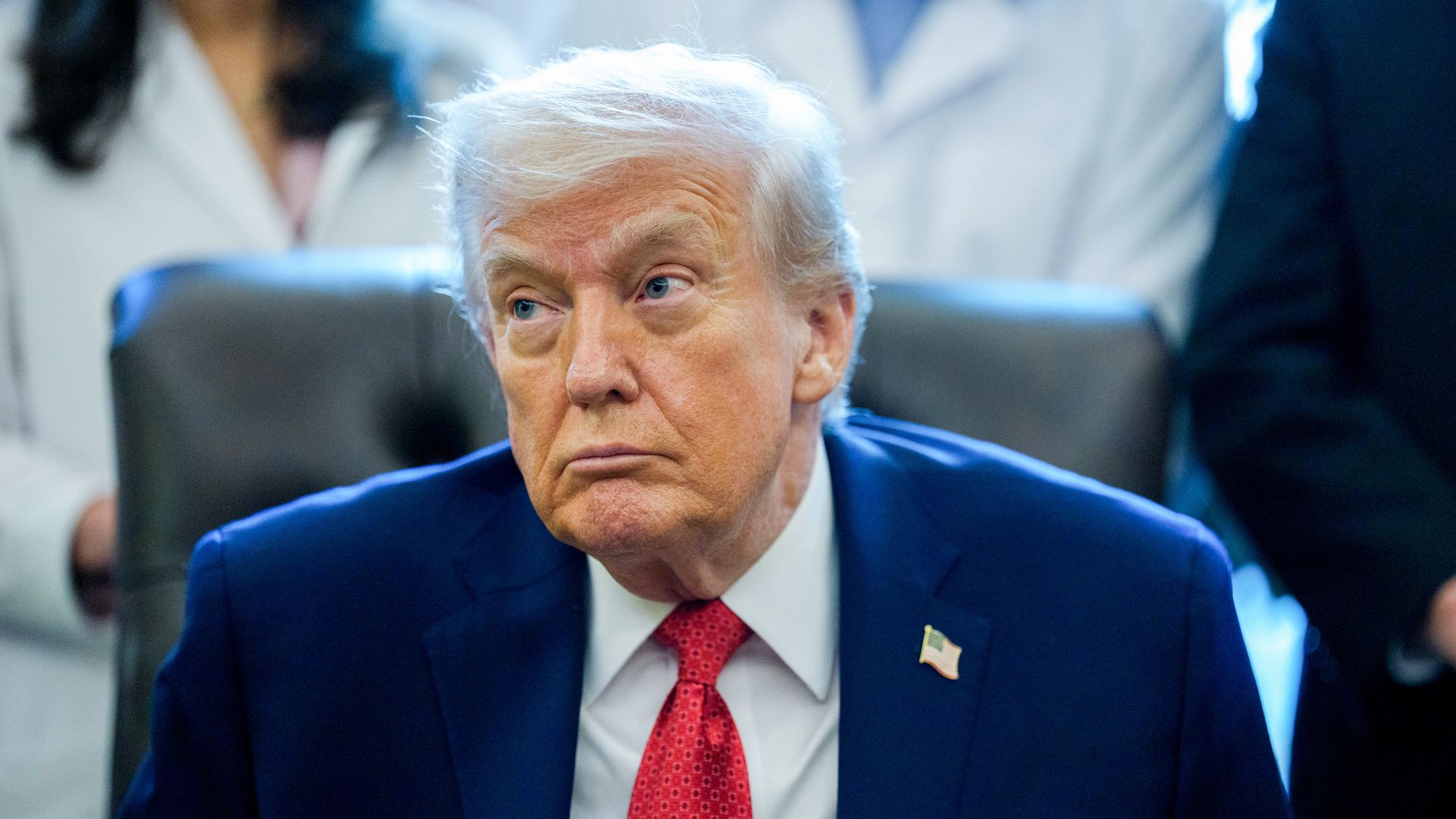
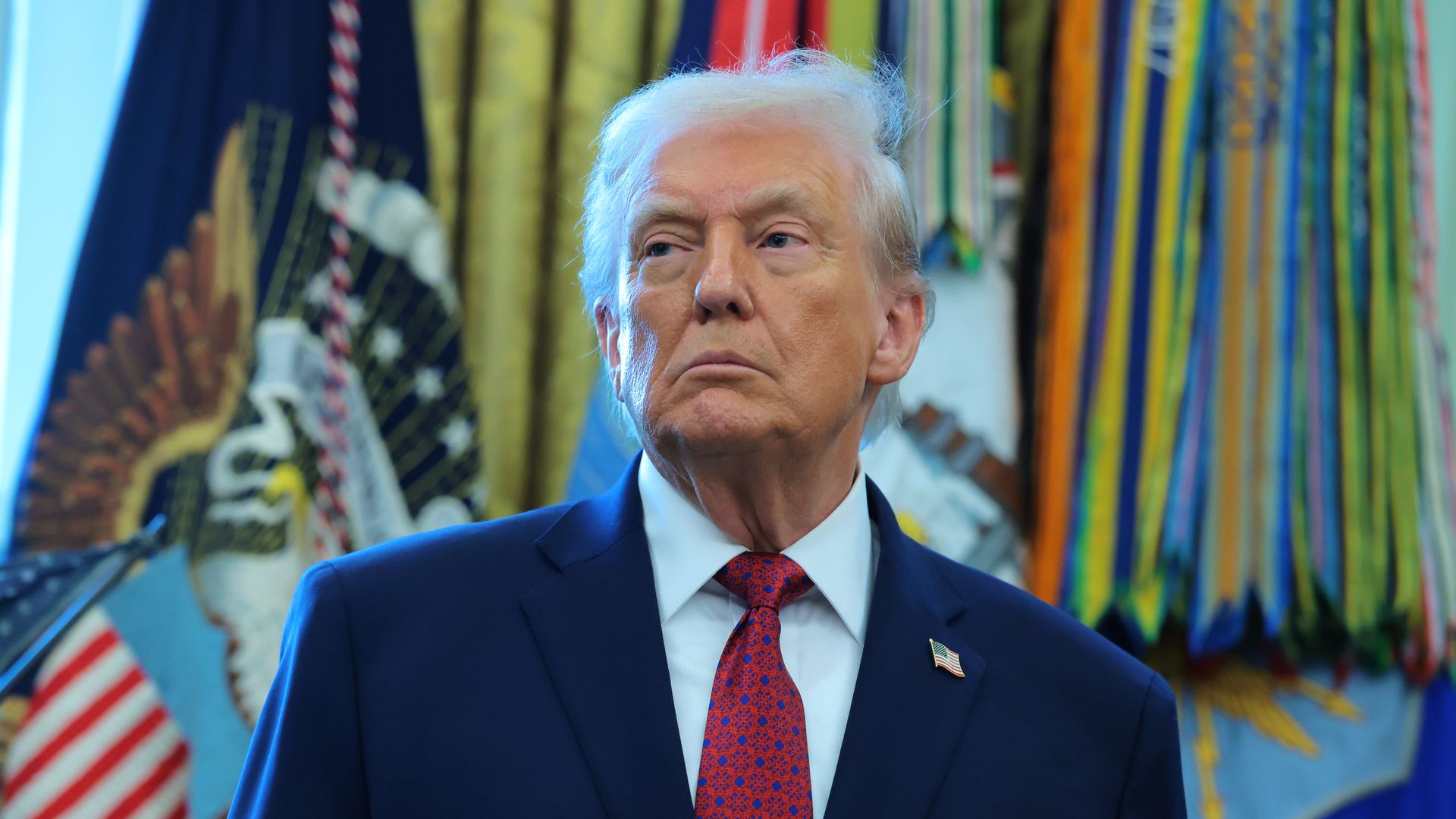
President Trump said Saturday that the U.S. is "going to run" Venezuela until a "proper transition can take place," following a stunning attack on Caracas to capture President Nicolás Maduro. He added that the U.S. is "not afraid of boots on the ground."
Why it matters: The U.S. ouster of Maduro from the oil-rich nation drew condemnation from across the globe. Trump suggested other unfriendly leaders should see it as a warning of what could happen to them.
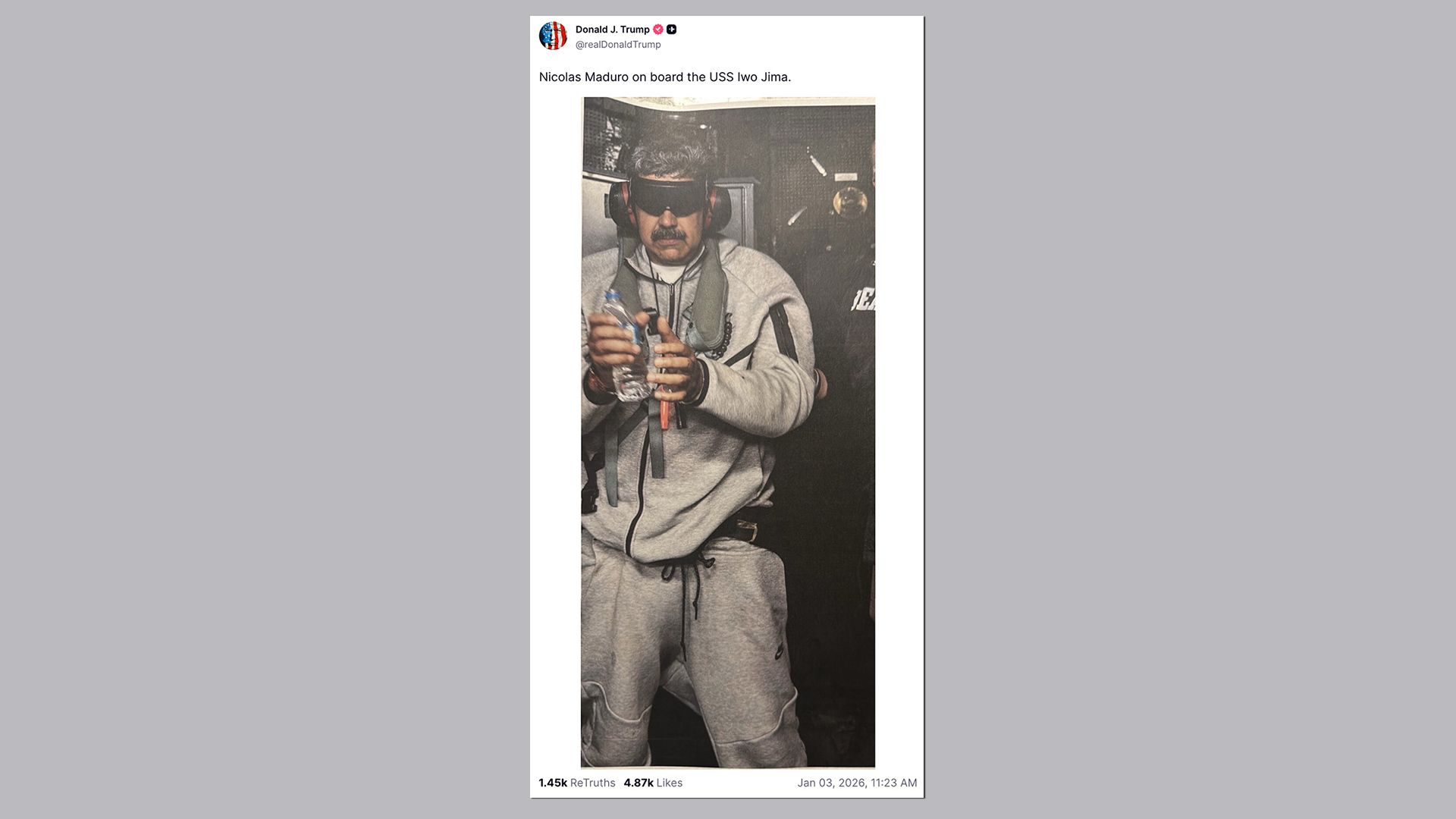
President Trump posted a photo of what appeared to be "captured" Venezuelan President Nicolás Maduro on Saturday, hours after the U.S. seized the leader in a large-scale strike on Caracas overnight.
Why it matters: Trump shared the purported photo of Maduro on board the USS Iwo Jima just before the U.S. president announced America is "going to run" Venezuela until a "proper transition can take place."
President Trump has filed multiple high-profile lawsuits against major news organizations in what legal experts say are meritless claims designed to punish critical coverage.
Why it matters: The legal attacks drain resources from newsrooms and impose a chilling effect on journalism.
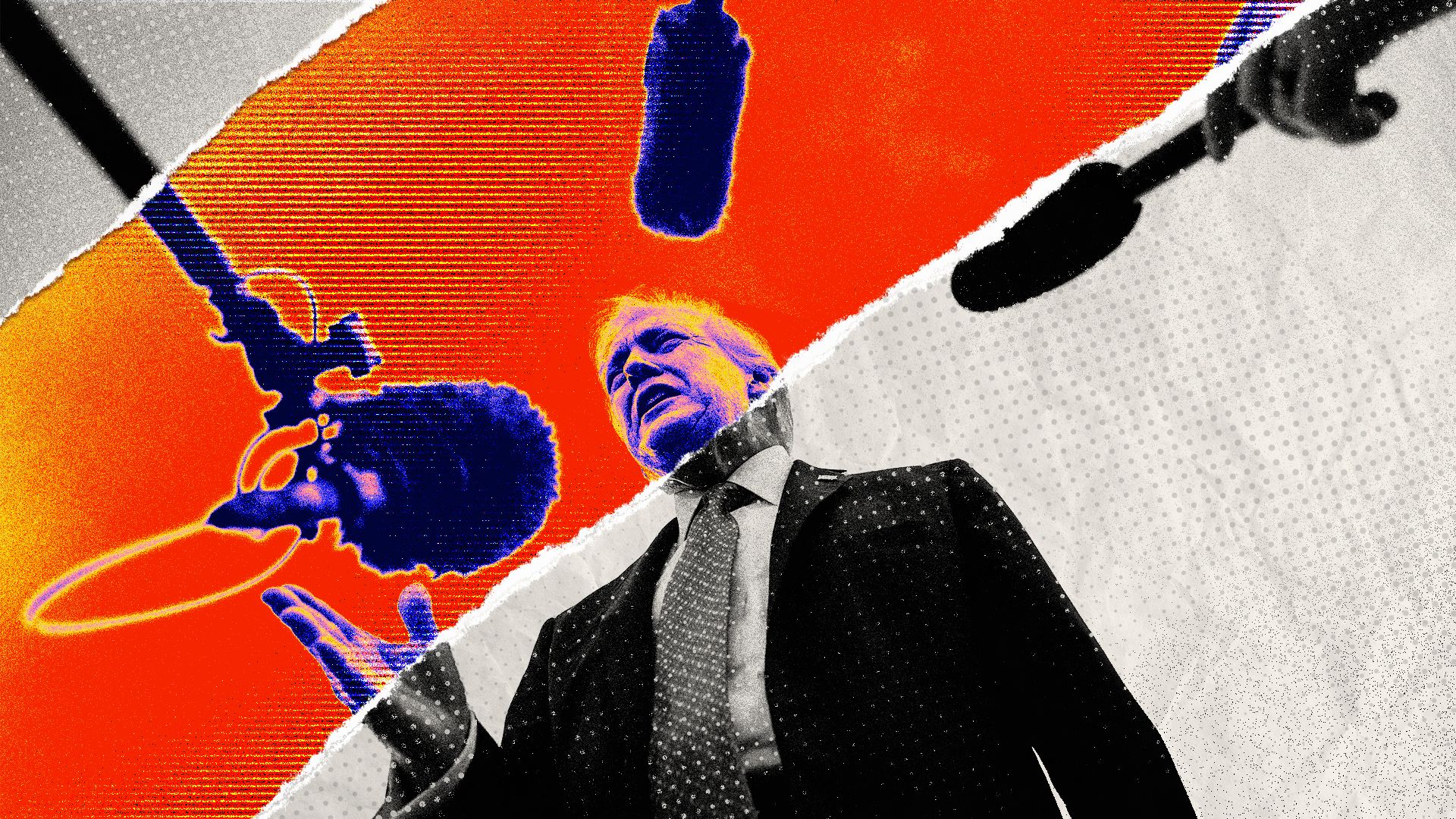
President Trump has ignored journalists' questions and publicly mocked reporters, particularly women, as part of a strategy to delegitimize rather than engage with the press.
Why it matters: Turning journalists into political targets reshapes the information environment, incentivizing confrontation and causing public distrust with the press.
The Trump administration threatened to slash federal spending on mainstream news subscriptions while pouring money into friendly platforms like Fox News.
Why it matters: The selective funding underscores how the administration is using taxpayer dollars to amplify messaging and sympathetic voices.
The Trump administration has systematically restricted access for traditional news outlets while granting privileges to MAGA-aligned media and influencers, reshaping the White House press corps.
Why it matters: The moves help President Trump control narratives and promote his own campaign by elevating friendly outlets.
President Trump has injected himself into major media mergers and ownership fights, seeking to reward allies and punish critics through dealmaking oversight.
Why it matters: His involvement via regulatory leverage and public pressure could shape who controls U.S. newsrooms and entertainment giants for years to come.
The Trump administration has rolled back policies that restricted law enforcement efforts to seize reporters' phone records and threatened prosecutions.
Why it matters: These efforts could create a chilling effect on independent reporting, press freedom experts argue.
The Trump administration has reshaped the Federal Trade Commission to enforce its political priorities by firing commissioners, investigating advocacy groups and requiring unusual conditions for deal approvals.
Why it matters: The moves have introduced politicized oversight of the advertising market, which underpins the national media market.
Federal Communications Commission chair Brendan Carr said in Senate testimony last month that the agency he governs "is not an independent agency," a major departure from the language used to describe the agency when it was established by Congress in 1934.
Why it matters: Carr's interpretation of the agency as an agent of the president's will has been reflected in the FCC's slew of investigations into media companies deemed unfavorable by the president.
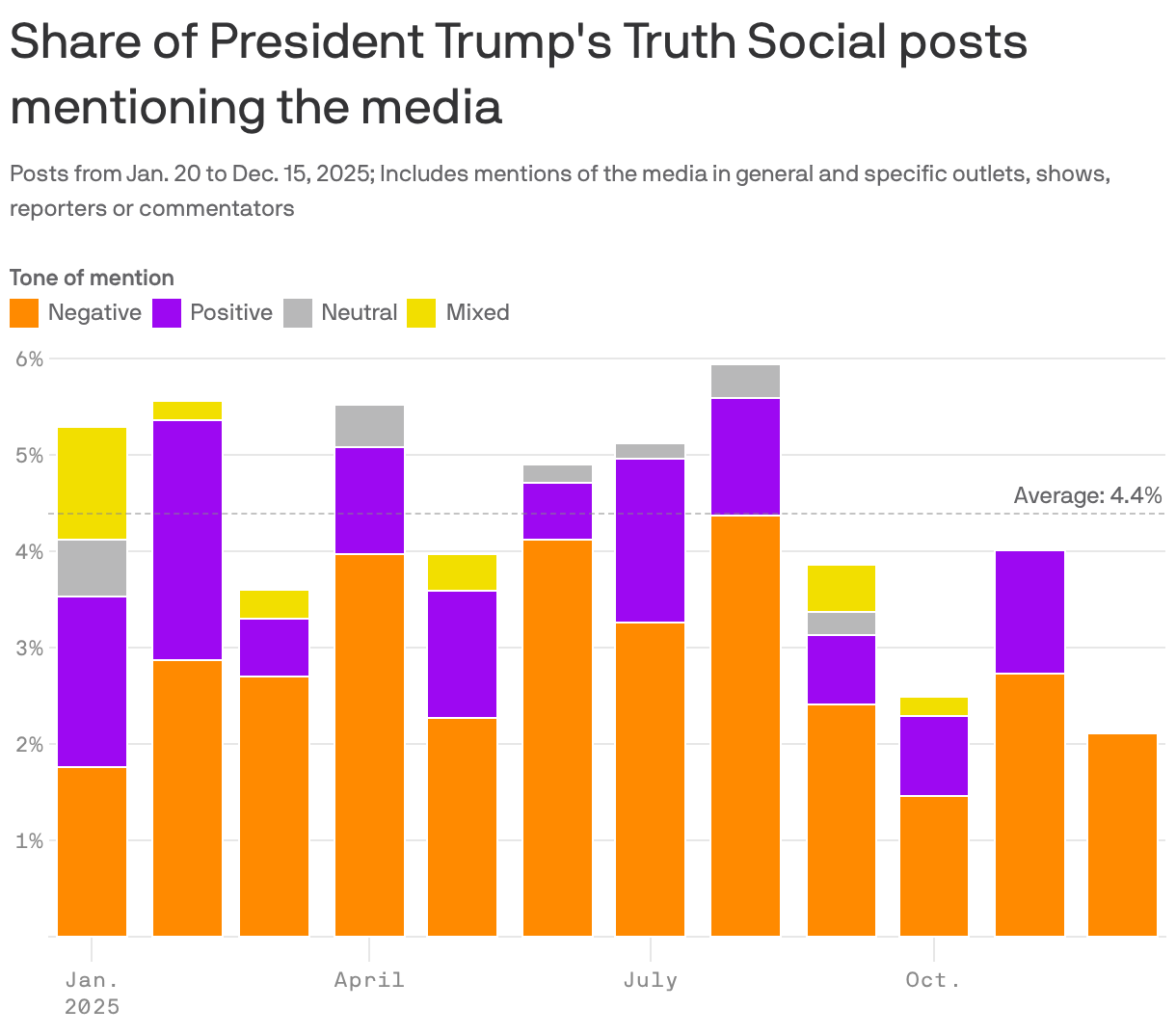
Roughly 5% of President Trump's Truth Social posts have targeted the media since his second inauguration, according to an Axios analysis.
That count only reflects posts with unique commentary from the president. It doesn't include hundreds of reposts from other accounts discussing the press.
Why it matters: Trump's outsized attention on the media has been reflected in his policy priorities during his second term.
President Trump's disputes with the press have intensified in his second term from bullying and harassment campaigns to using his political power to set new legal and regulatory standards that threaten the media's independence long term.
Why it matters: Policy changes and new legal standards are much harder to unwind than harassment campaigns, even with a new party in power.
The Justice Department unsealed a new indictment against Venezuelan leader Nicolás Maduro on Saturday after the U.S. struck the country, captured him and flew him and his wife out of South America.
The big picture: The indictment accused Maduro and associates of terrorism, conspiracy to import cocaine into the United States, drug trafficking, corruption of public institutions to protect illegal drug shipments and partnerships with foreign drug-terror groups.
Parts of Caribbean airspace near Venezuela are effectively off-limits to U.S. passenger airlines after President Trump's surprise overnight strikes in that country, forcing at least hundreds of flight cancellations.
Why it matters: Airlines are scrambling their schedules, leaving travelers unclear on when they'll actually be able to fly to and from the area.
A "second wave" of strikes on Venezuela is possible, President Trump told "Fox & Friends" Saturday morning, following an overnight operation to capture the country's leader Nicolás Maduro.
The big picture: Trump said he spoke to Maduro a week ago and told him "to surrender and give up," but he wasn't willing to do it.
President Trump said on social media early Saturday that the U.S. struck Venezuela, "captured" President Nicolás Maduro and flew him out of his oil-rich South American country along with his wife.
The world-shaking announcement follows Trump's months-long pressure campaign against Maduro.
Why it matters: The U.S. military has been targeting Venezuelan ships accused of carrying drugs, as part of an effort by Trump to force strongman Maduro, 63, from power.
Under the banner of America First, President Trump is attacking countries all over the world.
Why it matters: American interventionism is back, in Trumpian technicolor, as seen in the attacks in Caracas overnight and extradition-by-force of President Nicolás Maduro.
In a race against time to cement his legacy, President Trump has lined up a series of mega-projects with a single deadline — 2028 — and little room for error.
Why it matters: Trump is going farther than any recent predecessor to leave a grandiose — frequently gilded — mark on the presidency, the nation's capital and the country itself.
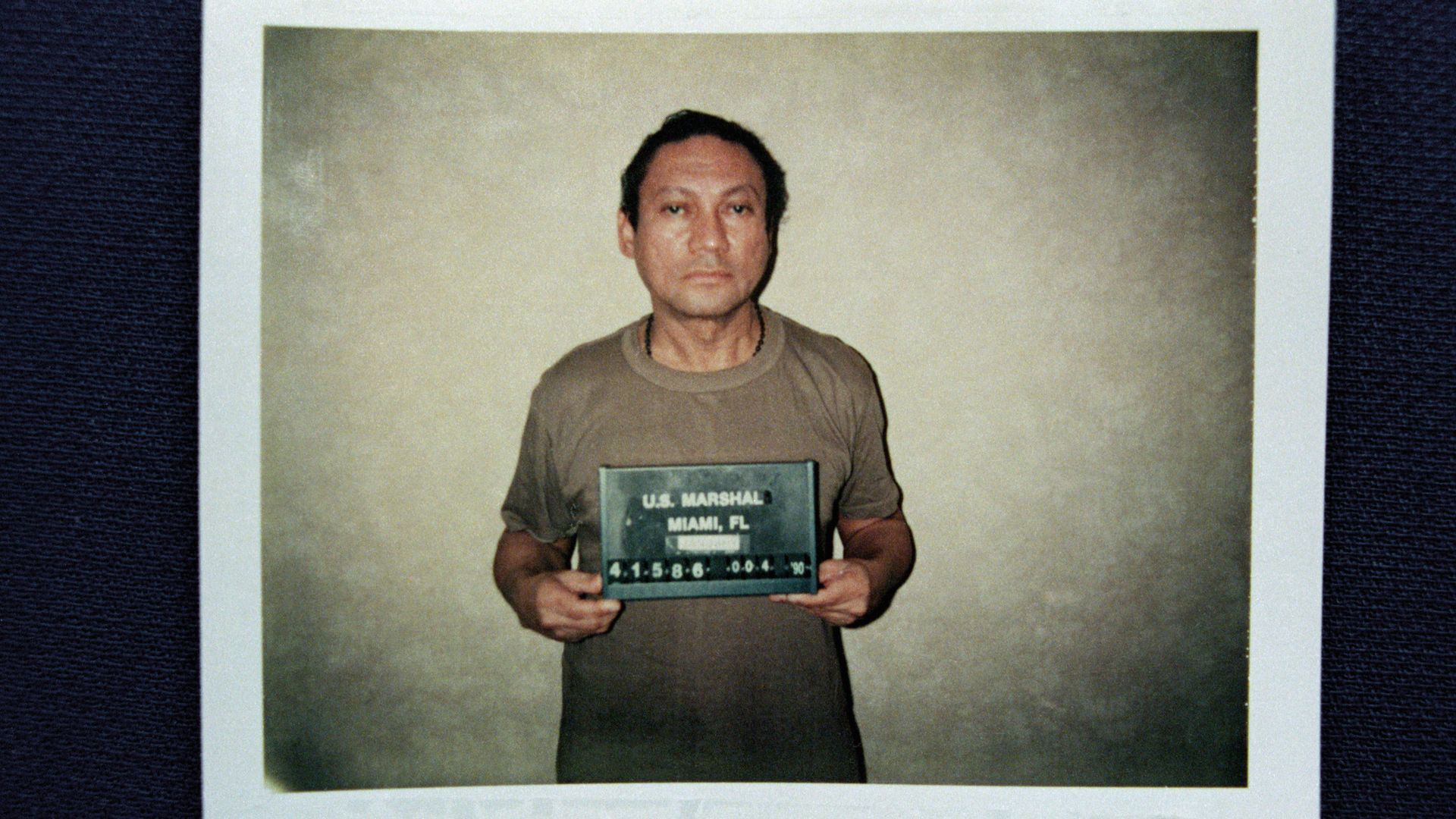
Saturday's capture of Venezuela's Nicolás Maduro isn't the first time the U.S. entered a Latin American country by force to seize its leader on drugs charges.
Why it matters: What comes next is likely years of court battles over how Maduro is charged, how he's treated and where he's held.