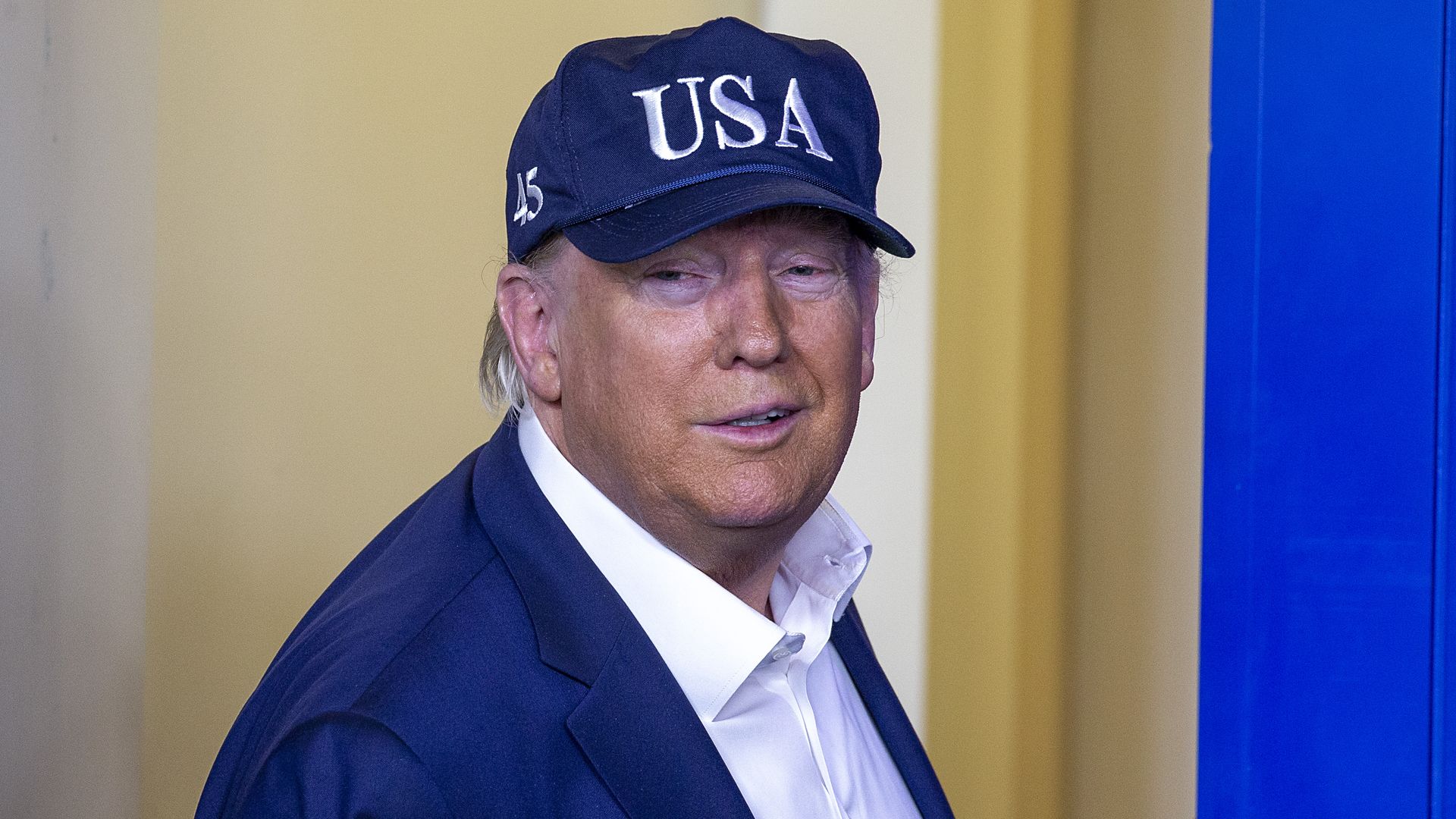
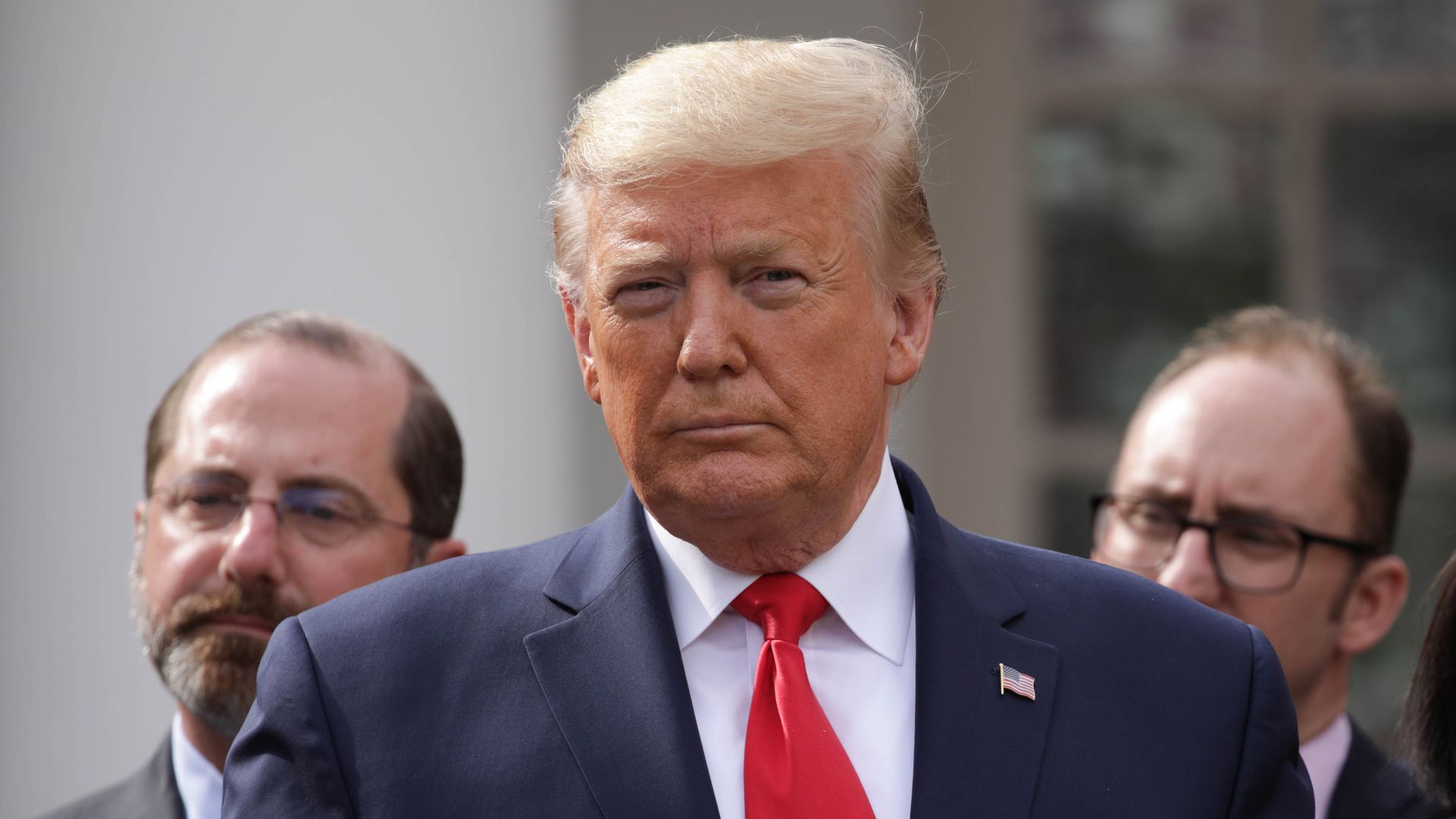
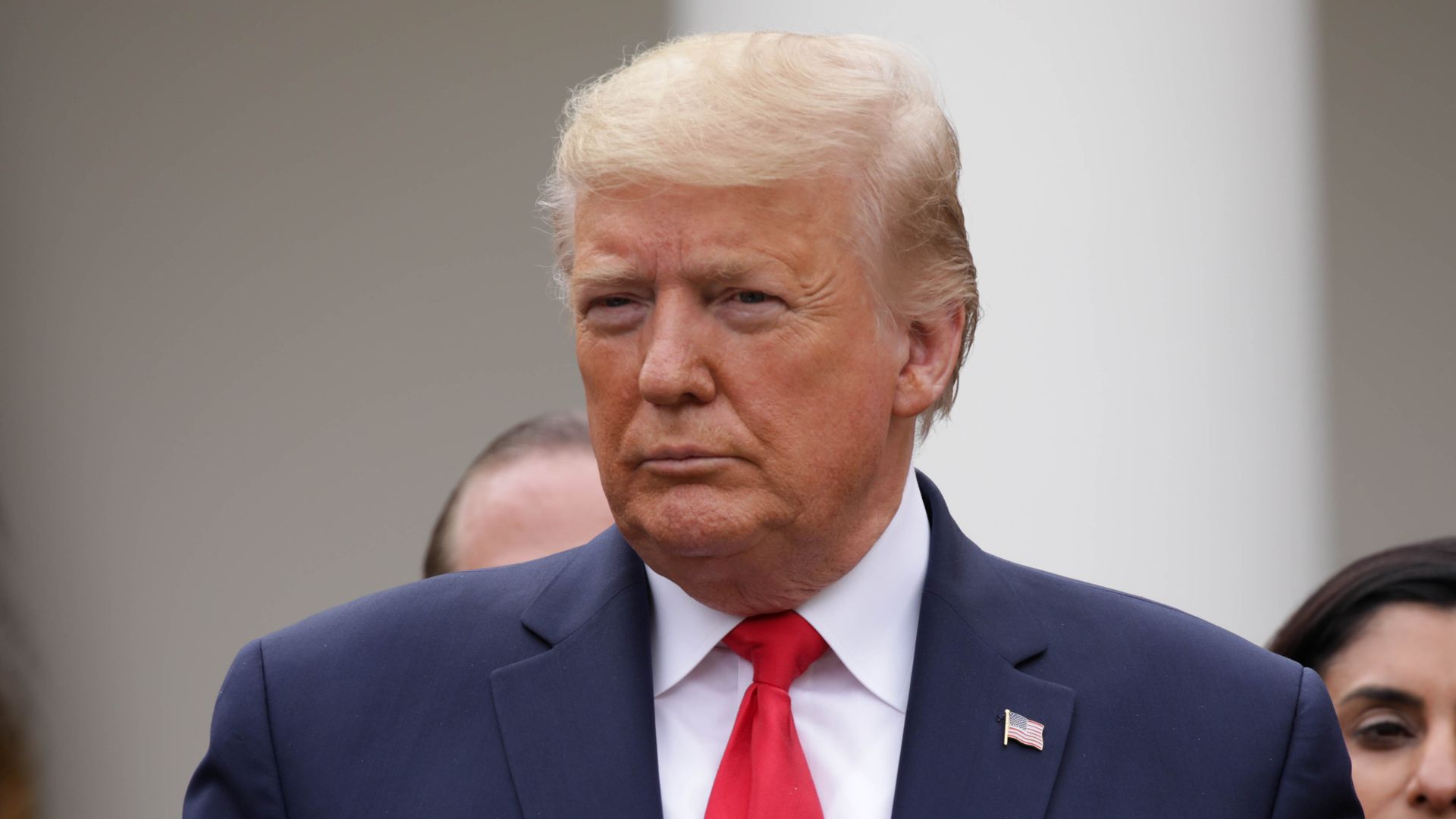
President Trump's test for the novel coronavirus came back negative, his physician said Saturday.
Why it matters: Trump was tested Friday night after people he had met with at his Mar-a-Lago resort in Florida last weekend showed symptoms or tested positive, including Brazilian President Jair Bolsonaro's press secretary.
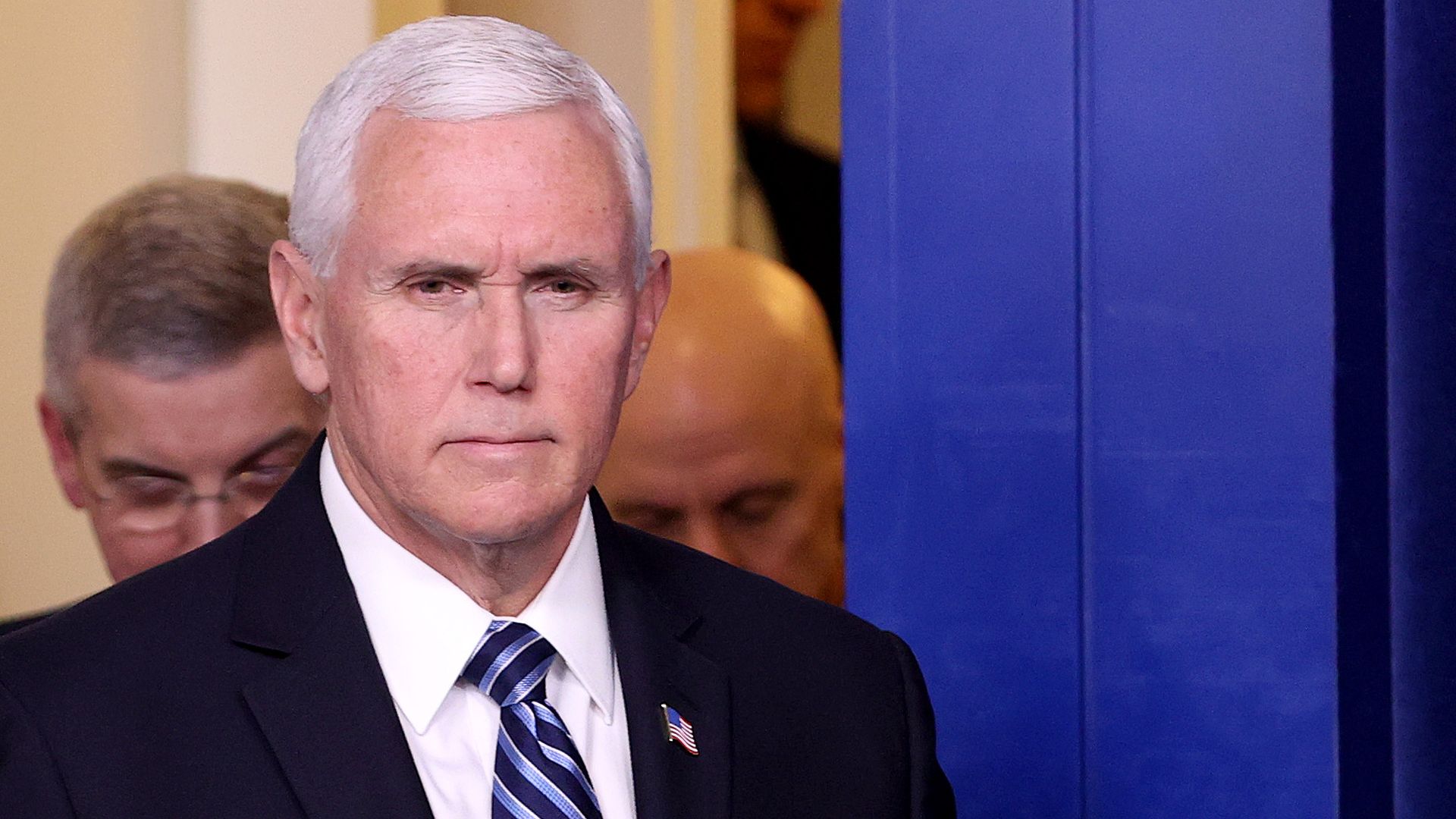
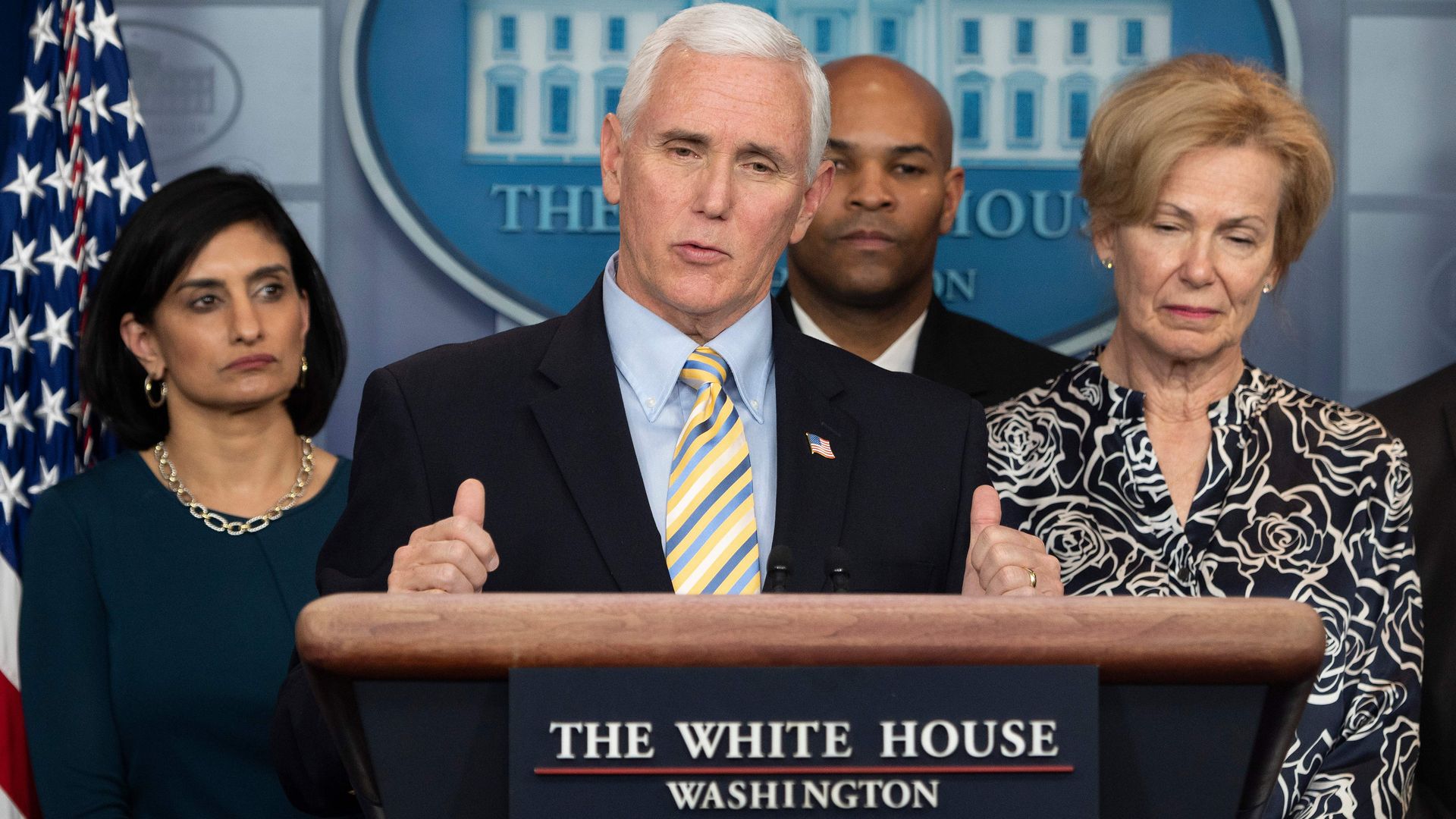
Vice President Mike Pence sent White House staff an email Saturday afternoon recommending "social distancing" and to "avoid physical contact" to keep themselves and their colleagues safe from the novel coronavirus.
Why it matters: This is the first staff-wide email Pence has sent across the complex during his time as vice president — and is the latest sign the White House is shifting its posture against the pandemic.
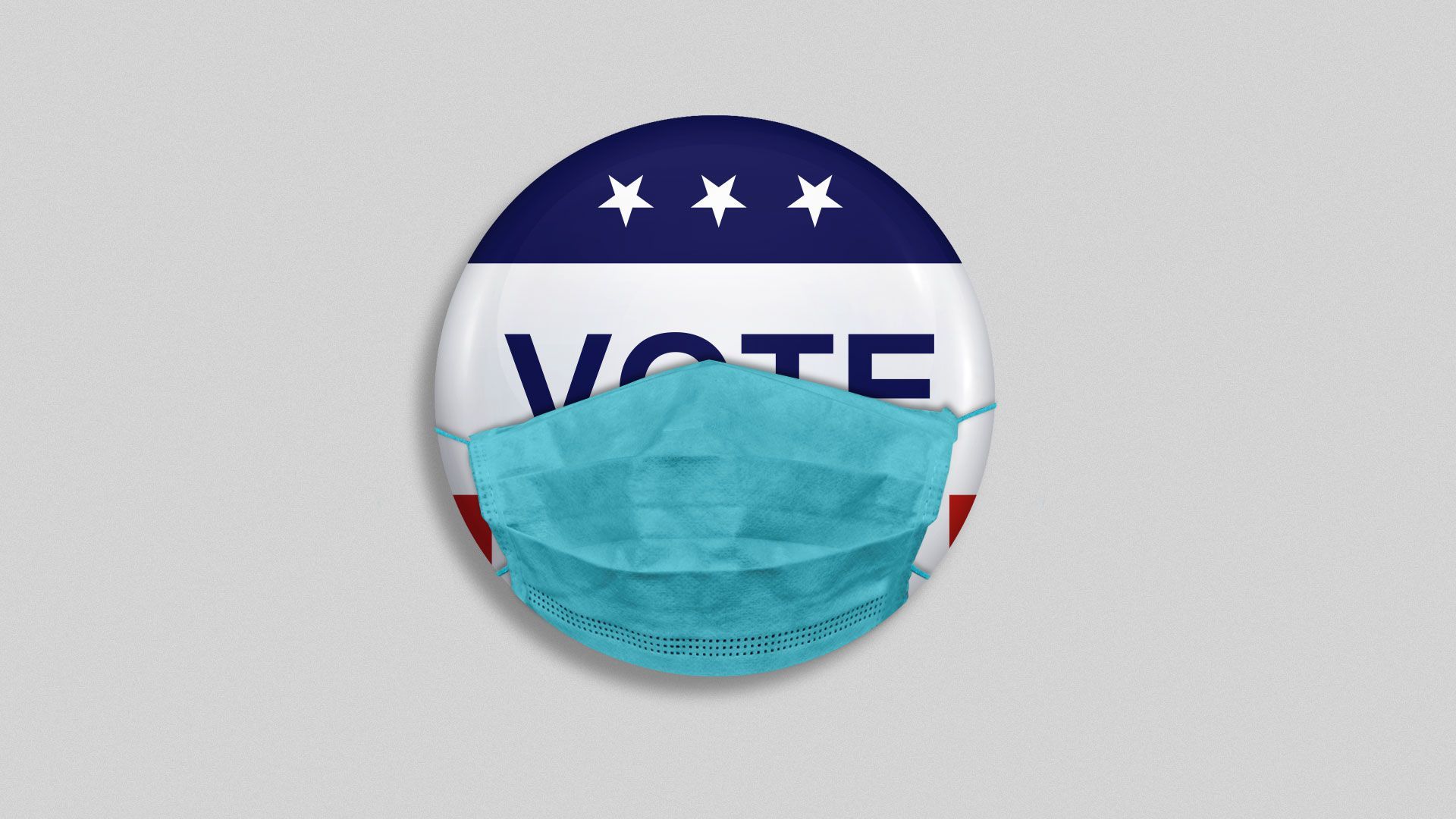
Cancelled rallies, debates with no audiences, contingency plans for conventions and ballot-casting: this is campaigning in the age of coronavirus.
The state of play: President Trump declared coronavirus a national emergency. Trump, Joe Biden and Bernie Sanders all cancelled large-scale events this week and rolled out coronavirus policy platforms.
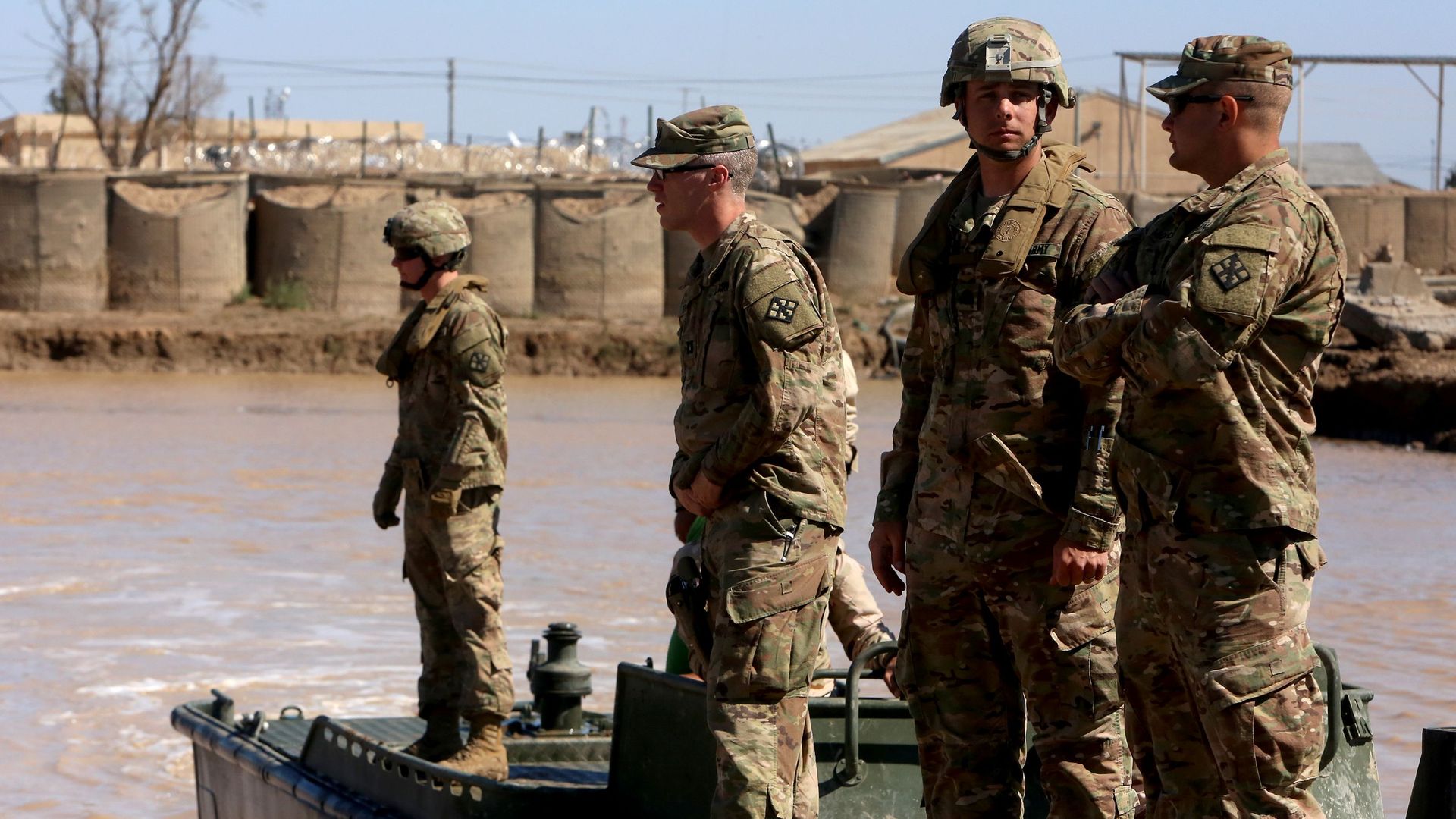
Three American and two Iraqi service members were injured Saturday morning in a rocket attack on Camp Taji in Iraq, a base north of Baghdad, U.S. military spokesperson Army Col. Myles Caggins tweeted.
Driving the news: The U.S. targeted five Iran-backed Kataib Hezbollah (KH) weapon storage facilities in Iraq on Thursday, following Wednesday's lethal attack that killed two U.S. service members, per the Department of Defense.
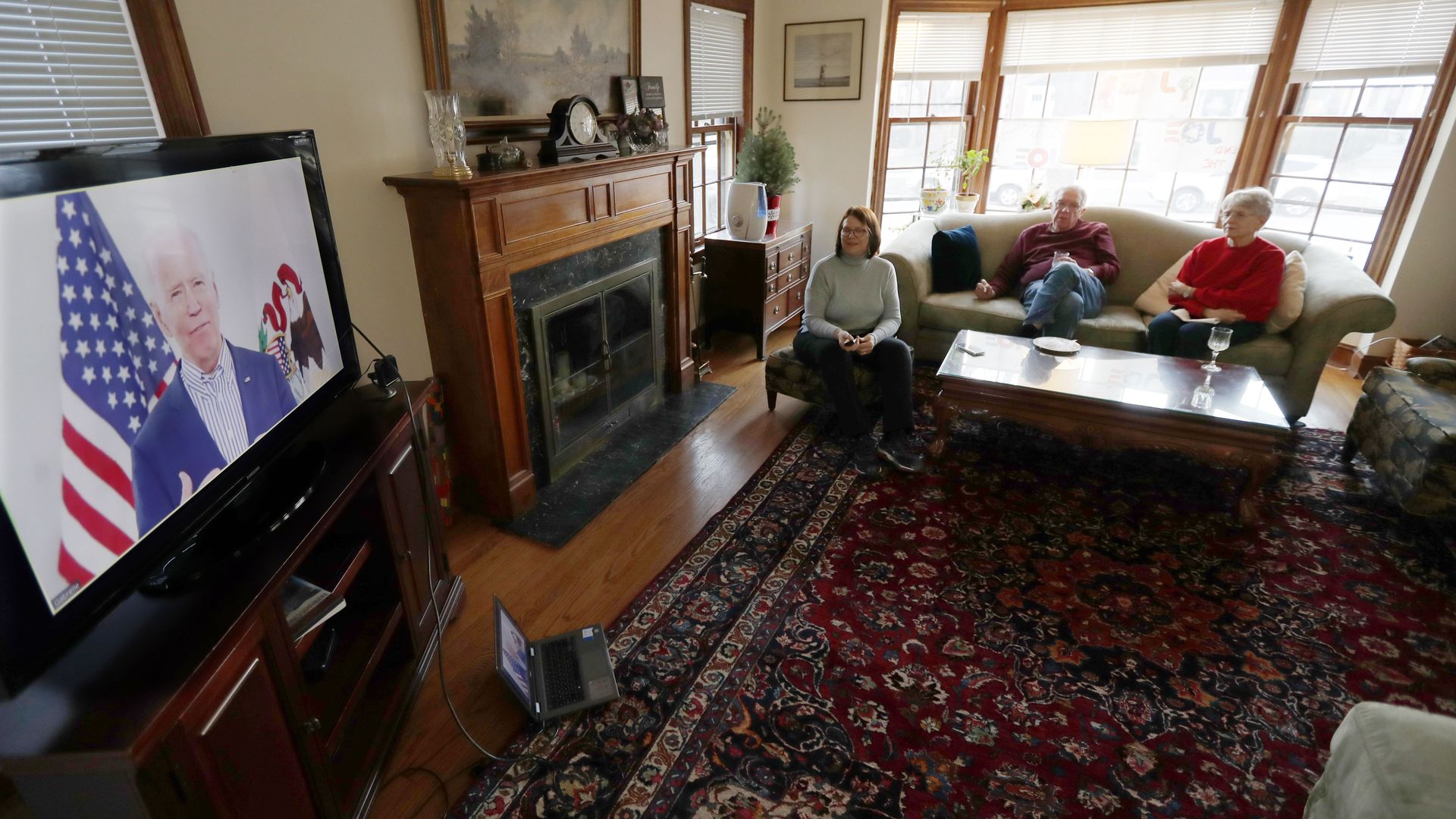
Former Vice President Joe Biden's virtual town hall in Illinois on Friday marks a new normal for campaigning, AP reports.
What's happening: With the Prairie State primary coming up Tuesday, Biden held a town hall from 800+ miles away in Delaware. Sen. Bernie Sanders has been holding daily press briefings from his home state, and said this is hurting him.
Politics is all about engagement. But, due to coronavirus, events are being cancelled, postponed and planned without audiences. Dan and Axios' Margaret Talev explore the potential impacts of coronavirus on 2020 campaigns, primaries, conventions, and the November election.
During his first three years in office, with Senate Majority Leader Mitch McConnell’s assistance, President Trump was able to name nearly as many appellate judges as President Obama appointed over two terms, The New York Times reports.
Why it matters: Trump repeatedly boasts about the number of judges he has appointed while campaigning for re-election. The New York Times review of Trump's judicial appointees found the president is significantly breaking "with the norms set by his Democratic and Republican predecessors, Barack Obama and George W. Bush."
Vice President Mike Pence announced Saturday that all travel from Ireland and the United Kingdom to the U.S. will be suspended, effective midnight EST on Monday. He said Americans and legal residents abroad in those countries can return home.
Why it matters: The administration initially left the two off its restricted travel list, but that case has been weakened due to an uptick in cases in the UK.
Sen. Bernie Sanders is the projected winner of the Northern Mariana Islands caucus, AP reports.
Catch up quick: AP allocated 4 delegates to Sanders and 2 to former Vice President Joe Biden. Sanders' small win follows Biden's delegate haul across Michigan, Mississippi, Missouri and Idaho.
U.S. prison and detention systems are dangerously susceptible to the coronavirus, experts say.
Why it matters: Immigration and corrections systems around the nation are taking steps to limit the spread of COVID-19 — but they face several systemic challenges.
The House passed a sweeping coronavirus relief package shortly before 1 a.m. EST on Saturday with a 363-40 vote after President Trump declared a national emergency over the virus outbreak.
Driving the news: President Trump endorsed the deal Friday evening on Twitter, prior to its vote in the House.
While coronavirus infections and deaths are rising in the U.S., some swing voters in Edina, Minn., said they're viewing this primarily as a financial threat — but they won't blame President Trump if it triggers a recession.
Why it matters: The responses show the complexity of how certain voters view the coronavirus, and they undermine the conventional wisdom that the president would be punished if a recession begins before the November election.