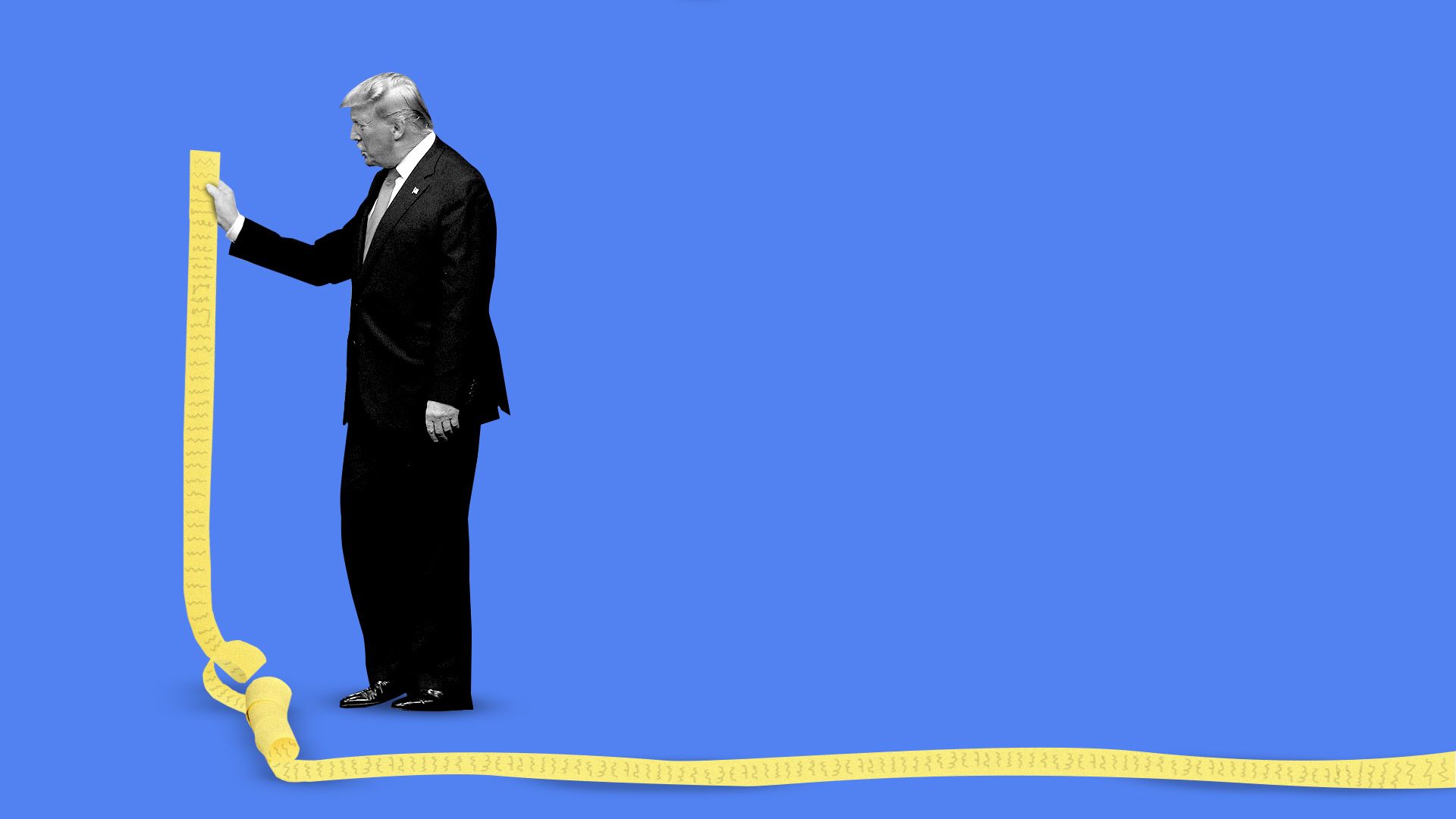
The Trump White House and its allies, over the past 18 months, assembled detailed lists of disloyal government officials to oust — and trusted pro-Trump people to replace them — according to more than a dozen sources familiar with the effort who spoke to Axios.
Driving the news: By the time President Trump instructed his 29-year-old former body man and new head of presidential personnel to rid his government of anti-Trump officials, he'd gathered reams of material to support his suspicions.
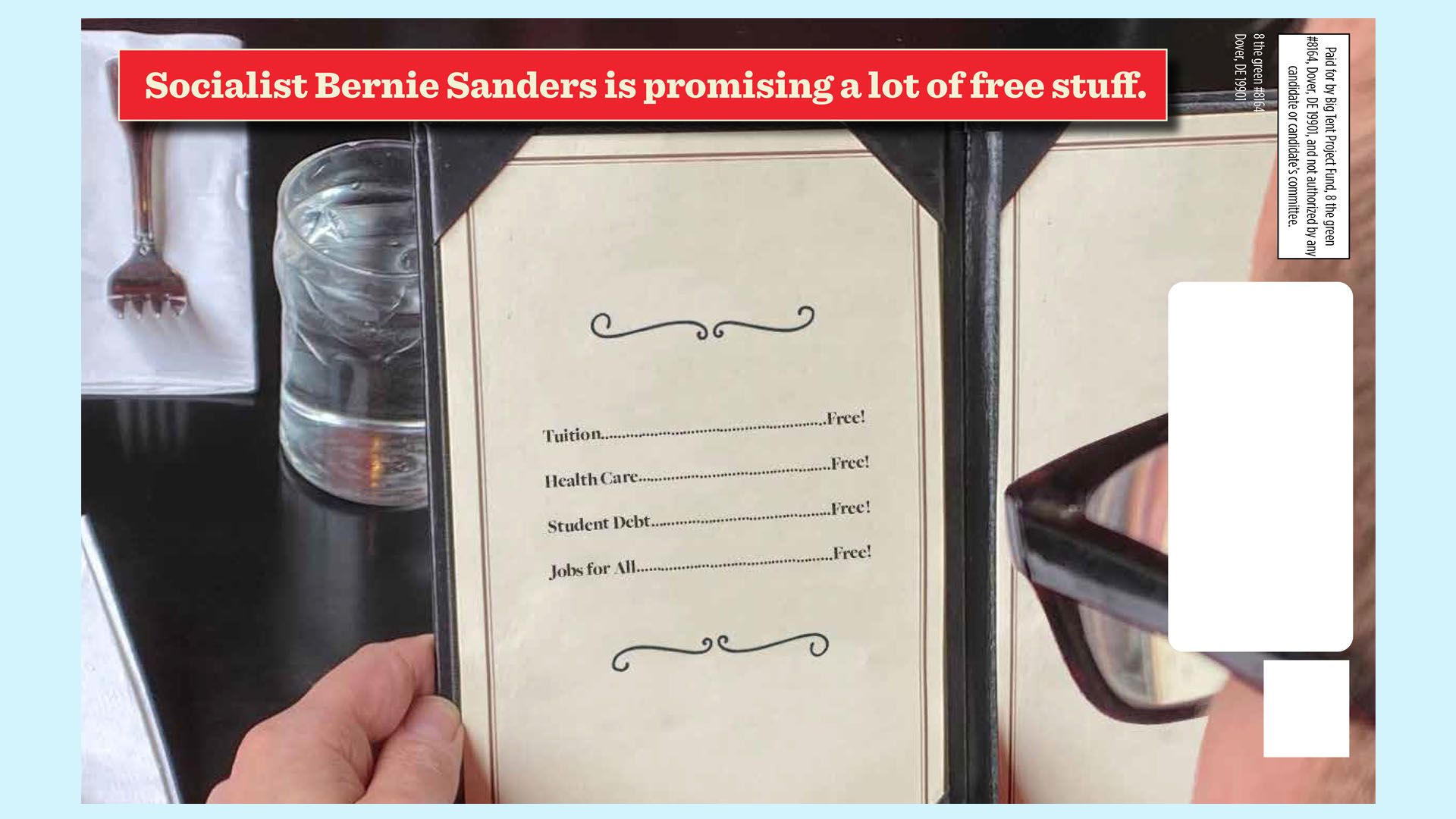
The Big Tent Project, a Democratic political group focused on promoting moderate presidential candidates, has sent hundreds of thousands of mailers bashing Bernie Sanders to black voters in South Carolina who voted in the state's 2016 primary.
Why it matters: Sanders' rise to the top of the pack, as dueling moderate candidates split their side of the vote, is worrying many in the Democratic political establishment who fear a socialist can't beat President Trump.
Over the past year,President Trump has told senior administration officials, including Attorney General Bill Barr, that he wants a major overhaul of national security surveillance powers and the secret court that approves them.
Behind the scenes: In one such discussion last year about the need to reauthorize government authorities to surveil U.S. citizens, Trump went so far as to say he'd rather get rid of the Foreign Intelligence Surveillance Act (FISA) altogether.
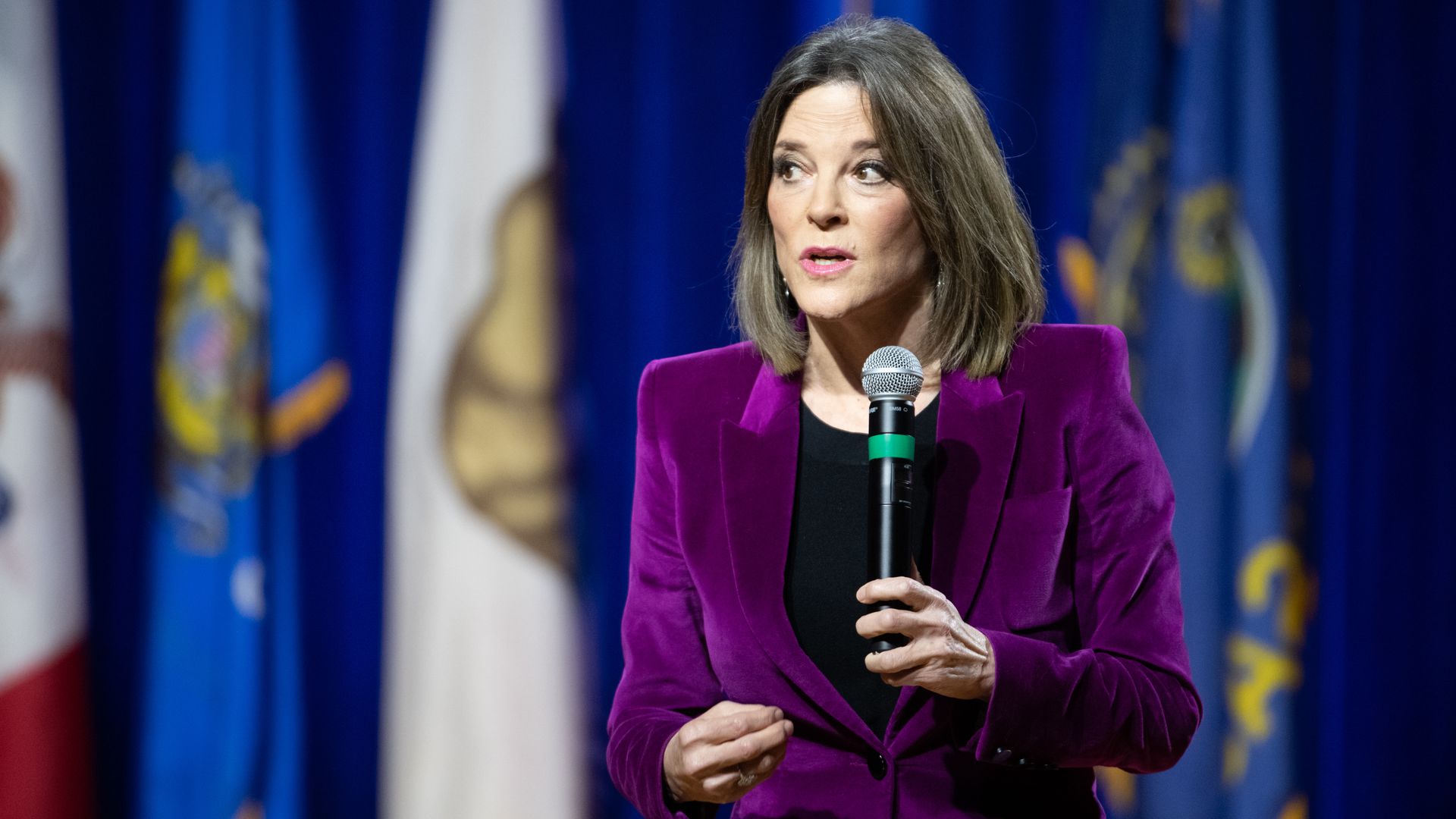
Former 2020 candidate Marianne Williamson made a surprise appearance at a Bernie Sanders rally in Austin, Texas, to endorse the Vermont senator's bid for the Democratic nomination.
The big picture: Williamson, an author and spiritual guru, dropped out of the 2020 race in January after failing to qualify for multiple debates. She'd previously backed Andrew Yang prior to him dropping out earlier this month.
Effective Monday, the U.S. will begin blocking more foreigners from obtaining green cards and some visas based on the Trump administration's guesses about what kind of people they'll become and whether they may ever burden taxpayers.
Why it matters: The long-expected "public charge" rule effectively creates a wealth and health test, which could keep hundreds of thousands of people from making the U.S. their legal home.
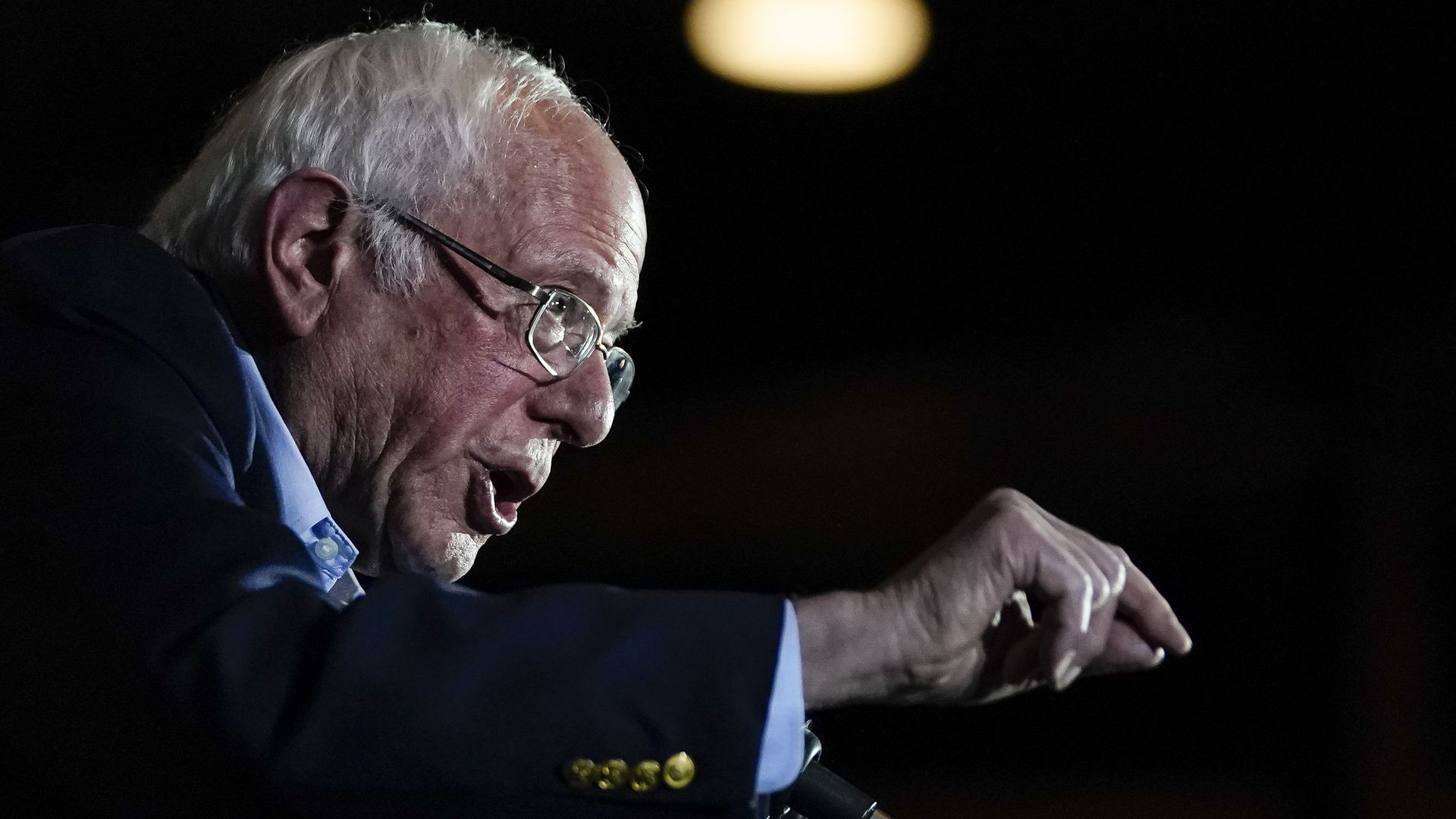
Sen. Bernie Sanders said in an interview with "60 Minutes," to be aired Sunday evening, that he would, as president, be willing to meet with U.S. adversaries and use military force in response to "threats against the American people" and its allies.
Why it matters: Sanders is the current Democratic front-runner and enjoys broad support across nearly every demographic. However, one group that he is struggling to court is voters who prioritize foreign policy, which ranked as one of his least supportive blocs in the Nevada caucuses, according to Washington Post entrance polls.
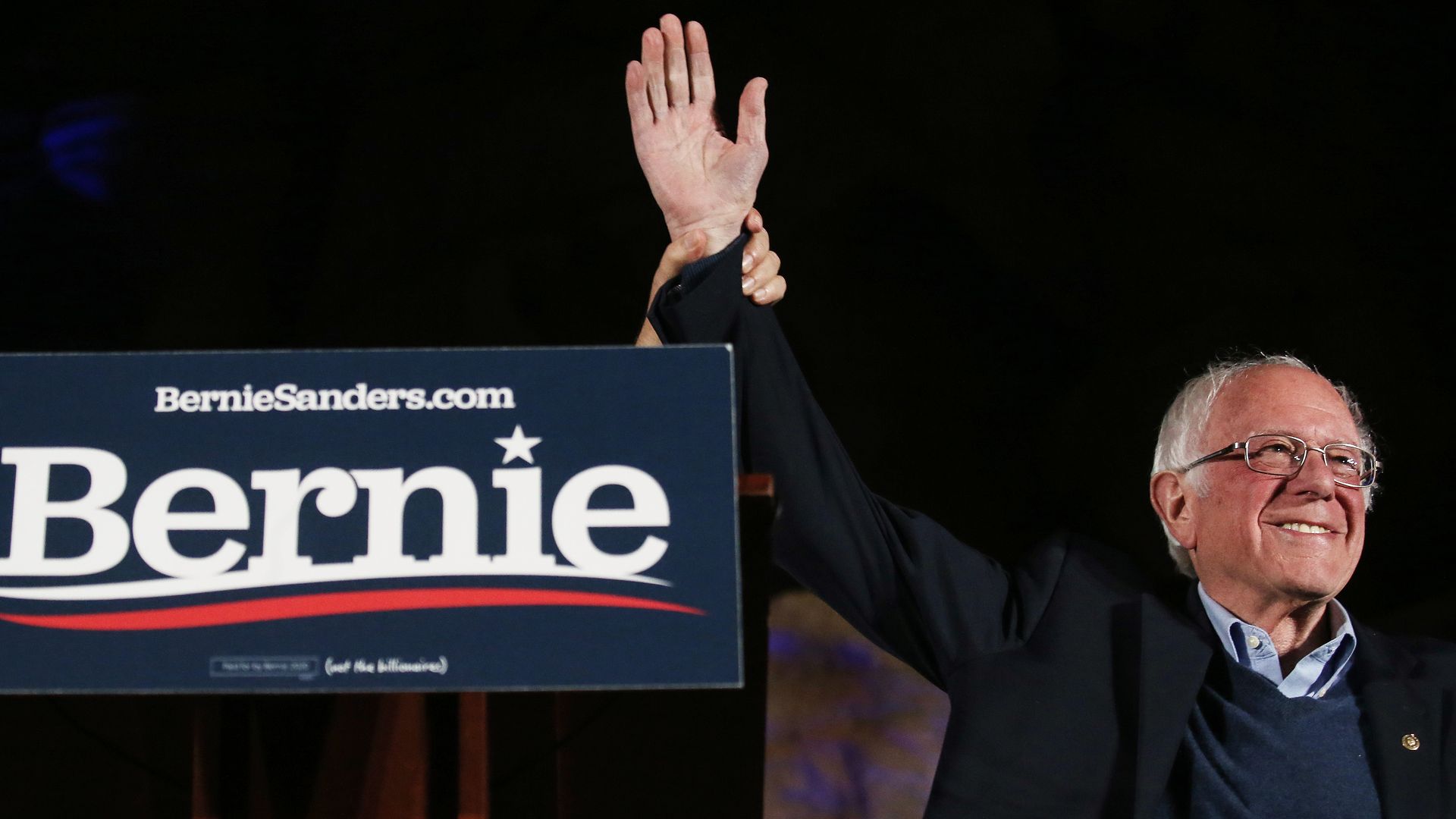
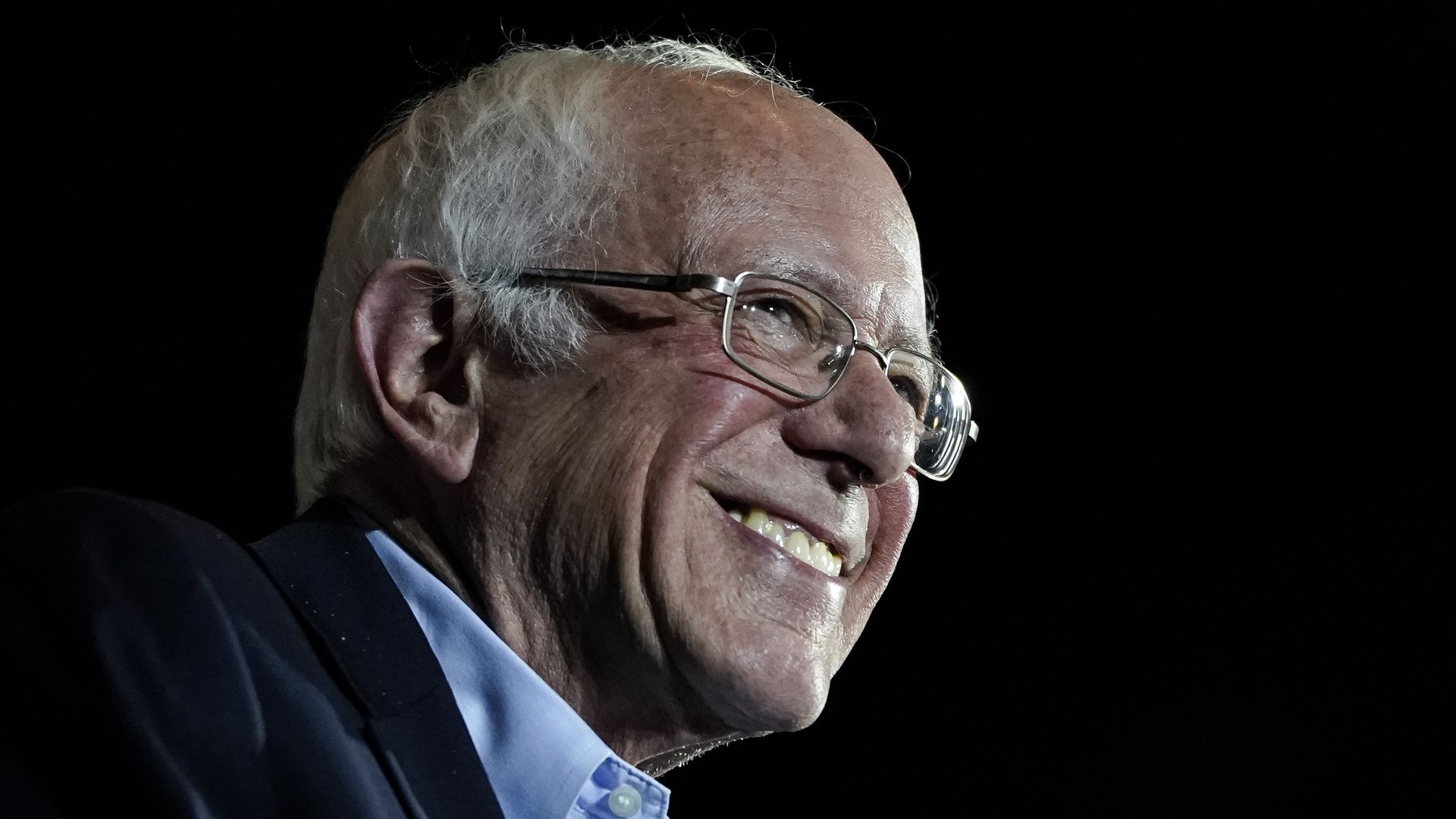
Sen. Bernie Sanders won so big in the Nevada caucuses that Democrats are hard-pressed to sketch a way he's not their nominee.
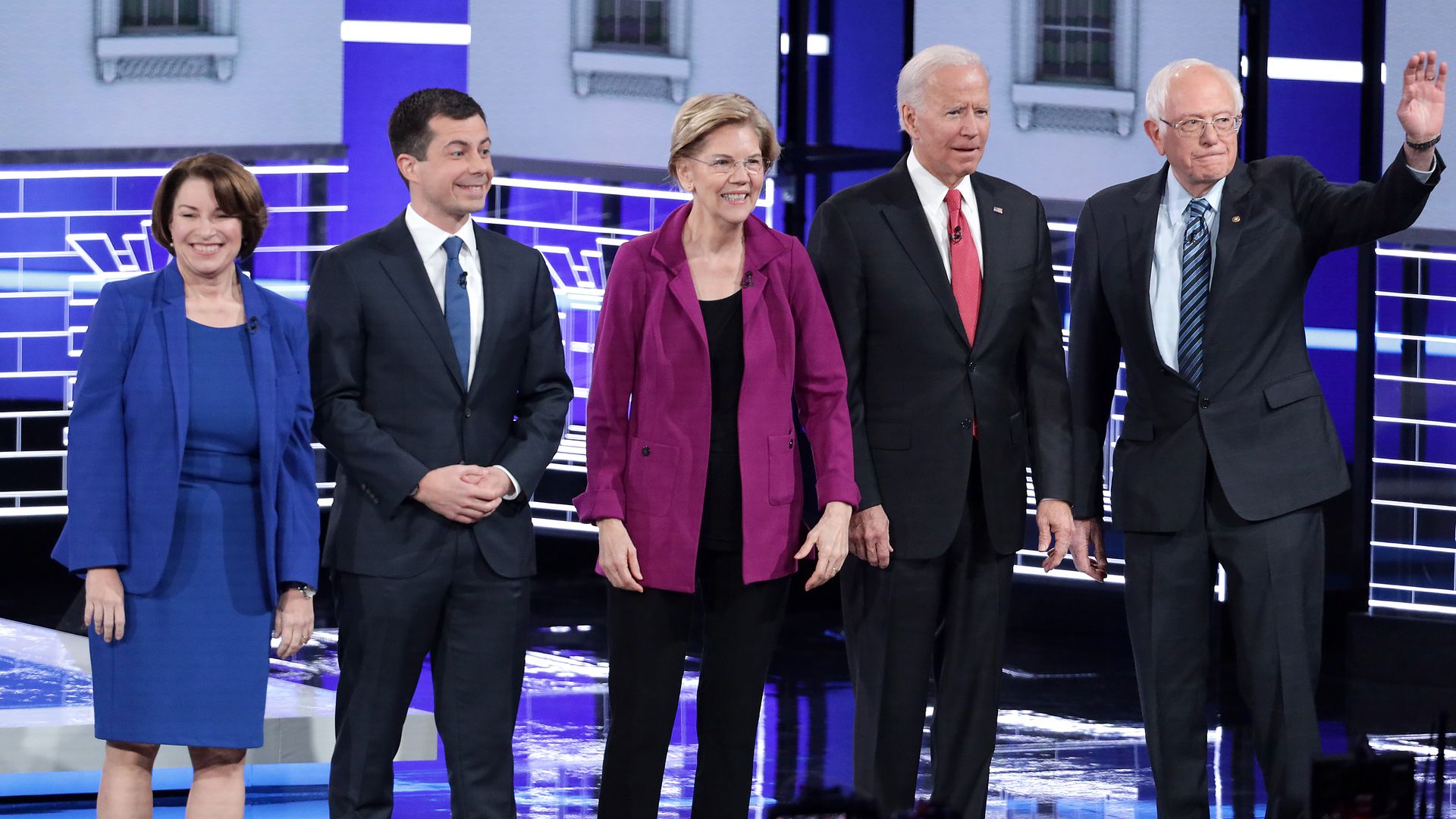
Driving the news: With 60% of precincts counted (slow, but better than Iowa!), Sanders is running away with 46% of delegates — crushing Joe Biden's 20%, Pete Buttigieg's 15%, Sen. Elizabeth Warren's 10% and Sen. Amy Klobuchar's 5%.
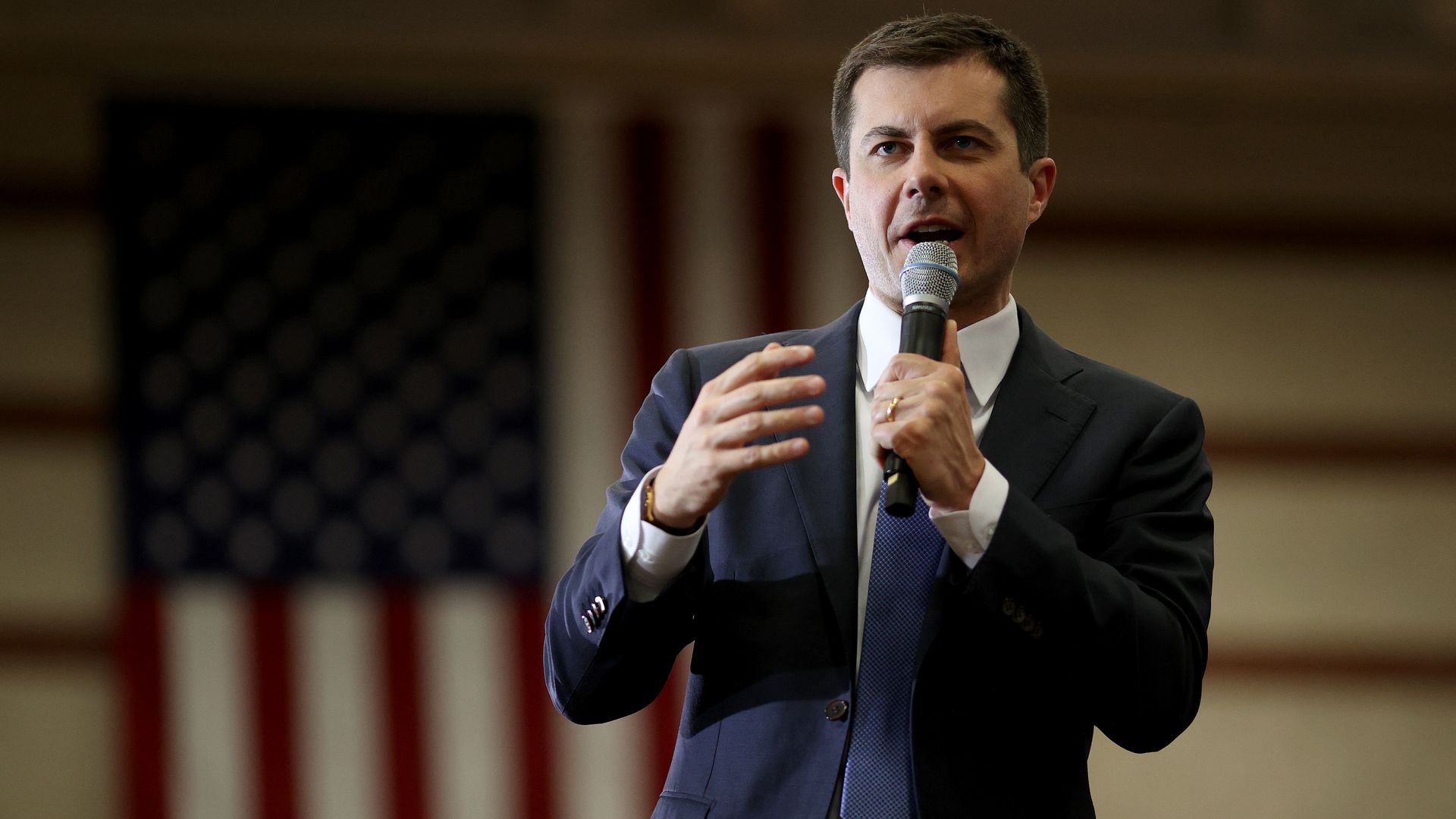
Pete Buttigieg's campaign wrote a letter on Sunday asking the Nevada State Democratic Party to release early vote and in-person vote totals by precinct and address certain caucus errors identified by campaigns, The Nevada Independent reports.
The big picture: The campaign alleges that the process of integrating early votes on caucus day was “plagued with errors and inconsistencies,” and says it received more than 200 incident reports from precincts around the state.
Sen. Elizabeth Warren surged to 19% and second place in a CBS News/YouGov national poll released Sunday, trailing front-runner Sen. Bernie Sanders (28%) but edging out Joe Biden (17%) and Michael Bloomberg (13%).
Why it matters: The poll notes that only 42% of Democratic primary voters have made up their minds. While Warren underperformed in the first three states, her strong debate performance in Nevada last week may have given her campaign new life.
CBS anchors Gayle King and Norah O'Donnell will be the two main moderators for the upcoming Democratic debate in South Carolina, the network announced Wednesday.
Why it matters: The Feb. 25 debate in Charleston, South Carolina, is the final one before the South Carolina primary on Feb. 29 and Super Tuesday on March 3. The debate will run from 8-10 p.m. ET. It will air live on CBS, BET and Twitter, with the Congressional Black Caucus Institute joining CBS News as partners.
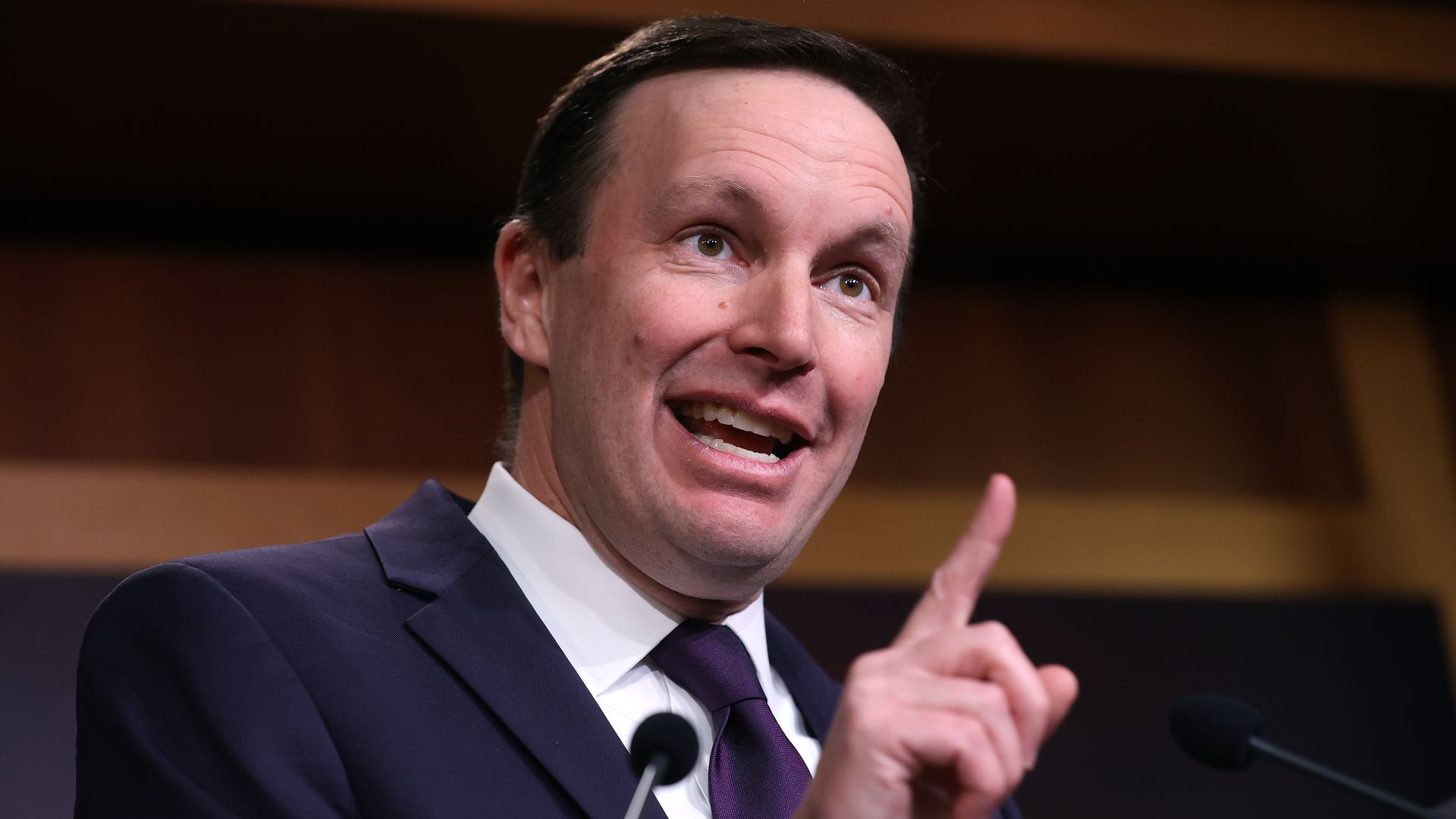
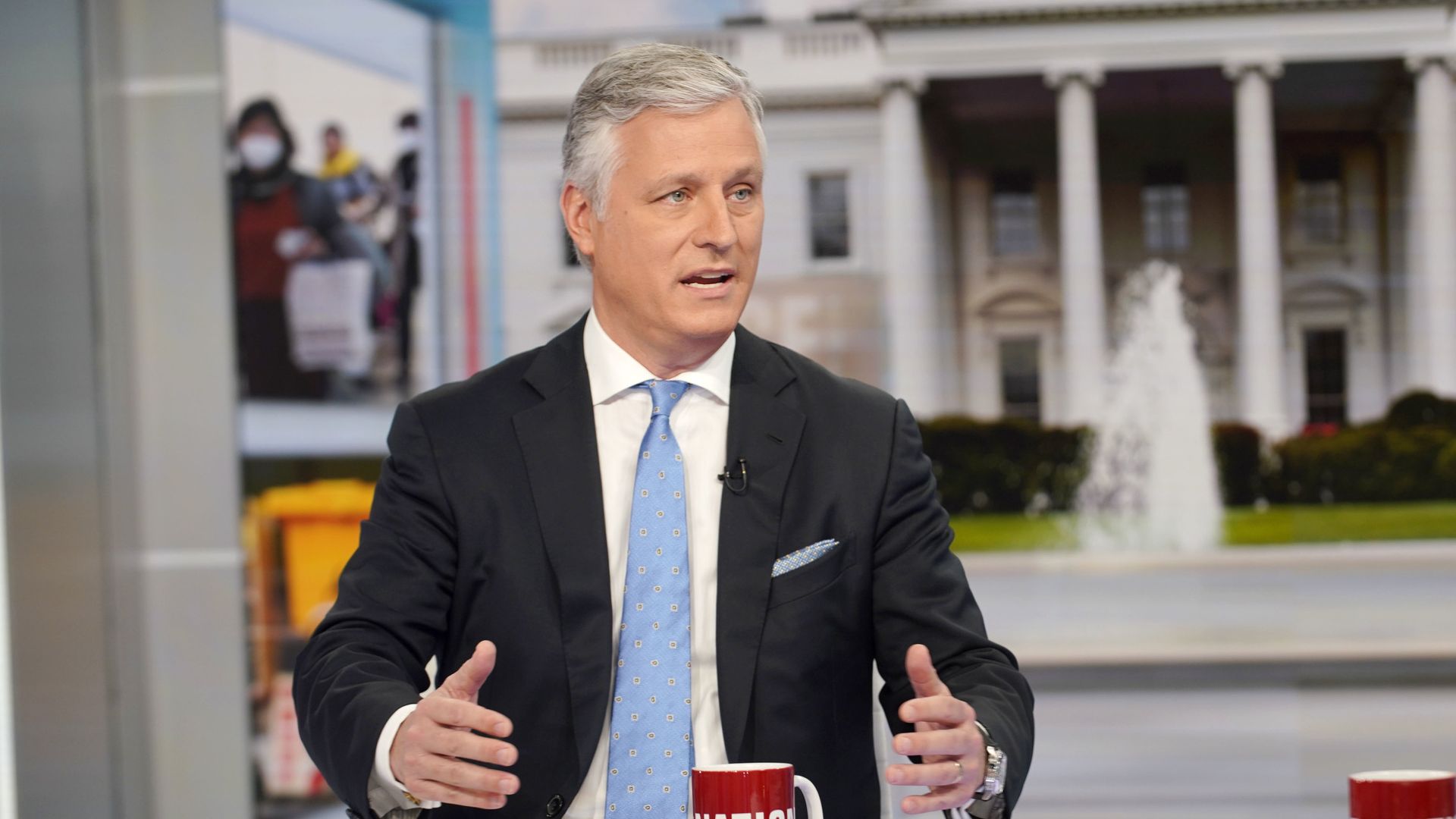
Sen. Chris Murphy (D-Conn.) said on CNN's "State of the Union" Sunday that White House national security adviser Robert O'Brien should "stay out of politics."
Driving the news: O'Brien said on ABC News that it's "no surprise" Russia has attempted to interfere in favor of Sen. Bernie Sanders in the Democratic primary because Sanders "honeymooned in Moscow." Sanders said late last week that he was briefed about a month ago on Russia's attempts to help his campaign and that he completely condemns Putin's interference.
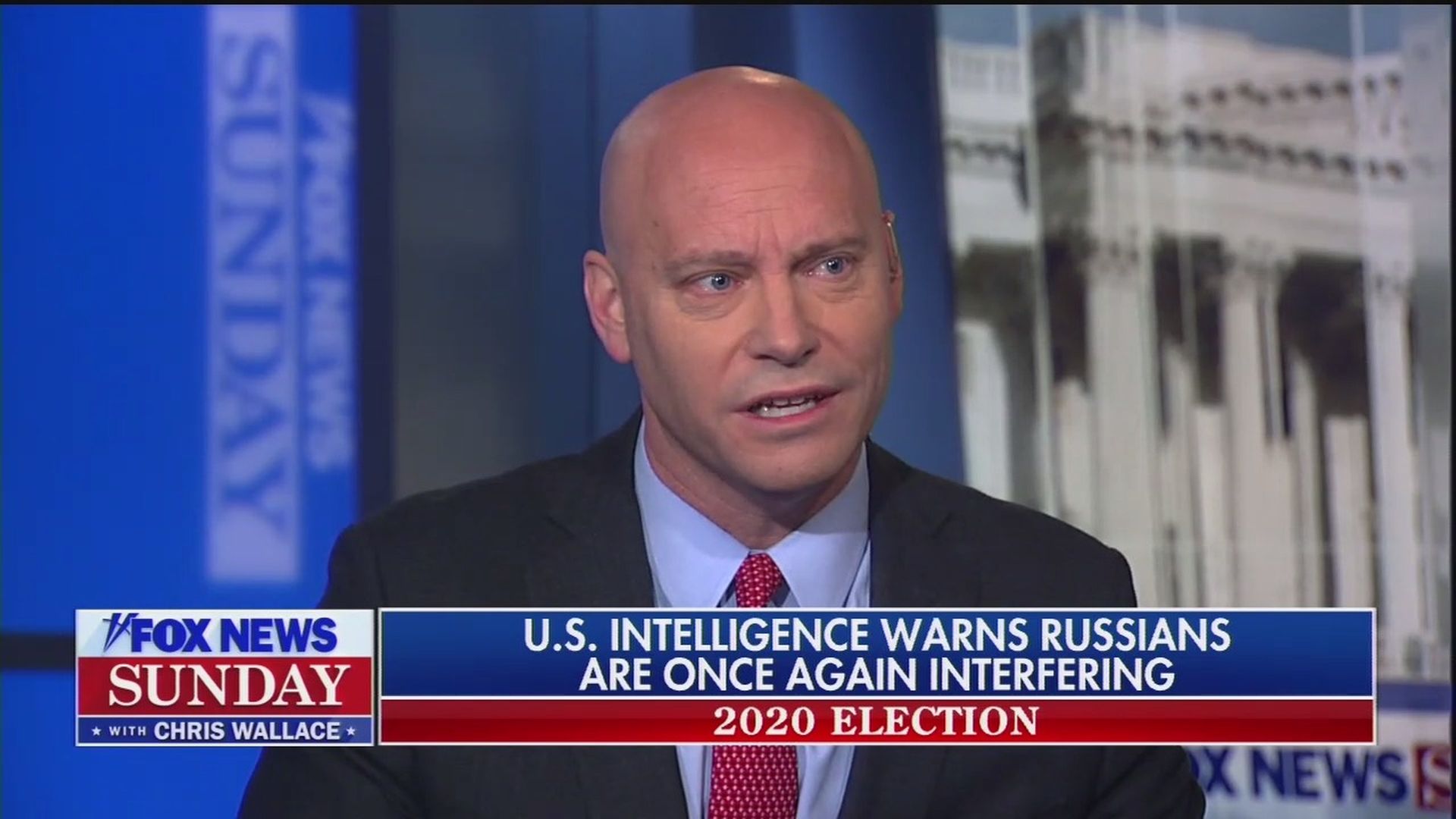
Marc Short, chief of staff to Vice President Mike Pence, claimed on "Fox News Sunday" that the White House has not received intelligence that Russia is seeking to help President Trump win re-election, calling it "false information" that has been selectively leaked by Democrats on the House Intelligence Committee.
The big picture: Short and national security adviser Robert O'Brien both dismissed reports published in the Washington Post and New York Times last week about a briefing provided by top election security official Shelby Pierson, an aide to outgoing acting director of national intelligence Joseph Maguire.
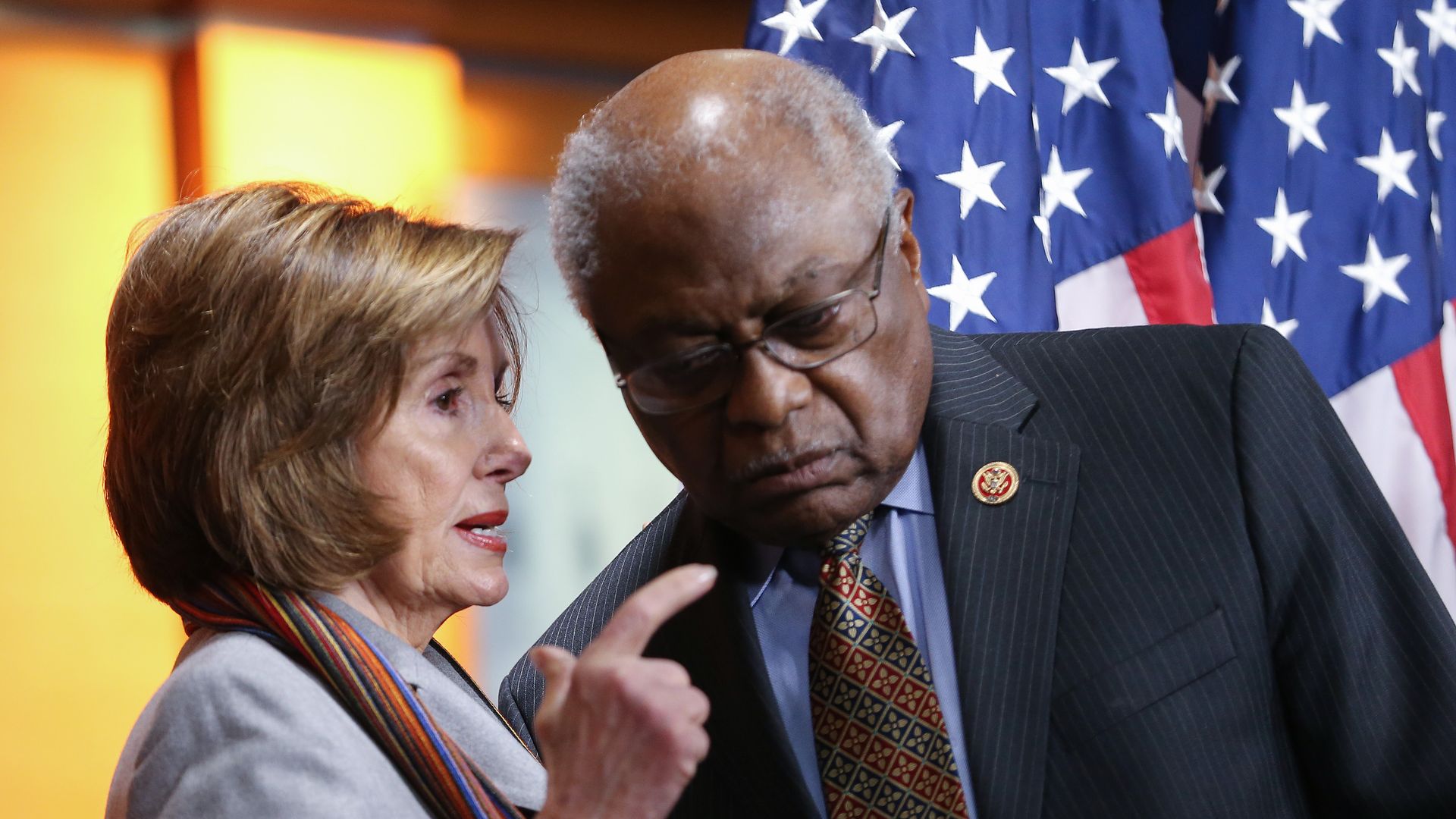
House Majority Whip Jim Clyburn (D-S.C.) said on ABC's "This Week" Sunday that Sen. Bernie Sanders' identification as a democratic socialist may be an "extra burden" in down-ballot House races if he were to win the Democratic nomination.
Why it matters: Clyburn's comments echo fears from many establishment Democrats, who worry the House majority they won in 2018 by taking moderate seats carried by President Trump could be at risk with Sanders at the top of the ticket.
White House national security adviser Robert O'Brien repeatedly rejected on ABC's "This Week" an assessment from a congressional briefing led by the Office of the Director of National Intelligence that Russia is interfering in the 2020 election to help President Trump get re-elected.
Why it matters: The report put the Trump administration under fresh scrutiny in regard to steps it has been taking to combat the kind of interference that the U.S. encountered in 2016.
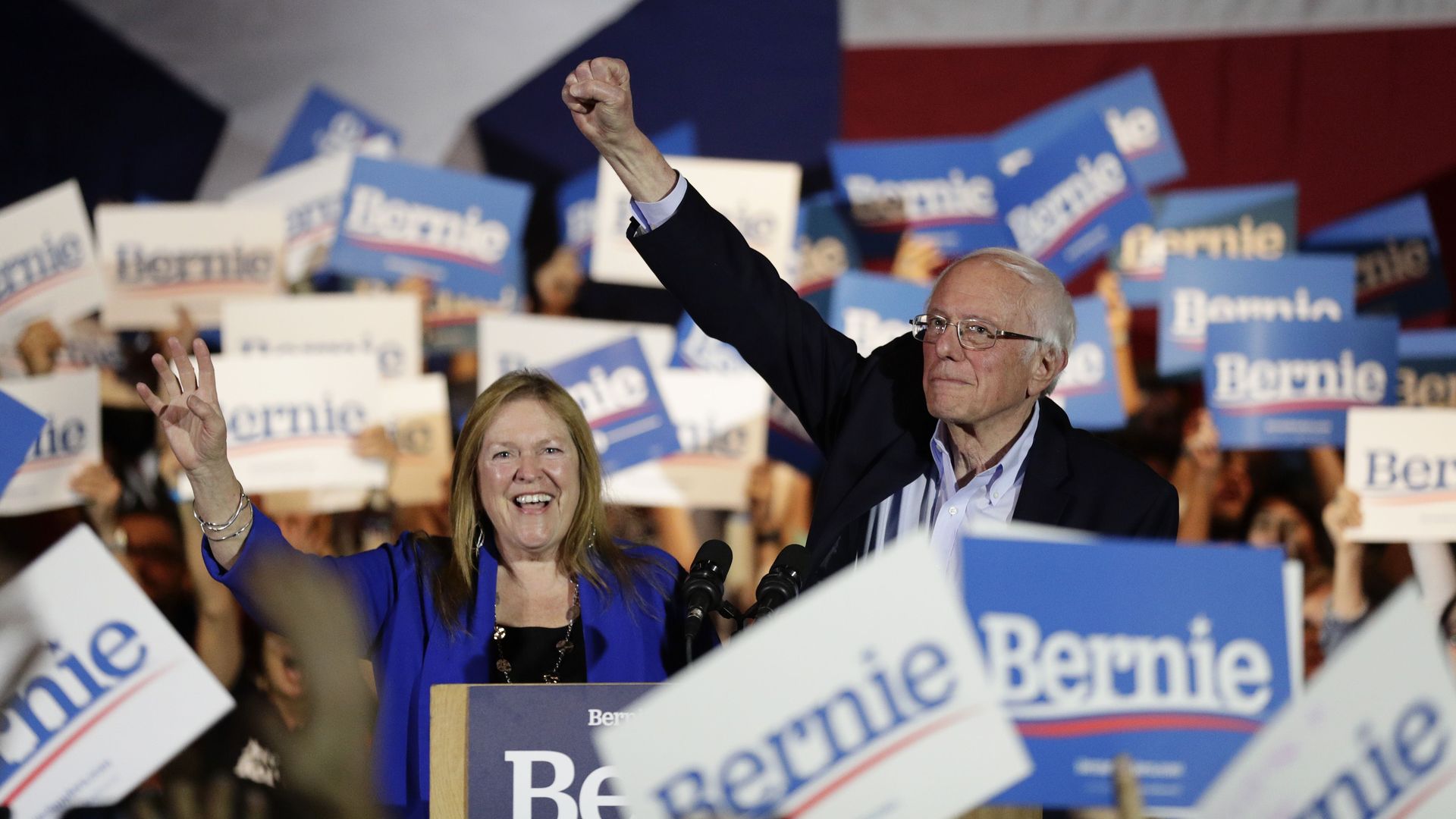
Sen. Bernie Sanders is projected to handily win the Nevada Democratic caucuses, becoming the clear front-runner among 2020 Democratic presidential primary election candidates.
Why it matters: Nevada is the first state with a diverse population to hold a nominating contest, highlighting candidates' abilities to connect with voters of color — particularly Latino voters.
Michael Bloomberg, Bernie Sanders and Joe Biden — all close to 80 — are pushing the boundaries on social media, while their younger Democratic presidential rivals are comparatively staying out of the fray.
The big picture: President Trump's unexpected rise to political power has shown Democrats and world leaders the power of harnessing popular internet culture to get elected.
The big picture: Nevada, a state with a diverse population, was the first real test of how candidates could connect with people of color. Sanders tweeted: "Our multiracial, multigenerational movement is not only going to win in Nevada. It is going to sweep this country." His 2020 rivals gave mixed reactions as results poured in.
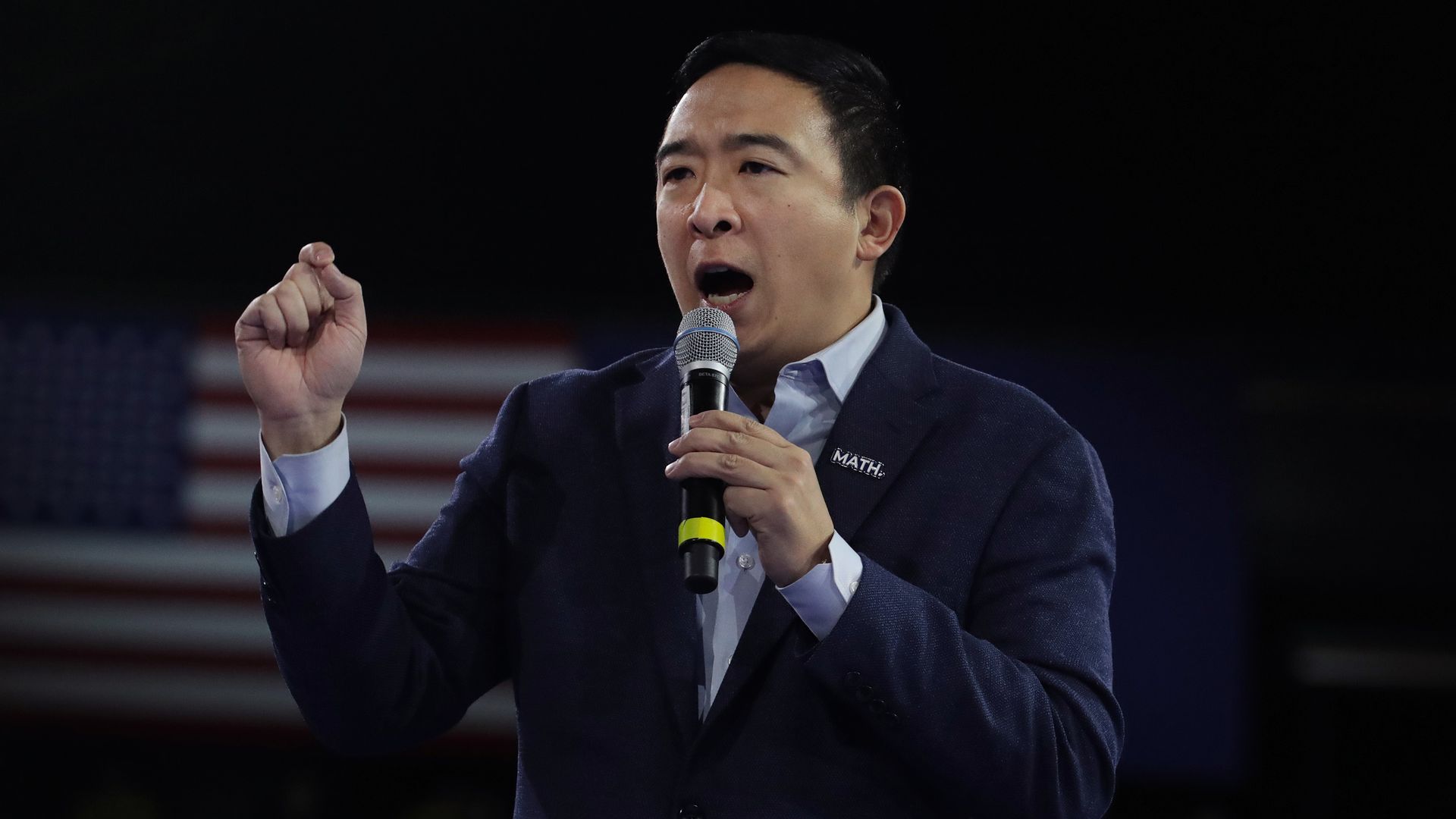
Andrew Yang referenced his departure from the 2020 race on CNN Saturday when he suggested the candidates should narrow the Democratic field, saying, "Someone needs to pull an Andrew Yang and be like, 'I've done the math, I'm not going to win.'"
Details: Yang said after Sen. Bernie Sanders was projected to win the Nevada caucus, "The rest of the field needs to consolidate, ideally." He noted, "each candidate wants to be the last person standing to absorb the non-Bernie energy." But he added Sanders is "unlikely to get an outright majority of delegates heading into the convention, which is going to set the stage for the superdelegates to emerge, and then you're looking at a contested convention."