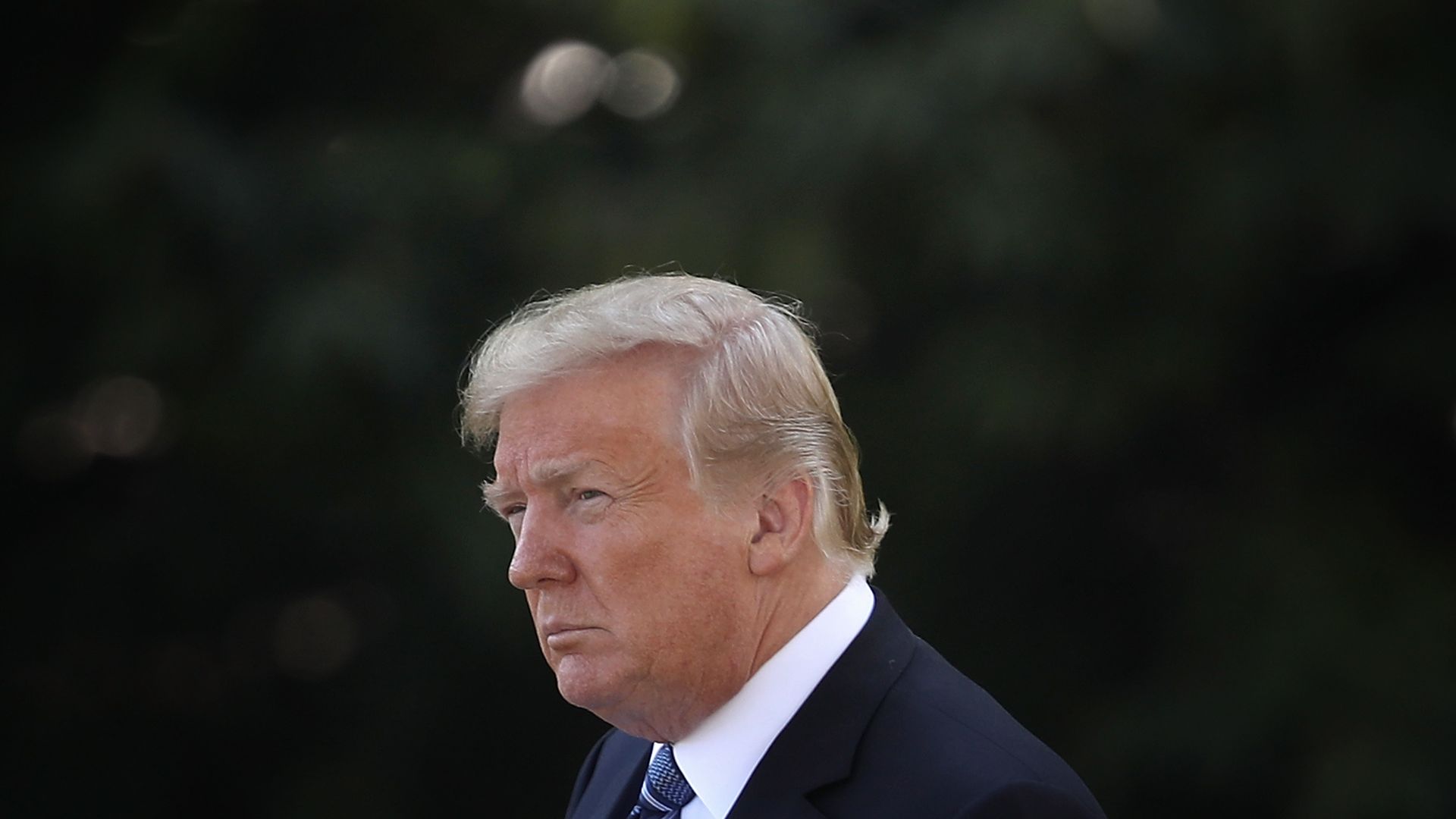
Investigators were told by a government photographer that empty spaces in President Trump's inauguration photos were intentionally removed to make the crowd appear larger, after receiving complaints from the president and former Press Secretary Sean Spicer, CNN reports.
Why it matters: The admission from the photographer confirms dozens of photos and reports following the inauguration that there were, in fact, smaller crowds. The administration initially denied claims that the crowd size was smaller than what could be seen from the stage, and Spicer called it "the largest audience to ever witness an inauguration."
The House passed a bill this week that would direct the White House to form a database "containing all the names of individuals and cyber-threat groups associated with foreign cyber-espionage operations" targeting the U.S., ZDNet reports.
The big picture: Per ZDNet, government-level hacking has been "out of control" as the world entered the digital age. The bill, called the Cyber Deterrence and Response Act of 2018 and proposed by Rep. Ted Yoho (R-Fla.), aims to identify and track groups to better confront attacks. A companion bill was introduced in the Senate by Sen. Cory Gardner in August.
President Trump's tenure has become marred in scandal and betrayal, as he suggests he may issue a Department of Justice order to find an anonymous dissenter among his aides.
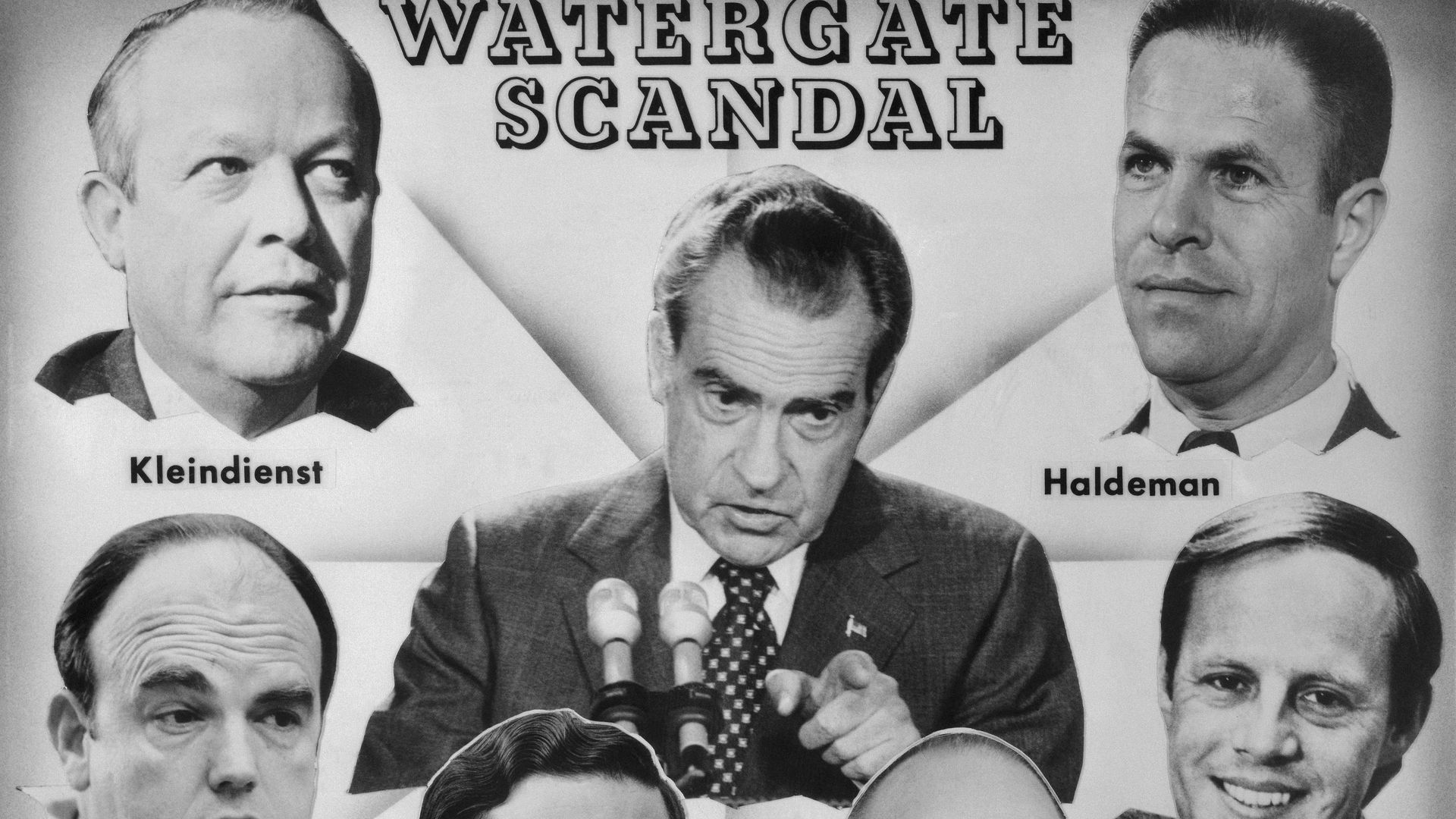
Why it matters: The similarities between Watergate and the Trump presidency are becoming more and more clear. "The White House seethes with intrigue and backstabbing as aides hunt for the anonymous Deep (state) Throat among them. A president feels besieged by tormentors — Bob Woodward is driving him crazy — so he tends his version of an enemies list, wondering aloud if he should rid himself of his attorney general or the special prosecutor or both," AP's Cal Woodard and Nancy Benac write.
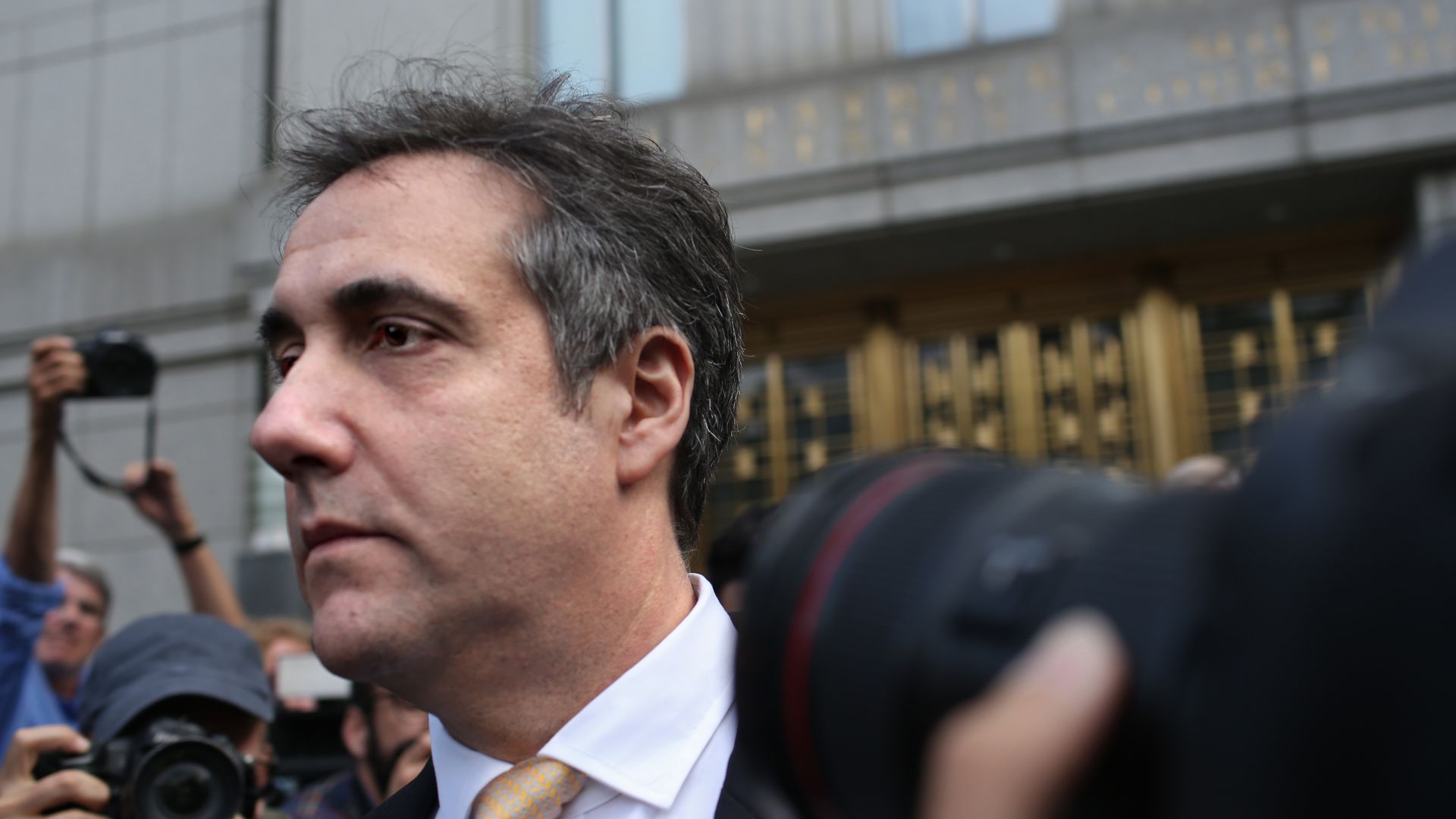
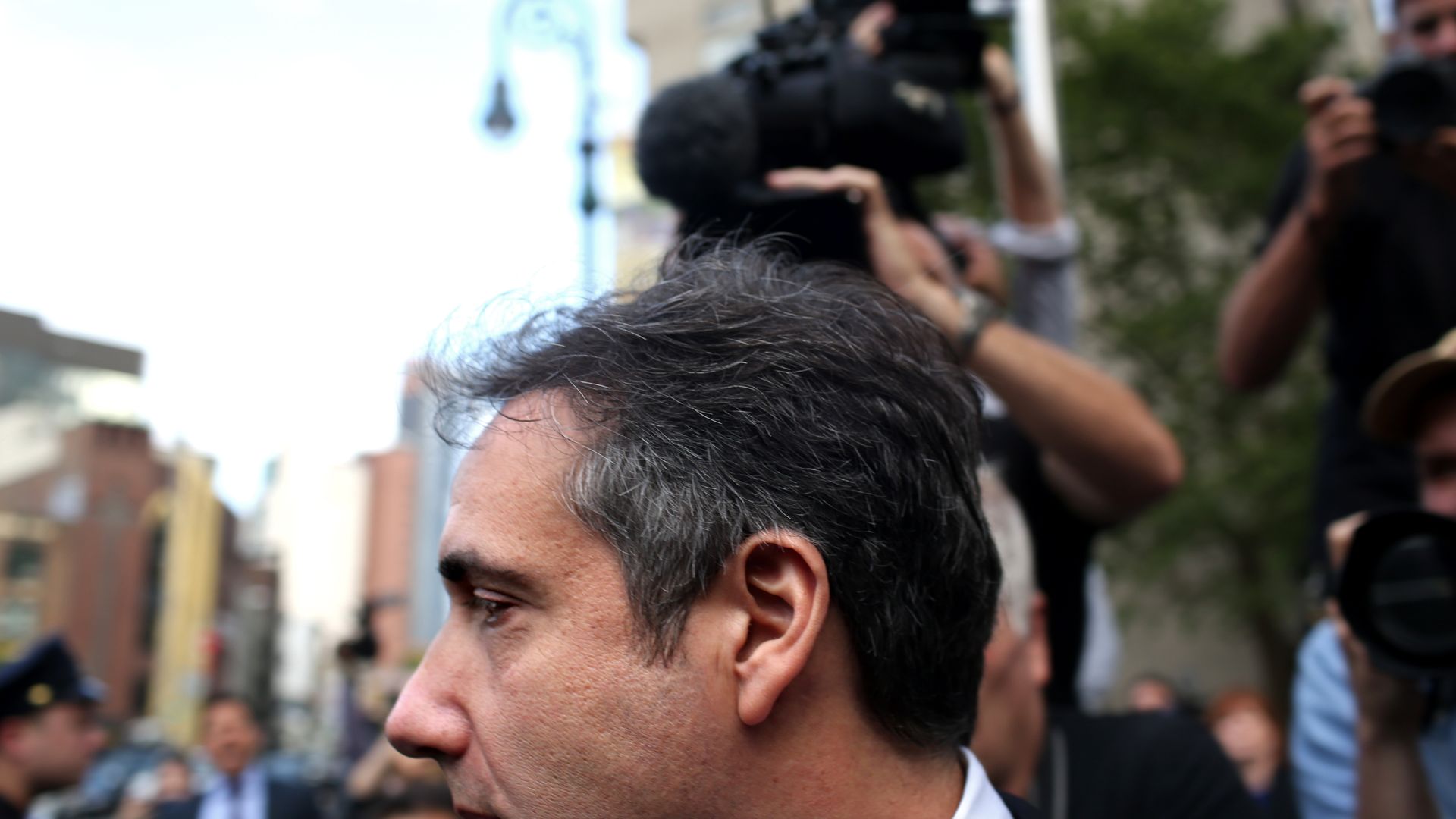
Federal prosecutors in Manhattan are looking into whether anyone in the Trump Organization violated campaign-finance laws in an effort to follow up on the conviction of Michael Cohen, Bloomberg reports.
Why it matters: The inquiry into the Trump Organization shows that the U.S. attorney's office is not satisfied with Cohen's guilty plea and believe there may be others complicit in Cohen's violations, including President Trump himself.
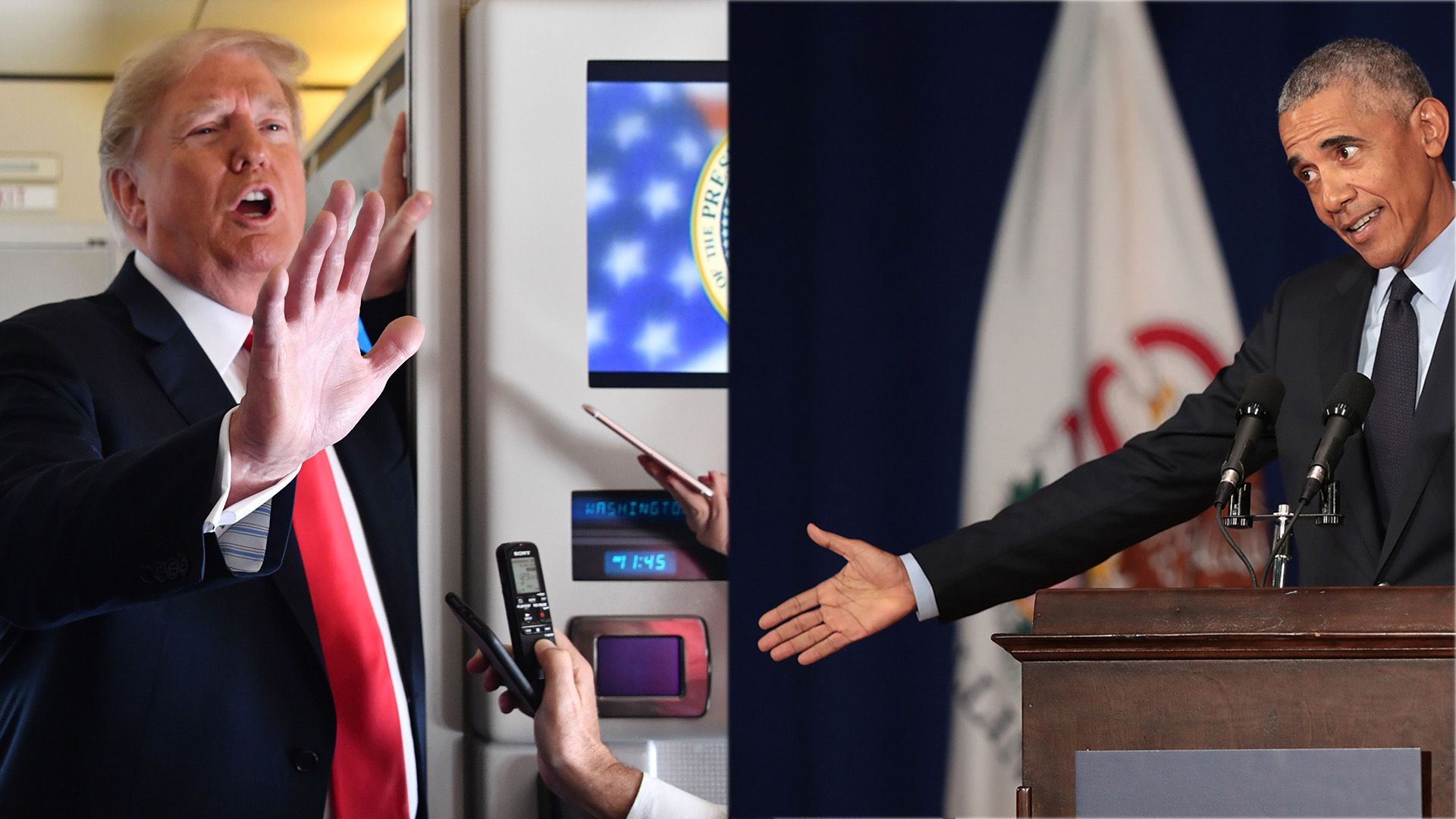
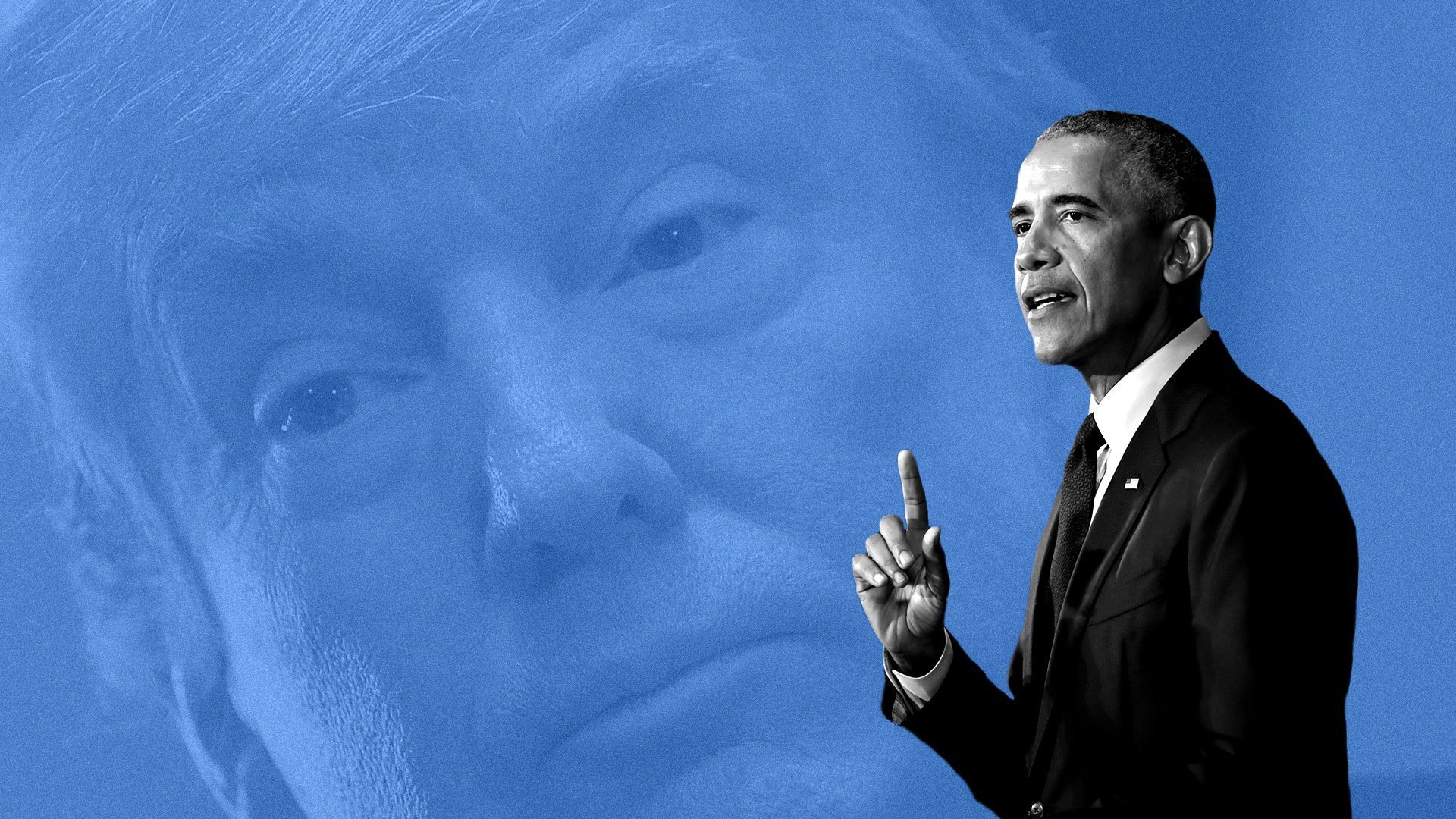
Today is exactly 60 days until midterms. Yesterday's personal, venomous face-off between President Obama (who went after his successor by name in Illinois) and President Trump (who attacked Bob Woodward and threatened the New York Times aboard Air Force One) said it all about the coming fall.
The state of play: Republican lawmakers would love to talk about the growing economy. House Democrats have a high-minded closing argument, "For the People."
Essential Consultants, the shell company owned by Michael Cohen, filed a status report on Friday "agreeing to tear up" the $130,000 hush money deal it made with Stormy Daniels, CNN reports.
Why it matters: Daniels may have to pay that money back, according to CNN. Her lawyer, Michael Avenatti, heard of the news moments before a CNN interview and said his first guess is that "they don't want me to get a chance to depose Michael Cohen and Donald Trump. This is a hail Mary to try and avoid that." He later said that Daniels will only pay back the $130,000 if Cohen and Trump are allowed to be deposed and the court rules in her favor, per CNN.
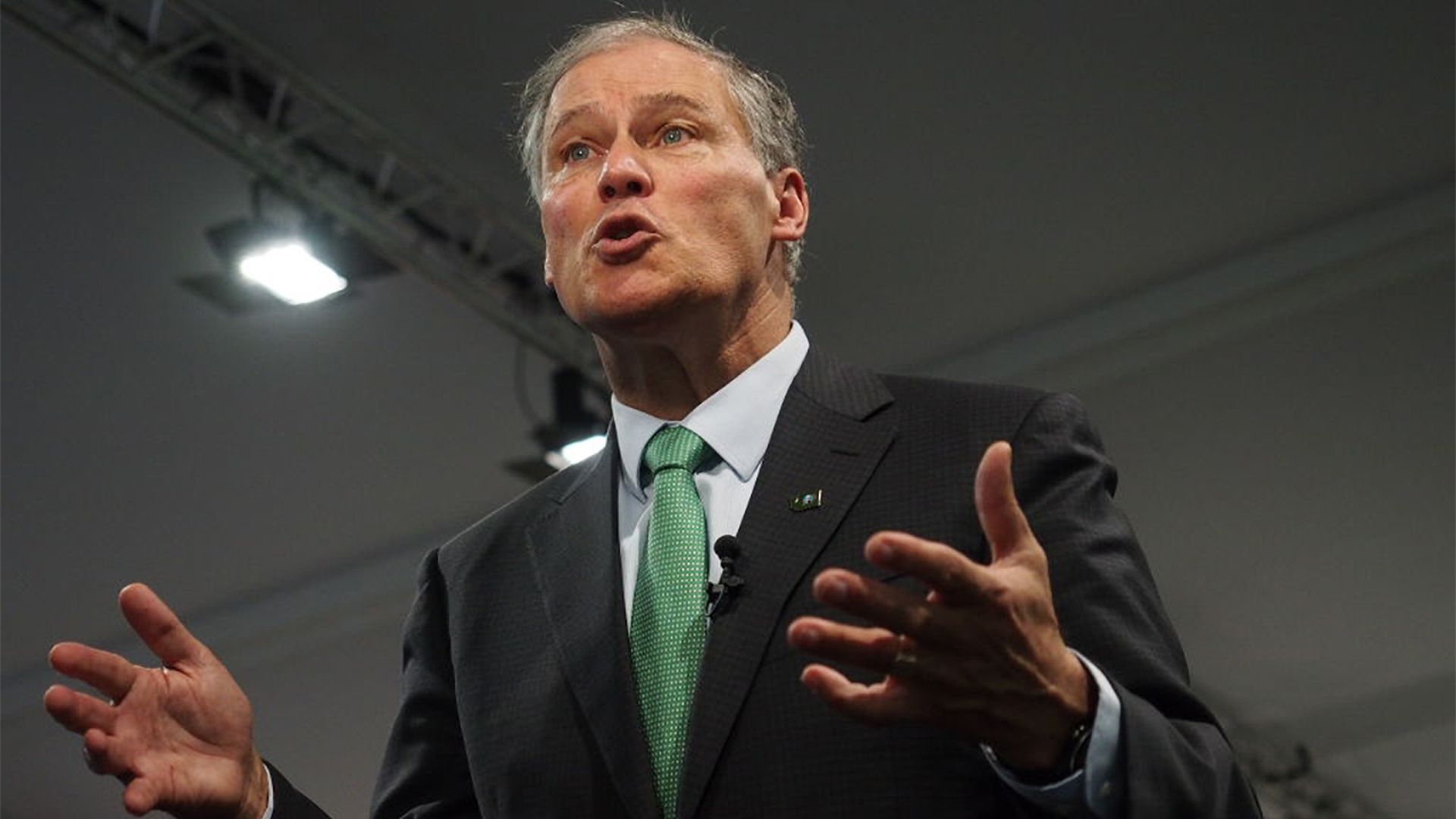
Washington Gov. Jay Inslee, a Democrat, outlined in a recent interview what he thinks a successful presidential candidate would look like — and it looks an awful lot like him — but fell short of saying he would run.
Why he matters: Inslee, chair of the Democratic Governors Association, is emerging as a leading progressive politician and critic of President Trump. CNN included him as a potential 2020 contender, and he also went to Iowa — the magnet for politicians who see a future president in the mirror — earlier this year.
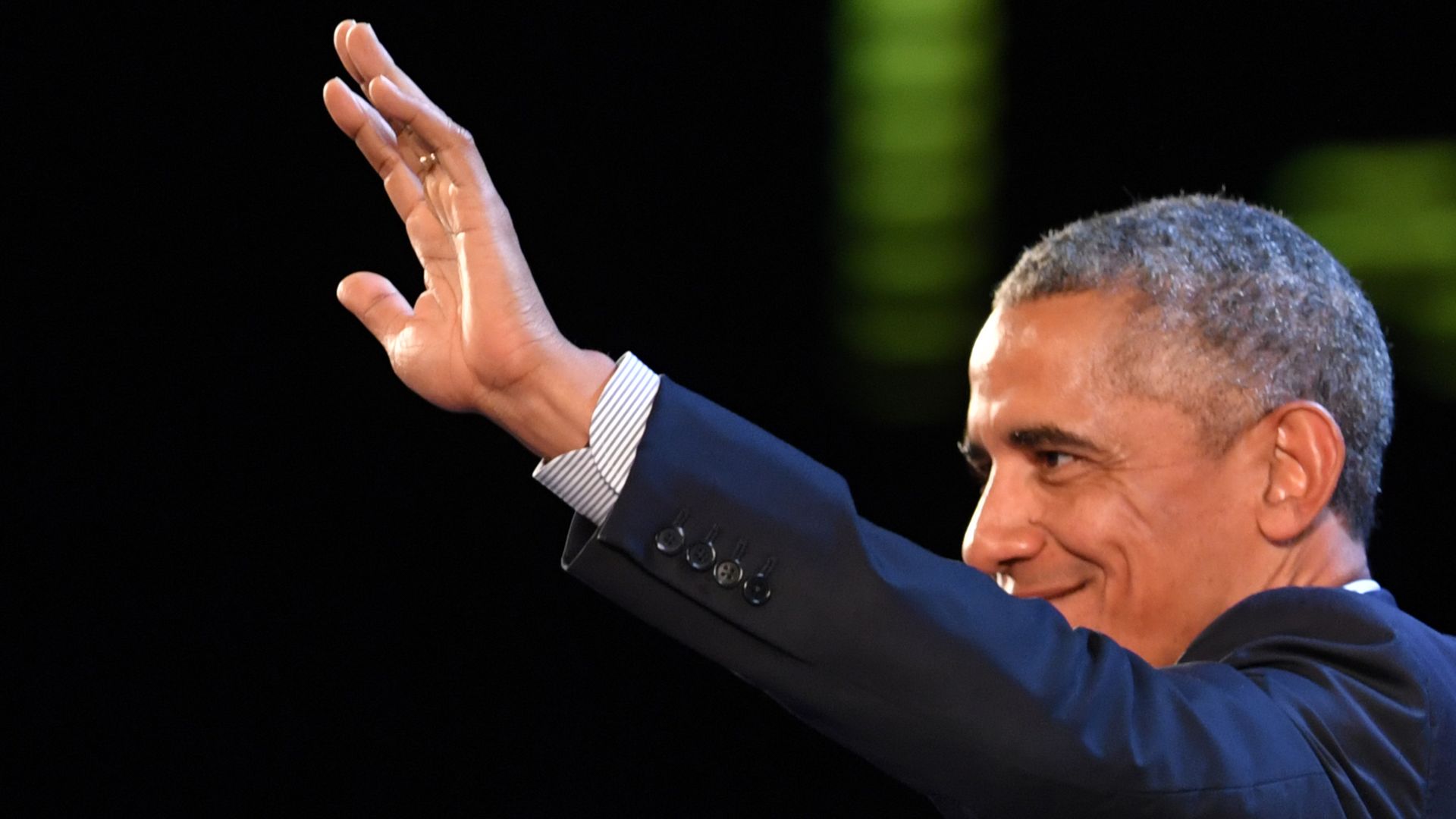
Barack Obama re-entered the political arena today, declaring himself a "fellow citizen" rather than former president.
Why it matters: The most successful Democratic politician of his generation is breaking with precedents from a more civil era. It's highly unusual for a former president to criticize a current one in such blunt terms.
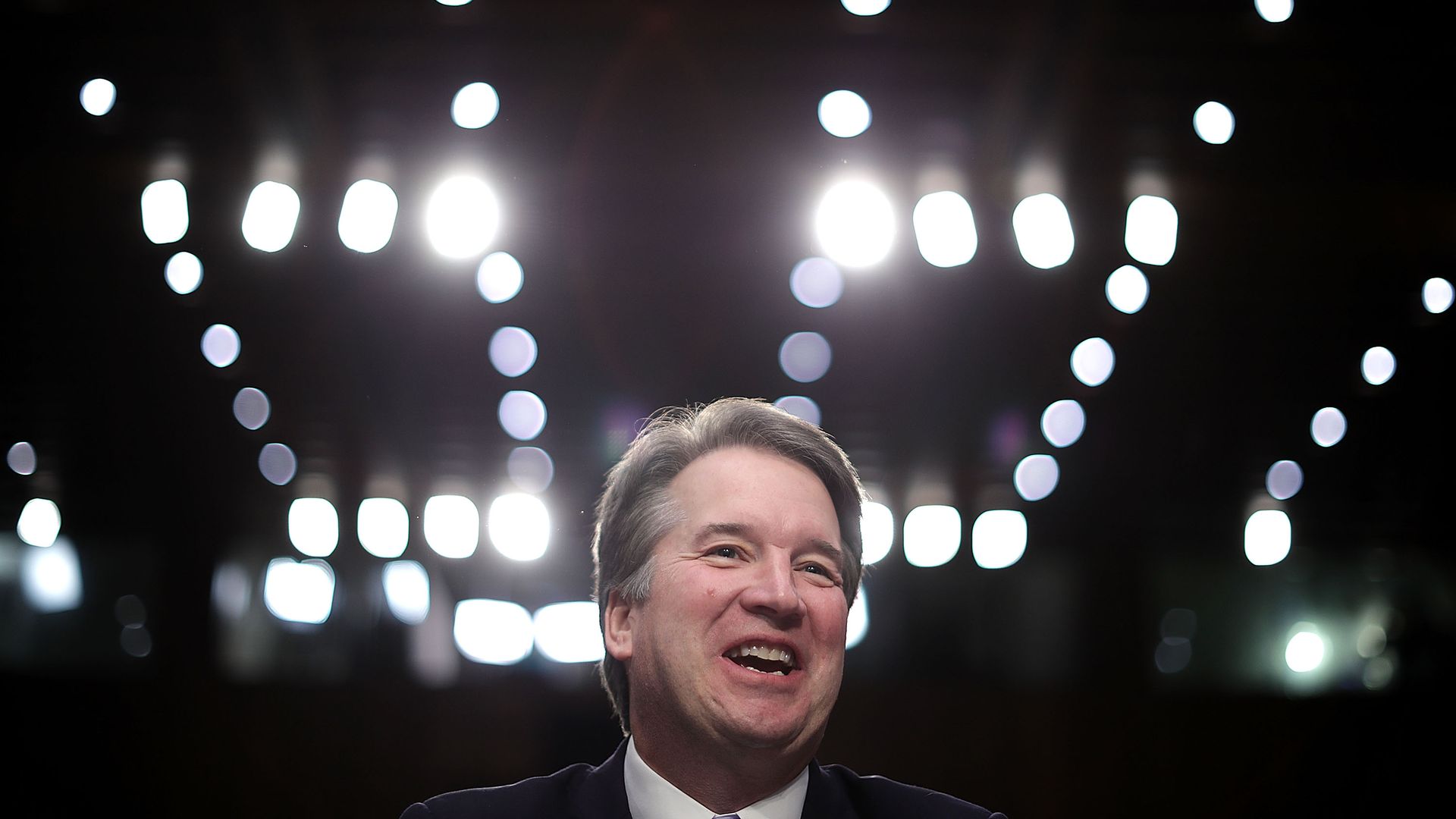
Judge Brett Kavanaugh’s confirmation hearings were full of sound and fury — protests, fights about the rules, questions and insinuations that quickly went viral — but the big picture hasn’t changed since the day he was nominated. He is very likely to be a Supreme Court justice, and a very conservative one, very soon and for a very long time.
Why it matters: Democrats are under a lot of pressure from their base to fight this nomination, and several of them made a go of it during Kavanaugh’s hearing before the Senate Judiciary Committee. But two days of testimony only seemed to reinforce everyone’s existing opinions of Kavanaugh, and that momentum works to his benefit.
President Trump told reporters on Air Force One that he thinks Attorney General Jeff Sessions should investigate who the anonymous writer of the New York Times op-ed is, claiming it is a national security concern, according to the AP.
The big picture: Trump has already tried to claim that not revealing the identity of the op-ed writer poses a national security concern, although he has yet to specify how. He has also said he considers the act treasonous.
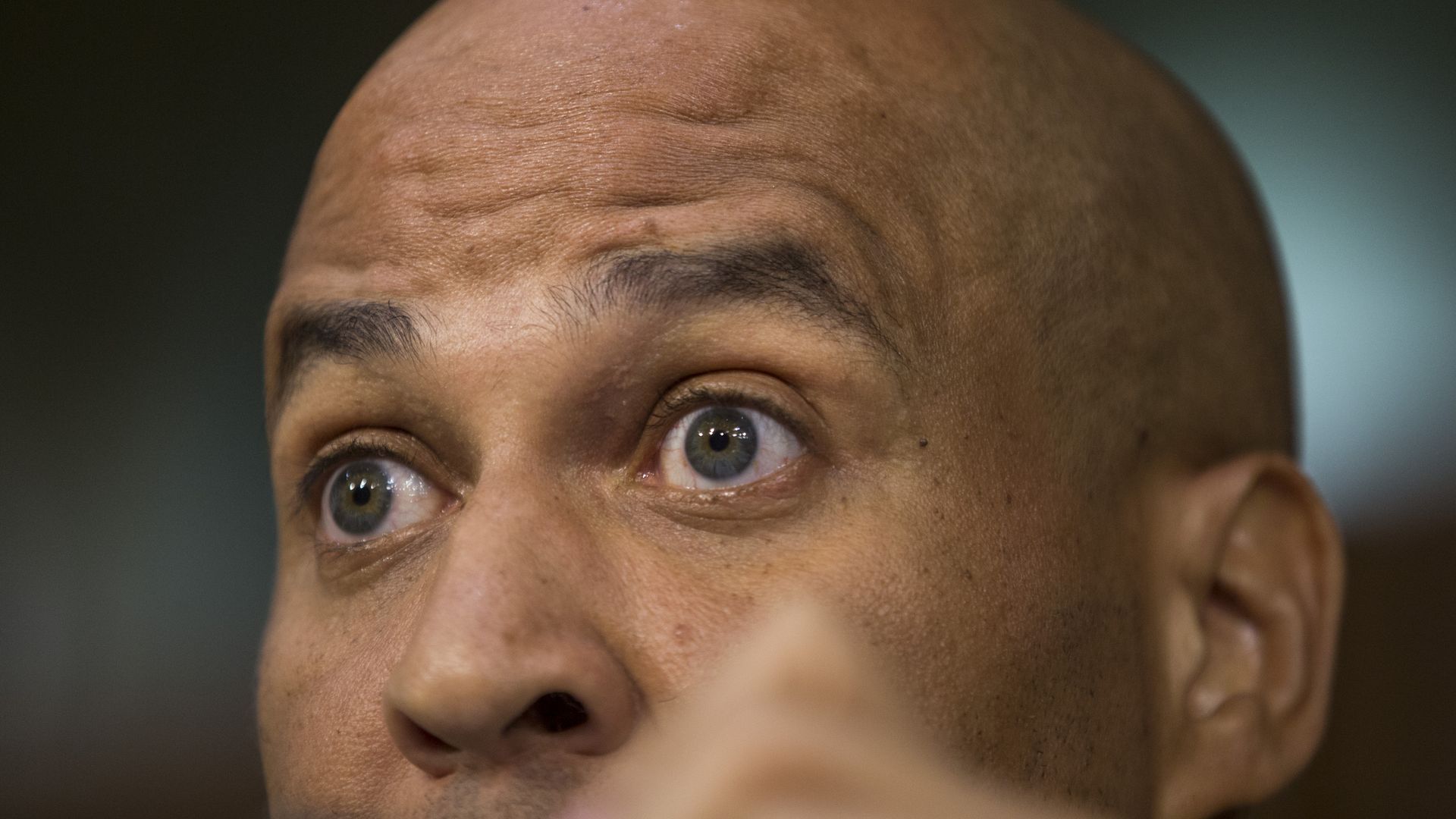
Senate Majority Leader Mitch McConnell told radio host Hugh Hewitt that he wouldn't be surprised if Sen. Cory Booker (D-N.J.) faced scrutiny from the Senate Ethics Committee for publicly releasing confidential documents regarding Brett Kavanaugh, the Washington Post reports.
The saga: The initial batch of documents Booker released on Thursday, which led to his "Spartacus moment" and revealed Kavanaugh's views on racial profiling, had already been approved for release the night before. But Booker said he later released additional documents that had not been cleared by the committee. Booker has repeatedly stated that he understands his actions were in violation of committee rules.
Church-attending and non-affiliated Christians have more negative views of immigrants and minority religions than unaffiliated adults in Western Europe, a new Pew Research Survey finds.
The big picture: While more Christians hold these views than those religiously unaffiliated, that does not translate to most Christians holding these views. Pew explains, "By most measures and in most countries surveyed, only minorities of Christians voice negative opinions about immigrants and religious minorities."
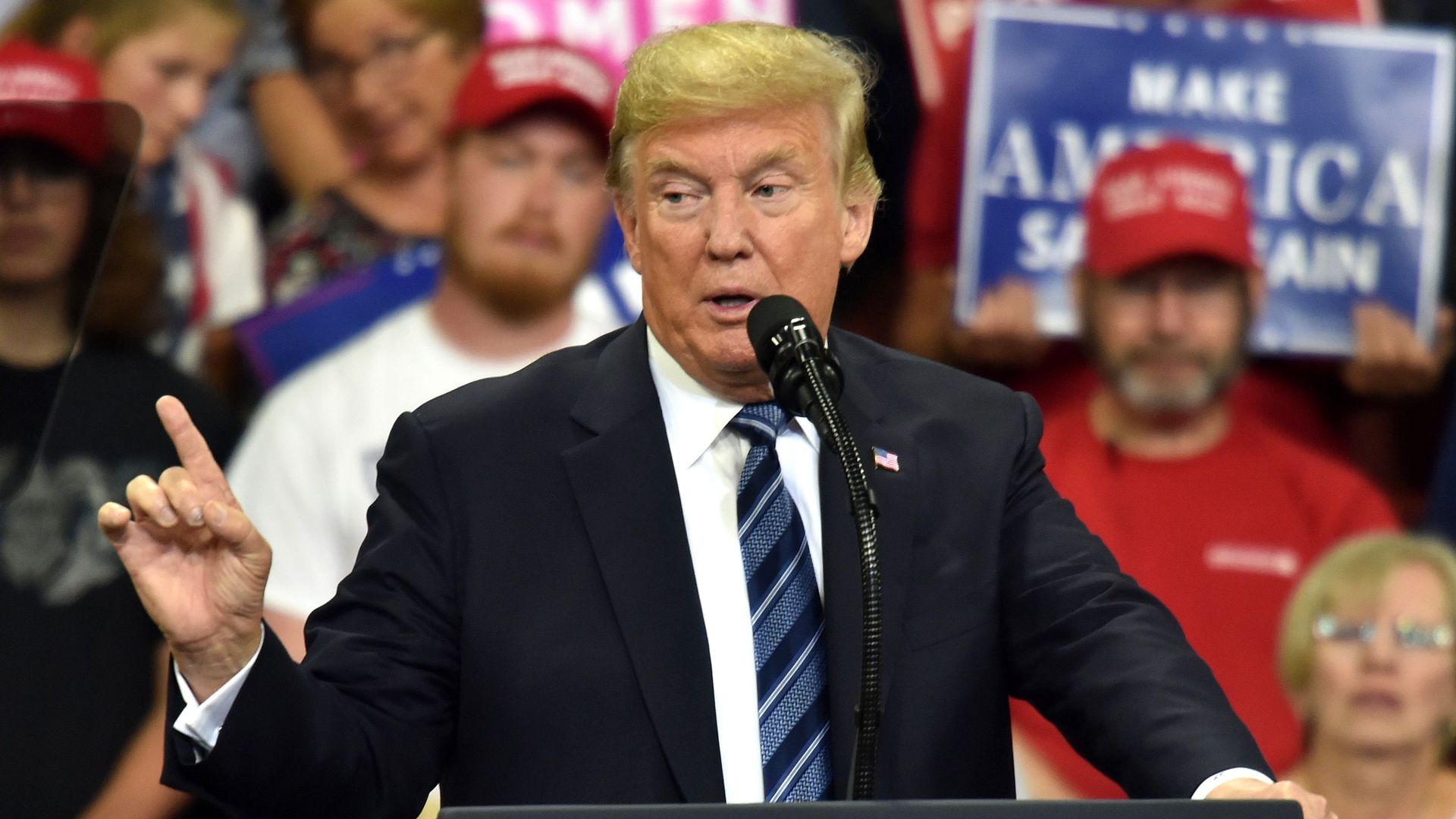
President Trump escalated his attacks on the N.Y. Times during an interview last night in Montana with Pete Hegseth of "Fox & Friends":
"Well, number one,The Times should never have done that [printed the anonymous Op-Ed] because really what they’ve done, virtually, it’s treason. You can call it a lot of things ..."
"They’re all saying,you know, it’s got to be at a fairly low level. ... I see all the people that are saying such great things. There’s a lot of love in the administration, and the White House is truly, as you would say, a well-oiled machine — it is working so well."
The House districts with the closest races in the midterm elections tend to be more educated than the rest of the country. Of the 30 districts currently rated as "tossups" by Cook Political Report, two thirds have a higher prevalence of college degrees than the national average.
Why it matters: It's yet another sign of potential midterm trouble for Republicans, since 28 of those races have a Republican incumbent and President Trump did best with people without college degrees. Strategists from both parties think it'll come down to how suburban voters react to Trump.
Bob Woodward's newest book unveils a letter that former Chief Economic Advisor Gary Cohn removed from President Trump's desk that, if the president had signed, would have ended the United States-Korea Free Trade agreement, CNN reports.
Why it matters: Had Trump signed the agreement, a program that can detect a nuclear missile launch from North Korea in seven seconds may have been jeopardized. CNN explains the letter "is an example of how top White House aides would steal and hide documents from Trump that they believed to be a danger to national security."
Sen. Elizabeth Warren (D-Mass.) suggested legislators invoke the 25th amendment against President Trump if senior White House officials don't believe he can do his job.
"Every one of these officials have sworn to uphold the Constitution of the United States. It's time for them to do their job."