My colleague Mike Allen, who's covered a few midterm elections in his time, says it's rare to see so much evidence of a trend accumulate so many months out, only for all the signals to be proven wrong.
Data: Cook Political Report, Real Clear Politics, Politico, The Washington Post, CNN, 538; Table: Lazaro Gamio/Axios
The big picture: Yes, the punditocracy is being cautious about 2018 because it has fresh memories of how humiliating it felt to wake up on Nov. 9, 2016, with Donald Trump as president. But the graphic above tells a stark story and shows the pundit class may be underestimating the odds of a devastating election season for Republicans.
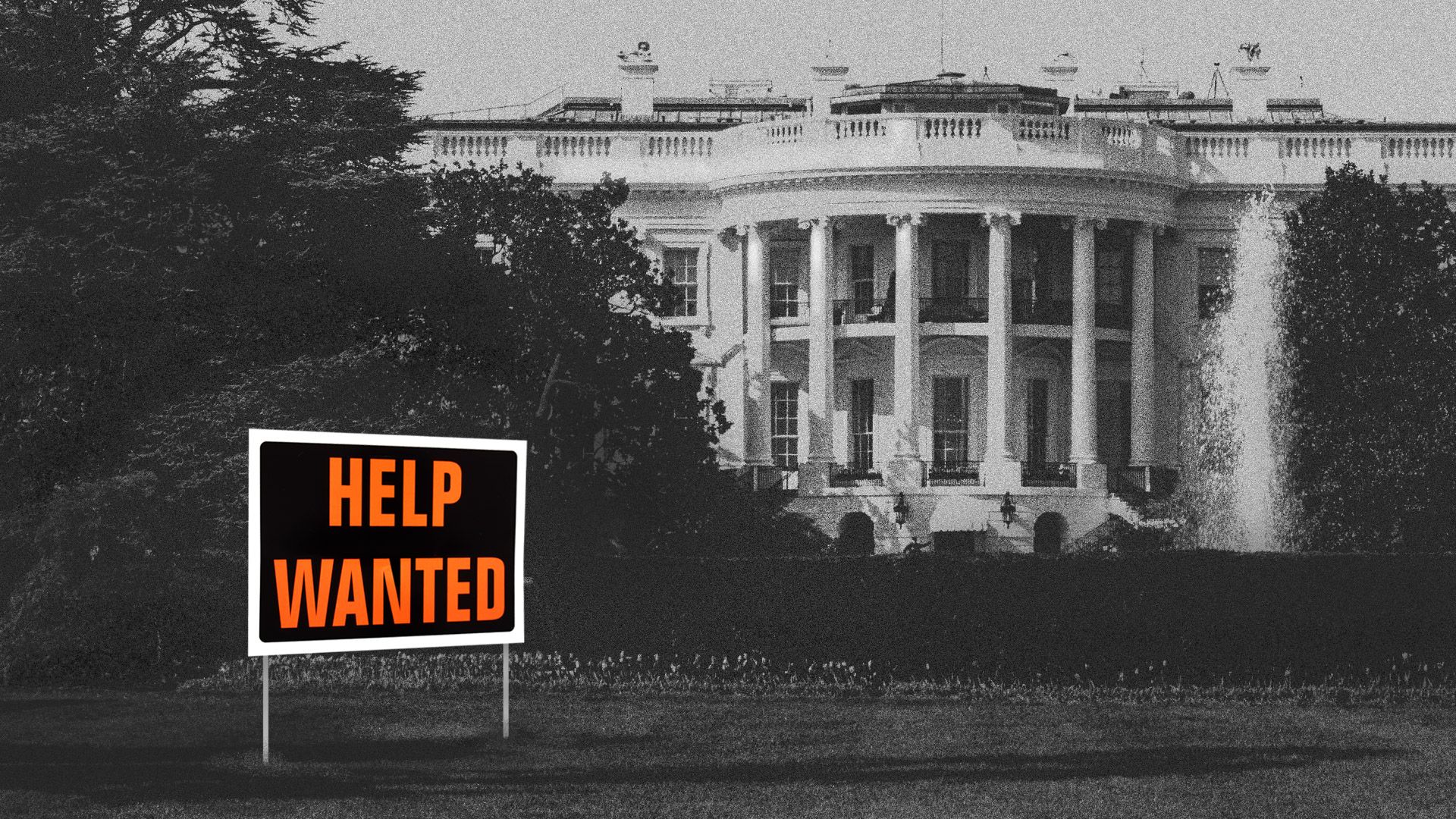
President Trump was bluffing when he tweeted that he knows the successor to White House counsel Don McGahn, and instead he is vacillating about new legal leaders as he girds for open warfare with Democrats and Robert Mueller. The newest name on the president's mind: Fannie Mae general counsel Brian Brooks, two sources with direct knowledge tell me.
Why it matters: This is, by far, Trump's most important current staffing decision. The climax of Mueller's probe lies ahead. And the White House faces the possibility of impeachment proceedings — and certainty of endless subpoenas and investigations — if Democrats win the House in November.
It's hard to overstate the extremity and variety of pressures bearing down on President Trump and his understaffed White House.
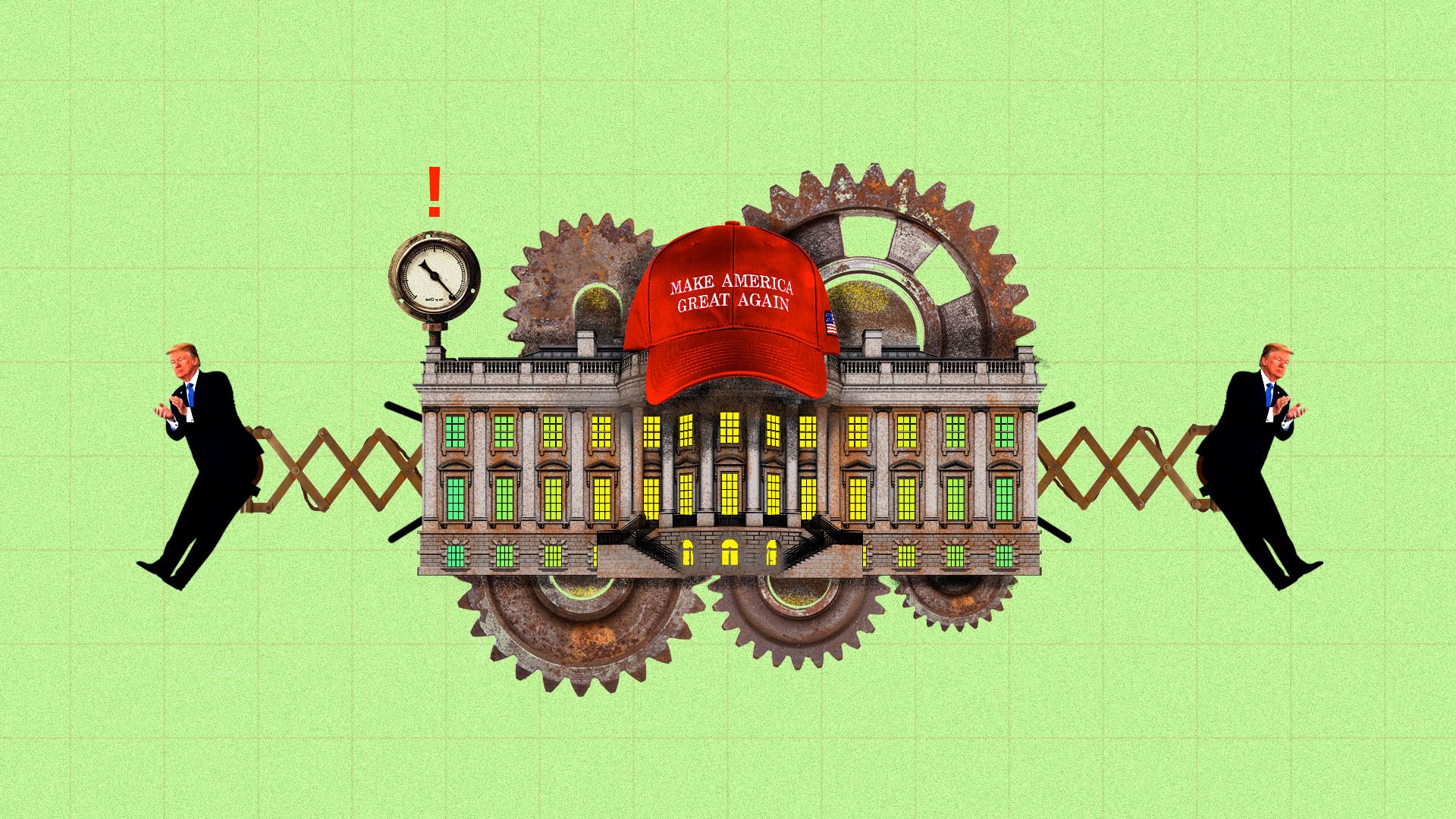
The bottom line: Taken together, it's a jaw-dropping list of problems, and Trump's "fine-tuned machine" is creaking under this stress. We're at a hinge point in the Trump presidency, and staff sound as unsettled as I've heard them in the 19 months since he took office.
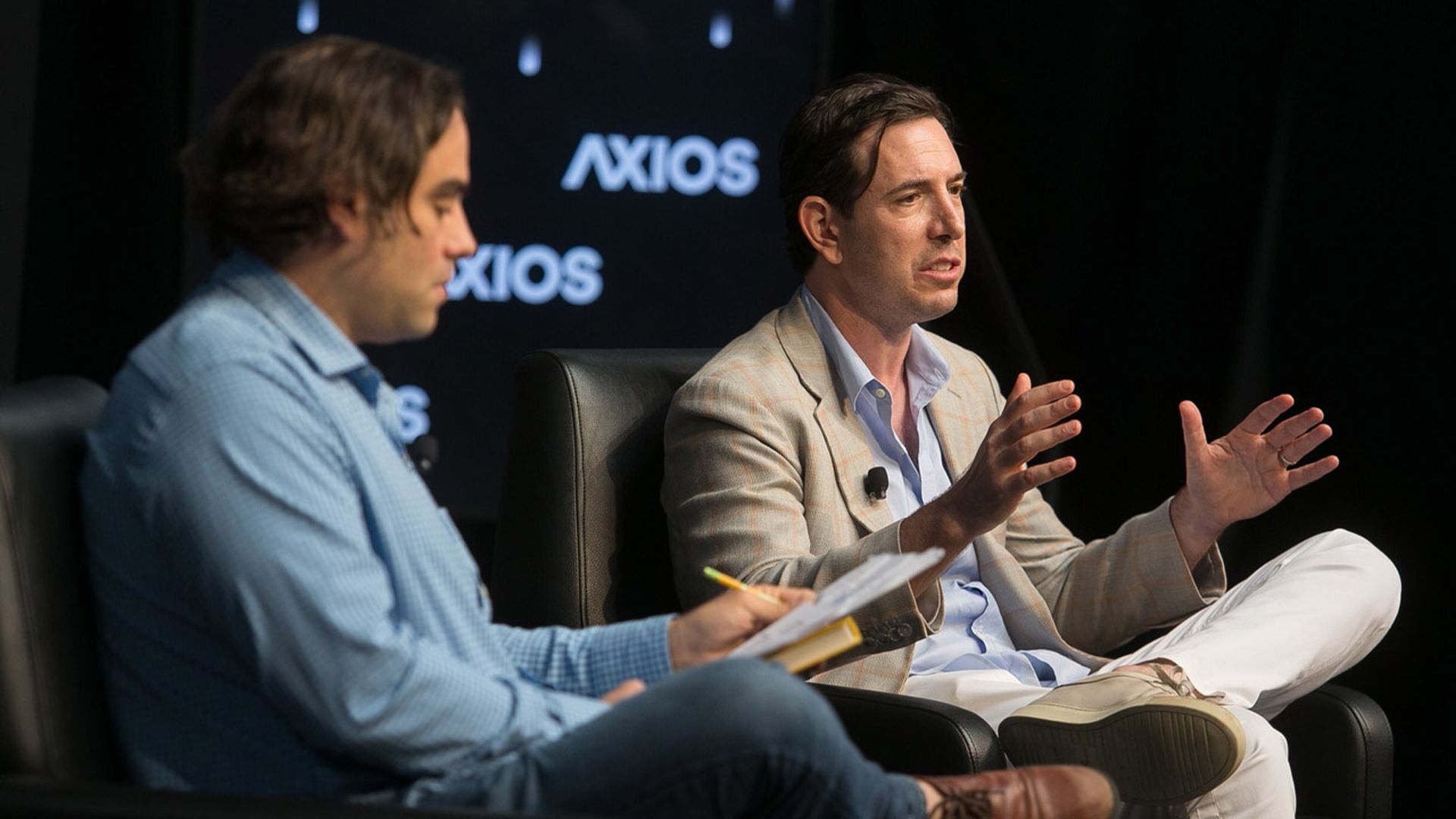
Political strategist turned venture capitalist Bradley Tusk did not rule out the possibility that his former boss, former New York City Mayor Michael Bloomberg, might run for president in 2020. But speaking at an Axios event on Friday, Tusk, who managed Bloomberg's third mayoral campaign, said the path for independents will be much more difficult in 2020 than it was in 2016.
"We're in a moment right now where people are really partisan ... I just think people are so polarized right now that an independent in 2020 would be very tough."
Voters in Sweden are heading to the polls today to vote in an election that could lead to a hard right turn for one of the most progressive nations in the world.
Data: SVT poll of 1,847 adult Swedish citizens conducted Sept. 4–6, 2018; Chart: Andrew Witherspoon/Axios
Why it matters: The election has featured many of the same themes that have defined political campaigns all over the world for the past two years: anti-establishment politics fueled by frustration with the status quo, a massive influx of immigrants and disinformation spread through social media. And a far-right party could be the big winner.

Former White House staffer Omarosa Manigault Newman claimed on MSNBC Sunday that she and other members of the Trump administration texted each other the hashtag "#tfa," referring to the 25th Amendment, "more than 100 times" during her tenure to discuss President Trump's "unhinged" actions.
Why it matters: The 25th Amendment can be invoked by the vice president and a majority of the Cabinet to remove a president they consider to be "unable to discharge the powers and duties" of the presidency. It took center stage this week after an anonymous senior White House official claimed that some Cabinet members had discussed using it in a controversial New York Times op-ed.
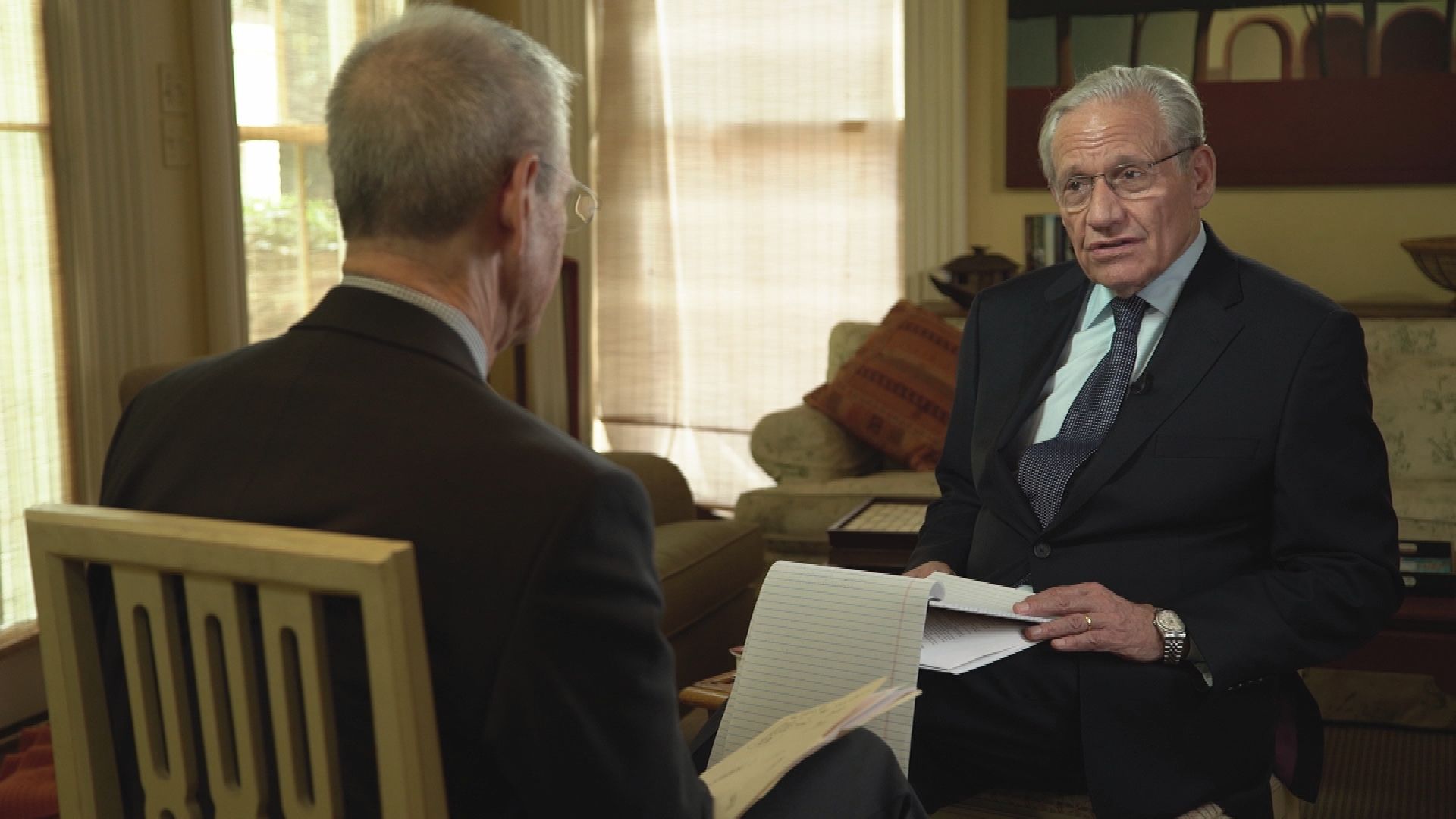
Bob Woodward, the author of the Trump White House chronicle "Fear," urged Americans to "wake up to what's going on" in the administration after President Trump and other White House officials spent days assailing his new book in an interview with CBS Sunday Morning.
The big picture: Woodward defended his reporting, which Trump attacked as a "work of fiction," saying his work included "[m]ultiple interviews with key witnesses. One person I interviewed nine times, and transcripts of those conversations are 700 or 800 pages."
Investigators were told by a government photographer that empty spaces in President Trump's inauguration photos were intentionally removed to make the crowd appear larger, after receiving complaints from the president and former Press Secretary Sean Spicer, CNN reports.
Why it matters: The admission from the photographer confirms dozens of photos and reports following the inauguration that there were, in fact, smaller crowds. The administration initially denied claims that the crowd size was smaller than what could be seen from the stage, and Spicer called it "the largest audience to ever witness an inauguration."
The House passed a bill this week that would direct the White House to form a database "containing all the names of individuals and cyber-threat groups associated with foreign cyber-espionage operations" targeting the U.S., ZDNet reports.
The big picture: Per ZDNet, government-level hacking has been "out of control" as the world entered the digital age. The bill, called the Cyber Deterrence and Response Act of 2018 and proposed by Rep. Ted Yoho (R-Fla.), aims to identify and track groups to better confront attacks. A companion bill was introduced in the Senate by Sen. Cory Gardner in August.
President Trump's tenure has become marred in scandal and betrayal, as he suggests he may issue a Department of Justice order to find an anonymous dissenter among his aides.
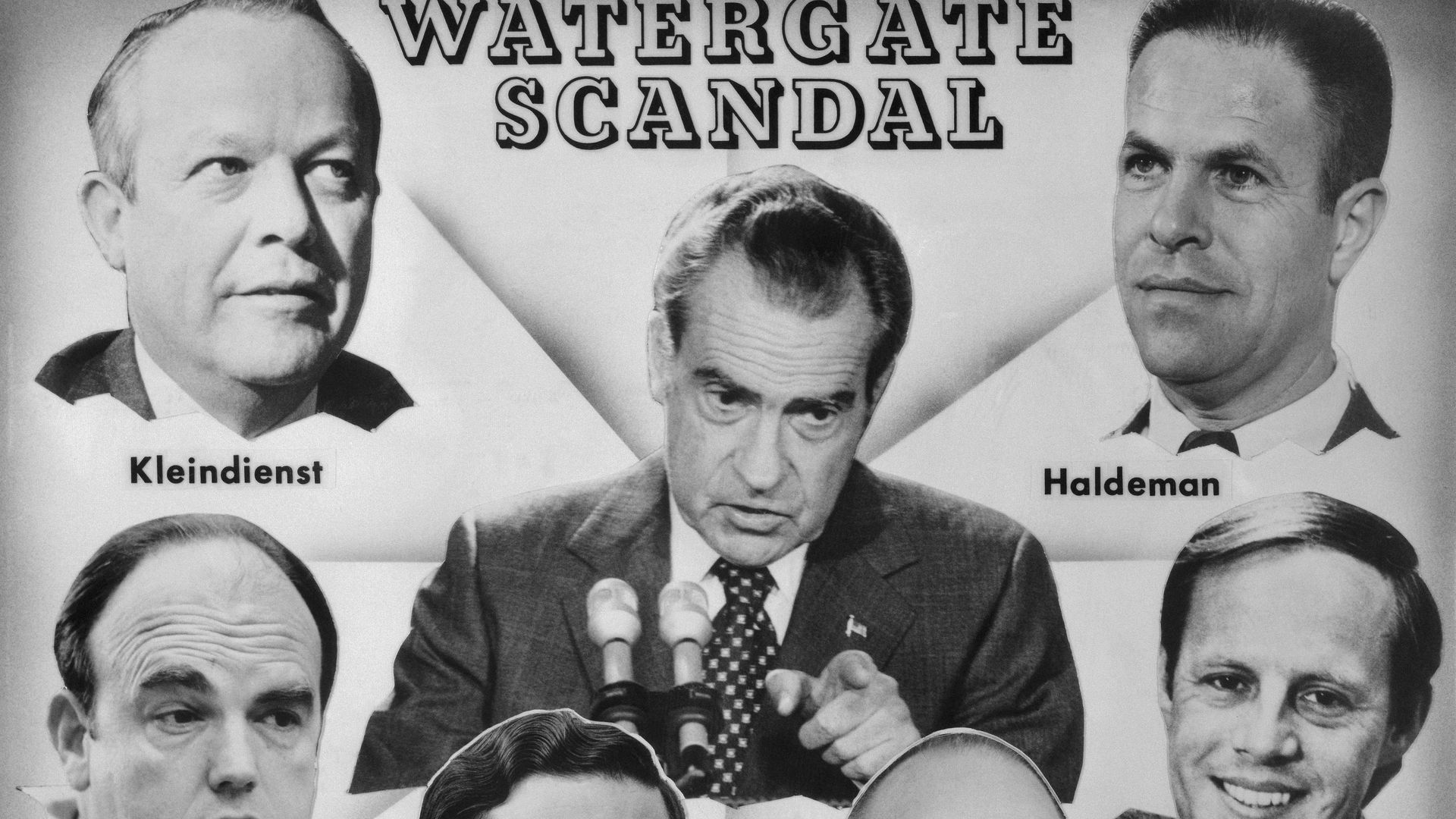
Why it matters: The similarities between Watergate and the Trump presidency are becoming more and more clear. "The White House seethes with intrigue and backstabbing as aides hunt for the anonymous Deep (state) Throat among them. A president feels besieged by tormentors — Bob Woodward is driving him crazy — so he tends his version of an enemies list, wondering aloud if he should rid himself of his attorney general or the special prosecutor or both," AP's Cal Woodard and Nancy Benac write.
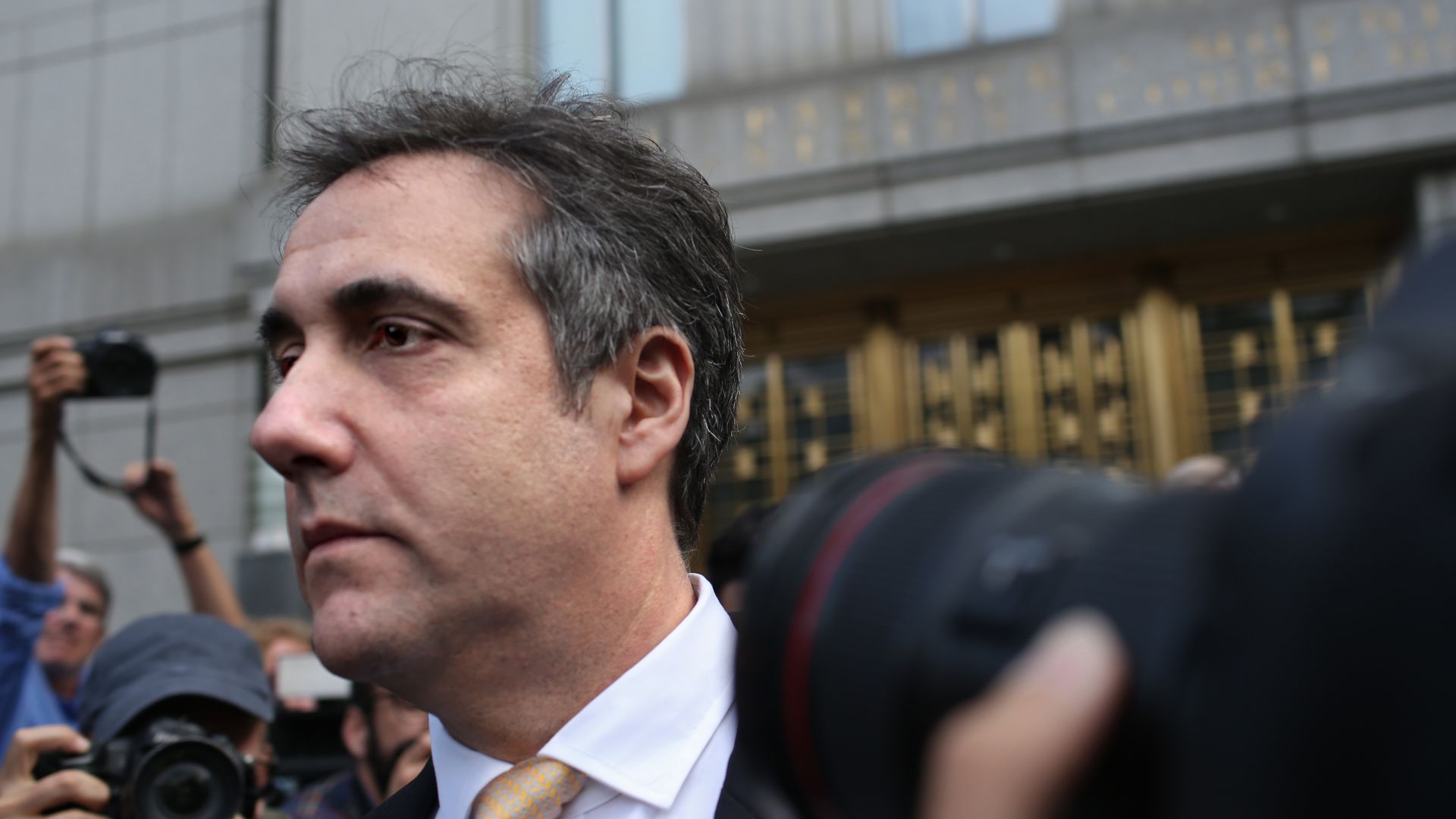
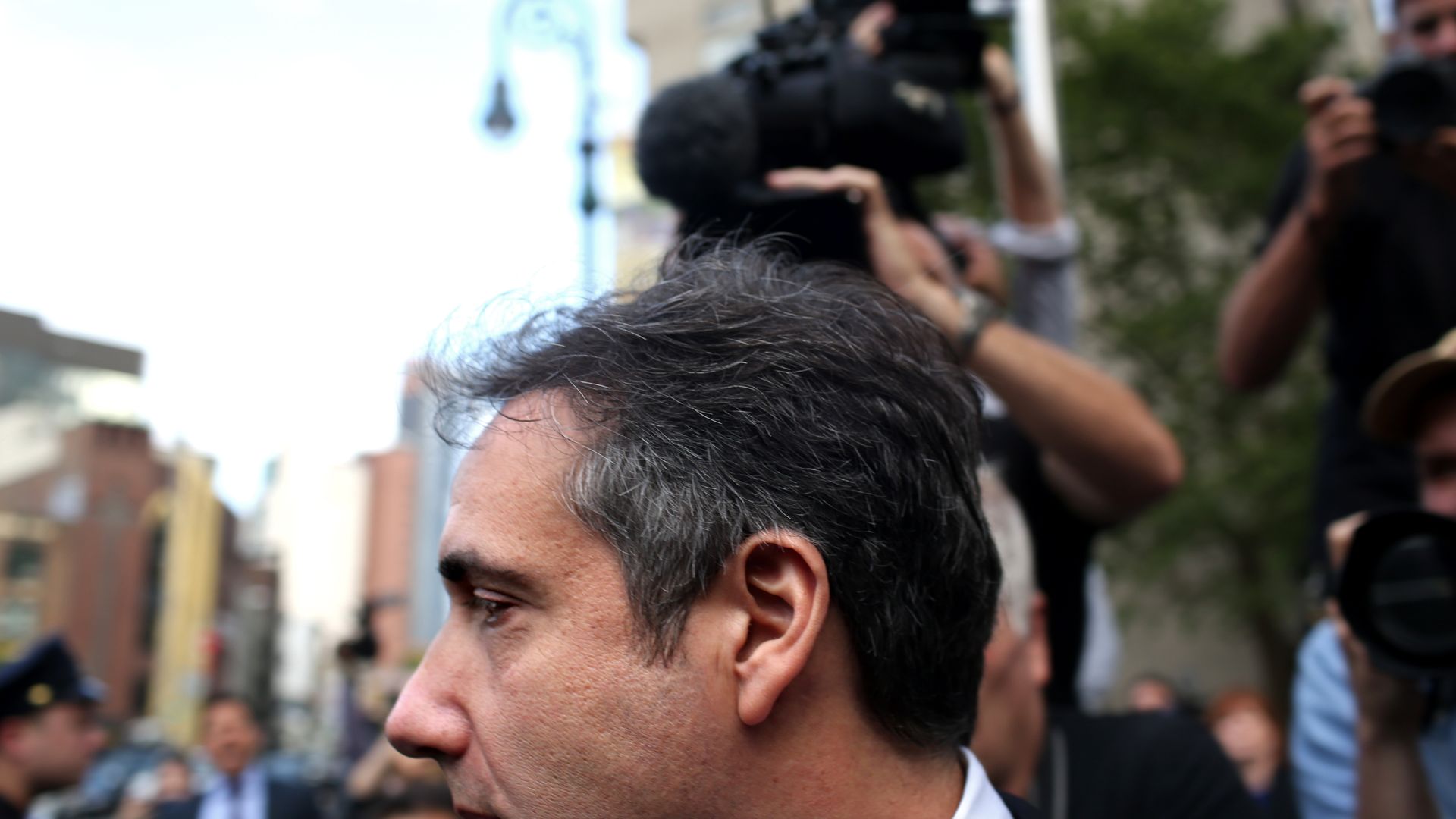
Federal prosecutors in Manhattan are looking into whether anyone in the Trump Organization violated campaign-finance laws in an effort to follow up on the conviction of Michael Cohen, Bloomberg reports.
Why it matters: The inquiry into the Trump Organization shows that the U.S. attorney's office is not satisfied with Cohen's guilty plea and believe there may be others complicit in Cohen's violations, including President Trump himself.
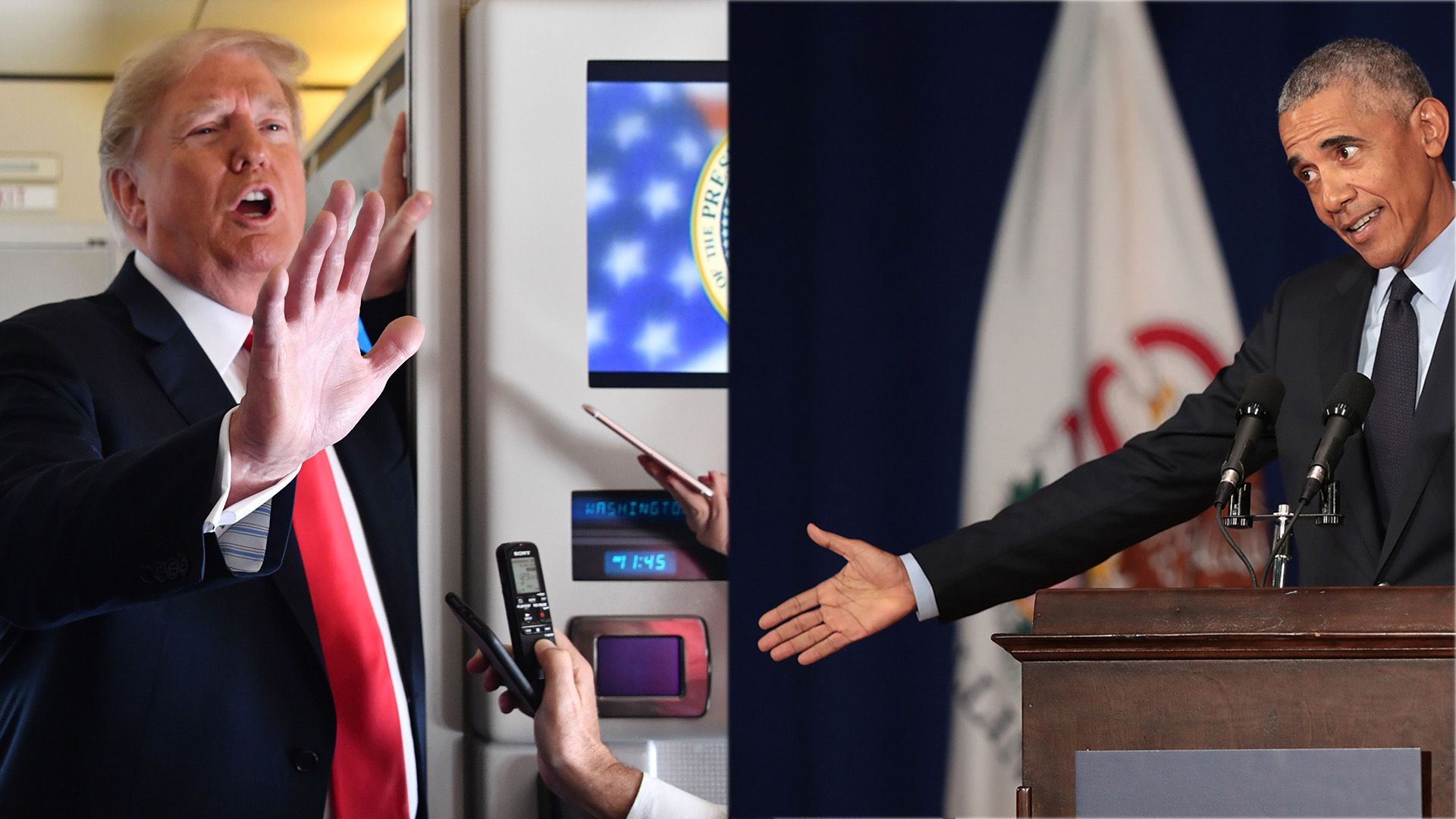
Today is exactly 60 days until midterms. Yesterday's personal, venomous face-off between President Obama (who went after his successor by name in Illinois) and President Trump (who attacked Bob Woodward and threatened the New York Times aboard Air Force One) said it all about the coming fall.
The state of play: Republican lawmakers would love to talk about the growing economy. House Democrats have a high-minded closing argument, "For the People."
Essential Consultants, the shell company owned by Michael Cohen, filed a status report on Friday "agreeing to tear up" the $130,000 hush money deal it made with Stormy Daniels, CNN reports.
Why it matters: Daniels may have to pay that money back, according to CNN. Her lawyer, Michael Avenatti, heard of the news moments before a CNN interview and said his first guess is that "they don't want me to get a chance to depose Michael Cohen and Donald Trump. This is a hail Mary to try and avoid that." He later said that Daniels will only pay back the $130,000 if Cohen and Trump are allowed to be deposed and the court rules in her favor, per CNN.
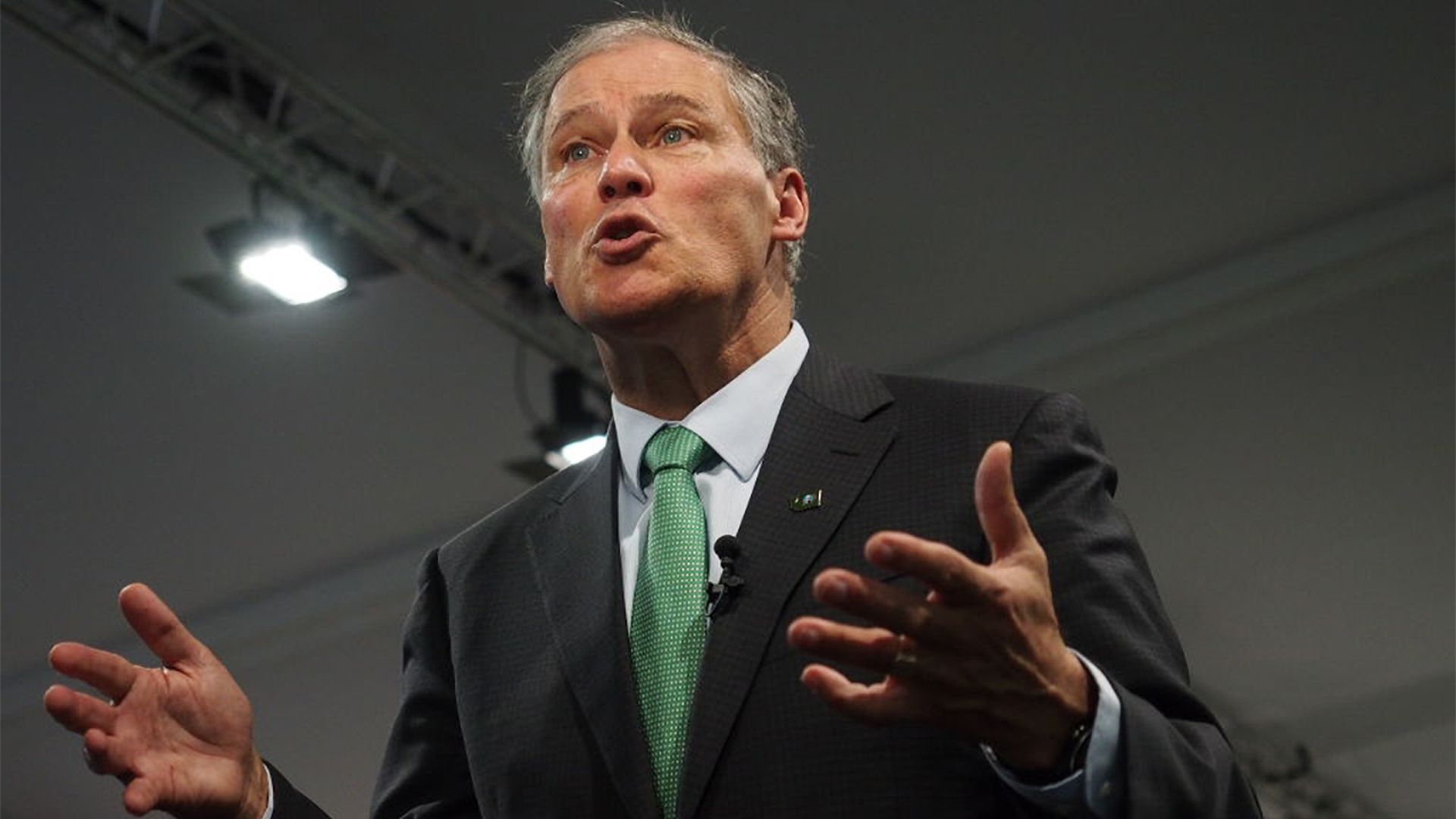
Washington Gov. Jay Inslee, a Democrat, outlined in a recent interview what he thinks a successful presidential candidate would look like — and it looks an awful lot like him — but fell short of saying he would run.
Why he matters: Inslee, chair of the Democratic Governors Association, is emerging as a leading progressive politician and critic of President Trump. CNN included him as a potential 2020 contender, and he also went to Iowa — the magnet for politicians who see a future president in the mirror — earlier this year.