Attempting to discern the roots of Europe's rising populist minority is difficult given the broad range of attitudes and social currents across the continent.
The big picture: While Europe's populist movements get a lot of frenzied discussion in the press, they haven't really gained that much clear electoral success. But they're still managing to seize the political narrative seemingly everywhere — even in countries that vary wildly demographically.
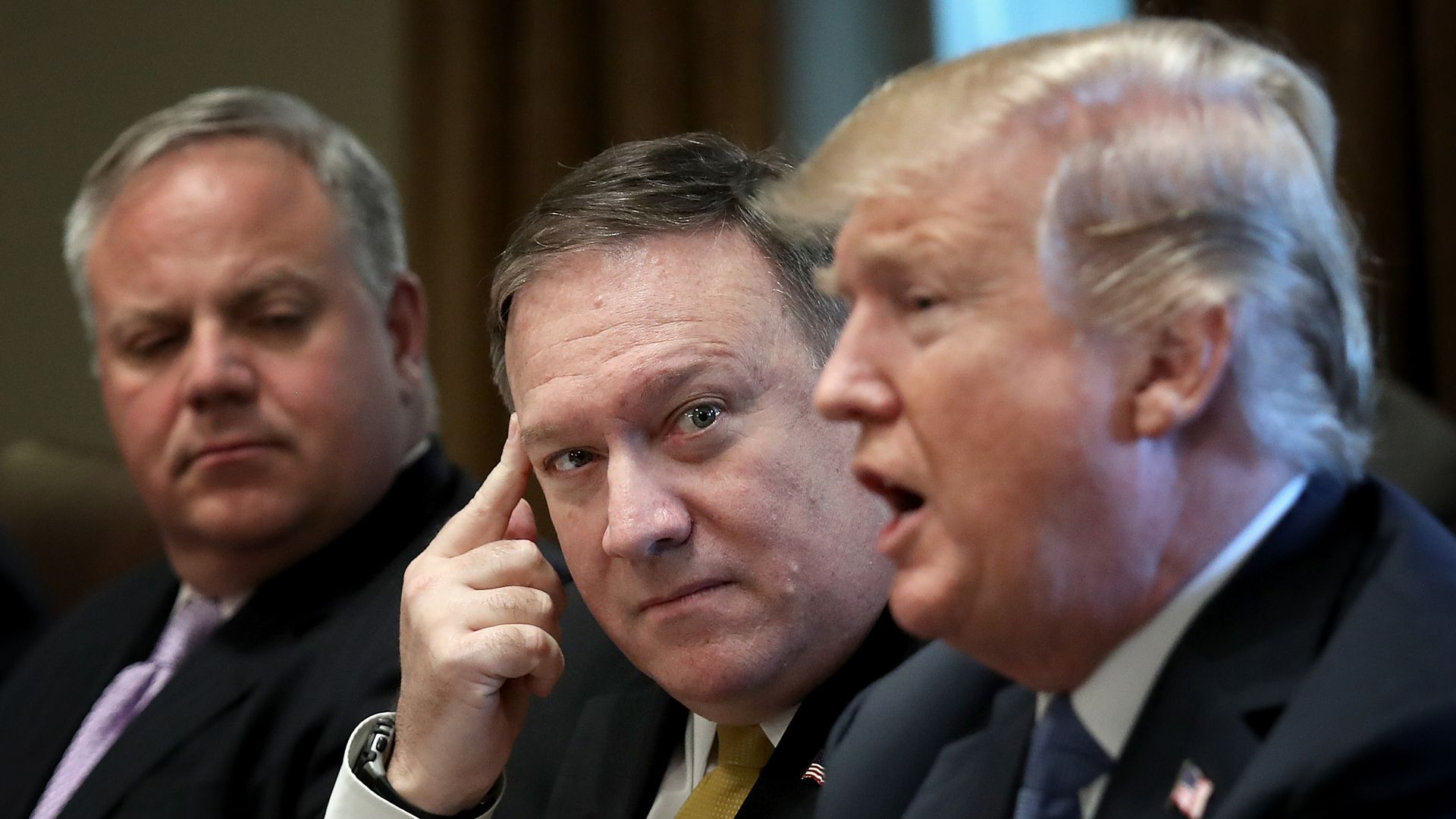
President Trump’s favorite hot-and-cold deal-making strategy appears to be losing steam. Trump ratcheted up tensions with North Korea to get Kim to the Singapore summit, and is following the same script with Iran: scuttling the nuclear deal, increasing economic pressure but then proposing talks. But North Korea has been dragging its feet on denuclearization since the summit, and Iran has for now rejected Trump's offer.
The big picture: Both Pyongyang and Tehran have suspected Trump's administration of harboring internal resistance to him, an impression that's been bolstered by Bob Woodward and a senior official's anonymous op-ed. It's clear now that there's a rift between Trump's own foreign policy and the recommendations of much of his national security team, as well as the default positions of the Republican (not to mention American) foreign policy establishment, and that his administration is thwarting his efforts to implement it.
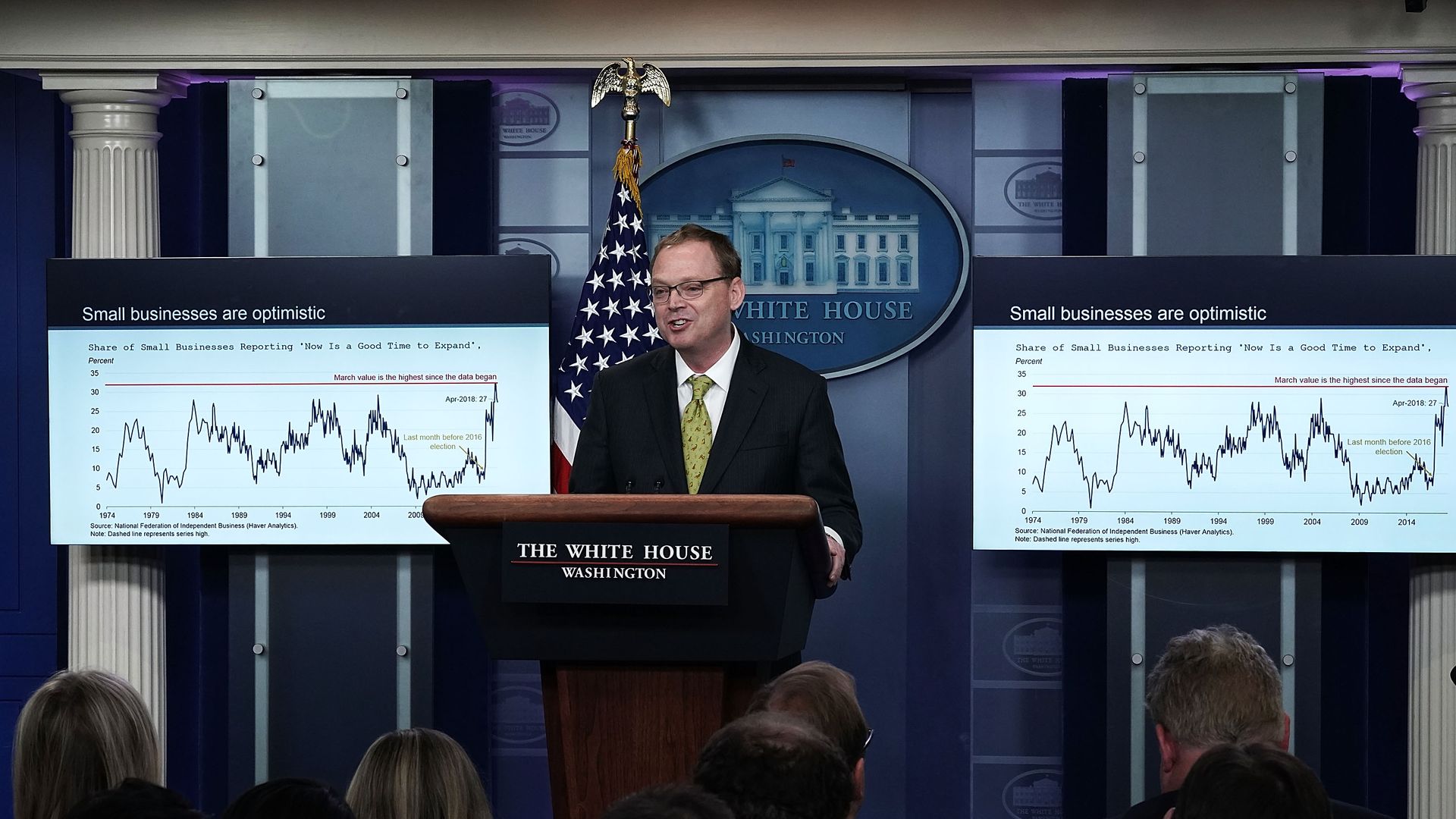
White House chief economic adviser Kevin Hassett, during a presentation on the overall health of the economy, pushed back Monday on comments made by former President Obama last week, saying its "factually incorrect” to assert that current economic gains are a continuation of trends from the previous administration.
Yes, but: Hassett made a point to note that the presentation he gave today was "not in any way a timing that's related" to Obama's speech, adding that his appearance in the briefing room had been planned for weeks. He also said President Trump's tweet from earlier today falsely claimed GDP growth has exceeded the unemployment rate for the first time in over 100 years. It's 10 years, Hassett said, not 100 years.
It’s looking more likely that Republicans could lose the House in November, and Democrats are already planning their opening moves against the GOP if that happens.
Why it matters: The 2016 election gave Republicans the power to pass their agenda easily, from cutting taxes to cracking down on immigration. But a Democratic House would be able to stop them in their tracks. Democrats need to win 23 seats to take the majority in the House.
My colleague Mike Allen, who's covered a few midterm elections in his time, says it's rare to see so much evidence of a trend accumulate so many months out, only for all the signals to be proven wrong.
Data: Cook Political Report, Real Clear Politics, Politico, The Washington Post, CNN, 538; Table: Lazaro Gamio/Axios
The big picture: Yes, the punditocracy is being cautious about 2018 because it has fresh memories of how humiliating it felt to wake up on Nov. 9, 2016, with Donald Trump as president. But the graphic above tells a stark story and shows the pundit class may be underestimating the odds of a devastating election season for Republicans.
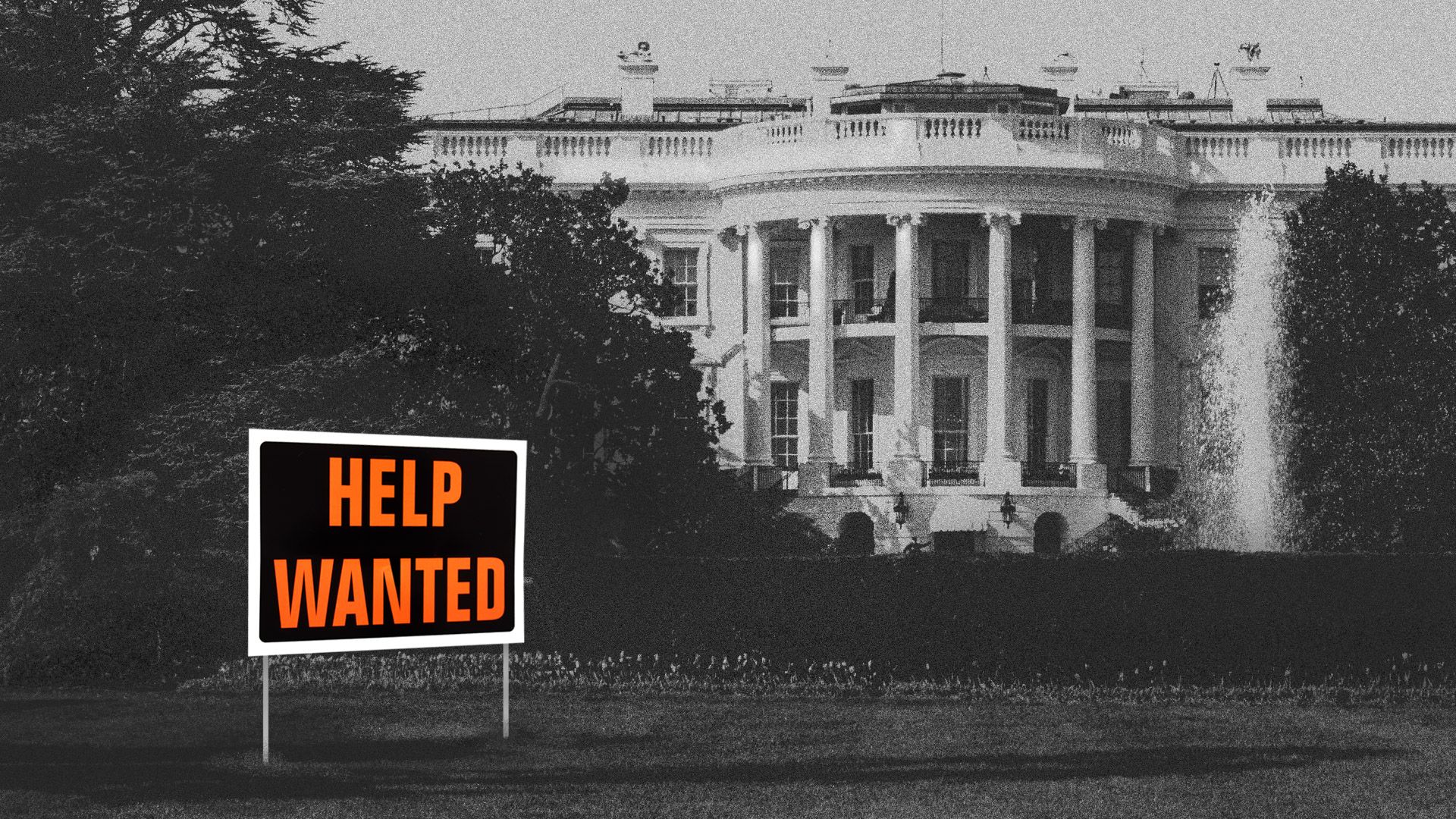
President Trump was bluffing when he tweeted that he knows the successor to White House counsel Don McGahn, and instead he is vacillating about new legal leaders as he girds for open warfare with Democrats and Robert Mueller. The newest name on the president's mind: Fannie Mae general counsel Brian Brooks, two sources with direct knowledge tell me.
Why it matters: This is, by far, Trump's most important current staffing decision. The climax of Mueller's probe lies ahead. And the White House faces the possibility of impeachment proceedings — and certainty of endless subpoenas and investigations — if Democrats win the House in November.
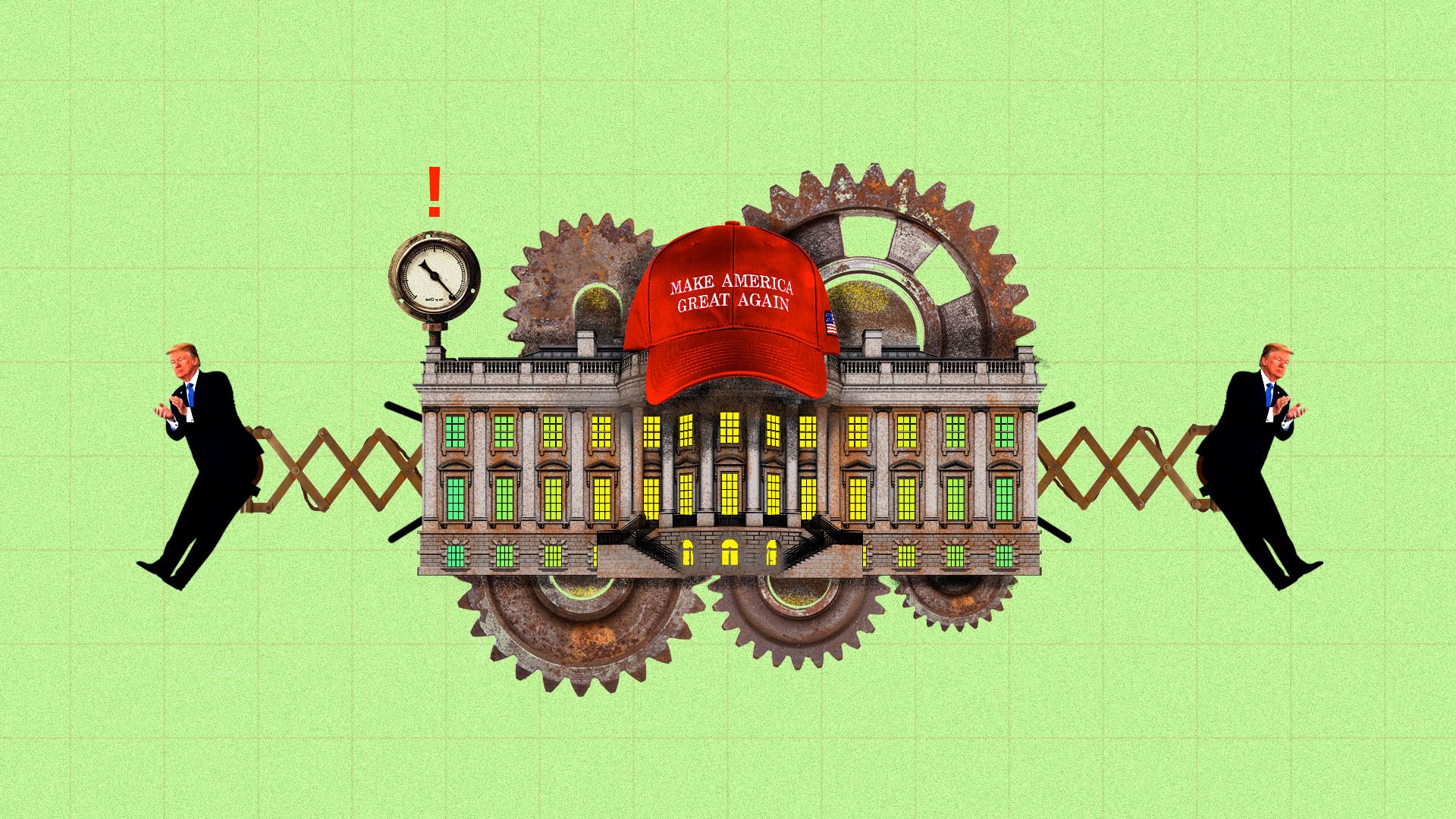
It's hard to overstate the extremity and variety of pressures bearing down on President Trump and his understaffed White House.
The bottom line: Taken together, it's a jaw-dropping list of problems, and Trump's "fine-tuned machine" is creaking under this stress. We're at a hinge point in the Trump presidency, and staff sound as unsettled as I've heard them in the 19 months since he took office.
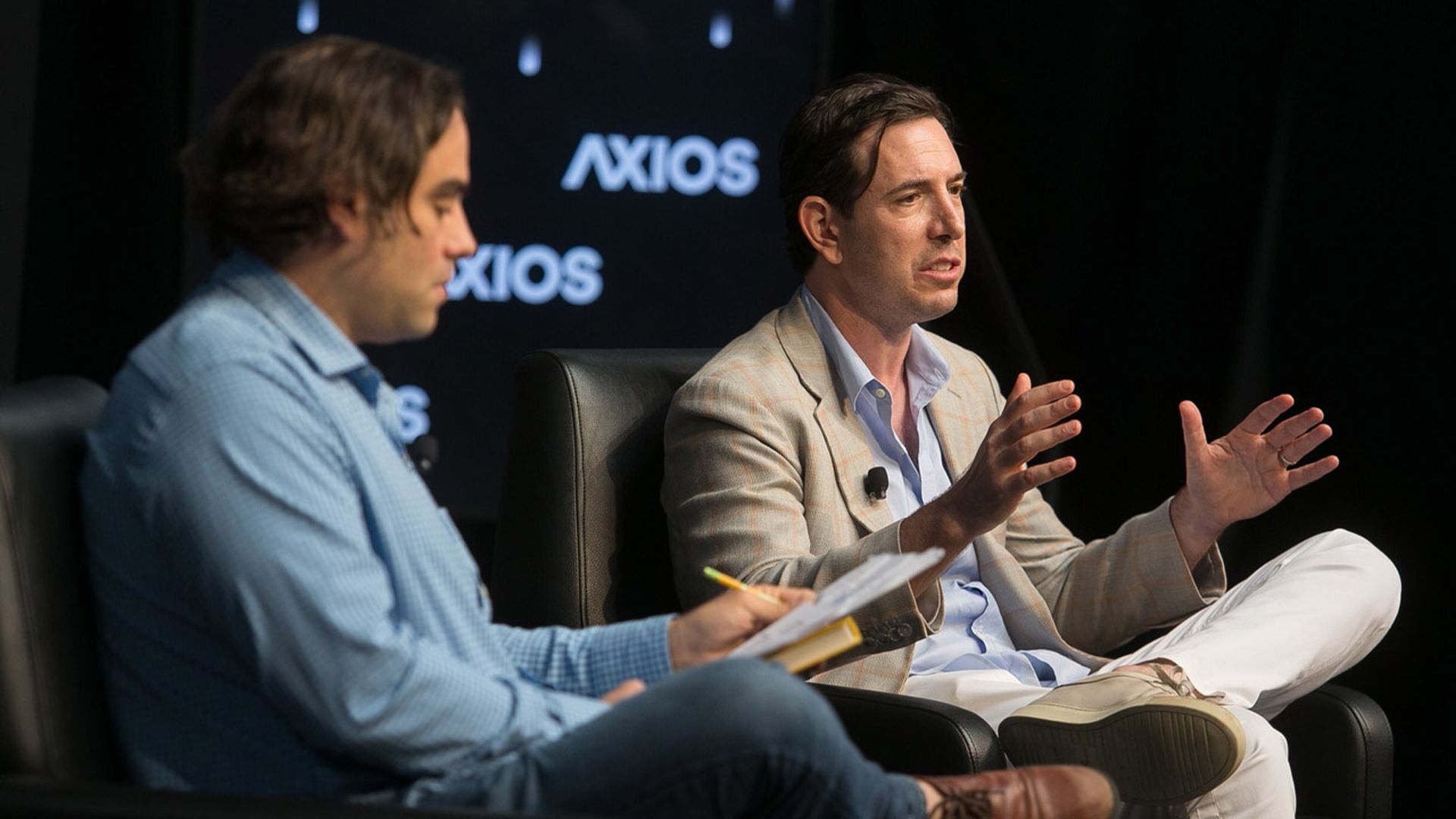
Political strategist turned venture capitalist Bradley Tusk did not rule out the possibility that his former boss, former New York City Mayor Michael Bloomberg, might run for president in 2020. But speaking at an Axios event on Friday, Tusk, who managed Bloomberg's third mayoral campaign, said the path for independents will be much more difficult in 2020 than it was in 2016.
"We're in a moment right now where people are really partisan ... I just think people are so polarized right now that an independent in 2020 would be very tough."
Voters in Sweden are heading to the polls today to vote in an election that could lead to a hard right turn for one of the most progressive nations in the world.
Data: SVT poll of 1,847 adult Swedish citizens conducted Sept. 4–6, 2018; Chart: Andrew Witherspoon/Axios
Why it matters: The election has featured many of the same themes that have defined political campaigns all over the world for the past two years: anti-establishment politics fueled by frustration with the status quo, a massive influx of immigrants and disinformation spread through social media. And a far-right party could be the big winner.

Former White House staffer Omarosa Manigault Newman claimed on MSNBC Sunday that she and other members of the Trump administration texted each other the hashtag "#tfa," referring to the 25th Amendment, "more than 100 times" during her tenure to discuss President Trump's "unhinged" actions.
Why it matters: The 25th Amendment can be invoked by the vice president and a majority of the Cabinet to remove a president they consider to be "unable to discharge the powers and duties" of the presidency. It took center stage this week after an anonymous senior White House official claimed that some Cabinet members had discussed using it in a controversial New York Times op-ed.
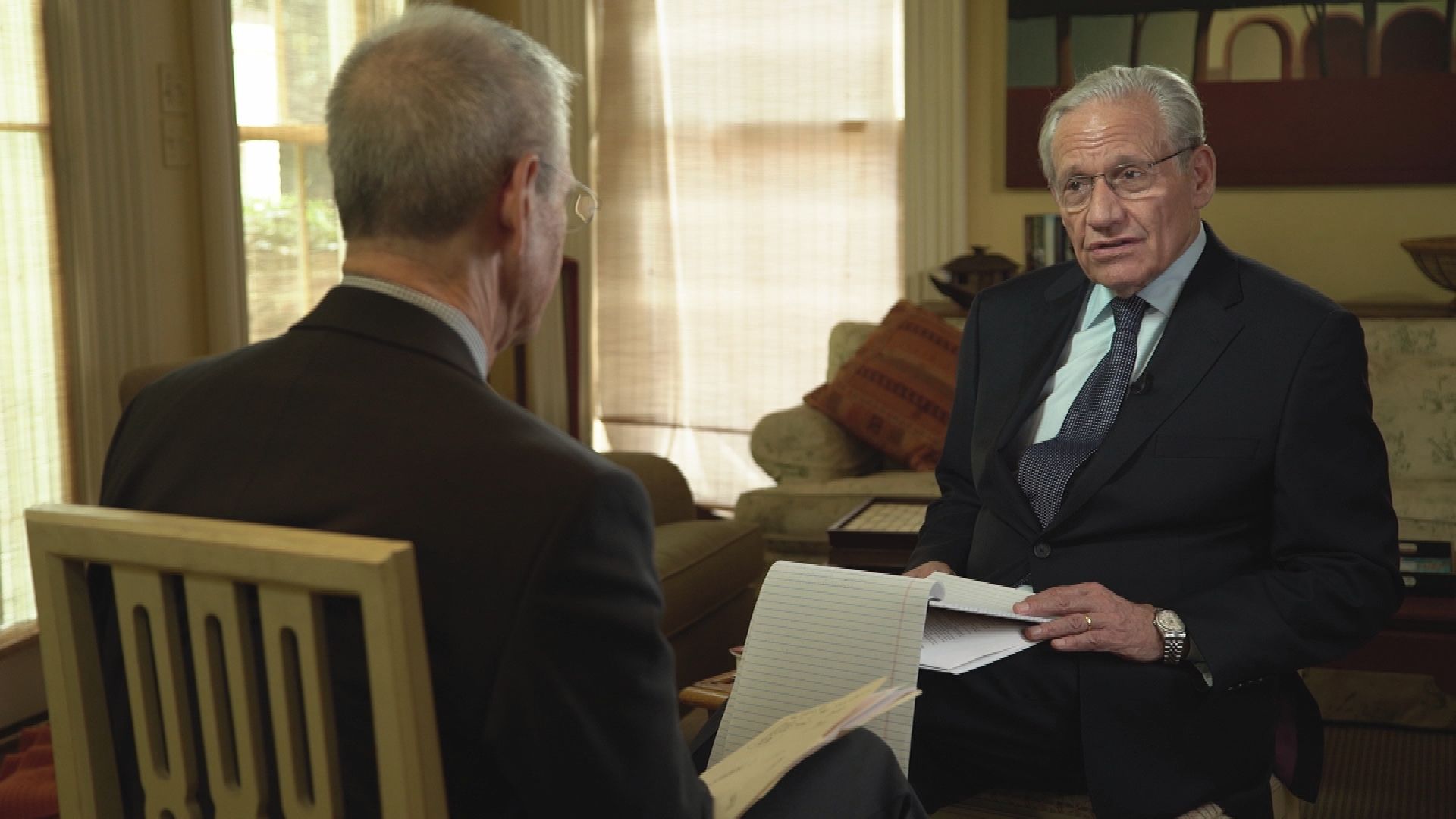
Bob Woodward, the author of the Trump White House chronicle "Fear," urged Americans to "wake up to what's going on" in the administration after President Trump and other White House officials spent days assailing his new book in an interview with CBS Sunday Morning.
The big picture: Woodward defended his reporting, which Trump attacked as a "work of fiction," saying his work included "[m]ultiple interviews with key witnesses. One person I interviewed nine times, and transcripts of those conversations are 700 or 800 pages."