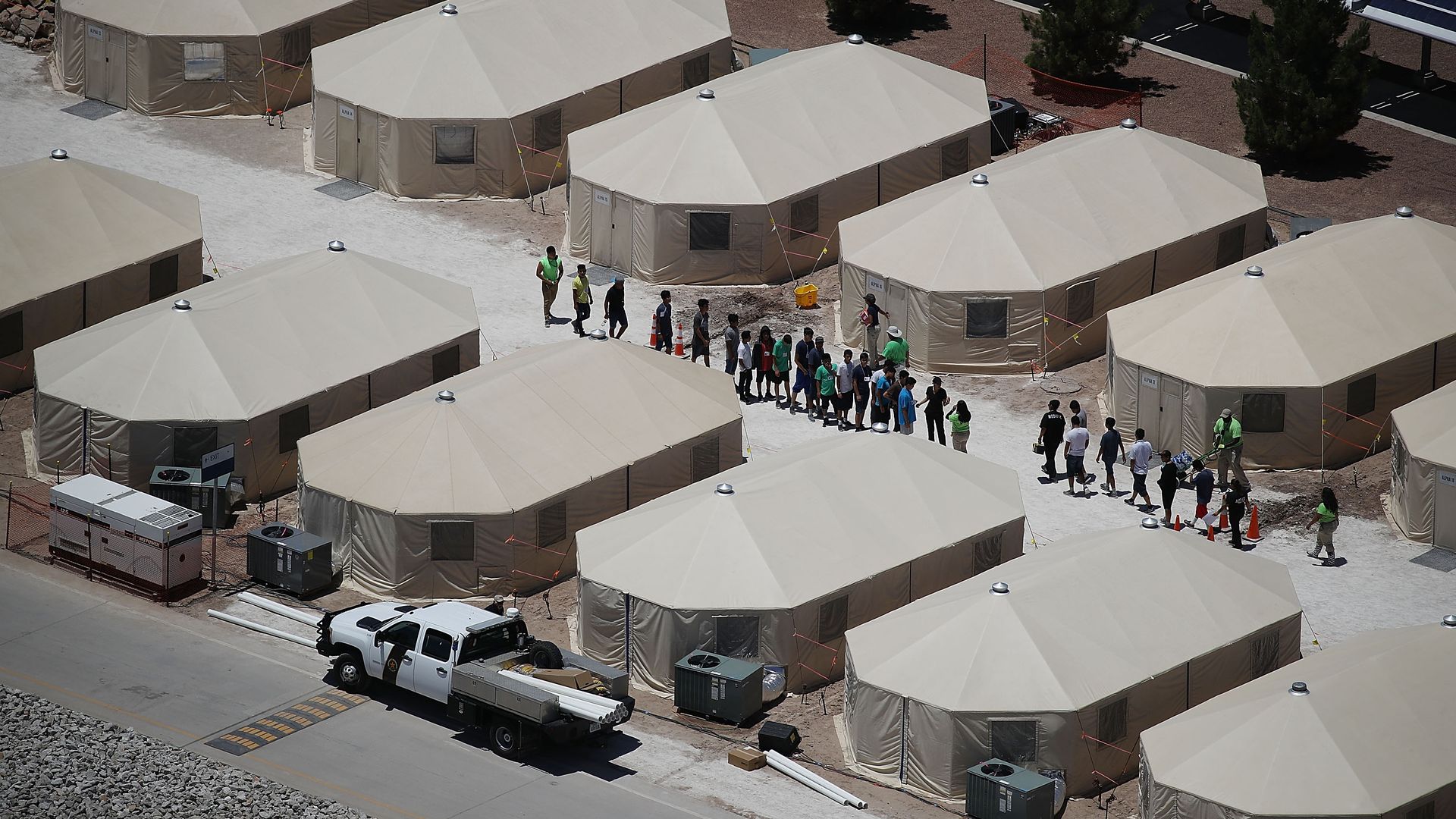
New data obtained by the New York Times reveals that 12,800 migrant children are under federal detention as of this month — in contrast to the approximately 2,400 children in custody of May of last year — marking the highest record ever documented.
Key finding: The spike is in response to a drop in the number of children being released to stay with relatives and other sponsors, some of whom are discouraged from coming forward to sponsor children amid strict immigration enforcement, per the Times. The data collected by the Department of Health and Human Services also shows that the increase is not due to the influx of children crossing the border.
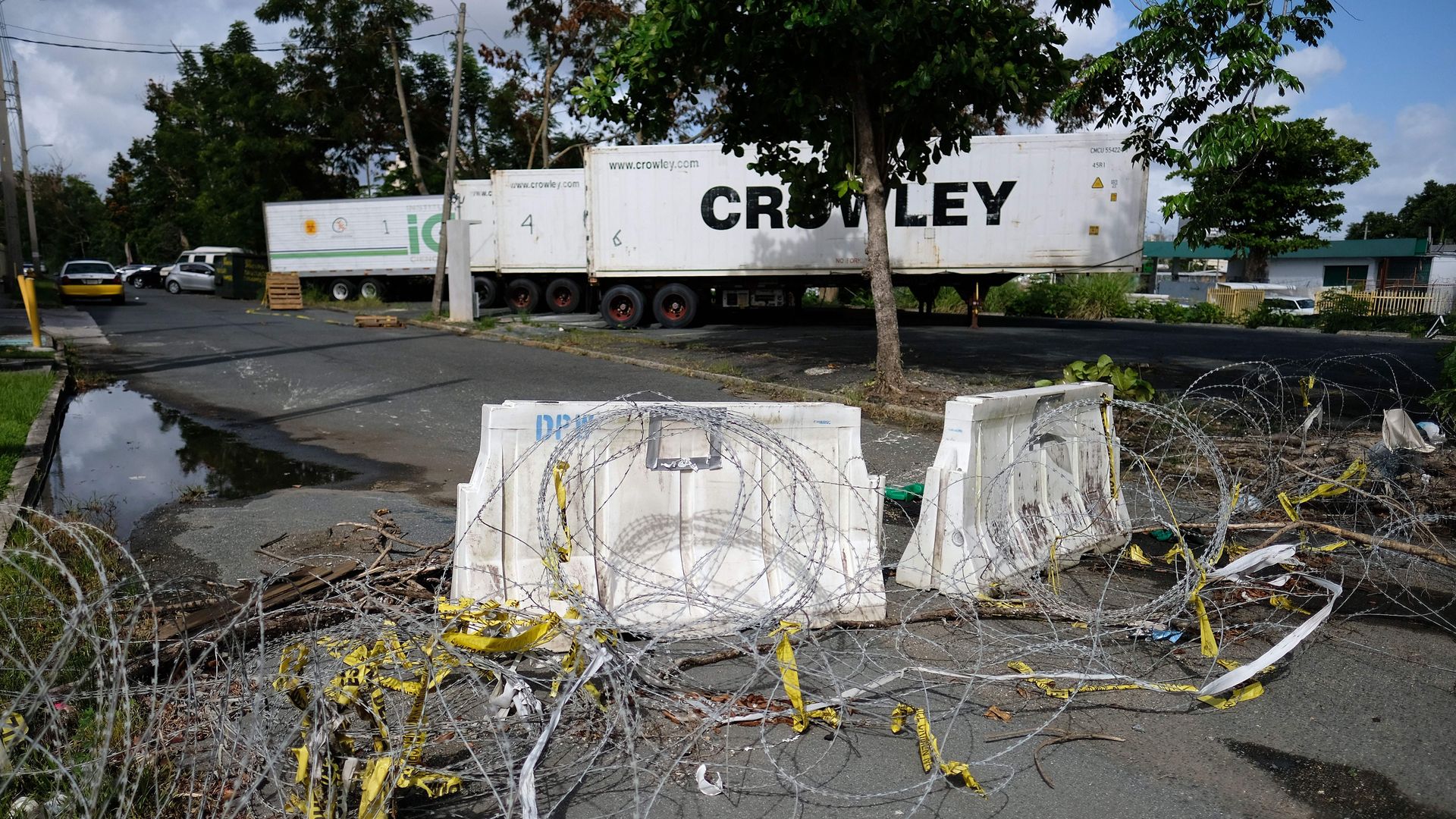
Puerto Rican residents believe that the response from all levels of government, including that of President Trump, has been inadequate, according to Washington Post/Kasier Family Foundation polling data.
Why it matters: Trump touted the country's response in the aftermath of Hurricane Maria that slammed Puerto Rico, saying the administration did an "unappreciated great job." Puerto Rican residents see things differently — not only with Trump, but with their own local government as well.
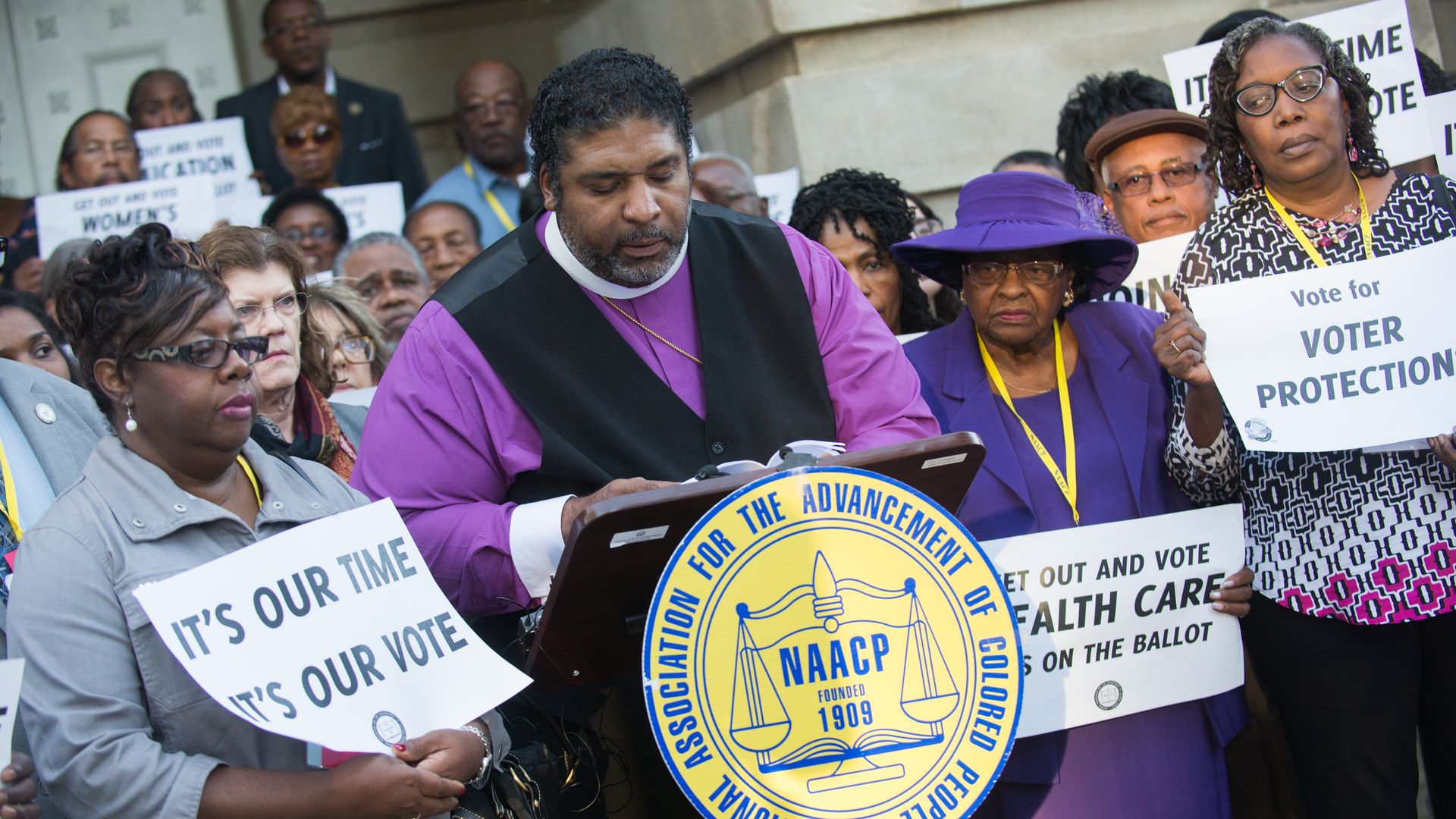
A blistering report released Wednesday by the bipartisan U.S. Commission on Civil Rights found that Justice Department efforts to protect minority voters' rights have significantly declined following the Supreme Court’s 2013 decision to invalidate a key provision of the landmark Voting Rights Act.
The backdrop: The 5-4 ruling in Shelby v. Holder prevents the DOJ from blocking voting laws in jurisdictions with a history of racial discrimination. The report shows that this has paved the way for a deluge of restrictive laws that have made minorities more vulnerable to voter suppression.
Lawmakers on both sides of the aisle are saying President Trump's executive order, which lays out a process to levy sanctions on foreign entities that meddle in U.S. elections within 90 days of elections, is insufficient to deter adversaries.
The rub: Sanctions would be rolled out at the discretion of the president under the order, but lawmakers said that is not the most judicious or firm way to slap sanctions on foreign entities meddling in the U.S. democratic processes, indicating instead they want a congressional check on Trump.
President Trump signed an executive order on Wednesday authorizing sanctions on foreigners who meddle in U.S. elections, the AP reports.
Why it matters per Axios' Shannon Vavra: There are fewer than 100 days before the 2018 midterm elections, and candidates and government officials have already been targets of hacking this year. Both Sen. Jeanne Shaheen of New Hampshire and Sen. Claire McCaskill of Missouri have been targeted by hacking attempts.
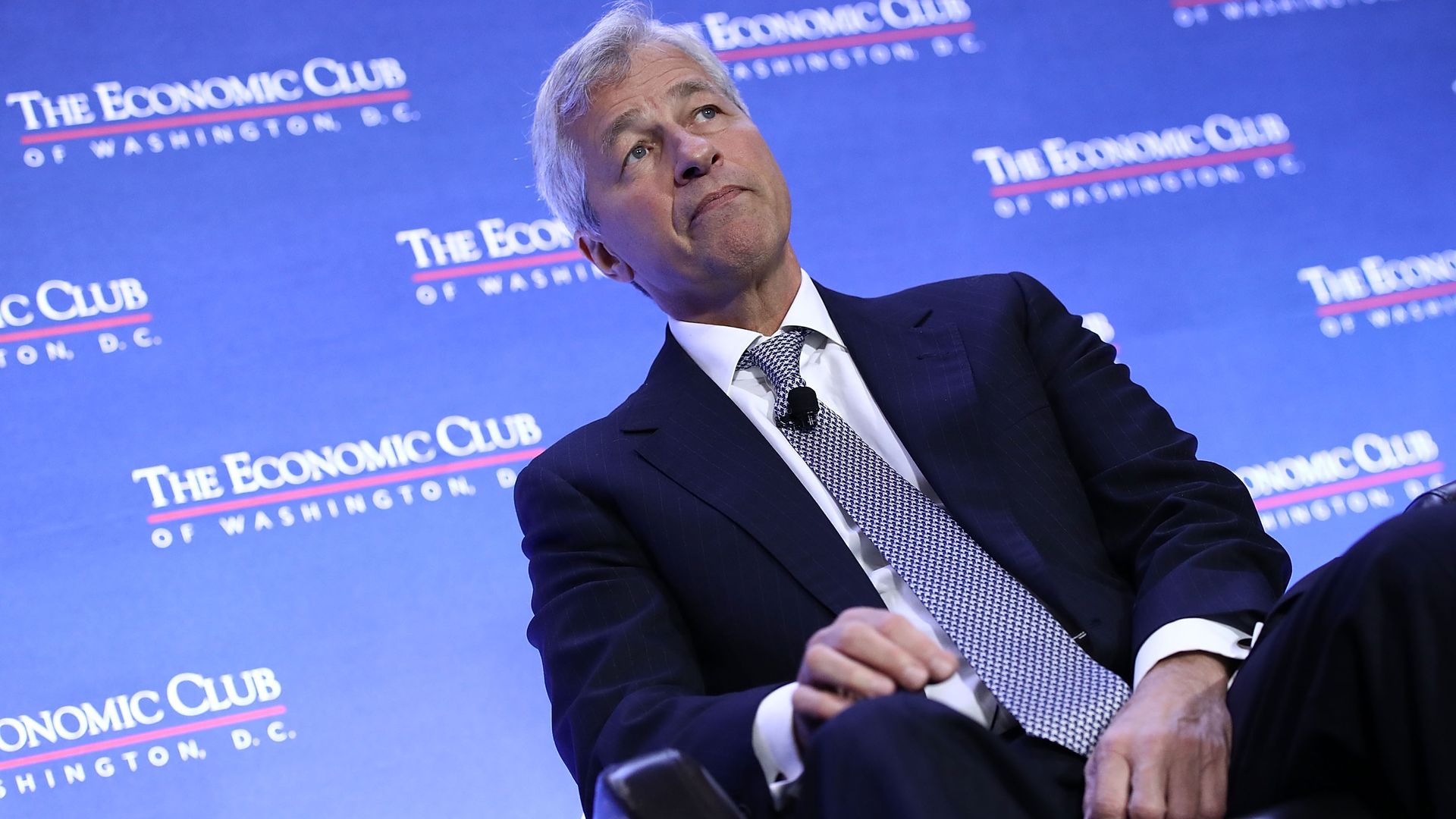
Jamie Dimon, CEO of JPMorgan Chase, said Wednesday that he thinks he would beat President Trump in an election, though he doesn't plan on running.
"I think I could beat Trump ... because I'm as tough as he is, I'm smarter than he is. I can't beat the liberal side of the Democratic Party. ... And by the way this wealthy New Yorker actually earned his money, it wasn't a gift from Daddy."
Yes, but: Dimon quickly backtracked on his remarks after making them. In a statement to Bloomberg, Dimon later said his comments prove he "wouldn't make a good politician. I get frustrated because I want all sides to come together to help solve big problems.”
President Trump, who rarely focuses beyond the moment before him, is starting to acknowledge the growing chance Democrats could very well win in November — and very well try to impeach him.
The big picture: A few months ago, he was scoffing at midterm consequences for him. But now Trump has heard the dire warnings from enough advisers that he’s shifting into salvation mode, sharpening his campaign rhetoric and privately contemplating life under subpoena — and the threat and reality of impeachment.
MSNBC's Rachel Maddow reported Tuesday that the Trump administration transferred $9.8 million from FEMA's budget to ICE, citing budget documents provided by Sen. Jeff Merkley (D-Ore.).
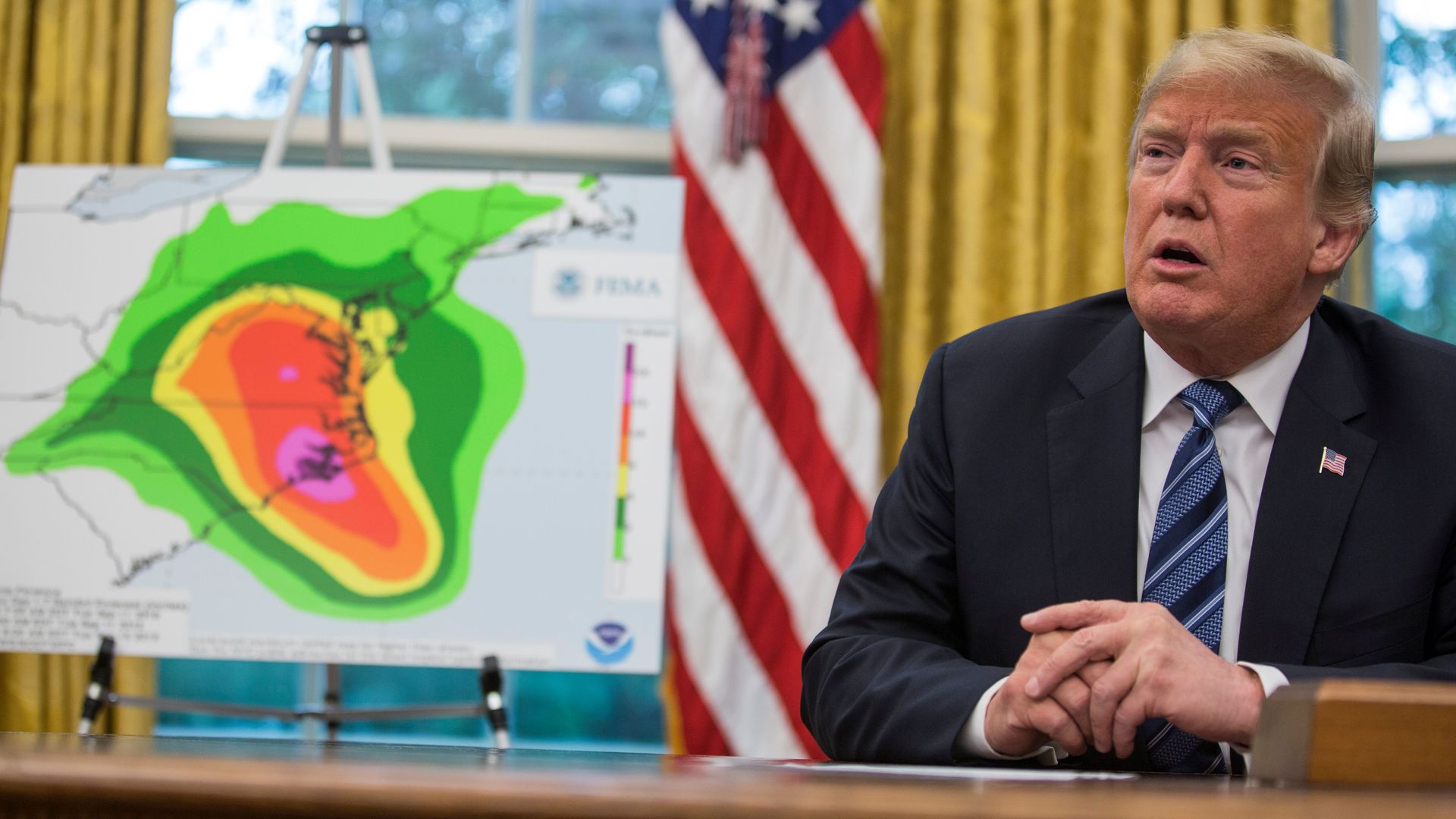
The big picture: The slash in funding comes as the East Coast braces for Hurricane Florence, which threatens to wreak havoc within days, with two other tropical systems on the horizon. The Department of Homeland Security quickly followed up in a tweet refuting the claims, saying "The money in question — transferred to ICE from FEMA’s routine operating expenses — could not have been used for hurricane response due to appropriation limitations."
Chris Pappas, a member of the New Hampshire Executive Council, won the state's Democratic primary Tuesday night for the 1st Congressional District to replace retiring Rep. Carol Shea-Porter (D), reports the AP.
Data: AP. Visuals: Axios
Why it matters: Pappas emerged from a crowded field of 11 Democratic candidates, including Levi Sanders, the son of Sen. Bernie Sanders (I-Vt.) He will face off with a Republican in November in a district that narrowly voted for President Trump in 2016. Shea-Porter won it by just one point in the last election. The swing district has flipped back and forth between Democrat and Republican representatives since 2011.
The department of Health and Human Services said Tuesday it will triple the size of an immigration detention camp outside El Paso to accommodate up to 3,800 migrant children, reports the Dallas Morning News.
The details: Kenneth Wolfe, a spokesman for HHS, said the expansion is in response to the growing number of new arrivals at the border, not the administration’s family separation policy that ended in June after amid widespread rebuke. Wolfe said that the Tornillo site will stay open through the end of the year.
President Trump is expected to sign an executive order as soon as Wednesday that would threaten sanctions on foreign companies, individuals or governments that meddle in U.S. elections, Reuters reports citing two sources.
Why it matters: There are fewer than 100 days before the 2018 midterm elections, and candidates and government officials have already been targets of hacking this year. Both Sen. Jeanne Shaheen of New Hampshire and Sen. Claire McCaskill of Missouri have been targeted by hacking attempts.
Why it matters: This increase was due mostly to the new Republican tax law and Congress' routine decision to increase spending, which grew by 7% compared to revenue growth of only 1%. The CBO says the deficit will approach $1 trillion by the end of Fiscal Year 2019.
Editor's note: This post was corrected to reflect that the CBO did not change their estimate of when the U.S. would approach a trillion dollar deficit. (We had incorrectly stated they changed their current estimate from one in April.)
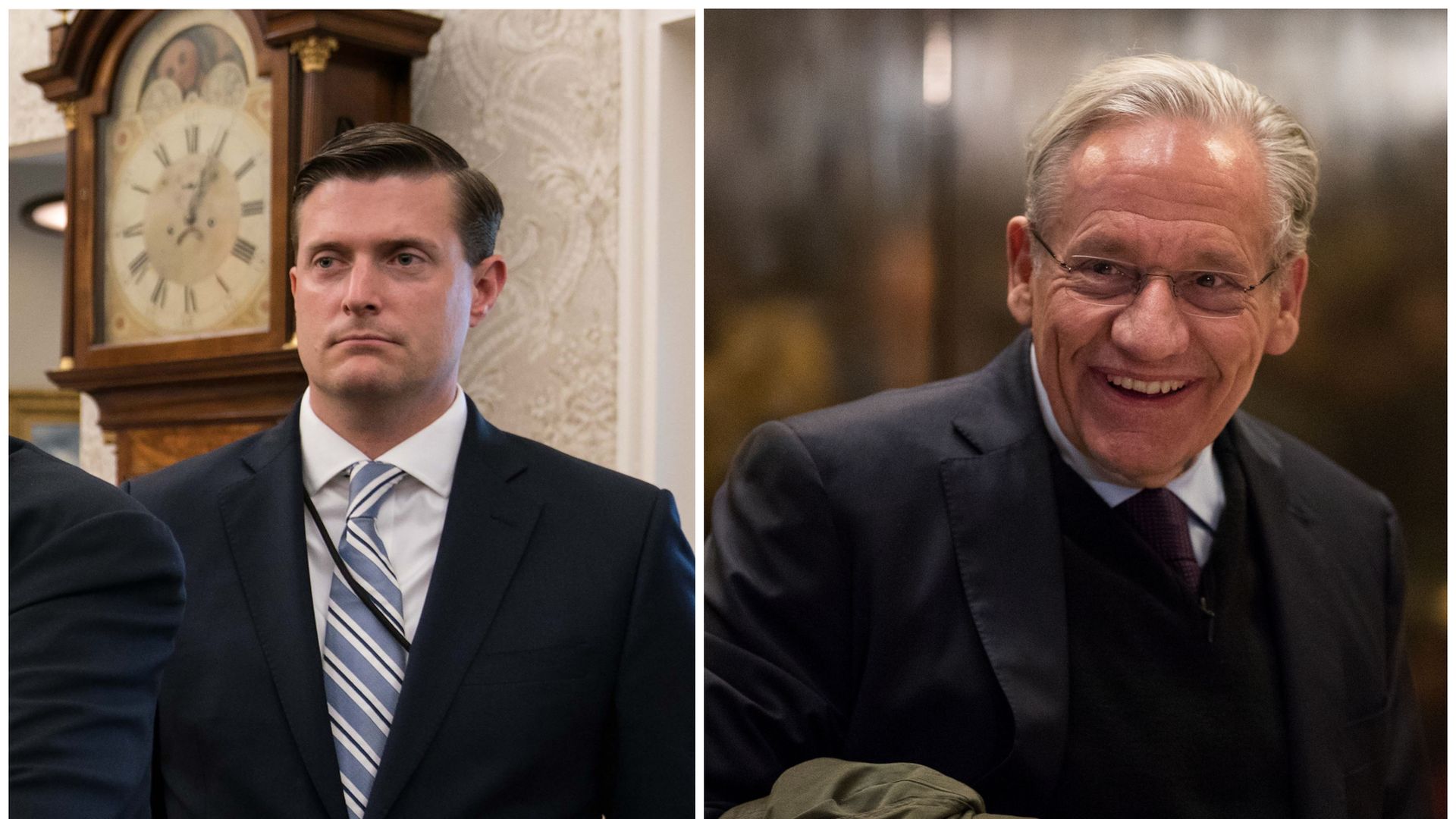
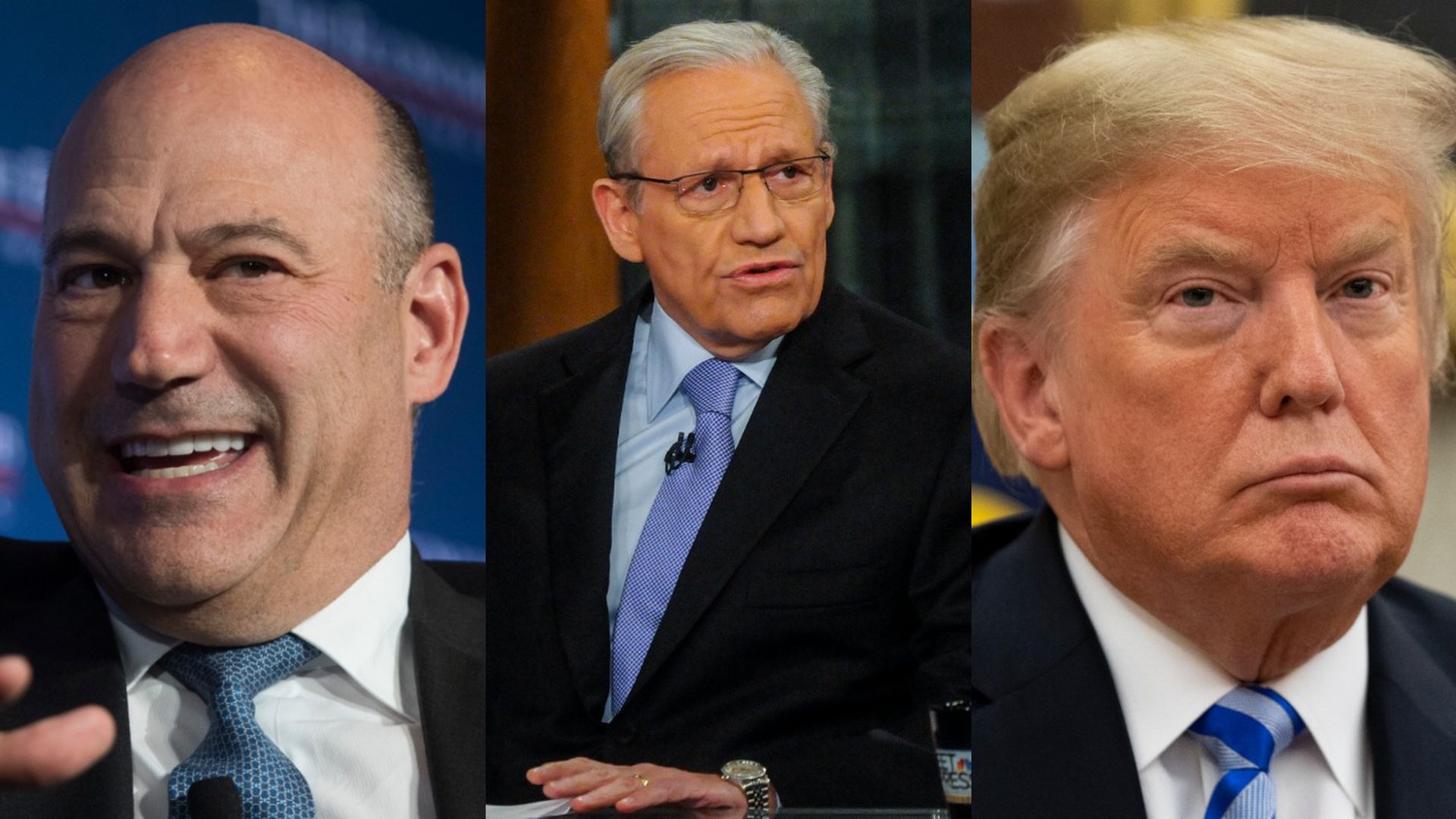
Former White House staff secretary Rob Porter is joining Gary Cohn in releasing a statement against Bob Woodward's new Trump book, "Fear."
What they're saying: Porter alleges Woodward's book is "selective and often misleading" about President Trump and the administration, while Woodward tells Axios, “I stand by my reporting.”
Gary Cohn, former White House economic adviser to President Trump, is taking on Bob Woodward's "Fear" with a statement calling it inaccurate — but is declining to say what specifically Woodward has gotten wrong.
What he's saying: "This book does not accurately portray my experience at the White House," Cohn told Axios in a statement. "I am proud of my service in the Trump Administration, and I continue to support the President and his economic agenda."
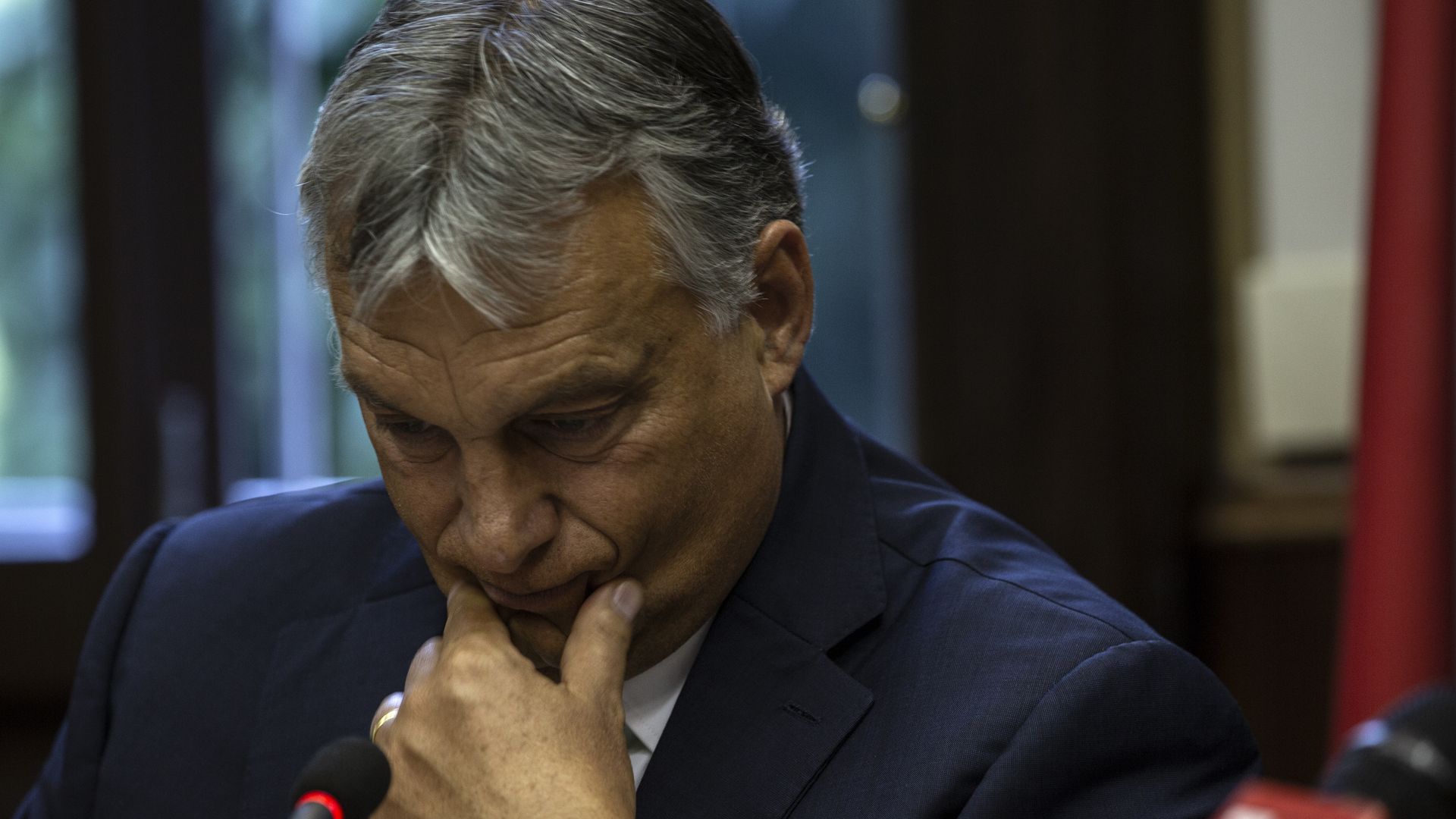
The European Parliament will debate Tuesday whether to sanction Hungary and its authoritarian leader Viktor Orbán for consistently undermining democracy and the rule of law, a move that could lead to a suspension of the country's voting rights, reports Reuters.
The big picture: Orbán represents the extreme end of Europe's immigration hardliners, having ordered a physical border barrier in 2015 to prevent asylum seekers from entering Hungary at the height of the migrant crisis. The vote will be a test of whether the EU's center-right establishment, which is aligned with Orbán's party in parliament, will take a stand against the rising tide of far-right populists in Europe.
People who voted for Barack Obama and then Donald Trump still want the change they voted for in 2016 — and they're open to giving Democrats a chance.
Why it matters: These are the quintessential swing voters who can decide an election. Last week I traveled to Canton, Ohio, to sit in on an Engagious focus group of six Obama-Trump voters and six Mitt Romney-Hillary Clinton voters. Turns out they're not too happy, and their dissatisfaction could benefit Democrats in the 2018 midterm elections.