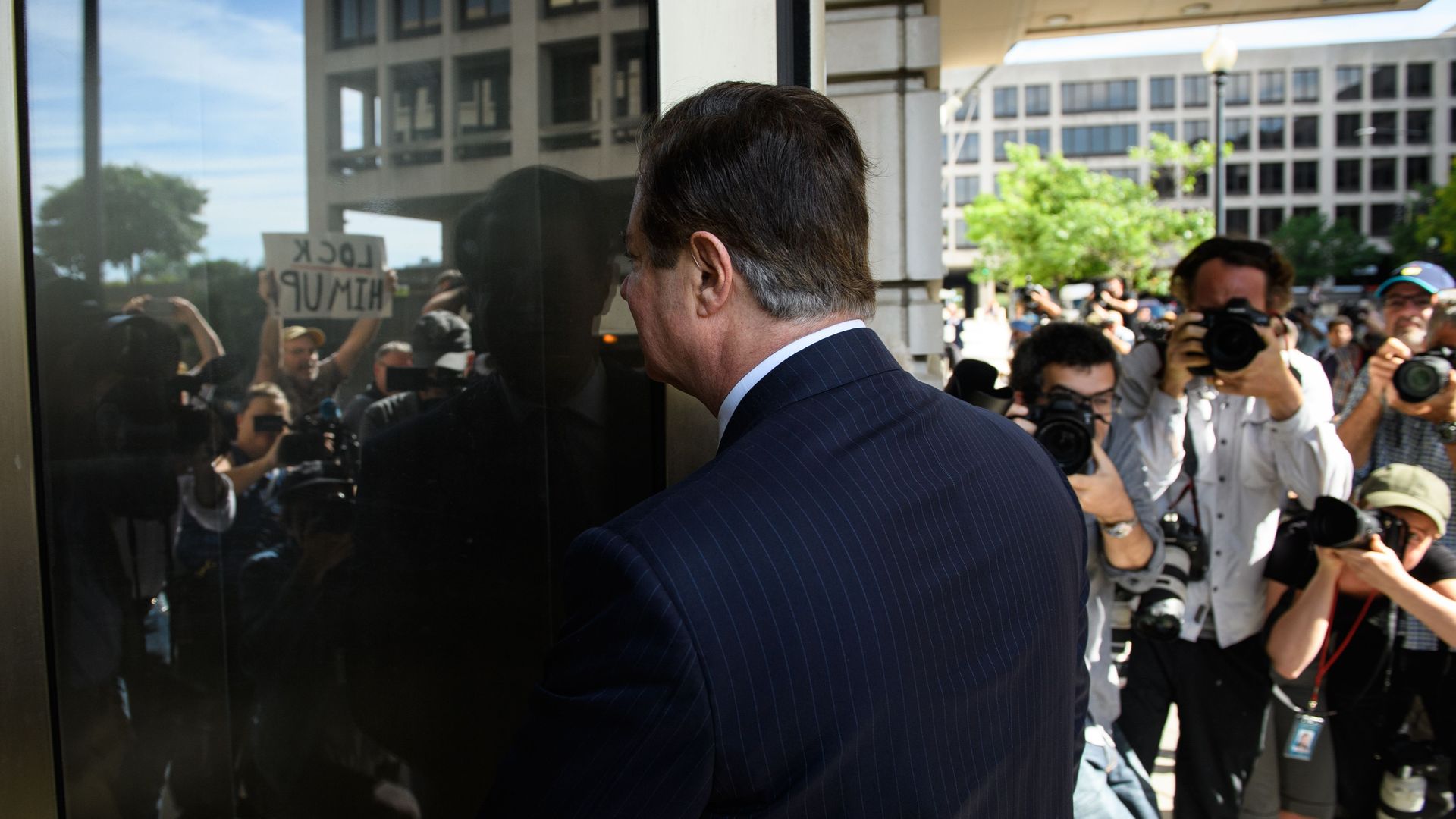
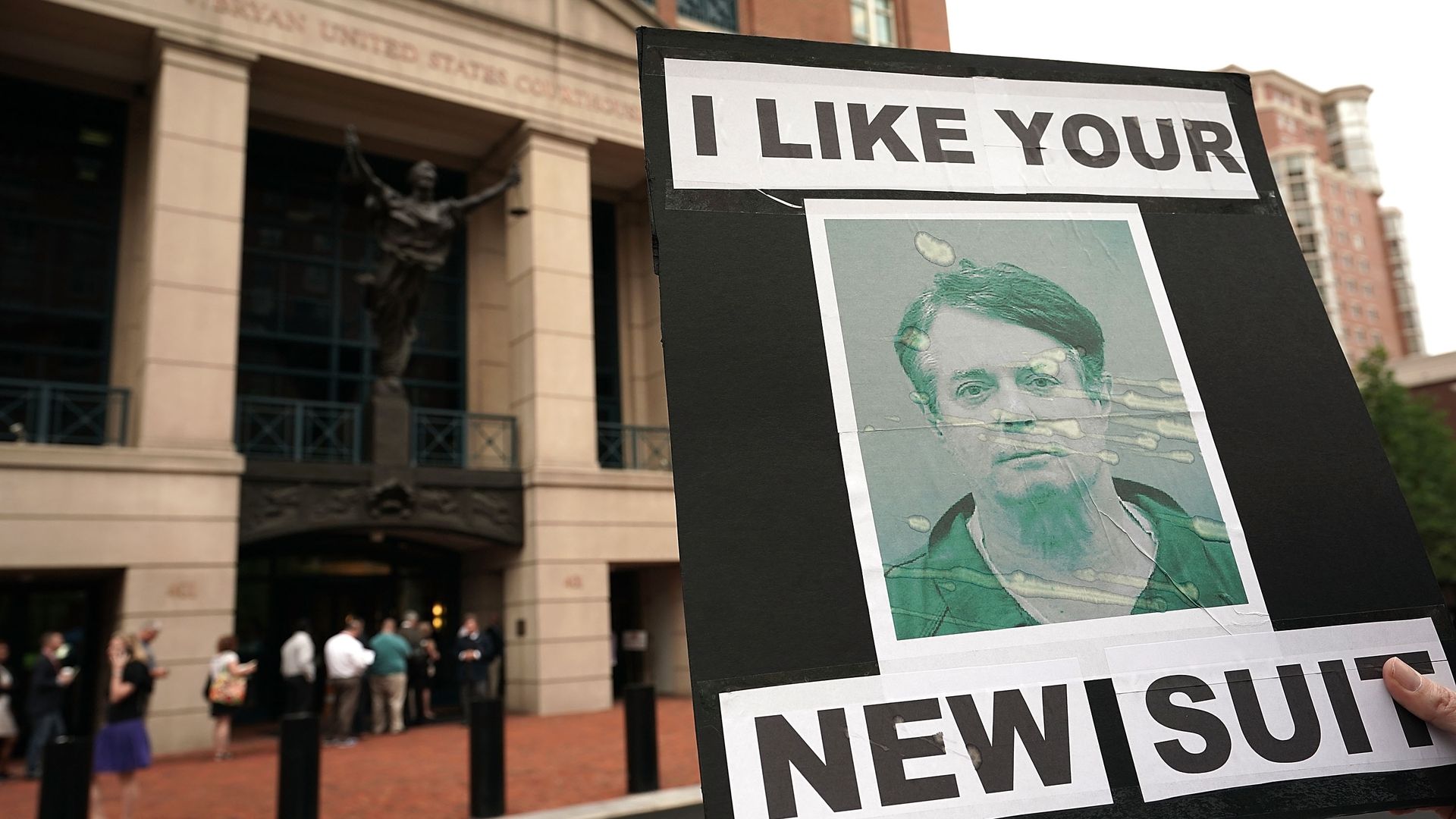
President Trump's former campaign chairman Paul Manafort pleaded guilty Friday to new charges brought forth by the special counsel, and entered into a "cooperation agreement" with the Justice Department.
The big picture: In the new charges, Manafort was accused of disseminating false stories on behalf of his pro-Russia, Ukrainian client and not disclosing his lobbying efforts to the Justice Department as required by law. He was also found guilty last month on eight counts of bank and tax fraud.
Former Trump campaign chairman Paul Manafort has pleaded guilty to charges brought forth by special counsel Robert Mueller, and has entered into a "cooperation agreement" with the Justice Department. He'll also plead guilty to the 10 charges that were declared a mistrial last month, per ABC News.
The bottom line: It's not clear what kind of information Manafort has to provide Mueller — or who he might implicate. But five other charges were dropped by prosecutors, the NYT reports, "encompassing money laundering and violations of a lobbying disclosure law."
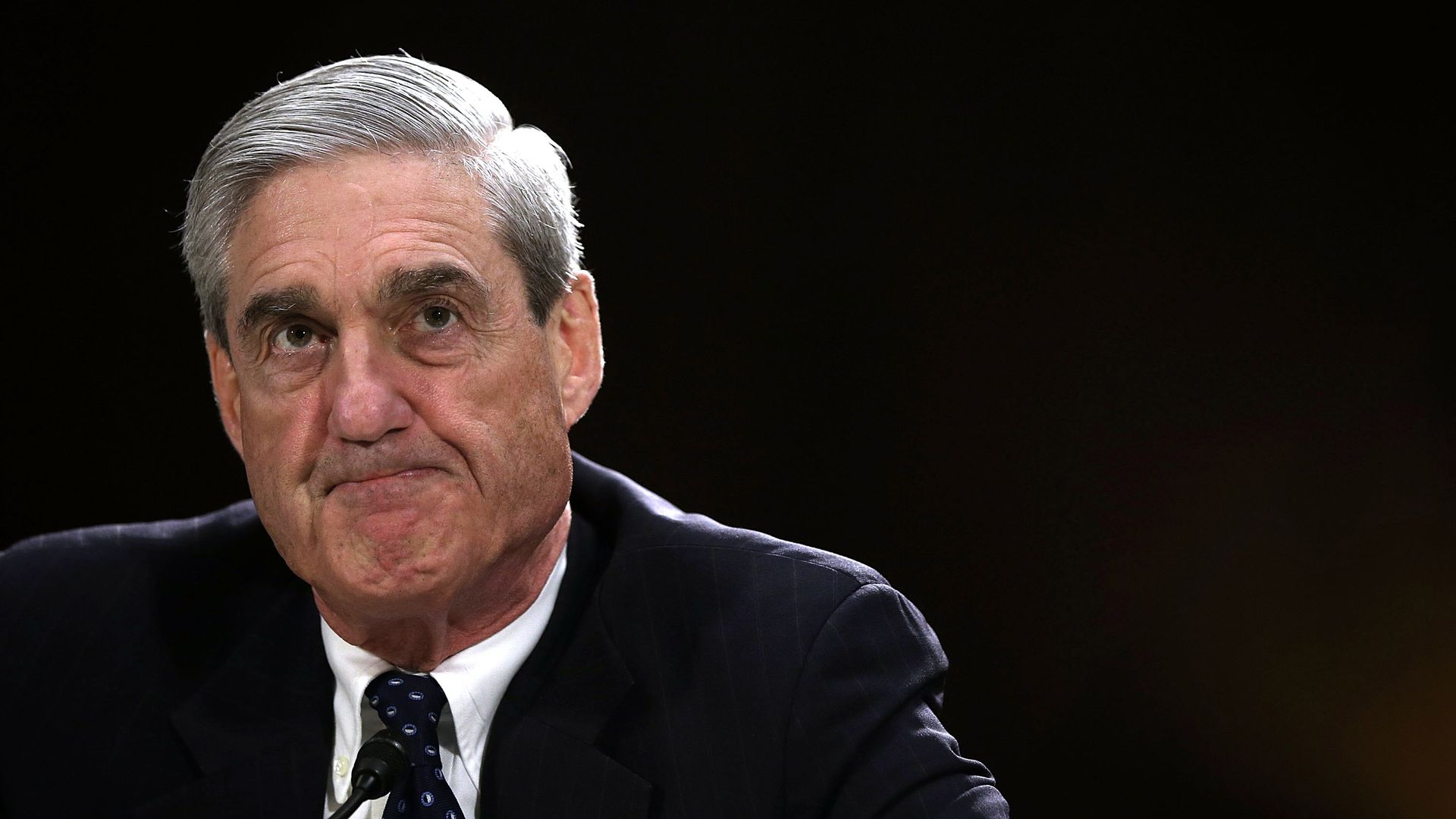
In an era where officials are leaking like never before, one team has consistently locked down information: special counsel Robert Mueller's office.
Why it matters: Mueller and his team have been the target of constant attacks from supporters of the president, but he has "special reason to be cautious," the New York Times reports, when even "the subtlest remark can be blown into a scandal" in the current political climate. And, his silence may be paying off — according to the Times, 55% of voters believe Mueller is "conducting a fair investigation."
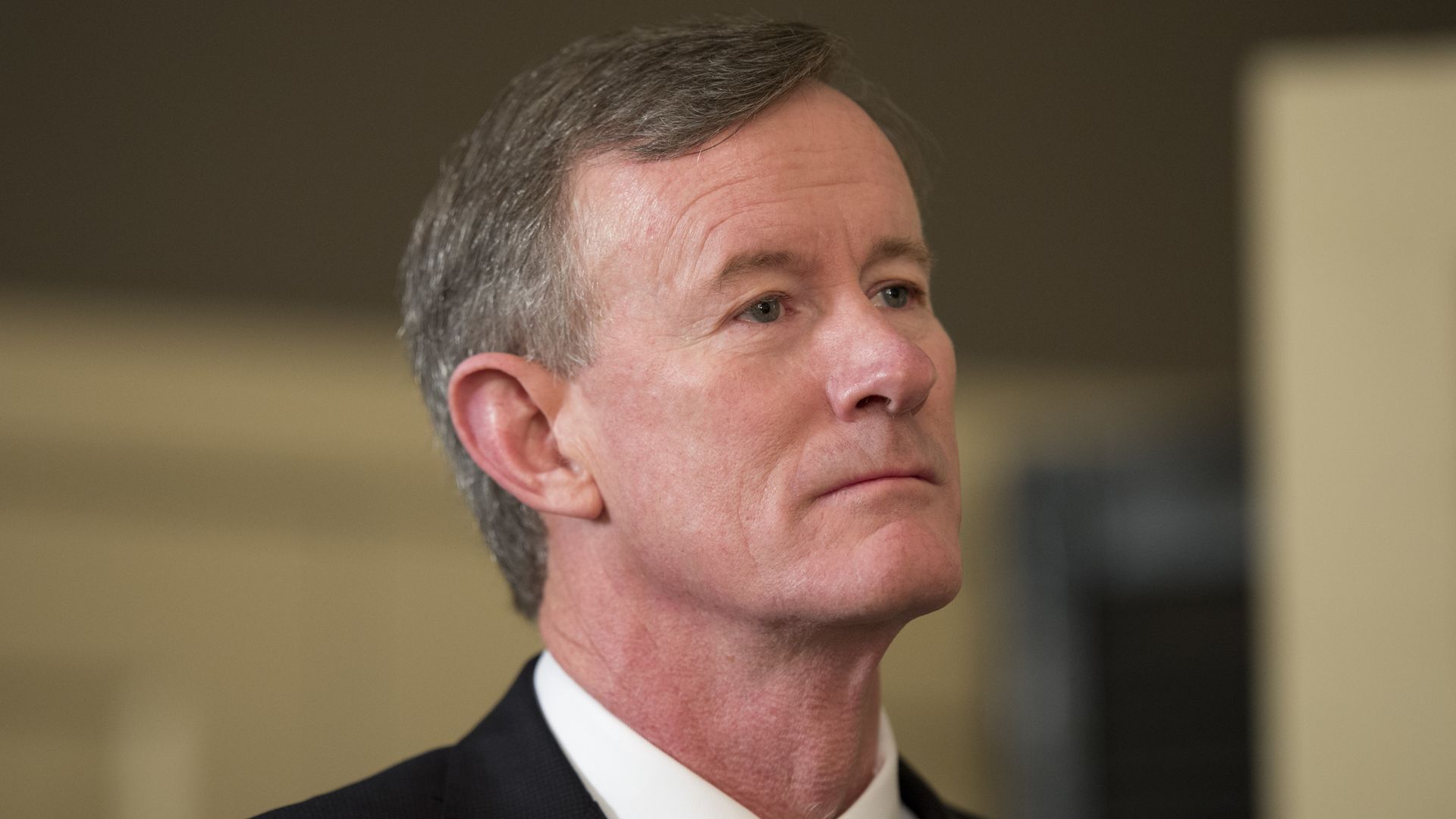
Retired 4-star admiral William McRaven resigned from the Pentagon's Defense Innovation Board last month, just 4 days after issuing a public critique of the president in the form of an op-ed he penned after Trump revoked John Brennan's security clearance, Defense News reports.
One key quote: In the op-ed, McRaven, former head of the Special Operations Command, wrote, "Through your actions, you have embarrassed us in the eyes of our children, humiliated us on the world stage and, worst of all, divided us as a nation. If you think for a moment that your McCarthy-era tactics will suppress the voices of criticism, you are sadly mistaken. The criticism will continue until you become the leader we prayed you would be."
As Americans face Hurricane Florence's landfall, President Trump inaccurately accused Democrats of fabricating Hurricane Maria's death toll to make him look bad.
The bottom line: The Carolinas will need the president and FEMA on their game, undistracted by cable news and past grudges
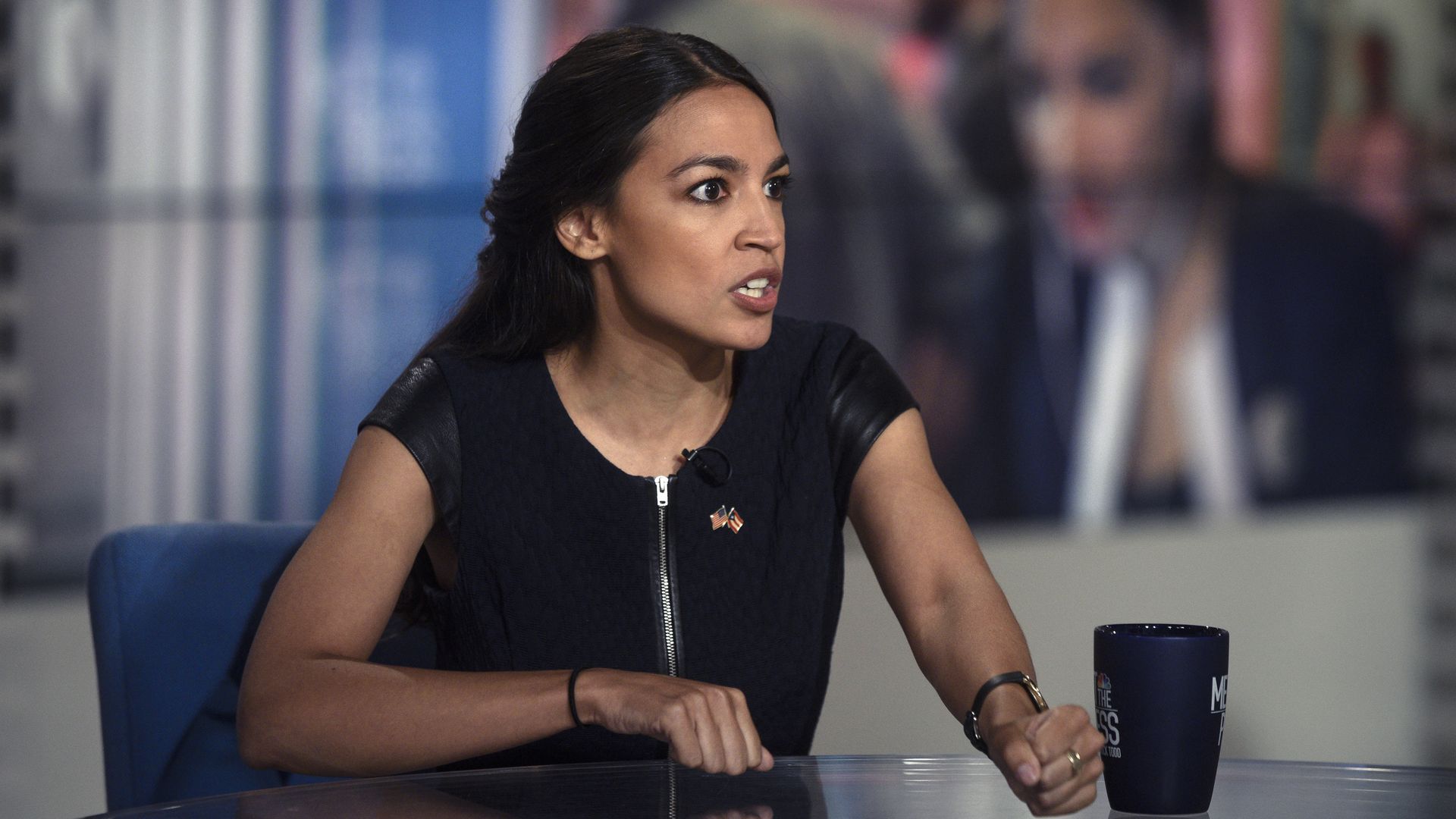
New York Democratic House candidate Alexandria Ocasio-Cortez used her family's personal story to push back on President Trump’s denial of the high death toll in Puerto Rico from Hurricane Maria, tweeting that her grandfather died in the aftermath of the storm, but wasn't counted in the final figure.
The details: Her tweet comes hours after Trump on Thursday denied a George Washington University report, commissioned by the Puerto Rican government, that found nearly 3,000 people died as a result of Maria. Trump instead blamed Democrats for inflating the numbers "in order to make [him] look as bad as possible."
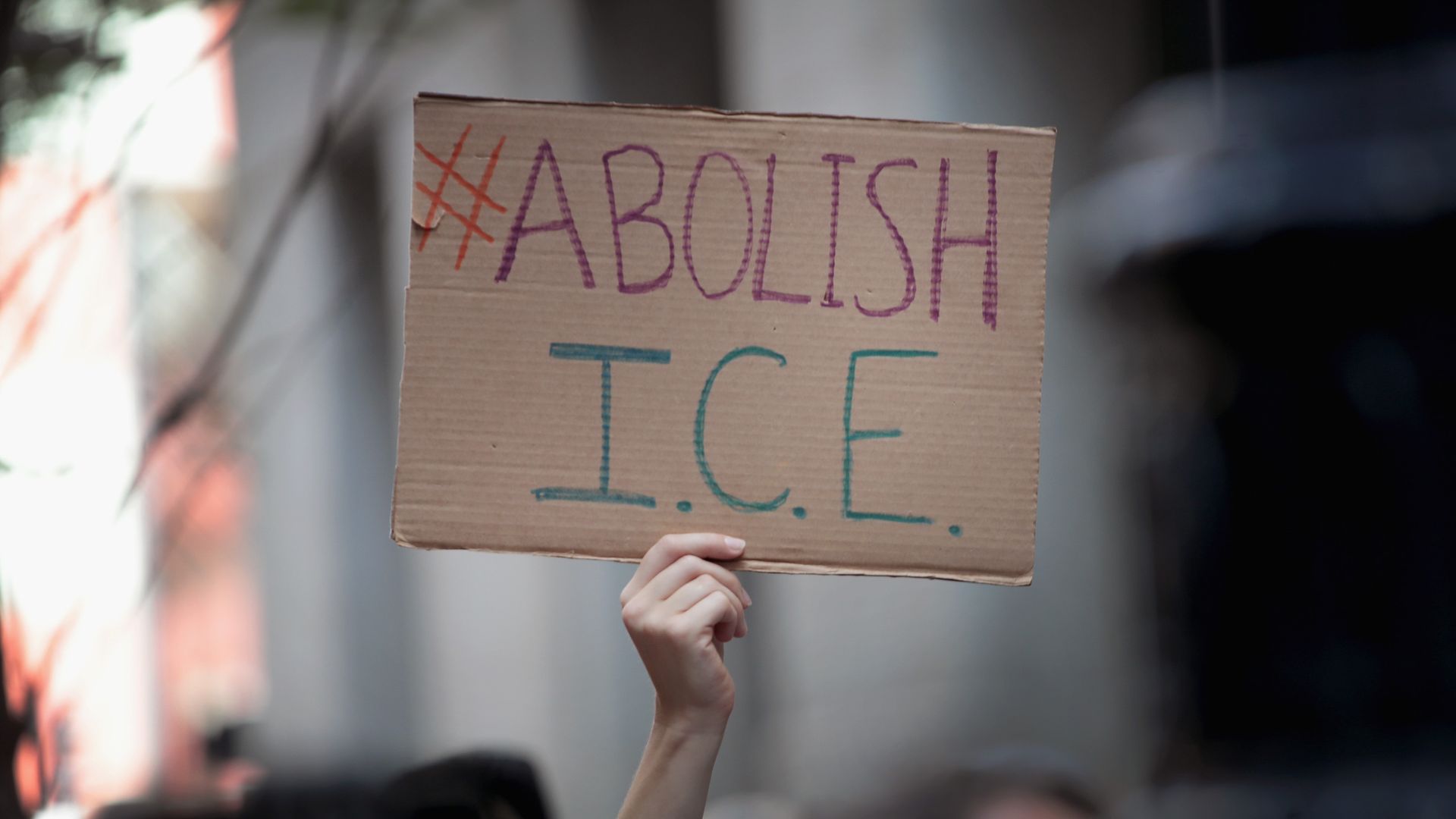
Immigration and Customs Enforcement received $169 million dollars this year from other Homeland Security agencies, including FEMA, the U.S. Coast Guard and TSA programs, to use in the detention and removal of undocumented immigrants, NBC News reports.
Why it matters: There were reports earlier this week that money had been transferred from FEMA and the Coast Guard to ICE — as Hurricane Florence barrels towards the East Coast. DHS spokesperson Tyler Houlton tweeted earlier this week, "Under no circumstances was any disaster relief funding transferred from @fema to immigration enforcement efforts."
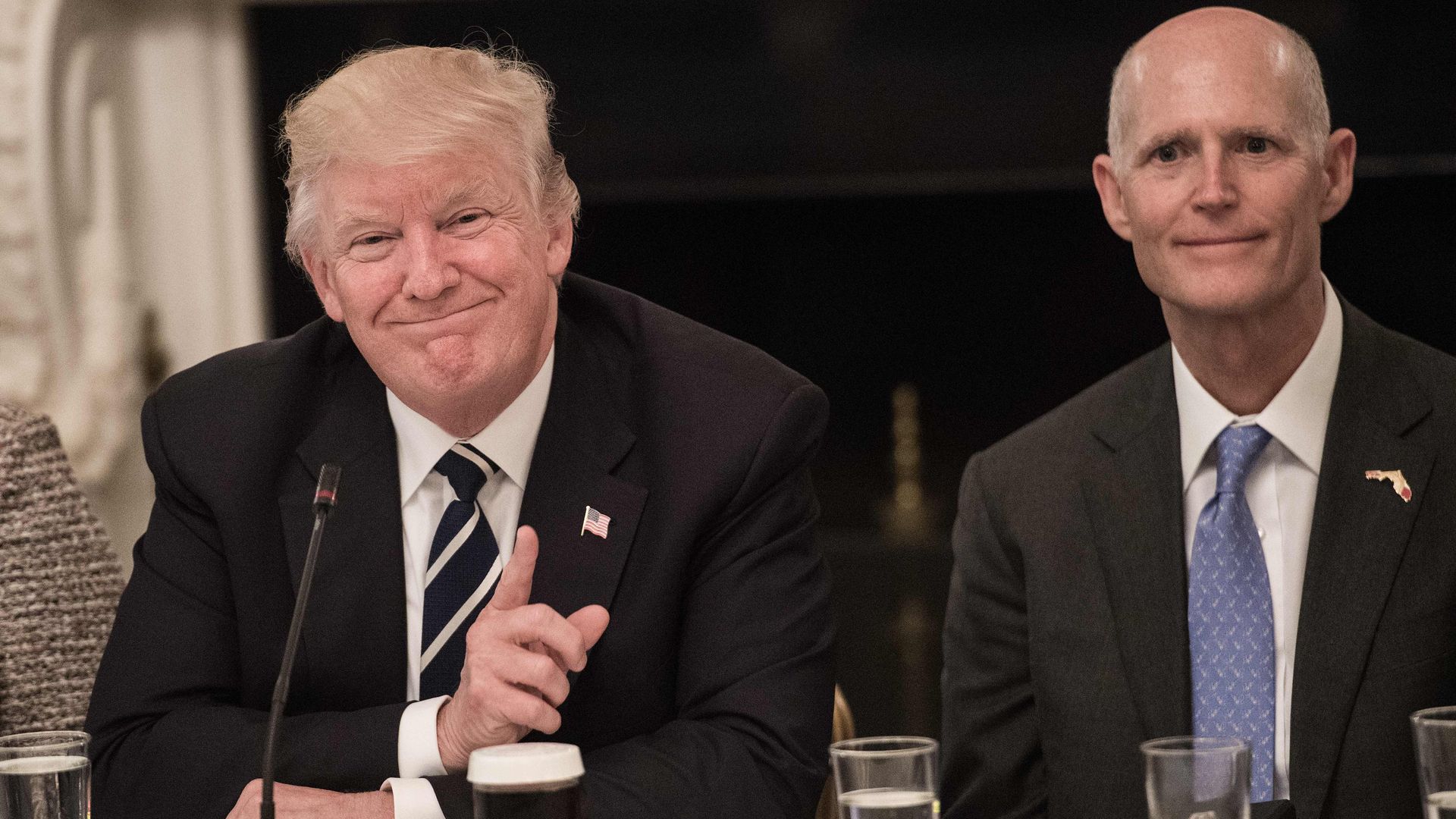
Florida lawmakers are publicly disagreeing with President Trump's claim that the death toll in Puerto Rico after Hurricane Maria is not accurate.
Why it matters: With just 2 months before the election — and with an estimated 50,000–75,000 Puerto Ricans who may have permanently settled in Florida since the hurricane — they know they can't stay silent on an issue that affects a significant portion of Florida's electorate.
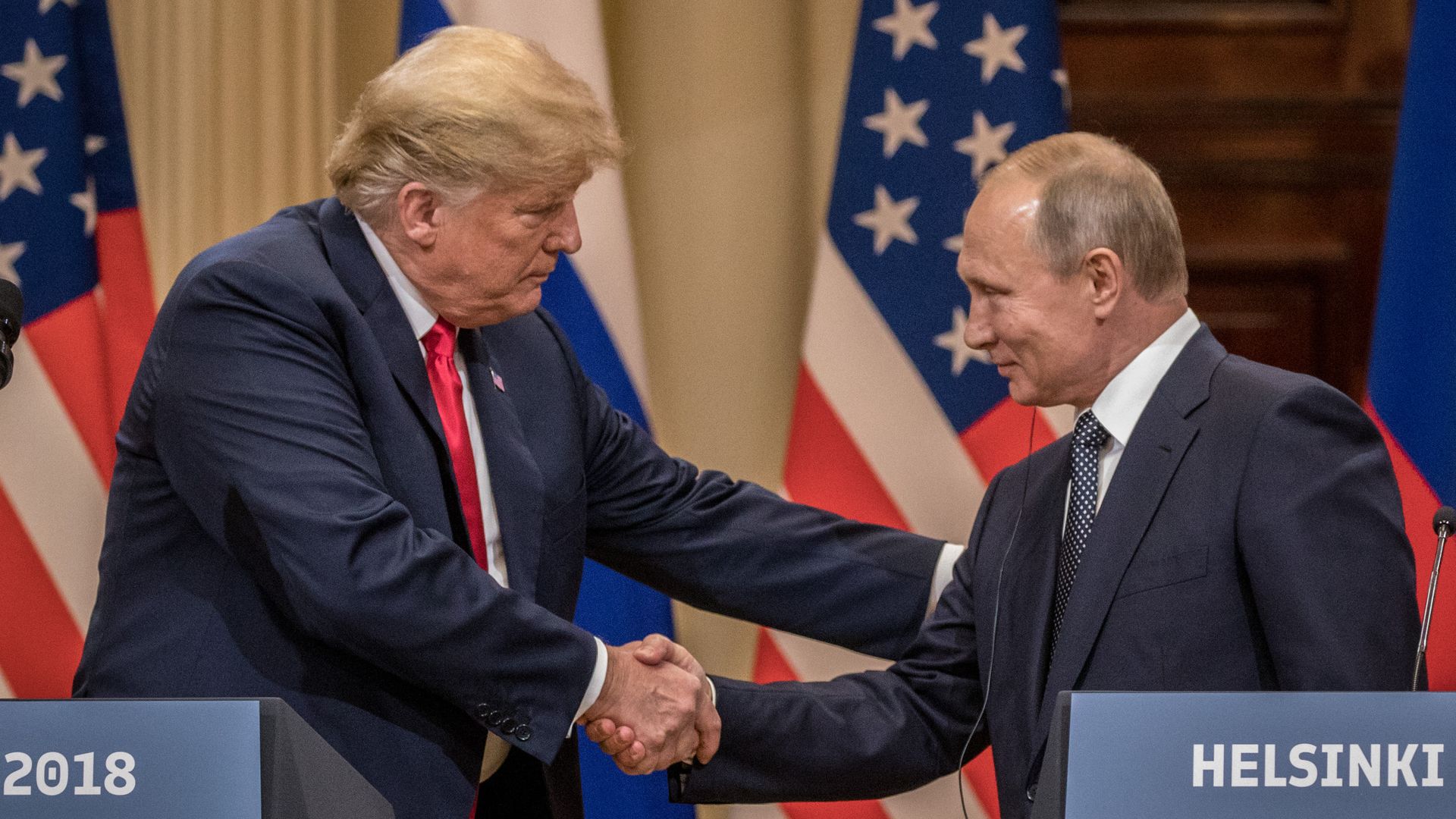
House Foreign Affairs Committee Republicans have rejected Democrats' request that the State Department turn over documents that would explain what President Trump and Russian President Vladimir Putin discussed in their July one-on-one meeting in Helsinki.
Why it matters: Lawmakers and Americans still don’t know the substance of what was discussed during Trump’s meeting with Putin, but there is no momentum from the Republican majority on Capitol Hill to compel those details from the administration. A previous Democratic motion to subpoena the interpreter in the room was blocked by Republicans as well.


/2018/09/13/1536875380293.gif?w=3840)