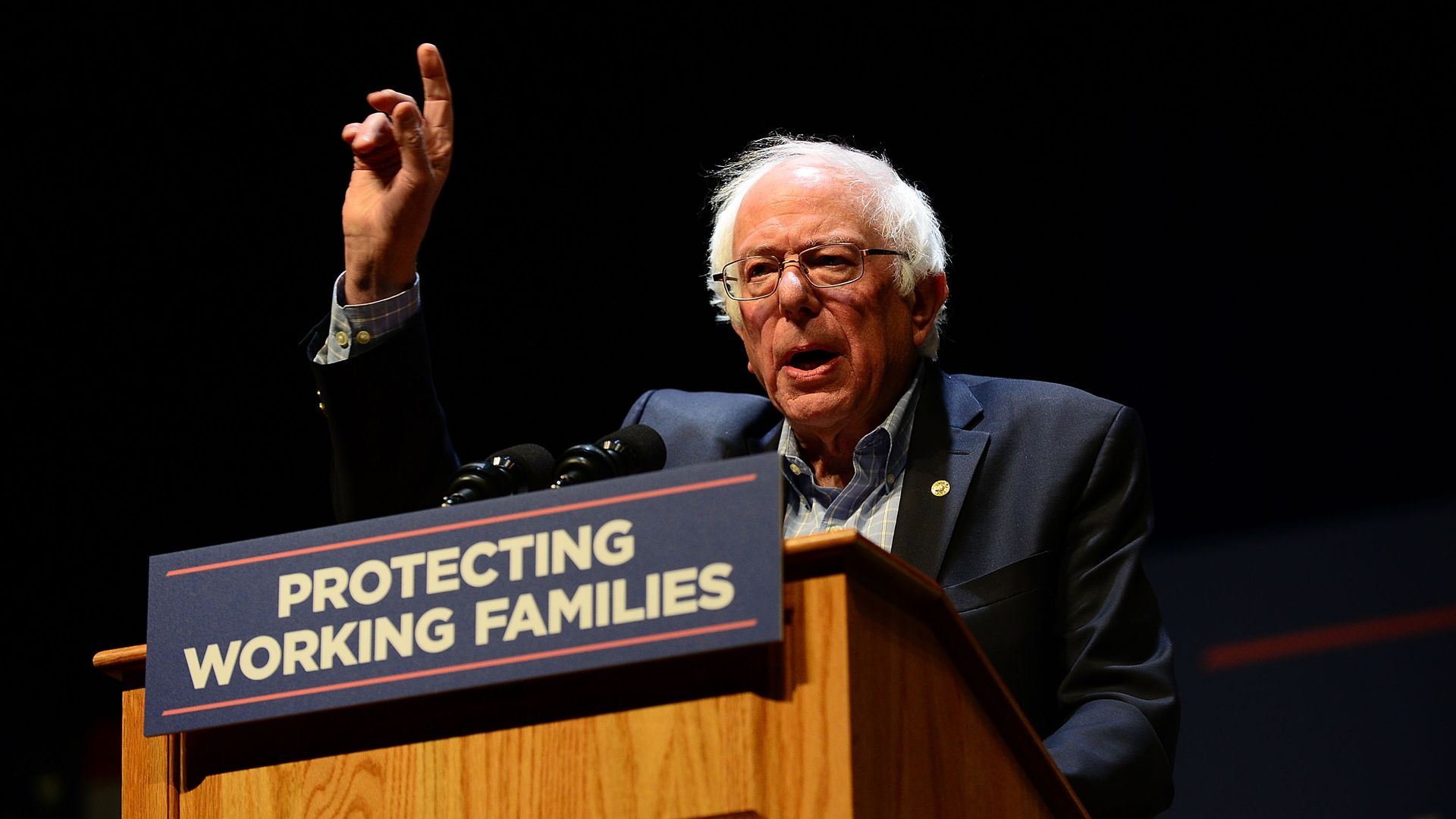
Prominent Democratic politicians and policy thinkers are finding ways to make economic issues front and center — even though the economy is doing relatively well — by emphasizing that opportunity is not equal and proposing solutions geared towards those left behind.
Why it matters: It's not easy to campaign against the party in power when the economy is in good shape. But as the speeches at the Center for American Progress's ideas conference today showed, it's also the Democrats' best chance of making gains, since pocketbook issues are the ones that are usually decisive with the voters.
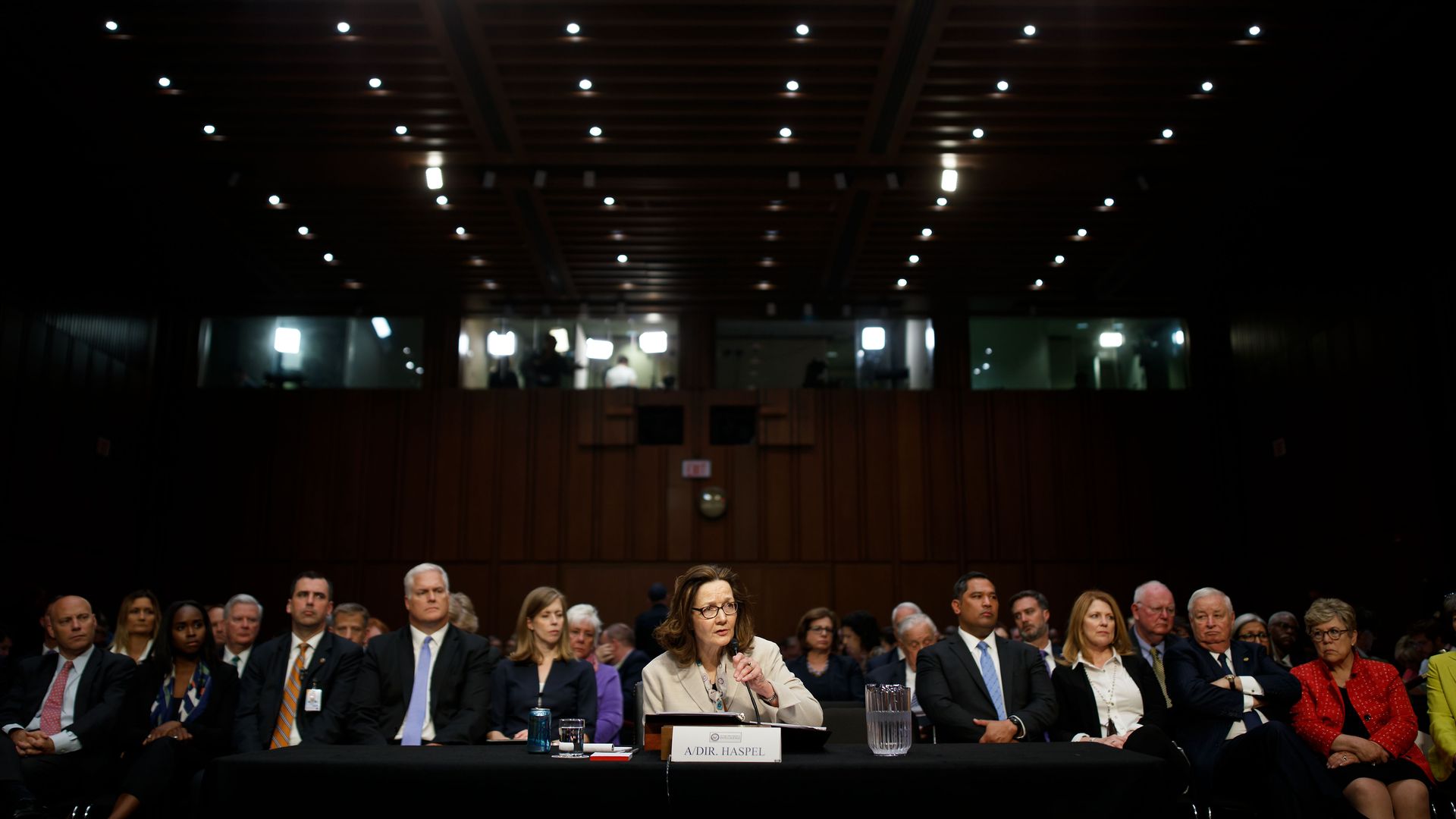
Sen. Mark Warner, Democratic vice chairman of the Senate Intelligence Committee, announced today he will vote in favor of confirming Gina Haspel as CIA director, the Washington Post reports. He joins a growing list of Senate Democrats voicing support for Trump's pick including, Heidi Heitkamp who announced her support today, and Joe Manchin, who announced his support last week.
Why it matters: This all but assures Haspel's confirmation. Warner announced his decision after receiving a letter from Haspel today, in which she said the CIA should never have used its "enhanced interrogation" program.
The Trump administration is considering sheltering migrant children on military bases in Texas and Arkansas, according to a report in The Washington Post.
Why it matters: While the Obama administration sheltered kids — who often arrived unaccompanied, per Vox — on military bases during the 2014 child migrant crisis, this news comes after Trump's DHS signaled its intention to separate families who illegally cross the border.
The latest edition of the Platts Capitol Crude podcast describes yet another challenge the Trump administration faces in trying to punish Iran with new energy sanctions. In short — it's a bandwidth problem.
Why it matters: The administration's ongoing personnel problems compound the already tough task of hitting Iran's energy sector without support for the move from allies in Europe and major Iranian crude buyers in China and elsewhere.
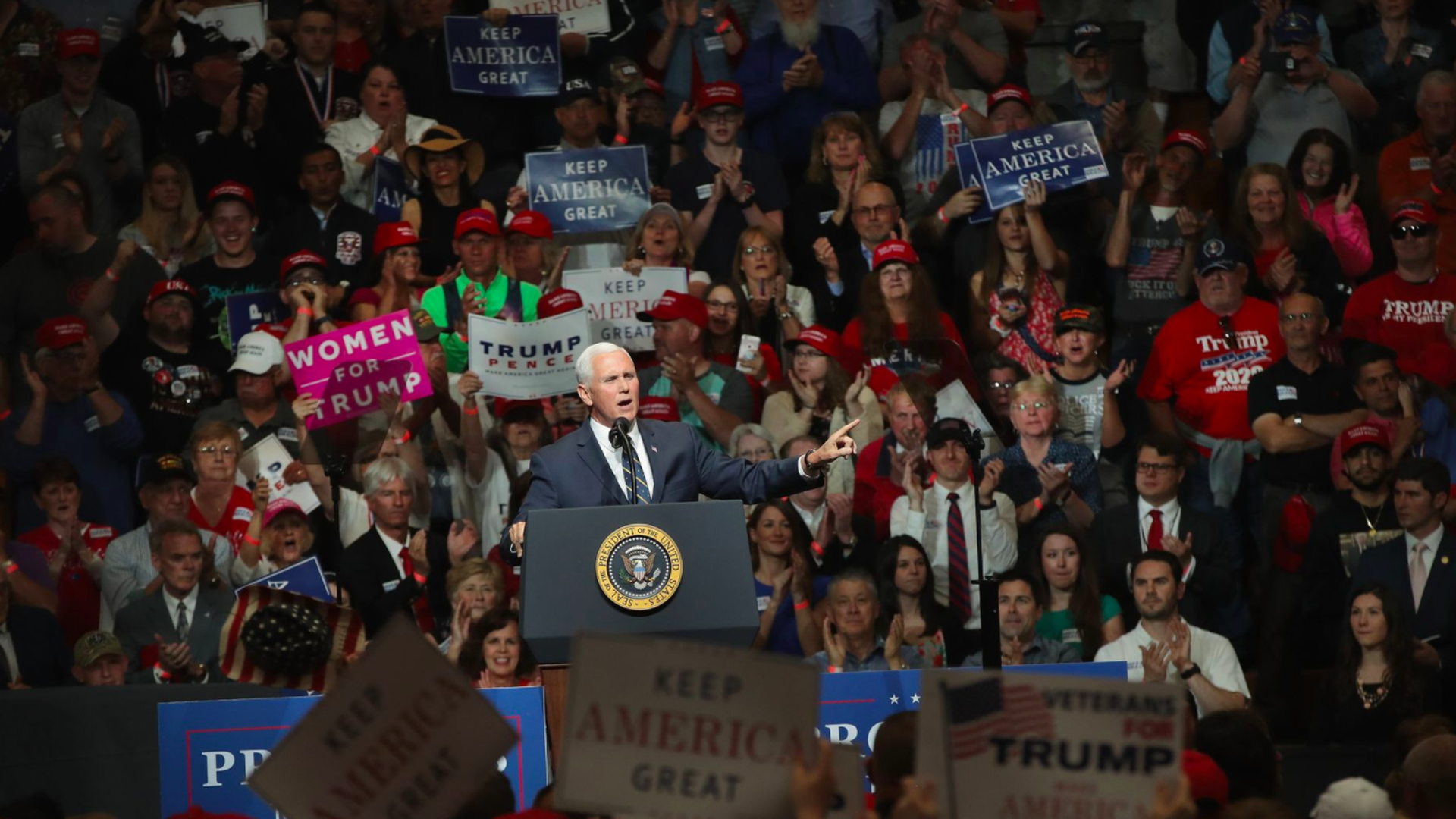
The president "is mostly uninterested in the mechanics of managing a political party. ... So Mr. Trump’s supremely disciplined running mate has stepped into the void," the N.Y. Times' Alex Burns, Jonathan Martin and Maggie Haberman write. "Republican officials now see Mr. Pence as seeking to exercise expansive control over a political party ostensibly helmed by Mr. Trump."
Why it matters: "Even as he laces his public remarks with praise for the president, Mr. Pence and his influential chief of staff, Nick Ayers, are unsettling a group of Mr. Trump’s fierce loyalists who fear they are forging a separate power base."
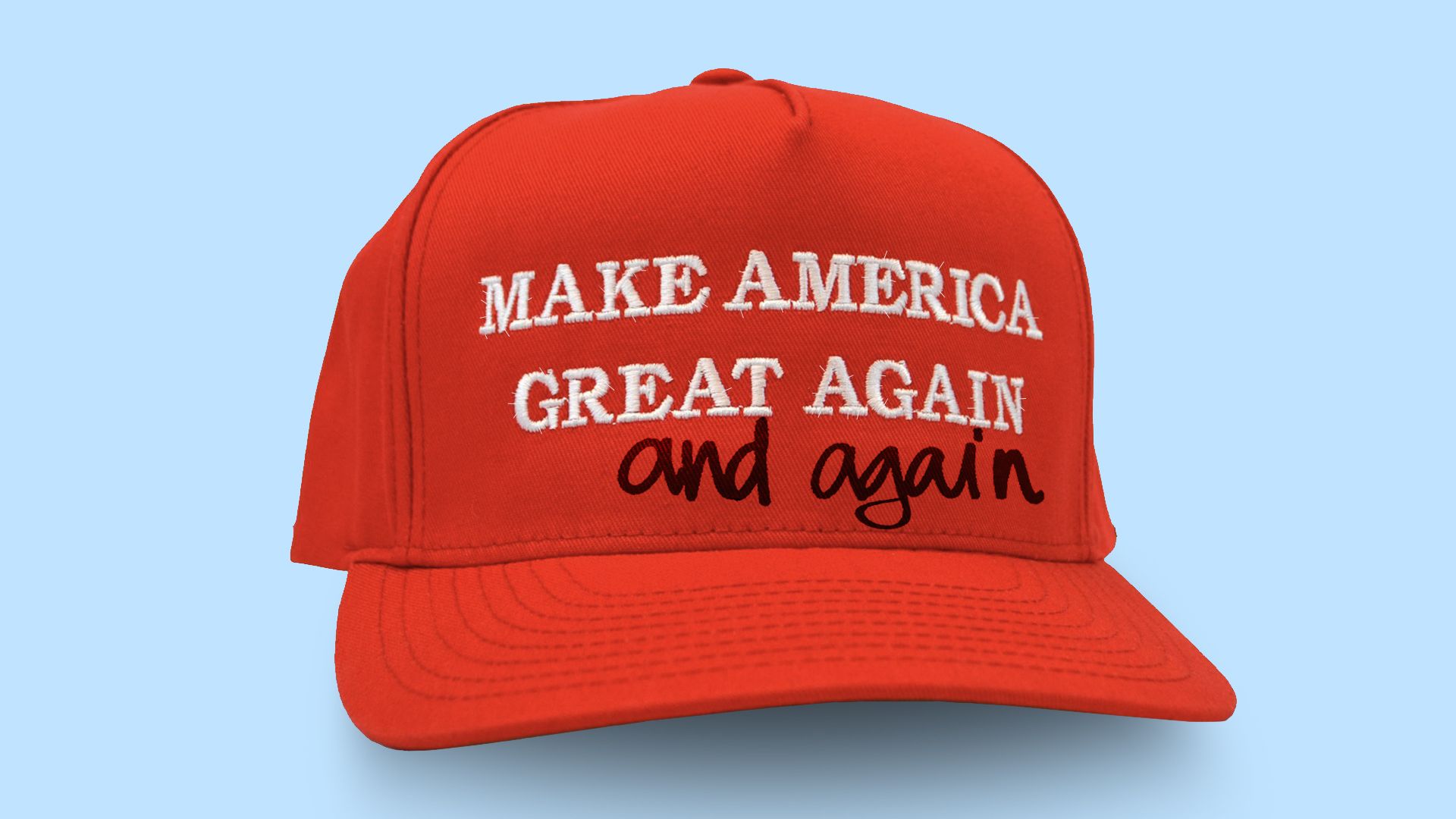
As President Trump's campaign aides quietly launch his reelection campaign, they're eyeing two states as possible pickups for 2020: Minnesota, where Trump came close in 2016 without even trying; and Colorado, where his hands-off approach to marijuana enforcement is a possible selling point.
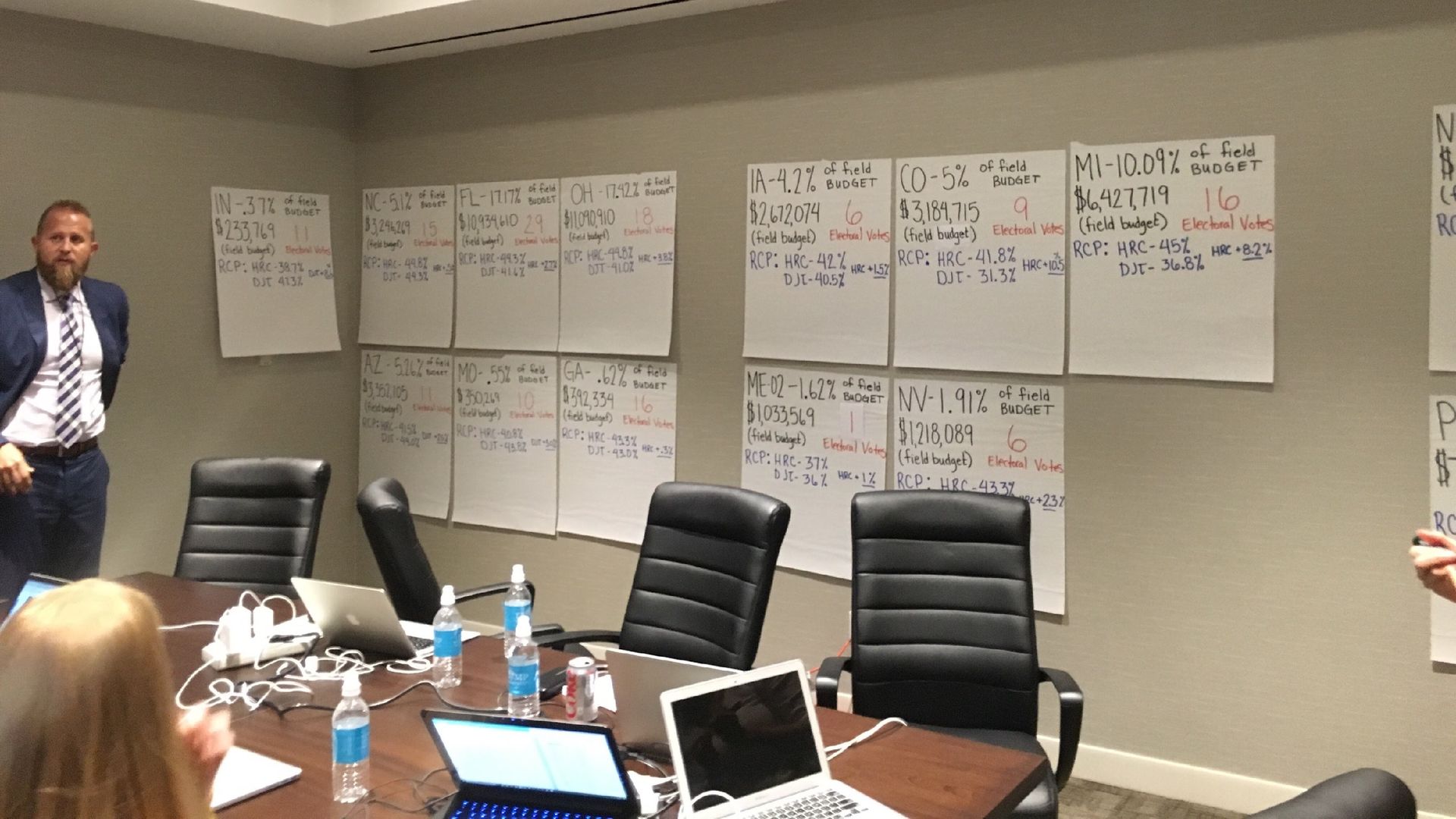
What's happening: The addition of those states is part of a plan that's coming together in a basement suite at the Republican National Committee, where the Trump campaign has moved from Trump Tower. The campaign, now fewer than 10 people, eventually will number hundreds.
Trump reelection campaign manager Brad Parscale starts with 18 million email addresses and phone numbers (“hard contacts") of likely Trump voters, and has a goal of doubling that that to 30 million to 40 million by Election Day 2020 — roughly half of the votes Trump needs. (He got 63 million in 2016.)
The big picture: Parscale plans to spend $1 million per month for the rest of '18 on digital prospecting, with hopes to increase that next year. The campaign says it has had great success recruiting Trump supporters with ads on AOL (an older, Trump-friendly demographic), Bing, Facebook, Google and conservative news sites.
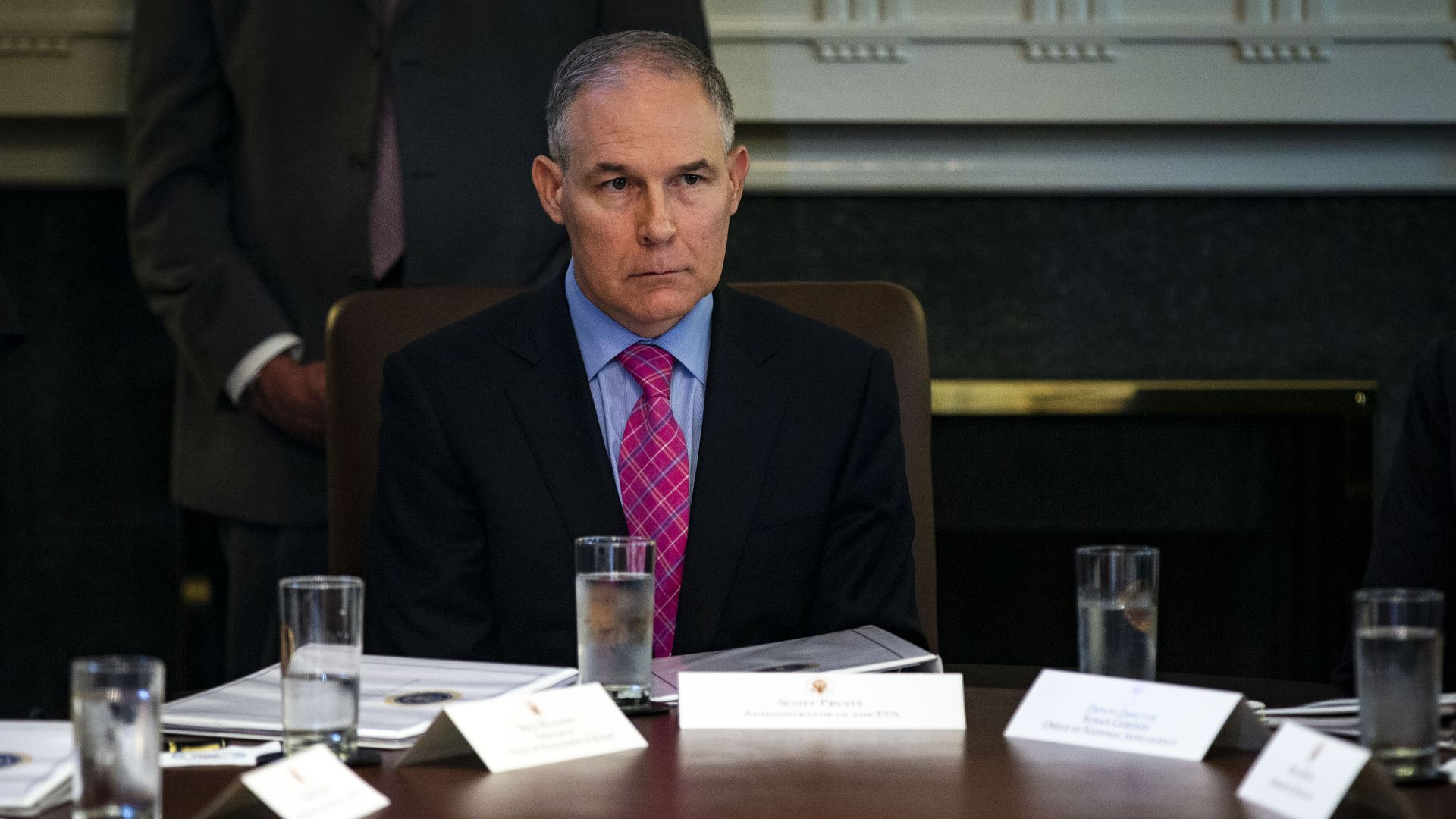
Embattled EPA Administrator Scott Pruitt had demanded and received around-the-clock armed security protection since his first day on the job, the agency’s inspector general disclosed in a letter Monday to congressional lawmakers.
The details: Inspector General Arthur Elkins, responding to an inquiry about Pruitt’s security, said the EPA head initiated the protection plan himself. The watchdog, which is responsible for probing threats made against agency employees, added that it “played no role in this decision.”
Usually when people say stupid or cruel things, they apologize and move on, instead of defiantly standing by their statements. But that doesn't happen in Trumpworld, and it certainly hasn't happened in the case of White House staffer Kelly Sadler's callous remark about John McCain.
The big picture: Once you’ve worked for Trump for a while you know that the worst thing you can do, the biggest show of weakness, is to apologize. He never does and never did (with one exception — the "Access Hollywood" tape). So staff knows that if they publicly apologize they’re actually MORE likely to incur Trump’s wrath than if they just move on.
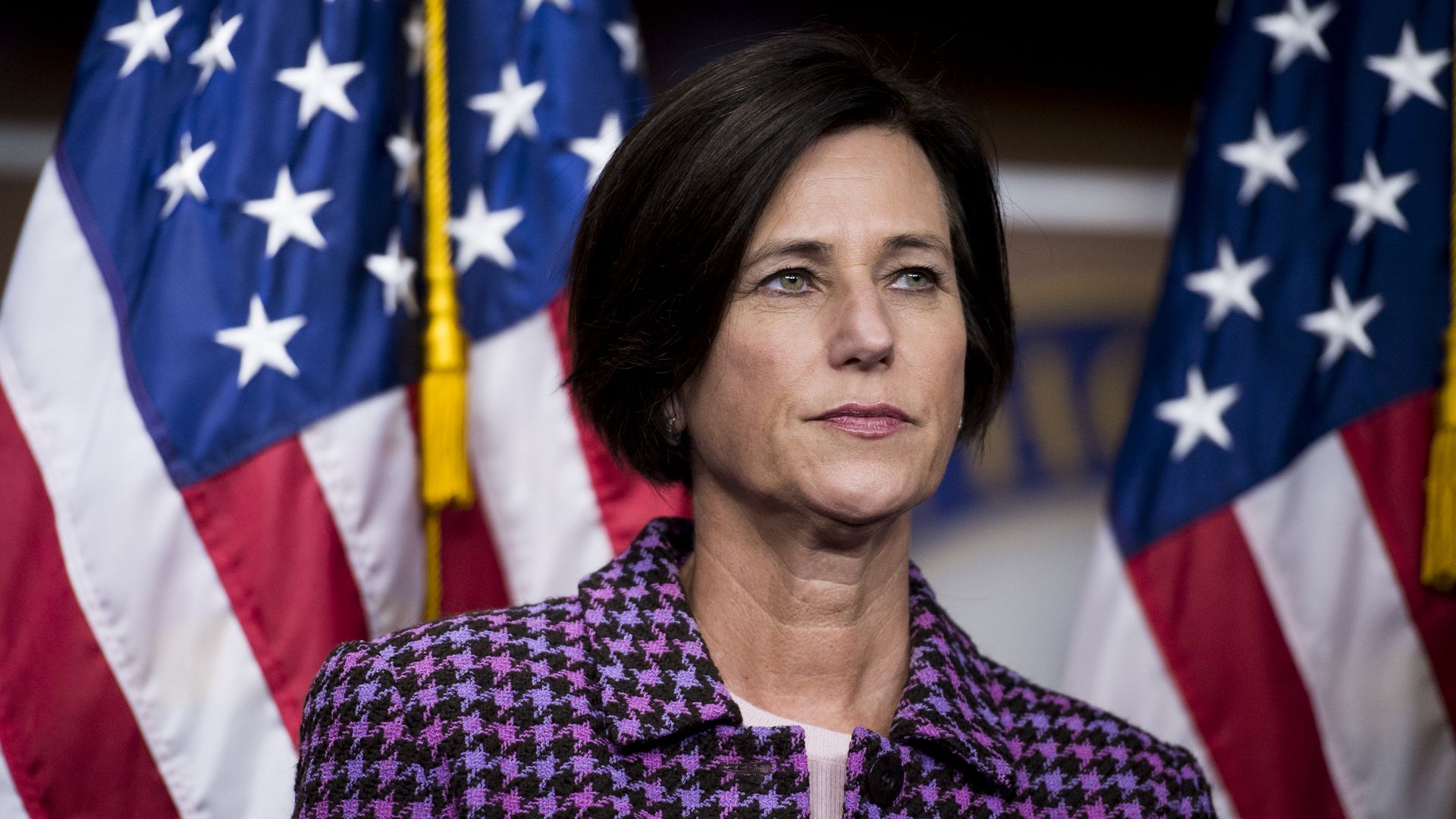
California Republicans like Rep. Mimi Walters are feeling more hopeful about holding onto their seats come November, reports Politico's Rachel Bade. They're banking on President Trump's rising approval rating (42% across the U.S.) and their work to repeal the state's gas tax.
Yes, but: A closer look at California's politics by party affiliation show potential signs of trouble for the GOP.
"How the Administration’s loyalists are quietly reshaping American governance," by The New Yorker's Evan Osnos, who "spoke to dozens of men and women throughout the federal government about Trump’s war on Washington."
Why it matters: The ethos of the Trump administration and how it views some facts is changing the way Washington operates.
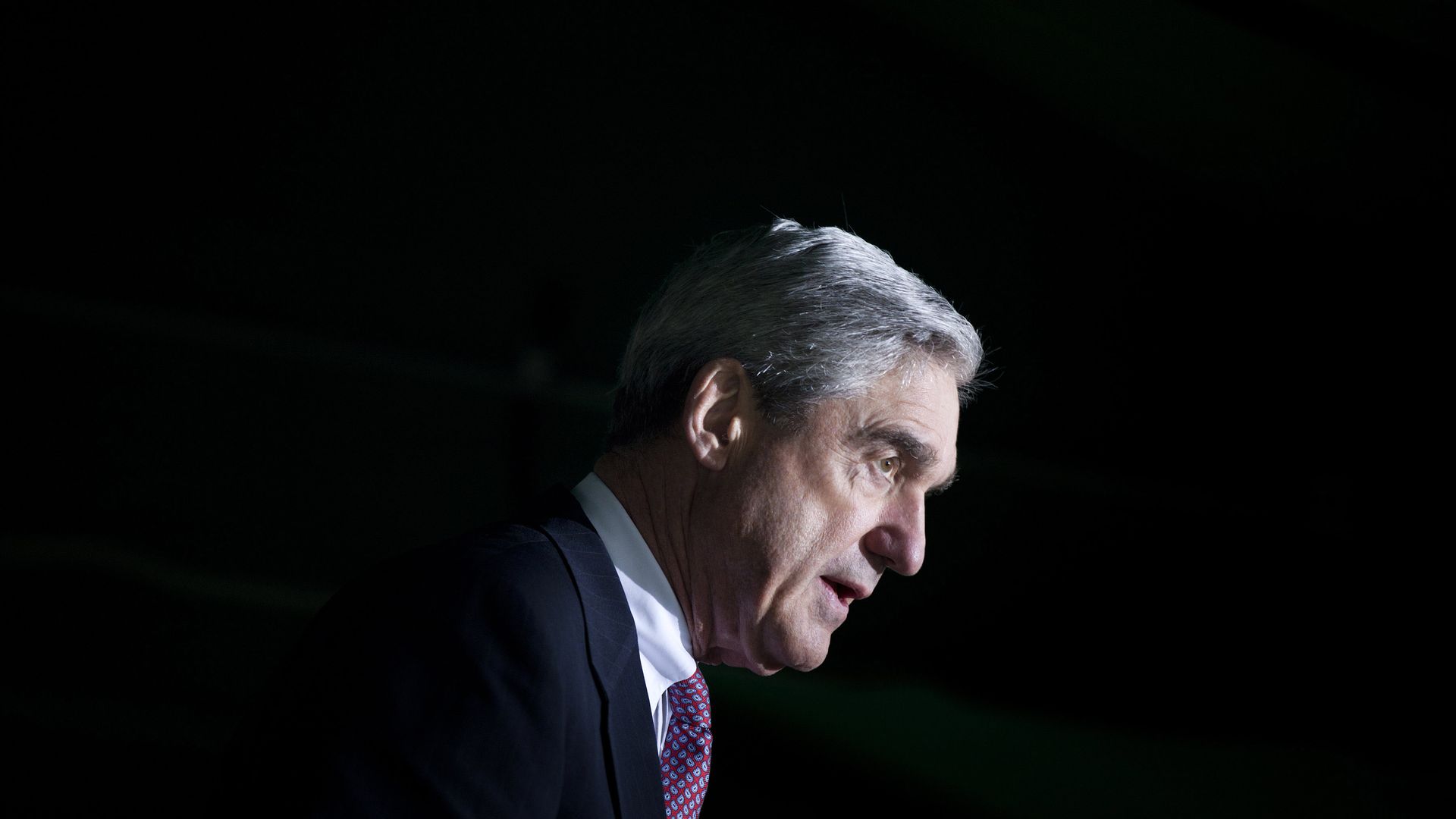
Thursday marks one year since Bob Mueller was appointed special counsel to lead the investigation into possible coordination between the Trump campaign and Russia.
The big picture: "The investigation ... has formed the cloudy backdrop of Donald Trump’s presidency — a rolling fog of controversy, much of it self-inflicted, that is a near-constant distraction for the commander in chief," the WashPost writes.
Congressional districts that tend to vote Democratic generally have more people below the poverty level and higher uninsured rates compared to those that tend to vote Republican, including districts in states that have expanded Medicaid.
Between the lines: There's an obvious connection between poverty levels and the number of uninsured: Health insurance is expensive. The fact that blue districts have higher shares of each than red districts helps explain why Democrats tend to focus more than Republicans on health care and government assistance to the poor — and why these topics will likely resonate with voters in blue districts more throughout the midterm cycle.