Wednesday's health stories


House panel to be briefed on Trump's alleged drug boat strikes
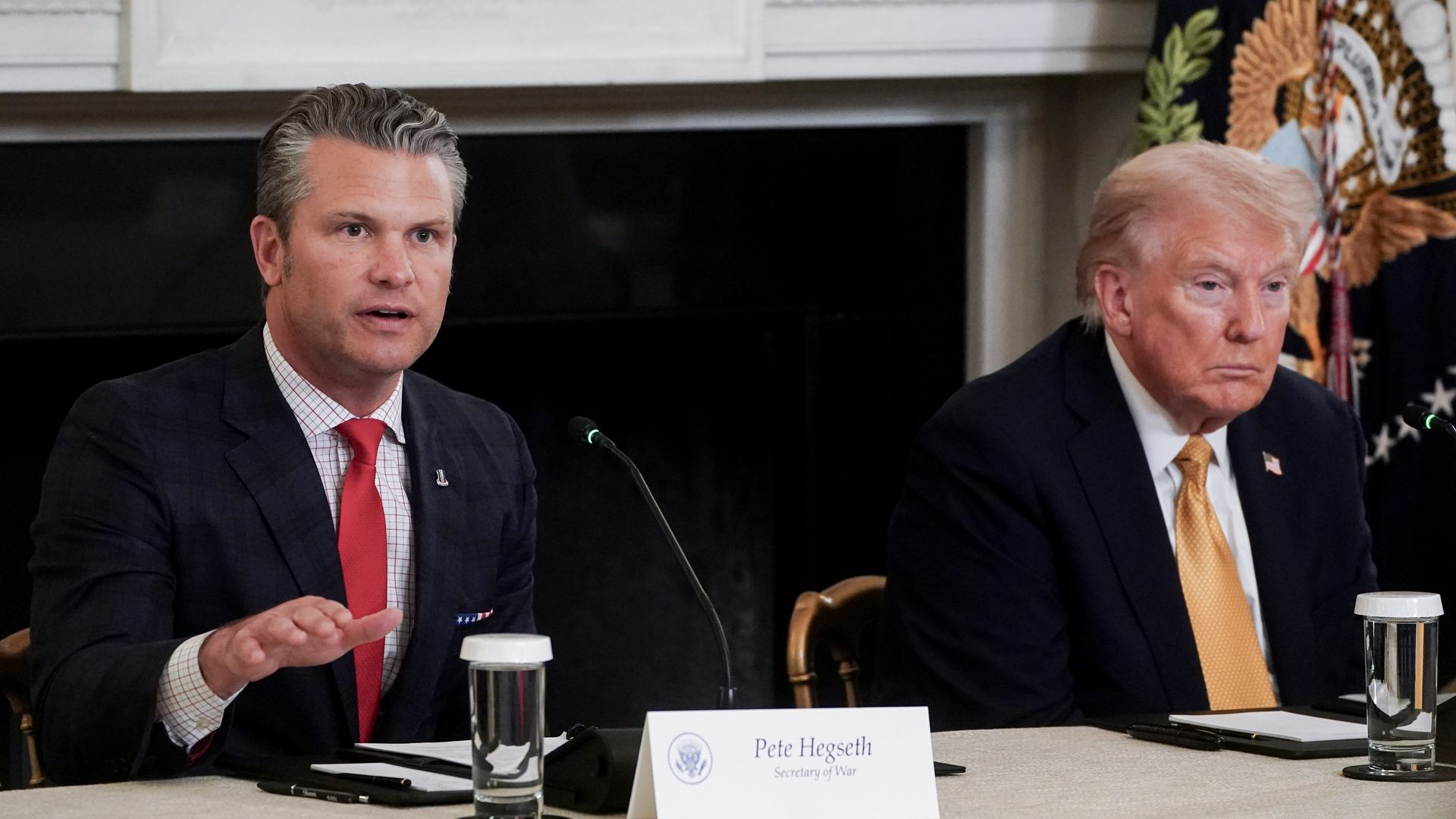
The House Armed Services Committee will be briefed Thursday morning by officials from the Pentagon and Joint Chiefs of Staff on the Trump administration's strikes against alleged drug boats, Axios has learned.
Why it matters: The administration's refusal to seek congressional authorization for the strikes and the limited information it has given lawmakers justifying them have led to bipartisan tensions.

Scoop: Obamacare coverage panel meeting postponed by shutdown
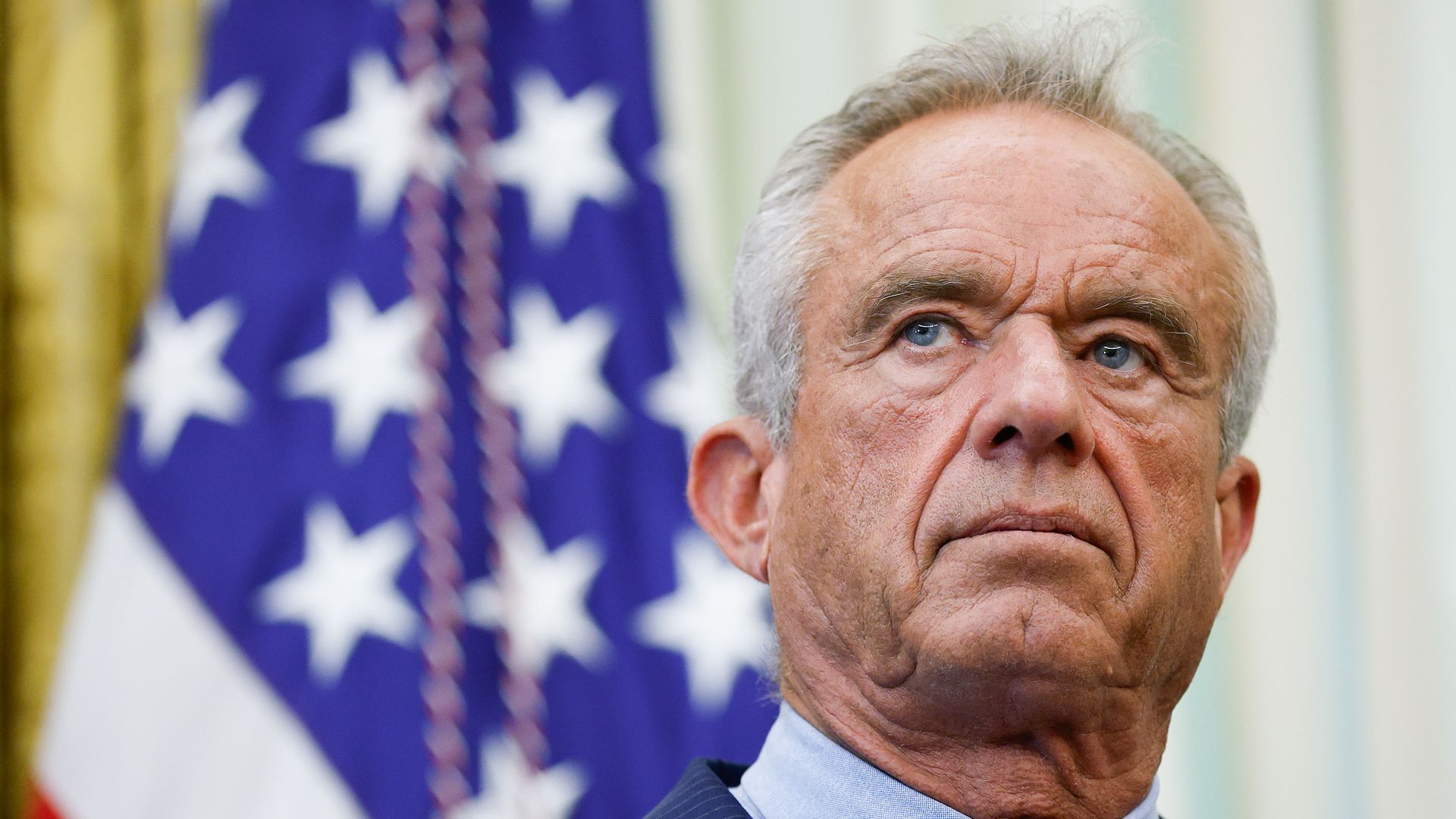
The Department of Health and Human Services has called off a November meeting of the U.S. Preventive Services Task Force, citing the government shutdown.
Why it matters: The 16-member expert panel hasn't had a formal in-person meeting since March after Health Secretary Robert F. Kennedy Jr. postponed a July meeting that was supposed to take up steps to prevent cardiovascular disease and hasn't been rescheduled.
- HHS spokeswoman Emily Hilliard confirmed the latest postponement, saying Kennedy "looks forward to working with the USPSTF to Make America Healthy Again."
Context: The task force makes recommendations for preventive services that health insurers must cover at no cost to enrollees under the Affordable Care Act. Its recommendations include HIV screening for adolescents and adults, tobacco cessation interventions and breastfeeding support for postpartum moms.
- The panel customarily meets in person three times a year, per its procedure manual. This year's November meeting date and agenda had not yet been made public.
What they're saying: The task force's "credibility comes from that [scientific] rigor and its independence," said Aaron Carroll, president and CEO of AcademyHealth.
- "Interrupting that work risks letting politics decide what preventive care Americans get and what evidence clinicians rely on when helping a patient."
Zoom out: The Wall Street Journal reported in July that Kennedy was considering dismissing task force members for being too "woke," fueling concern in the public health committee that he'd replace them with handpicked appointees.
- Hilliard said in a statement to Axios on Wednesday that HHS has "been made aware of the ideological issues with members of USPSTF" by GOP lawmakers and some health provider associations.
- "HHS is troubled by these allegations and is investigating further," she said.
- The Supreme Court in June upheld the structure of the task force in a case surrounding coverage of HIV prevention drugs, ruling that its members are accountable to the HHS secretary, who has the power to remove and replace members at will.
HHS separately has postponed an October meeting of a vaccine advisory panel that Kennedy selected after ousting 17 previous members. The Centers for Disease Control and Prevention staff supporting that committee were laid off earlier this month, per The Guardian.

FDA plans to speed approvals of biosimilars
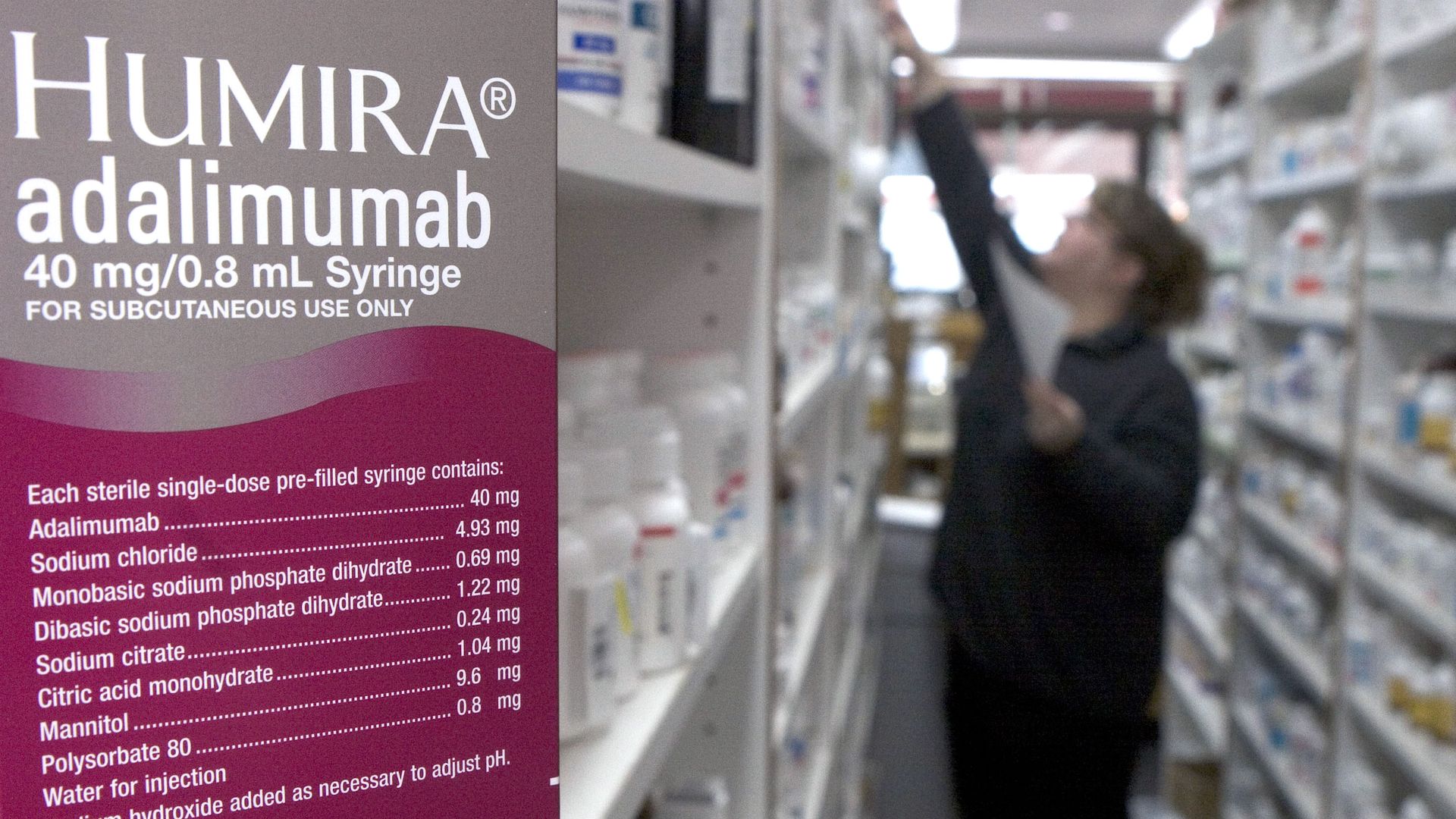
The Food and Drug Administration on Wednesday unveiled steps to streamline the way it approves lower-cost versions of biologic drugs, in a bid to curb health costs.
Why it matters: After years of lagging uptake, biosimilars are gaining traction, especially for cancer and autoimmune conditions.
- But manufacturers have had to conduct additional research, such as switching studies, in order to deem the treatments interchangeable with the brand-name product.
Driving the news: Federal regulators laid out conditions under which biosimilars can be brought to market without the need for such comparative effectiveness studies.
- A streamlined approach can be considered when the brand-name product and proposed biosimilar are manufactured from clonal cell lines, are highly purified and can be well-characterized analytically, per the guidance.
- There still are circumstances where added studies will be necessary, the agency said.
What they're saying: "Under this new framework, companies may not always need to conduct large, expensive human trials when advanced testing can already prove that biosimilars work just as effectively and just as safely as the original drug," Health Secretary Robert F. Kennedy Jr. said.
- FDA commissioner Marty Makary pointed to red tape he said delayed for years biosimilars for AbbVie's blockbuster rheumatoid arthritis drug Humira.
The big picture: It's the latest administration move aimed at curbing drug costs and streamling approvals.
- The FDA recently awarded priority reviews for nine drugs, though some are already FDA-approved, meaning the priority review is only for approval of a new use.
The other side: The drug industry has previously opposed efforts to make it easier to swap biosimilars for their brand-name counterparts.

Messi makes more than MLS' best regular season team


Not only does Lionel Messi remain Major League Soccer's highest-paid player, the Inter Miami and soccer superstar's guaranteed compensation is more than some teams, according to the latest MLS Players Association's salary guide.
Why it matters: MLS playoffs are underway, and it's time to see if teams got what they paid for this season.

Scalise lists GOP priorities for health care deal
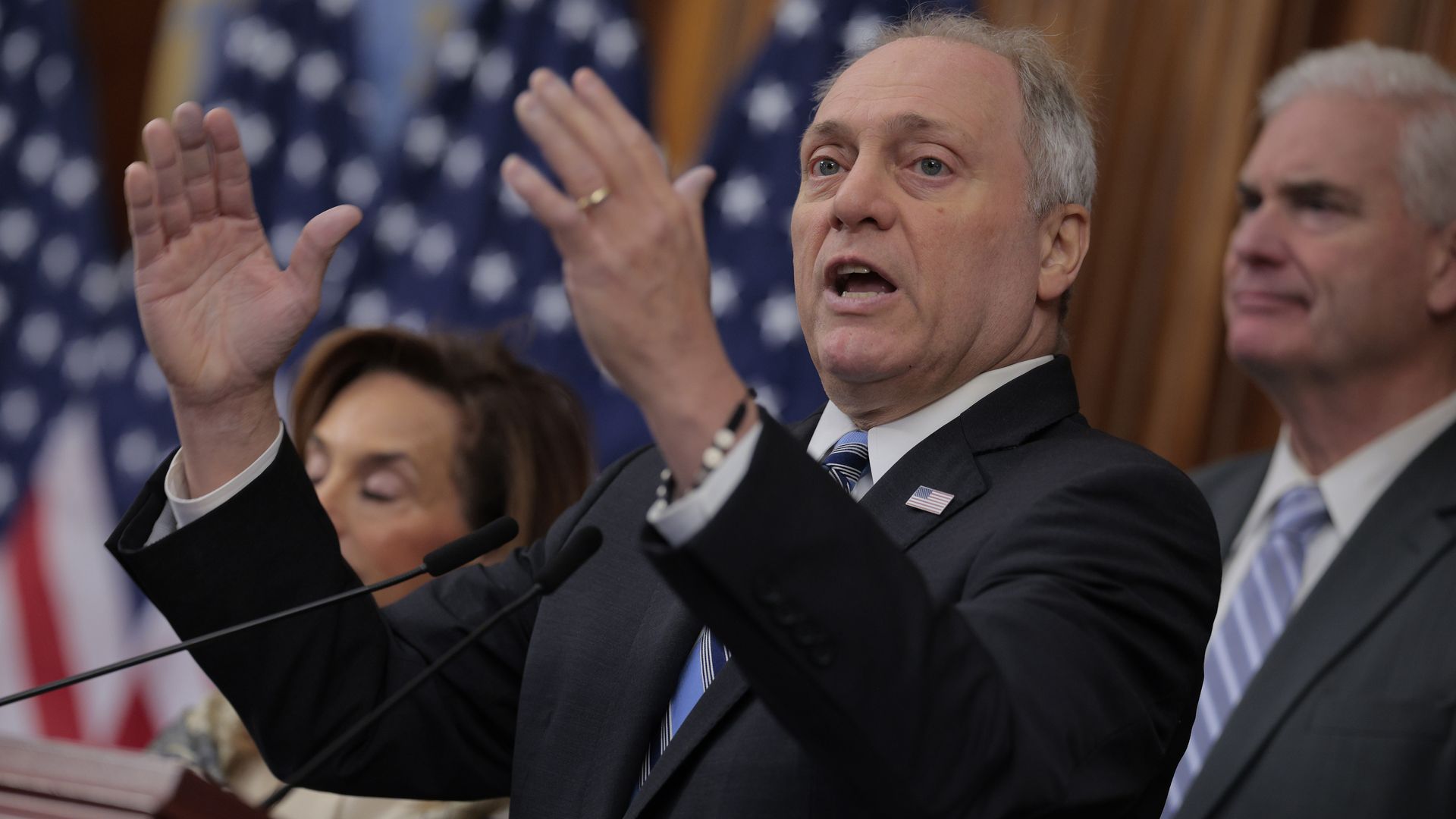
House Majority Leader Steve Scalise on Wednesday said Republicans are discussing several ideas that could become GOP asks for a year-end health deal once the government reopens.
Why it matters: His comments revealed some of the health proposals on the Republican side as Democrats insist on extending enhanced Affordable Care Act subsidies at the center of the shutdown fight.

OpenAI and Character.AI tighten safety after chatbot-linked suicides

OpenAI and Character.AI are tightening safeguards after increasing reports of adults and teens forming unhealthy attachments to chatbots.
Why it matters: A series of suicides linked to users' emotional dependence on AI companions has prompted senators to propose regulation and AI companies to begin making changes.
Disability services staffing squeezed as Medicaid cuts loom

Nearly 90% of the organizations providing Medicaid-funded community services for people with intellectual or developmental disabilities had staffing shortages this year, according to a trade group for the providers.
Why it matters: Staffing already is a long-standing problem for disability services providers and is expected to get worse as the effects of the budget reconciliation law and its nearly $1 trillion in Medicaid cuts are felt.

How Trump and RFK Jr. are enabling anti-pharma lawsuits

A lawsuit Texas filed Tuesday against the makers of Tylenol foreshadows a wave of legal warfare enabled by the Trump administration — and authorities fear it could eventually drive vaccine manufacturers out of the U.S.
Why it matters: It's not new for lawsuits to allege without solid proof that certain drugs do harm, but it is new when they cite the president and the country's top federal health official to make their case.

What happens to SNAP benefits already loaded to EBT cards in November
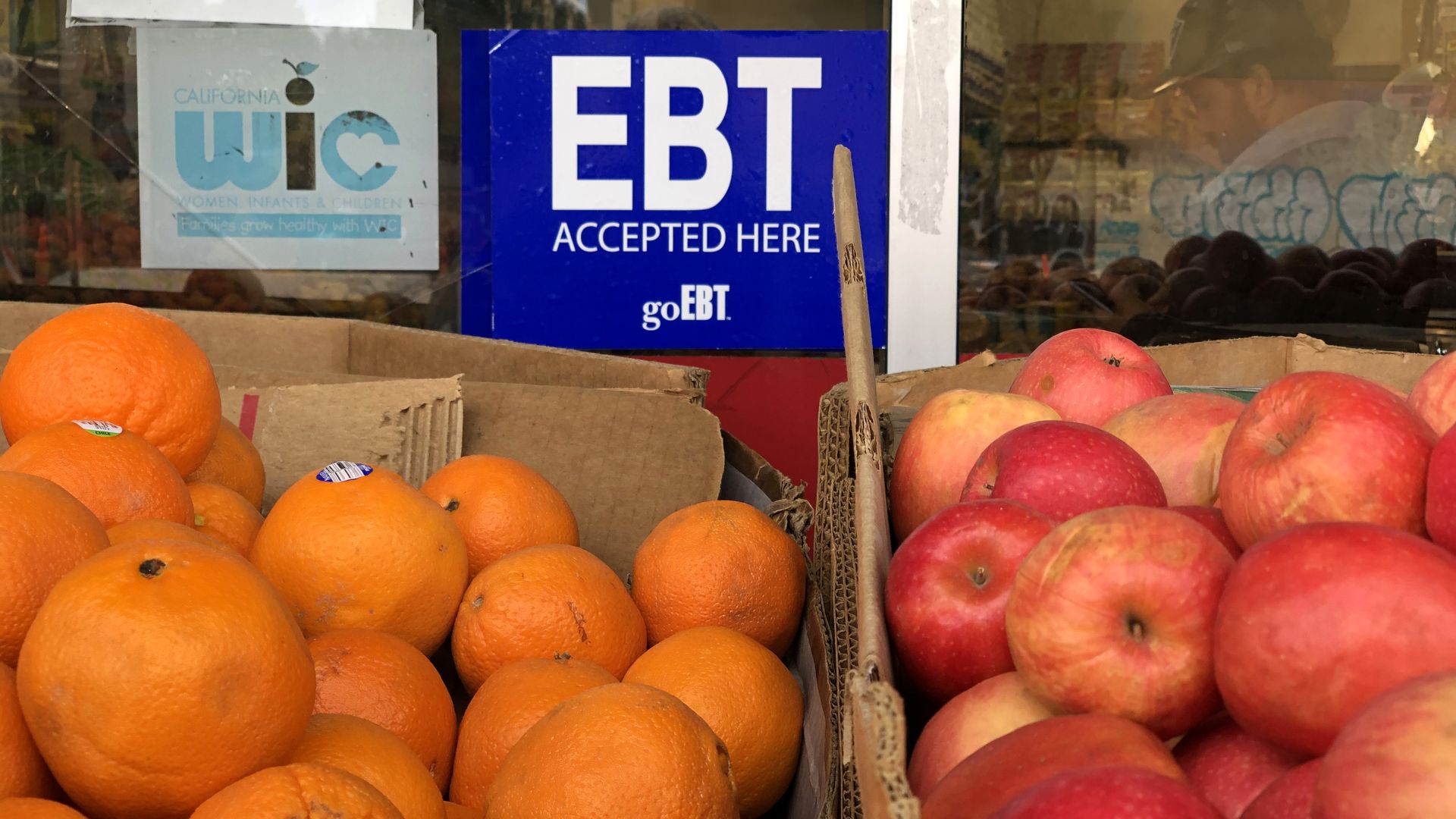
EBT cards aren't expected to stop working when SNAP benefits freeze in November.
Why it matters: About 42 million Americans — or around 20 million households — are expected to lose access to their Supplemental Nutrition Assistance Program benefits next month.
- EBT cards — used by recipients to spend SNAP funds — can still be used if they have leftover funds from previous months, experts said.
- However, experts said that many people spend their benefits during the month they're issued — so this is unlikely to help many.
Catch up quick: The government shutdown is expected to stretch into November. It has already disrupted air travel and food assistance.
- The U.S. Department of Agriculture told states it won't provide November's SNAP payments and that the agency won't tap into emergency funds for food stamps.
- SNAP benefits will not be distributed Nov. 1, leaving many struggling to buy food and goods
Yes, but: People will still have access to their EBT cards.
Here's what to know.
EBT cards and SNAP benefits
Zoom in: Any SNAP funds unspent from October or previous months will roll over into November.
- Benefits do not expire for an entire calendar year, per the Pennsylvania Department of Human Services.
- DHS officials recommend SNAP recipients keep their cards locked and secure to avoid losing funds.
What they're saying: "Your existing card will continue to work, but your regular payment will not appear," said Rep. Shontel Brown (D-Ohio) in a press release. "Keep your EBT Card active."
- Mackenzie Libbey with Community Legal Services told CBS News: "That's money that's already been appropriated. It's been put on their card."
- "So we definitely do not want people rushing out to try to use up their benefits at the end of October thinking they're not going to be able to buy anything in November."
Yes, but: SNAP recipients often spend all of their benefits at once, or in the month they're issued, Axios' Emily Peck writes.
- "About 80 percent of benefits are spent in the first two weeks and 97 percent by the end of the month," said Lauren Bauer of the Brookings Institution.
- This spending becomes a key revenue driver for grocery stores, meaning a drop in SNAP benefits usage can lead to a broader decline in general spending, too, Peck writes.
States and SNAP benefits
The intrigue: Some states say they're unsure if EBT cards will still work in November and that families should plan ahead.
- New Hampshire, for example, recommends beneficiaries use all of their funds before Oct. 31.
- Oklahoma similarly urged families to budget ahead of the Nov. 1 deadline.
States are handling the lack of SNAP benefit funding differently.
- Virginia declared a state of emergency so it can use funds to pay for benefits.
- Colorado Gov. Jared Polis asked his state for up to $10 million to support food banks.
What happens to EBT, SNAP when shutdown ends
What's next: Many expect that when the shutdown ends, any missed benefits will be sent retroactively to EBT cards.
- Brown of Ohio recommends those in need still apply or renew their benefit application as needed so they don't lose help when the shutdown ends.
What to watch for: Food banks are already seeing a surge of people as millions of families prepare for benefits to freeze.
Emily Peck contributed to this report.
Go deeper:

How Trump's strikes on "narco-terrorists" have escalated off Venezuela and beyond
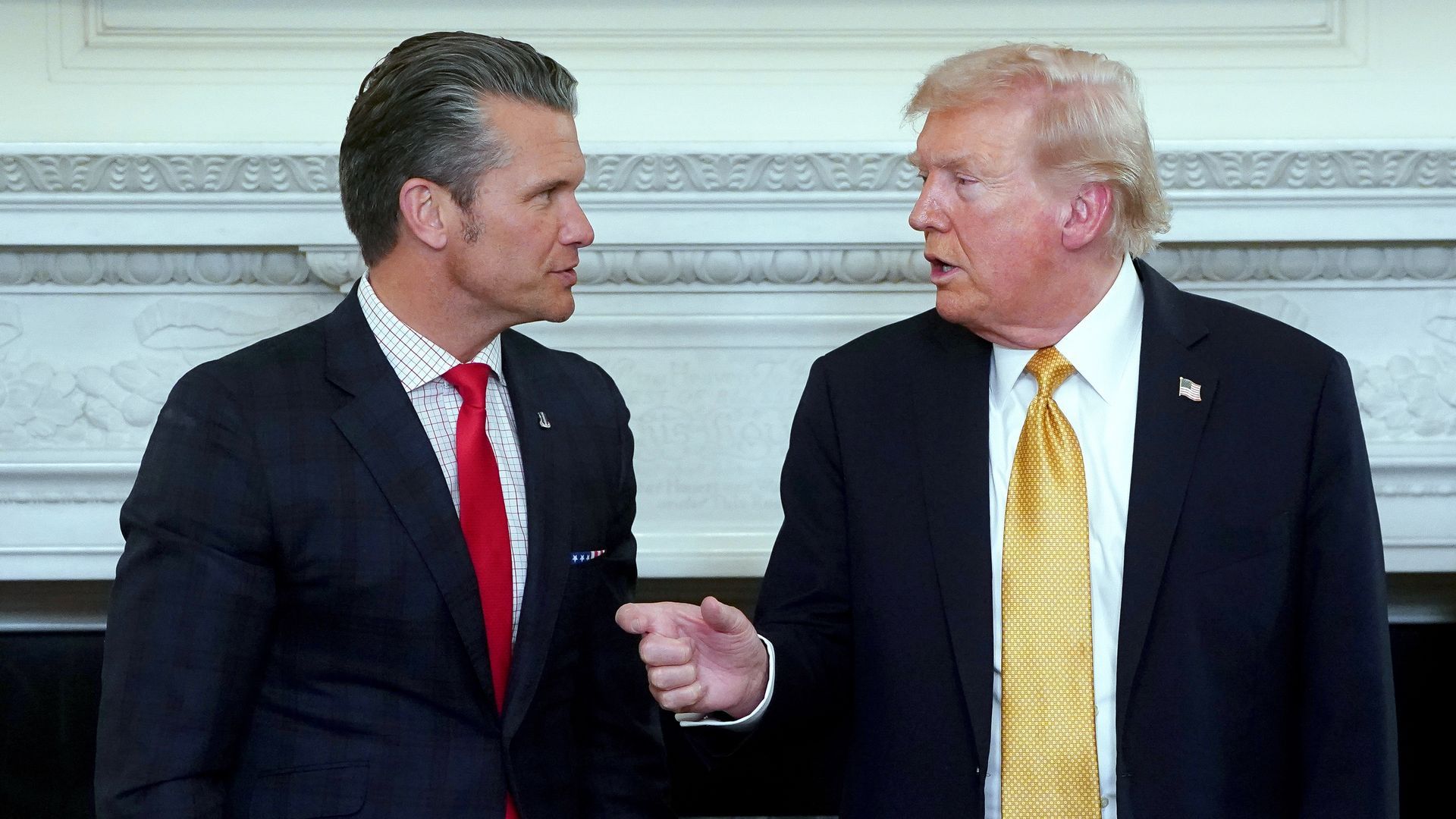
The Trump administration's military campaign against alleged "narco-terrorists" has now expanded beyond Venezuela, and just had its deadliest day yet.
The big picture: The U.S. has now conducted at least 13 strikes and killed at least 57 people in the Caribbean Sea and eastern Pacific Ocean. But beyond announcing the strikes and releasing several videos of boats exploding, the administration has provided next to no information about who has been killed and on what evidence.

Sen. Mike Lee draws ire with comment linking measles to immigrants
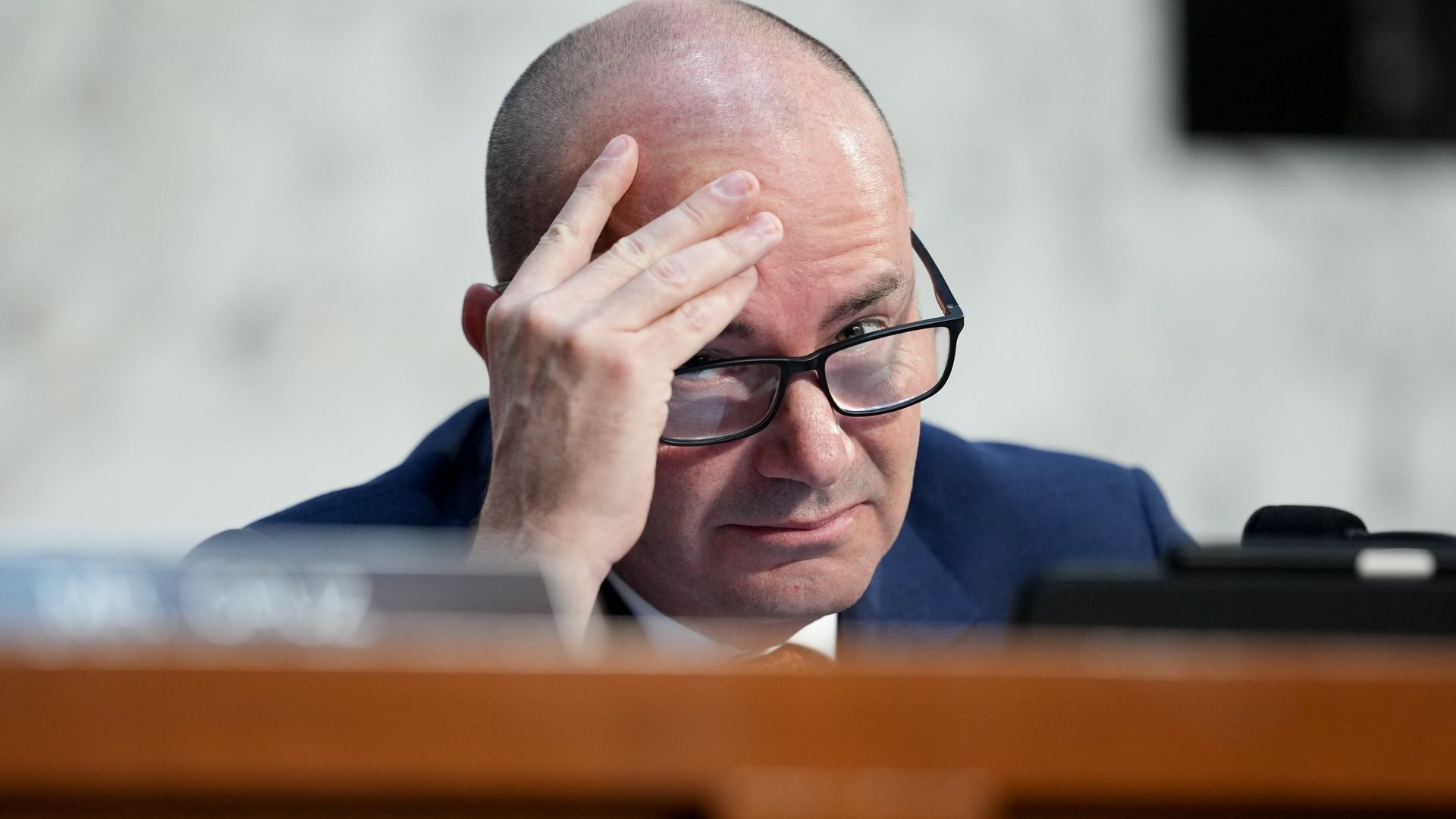
Critics accused Sen. Mike Lee of xenophobia and racism after the Utah Republican reposted a news story Monday about a local measles outbreak along with the comment: "Are these U.S. citizens getting the measles?"
What they're saying: "Lee is winking at the 'dirty immigrants' narrative without any evidence or even bothering to Google where the outbreak started," replied The Bulwark's Joe Perticone.

4 ways federal shutdown pain will spread to millions more Americans

Federal funding to programs that millions rely on, from early education to food and utility bill aid have shut down, leaving families scrambling for help.
Why it matters: As the shutdown marks its fourth consecutive week with no end in sight, the pain of federal closures is spreading far past government employees.

Scoop: Trump admin pushes back on rising health care costs
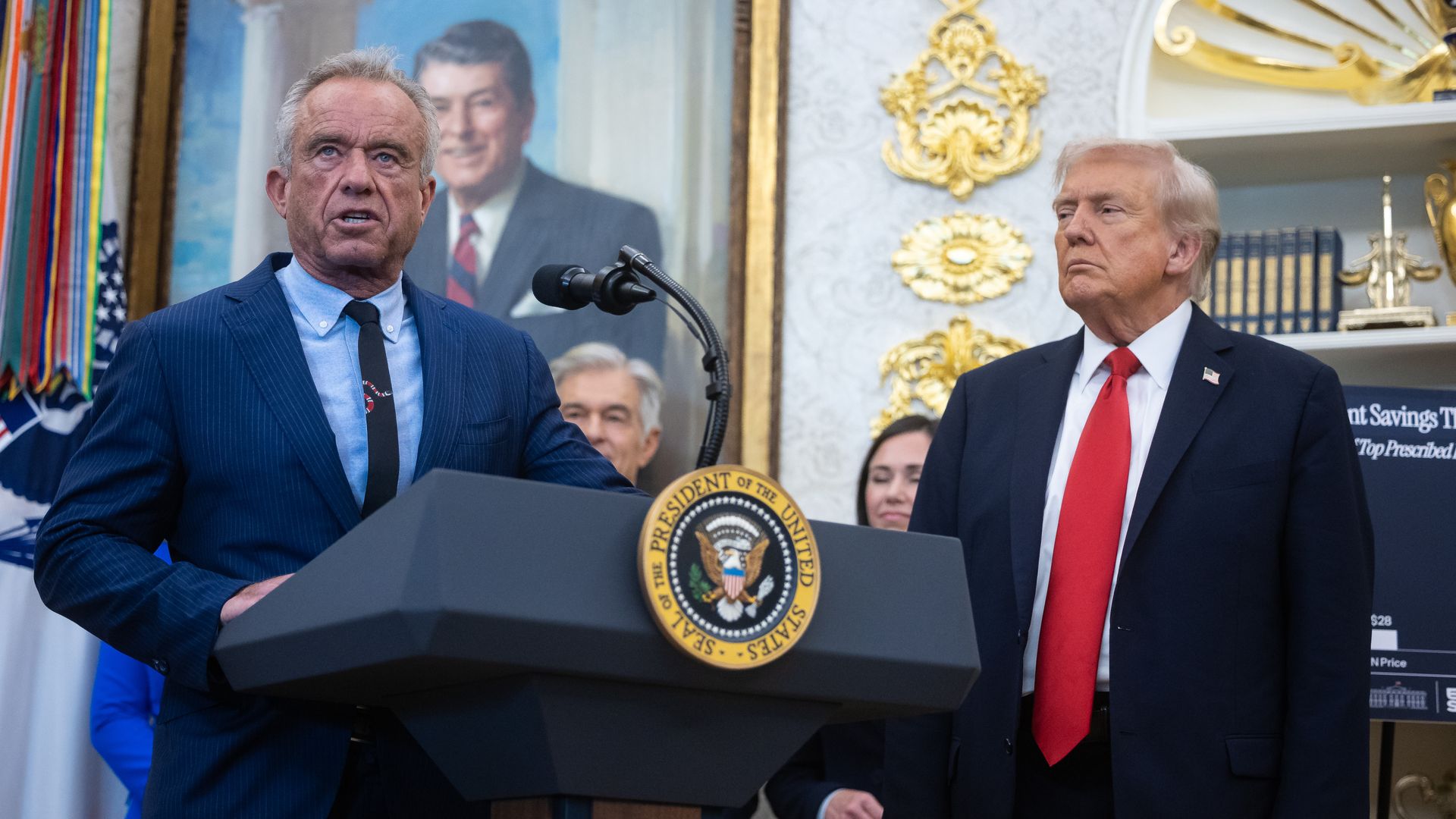
The Trump administration is arguing there will be lower premiums and more health care plans for Affordable Care Act enrollees next year compared to before the pandemic, according to a memo sent to congressional offices on Tuesday, obtained by Axios.
Why it matters: It's the first real rebuttal to Democratic warnings about skyrocketing premiums — a key driver of the now 28-day government shutdown.
Shutdown threatens millions living paycheck to paycheck


A growing number of Americans are living paycheck to paycheck, just as the social safety net beneath them grows weaker.
The big picture: The current economy leaves little room for low-income Americans to lose out on those checks, given the domino effect that threatens their housing, food, and medical care.

Texas sues Tylenol maker over link to autism
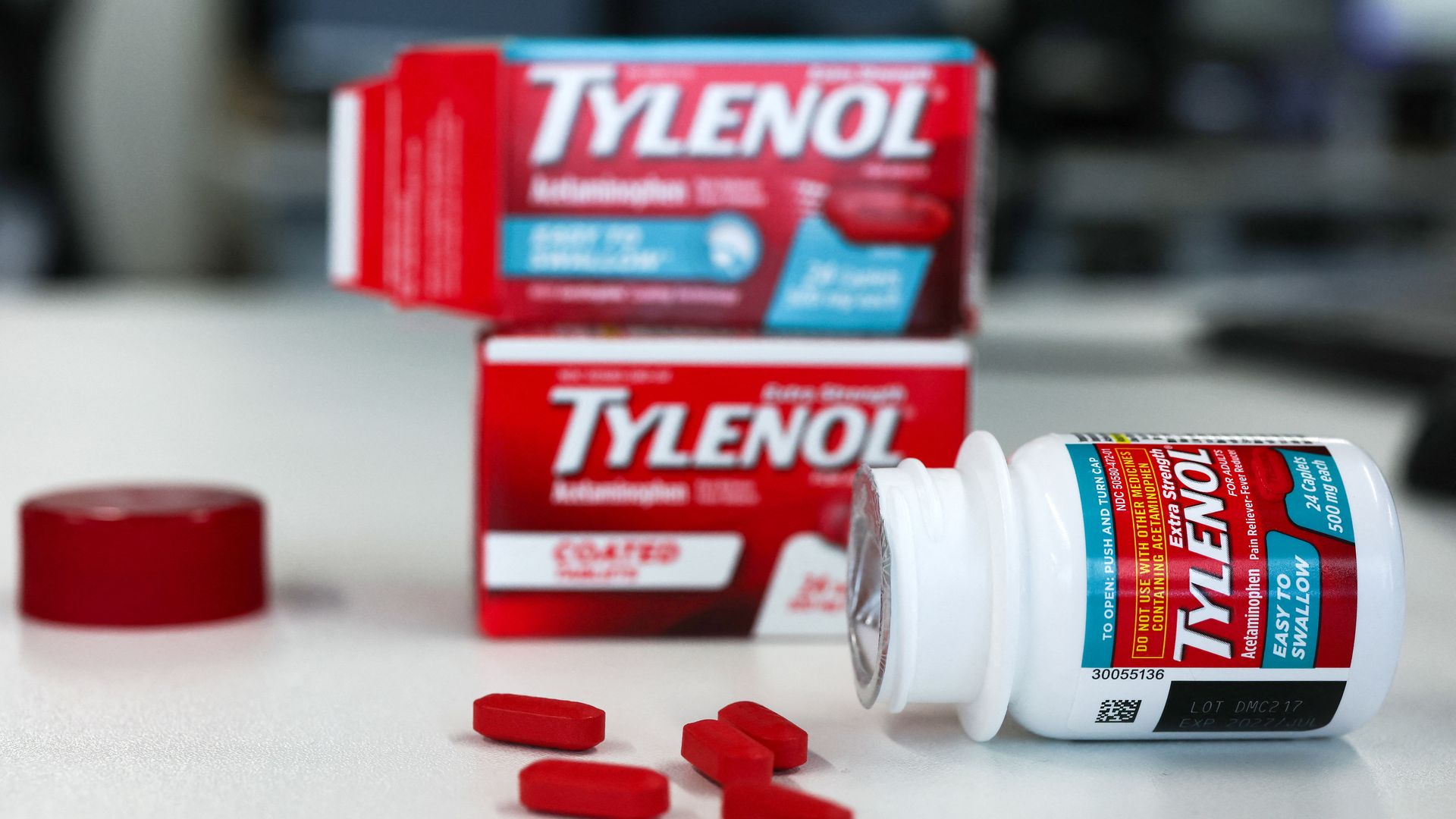
Texas' attorney general sued the makers of Tylenol Tuesday, charging they deceptively marketed the painkiller while knowing its active ingredient increased the risk of autism and other disorders.
Why it matters: The state's involvement adds a new legal twist to the controversy stemming from President Trump's claims that there may be a connection between Tylenol use among pregnant women and autism in children.
Medicare Advantage enrollees have less access to doctors: Study

Medicare Advantage enrollees on average had access to just under half (48%) of the physicians in their area who were available to people enrolled in traditional Medicare in 2022, a new KFF analysis finds.
Why it matters: While private Medicare plans cap out-of-pocket costs and offer extra benefits, they can also restrict enrollees' choice of physicians and other providers.
Food giants take on Kennedy-backed state laws

Big food companies are working with conservative strategists to build support for national standards that would preempt the state bans on dyes and additives that Health Secretary Robert F. Kennedy Jr. is promoting.
Why it matters: The new food and beverage coalition, which includes companies like PepsiCo and Kraft Heinz, could expose cracks between Trump-aligned business interests and Kennedy's "Make America Healthy Again" movement.
Exclusive: AI users see brighter job futures, study says
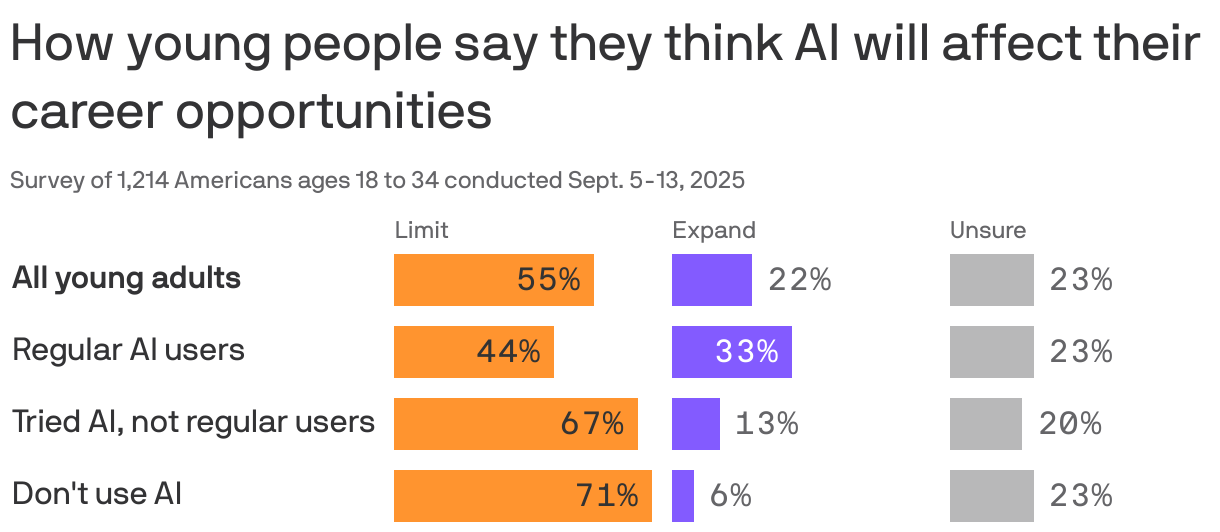
Young Americans who use AI tools regularly are more optimistic about their careers than their peers who don't, per new data from American University's Sine Institute.
Why it matters: Fear of AI may already be holding people back — and that hesitation could widen opportunity gaps.

Why adults love Halloween, too

Halloween isn't just for kids. It's a rare moment when adults actually meet their neighbors.
Why it matters: Only about a quarter of adults in the U.S. say they know "all or most" of their neighbors, a 2025 Pew Research Center survey found.