How fear of AI could limit its benefits to a few

Add Axios as your preferred source to
see more of our stories on Google.
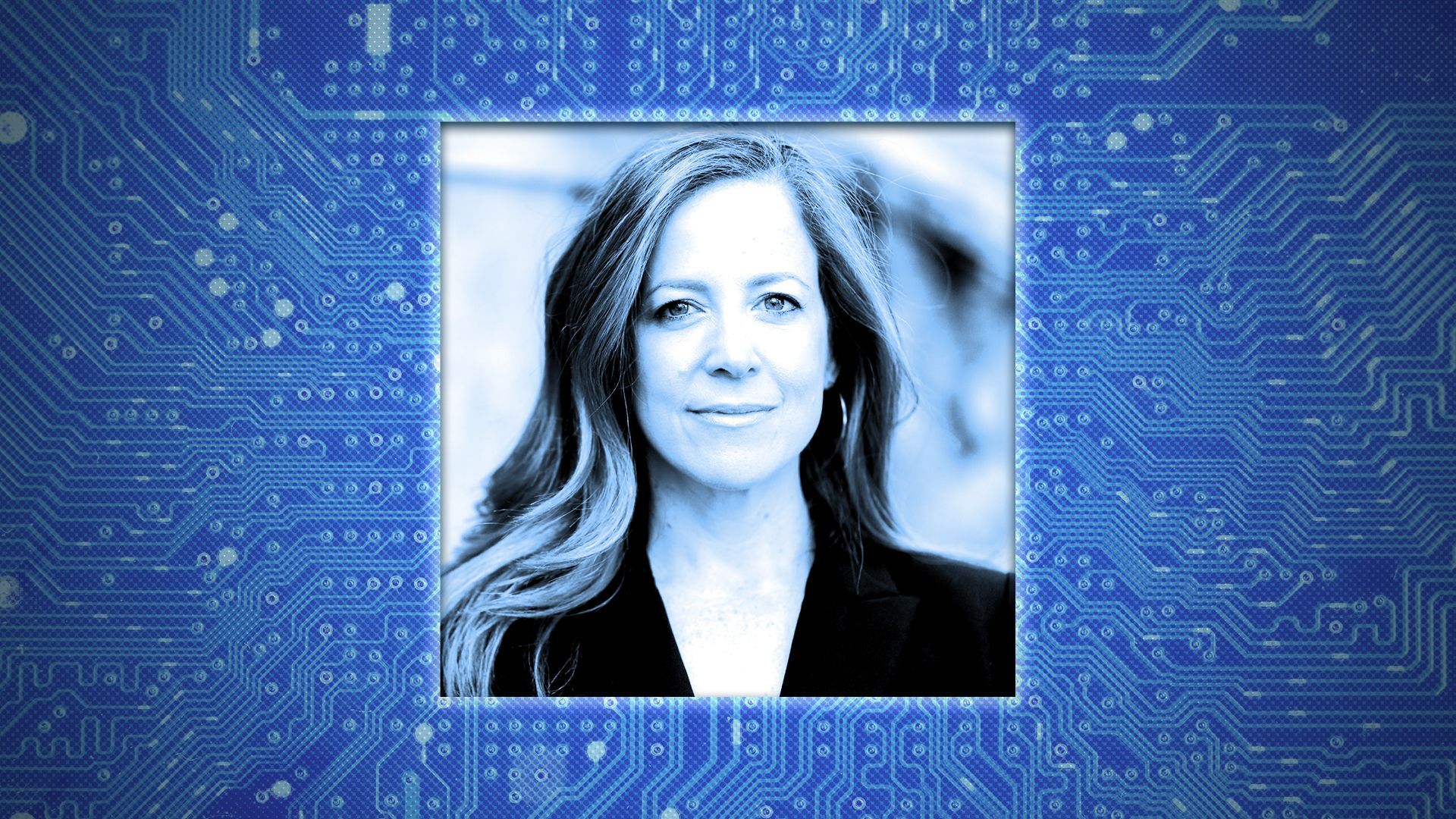
Photo Illustration: Axios Visuals; Photo: EqualAI
Miriam Vogel — president and CEO of EqualAI — believes that the only thing we have to fear about AI is the fear of AI itself.
Why it matters: Despite enthusiasm among investors, tech firms and some early adopters, the vast majority of people are still afraid to use AI, Vogel told Axios — meaning the technology could end up "only benefiting a small, homogenous group."
Catch up quick: Under President Obama, Vogel served as senior policy adviser in the White House and associate deputy attorney general at the Justice Department.
- She's now the chair of the National AI Advisory Committee in addition to her role at EqualAI, an organization dedicated to responsible and inclusive development of artificial intelligence.
The big picture: Vogel said EqualAI has always been "AI net positive." When EqualAI launched six years ago, the mission was to warn AI enthusiasts of the technology's potential liabilities and hazards.
- Now she said she's more focused on stemming growing fears around generative AI, while still helping people understand the risks.
Between the lines: When she talks to average people about AI, Vogel said discussions are often permeated with fear:
- "I'm going to be replaced."
- "I won't understand it."
- "My kids won't have a place in this world."
- "Humans will not survive."
The worst thing about these fears, Vogel said, is that they stop people from engaging with or even using AI.
- Vogel said that when she asks friends and family if they've tried ChatGPT, most of them say no — and if they have tried it, most of them have only used it once.
- The more people avoid using AI, the more likely these fears could turn into self-fulfilling prophecies.
- Vogel said her goal and the goal of EqualAI is to "get more people to engage with eyes open" to make sure AI's benefits reach a wide population.
Case in point: AI literacy programs are essential for getting more people to engage with the technology, Vogel said.
- "It's too often that I'll ask an audience where they're using AI today and they have no idea that they've used it 15 times before they walked in the room."
- AI literacy means "critical thinking," she said: "It's not just computer science. It's understanding false images and misinformation as well."
- Such programs are tough for the federal government to promote since states control American education, schools aren't versed in the subject and the information is all coming from the tech industry, Vogel said — but Washington can establish standards to make sure "our kids are AI-ready," and not doing so is "malpractice."
Yes, but: Many people still don't regularly use generative AI because they've yet to find a good reason to do so.
- Meanwhile, the companies building AI are regularly making mistakes or shipping faulty products that give credence to people's fears.
The bottom line: While fears of being replaced or left behind are real, Vogel insisted that we're not powerless against them.
- "We have this moment to make sure that more communities are participating and benefiting from AI — and if we do, our AI will be better."
- "We've been through inflection points before," she said, and each time, "humans have prevailed."
