FDA plans to speed approvals of biosimilars

Add Axios as your preferred source to
see more of our stories on Google.
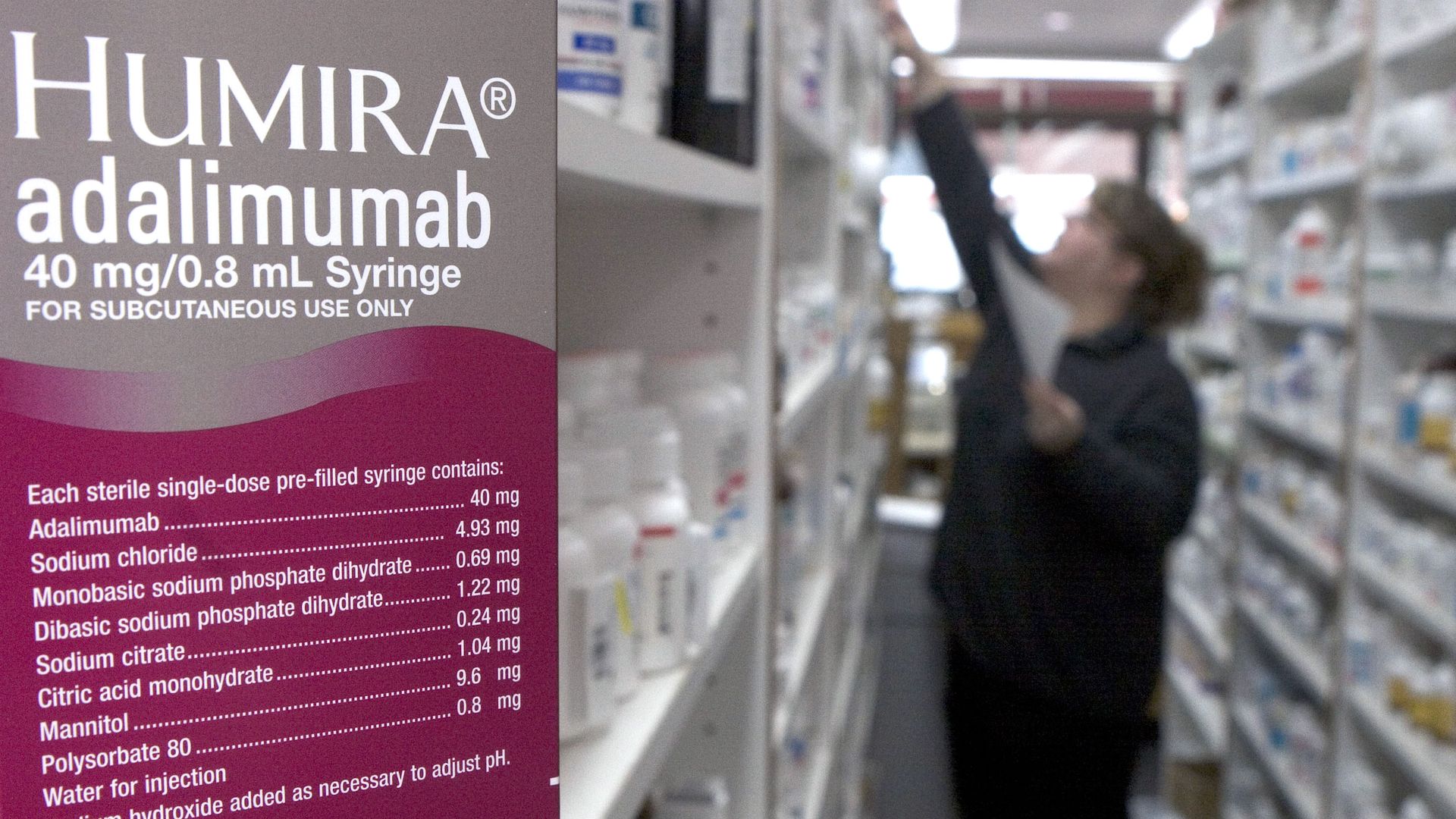
Photo: Jb Reed/Bloomberg via Getty Images
The Food and Drug Administration on Wednesday unveiled steps to streamline the way it approves lower-cost versions of biologic drugs, in a bid to curb health costs.
Why it matters: After years of lagging uptake, biosimilars are gaining traction, especially for cancer and autoimmune conditions.
- But manufacturers have had to conduct additional research, such as switching studies, in order to deem the treatments interchangeable with the brand-name product.
Driving the news: Federal regulators laid out conditions under which biosimilars can be brought to market without the need for such comparative effectiveness studies.
- A streamlined approach can be considered when the brand-name product and proposed biosimilar are manufactured from clonal cell lines, are highly purified and can be well-characterized analytically, per the guidance.
- There still are circumstances where added studies will be necessary, the agency said.
What they're saying: "Under this new framework, companies may not always need to conduct large, expensive human trials when advanced testing can already prove that biosimilars work just as effectively and just as safely as the original drug," Health Secretary Robert F. Kennedy Jr. said.
- FDA commissioner Marty Makary pointed to red tape he said delayed for years biosimilars for AbbVie's blockbuster rheumatoid arthritis drug Humira.
The big picture: It's the latest administration move aimed at curbing drug costs and streamling approvals.
- The FDA recently awarded priority reviews for nine drugs, though some are already FDA-approved, meaning the priority review is only for approval of a new use.
The other side: The drug industry has previously opposed efforts to make it easier to swap biosimilars for their brand-name counterparts.
