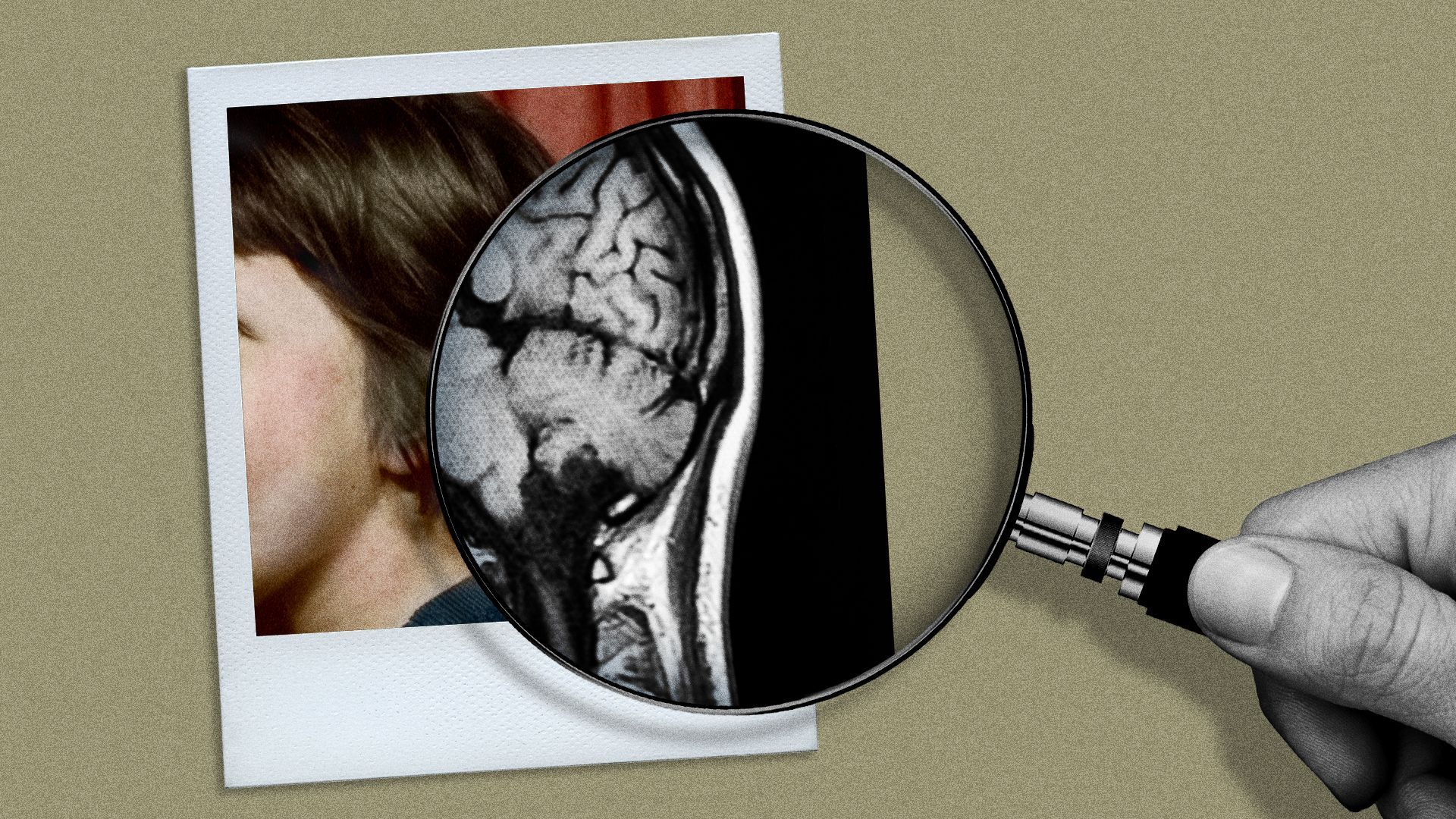
Getting a false positive on a mammogram — especially if it's accompanied by a recommendation forfollow-up visits or a biopsy — could discourage patients from seeking future screening, according to a new study.
Why it matters: Previous findings show roughly half of all women receive afalse positive mammogram over a decade of annual screening.
Inaccurate results are more common in younger women with denser breast tissue, meaning a false positive could be a significant deterrent to future preventive health services.
What they found: Researchers from the University of California, Davis studied more than 3.5 million screening mammograms performed at 177 breast imaging facilities in the U.S. between 2005 to 2017.
💰 White individuals who donated their eggs for infertility treatments were paid up to eight times more than Black donors, according to a new book. (Semafor)
💉 Coronavirus vaccines, once free, are now pricey for uninsured people. (WaPo)
🏥 A leading chain of psychiatric hospitals is holding patients against their will in order to maximize insurance payouts, according to a New York Times investigation. (NYT)
The federal government is laying the groundwork to test electric air taxis to quickly respond to natural disasters and other public health emergencies in remote areas, Axios is first to report.
Why it matters: Rural areas increasingly lack access to hospitals and other medical facilities — a health care gap that's especially acute after a natural disaster like a hurricane.
More than 5.4 million Medicare recipients likely have Alzheimer's or another type of dementia, according to researchers developing a first-ever nationalsurveillance system for tracking the dreaded neurological conditions.
Why it matters: The lack of a widely accepted monitoring tool has made it hard to get a fix on the prevalence of dementia and to direct spending on care, even as science makes it easier to clinically diagnose symptoms and slow cognitive decline.
Getting a false positive on a mammogram — especially if it's accompanied by a recommendation forfollow-up visits or a biopsy — could keep patients from seeking future screening, according to a new study.
Why it matters: Previous studies have found roughly half of all women receive afalse positive mammogram over a decade of annual screening.
Why it matters: Kennedy filed a lawsuit asking to remove his name from the ballot in the battleground state after Michigan Secretary of State Jocelyn Benson said it wasn't possible for minor party candidates to withdraw.
People are borneither minimalists — or collectors, says Twin Cities homeowner Cathy Swope, who's amassed dozens of cookbooks, jigsaw puzzles and vintage lamps, among other items.
The big picture: We received a flood of responses from Axios Local readers about their nostalgic and beautiful collections.
Dogs may not have anything to eat, but students could feel less stress if more schools reconsider their homework assignment policies.
Why it matters: Conversations about the value of homework in education have simmered for years, but students' mental health struggles and artificial intelligence have pushed it to the forefront.
Former Freedom Caucus Chair Scott Perry's (R-Pa.) support for a strict anti-abortion measure is coming back to haunt him in a new Democratic ad, Axios has learned.
Why it matters: Democrats' fight to retake the House has homed in on reproductive rights and singled out lawmakers like Perry with long anti-abortion records.
Many first-year college students from different states, backgrounds and majors have one thing in common: stressed-out parents struggling with the separation.
Why it matters: Parents have grown more involved in, and more anxious about, their kids' lives. That's changing the experience of going to college — and growing up.
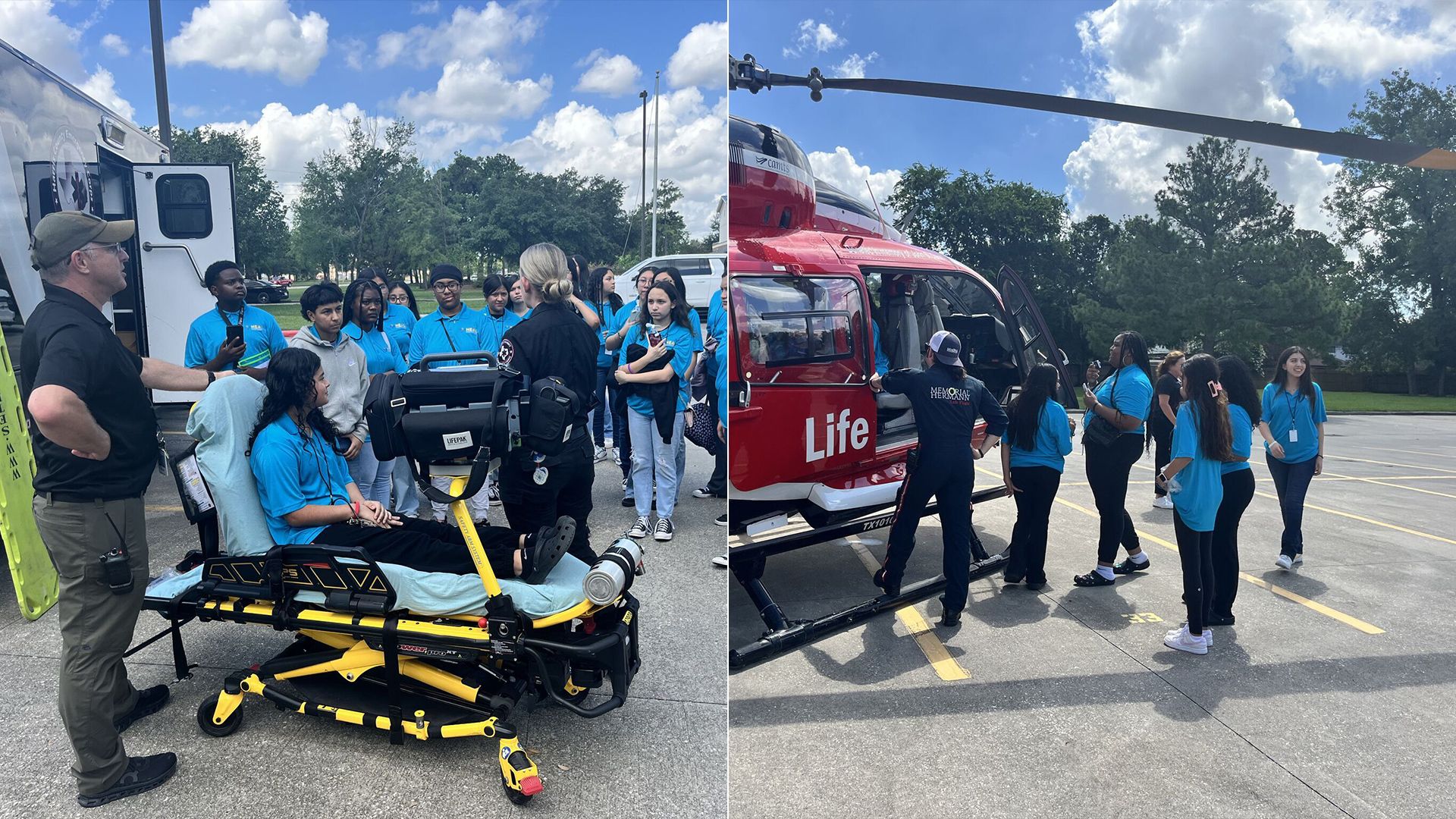
Why it matters: Vocational programs immerse students as early as the ninth grade in local health systems, hoping to create a career path for a new generation of pharmacists, lab techs, and nurses right out of high school.
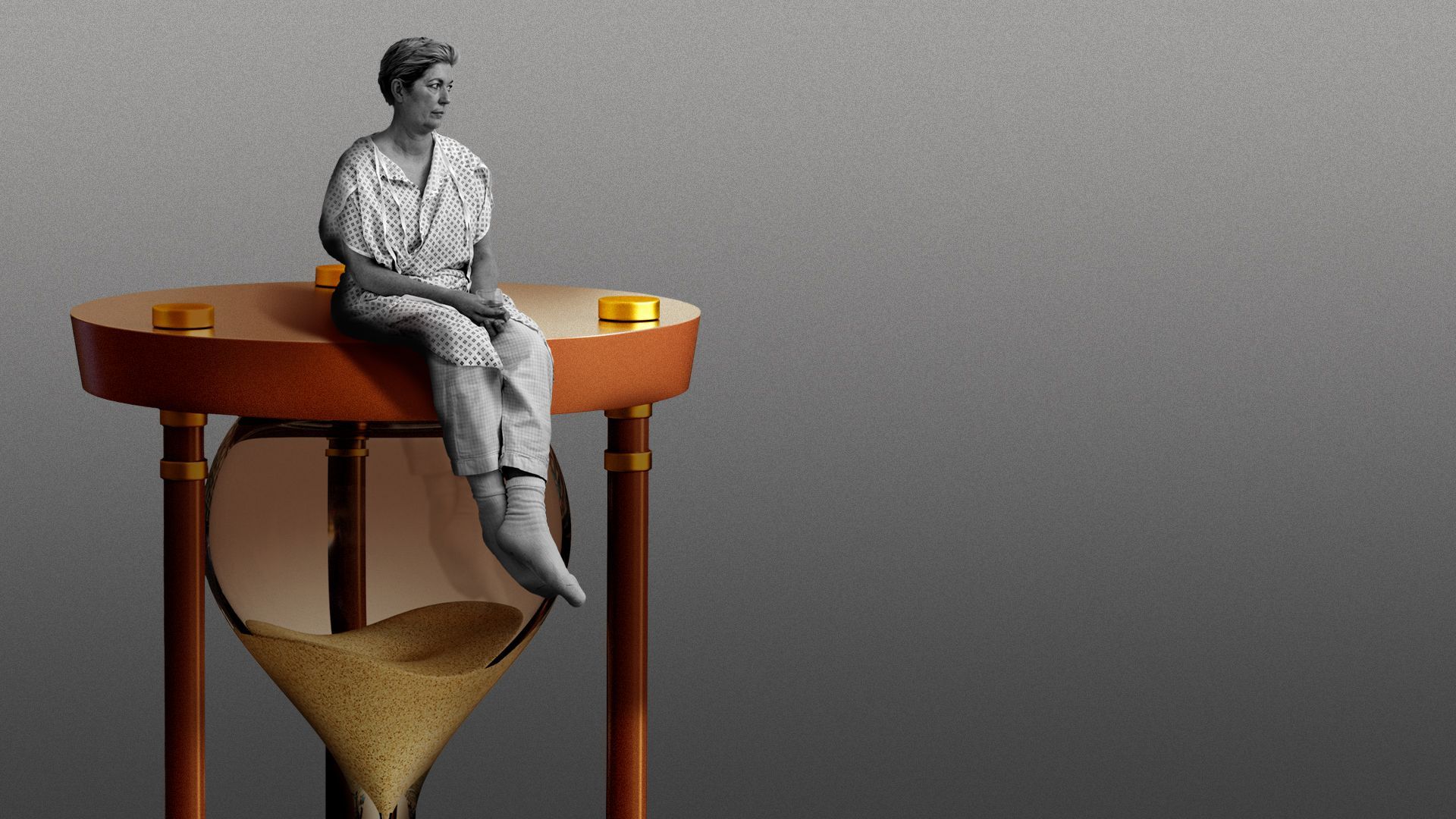
The U.S. spends more on health care than almost anywhere else. But increasingly patients are getting less in return, and enduring long waits to get not as much face-time with their clinician.
Why it matters: Shrinkflation is hitting a sector that accounts for almost one-fifth of the economy, eroding the doctor-patient relationship and leaving many turning to urgent care clinics or telehealth services.