Vice President Kamala Harris has pitched policy positions on the economy, immigration and abortion in the weeks since she became the Democrats' presidential nominee, even as her flip-flops have attracted press coverage.
Why it matters: Harris has benefited from a surge of voter enthusiasm since she entered the race — and one of her greatest challenges in the final stretch of the campaign will be sustaining that momentum while giving voters a clear understanding of what she'd do as commander in chief.
It's official: Six of Steward's Massachusetts hospitals will get new operators under a $343 million deal that was given the green light in bankruptcy court this week. Two other Steward-owned hospitals in the state closed last weekend, and Steward announced the sale of its doctors group last month.
Why it matters: This is the end — in Massachusetts — of a months-long ordeal that critics say laid bare the risks of private equity involvement in health care and threatened access to hospital care for patients in the state.
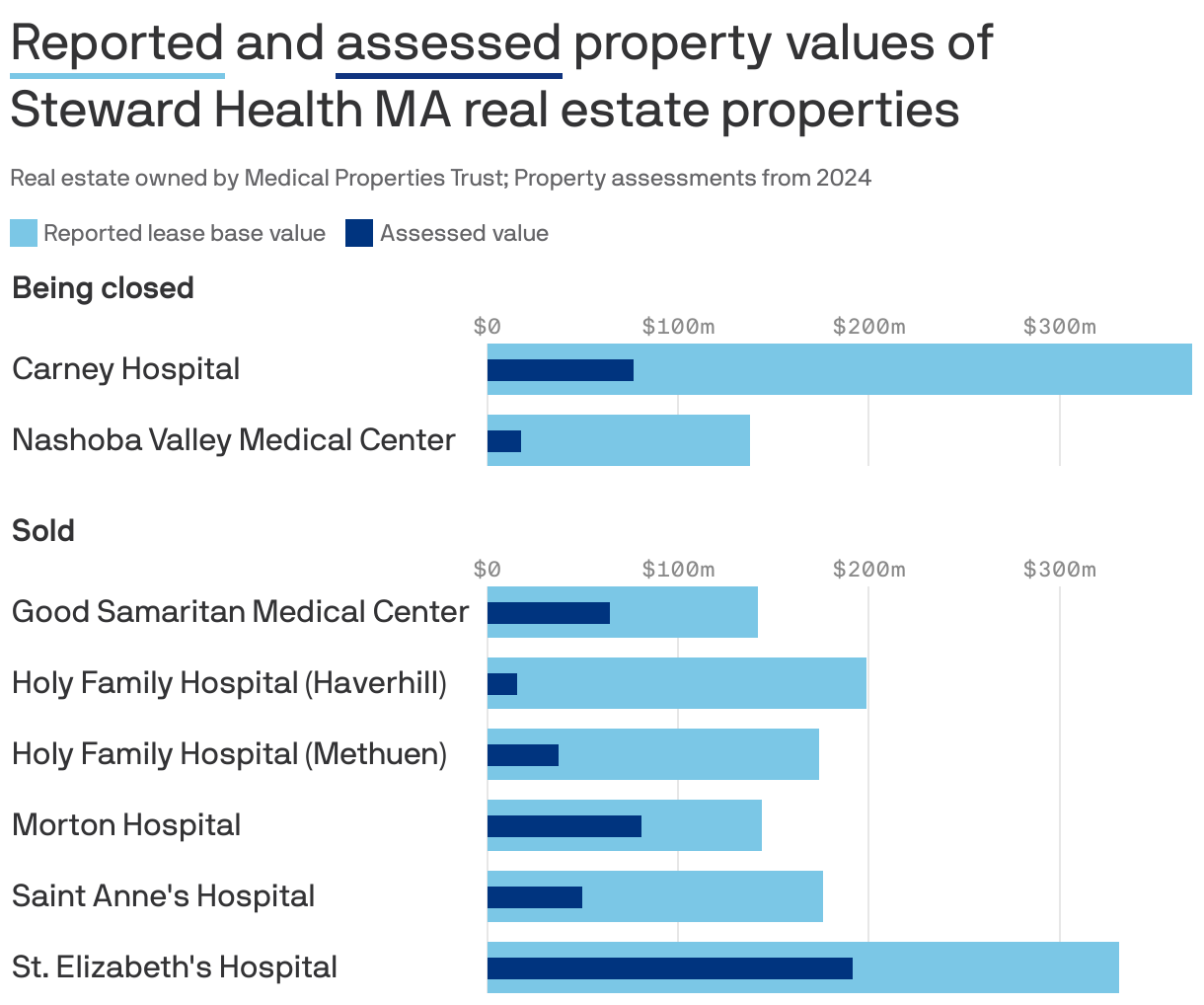
Data: Axios research of court documents and local property assessment records. Chart: Jared Whalen/Axios
It's official: Six of Steward's Massachusetts hospitals will get new operators under a $343 million deal that was given the green light in bankruptcy court this week.
Two other Steward-owned hospitals in the state closed last weekend, and Steward announced the sale of its doctors group last month.
Why it matters: This is the end — in Massachusetts — of a months-long ordeal that critics say laid bare the risks of private equity involvement in health care and threatened access to hospital care for patients in the state.
There's an alternate argument here: The hospitals were worth what MPT said they were, and the issue wasn't the size of the rent. The problem is that Steward's management ran it into the ground until it couldn't pay its bills.
By the numbers: The lease base for the eight Massachusetts hospitals, according to court documents, was $1.67 billion.
The deal for six of them — remember, two closed — was for $343 million. One of the six is being acquired by the state through eminent domain.
The total assessed 2024 value for those six hospitals was more than $400 million, meaning in this case the market valued them even less than the government did.
As you likely know, whatever honeymoon Medicare Advantage was on as it cruised toward its current size — covering more than half of the Medicare population — is over, and enrollees are probably starting to notice.
Why it matters: MA has been very lucrative for insurers, shaping their behavior in ways that economists and journalists are still uncovering. But both policy decisions and real-world dynamics have blunted the program's profitability, which is likely to have trickle-down effects.
Who knows where this all ends up. But it's worth keeping track of the incremental developments that could eventually bring the temperature to a boil.
A common food dye can temporarily make the skin, tissues and muscles of a mouse transparent, revealing the blood vessels, nerves and organs inside, scientists reported Thursday.
Why it matters: The process hasn't been replicated in people but could point to new ways to detect and treat cancers, image back injuries and monitor diseases, along with a range of other medical applications.
Half a million fewer teens said they used e-cigarettes this year compared to last, according to an annual federal survey that credited a crackdown on Elf Bar products and other enforcement efforts.
Why it matters: It's the lowest level in a decade and a signal of progress in efforts to curb youth tobacco use, the Food and Drug Administration and the Centers for Disease Control and Prevention said on Thursday.
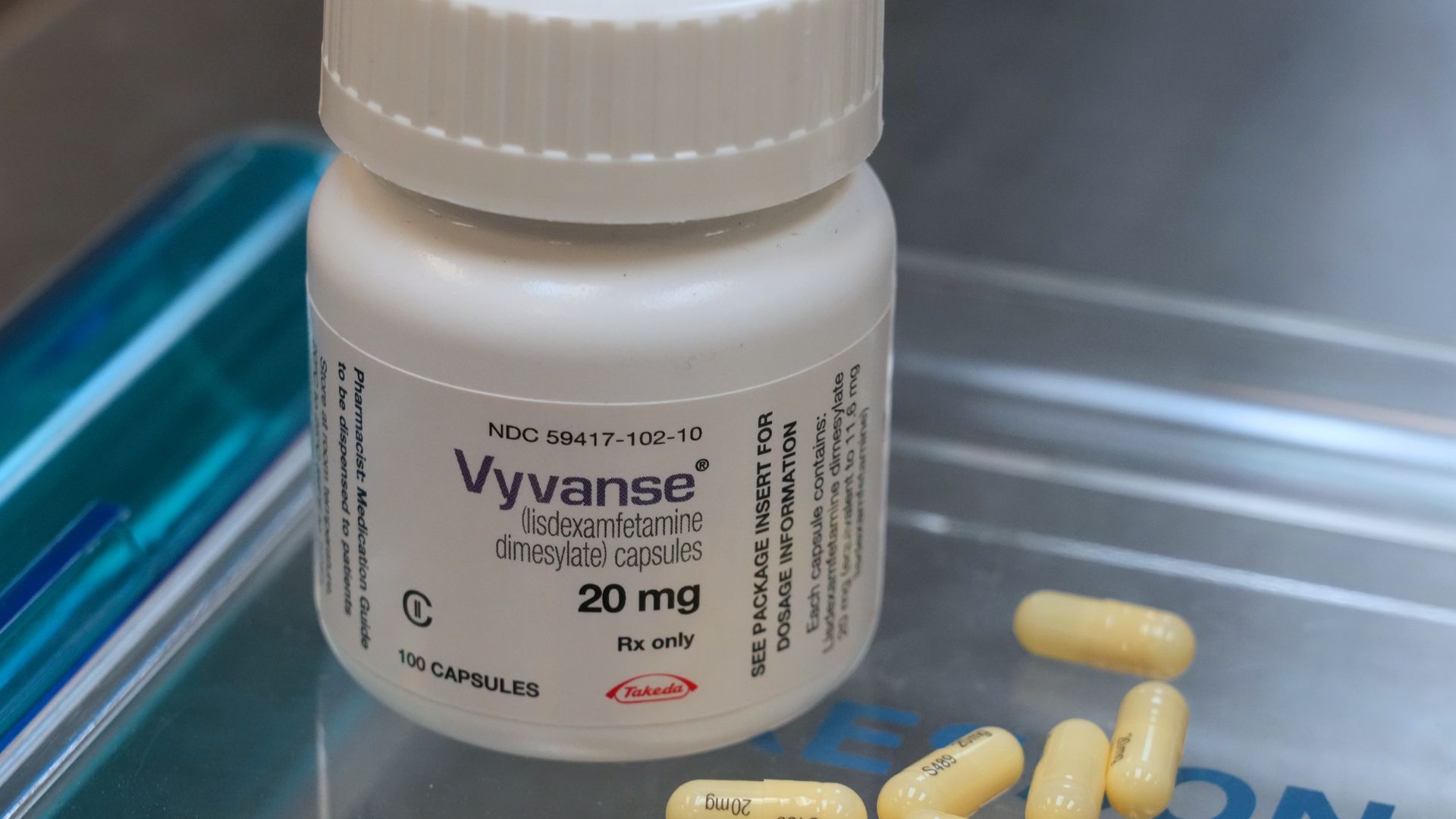
The Biden administration is raising production caps on the sought after ADHD drug Vyvanse and its generic equivalents, in response to a Food and Drug Administration request to address shortages of the prescription stimulant.
Why it matters: Patients nationwide have been scrambling to find a variety of ADHD medications due to soaring demand and federal limits on controlled substances, as well as manufacturing problems.
Johnson & Johnson broke its promises to investors in Auris Health, a surgical robotics startup it bought five years ago for $3.4 billion. Now it must shell out another $1 billion, based on a ruling yesterday from Delaware Chancery Court.
Why it matters: This appears to be the largest legal reward ever granted in an investor earnout dispute, and could change the way that such provisions are written.
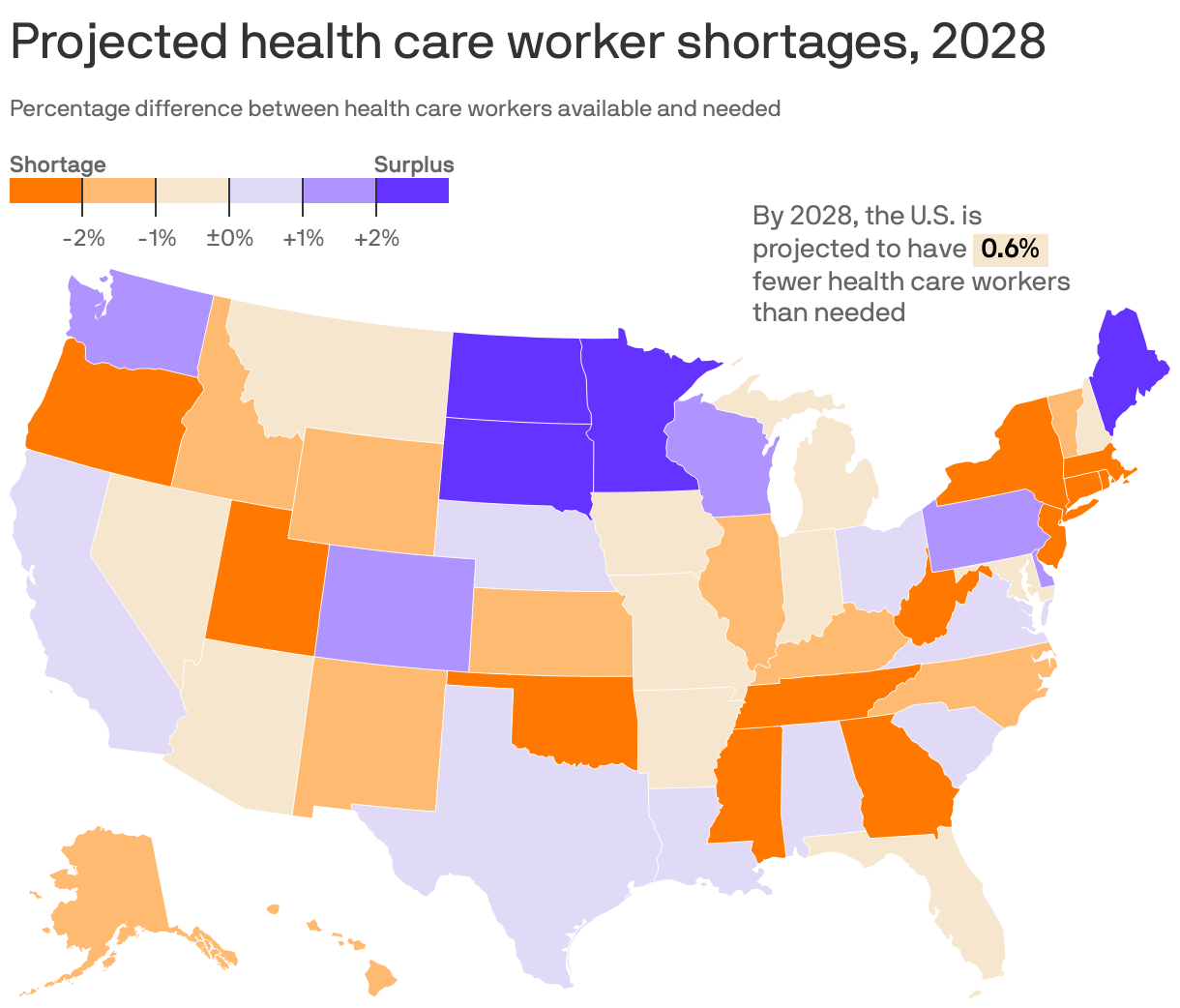
Continued worker burnout and more demand for care from an aging population will drive health care workforce shortages into 2028 — though with significant variations by state, according to a Mercer analysis.
Why it matters: While there's been considerable attention paid to physician shortages, the analysis highlights an acute need for more nurse practitioners, even in states like California and Texas that will have overall surpluses of health workers.
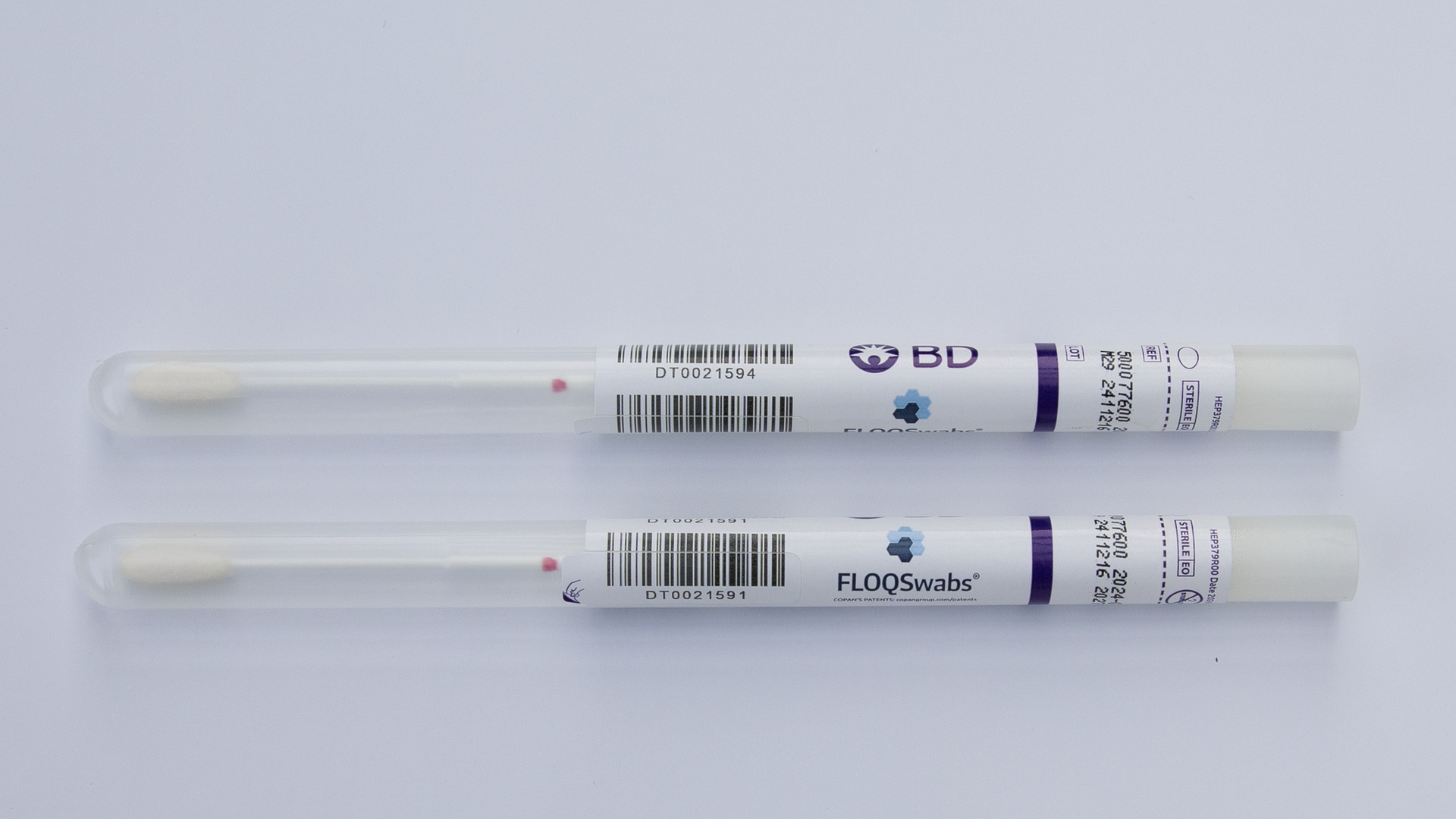
The first self-collection kits for cervical cancer screening were shipped to doctor's offices and other health care facilities today, Axios has learned, providing patients with an alternative to Pap smears.
Why it matters: The less-invasive self-swabs allow health clinics that don't have speculums, stirrups, and other equipment to start offering screening.
It's an alternative to Pap smears, which can cause extreme discomfort, including for those patients with a history of sexual trauma or chronic pain.
The big picture: About a quarter of U.S. women are overdue for cervical cancer screening, according to the National Cancer Institute. Women in the South, where screening and preventive care lag behind the rest of the country, are more likely to die from the treatable disease.
📈 New breast cancer diagnoses among Asian American and Pacific Islander women are rising much faster than in many other racial and ethnic groups. (KHN Health News)
🦠 A Mayo Clinic study suggests that being vaccinated against COVID-19 does little to prevent long COVID. (CIDRAP)
🐖 A startupthat genetically edits pig organs for human transplant won a new round of venture capital funding. (Axios)
The first self-collection kits for cervical cancer screening have been shipped to doctor's offices and other health care facilities today, Axios has learned, providing patients with an alternative to Pap smears.
Why it matters: The less-invasive self-swab requires less equipment, allowing health clinics that don't have speculums and stirrups to start offering screening.
A recent legal win by the hospital industry over its use of website tracking technology could leave patients' data vulnerable to being shared with online marketers, data brokers, and social media platforms.
Continued worker burnout and more demand for care from an aging population will drive health care workforce shortages into 2028 — though with significant variations by state, according to a Mercer analysis.
Why it matters: While there's been considerable attention paid to physician shortages, the analysis highlights an acute need for more nurse practitioners, even in states like California and Texas that will have overall surpluses of health workers.
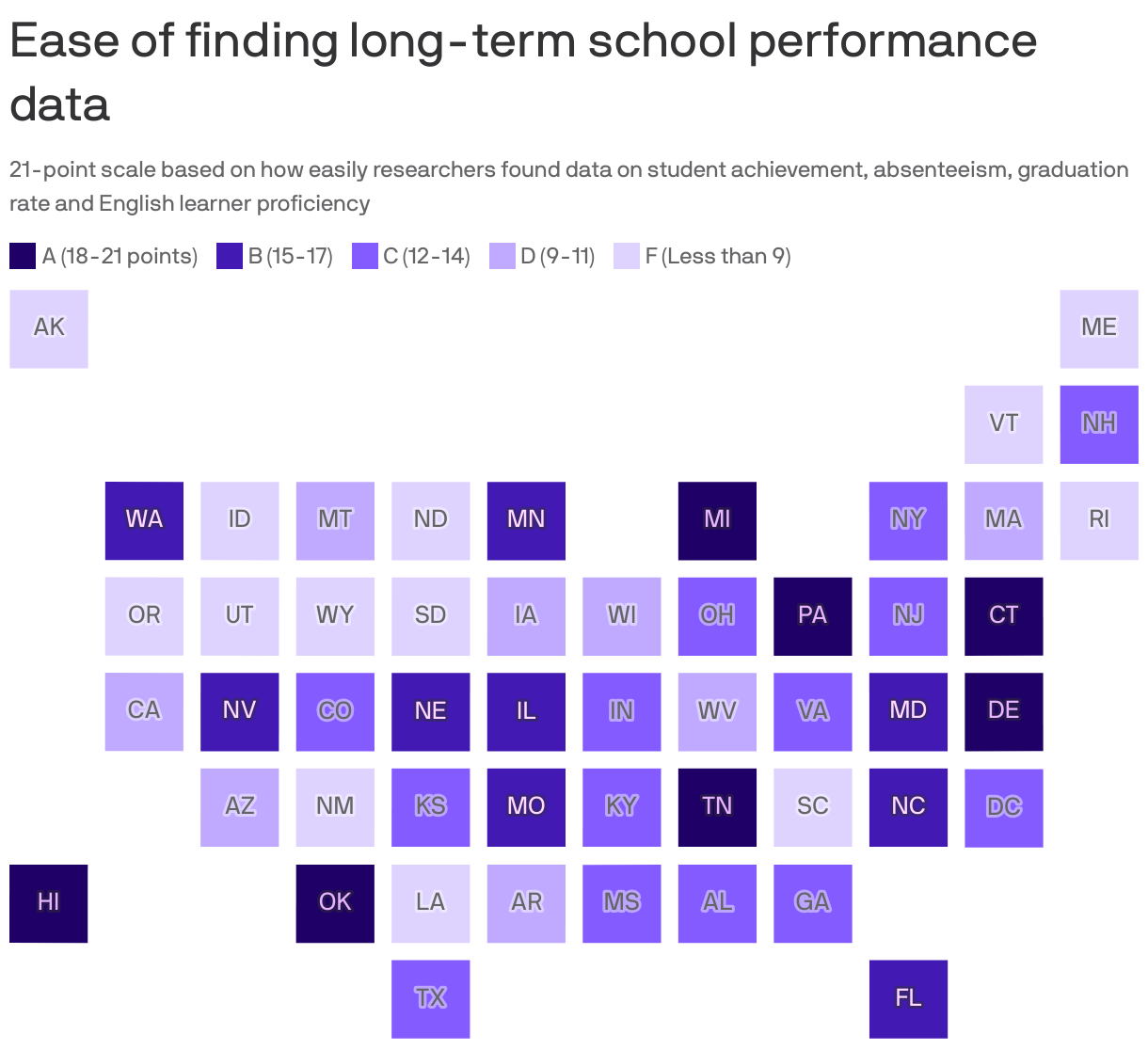
The majority of states are failing to provide accessible, transparent school performance data on student learning loss from COVID-19 shutdowns, a new study finds.
Why it matters: The lack of data makes it hard for parents to choose a school for their child using state report cards mandated by federal law or to put pressure on struggling schools.
Blink. Chances are, you haven't done that in a while. Now, focus on something 20 feet away for 20 seconds.
If you do that every 20 minutes, you're following what eye doctors call the 20-20-20 rule.
Why it matters: Loads of Americans work and study in front of screens. Data suggests we're spending more than 18 years of our adult lives online — and that's not great news for our eyeballs.