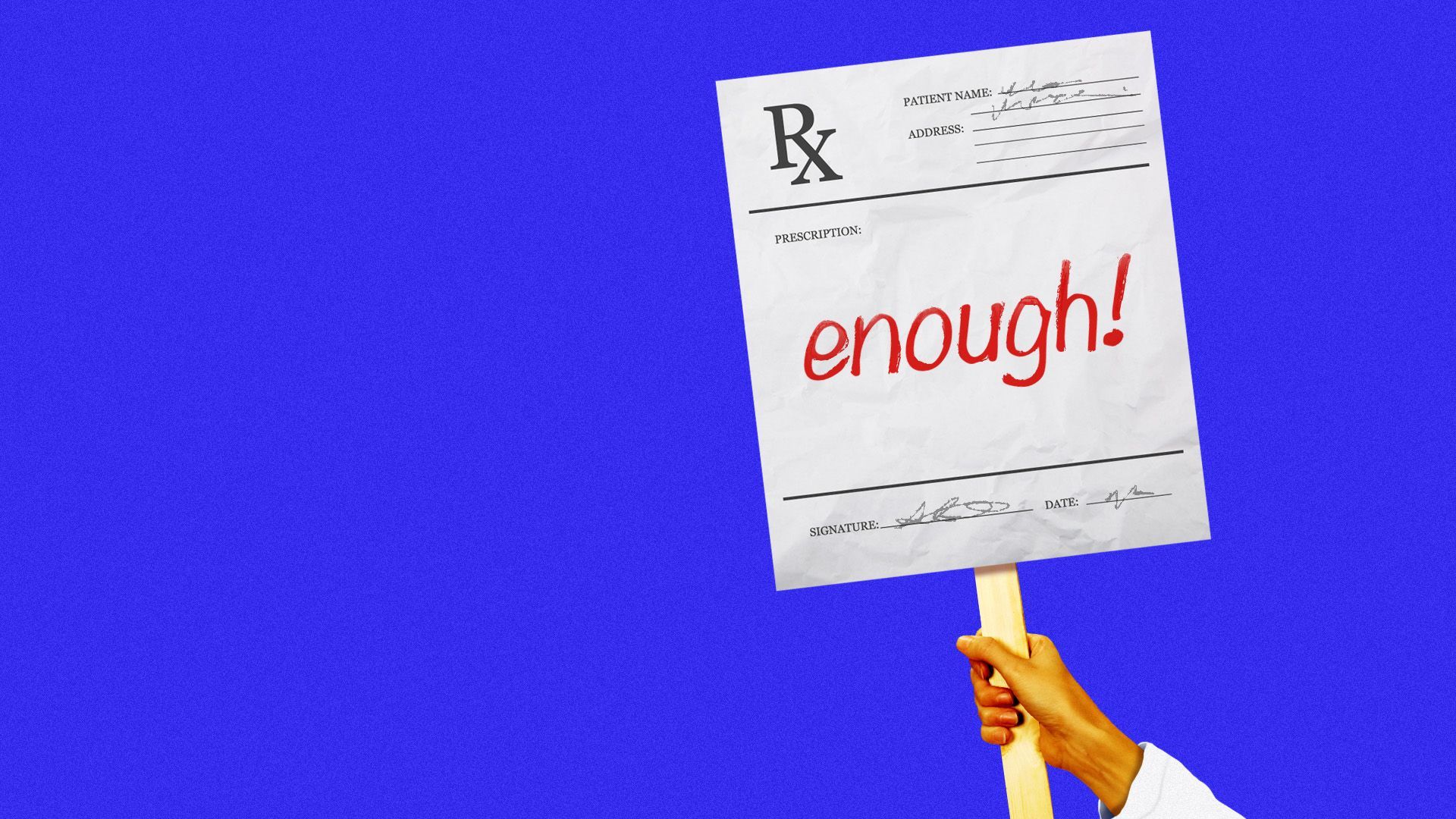
Walgreens, the nation's largest drugstore chain, is reeling from labor shortages, executive turnover, fierce competition, debt issues, retail theft and now a worker walkout.
Why it matters: The company's struggles — its stock is down nearly 44% this year — reflect the mounting challenges facing the drugstore industry.
A new first-of-its-kind federal campaign targeting widespread burnout in the health care workforce aims to make it easier for providers to get mental health care without fear it could jeopardize their careers.
Why it matters: The new plan from a division of the Centers for Disease Control and Prevention comes amid heightened scrutiny of the routine practice of asking workers in high-stress professions about their mental health.
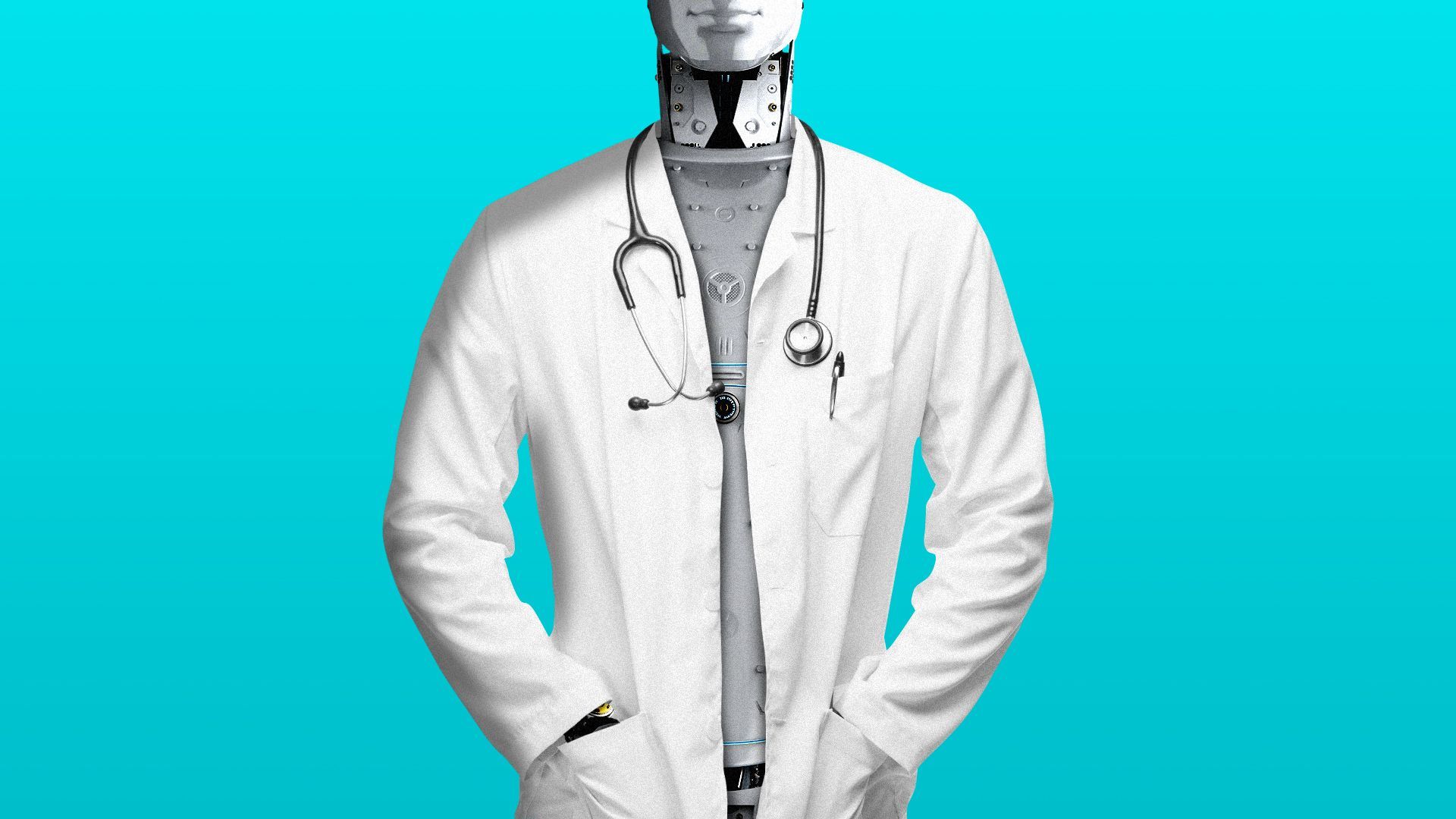
Two out of three physicians are concerned about AI driving diagnosis and treatment decisions, seeing it as a tool better suited for scheduling or other administrative tasks, according to a new Medscape survey.
The big picture: Many clinicians worry current iterations of AI could make flawed recommendations and drive up their legal liability. And like professionals in many other fields, they're also concerned about job security.
Hospitals place an unnecessary coronary stent in a Medicare beneficiary every seven minutes, costing taxpayers $800 million annually, according to a new analysis of claims data.
Why it matters: Overuse of stents comes with hefty costs for patients and the federal government, and it can sometimes pose serious health risks.
Former President Trump has called for the return of "mental institutions" as part of his plan "to get the homeless off our streets" should he be elected to a second term in office.
Why it matters: The state-run psychiatric hospitals that largely disappeared in the mid-1900s are often associated with inhumane mistreatment.
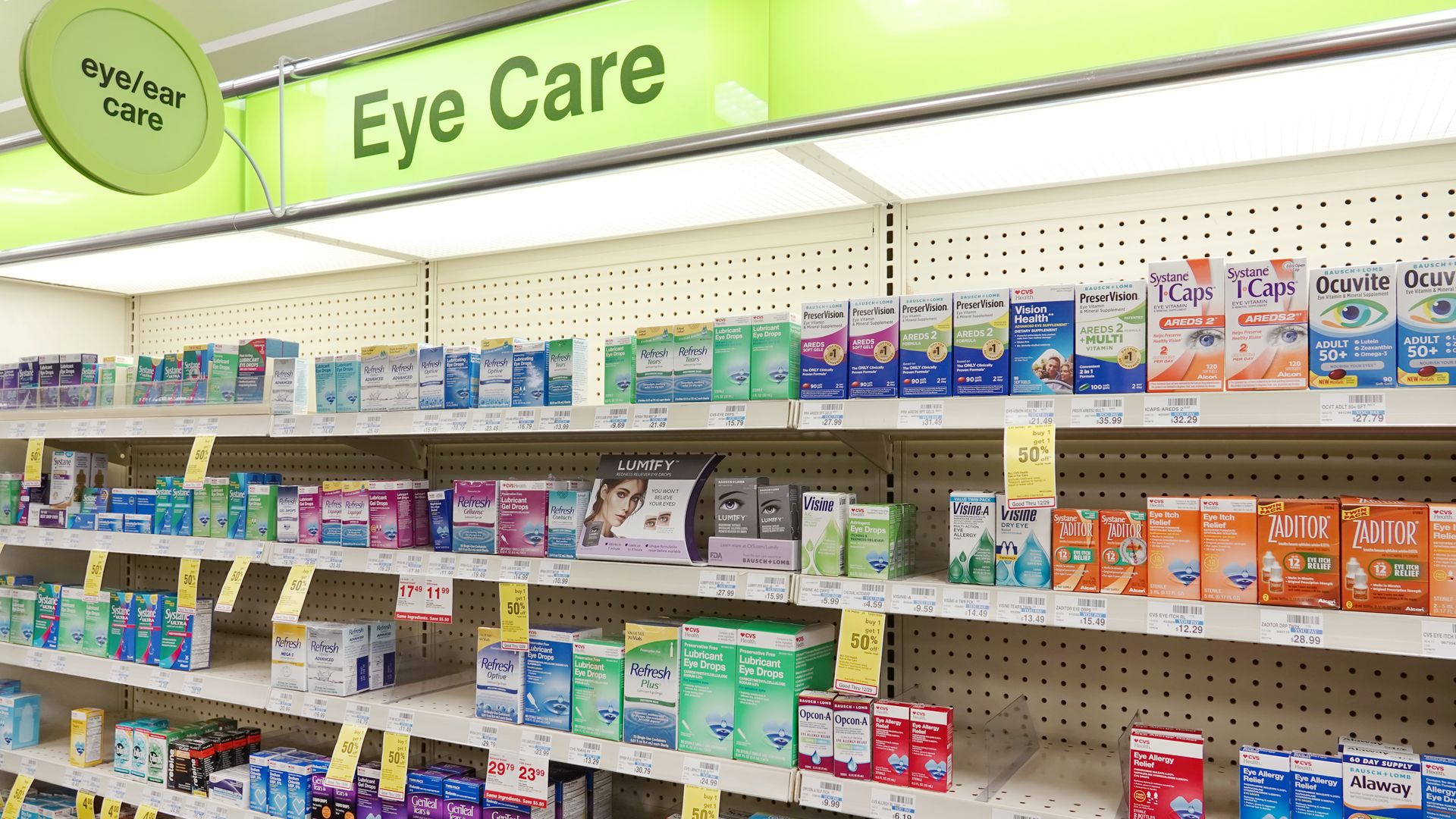
The FDA is warning consumers to immediately stop using and avoid purchasing 27 over-the-counter eye drop products due to the "potential risk of eye infections that could result in partial vision loss or blindness."
Why it matters: The agency said in an alert posted Friday that investigators found "insanitary conditions in the manufacturing facility and positive bacterial test results from environmental sampling."
One of the first studies of publicly available insurer price data found generally higher rates for office visits and medical procedures in the Upper Midwest and Southeast, and the lowest costs in the Central U.S. and Florida.
Why it matters: The findings published in JAMA Health Forum could help shine a light on regional price variations and whether higher costs translate to more value in markets.
More workplaces are offering at least one health plan that is free to employees or offers no-deductible coverage for certain services as many workers struggle to afford care.
Driving the news: The number of large employers offering at least one free medical plan to employees increased from 11% this year to 15% in 2024 coverage, according to a new Mercer survey.
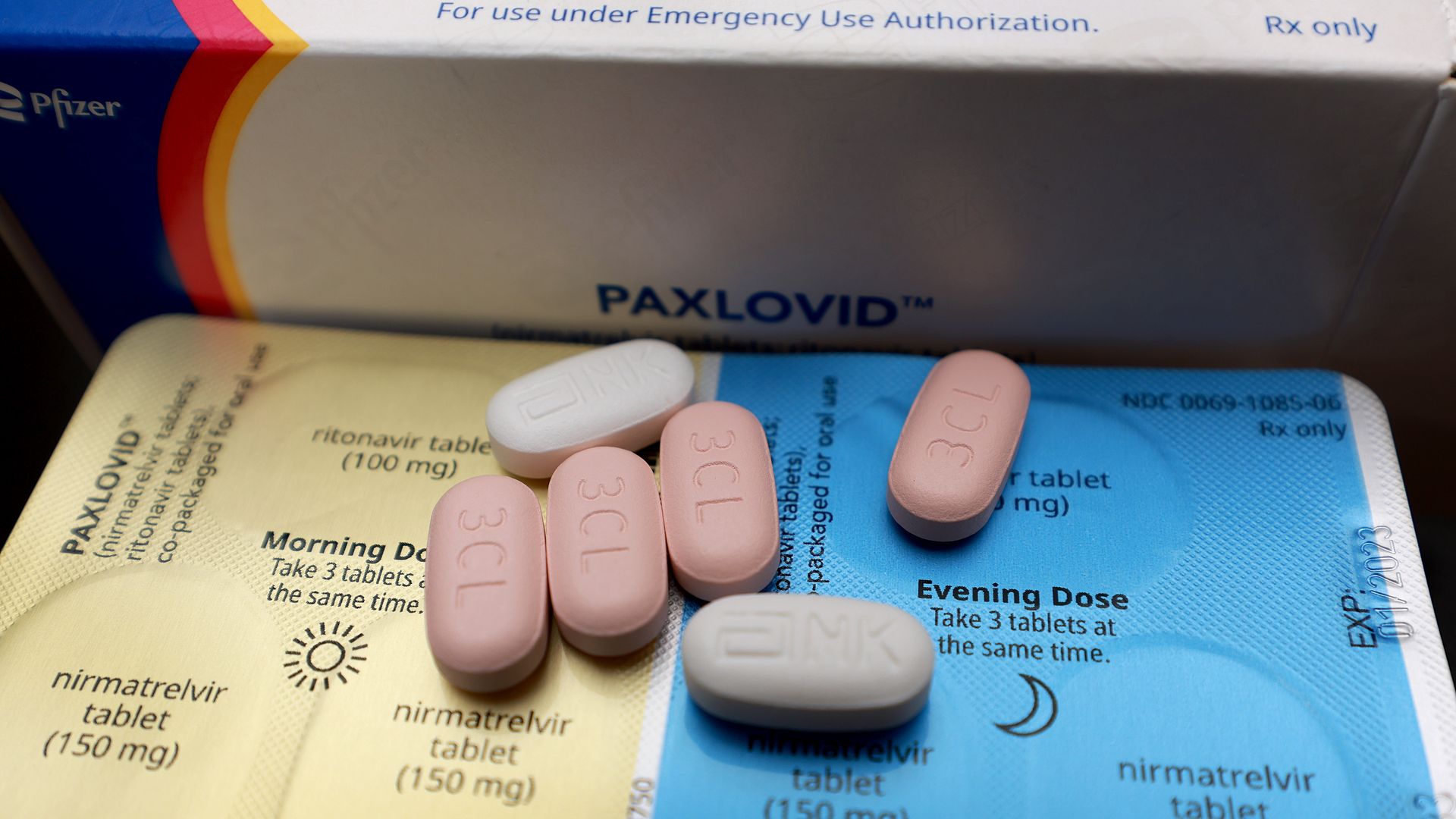
COVID-19 treatments, including Pfizer's Paxlovid, will begin transitioning to the commercial market this week, with costs of the drugs set to increase.
Why it matters: The oral antivirals reduce the risk of hospitalization or death from COVID-19 and until now have been free for patients through the federal government. The Biden administration and drugmakers have taken steps to ensure access to the treatments after they move to the commercial market.
Relatively few people who lost Medicaid coverage this year have wound up in Affordable Care Act plans — but the HealthCare.gov sign-up period starting this week could be a chance to enroll people who've fallen through the cracks.
The big picture: The ACA's health insurance markets, which offer heavily subsidized coverage for lower-income people, can provide a backstop for some of the millions who have been removed from Medicaid this year as states pare their rolls for the first time since the pandemic.
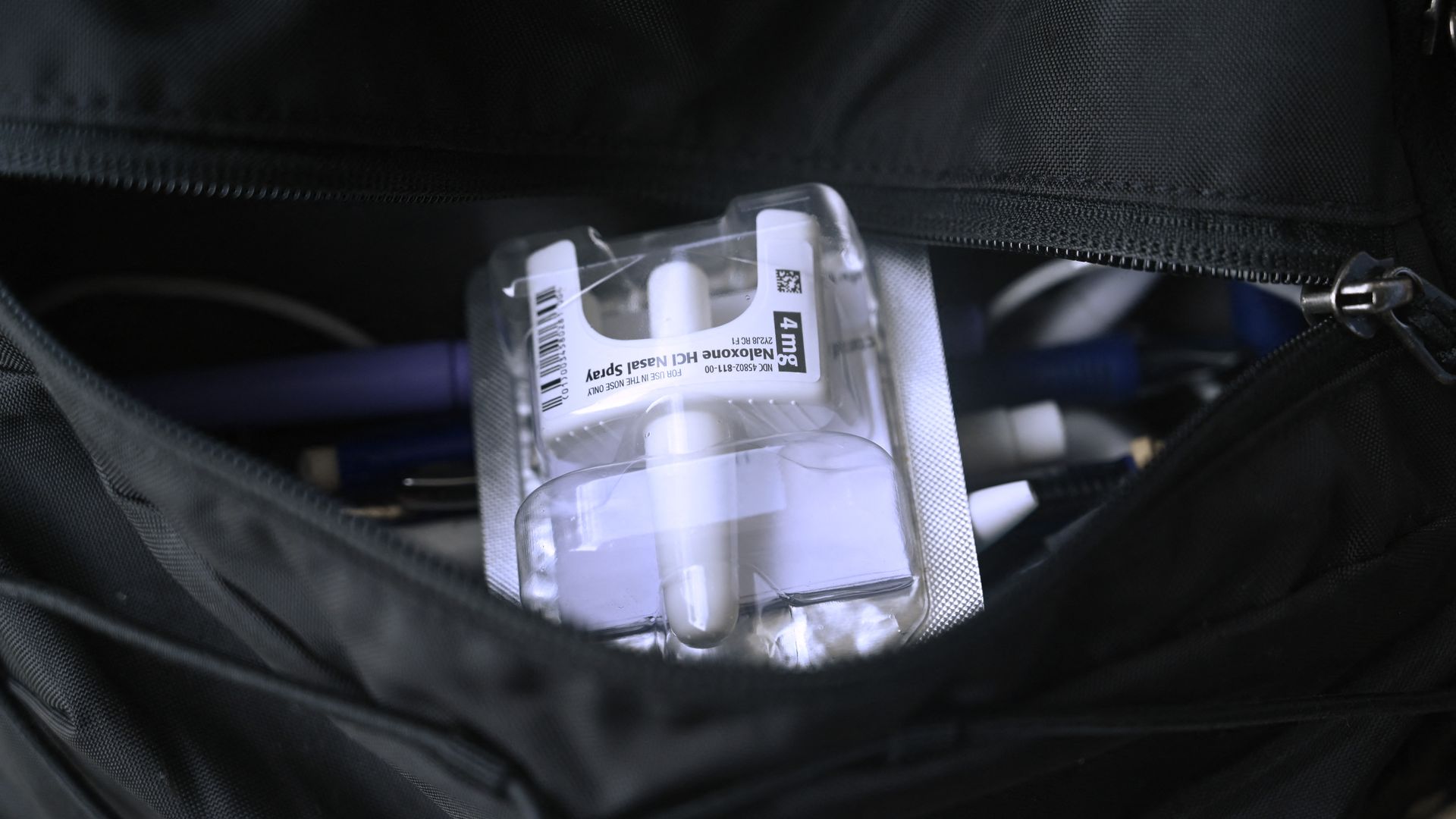
The Biden administration on Monday will send a letter urging all schools to keep an opioid overdose reversal drug on hand and train staff and students on how to use it.
Why it matters: The request is a response to the grim reality that opioid overdoses — particularly those involving illicit fentanyl — have risen rapidly among children and teenagers in recent years.