High school students reported less tobacco and e-cigarette usage in the past year, federal data finds.
Why it matters: Declining e-cigarette usage was the main driver in declining tobacco usage among high school students, a drop that comes amid continuing federal health initiatives to curb youth vaping.
We "fall back" and switch our clocks to standard time on Sunday, and a number of sleep experts want to stay in that time zone permanently.
Why it matters: While lawmakers have pushed to make it daylight saving time all the time, a number of scientists and researchers say standard time is more aligned with our body clocks — and "daylight saving" time is not only a misnomer but harmful.
The number of Medicare Advantage plans offering seniors help affording groceries has skyrocketed in the few years since it's become easier for insurers to offer an expanded set of benefits.
Driving the news: Next year, 1,475 plans— about a quarter of the market — will offer certain eligible enrollees financial assistance for food and produce, according to an analysis from consulting firm ATI Advisory.
As Congress takes on companies managing prescription drug benefits, newly emboldened unions are sending a message to lawmakers: Don't mess with our health plans.
Why it matters: Unions have a history of shaping the health care agenda, and their voice could be especially notable as organized labor flexes its muscle this year.
The Food and Drug Administration may be on track to approve the first therapy based on CRISPR gene-editing technology after vetting from an expert panel on Tuesday.
Why it matters: Editing genes directly in a patient's body could be life-changing for people with debilitating hereditary disorders like sickle cell disease, which the exa-cel therapy under discussion targets.
With its outsized power to grab headlines, upend entire industries and dominate the public conversation, Ozempic has become the Taylor Swift of the stock market.
Driving the news: Krispy Kreme shares fell this week over worries that Novo Nordisk's Ozempic and other drugs that are being used for weight loss will shrink demand for donuts, Bloomberg reported.
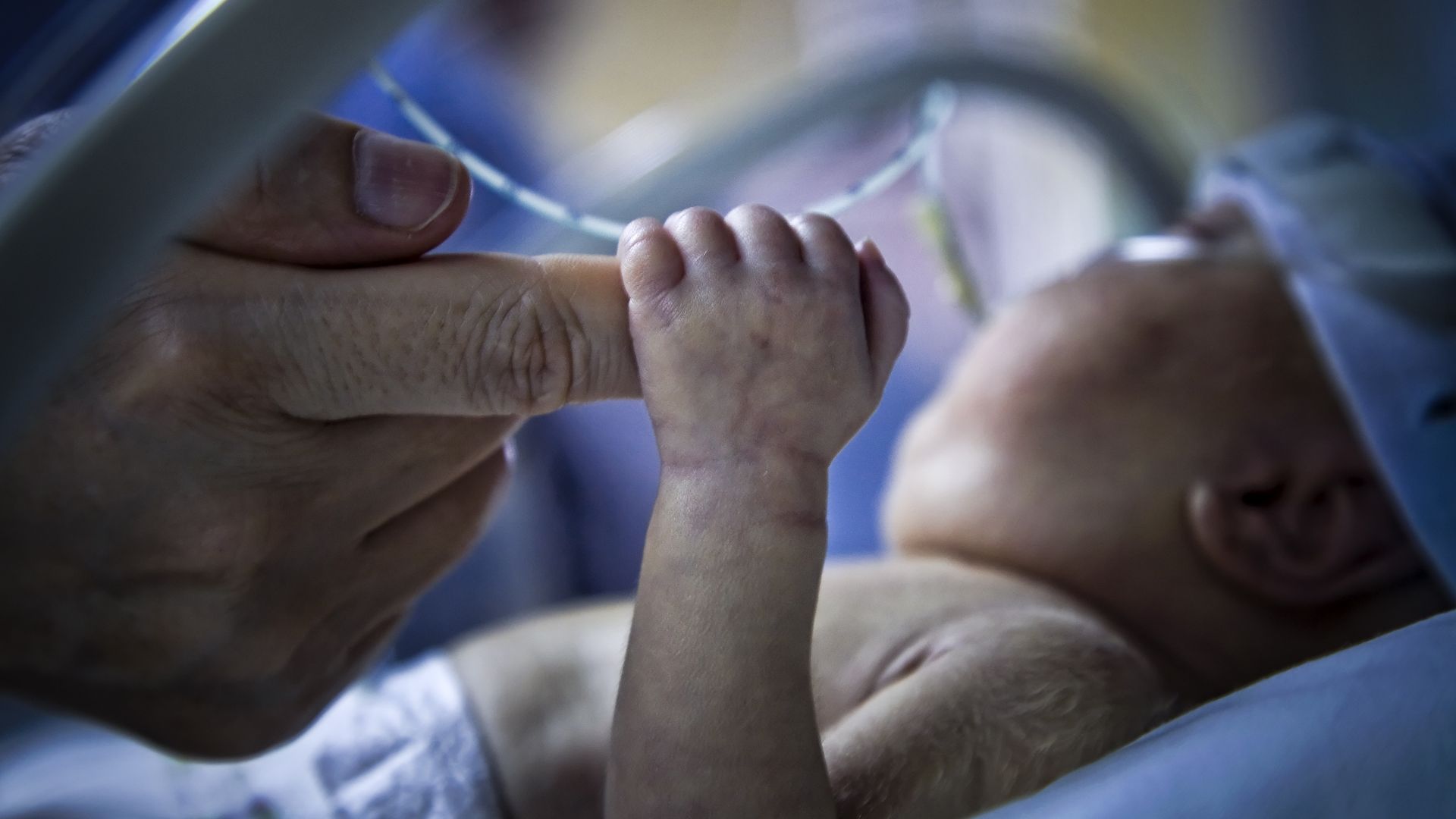
The U.S. infant mortality rate rose 3%, with 20,538 deaths recorded in 2022, according to provisional data from the Centers for Disease Control and Prevention published Wednesday.
The big picture: The CDC report found there were 5.6 infant deaths per 1,000 live births in 2022, compared to 5.44 per 1,000 live births in 2021 — marking the first year-over-year increase since 2001 to 2002 after a decades-long overall decline.