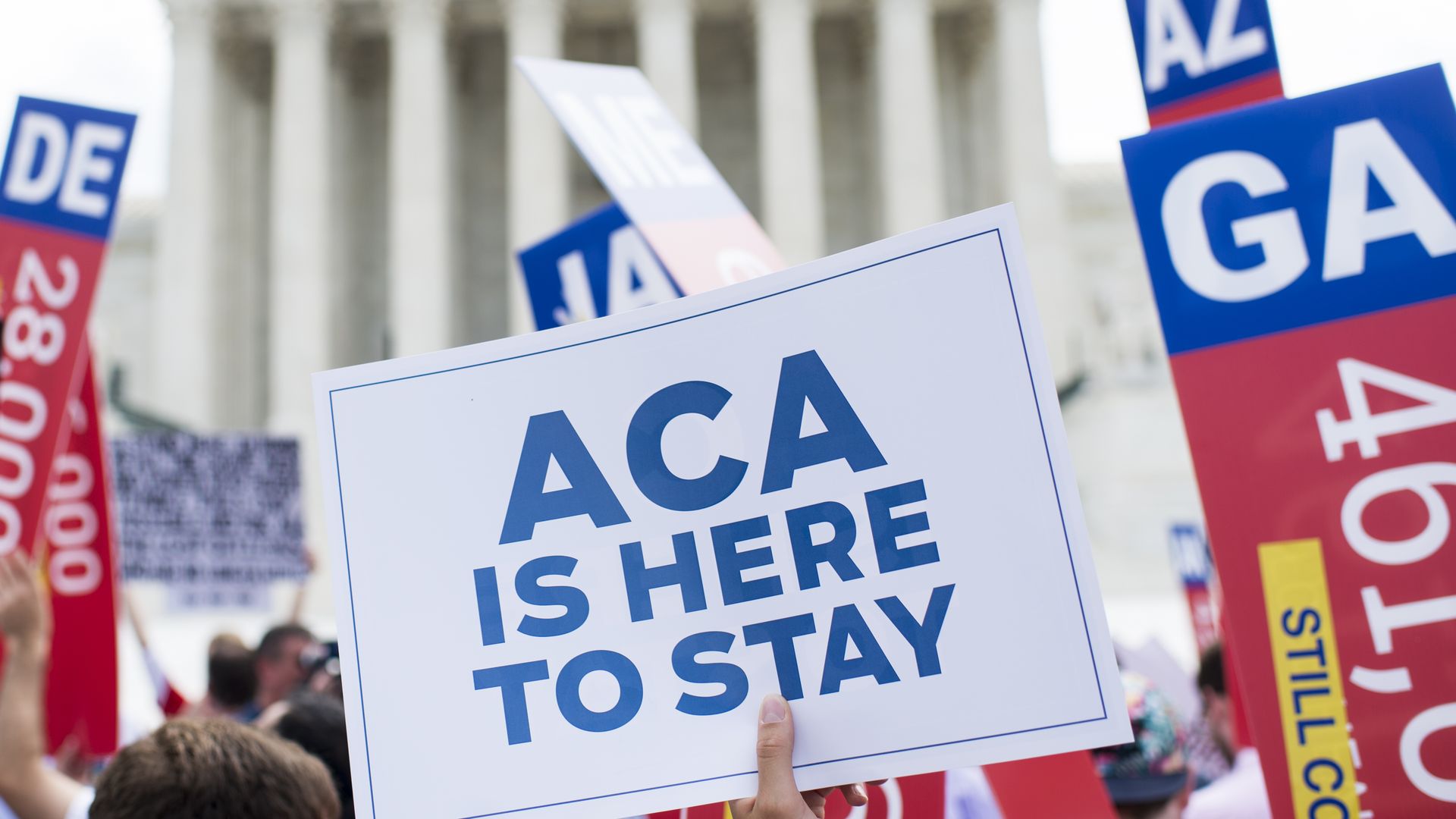
State abortion bans enacted in the months after the Supreme Court overturned Roe v. Wade led to life-threatening health complications for dozens of patients and forced providers to find workarounds, according to a new report.
Driving the news: Researchers at the University of California, San Francisco and University of Texas at Austin compiled 50 clinical anecdotes that took place between September 2022 and March 2023 in 14 states with bans, detailing "cases of care that deviated from the usual standard due to new laws restricting abortion."
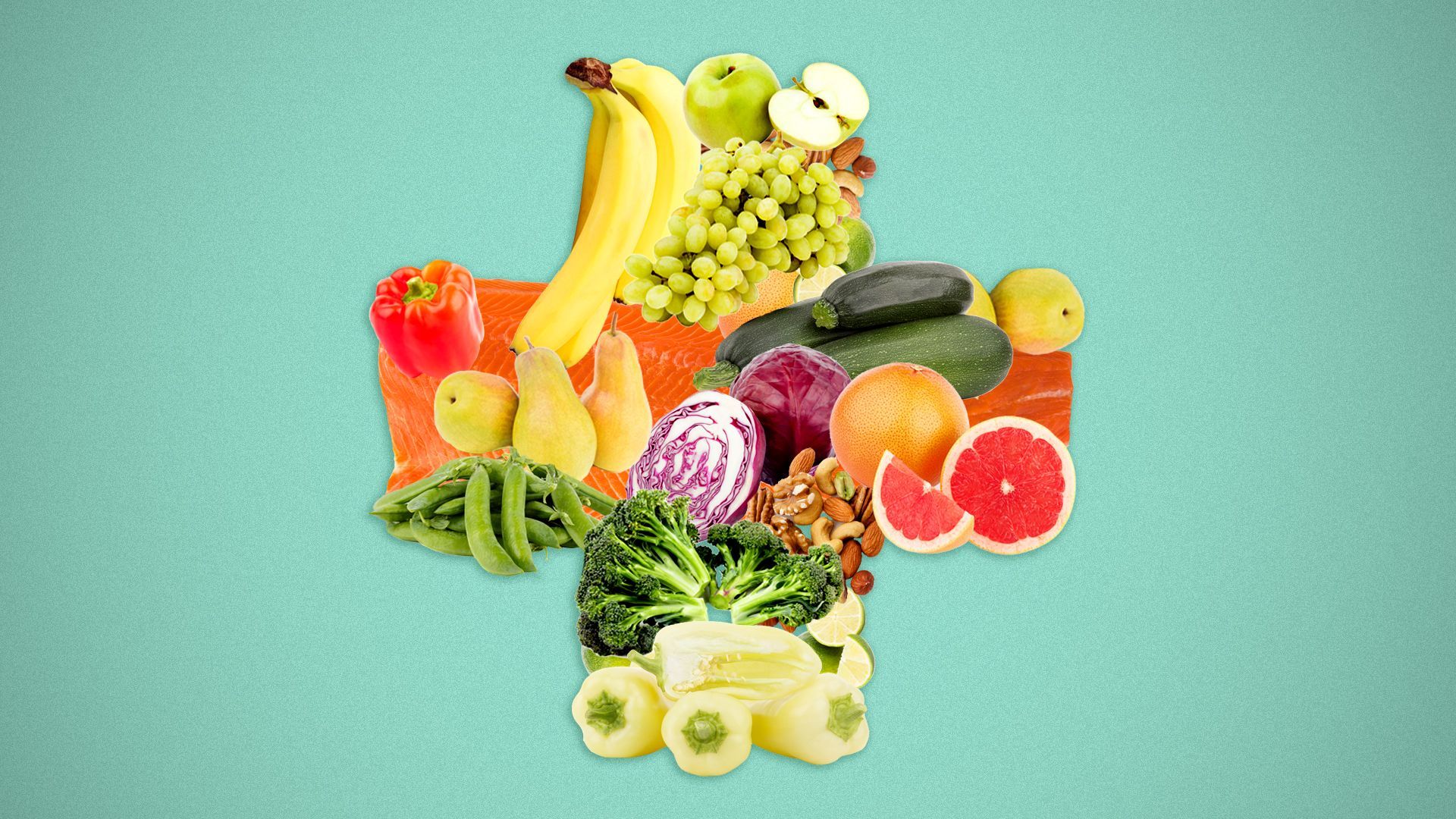
Federal researchers are launching a major study of how genes, lifestyle and other factors influence how the body responds to diet, to come up with better interventions when it comes to what we eat.
Why it matters:Poor nutrition is a key driver of chronic disease in the United States. Yet, there remains little understanding of precisely how it impacts us on an individual level.
"Diet-related diseases are the number one killer in this country right now," Holly Nicastro, coordinator of the Nutrition for Precision Health study told Axios. "This is going to help us understand why some people respond to these interventions and others don't."
Driving the news: National Institutes of Health researchers are enrolling 10,000 people from the country in a landmark study that will examine how a range of factors — hereditary makeup, health history and even gut microbiomes — impact an individual's response to their diet.
They will use artificial intelligence to develop algorithms that predict responses to dietary patterns.
"We're going to be the first study to take a comprehensive look at all of these different inputs and figure out why somebody might respond differently," Nicastro said. "Why you could eat a banana and your neighbor could eat a banana and one of you might see a blood sugar spike and the other one might not."
Zoom in: The five-year study will tap participants in All of Us, an ongoing precision medicine initiative that aims to build a diverse database of health information from 1 million people for clues on treating disease.
Sponsors are partnering with 14 research institutions around the country to conduct the study, including Alabama, California, Illinois, Louisiana, Massachusetts and North Carolina.
The intrigue: This study design plans to go deep.
In this first of three parts, 10,000 participants will be asked to come into respective study sites to fill out questionnaires about their typical diet and given tech tools for at-home data collection.
Over the next eight to 10 days, they'll keep detailed logs of what they eat, while wearing a continuous glucose monitor to track their blood sugar and accelerometers to track their activity and heart rate.
In the end, they'll be asked to return to their participating study site to take where they give a fasting blood sample before consuming a nutrition drink like a smoothie. Additional blood samples will be collected over several hours.
"A participant's response to this can help us predict how they might respond to other foods or ways of eating," Nicastro said.
Our thought bubble: Patients too often find themselves overwhelmed with nutrition advice from dubious sources while feeling underwhelmed by the generic nutrition recommendations they get from their doctors.
If successful, this could begin to help the medical community regain ground when it comes to advising what we should be eating — and make a dent in America's massive food-related disease problem.
Americans are much more confident in routine childhood vaccines than COVID-19 shots, but support for vaccine requirements in schools has slipped from pre-pandemic levels, according to a new Pew Research Center study.
Why it matters: Responses from the study of more than 10,000 adults suggest that vaccine hesitancy around COVID hasn't fueled significantly wider anti-vax sentiment.
NewLimit, a longevity pharma startup co-founded by Coinbase CEO Brian Armstrong and former Google Ventures partner Blake Byers, on Tuesday announced that it's raised $40 million in Series A funding.
The big picture: There's an old VC joke about all the big companies that would be rendered worthless if just one could develop Star Trek-style teleportation. Now that's getting a biotech spin.
The Federal Trade Commission on Tuesday sued to block pharma giant Amgen from buying rare disease drugmaker Horizon Therapeutics for $27.8 billion.
Why it matters: This is the first time in more than a decade that the FTC has sued to stop a big pharma merger, and reflects the Biden administration's expansive view of antitrust law.
Among the subplots surrounding Monica Bertagnolli's nomination for NIH director is how Senate health committee Chair Bernie Sanders uses confirmation hearings to press for answers on march-in rights to lower drug costs.
Why it matters: NIH has a key role in deciding if there's justification for the government to take over a drug patent and license it to other manufacturers in order to lower the price.
The deep divide over masks that was a hallmark of the pandemic is splitting the medical community, where many health workers and their patients, now free of mandates, are opting not to wear them.
Driving the news: The demise of CDC and state mask orders for medical settings has been welcomed by providers who worried about a loss of connection with patients, or communication challenges with those with hearing loss.
The big picture: The New Orleans-based U.S. 5th Circuit Court of Appeals temporarily blocked U.S. District Court Judge Reed O'Connor's ruling that put in jeopardy coverage for certain cancer screenings, behavioral counseling, HIV prevention and other services recommended by the U.S. Preventive Services Task Force.
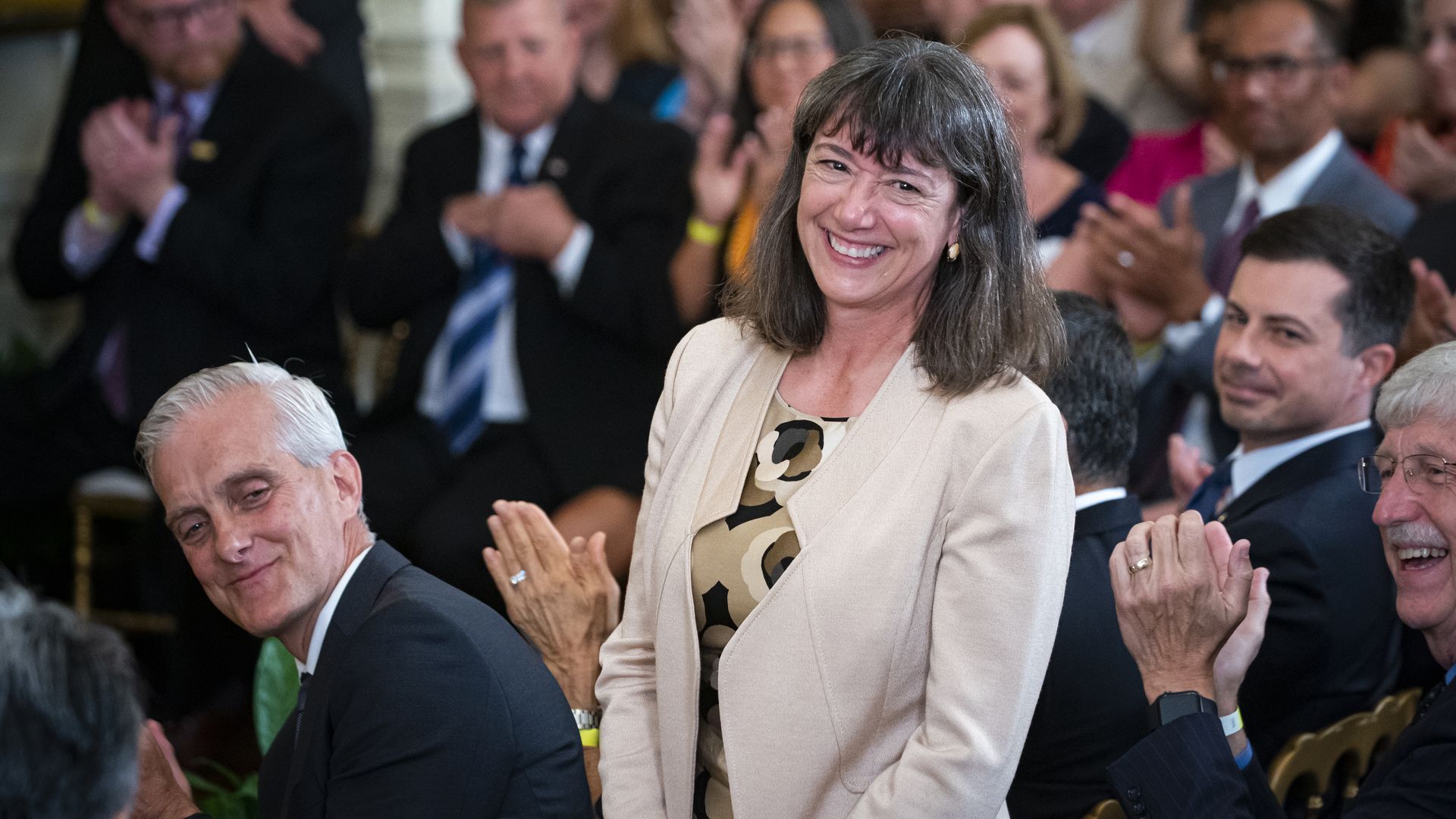
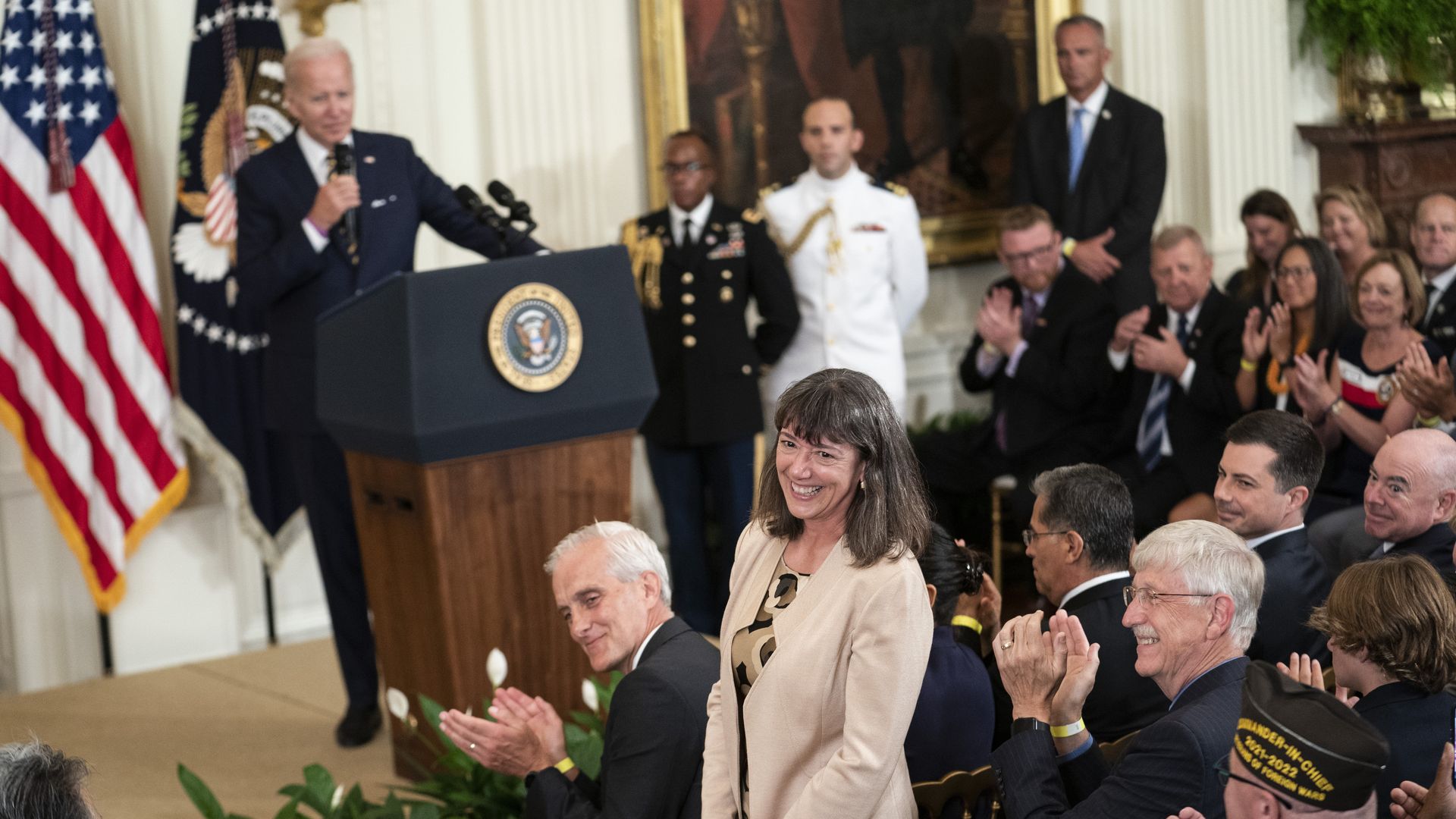
President Biden on Mondaynominated National Cancer Institute director Monica Bertagnolli to be the next leader of the National Institutes of Health, moving to fill a key federal health opening that's been vacant for a year and a half.
The big picture: NIH has been without a political leader since longtime director Francis Collins stepped down in 2021, and the agency is facing intensifying criticism over its stewardship of coronavirus research, lagging efforts to study long COVID, and the review process for its research grants.
Promising clinical trial results from another new Alzheimer's drug haven't put to bed questions about how much the treatments actually benefit patients, and whether their strong points outweigh their safety risks.
Why it matters: Preliminary data for Eli Lilly's donanemab make potentially the best case so far that scientists have found a drug that slows the progression of Alzheimer's disease, a condition with no cure that affects about 50 million people worldwide.
Nikki Haley, the former South Carolina governor who's running for the GOP presidential nomination in 2024, said Sunday it's "not realistic" for candidates to pledge a federal abortion ban.
Driving the news: CBS News' Margaret Brennan noted to Haley during their interview that Republican 2024 rival Sen. Tim Scott (R-S.C.) supports a 20-week federal abortion ban and would sign such a bill into law if elected.




/2023/05/16/1684247936736.gif?w=3840)




/2023/05/15/1684180327797.gif?w=3840)