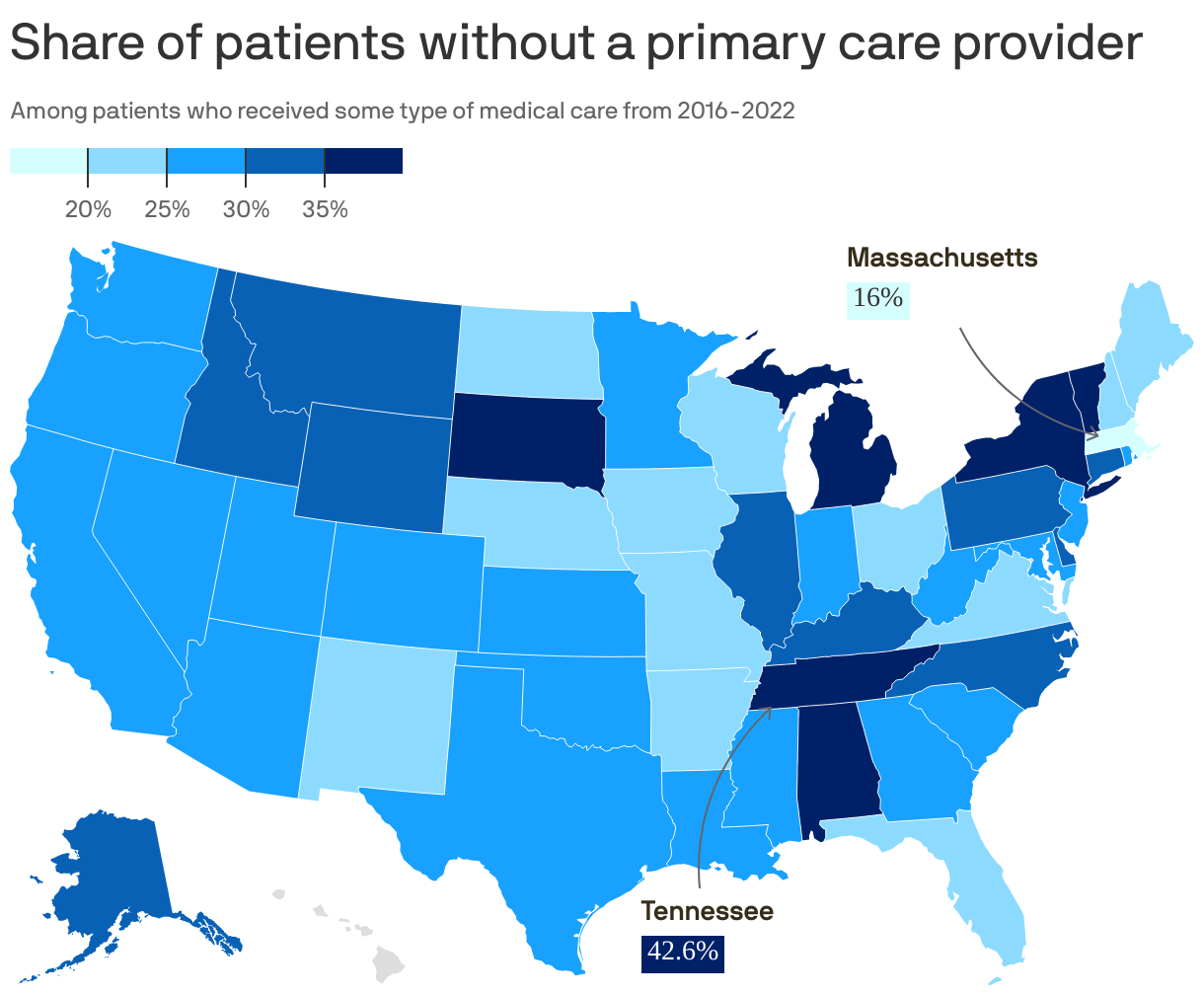
Data: FAIR Health; Note: Washington, D.C., and Hawaii's datasets were too small for analysis; Map: Thomas Oide/Axios
Nearly 30% of all patients who received medical services between 2016 and 2022 did not see a primary care physician, a FAIR Health analysis provided first to Axios shows.
Why it matters: Primary care providers are supposed to manage patients' day-to-day health needs and provide preventative care, and evidence shows it can drive down costs and improve outcomes. But many people are clearly getting their care elsewhere — if they're getting it at all.
The end of the COVID-19 public health emergency could bring new barriers to trans men undergoing hormone therapy, in the way it would eliminate telehealth prescribing of controlled substances including testosterone.
Why it matters: Requiring in-person visit to continue treatments could delay a patient's transition process and reverse some of the changes their body underwent. The policy change doesn't affect estrogen, used in hormone therapy for trans women.
A 2013 California law barring insurers from discriminating on the basis of a patient's sex or gender identity, was associated with an increase in gender-affirming surgeries in the state, as well as an expansion of sites and providers offering the care, new research in the Journal of the American Medical Association shows.
Why it matters: As a growing number of states authorize restrictions on gender-affirming care, the study shows how non-discrimination laws can expand access to surgery that medical experts deem essential to the well-being transgender and gender-diverse patients.
Nonprofit hospitals reaped almost $28 billion in tax exemptions from federal, state and local sources in 2020 while providing about $16 billion in charity care, according to a new Kaiser Family Foundation brief.
Google showed off an array of new artificial intelligence (AI)-driven health care tools on Tuesday, from a souped-up chatbot that can shed light on your medical symptoms to enhanced search features that tell you if a doctor takes Medicaid.
Why it matters: There's an arms race among big tech companies to infuse their products with AI — but the results, particularly in health care, can have unwanted consequences or pitfalls, like racial bias, privacy concerns and ethical problems.
Paxlovid isn't associated with COVID rebound, in which patients test positive or have symptoms days after a course of the drug is completed, Food and Drug Administration staff said in briefing documents released Tuesday.
Why it matters: This is the first time the FDA has publicly discussed if the phenomenon is actually due to the antiviral — a question that’s swirled around its use since Pfizer's drug was granted emergency use authorization in December 2021.
The big picture: The documents were prepared ahead of a Thursday meeting of FDA advisers, who will vote on whether to give the pill full approval for patients at high risk of hospitalization or death.
FDA staff said that Pfizer’s clinical trials support the notion that Paxlovid’s benefits outweigh its risks.
Zoom in: Both the FDA and Pfizer concluded that rebound is likely part of the natural course of a COVID infection and that it does not lead to severe disease when it occurs.
Rebound has also been observed in the absence of Paxlovid treatment, with potential rates ranging from 10% to 16%.
The likelihood of rebound was not significantly different between patients who were sick with the omicron variant compared to the delta variant.
What’s next: FDA regulators acknowledged more research is needed to determine whether a longer-term dosage than the customary five-day Paxlovid course could be needed for moderate-to-severely immunocompromised patients.
One ongoing clinical trial is testing how common COVID rebound is among immunocompromised people.
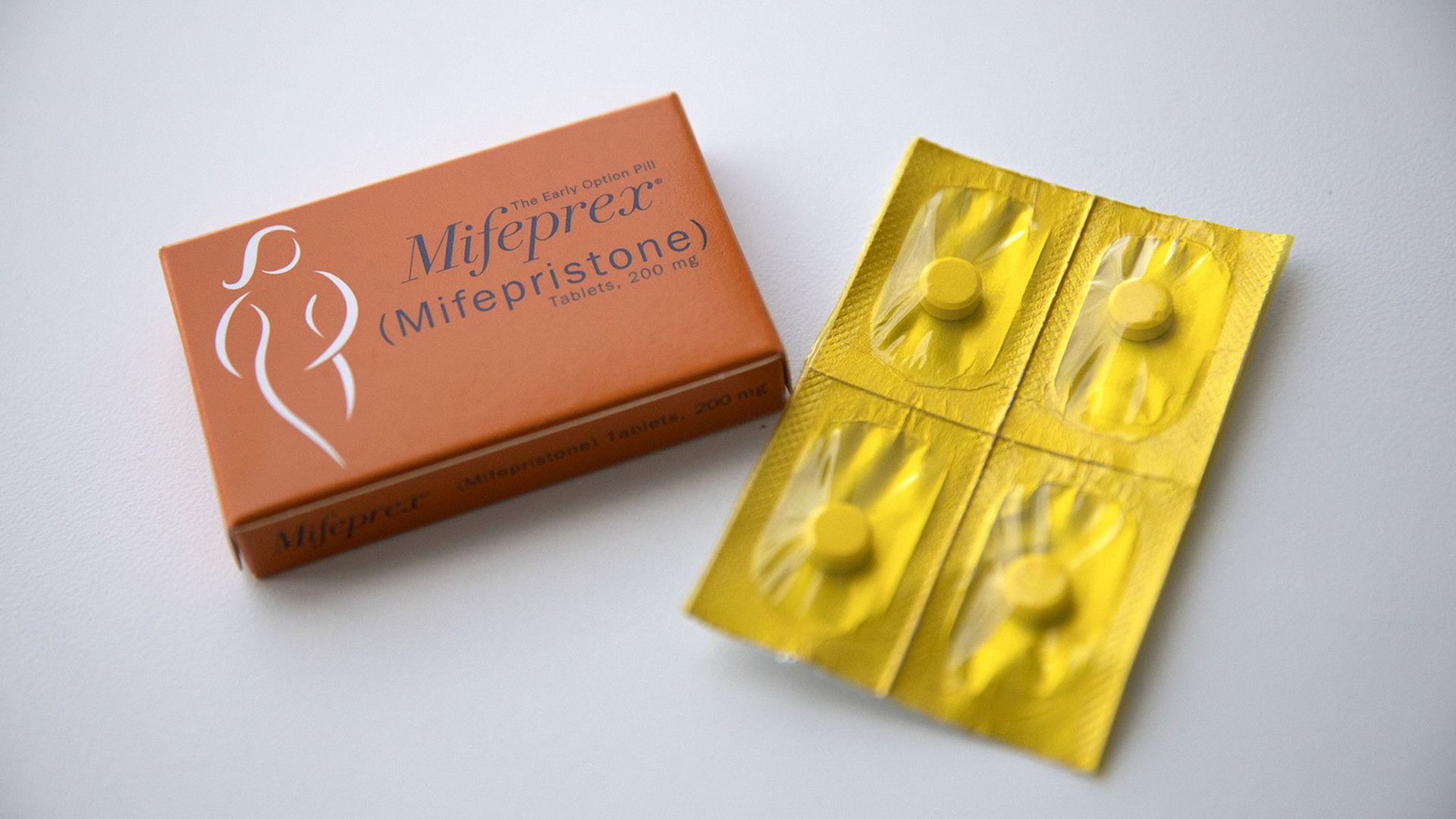
Fifteen Democratic governors asked seven leading pharmacy retailers on Tuesday to clarify their plans for dispensing mifepristone — a pill used in medication abortions.
Driving the news: The move comes shortly after Walgreens announced that it would not dispense mifepristone in some Republican-led states where abortion remains legal.
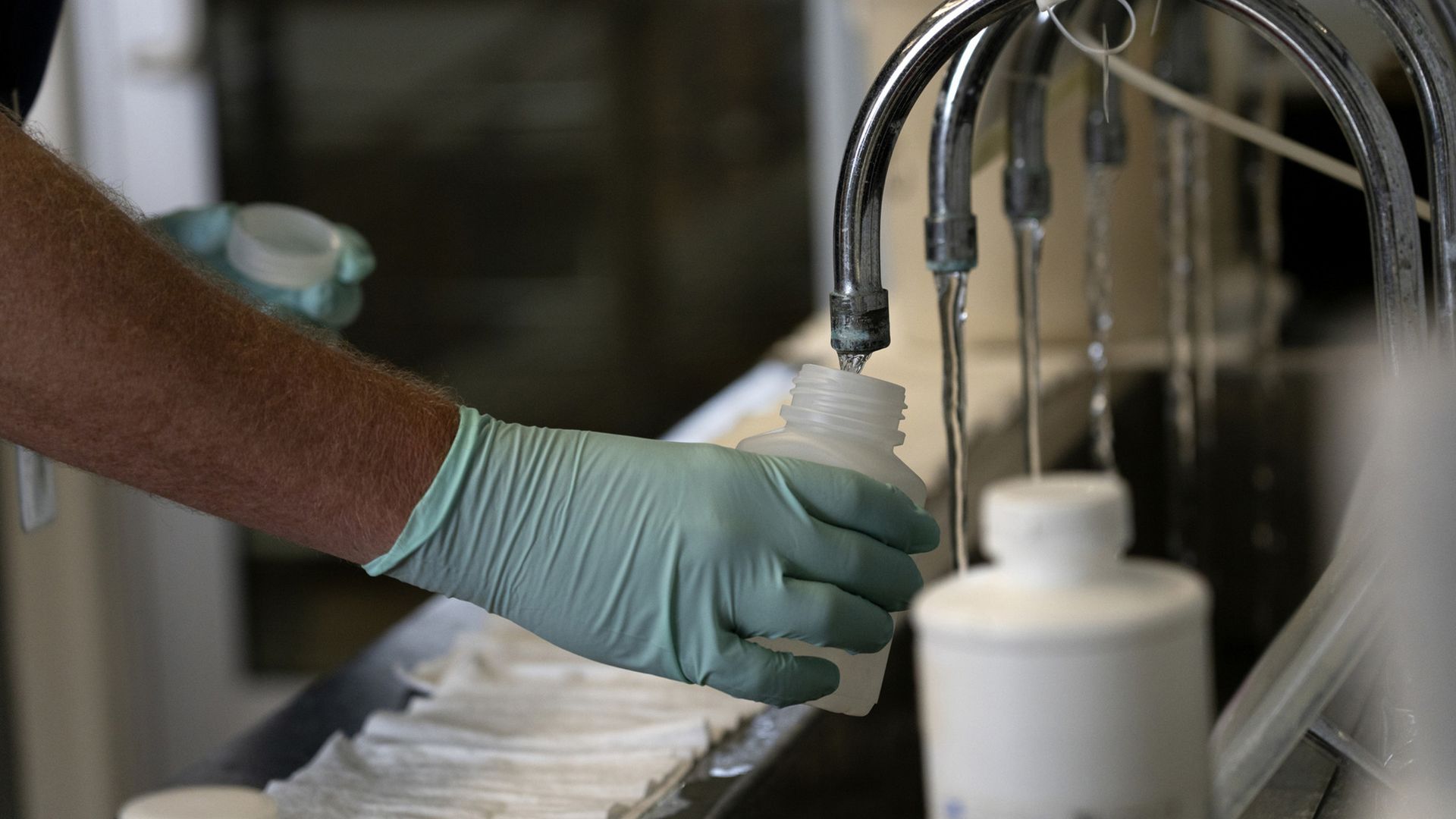
The Environmental Protection Agency proposed drinking water regulations on Tuesday for certain types of "forever chemicals," a pervasive group of industrial chemicals that have affected drinking water quality across the U.S.
Why it matters: If the proposals become official, it'd be the first time the federal government would require utilities to remove the dangerous chemicals from drinking water before they reach households and businesses.
Activist investor Carl Icahn launched a proxy fight for three board seats at biotech giant Illumina, which he believes erred in competing its controversial $7.1 billion takeover of liquid biopsy firm Grail.
Why it matters: This is the latest high-stakes chapter in Illumina's complicated history with Grail, which it developed, spun out and then repurchased several years later.
A pair of big biotech deals is stirring some hope for a segment that's been in a deep funk and just starting to size up the aftereffects of Silicon Valley Bank's demise.
What's happening: Pfizer's $43 billion acquisition of cancer drug maker Seagen and Sanofi's $2.9 billion deal to buy diabetes drug manufacturer Provention Bio, both announced Monday, offer signs that pharmaceutical giants flush with cash and eager to reboot their pipelines could slow the sector's slide.
President Biden said former President Jimmy Carter asked him to deliver his eulogy after he dies, per a White House pool report Monday night.
Driving the news: Biden made the comments while discussing the health issues of Carter, who's receiving hospice care, during a Democratic National Committee fund-raiser in Rancho Santa Fe, California, which was attended by about 40 guests.
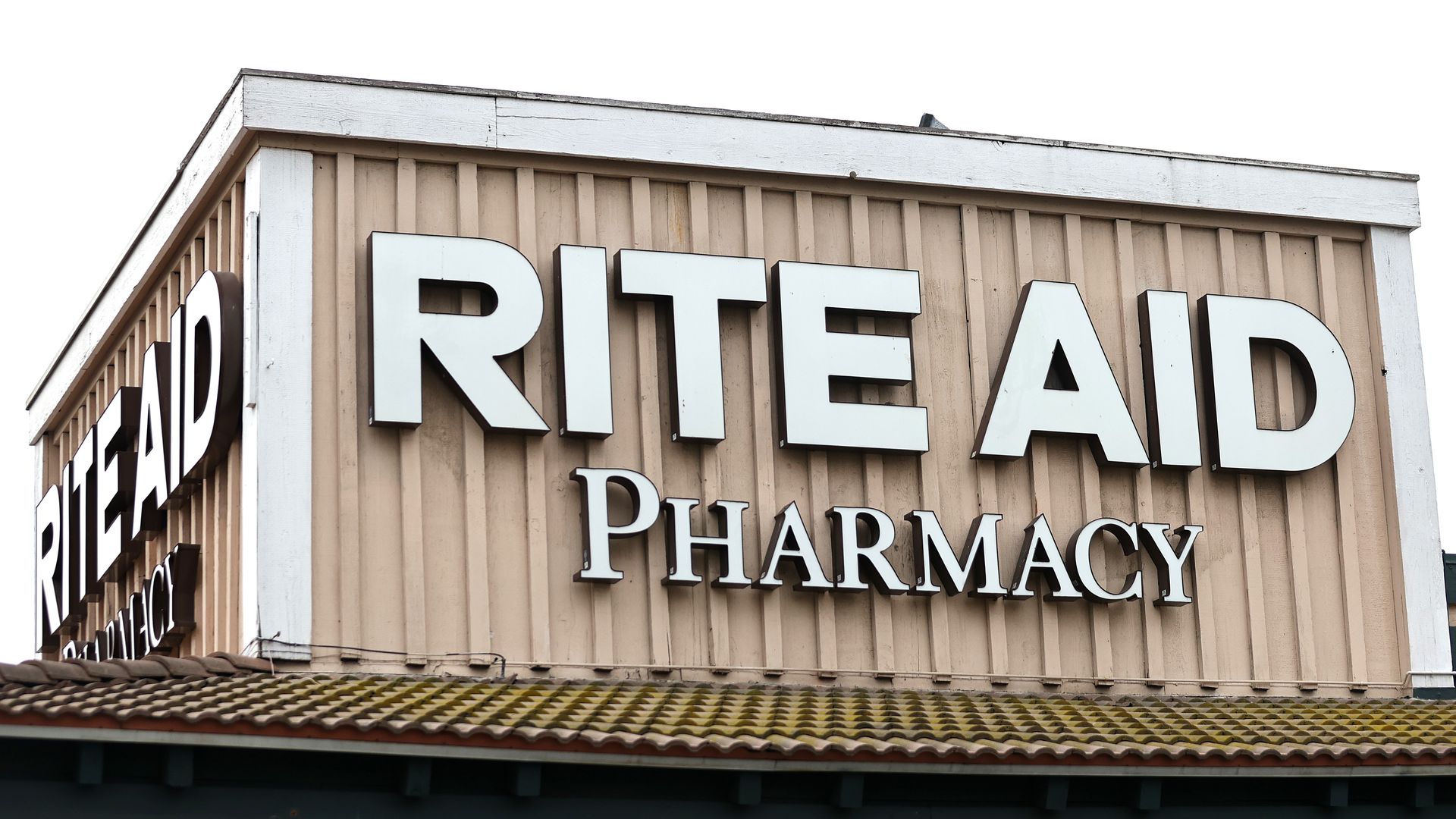
The U.S. government filed a lawsuit against Rite Aid on Monday, accusing the pharmacy chain of knowingly filling unlawful prescriptions for controlled substances, including opioids.
Driving the news: The Department of Justice alleged in the complaint that from May 2014 to June 2019, Rite Aid filled hundreds of thousands of prescriptions "that were medically unnecessary, lacked a medically accepted indication, or were not issued in the usual course of professional practice."