Friday's health stories

Pharma lowers insulin costs to save money
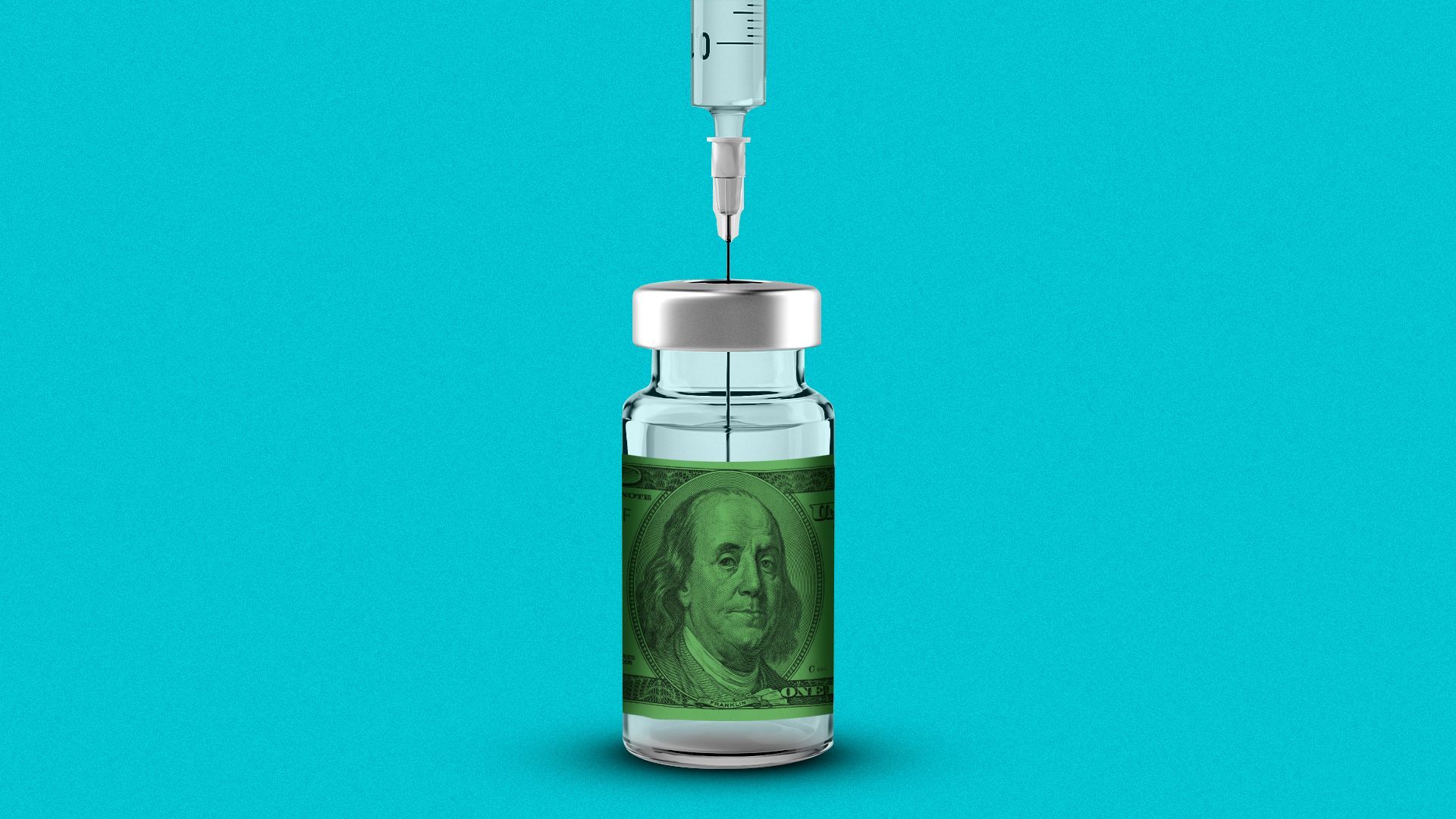
The biggest U.S. insulin manufacturers have each committed to lower the cost of their products — a move that will save them money by lowering the amount they'd otherwise have to rebate Medicaid.
Driving the news: Sanofi yesterday said it plans to cap out-of-pocket costs for its most prescribed insulin, Lantus, at $35 per month for people with private insurance, following similar steps from Eli Lilly and Novo Nordisk.

Questions still swirl over Paxlovid as FDA full approval nears

Pfizer's antiviral Paxlovid is one step closer to gaining full approval from the Food and Drug Administration, but whether that convinces more doctors to prescribe it is an open question.
Driving the news: Vaccine advisers to the FDA voted 16-1 on Thursday to endorse Paxlovid for high-risk COVID-19 patients, but experts later said there’s not enough data to determine precisely who would benefit most from the drug.
- That poses a dilemma for physicians who — in addition to considering drug interactions and how the virus has evolved — also have to weigh factors like Paxlovid's effect on pregnant and immunosuppressed people and other vulnerable populations.
Catch up quick: Many doctors are already hesitant to prescribe the drug, either because of possible side effects like muscle pain or altered taste or out of a belief that a patient is not sick enough.
- And there are longstanding questions about how well the drug, once hailed as a pandemic "game-changer," works on vaccinated patients or younger people.
- Limited public awareness and perceptions that the pandemic is over have also led fewer people to ask for it.
The circumstances could hamper efforts to ensure Paxlovid gets to those who most need it, even if full FDA approval boosts public acceptance and uptake.
Go deeper: Almost 12.7 million courses of Paxlovid have been distributed, according to the Department of Health and Human Services.
- But demographic breakdowns aren‘t publicly disclosed, making it difficult to know who's getting it.
- In some states, Paxlovid is being prescribed in less than a quarter of COVID cases, per a January analysis of White House data from The New York Times.
- A CDC study last October found Black and Latino patients were as much as 36% less likely to be prescribed the drug than white patients even when they were immunocompromised.
- And Test to Treat sites aimed at helping hard-hit communities access Paxlovid were often not accessible to rural residents and others most in need, according to a November report from Brigham and Women’s Hospital.
What’s happening: "There’s not a good understanding [of Paxlovid] among the medical community" leading to an "actual dissuading of patients from taking an effective and safe drug that could save their life," said Sankar Swaminathan, an FDA panelist and infectious disease specialist at the University of Utah who voted to recommend full approval.
- Swaminathan said he’s had a "distressingly large number of patients" — including those with cancer — say they were told not to take Paxlovid because of COVID rebound, in which people test positive or have symptoms after completing a course of the drug.
- FDA staff concluded there's no connection between the drug and the phenomenon.
- Terry Gillespie, a patient representative and the lone member of the expert panel who voted against full approval, told panelists she’s had COVID multiple times and has one lung yet — has never been offered Paxlovid.
- "I’m kind of concerned about the doctors knowing actually when to prescribe it to somebody, say, like me," she said.
The other side: A January Medscape survey of more than 1,500 providers regarding Paxlovid found that 44% of physicians said they didn’t prescribe the drug because the patient was taking medication that reacted with it.
- FDA officials said Thursday that more than half of Paxlovid-eligible Medicare and VA patients are on drugs that contraindicated with the antiviral.
The bottom line: "I don’t think the issue is whether or not there’s benefit," said member Lindsey Baden, the director of clinical research at Brigham and Women’s Hospital. "It’s understanding who, when and mitigating the risk — which is not zero, but it’s small."

3 Virginia hospital workers charged in death of Irvo Otieno
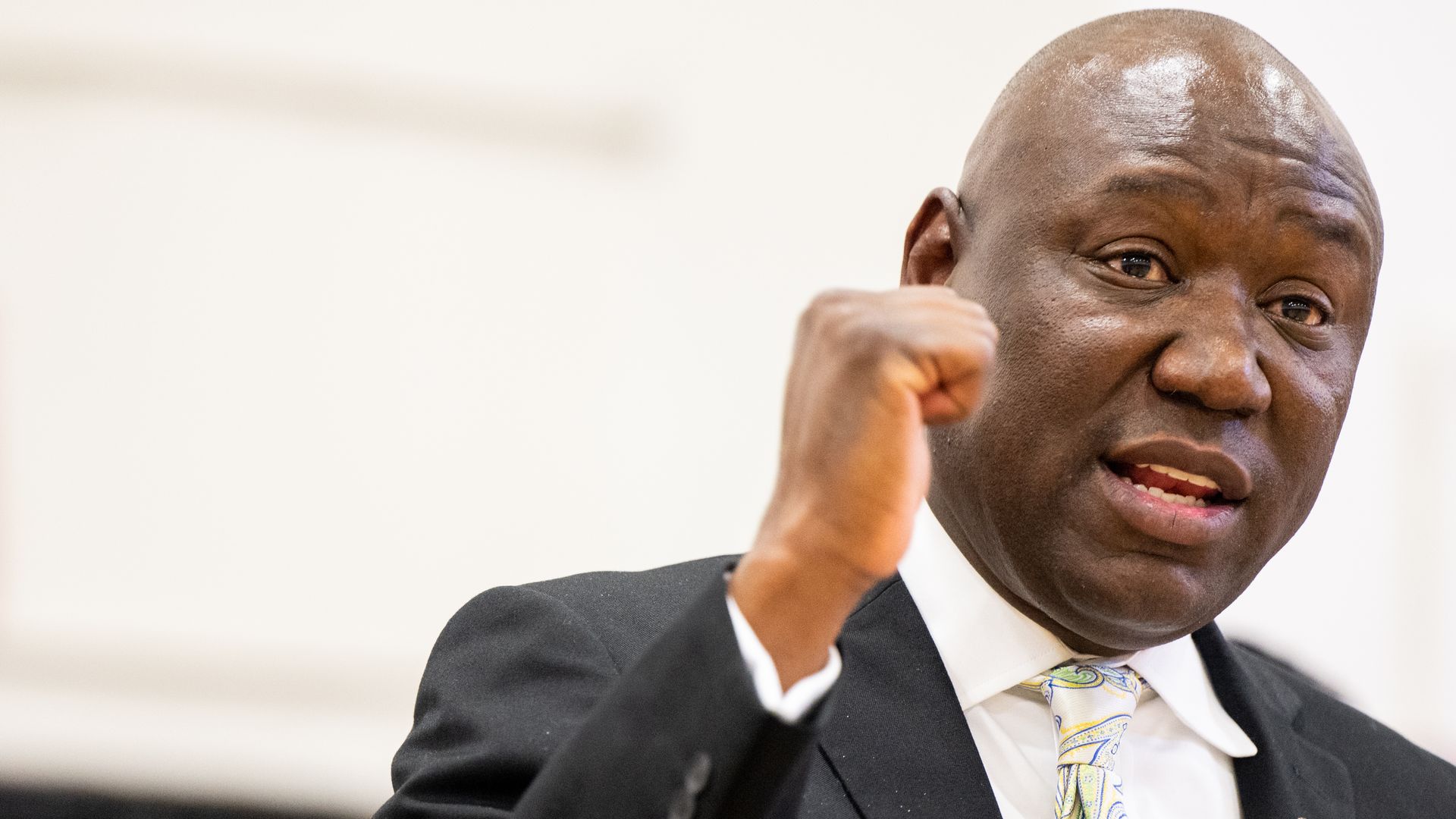
Three hospital workers have been charged with second-degree murder in the death of Irvo Otieno, bringing the total to 10 people charged in the case, the Dinwiddie County Commonwealth's Attorney said Thursday.
Driving the news: The three, who worked at Central State Hospital at the time of Otieno's death, were arrested Thursday after seven Sheriff's deputies arrested and charged earlier this week.

Study: Air pollution, stress exposure for pregnant Latinas linked to lower birth rate

Exposure to air pollution and psychological stresses among low-income Hispanic pregnant women can have an outsized effect on fetal growth, according to a study linking it to hampered growth.
The big picture: Latino populations in the U.S. are among the groups most consistently exposed to smog, lead poisoning, unsafe water, and toxic waste.

U.S. maternal death rate spiked during pandemic, CDC data shows

The maternal mortality rate in the U.S. spiked in 2021, with deaths disproportionately impacting Black women.
Driving the news: More than 1,200 women died during pregnancy or shortly after giving birth in 2021, a 40% increase from 2020, according to data out Thursday from the National Center for Health Statistics.

Medicaid for food's next destination

From New Mexico to Maine, a handful of states have pending waiver requests to tap Medicaid funds for food in pilot programs.
Why it matters: This signals growing support for "food is medicine" and food-based health interventions that are being echoed at both federal and state levels, despite mixed pilot reviews.
About 15M could fall off Medicaid rolls with end of COVID emergency: KFF survey

About 15 million people may drop off Medicaid rolls in the coming year as states redetermine program eligibility with the end of the COVID-19 public health emergency, a Kaiser Family Foundation survey of state officials found.
The big picture: States that were able to report projected coverage losses estimate that about 18% of Medicaid recipients will be disenrolled after program rolls surged during the pandemic.

Biden admin lays out Medicare drug negotiation process

The Biden administration on Wednesday began fleshing out how it will implement drug-pricing provisions in the Inflation Reduction Act, including a multi-step negotiation process for selected Medicare drugs starting next year.
Why it matters: The law gave the administration discretion to work out many details of the first-ever drug price talks, which will initially cover 10 Part D drugs for which there's no generic competition.

Hill Democrats search for the next big health care target

First, it was passing the Affordable Care Act. Then, it was defending it. Then it was allowing Medicare to negotiate drug prices. But with those big boxes checked, it's not clear what congressional Democrats' next big health care goal is.
Why it matters: Taking too long to agree on the next big thing could create a policy vacuum heading into a presidential election cycle — and deprive lawmakers and outside groups of a target to aim for.