Exposure to air pollution and psychological stresses among low-income Hispanic pregnant women can have an outsized effect on fetal growth, according to a study linking it to hampered growth.
The big picture: Latino populations in the U.S. are among the groups most consistently exposed to smog, lead poisoning, unsafe water, and toxic waste.
The maternal mortality rate in the U.S. spiked in 2021, with deaths disproportionately impacting Black women.
Driving the news: More than 1,200 women died during pregnancy or shortly after giving birth in 2021, a 40% increase from 2020, according to data out Thursday from the National Center for Health Statistics.
From New Mexico to Maine, a handful of states have pending waiver requests to tap Medicaid funds for food in pilot programs.
Why it matters: Thissignals growing support for "food is medicine" and food-based health interventions that are being echoed at both federal and state levels, despite mixed pilot reviews.
About 15 million people may drop off Medicaid rolls in the coming year as states redetermine program eligibility with the end of the COVID-19 public health emergency, a Kaiser Family Foundation survey of state officials found.
The big picture: States that were able to report projected coverage losses estimate that about 18% of Medicaid recipients will be disenrolled after program rolls surged during the pandemic.
The Biden administration on Wednesday began fleshing out how it will implement drug-pricing provisions in the Inflation Reduction Act, including a multi-step negotiation process for selected Medicare drugs starting next year.
Why it matters: The law gave the administration discretion to work out many details of the first-ever drug price talks, which will initially cover 10 Part D drugs for which there's no generic competition.
First, it was passing the Affordable Care Act. Then, it was defending it. Then it was allowing Medicare to negotiate drug prices. But with those big boxes checked, it's not clear what congressional Democrats' next big health care goal is.
Why it matters: Taking too long to agree on the next big thing could create a policy vacuum heading into a presidential election cycle — and deprive lawmakers and outside groups of a target to aim for.
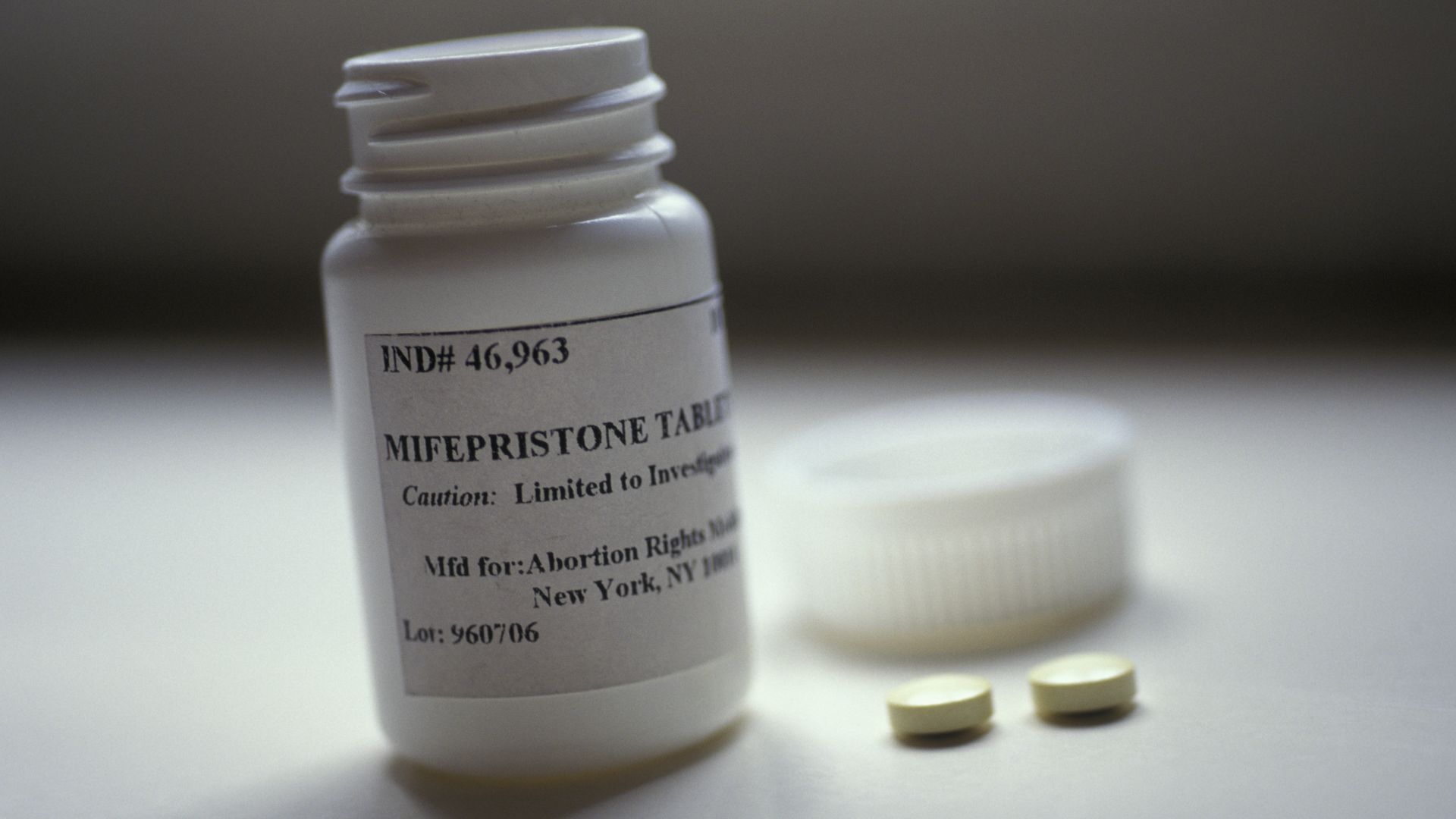
A federal judge in Texas is poised to rule "as soon as possible" on whether to suspend the FDA's approval of a widely-used abortion pill and potentially reverse the agency's authority on drug regulation for the first time.
Why it matters: Legal experts fear that if District Judge Matthew Kacsmaryk orders the FDA to temporarily withdraw its approval of mifepristone, others will challenge FDA-approved treatments that they disagree with.
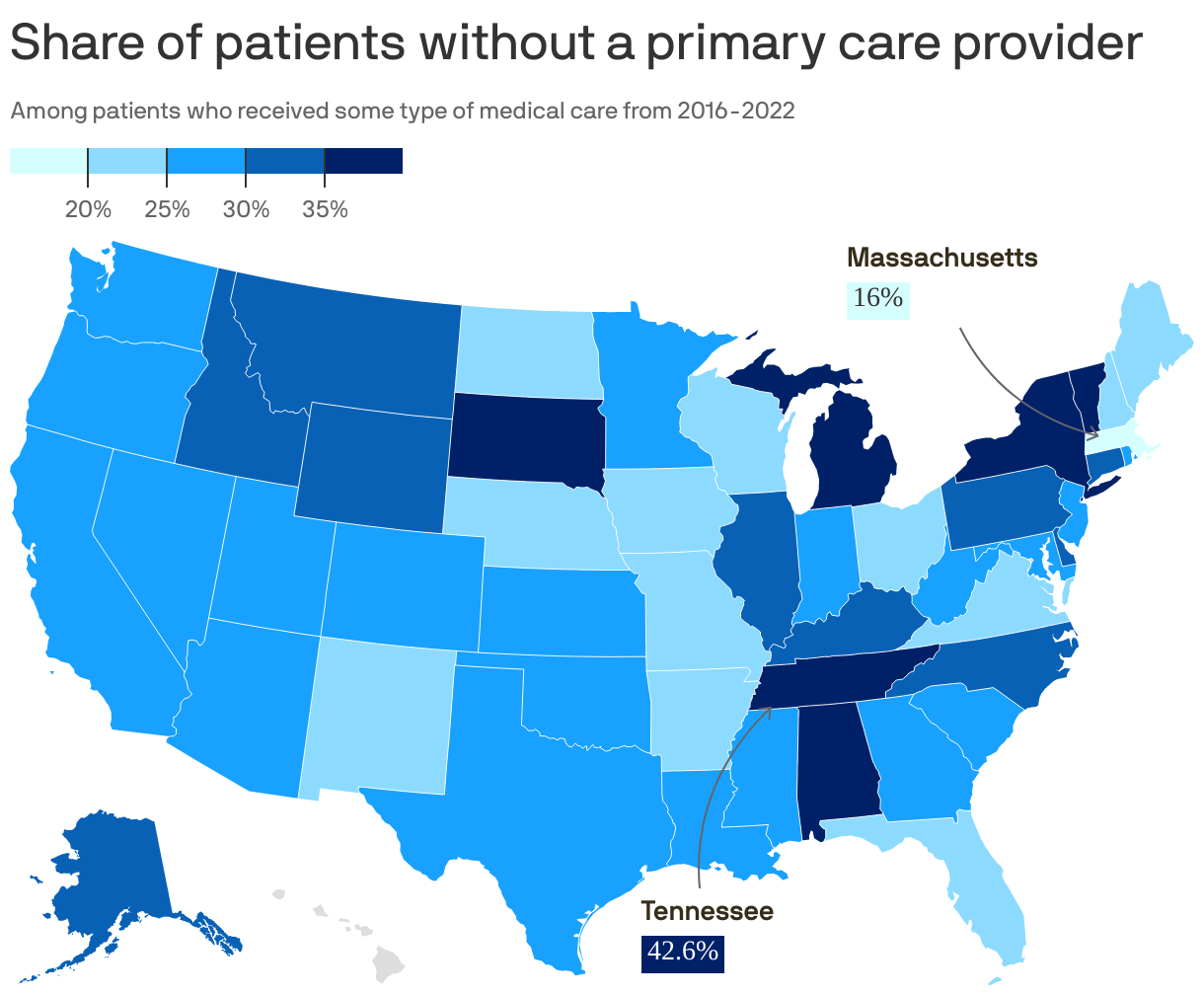
Data: FAIR Health; Note: Washington, D.C., and Hawaii's datasets were too small for analysis; Map: Thomas Oide/Axios
Nearly 30% of all patients who received medical services between 2016 and 2022 did not see a primary care physician, a FAIR Health analysis provided first to Axios shows.
Why it matters: Primary care providers are supposed to manage patients' day-to-day health needs and provide preventative care, and evidence shows it can drive down costs and improve outcomes. But many people are clearly getting their care elsewhere — if they're getting it at all.
The end of the COVID-19 public health emergency could bring new barriers to trans men undergoing hormone therapy, in the way it would eliminate telehealth prescribing of controlled substances including testosterone.
Why it matters: Requiring in-person visit to continue treatments could delay a patient's transition process and reverse some of the changes their body underwent. The policy change doesn't affect estrogen, used in hormone therapy for trans women.
A 2013 California law barring insurers from discriminating on the basis of a patient's sex or gender identity, was associated with an increase in gender-affirming surgeries in the state, as well as an expansion of sites and providers offering the care, new research in the Journal of the American Medical Association shows.
Why it matters: As a growing number of states authorize restrictions on gender-affirming care, the study shows how non-discrimination laws can expand access to surgery that medical experts deem essential to the well-being transgender and gender-diverse patients.
Nonprofit hospitals reaped almost $28 billion in tax exemptions from federal, state and local sources in 2020 while providing about $16 billion in charity care, according to a new Kaiser Family Foundation brief.
Google showed off an array of new artificial intelligence (AI)-driven health care tools on Tuesday, from a souped-up chatbot that can shed light on your medical symptoms to enhanced search features that tell you if a doctor takes Medicaid.
Why it matters: There's an arms race among big tech companies to infuse their products with AI — but the results, particularly in health care, can have unwanted consequences or pitfalls, like racial bias, privacy concerns and ethical problems.