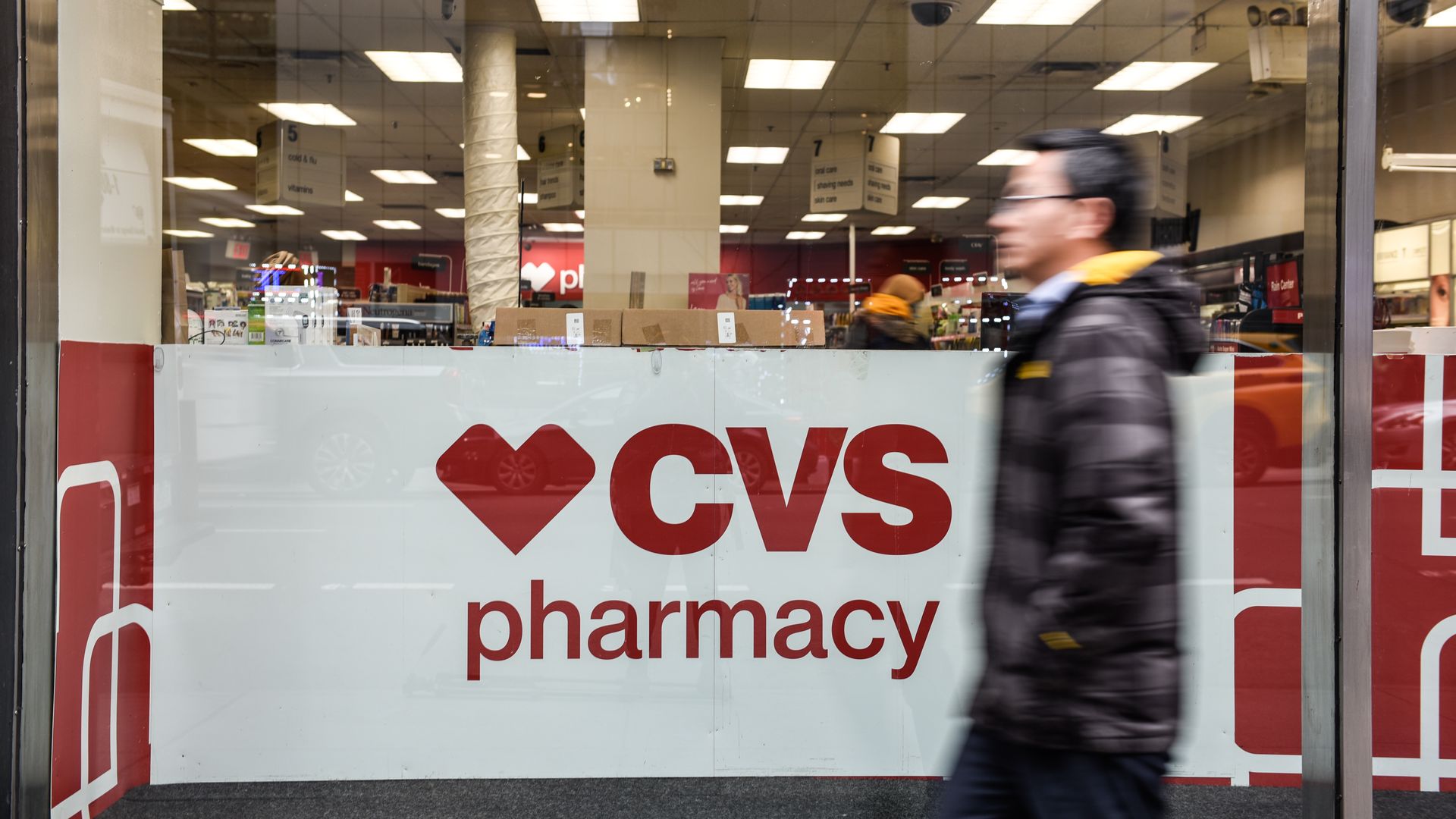
New York Gov. Kathy Hochul (D) and state Attorney General Letitia James are pressuring the nation's largest pharmacy chains to commit to making abortion pills available in the state.
Driving the news: In a letter sent Thursday to theCEOs of Walgreens, Rite Aid and CVS Health, the state's top officials asked for a commitment to dispense mifepristone to patients with a doctor’s prescription, calling it an "essential medication."
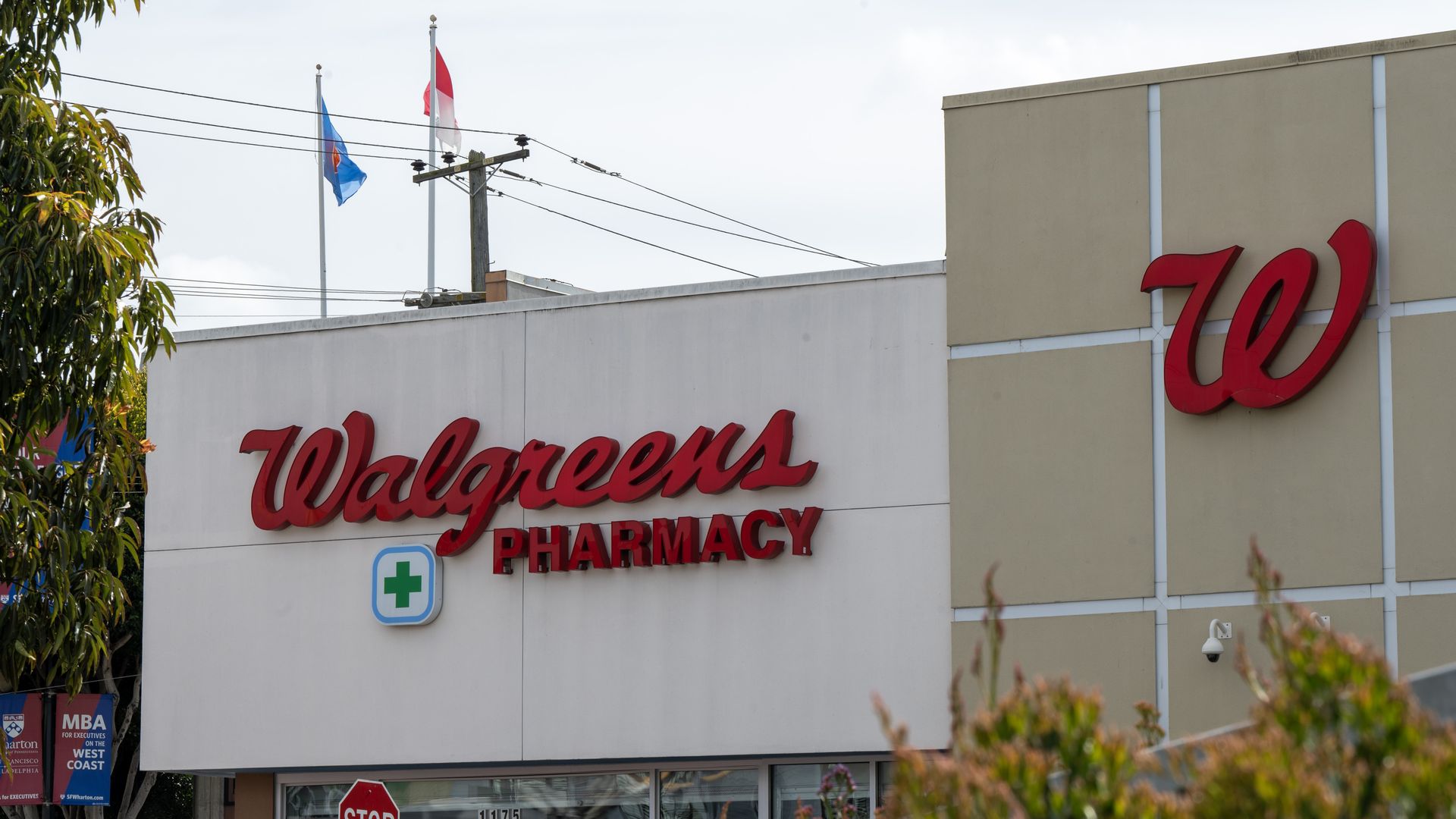
California will not renew a $54 million contract with Walgreens over the chain's decision to not dispense abortion pills in some states where abortion remains legal, Gov. Gavin Newsom's (D) office announced on Wednesday.
The big picture: Walgreens said that it would not be dispensing mifepristone — used in medication abortions — in some states where abortion remains legal in response to a letter from Republican attorneys general saying the pharmacy chain could face legal consequences for distributing the drug.
Community health centers are joining forces with drug manufacturers today to call for changes to the government's discount drug program and take aim at hospitals and pharmacy benefit managers they say are milking it.
Why it matters: The health centers' involvement couldamplify PhRMA's messaging with Congress by arguing they need an intervention soon to keep clinic doors open.
The rise of AI in mental health carehas providers and researchers increasingly concerned over whether glitchy algorithms, privacy gaps and other perils could outweigh the technology's promise and lead to dangerous patient outcomes.
Why it matters: As the Pew Research Center recently found, there's widespread skepticism over whether using AI to diagnose and treat conditions will complicate a worsening mental health crisis.
President Biden's push to let Medicare negotiate the prices of more drugs sooner after they come to market won't become law any time soon. But some experts say even raising the topic could scare off investment into new treatments.
Why it matters: The possibility of Medicare having even more negotiating power increases uncertainty around future returns on today's R&D, and some economists argue that may ultimately make some investments too risky.
After recoveringfrom a "mild" COVID case in November, I developed long COVID, with debilitating symptoms that included persistent shortness of breath, heart palpitations, and insomnia.
At one point, I counted 23 symptoms.
As my symptoms grew worse, I was admitted to the hospital, where I underwent numerous tests. Thankfully, no major organ damage was found — apart from an obstruction in my lungs, which is still being treated.
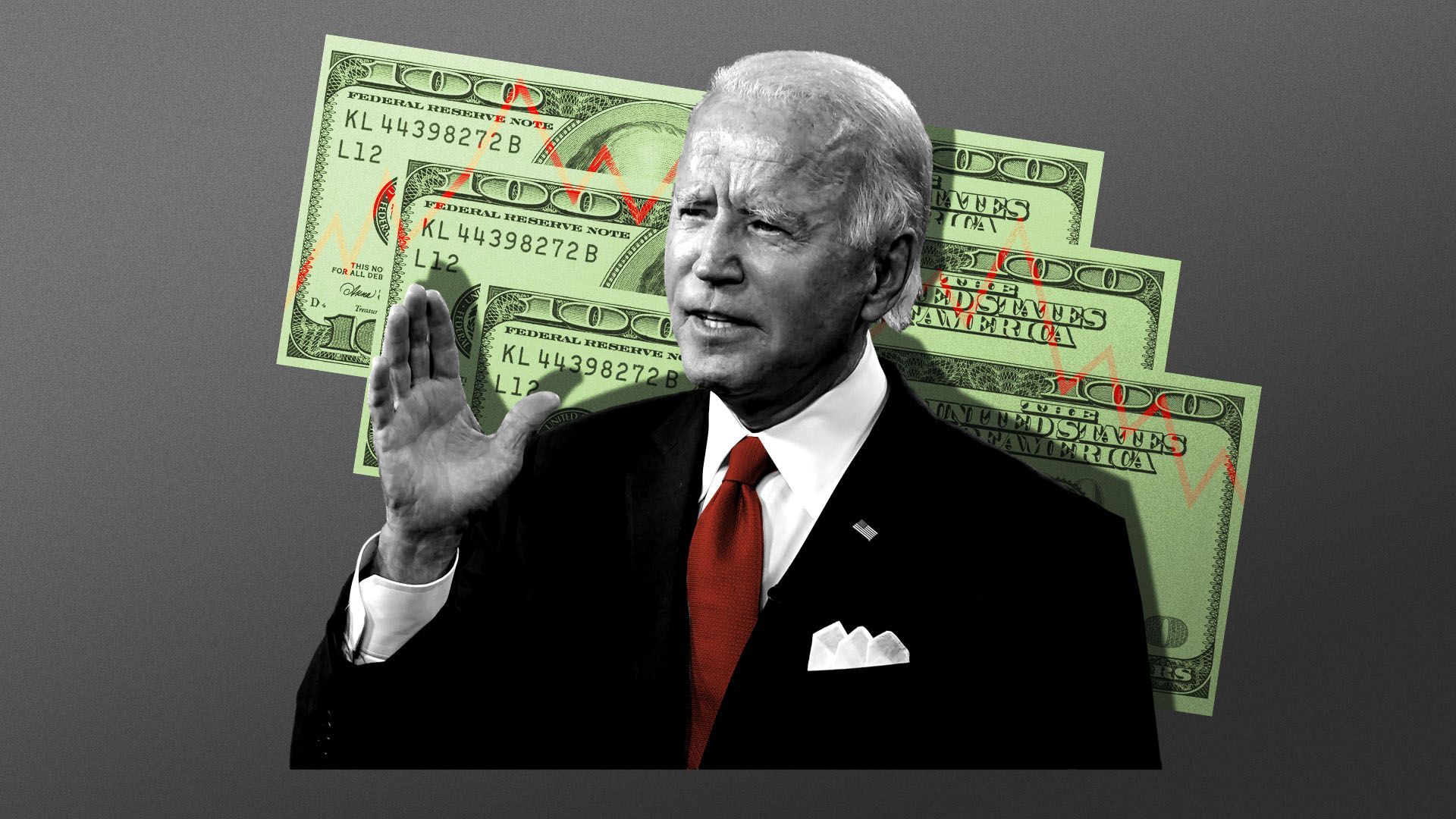
President Biden will use the release of his FY2024 budget Thursday to pressure Republicans to cap the cost of insulin at $35 a month for all Americans, according to administration officials.
Why it matters: By putting Biden's insulin cap at the center of his budget rollout, the White House is previewing the populist tone that will course throughout his expected re-election campaign.
Hundreds of members of Congress and their staffs this week were hit by a data breach of their health records in the District of Columbia's health insurance marketplace.
Driving the news: Both the FBI and U.S. Capitol Police are investigating the breach of DC Health Link, the marketplace set up under the Affordable Care Act — an act that may have impacted hundreds of lawmakers and staff, NBC News reports.
Physicians and other health care providers contend the Biden administration's proposed update to Medicare Advantage payment policies could wind up hurting their practices and patients.
Why it matters: With providers joining insurers against the proposed changes, the Biden administration is left with few allies.
Amazon, Walmart, CVS, Dollar General and other big retailers are elbowing their way into health care delivery, pushing a customized consumer experience driven by digital health products.
What's happening: At its core, these companies are pulling together different tech-enabled services — urgent, primary, home and specialty care, pharmacy, and, in some cases, full integration with an insurer.
Amazon, Walmart, CVS, Dollar General and other big retailers are elbowing their way into primary care, pushing a customized consumer experience driven by digital health products.
Here's a look at what some of the major retail brands are doing when it comes to delivering health care.
The U.S. will lift COVID testing restrictions for travelers from China, the Washington Post first reported and Axios has confirmed.
The big picture: The Centers for Disease Control and Prevention announced in December a negative test requirement for travelers from the country, which began on Jan. 5 after China saw a spike in coronavirus cases following Beijing's loosening of travel restrictions.





/2023/02/24/1677276125445.gif?w=3840)