The U.S. health care system was "overwhelmed" by COVID-19's "complex, systemwide assault" and remains unprepared for another pandemic, Anne Schuchat, the No. 2 official at the Centers for Disease Control and Prevention said in a Friday interview on NPR's Morning Edition.
What she's saying: The U.S. response "wasn't a good performance," Schuchat, the principal deputy CDC director, said. "But another threat tomorrow, we're not where we need to be. We're still battling this one."
The Food and Drug Administration has approved a lower dose of Regeneron’s coronavirus treatment for injection, the company announced Friday.
Why it matters: The update to the company's emergency use authorization, which was first issued in November, will make it easier for doctors to administer the treatment to coronavirus patients, since they can now do so by simple injection rather than intravenous infusion.
The Biden Administration is closely looking at how it can create health care payment models that benefit patients over providers, even if that means making them mandatory.
Driving the news: Liz Fowler, the innovation chief of the Centers for Medicare and Medicaid Services, signaled the Biden administration's commitment to value-based care models if they save money or not.
Over the past 10 years, CMMI has tested 54 models, but only five have been shown to save significant amounts of money and only two have been expanded nationally, Fowler said.
Rochelle Walensky, director of the Centers for Disease Control and Prevention, urged parents on Friday to get their kids 12 years and older vaccinated against COVID-19.
What she's saying: "I am deeply concerned by the numbers of hospitalized adolescents and saddened to see the number of adolescents who required treatment in intensive care units or mechanical ventilation," Walensky said in a statement.
The FDA will soon decide the fate of Biogen's experimental Alzheimer's drug. But there is one glaring issue — there is no conclusive evidence the drug effectively treats the crippling neurological disease.
Why it matters: This will be one of the FDA's most important decisions in years. The outcome will show whether the federal agency sides with the overwhelming scientific consensus that the drug isn't proven to work, or with an industry and a patient population desperate for anything to be approved.
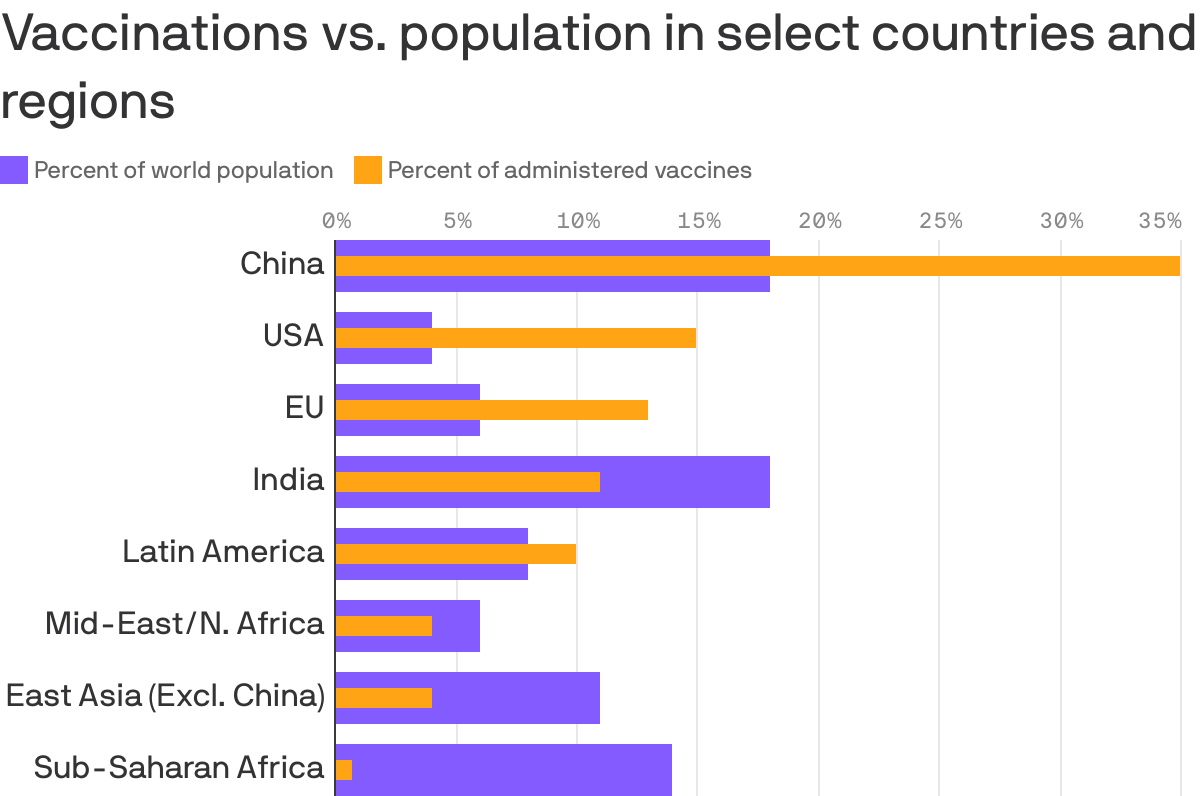
Data: Our World in Data; Chart: Danielle Alberti/Axios
The world reached a vaccination milestone this week, with 2 billion total doses now administered, according to the tracker from Our World in Data.
Why it matters: The global rate is speeding up considerably. It took 30 days to go from 500 million doses to 1 billion, 24 days to go from 1 billion to 1.5 billion, and just 16 days to jump from 1.5 billion to 2 billion.
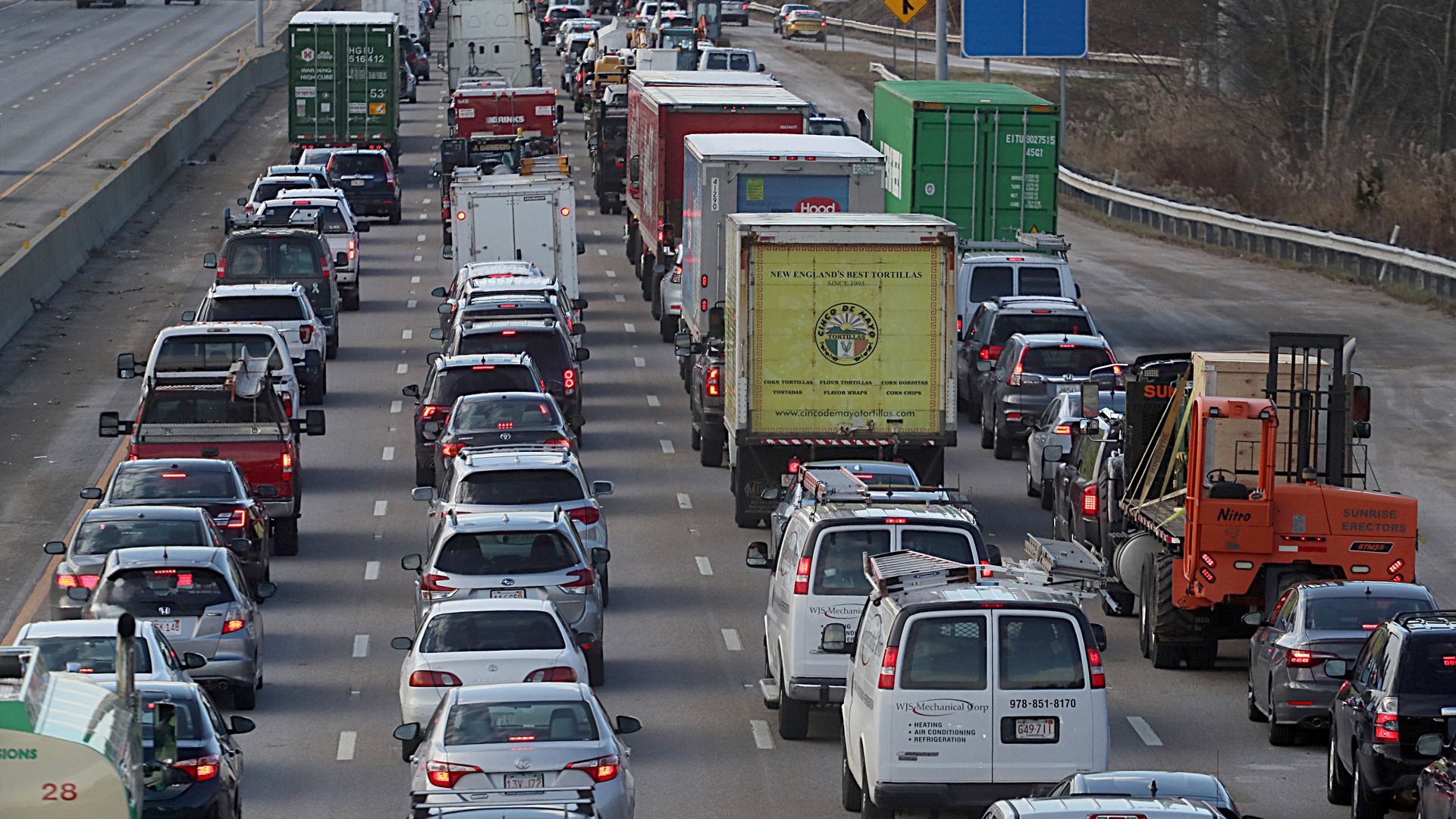
An estimated 38,680 people died on U.S. roads last year, the highest yearly total since 2007, the National Highway Traffic Safety Administration (NHTSA) said Thursday, citing preliminary data.
The big picture: The jump in the number of deaths from motor vehicle traffic crashes came despite the fact that Americans last year drove 13.2% fewer miles than in 2019.
Scientists and public health experts are trying to leverage lessons from the COVID-19 pandemic to spur the development of technologies and infrastructure needed to stop the next big outbreak.
Why it matters: Scientists predict infectious disease outbreaks will become more frequent, and the COVID-19 pandemic showed the enormous costs of not being adequately prepared.
After watching the swift success story of COVID-19 vaccines, researchers and advocates are hopeful renewed funding and vaccine advances might finally lead to an end to the devastating 40-year-old AIDS epidemic.
The big picture: HIV is more difficult to target than the coronavirus responsible for COVID-19 becausethe virus can mutate quickly and a vaccine would need to trigger a broadly neutralizing antibody response.
Medtronic has stopped selling one of its heart pumps due to "higher frequency of neurological adverse events" and death, the medical device maker and the FDA wrote to doctors and hospitals today.
Why it matters: The product, called a ventricular assist device, helps support patients who suffer from heart failure and require a heart transplant. But the decision to pull the device was almost inevitable after Medtronic issued three recalls this year alone.
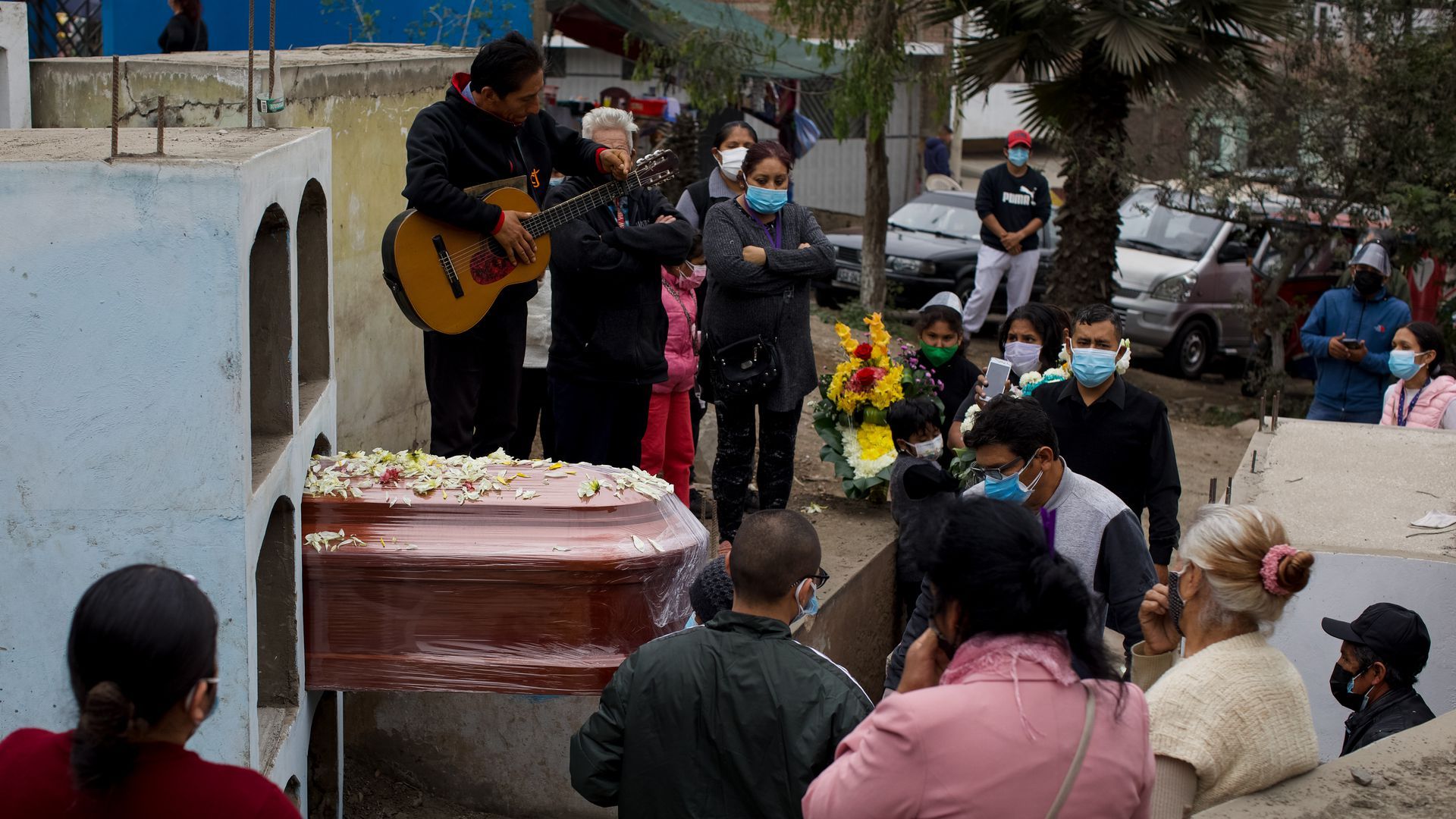
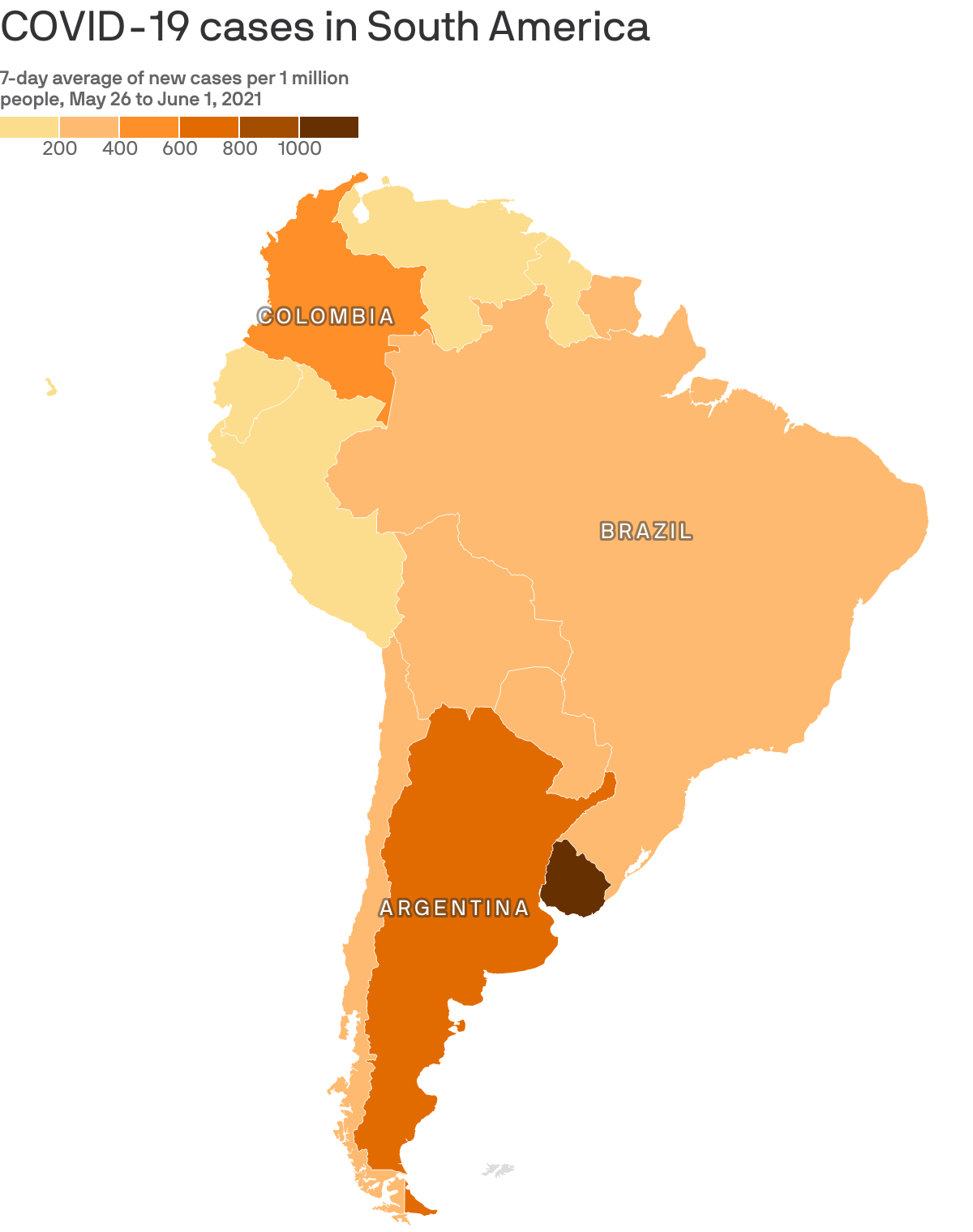
Uruguay, Argentina, Brazil and Peru currently have some of the highest coronavirus infection and death rates per capita in the world.
Why it matters: Vaccine access has been uneven in the region, which has mostly depended on Russian and Chinese vaccines. Just under 20% of the area’s population has been immunized.
The most common cancer diagnosed among U.S. Latinas is breast cancer, and it's their leading cause of cancer-related death, research published in the journal Cancer Control found.
Why it matters: "While they are less likely to get breast cancer than other ethnic groups, Hispanic women who are diagnosed are 20% more likely than white women to die from the disease," the Baltimore Sun writes.
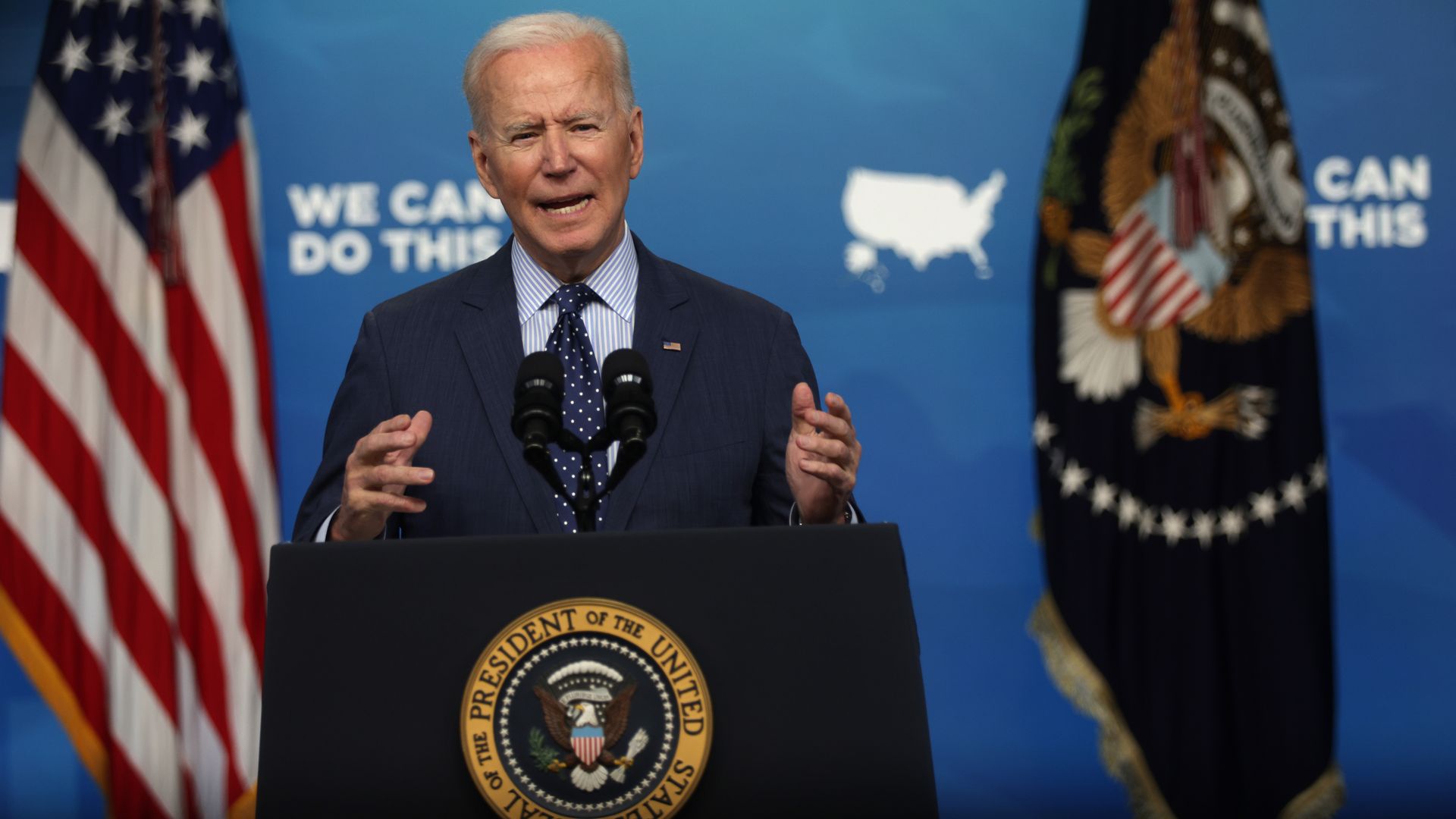
The Biden administration on Thursday laid out its framework for sharing vaccines for the world and named the recipients of the first 25 million doses, taking a major step toward becoming a global vaccine supplier.
Why it matters: The U.S. had until recently been the only major vaccine producer to keep virtually its entire supply at home, while countries looked to Russia or China for doses. But Biden has pledged to share at least 80 million doses this month and additional shipments beyond that.
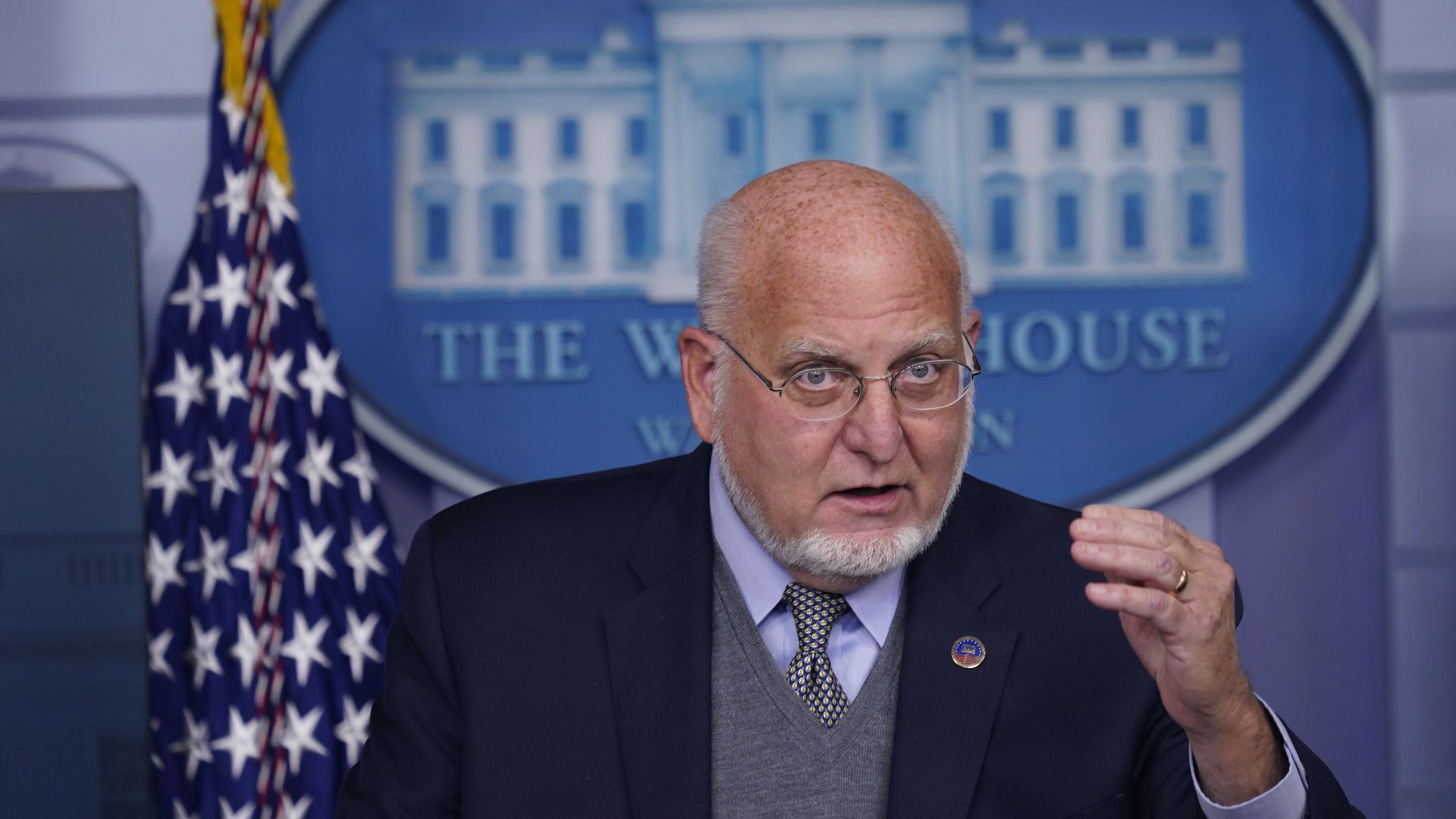
Former CDC Director Robert Redfield told Vanity Fair that he received death threats from other scientists after telling CNN in March that he believes the coronavirus accidentally "escaped" from the Wuhan Institute of Virology.
Why it matters: The allegation was featured in a sweeping investigation by Vanity Fair into the battles over the origins of COVID-19 that have raged inside the U.S. government and scientific community.
15 of the country's largest hospitals reported vaccination rates ranging between 51% to 91%, according to a survey conducted by USA Today.
The state of play: USA Today surveyed more than 270 hospitals, or approximately 4.5% of U.S. hospitals. Most reported vaccination rates that fell below President Biden's goal of having 70% Americans with at least one dose by the Fourth of July holiday.
10,000 volunteers working to organize the Tokyo Olympics next month have quit, Toshiro Muto, the CEO of the Tokyo organizing committee, told reporters Wednesday, the according to the New York Times.
Why it matters: The games have been under pressure to cancel amid low vaccination rates and a surge of active COVID-19 cases in Japan. Scientists have warned that "canceling the games may be the safest option" and a recent poll by Japan's Asahi Shimbun newspaper found 83% of voters wanted the games to be postponed or canceled.
Brazil has stepped in to host this month's Copa América, but the issues that caused the former hosts to drop out are roughly as bad in Brazil.
The backdrop: The soccer tournament — originally set for last summer in Colombia and Argentina — was delayed a year by the pandemic. It's now scheduled to begin on June 13.
The U.S. has brought new coronavirus infections down to the lowest level since March 2020, when the pandemic began.
The big picture: Nearly every week for the past 56 weeks, Axios has tracked the change — more often than not, the increase — in new COVID-19 infections. Those case counts are now so low, the virus is so well contained, that this will be our final weekly map.