A study published in the Journal of the American Heart Association this week found that the iPhone 12's magnetic charging system may interfere with cardiac implantable electronic devices.
Why it matters: Authors of the study said the phone's Magsafe charging technology can produce a magnetic field strong enough to potentially "inhibit lifesaving therapy" if placed directly on the skin over one of the implantable devices.
The Food and Drug Administration on Friday approved Wegovy, a version of a diabetes medicine that can now be marketed and sold as a weight-loss drug in the United States.
Why it matters: The drug helped certain people lose an average of 15% of their body weight over multiple weeks when used alongside increased physical activity and a reduced calorie meal plan.
President Biden on Saturday released a statement recognizing the 40th anniversary of the HIV/AIDS epidemic and announcing that he has asked Congress to provide $670 million to fight new infections.
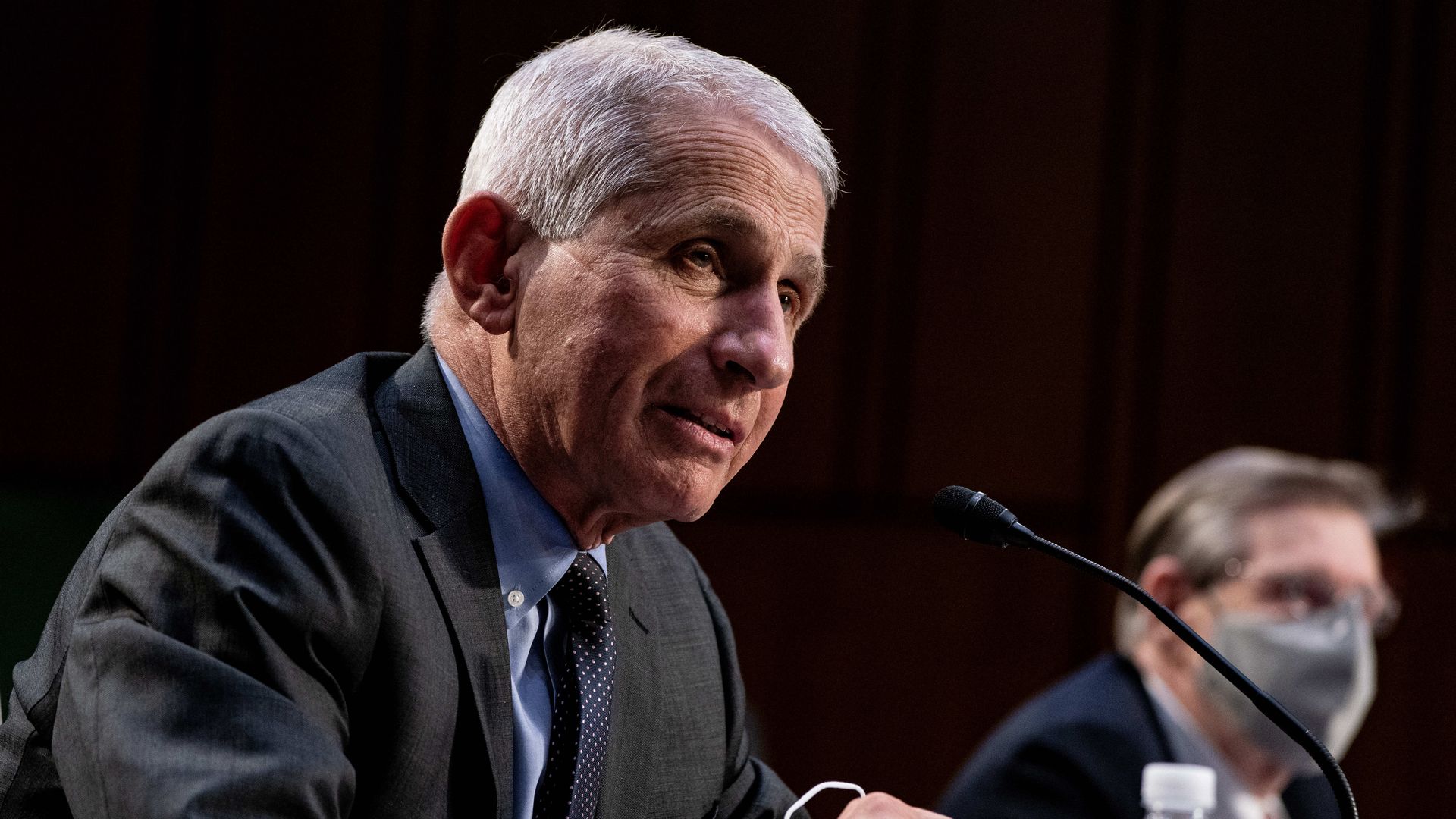
Driving the news: NIAID director Anthony Fauci — who has played a key role in tackling AIDS — told Axios that he believes it's possible to end the epidemic by 2030 with a combination of different treatments.
NIAID director Anthony Fauci called criticism against him "completely inappropriate, distorted, misleading, and misrepresented attacks."
Details: MSNBC's Rachel Maddow asked Biden's chief medical adviser if he worried about being the subject of personal attacks as the public face of the federal government's coronavirus response, but Fauci said he was more concerned about the "attack on science."
A new paper makes the case that the increase in extreme poverty triggered by COVID-19 rivals the pandemic's direct health effects.
Why it matters: The pandemic of extreme poverty could be lasting, and it deserves far more of the world's attention and help than it has gotten so far.
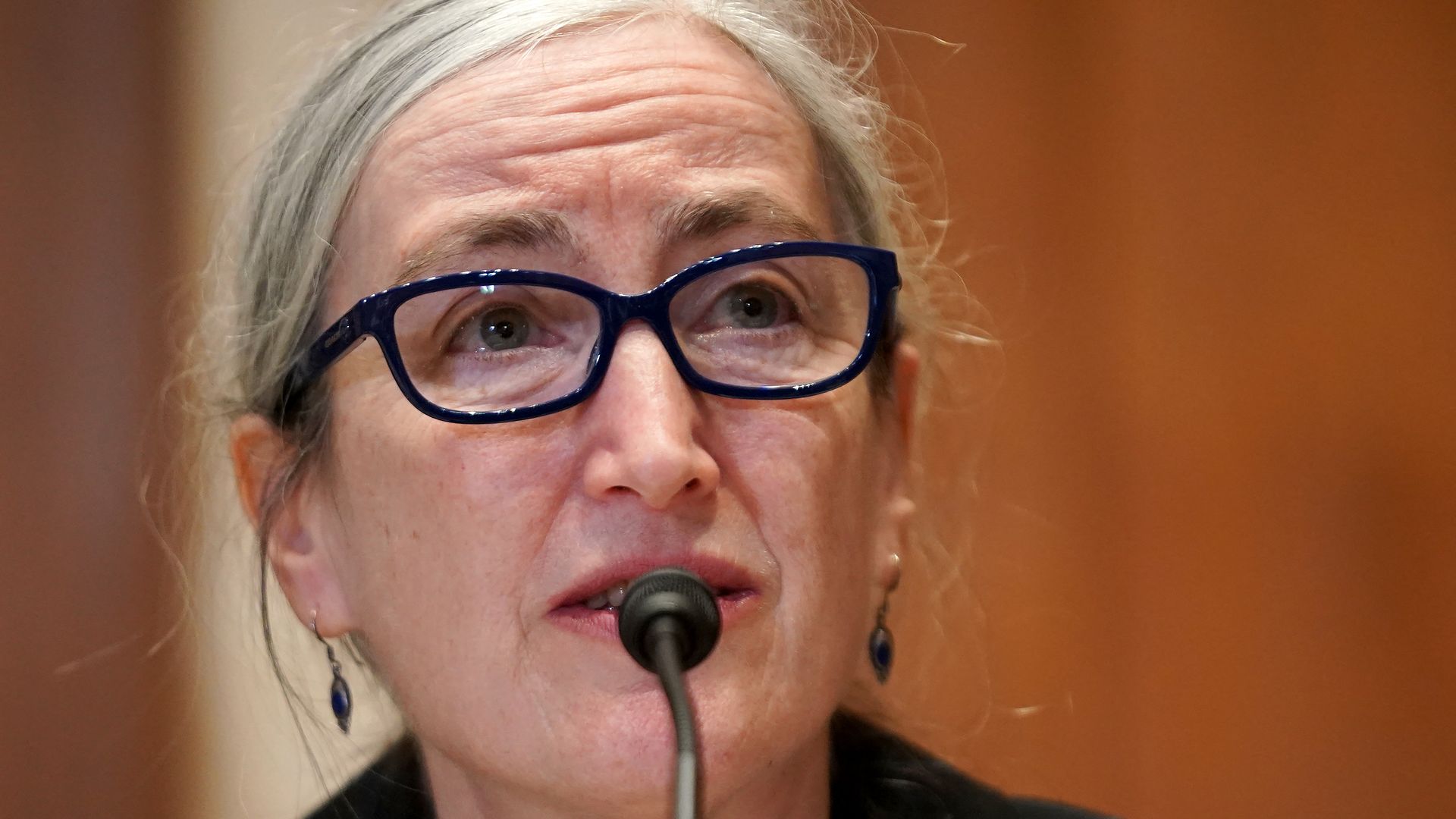
The U.S. health care system was "overwhelmed" by COVID-19's "complex, systemwide assault" and remains unprepared for another pandemic, Anne Schuchat, the No. 2 official at the Centers for Disease Control and Prevention said in a Friday interview on NPR's Morning Edition.
What she's saying: The U.S. response "wasn't a good performance," Schuchat, the principal deputy CDC director, said. "But another threat tomorrow, we're not where we need to be. We're still battling this one."
The Food and Drug Administration has approved a lower dose of Regeneron’s coronavirus treatment for injection, the company announced Friday.
Why it matters: The update to the company's emergency use authorization, which was first issued in November, will make it easier for doctors to administer the treatment to coronavirus patients, since they can now do so by simple injection rather than intravenous infusion.
The Biden Administration is closely looking at how it can create health care payment models that benefit patients over providers, even if that means making them mandatory.
Driving the news: Liz Fowler, the innovation chief of the Centers for Medicare and Medicaid Services, signaled the Biden administration's commitment to value-based care models if they save money or not.
Over the past 10 years, CMMI has tested 54 models, but only five have been shown to save significant amounts of money and only two have been expanded nationally, Fowler said.
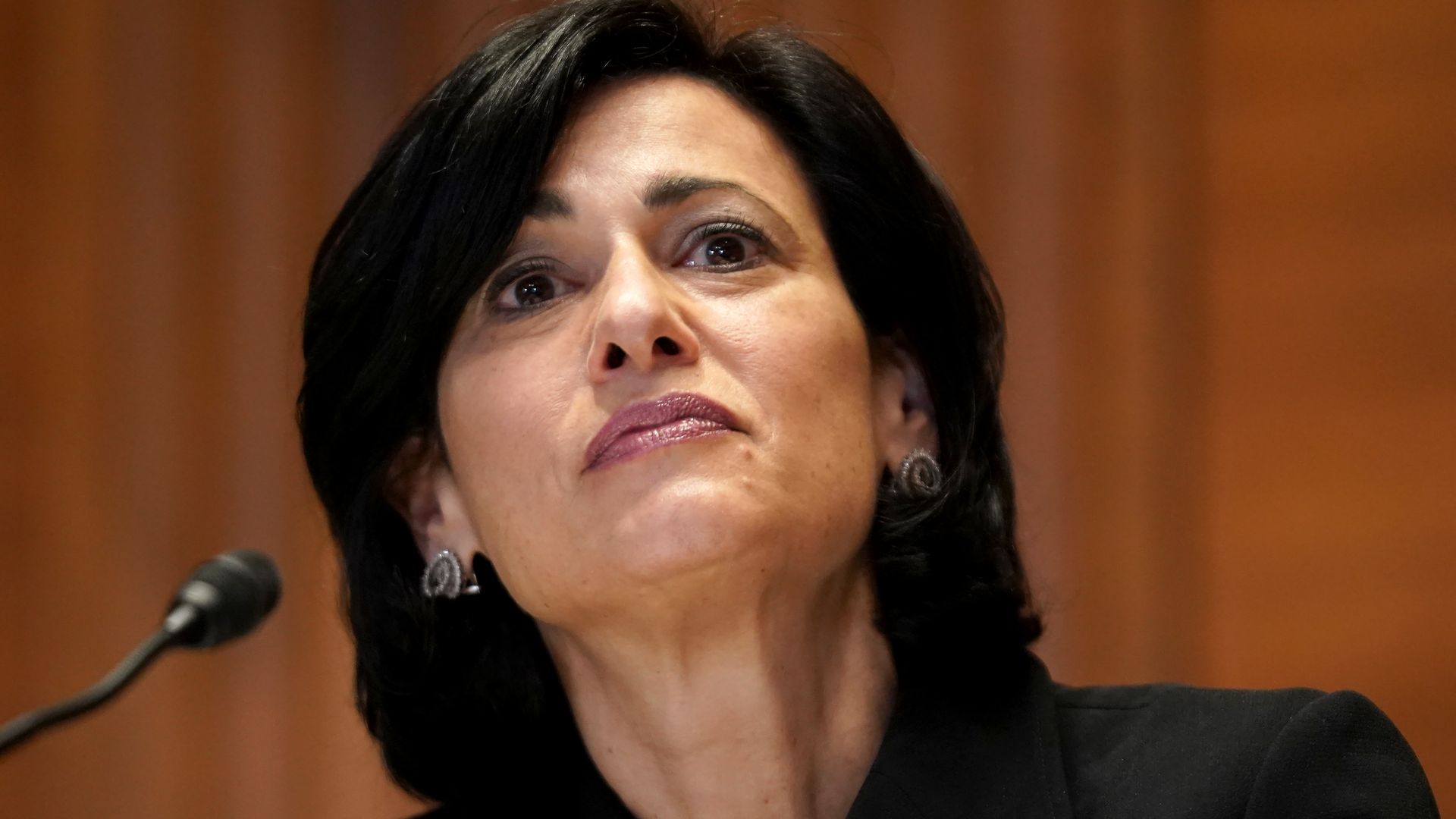
Rochelle Walensky, director of the Centers for Disease Control and Prevention, urged parents on Friday to get their kids 12 years and older vaccinated against COVID-19.
What she's saying: "I am deeply concerned by the numbers of hospitalized adolescents and saddened to see the number of adolescents who required treatment in intensive care units or mechanical ventilation," Walensky said in a statement.