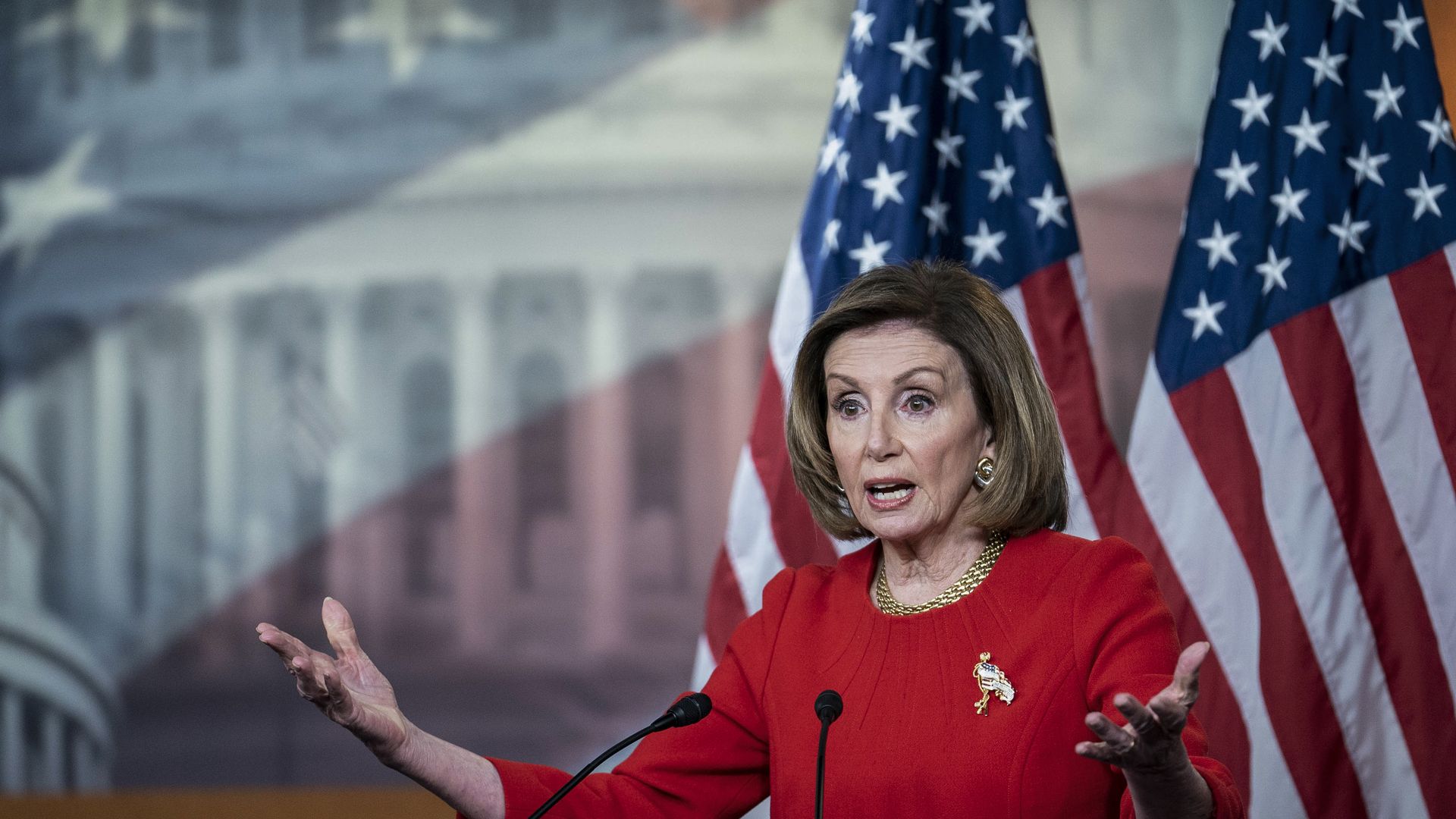
House Speaker Nancy Pelosi (D-Calif.) told CNN Thursday that members will still be required to wear masks on the House floor, despite new CDC guidance allowing fully vaccinated people to remove their masks indoors.
What she's saying: “No,” Pelosi told CNN when asked if the rule would change. "Are they all vaccinated?”
COVID-19 is the first major pandemic in the social media era — offering experts a rare opening to study the relationship between online misinformation and human behavior on a large scale.
Why it matters: As misinformation about COVID-19 vaccines runs rampant, researchers are trying to measure how much memes and messages with false information can alter someone's decision to get vaccinated.
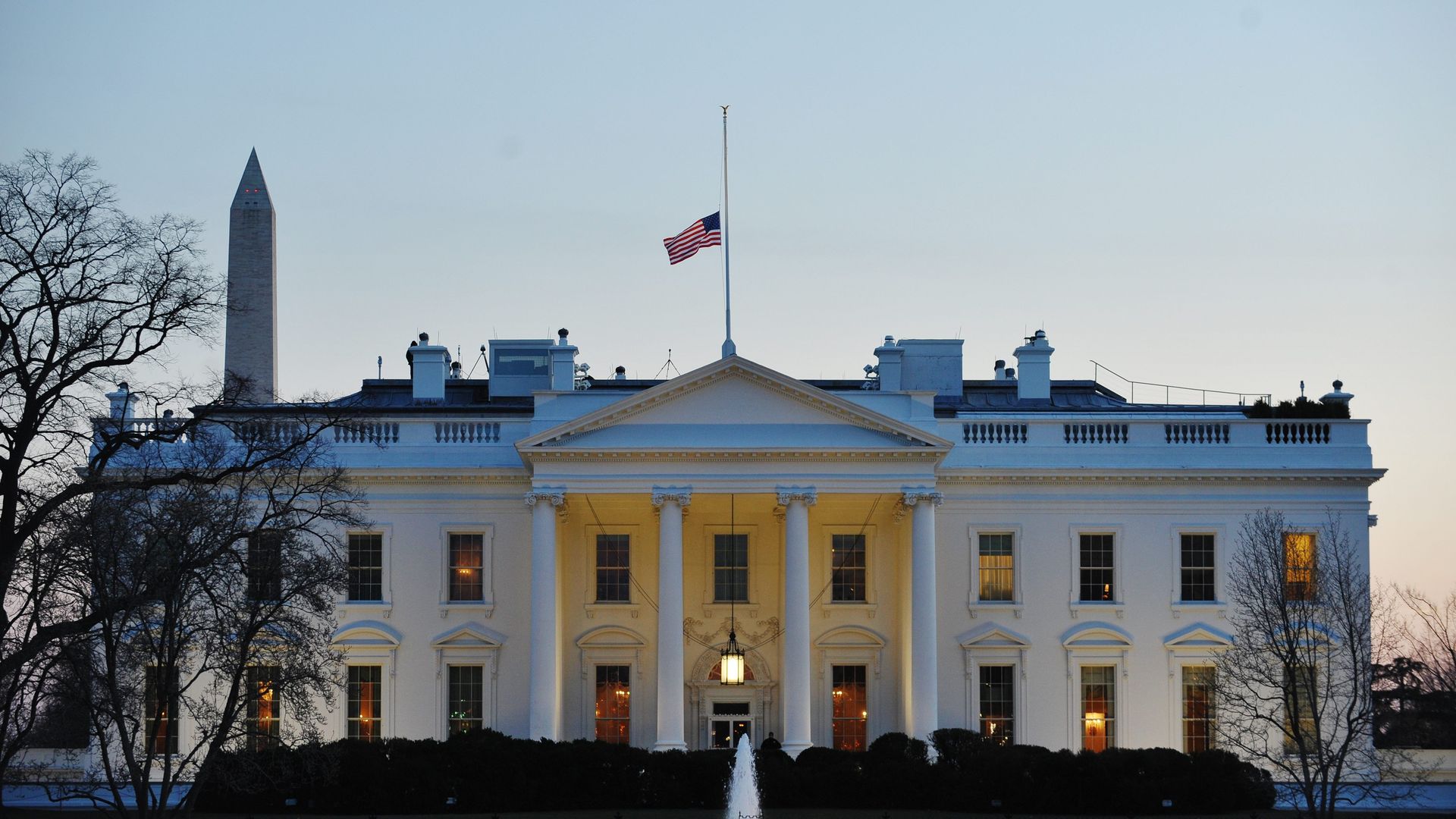
The White House emailed staff on Thursday saying those who are fully vaccinated against the coronavirus are no longer required to wear face masks on the premises.
Why it matters: The move follows new COVID-19 guidelines from the CDC which allow fully vaccinated people to participate in indoor and outdoor activities without masks or physically distancing.
The CDC announced in new guidance Thursday that anyone who is fully vaccinated can participate in indoor and outdoor activities without wearing a mask or physically distancing, regardless of crowd size.
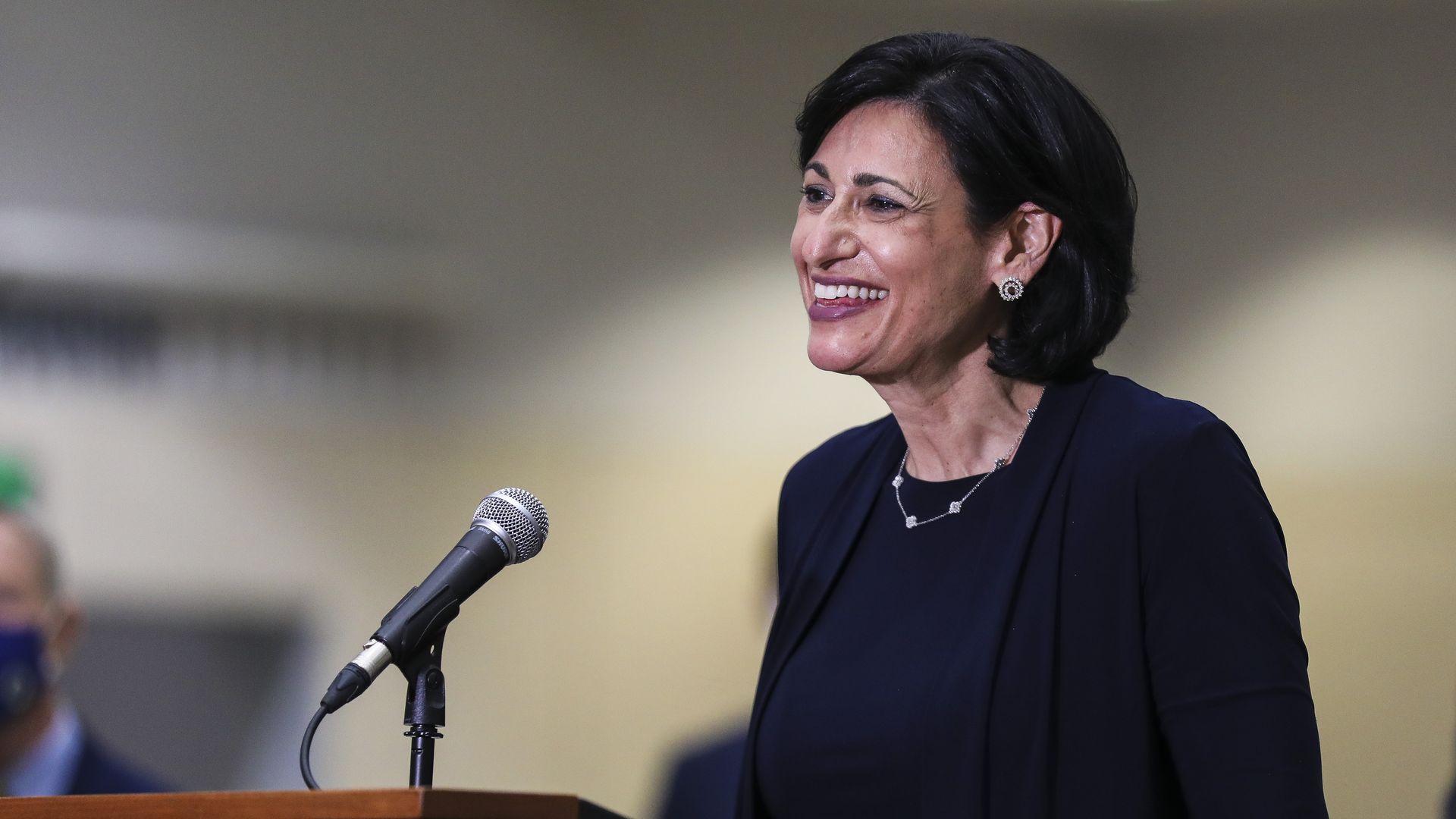
What they're saying: "If you are fully vaccinated, you are protected, and you can start doing the things that you stopped doing because of the pandemic," CDC director Rochelle Walensky will say at a White House press briefing.
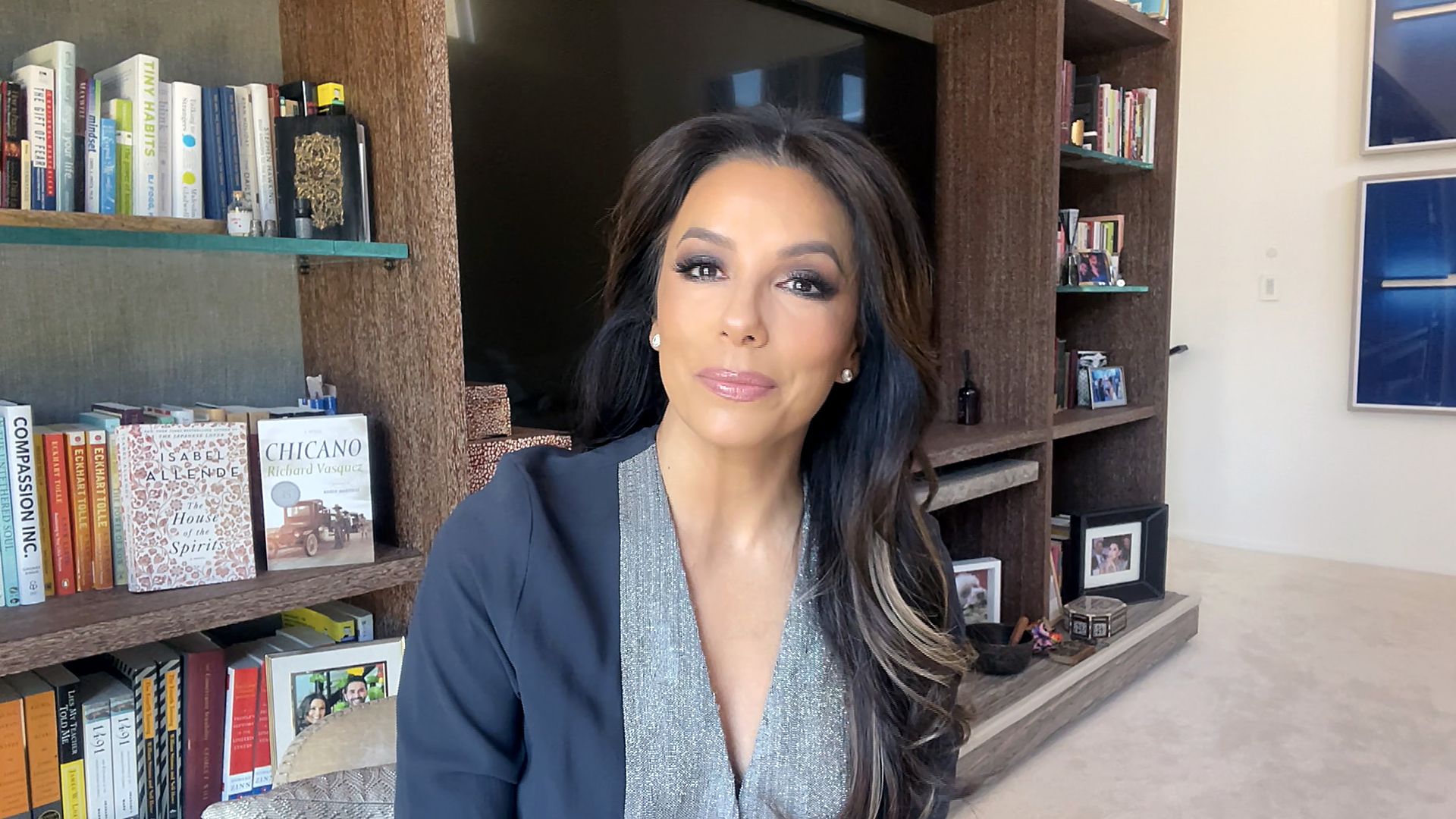
Actor and filmmaker Eva Longoria Bastón is lending her name to help bring mental health services to farmworkers in the U.S.
What's happening: A new program called "Healing Voices," launching this month in California and Florida, will study the needs of 100 farmworkers and determine how to bring more services to workers in the fields.
Scientists announced Wednesday they were able to help a person with paralysis translate their imagined handwriting into text through a brain–computer interface (BCI) that was faster than other types of assistive communication.
Why it matters: While the interface was only tested in one person and is a proof-of-concept finding, some experts say it's an "important milestone" in developing the technologies needed by millions of peopleglobally who've lost the ability to use their upper limbs or the ability to speak due to paralysis, strokes, or Lou Gehrig's disease.
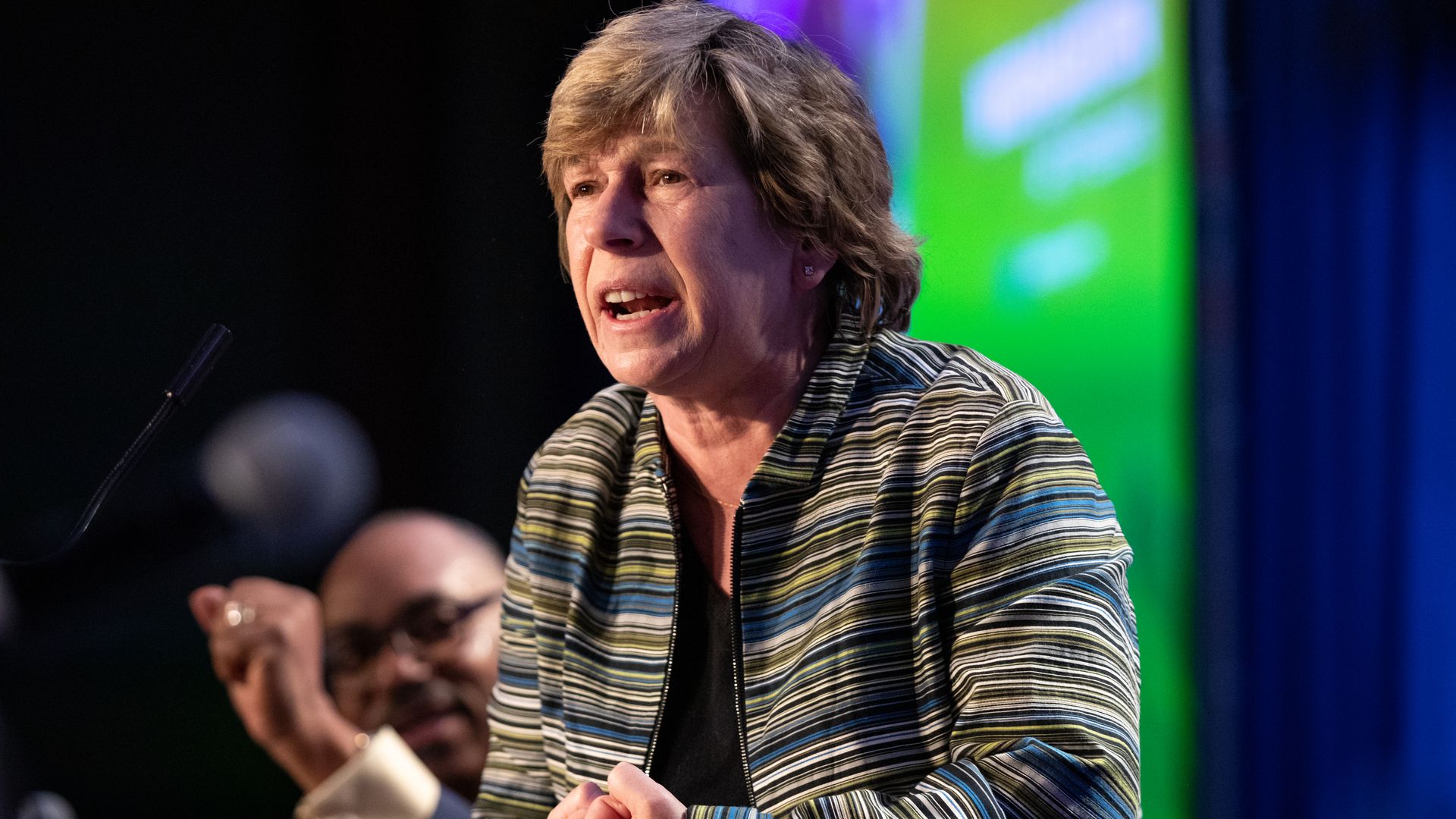
Randi Weingarten, president of the American Federation of Teachers, on Thursday will call for a full reopening of U.S. schools in the next academic year, according to the New York Times.
Why it matters: Teachers' unions have been a primary barrier to reopening schools this academic year, and around half of public schools are not offering in-person learning five days per week because of the coronavirus pandemic.
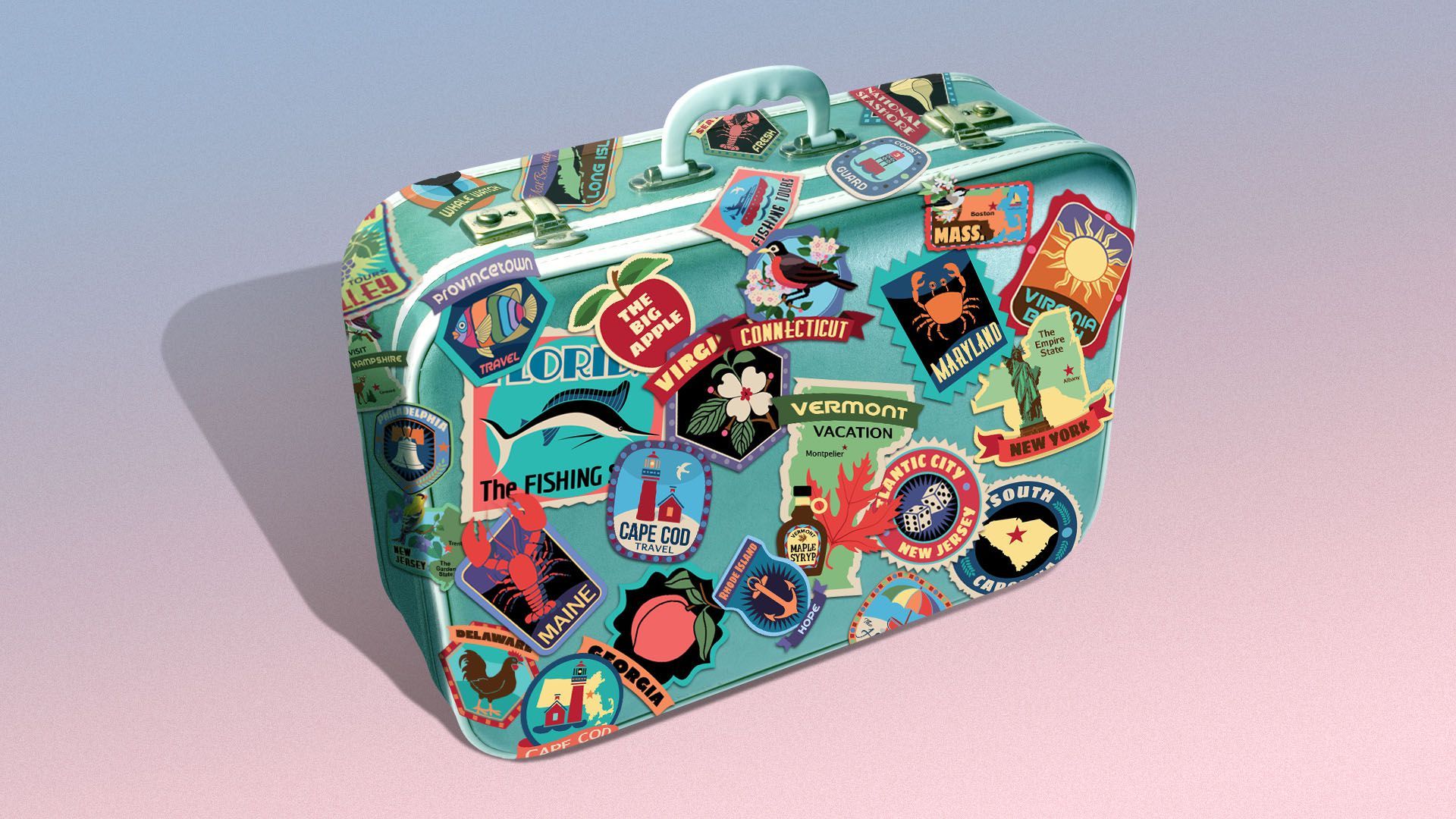
Multiple indicators now show how pent-up travel demand is playing out, as the U.S. exits lockdown mode.
Why it matters: Close to half of all Americans have had at least one dose of a COVID-19 vaccine, enabling a growing economic recovery in the hard-hit travel and leisure sectors.
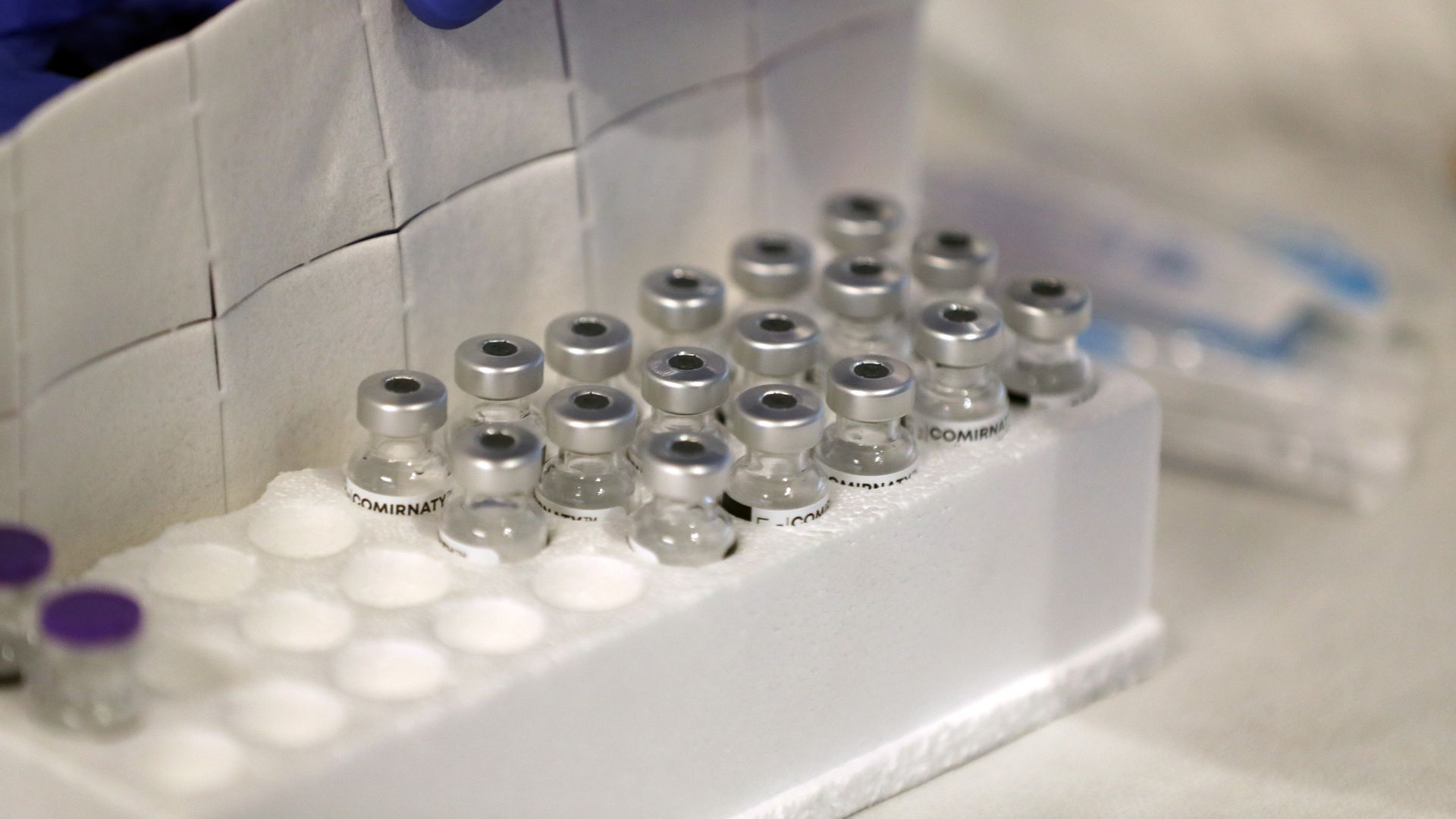
Waiving intellectual property protections for coronavirus vaccines won't do much to help with global access issues, and could actually cause setbacks to the world's vaccination effort, Pfizer wrote to a group of Democratic senators in a letter obtained by Axios.
Why it matters: Pfizer — and the drug industry writ large — is on the defensive after the Biden administration announced it would support waiving vaccine patent rights. Pfizer alone likely has billions of dollars at stake.
Mayo Clinic and Kaiser Permanente announced Thursday they've teamed up to scale the use of hospital care in patients' homes, starting with a shared investment in Boston-based company called Medically Home Group.
Why it matters: After seeing hospital capacity strained to the max amid the pandemic along with the simultaneous rise of telehealth, more patients could find themselves getting acute care in their own beds in the future.
America's affections have shifted away from the companies that helped us manage pandemic life and toward the vaccine manufacturers that are helping to end it.
Driving the news: Moderna and Pfizer shot up the ranks this year in the Axios/Harris 100, our annual survey of corporate reputations. Moderna is Americans' third-favorite company this year, and Pfizer came in at seventh — up from No. 61 a year ago.
America’s battle against the coronavirus is going great.
The big picture: For the first time in a long time, nobody needs to cherry-pick some misleading data to make it seem like things are going well, and the good news doesn’t need an endless list of caveats, either. It’s just really good news. We’re winning. Be happy.
The COVID-19 pandemic was a "preventable disaster" that exposed weak links "at every point" of the preparedness process, according to a World Health Organization-commissioned report published Wednesday.
Why it matters: The report by the Independent Panel for Pandemic Preparedness and Response criticized governments worldwide for being unprepared for the pandemic despite the prevalence of past "global health threats," such as Ebola, Zika, and SARS outbreaks.
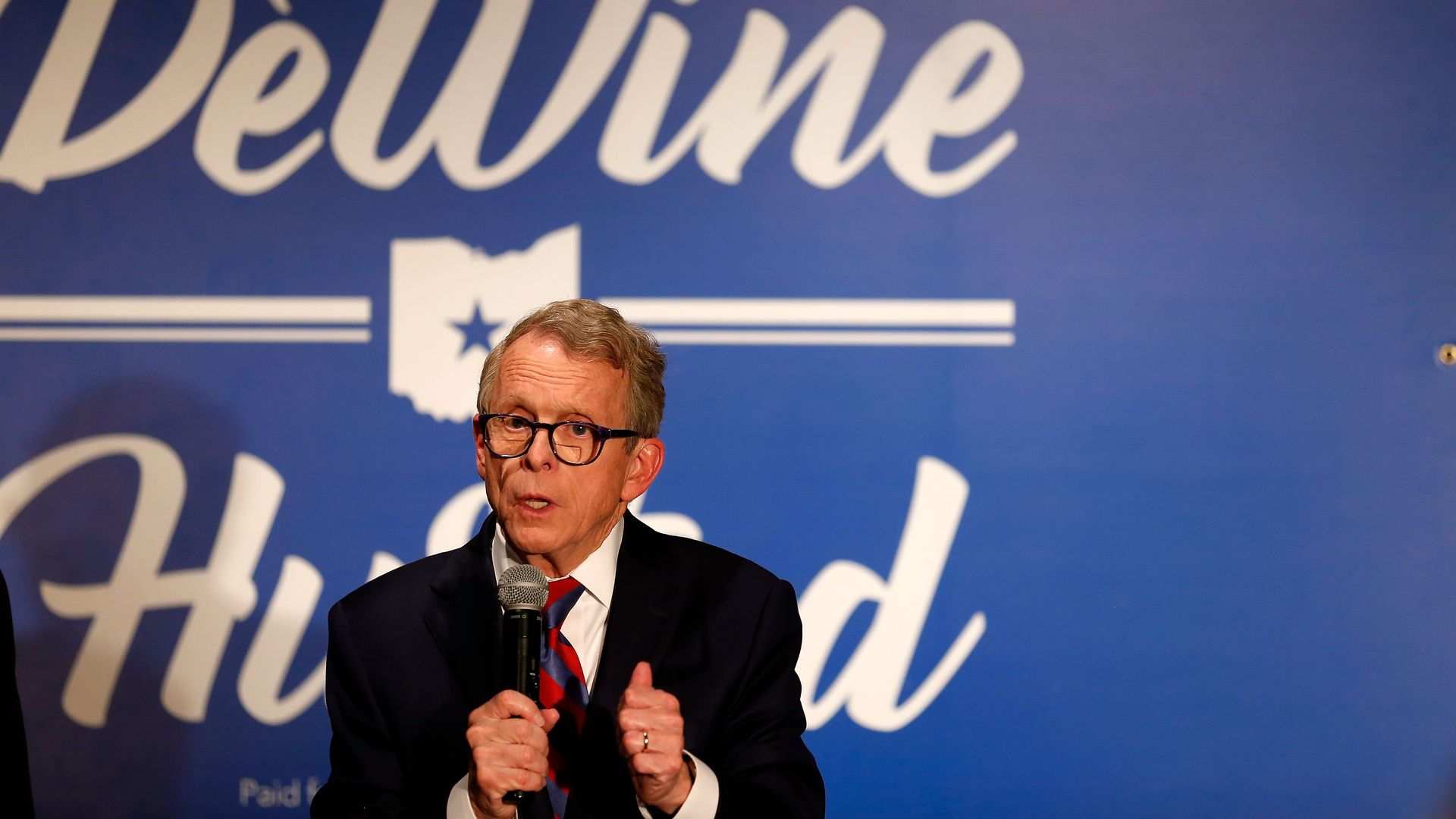
Ohio Gov. Mike DeWine (R) on Wednesday announced multiple monetary incentives for residents who get vaccinated for COVID-19 as he lifted pandemic health orders statewide.
Why it matters: DeWine noted that 42% of Ohioans have been fully vaccinated. The incentive programs align with a drop in vaccine demand in recent weeks.