Brutal surges in coronavirus cases are hitting much of the world all at once, from Europe to Brazil to India.
The big picture: Cases are rising just about everywhere, in a swift reversal from early February, when they were falling on every continent. They're also now ticking up in the U.S., which is in the midst of a race between vaccines and variants.
A judge ordered on Monday that New York must immediately begin providing coronavirus vaccines to those behind bars in state prisons or jails, the New York Times reports.
Why it matters: The Times notes that at least 1,100 New York prisoners have tested positive for the coronavirus in the last month and five have died. The order now makes New York one of only a handful of states vaccinating a broad prison population.
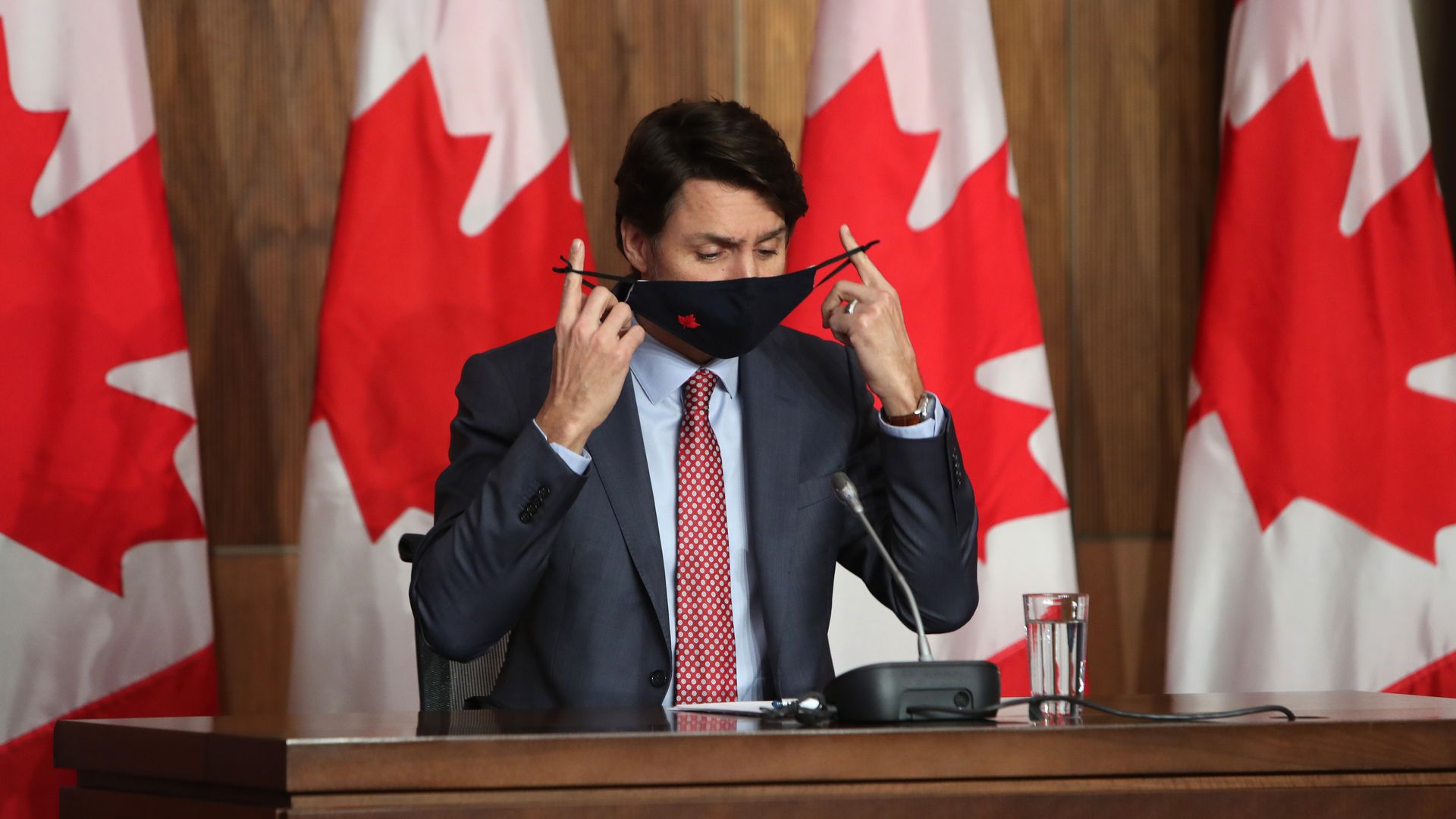
Canada is suspending use of the AstraZeneca coronavirus vaccine for people under 55 due to concerns that the shot could cause blood clots, ABC News reports.
Why it matters: AstraZeneca's COVID-19 vaccine has been put on hold throughout parts of Europe and has not yet received its emergency use authorization in the U.S. Canada is also facing a relatively slow vaccine rollout, with just 1.8% of its population being fully vaccinated, Bloomberg News notes.
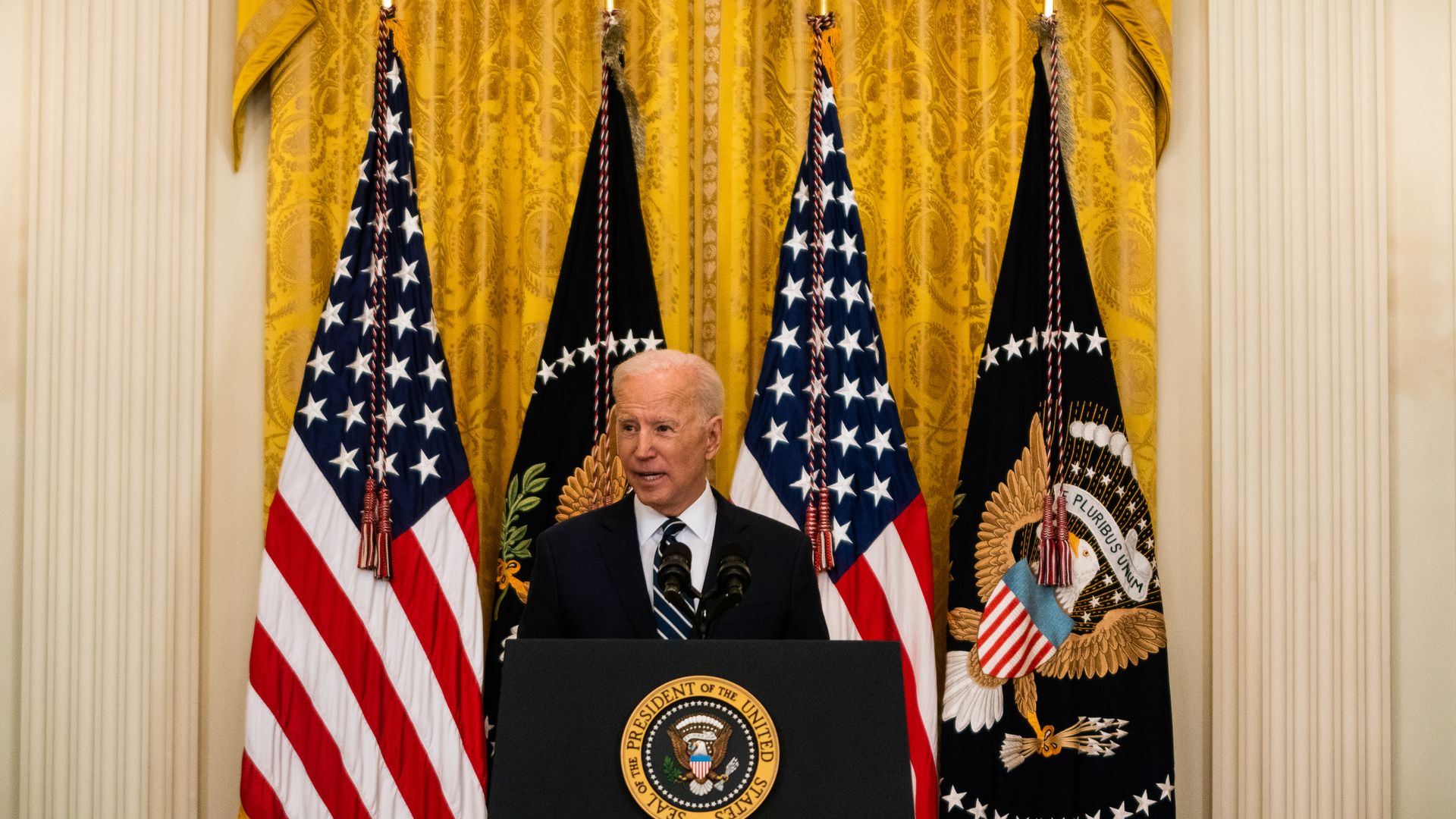
President Biden on Monday pleaded with governors, mayors and local leaders to maintain or reinstate mask mandates in order to help America reach the end of the coronavirus pandemic.
Why it matters: Biden's comments came hours after CDC Director Rochelle Walensky warned of her sense of "impending doom" of a potential fourth wave of COVID-19 cases.
President Biden announced Monday that 90% of Americans will have a vaccination site within five miles of their homes by April 19.
Driving the news: The administration is increasing the number of pharmacies in the federal vaccination program from 17,000 to nearly 40,000 across the U.S., and plans to set up a dozen more mass vaccination sites by April 19.
Johnson & Johnson has inked a deal with the African Union (AU) to supply up to 400 million doses of its coronavirus vaccine starting in the third quarter of the year, the drugmaker announced Monday.
Why it matters: Disparities in vaccine access remain a challenge for Africans, especially as the continent struggles to contain the coronavirus variant that originated in South Africa.
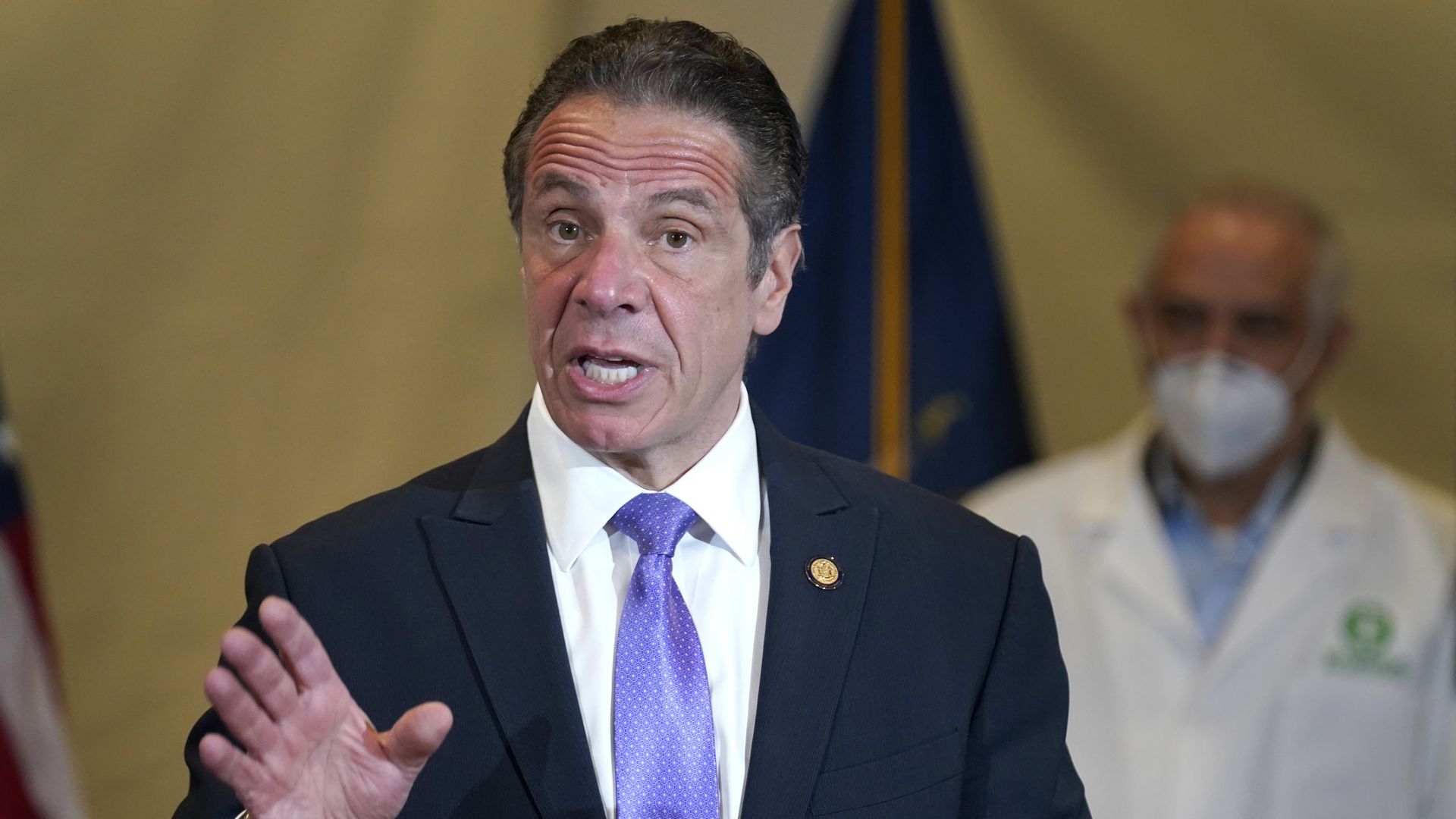
New York State will make adults over the age of 30 eligible for the coronavirus vaccine on March 30, and all adults 16 years and older eligible beginning April 6, Gov. Andrew Cuomo announced Monday.
Why it matters: The state was the original epicenter of the COVID-19 outbreak in the U.S., and it's reported nearly 50,000 total deaths since the pandemic began. New York will make all adults eligible for the vaccine almost one month ahead of President Biden's goal for all states to do so by May 1.
Centers for Disease Control and Prevention Director Rochelle Walensky went off script at a briefing Monday and made an emotional plea to Americans not to let up on public health measures amid fears of a fourth wave.
What they're saying: “I'm going to reflect on the recurring feeling I have of impending doom," Walensky said, appearing to hold back tears. "We do not have the luxury of inaction. For the health of our country, we must work together now to prevent a fourth surge."
People who are fully vaccinated with the mRNA vaccines from Pfizer or Moderna are 90% less likely to get infected with COVID-19, according to a CDC study that tested nearly 4,000 health care workers and other essential workers for the virus weekly.
Why it matters: The data show how well the vaccine performs in non-clinical trial settings. During the mRNA clinical trials for both the Pfizer and Moderna vaccines, effectiveness from full vaccination was about 95%.
A report from a team of scientists assembled by the World Health Organization and China leaves unresolved the question of where the coronavirus originated, but calls the possibility that it leaked from a laboratory "extremely unlikely," according to a copy obtained by Axios.
Why it matters: The process of investigating the origins of the virus has been fraught with geopolitical tensions, and the report set to be released on Tuesday will likely create more questions than it answers.
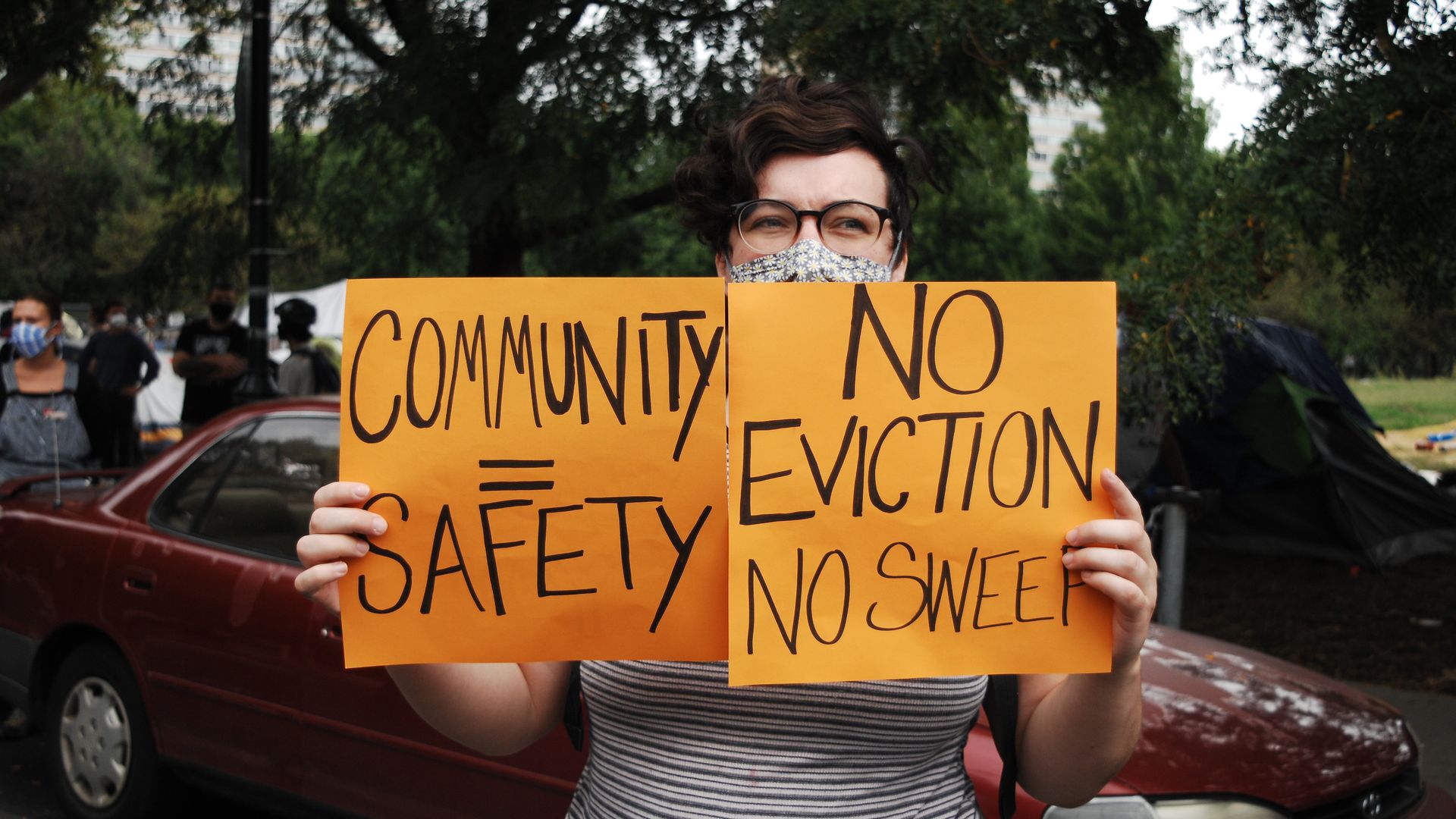
The Centers for Disease Control and Prevention has extended its nationwide ban on evictions through the end of June, the agency confirmed in a statement Monday.
Why it matters: The order comes as the current ban on evictions was set to expire in two days. The moratorium is a public health measure aimed at stopping the spread of COVID-19 by keeping people out of crowded settings like homeless shelters and allowing people who may be ill to self-isolate, the CDC notes.
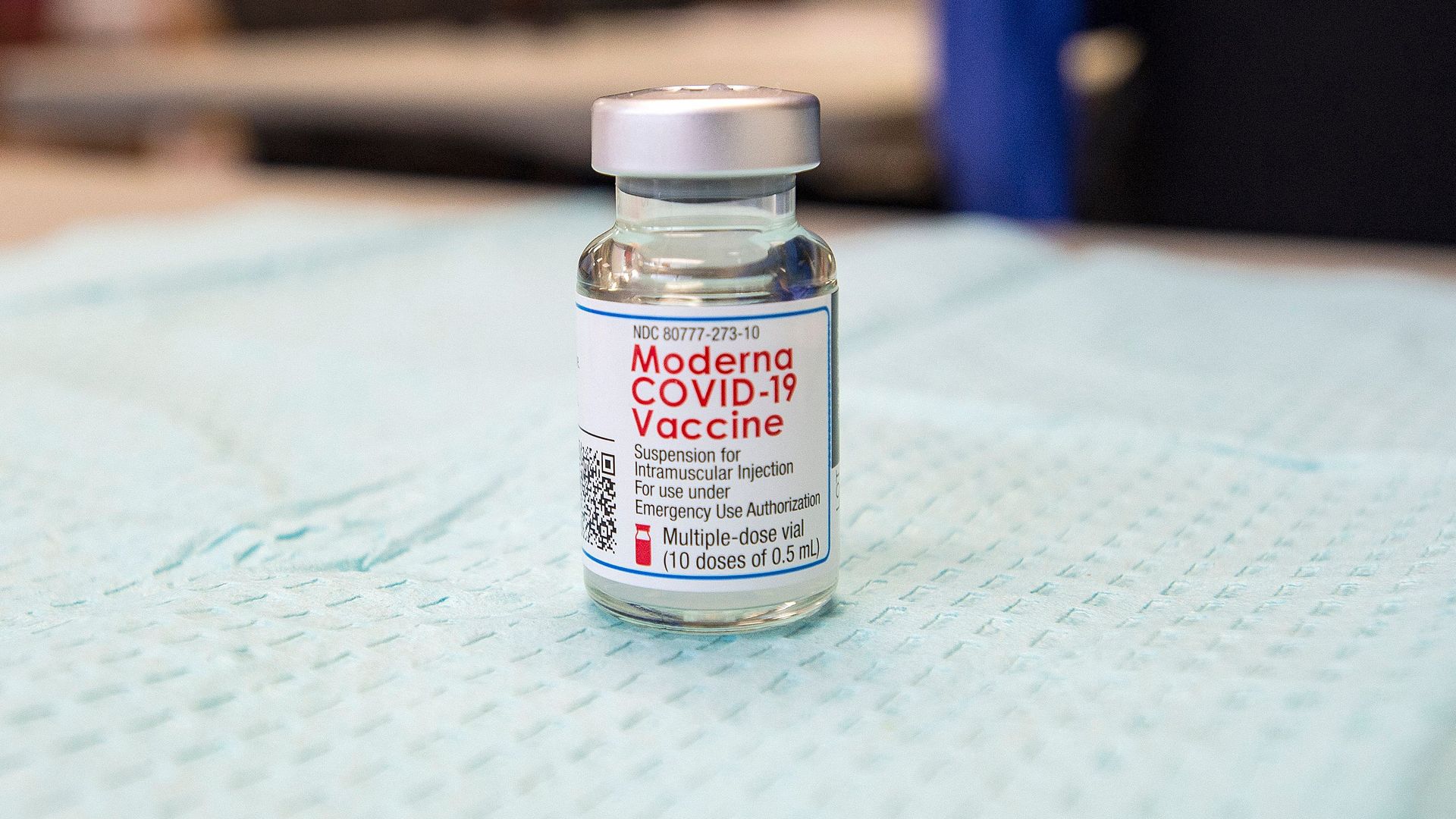
Moderna has shipped 100 million doses of its COVID-19 vaccine to the U.S. government, meeting its Q1 goal for the first tranche of 300 million shots purchased by the U.S., the pharmaceutical company announced Monday.
What's next: Moderna said itexpects to meet the rest of its commitment dates to the U.S. government, including another 100 million doses by the end of May and the third set of 100 million doses by the end of July.
Kaiser Health News' latest edition of its "Bill of the Month" series features a patient who was charged a "facility fee," which drove up what she owed to more than 10 times higher than what she'd previously paid for the same care.
Why it matters: Facility fees — which are essentially room rental fees, as KHN puts it — are becoming increasingly controversial, and patients often receive the bill without warning.
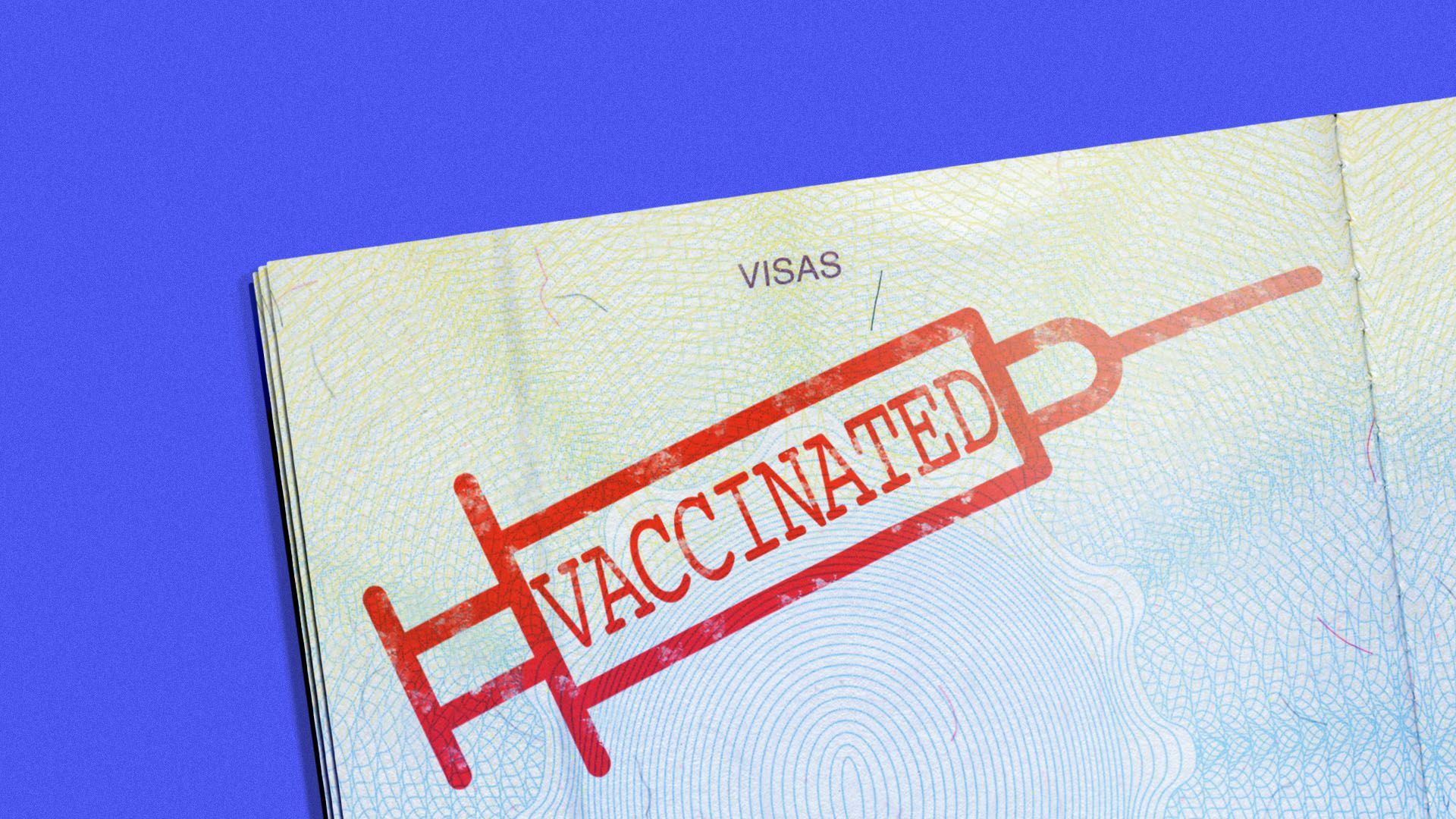
The Biden administration is working alongside private companies to create "vaccine passports" that would allow Americans to prove they've been vaccinated against the coronavirus, the Washington Post reports.
Why it matters: Many companies have said they'll require proof of vaccination as part of reopening.
Coronavirus cases are on the rise again in several states, partially a result of variants of the virus becoming more widespread, experts say.
Why it matters: Even though a remarkable 72% of Americans 65 and older have received at least one dose of the vaccine, millions of Americans — particularly younger Americans with underlying conditions — remain vulnerable.
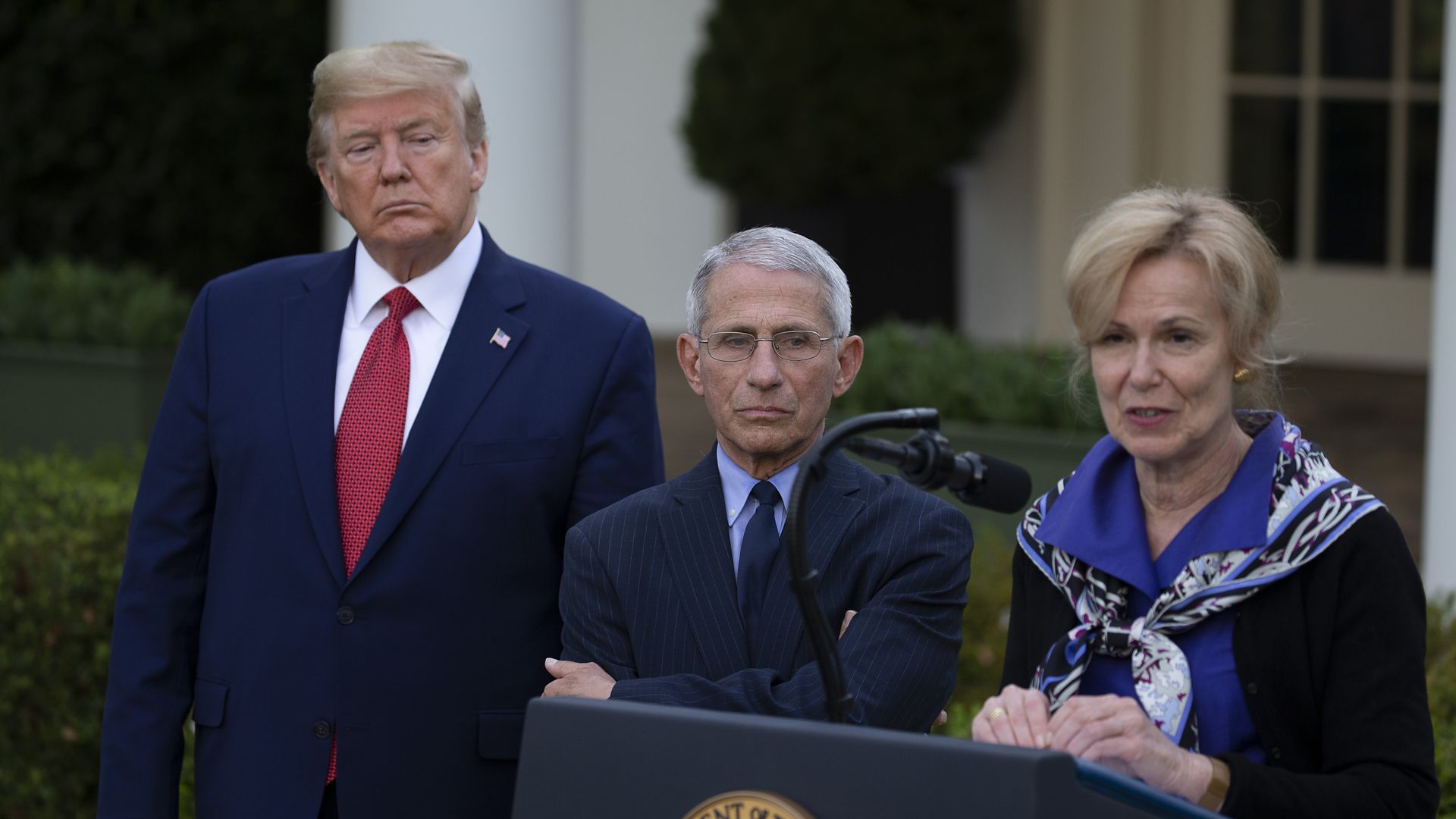
Leading members of former President Trump's White House coronavirus task force opened up on the pressures of working in the administration in a CNN special report, broadcast Sunday.
Of note: In CNN's "COVID War: The Pandemic Doctors Speak Out," Anthony Fauci recalled that Trump tweeting "LIBERATE" blue states in order to push them to reopen "hit me like a punch to the chest," while Deborah Birx said "fault No.1" with the administration was it didn't "provide consistent messaging to the American people."
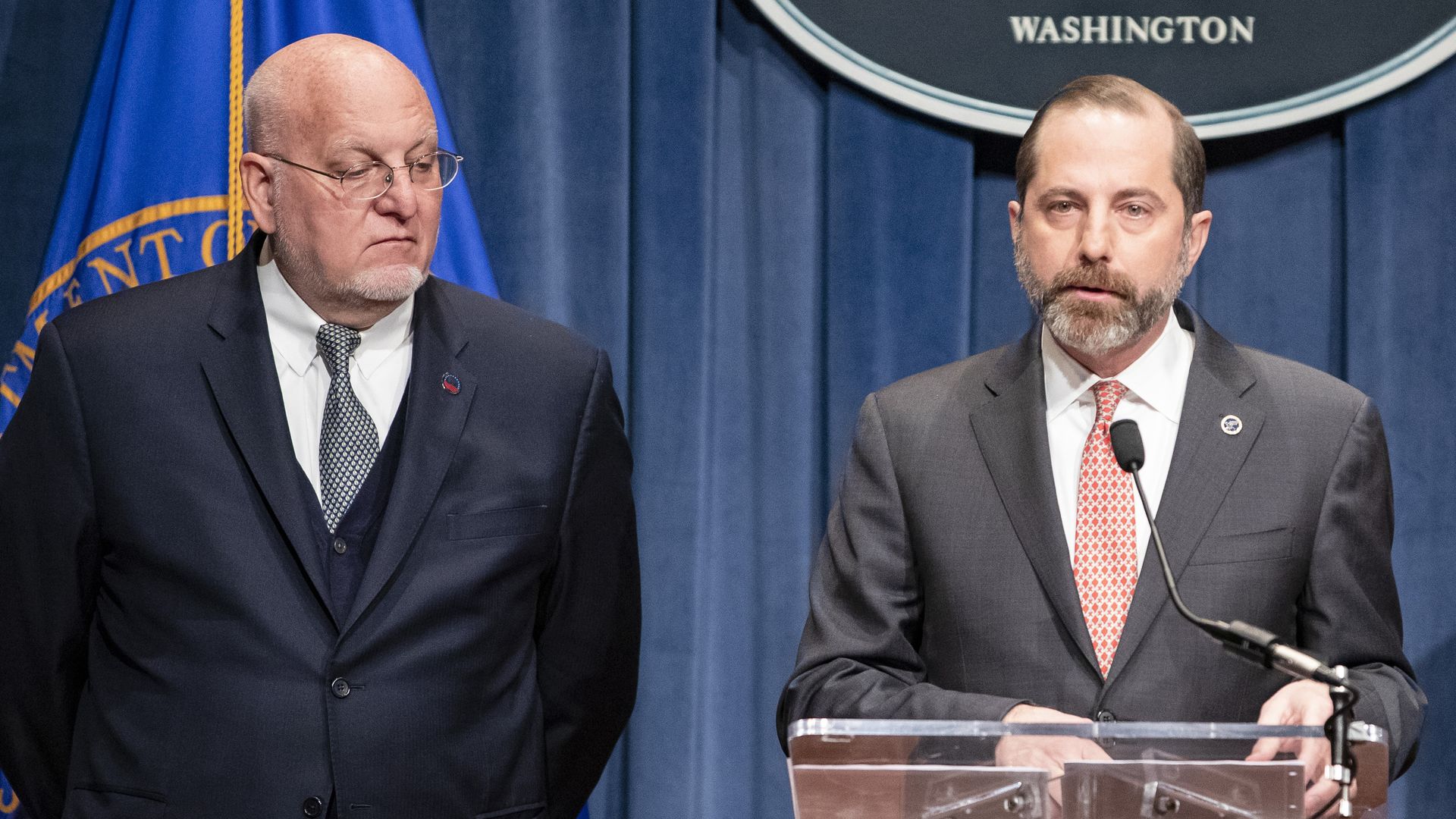
Two senior members of former President Trump's White House coronavirus task force accused former Health and Human Services Secretary Alex Azar in a CNN special report, broadcast Sunday, of political interference.
Driving the news: Former CDC chief Robert Redfield told CNN's Sanjay Gupta that what he was "most offended by was the calls" from Azar's office "that wanted me to pressure and change the MMWR [Morbidity and Mortality Weekly Report on COVID-19]. He may deny that, but it's true."
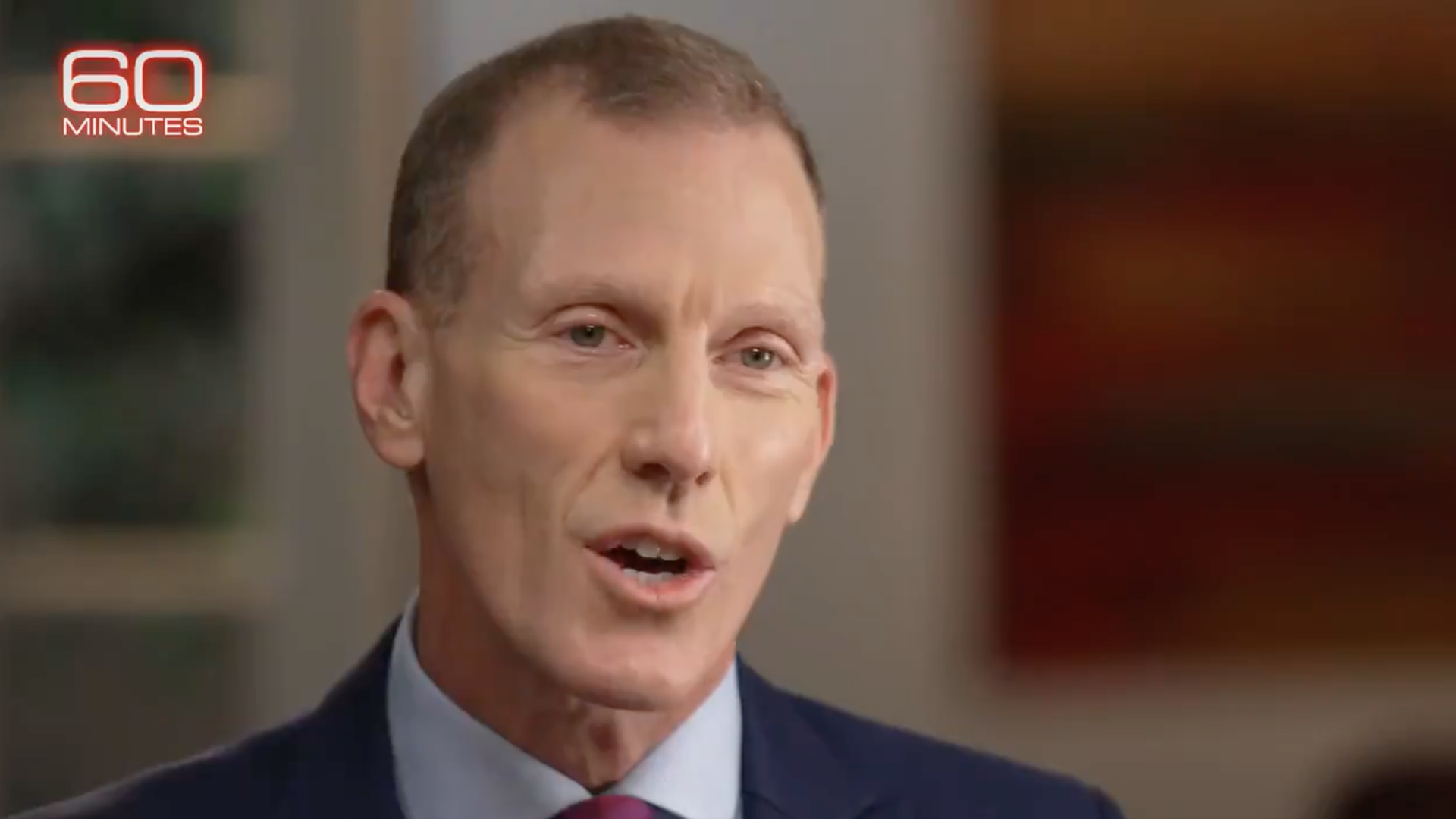
The World Health Organization's probe into the COVID-19 pandemic origins is not an investigation, it's "essentially a highly chaperoned, highly curated study tour," a WHO adviser and former Clinton administration official told CBS' "60 Minutes" Sunday.
Why it matters: Jamie Metzl's comments that China's government set the mission's ground rules and had "veto power" over who could be on the research team add to concerns raised by the Biden administration and others that the Chinese Communist Party may have interfered in the investigation.